Support

Kavieng

About

Kavieng is a picturesque town located at the northern tip of the long, narrow island of New Ireland. As the provincial capital, it serves as a vibrant and essential hub for travelers exploring this stunning region of Papua New Guinea (Niugini). Known for its relaxed atmosphere, lush tropical vegetation, and friendly locals, the town offers a perfect blend of island charm and modern convenience, making it a comfortable base for adventures in the Pacific.

With a population of approximately 20,000 residents, Kavieng is large enough to be lively but small enough to feel intimate and welcoming. The town is geographically significant as a major port and the starting point of the famous Boluminski Highway, which stretches down the east coast of the island. The climate is typically tropical, providing warm, sunny weather year-round that is ideal for enjoying the pristine natural surroundings.

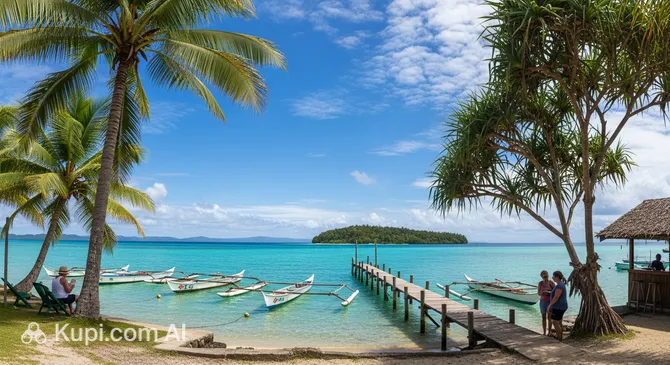
Kavieng. Source: Kupi.Binoculars

Those interested in the history of Kavieng will find that the town has a rich heritage, having served as an important administrative center for over a century. Today, however, it is perhaps best known globally as a premier diving destination. The surrounding waters are crystal clear and teeming with marine life, featuring spectacular coral reefs and significant World War II wrecks that attract scuba enthusiasts from around the world.

Beyond the underwater wonders, visitors can take a short boat ride to nearby Nusa Island for a relaxing day trip or explore the bustling local markets to experience the authentic culture of New Ireland Province. Whether you are driving the scenic coast, surfing the local breaks, or submerging yourself in the deep blue, Kavieng promises an unforgettable tropical escape.

Weather Overview

Travelers planning a trip to this tropical region can look forward to remarkably consistent and warm conditions throughout the year. The temperature in Kavieng remains steady, with daily averages hovering around 27°C regardless of the season. Highs typically reach up to 28°C, while nighttime lows rarely drop below 26°C, ensuring a comfortable climate for swimming and outdoor exploration at any time.

While the warmth is reliable, visitors should also be prepared for frequent precipitation. The region experiences a high number of wet days, ranging from 22 to 28 days per month, so carrying waterproof gear is highly recommended. For a more detailed forecast and to understand the specific climate trends for your travel dates, you can consult the weather in Kavieng. Despite the frequency of rain, the showers are often part of the lush tropical experience and rarely hinder the enjoyment of the island's natural beauty.

Interesting Facts

Beyond the stunning beaches and world-class diving spots, Kavieng holds a collection of unique stories and quirks that often escape the casual visitor's eye. From unusual sporting venues to echoes of colonial history, the town offers fascinating details that add depth to its tropical charm.

  • A Golf Course on the Runway: One of the most peculiar features of the town is the Kavieng Golf Club, which is situated directly alongside the airport's active runway. It is one of the few places in the world where a round of golf might be briefly interrupted by the arrival of a commercial flight, offering a truly unique sporting experience.

  • The Legacy of Boluminski: The famous highway running south from the town is named after Franz Boluminski, a German colonial administrator. Legend has it that he ensured the road's high quality by forcing local villagers to maintain the section passing through their land, reportedly checking its smoothness by driving with a glass of water on his dashboard to see if it spilled.

  • Gateway to Shark Callers: While not practiced in the town center itself, Kavieng is the primary gateway to the villages of the West Coast where the ancient art of shark calling is still performed. In this mystical tradition, local men claim to summon sharks to their boats using coconut shell rattles and incantations, catching them by hand in a practice that dates back centuries.

  • An Underwater Aviation Museum: The harbor is the final resting place of "Deep Pete," a remarkably intact Mitsubishi F1M floatplane from World War II. Unlike many wrecks that are deep and inaccessible, this biplane lies on its back on the sandy bottom. It has become an artificial reef, allowing divers to explore the inverted wings and cockpit of a piece of history that rests peacefully beneath the waves.

How to Get There

Reaching the northern tip of New Ireland Province is primarily done by air, offering travelers a scenic approach over the Bismarck Sea. For a complete guide on planning your journey, including flight connections and travel tips, you can read more about how to get to Kavieng.

The most convenient entry point is Kavieng Airport (KVG), which is located directly in the town. Situated just 1.9 km from the city center, it serves as the primary gateway for visitors. Due to its close proximity, the journey from the terminal to your accommodation is very short; a taxi or hotel shuttle typically takes about 10 to 15 minutes. Although it is a smaller regional facility handling around 35,000 passengers annually, it provides essential links to the capital, Port Moresby.

Travelers exploring the wider archipelago might also transit through Tokua Airport (RAB), located in the city of Rabaul on the neighboring island of New Britain. This airport is significantly larger, with an annual passenger traffic of approximately 280,000, but it is about 263 km away from Kavieng across the sea. Consequently, arriving here requires a connecting flight or sea transport to reach your final destination in New Ireland. Similarly, Lihir Island Airport (LNV) is another regional hub situated 210 km away in Lihir, serving the nearby island communities.

For clarity, here is a summary of the main airports:

Airport Name City Passenger Traffic Km from City
Tokua Airport Rabaul Large 262.7
Lihir Island Lihir Medium 210.1
Kavieng Airport Kavieng Small 1.9

Main Attractions

Kavieng may be a small provincial capital, but it serves as a gateway to some of the most stunning natural and historical sites in New Ireland. Visitors will find that the town's charm lies not in grand monuments, but in its relaxed island atmosphere, world-class marine environments, and remnants of a fascinating colonial past. Whether you are looking for underwater adventures or a glimpse into local culture, there are several key spots to explore.

Nusa Lik Island is arguably the most popular day-trip destination, situated just a few minutes by boat from the main wharf. This idyllic sandy islet offers pristine white beaches and crystal-clear waters perfect for swimming and snorkeling. It is also home to a well-known retreat that attracts surfers from around the globe who come to challenge the renowned reef breaks. For those seeking relaxation, it provides a peaceful escape with stunning views back towards the main island, especially at sunset.

For a taste of local life, the Kavieng Market is a must-visit, particularly on Friday and Saturday mornings when it is most vibrant. Located near the waterfront, the market is a bustling hub where villagers from surrounding areas come to sell fresh produce, betel nut, and handcrafted items. It is especially famous for its seafood, including the region's massive mud crabs and fresh reef fish. Strolling through the stalls offers a colorful and authentic insight into the daily rhythm of the town.

History enthusiasts should stop by the Bagail Cemetery, a site that quietly tells the story of the region's colonial era. The most notable landmark here is the grave of Franz Boluminski, the German administrator credited with developing the province's infrastructure in the early 20th century. The cemetery serves as a serene historical marker, connecting the modern town with its past as an administrative center during the German New Guinea period.

The town is also the starting point of the Boluminski Highway, which is an attraction in itself. Stretching down the east coast of New Ireland, this scenic road is renowned for its smooth condition and breathtaking views. A drive along the highway reveals a landscape of limestone karsts, coconut plantations, and traditional villages. Travelers often use Kavieng as a base to explore the initial sections of the highway, stopping at freshwater swimming holes like Fissoa or visiting the famous eel-feeding sites in nearby villages.

Local Cuisine

The culinary experience in Kavieng is deeply connected to the ocean, offering some of the freshest seafood in the South Pacific. For food lovers, the undisputed highlight of the local cuisine is the famous New Ireland mud crab. These massive, succulent crabs are a regional specialty and a must-try for any visitor. They are typically prepared simply to highlight their natural sweetness, often steamed or cooked in a rich sauce made from fresh coconut cream, chili, and ginger, reflecting the island's tropical abundance.

Beyond the crabs, the daily catch brings in a variety of reef fish, crayfish, and squid, which serve as the protein staples for most meals. These dishes are almost always accompanied by locally grown organic root vegetables. Taro, yams, and sweet potato (locally known as kaukau) are boiled or baked in an earth oven known as a mumu during special occasions. The use of coconut is pervasive, adding a creamy texture and distinct flavor to both savory curries and sweet treats.

To quench your thirst in the tropical heat, nothing beats a fresh Kulau (young coconut). You will find vendors selling these everywhere, chopping the top off with a bush knife so you can drink the hydrating water straight from the shell. For those looking for an alcoholic beverage, SP Lager (South Pacific Lager) is the national beer of Papua New Guinea and is widely available in hotels and clubs. It is the standard companion for a relaxed evening watching the sunset over the harbor.

The dining scene in Kavieng revolves largely around the local markets and guesthouse restaurants. The Kavieng Market is the cultural heart of the town's food scene, where you can buy fresh tropical fruits like bananas, papayas, and pineapples, or try local snacks such as smoked fish wrapped in banana leaves. While street food options are simple, "Kai bars" (takeaway shops) offer hearty stews and fried goods. For a sit-down meal, tourists usually frequent the restaurants within the local resorts and hotels, which serve a reliable mix of Western dishes and Melanesian favorites using fresh local ingredients.

Travel Tips

Welcome to Kavieng! To help you navigate the relaxed island pace and ensure a smooth journey through this beautiful part of New Ireland, we have compiled a list of essential travel advice. These practical tips will help you respect local customs, stay safe, and make the most of your tropical adventure.

  1. Clothing and Gear: Due to the hot and humid tropical climate, pack lightweight, breathable fabrics like cotton or linen. Since rain is frequent, a high-quality raincoat or poncho is essential. While resort wear is fine within hotel grounds, you should dress modestly when visiting town or local villages; women should avoid short skirts or skimpy tops, and men should wear shirts. Don't forget reef shoes for swimming to protect your feet from coral.
  2. Transportation: The town center is small enough to explore comfortably on foot. For longer distances or trips down the Boluminski Highway, the most common local transport is the PMV (Public Motor Vehicle), which are typically open-back trucks with bench seating. They are affordable and offer a genuine local experience, though they run on "island time." Taxis are available but limited; ask your hotel to arrange one for you.
  3. Finances: The local currency is the Papua New Guinea Kina (PGK). Cash is absolute king here, especially in markets and smaller shops. While there are ATMs (mainly BSP and Westpac) in town, they can occasionally run out of cash or be offline, so it is wise to carry a sufficient reserve. Credit cards are generally only accepted at major hotels, resorts, and the largest supermarkets. Tipping is not a traditional custom, but small gratuities for exceptional service are appreciated.
  4. Health and Safety: Malaria is a risk in this region, so bringing antimalarial medication and a strong insect repellent containing DEET is highly recommended. Drink only bottled or boiled water to avoid stomach issues. Kavieng is generally safer than the mainland cities, but you should still exercise common sense: avoid walking alone at night, keep valuables secure, and stay in well-lit areas. The local hospital can handle basic needs, but comprehensive travel insurance including medical evacuation is crucial.
  5. Communication: English is one of the official languages and is widely understood, but Tok Pisin is the primary language of daily life. Learning a few phrases like "Apinun" (Good afternoon) or "Tenkyu" (Thank you) will go a long way with locals. Wi-Fi can be slow and unreliable; for better connectivity, purchase a local SIM card (Digicel is the main provider) upon arrival, though coverage may drop as you move away from town.
  6. Local Etiquette: New Irelanders are known for their friendliness. It is polite to greet people you pass on the street with a smile or a nod. When visiting villages, always ask for permission before entering or taking photographs of people and their homes. The concept of "custom" (traditional ways) is strong here, so showing respect to village elders is important.
  7. What to Avoid: Diverse cultural taboos exist, but a major one is stepping over food or people's legs, which is considered disrespectful in Melanesian culture. Also, avoid wearing swimwear or revealing clothing in public spaces like markets or the town center, as this is seen as offensive to local sensibilities.
  8. Sunday Observance: Papua New Guinea is a deeply Christian country, and Sundays are strictly observed as a day of rest and worship. Most shops, markets, and services in Kavieng will be closed or have very limited hours. Plan your activities, such as buying supplies or arranging transport, ahead of time to avoid inconvenience.

By keeping these tips in mind, you will be well-prepared to enjoy the warm hospitality and stunning natural beauty of Kavieng without any hassles. Embrace the slower rhythm of island life, connect with the locals, and have a safe and memorable trip!

Entertainment & Nightlife

Entertainment in Kavieng reflects the town's laid-back, tropical character. Visitors expecting a bustling metropolis with neon-lit nightclubs and 24-hour party districts will find a much quieter, more intimate scene here. Nightlife in this provincial capital is centered almost entirely around the major hotels, guesthouses, and private social clubs, where the atmosphere is friendly, casual, and focused on socializing over cold drinks rather than dancing until dawn.

The heart of the evening social scene is arguably the Kavieng Club. A historic institution in the town, it serves as a gathering point for expatriates, local business owners, and tourists. It offers a classic pub atmosphere with pool tables, reasonably priced drinks, and a relaxed environment where you can easily strike up a conversation with residents. Another popular spot is the bar at the Kavieng Hotel, often bustling on weekends with a mix of locals and visitors enjoying live bands or local music played from a jukebox. It is a great place to experience the local "party" vibe in a safe setting.

For a truly unique evening, many travelers take a short boat ride across the harbor to the Nusa Island Retreat. Although technically on a separate islet, it is an integral part of the Kavieng experience. The retreat's bar and restaurant are famous for their buffet dinners and sunset views. The boat transfer is easily arranged, and sipping a cocktail while looking back at the lights of the main island is a highlight of any trip. The dress code everywhere is strictly casual; shorts, t-shirts, and sandals are the norm, even in the evenings.

Practical advice for a night out involves planning your transport in advance. Public transport stops running early in the evening, so you cannot rely on PMVs (buses) to get around at night. Taxis are limited, so it is best to arrange a drop-off and pick-up with your hotel's transport service or a trusted private driver. Prices for drinks are generally affordable, with a domestic beer (SP Lager) costing significantly less than in Western countries, though imported spirits will be pricier.

Safety is a paramount consideration when enjoying the nightlife. While Kavieng is generally safer than larger cities in Papua New Guinea, walking around at night is not recommended. The streets are poorly lit, and there is a risk of opportunistic crime. Always travel by vehicle from door to door, even if the distance seems short. Stick to the well-known venues mentioned above, as they provide security and a controlled environment for tourists.

regarding daytime entertainment, Kavieng does not feature traditional urban facilities like movie theaters, large amusement parks, or shopping malls. The "entertainment" here is organic and outdoor-oriented. Visitors might find small local cultural festivals or sing-sings occurring sporadically, but there are no permanent museums or dedicated entertainment complexes. The town's charm lies in its lack of commercial distractions, inviting you to create your own fun through market visits and exploring the natural surroundings.

Parks & Museums

While Kavieng does not boast the sprawling botanical gardens or grand indoor museums found in larger metropolitan capitals, the town itself serves as a magnificent open-air gallery of history and nature. The true beauty of this provincial capital lies in its accessible natural landscapes and the tangible remnants of the past that are scattered throughout the area, rather than enclosed within glass cases or fenced parks.

Kavieng Harbour Foreshore acts as the town's primary green space and communal gathering area. Stretching along the waterfront, this scenic strip offers shaded spots under large rain trees where locals and visitors alike come to relax and watch the boats drift by. It is an unpretentious, natural area that captures the essence of island life, providing a perfect vantage point for witnessing the spectacular sunsets over the Bismarck Sea. The gentle sea breeze and the sight of traditional canoes mixing with modern yachts make it a peaceful retreat right in the heart of town.

Just a short boat ride across the harbor, Nusa Lik (Small Nusa) functions as the city's de facto natural park and playground. Although it is an island, its proximity makes it an accessible escape for swimming, picnicking, and walking along pristine white sands. The island is surrounded by lush tropical vegetation and clear waters, offering a "park" experience that is distinctly Melanesian. It serves as a sanctuary for native birdlife and a preserved natural environment where the jungle meets the reef, ideal for a day of immersion in nature.

In terms of museums, the Bagail Cemetery is the most significant historical site in the immediate vicinity of the town. Serving as an open-air museum of the colonial era, this quiet and well-maintained ground contains the graves of early settlers, missionaries, and administrators. The most prominent monument is the tomb of Franz Boluminski, the German district officer who was instrumental in building the province's famous highway. Walking among the frangipani trees and reading the inscriptions offers a poignant glimpse into the German and Australian colonial periods that shaped New Ireland.

Kavieng is also often described as home to an "Underwater Museum" of World War II history. While not a building, the harbor floor is littered with remarkably preserved aircraft and shipwrecks that attract historians and divers from around the globe. Sites like the "Deep Pete" floatplane and the "Der Yang" shipwreck are accessible historical archives, where the artifacts—from cockpits to cargo—remain in situ, encrusted with coral. For non-divers, local operators can sometimes arrange glass-bottom boat tours or snorkeling trips to shallower wrecks to view these submerged relics.

For art lovers, the culture of New Ireland is best experienced through its world-famous Malagan Carvings. There is no dedicated public art gallery in Kavieng, but many of the town's hotels and the provincial tourist office display these intricate wooden sculptures. These carvings are not just art; they are complex ceremonial objects used in traditional funeral rites to honor the dead. Viewing these masterpieces in local lobbies or cultural centers provides a rare insight into one of the most sophisticated artistic traditions in the Pacific.

For an authentic local experience, travel a short distance down the coast to visit the Laraibina Eels. Located in a village setting, this natural attraction allows visitors to stand in a clear freshwater stream while wild eels, considered sacred by the locals, swim around their legs and are hand-fed. It is a unique interaction with nature that highlights the deep spiritual connection the people of New Ireland have with their environment.

Getting Around

Navigating Kavieng is a straightforward and authentic experience, as the town does not possess a complex network of metros, trams, or large municipal buses. Instead, the backbone of the local public transport system is the PMV (Public Motor Vehicle). Within the town and its immediate surroundings, these are typically 15-seater minivans, while for longer journeys down the coast, they often take the form of open-backed utility trucks fitted with wooden benches and a canopy. They are an integral part of daily life, offering a reliable and inexpensive way to move around while mingling with local residents.

The payment system is entirely informal and cash-based; there are no travel passes, smart cards, or mobile applications for transport here. You simply pay the driver or the "crew" (the conductor who assists passengers) directly. Fares are fixed but unwritten, generally costing a very small amount for trips within the town limits. It is essential to carry small denominations of cash, such as coins or small notes, as drivers rarely have change for large bills. You typically pay at the end of your journey when you disembark.

For tourists, using a PMV requires a bit of patience and a sense of adventure. There are no official timetables or strictly designated bus stops with signage. In the town center, PMVs usually congregate near the main market or along the waterfront to wait for passengers. To catch one elsewhere, you can simply wave from the roadside. They operate on "island time," meaning they depart only when they are full. Service typically begins early in the morning but tapers off significantly in the late afternoon. Be aware that public transport generally stops running completely by sunset, so you should plan your return trip accordingly.

If you prefer a more private or direct mode of transport, taxis are available, though they are not as numerous as in larger cities. They do not usually patrol the streets looking for fares, so it is best to book one through your hotel reception or find them parked at the airport or main market. Most taxis are unmetered, so it is standard practice to negotiate and agree on the fare with the driver before getting into the car to avoid misunderstandings later.

Given the town's coastal location and the presence of nearby islands like Nusa Lik, water taxis—locally referred to as "banana boats" or dinghies—are a common form of transport. These small fiberglass boats depart from the main wharf and are the primary way to access island resorts and offshore attractions. Similar to road transport, prices for short hops are negotiable or fixed standard rates for locals, and payment is always in cash.

For those wishing to explore at their own pace, car rentals are available, though options are limited and can be relatively expensive compared to public transport. Renting a vehicle is particularly recommended if you plan to drive extensively along the scenic Boluminski Highway. Alternatively, the town center is compact and flat, making walking a pleasant and viable option for getting between shops, the market, and the harbor during the cooler parts of the day.

Accommodation

To ensure a comfortable stay in Kavieng, it is helpful to understand that the accommodation landscape differs significantly from major international tourist hubs. There are no high-rise luxury hotel chains here; instead, the town and its surroundings offer a selection of intimate resorts, guesthouses, and lodges. These establishments are typically locally owned or expatriate-run, providing a personalized and relaxed atmosphere that reflects the slow pace of island life.

For many visitors, the quintessential Kavieng experience involves staying at one of the **eco-resorts** located on the small islands just offshore. A popular choice is to stay on **Nusa Lik Island**, which is only a few minutes by boat from the town wharf. Accommodations here often feature traditional-style bungalows built from natural materials, sitting right on the water's edge. These retreats are designed for travelers who want to disconnect, offering a "castaway" vibe with essential comforts, and are particularly favored by surfers and those seeking direct beach access.

If you prefer to be on the mainland with easy access to the airport, markets, and administrative centers, the town itself has several reliable options. The **Kavieng Hotel** is the most prominent establishment in the center, functioning not just as a place to sleep but as a social hub with a restaurant and bar that attracts both locals and travelers. Another notable option is the **Kavieng Niu Lodge**, which offers modern, air-conditioned rooms and apartments, making it a suitable choice for business travelers or families looking for a secure and quiet base within walking distance of town amenities.

Given that Kavieng is a premier destination for scuba diving, specialized **dive resorts** are a major category of accommodation. Facilities like **Lissenung Island Resort**, situated on a private island about 20 minutes from town, cater specifically to underwater enthusiasts. These resorts typically operate on a full-board basis, including all meals and daily dive trips in the package. Staying at these locations offers a secluded experience where the focus is entirely on nature and the ocean, far removed from the distractions of the main town.

When planning your booking, keep in mind a few practical considerations regarding amenities in this remote region of Papua New Guinea:

  • Climate Control: While hotels in town generally offer air conditioning, many island bungalows rely on natural ventilation, sea breezes, and ceiling fans.
  • Connectivity: Wi-Fi is usually available, but it is often limited to common areas like the lobby or restaurant and may be slower than what you are used to.
  • Transfers: Public transport does not service the hotels directly, but almost all accommodation providers offer airport transfers. It is standard practice to inform them of your flight details in advance so a driver can meet you at the terminal.
  • Power and Water: Utilities are generally reliable, but occasional outages can occur. Most reputable hotels have backup generators and water tanks to ensure guest comfort.

Nearby Cities

For those looking to explore the surroundings, Kavieng serves as an excellent base for day trips to several interesting nearby locations. While the town is situated on the tip of a long island, its position makes it a strategic jumping-off point for exploring both the New Ireland coast and the neighboring islands of the Bismarck Archipelago.

City Population Distance (km)
Lae 193000 622
Madang 62023 628
Arawa 40266 666
Kimbe 27191 337
Kokopo 20262 256

While the major urban centers listed above typically require a short flight and are often better suited for overnight stays or "short visits" rather than a quick drive, they offer unique experiences close to New Ireland. For genuine road-based day trips, travelers usually head south along the coast.

Kokopo is the closest major city, located on the neighboring island of New Britain. Accessible via a quick flight across the St. George's Channel, it serves as the gateway to the fascinating volcanic landscapes of Rabaul. Visitors can witness the smoking Mount Tavurvur, explore extensive World War II tunnels, and experience the distinct culture of the Tolai people. Its proximity makes it a viable option for a structured short excursion for those wanting to see more of the islands.

Namatanai is the second-largest town on New Ireland and a popular destination for an ambitious day trip by road. Located approximately 260 km south of Kavieng, the journey involves a scenic drive down the Boluminski Highway. The route itself is the attraction, passing through traditional villages, limestone karsts, and coconut plantations. Upon arrival, visitors can see the quiet station town which serves as a trading hub for the central part of the island.

Kimbe, the capital of West New Britain, is another regional hub accessible by air. Known globally for its biodiversity, it sits on Kimbe Bay, home to some of the world's most pristine coral reefs. While a single day might be rushed, a short visit allows diving enthusiasts to experience a marine environment that rivals Kavieng's own, offering a different perspective on the underwater wonders of the Bismarck Sea.

These nearby destinations offer a glimpse into the diverse culture and landscapes of the region, ranging from volcanic vistas to scenic coastal drives.

Shopping & Souvenirs

Shopping in Kavieng offers a distinct departure from the polished malls and high-street brands found in larger global cities. Instead, the experience here is authentic, practical, and deeply rooted in the local island lifestyle. For tourists, the town provides a wonderful opportunity to purchase basic travel necessities alongside unique cultural artifacts. The retail scene is modest and relaxed, focusing primarily on sustenance and local craftsmanship rather than luxury goods, making every purchase a chance to interact with the friendly residents of New Ireland.

The main commercial activity is concentrated along the waterfront area and the central road running through the town. This district serves as the economic heartbeat of Kavieng, where you will find a cluster of general stores, banks, and hardware shops. Exploring this compact area on foot is easy and pleasant, allowing visitors to hop between shops while enjoying the sea breeze. It is not a sprawling shopping district, but rather a convenient strip where everything you might need is within walking distance.

Travelers looking for "shopping malls" should adjust their expectations; Kavieng does not have large, multi-story shopping centers. Instead, the town relies on large supermarkets and trading stores. These establishments function as "one-stop shops," selling a wide variety of goods ranging from groceries and toiletries to clothing and camping gear under one roof. They are the go-to places for restocking supplies, grabbing snacks for a day trip, or finding replacement travel gear.

The undisputed highlight of the local shopping scene is the Kavieng Market. Located right on the harbor, this bustling hub is vibrant, colorful, and teeming with life, especially on Friday and Saturday mornings. It is the best place to see the region's famous produce, including mountains of fresh tropical fruit, vegetables, and the renowned New Ireland mud crabs. While it is primarily a food market, it is also a cultural experience where the sights and smells provide a genuine taste of Melanesian daily life.

For those seeking souvenirs, the best treasures are handmade. Bilums (traditional woven string bags) are a popular choice, known for their durability and intricate patterns. New Ireland is also famous for its traditional shell money, which is often crafted into beautiful necklaces and bracelets. Additionally, visitors may find intricate wood carvings that reflect the province's rich artistic heritage, particularly the Malagan tradition. These items can often be found at the market or in small craft shops within hotel lobbies.

Practicality is key when planning your shopping trips. Stores typically open around 8:00 AM and close by 4:00 PM or 5:00 PM on weekdays. Weekend hours are shorter, with many shops closing by noon on Saturday and remaining completely closed on Sunday. Payment is almost exclusively made in cash (Papua New Guinea Kina). While major supermarkets may accept cards, market vendors and smaller shops do not, so carrying small denominations of cash is essential for a smooth experience.

Regarding taxes, Papua New Guinea does not operate a tourist refund scheme or tax-free shopping system for general goods like clothing or souvenirs. The price you see is the final price. Bargaining is not a common custom in stores or the market, although it is always polite to ask for a "second price" when purchasing high-value handicrafts directly from artisans.
Nearby cities

Reached the end of the page?

That means the route is fully explored