Support

Kimbe

About

Welcome to Kimbe, the bustling capital of the West New Britain Province. Situated on the northern coast of the island of New Britain, this town serves as a vital port and commercial center in Papua New Guinea (Niugini). With a population of approximately 27,000 residents, it offers a lively atmosphere combined with the laid-back charm typical of the tropical islands.
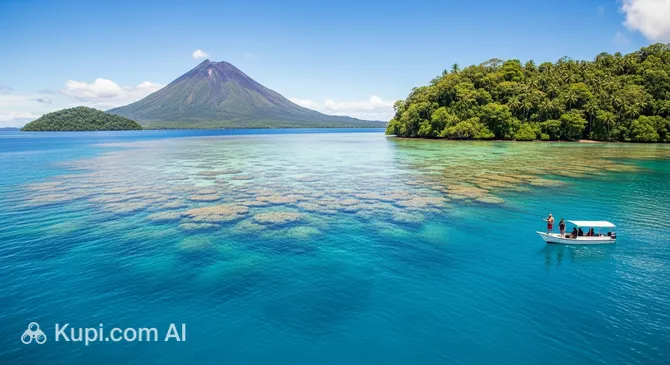
Kimbe. Source: Kupi.Binoculars

The city is globally renowned for its spectacular location on Kimbe Bay. This body of water is often cited as having one of the most diverse coral reef systems in the world, making it a premier destination for scuba divers and underwater photographers. The vibrant marine life, featuring huge schools of barracuda and pristine coral gardens, attracts nature enthusiasts from all corners of the globe who come to witness this biodiversity hotspot.

While the town is a modern gateway to natural wonders, it also has a story of rapid growth driven by agriculture. You can learn more about the settlement's development and its rise as a palm oil industry hub by exploring the history of Kimbe. Today, the surrounding plantations and the busy port define much of the local economy and landscape.

Beyond the underwater treasures, visitors can explore the dramatic volcanic landscapes nearby, including the active thermal areas of the Garbuna Group volcanoes. Whether you are looking to relax in natural hot springs or embark on a world-class diving adventure, Kimbe offers a unique and unforgettable experience for every traveler.

Weather Overview

Travelers planning a trip to this region should prepare for a consistent tropical climate characterized by steady warmth and high humidity. Temperatures in Kimbe remain remarkably stable throughout the year, with daily averages hovering around 26°C. Daytime highs typically reach up to 28°C, while nights stay pleasant and warm, rarely dropping below 24°C.

Rainfall is a constant feature of the local environment, occurring frequently regardless of the season. To get a detailed forecast for your specific travel dates, you can check the weather in Kimbe. The data indicates that precipitation occurs on most days, with wet days ranging from 24 to 30 days per month, meaning you are likely to encounter showers whether you visit in January or July.

Overall, expect warm conditions with frequent rain year-round. It is advisable to pack lightweight, breathable clothing along with reliable rain gear, as the consistent cloud cover and showers are typical for this lush part of West New Britain.

Interesting Facts

While Kimbe is primarily known for its diving and palm oil, there are specific aspects of its history and environment that make it unique. From its relatively recent development to its role in marine conservation, the town offers several intriguing details for visitors.

  • Coral Diversity: Kimbe Bay is considered one of the most biodiverse marine environments globally. It sustains over 60% of the coral species found in the Indo-Pacific region, a concentration of life that rivals much larger bodies of water.
  • Industrial Origins: Unlike other towns in Papua New Guinea (Niugini) with long colonial histories, Kimbe is a modern settlement. It was significantly expanded in the late 1960s to serve as the administrative and logistical center for the developing palm oil industry.
  • Marine Education: The town is home to Mahonia Na Dari (Guardian of the Sea), a center dedicated to marine conservation education. It focuses on teaching the local community and youth about the importance of preserving the reef ecosystems.
  • WWII Heritage: History enthusiasts and divers can find a preserved Mitsubishi Zero fighter plane in the harbor. The aircraft, dating back to the 1940s, rests in shallow water and has become an artificial reef teeming with marine life.

How to Get There

Reaching this tropical destination in West New Britain usually involves a short domestic flight, as the region is separated from the mainland. While the town itself is tucked away along the coast, it is well-connected to the rest of the country through nearby aviation hubs. For detailed routes and travel tips, you can read more about how to get to Kimbe to plan your journey effectively.

The city of Kimbe does not have its own airport, but you can fly into Hoskins Airport (HKN) in the town of Hoskins, which is the primary gateway for visitors. Located just 31.1 km from Kimbe, it offers the most convenient access. Upon arrival, a taxi or shuttle transfer to the city center takes approximately 45 minutes to an hour. This regional airport handles a steady flow of travelers heading to the nearby dive resorts and plantations.

Alternatively, travelers might transit through Tokua Airport (RAB), located in the city of Rabaul. This is a larger hub situated significantly further away, about 282.3 km from Kimbe. Due to the distance, the overland journey is quite long, taking around 7 to 8 hours by road. Most tourists prefer connecting flights to Hoskins rather than attempting the long drive from Rabaul.

For clarity, here is a summary of the main airports:

Airport Name City Passenger Traffic Km from City
Tokua Airport Rabaul Medium 282.3
Hoskins Airport Hoskins Small 31.1

Main Attractions

Kimbe Bay is undoubtedly the crown jewel of the region and the primary draw for international visitors. Often referred to as a "coral factory," this expansive body of water is home to over half of the world's coral species. It offers world-class scuba diving and snorkeling experiences, with sites that feature massive sea fans, vibrant coral gardens, and an abundance of marine life ranging from tiny nudibranchs to schools of barracuda and dolphins. The calm, nutrient-rich waters make it an exceptional destination for underwater photography.

For a relaxing day trip, Restorf Island is a favorite among tourists and locals alike. Located within the bay, this small, uninhabited island is picture-perfect with its white sandy beaches and lush vegetation. The surrounding waters are shallow and crystal clear, making it an ideal spot for snorkeling right off the beach. Visitors often bring picnic lunches to enjoy on the sand after exploring the accessible reefs that teem with colorful fish and giant clams.

Nature enthusiasts should not miss the Pokili Wildlife Management Area, located near the town of Hoskins. This protected rainforest is renowned for its population of Melanesian Scrubfowl, or megapodes. These unique birds do not sit on their eggs; instead, they bury them in the warm volcanic soil to incubate. A visit here allows you to walk through the dense jungle, observe the nesting grounds, and learn about the local efforts to conserve this fascinating species and their habitat.

For those seeking adventure on land, the Garbuna Volcano area offers a dramatic landscape of geothermal activity. A trek through the rainforest leads to active thermal fields where you can see bubbling mud pools, steaming fumaroles, and natural hot springs. The hike provides not only a close-up look at the region's volcanic nature but also offers panoramic views of the coastline and the vast palm oil plantations below.

Mahonia Na Dari (Guardian of the Sea) is a center dedicated to marine research and education, situated just a short drive from the main town. While its primary focus is educating local youth about conservation, it welcomes visitors who wish to learn more about the delicate ecosystems of Kimbe Bay. It is an inspiring place to understand the science behind the reefs and see the community's commitment to preserving their natural heritage.

Local Cuisine

The culinary scene in Kimbe is a delightful reflection of its tropical environment, heavily relying on the abundance of the sea and the fertile volcanic soil of West New Britain. Fresh seafood is the cornerstone of the local diet, often prepared with rich coconut cream, which is a staple ingredient in Papua New Guinea (Niugini). Visitors can expect simple yet flavorful meals where the quality of the ingredients takes center stage, from succulent mud crabs and crayfish to reef fish caught daily in the bay.

One of the most refreshing dishes you must try is a fresh raw fish salad marinated in coconut cream. This local favorite consists of raw fish marinated in lime juice to "cook" it, then mixed with fresh coconut cream, diced onions, tomatoes, and spicy chilies. It is served chilled and is perfect for the warm climate. Another traditional cooking method worth experiencing is the Mumu. While often reserved for special occasions or feasts, many local tour operators can arrange a Mumu experience. This involves cooking pork, chicken, fish, and root vegetables like sweet potato (kaukau) and taro wrapped in banana leaves within an earth oven heated by hot stones, resulting in tender, smoky flavors.

For those with a sweet tooth or looking for a quick snack, look for Saksak at local markets. These are dumplings made from sago palm starch mixed with mashed bananas and coconut cream, then steamed in banana leaves. It is a chewy, comforting treat that is unique to the coastal and river regions of the country. The local markets are also the best places to find an array of tropical fruits, including incredibly sweet pineapples, papayas, and mangoes.

When it comes to beverages, the most popular thirst-quencher is Kulau, or fresh young coconut water, often sold right on the roadside. It is hydrating and perfectly safe to drink. For something stronger, you can try the local beer, SP Lager, which is widely available and considered the national drink. Coffee lovers will also appreciate the local brew; although the Highlands are the main coffee region, excellent PNG coffee is served in hotels and cafes throughout Kimbe.

Dining options in Kimbe generally fall into two categories: hotel restaurants and local "Kai Bars." Most tourists dine within the lodges and resorts, which offer a mix of Western cuisine and local specialties in a comfortable setting. For a more authentic everyday experience, Kai Bars are small takeaway shops popular with locals, serving hearty portions of fried chicken, fish, and chips. Exploring the main market in town is also highly recommended, not just for the food, but to witness the vibrant daily life of the community.

Travel Tips

Visiting Kimbe offers a unique blend of adventure and relaxation in the heart of West New Britain. To ensure your trip to this lush region of Papua New Guinea (Niugini) is smooth and enjoyable, here are some essential practical tips to help you navigate the local environment and customs.

  1. Dress for the Tropics and Rain. The climate is hot and humid year-round, so pack lightweight, breathable fabrics like cotton or linen. Since West New Britain is known for its high rainfall, a reliable raincoat or umbrella is indispensable. While swimwear is appropriate at resorts, remember to dress modestly when visiting the town or local villages; covering shoulders and knees is considered respectful.
  2. Plan Your Transport Carefully. Public Motor Vehicles (PMVs) are the primary mode of local transport; while they are affordable, they can be crowded and run on irregular schedules. For a more comfortable and secure experience, relying on hotel transfers or arranging a private taxi is highly recommended. If you plan to explore remote sites, a 4WD vehicle is often necessary due to variable road conditions.
  3. Cash is King. The local currency is the Kina (PGK). While major resorts and hotels typically accept international credit cards, smaller shops, local markets, and transport operate strictly on cash. ATMs are available in Kimbe town, but they can occasionally run out of money or be offline, so it is wise to carry enough small notes for daily expenses.
  4. Prioritize Health and Hydration. Malaria is a risk in the region, so bring strong insect repellent and consult your doctor about prophylaxis before you travel. Always drink bottled or purified water, as tap water is generally not safe for tourists to consume. Pharmacies can be found in town for basic supplies, but you should bring a sufficient supply of any specific prescription medications you require.
  5. Language and Connectivity. English is widely spoken in business and tourism sectors, making communication relatively easy. However, Tok Pisin is the most common language among locals; learning a few phrases like "Gude" (Hello) or "Tenkyu" (Thank you) is a great way to break the ice. For internet access, purchasing a local SIM card in town is usually cheaper and more reliable than relying solely on hotel Wi-Fi.
  6. Respect Local Customs and Land. The locals are generally very friendly and welcoming. A smile and a handshake are standard greetings. Be aware that almost all land, beaches, and reefs are customarily owned by local clans. You should never wander off the beaten path, hike, or swim in secluded areas without asking for permission or being accompanied by a local guide.
  7. Safety Precautions. As in many urban centers, it is advisable to exercise caution. Avoid walking alone at night, particularly in unlit or secluded areas of the town. It is best to organize your evening activities and transport through your accommodation. refrain from wearing expensive jewelry or displaying large amounts of cash in public to avoid attracting unwanted attention.
  8. Experience the Market Early. For the best local experience, visit the main market in Kimbe early in the morning. This is when the produce is freshest and the atmosphere is most vibrant. It is the perfect place to buy sweet local pineapples and kulau (young coconut), but remember to bring your own reusable bag and small change (toea and small kina notes).

By following these simple guidelines, you can navigate the practicalities of your journey with ease and focus on the incredible natural beauty surrounding you. Prepare well, respect the local way of life, and you are sure to have an unforgettable adventure in Kimbe.

Entertainment & Nightlife

Nightlife in Kimbe is relatively low-key compared to larger cities, reflecting the town's laid-back tropical nature. The evening entertainment scene primarily revolves around the major hotels and social clubs, which serve as safe and lively gathering spots for both locals and visitors. While you will not find a sprawling district of neon-lit nightclubs, you can expect a warm, social atmosphere where people gather to unwind after a day of work or diving.

The most popular spot for an evening out is often the Kimbe Bay Hotel. It is well-known for its vibrant bar area, which frequently hosts local bands and offers a lively setting for dancing and socializing on weekends. Another excellent option is the Liamo Reef Resort, which offers a more relaxed environment. Here, you can enjoy a quiet cocktail or a cold beer by the waterfront, making it an ideal location for watching the sunset and enjoying a peaceful evening. For those looking to mingle with the local expatriate and business community, the San Remo Club is a social hub that offers reasonably priced drinks, sports screens, and a friendly vibe.

The atmosphere in these venues is casual and unpretentious. The dress code is generally informal, with smart-casual attire being the standard; shorts and open shirts are acceptable in most places, though swimwear is restricted to pool areas. Friday and Saturday nights are the busiest, often extending until late, while weeknights tend to be much quieter. Prices for drinks and entry fees are generally affordable, and the crowds are typically a mix of friendly locals, expat workers, and visiting divers.

Safety is a crucial consideration when enjoying the nightlife in Kimbe. It is strongly advised not to walk around the town at night, even for short distances. The streets can be poorly lit, and it is safer to travel by vehicle. Most hotels offer shuttle services for their guests, or they can call a reliable taxi for you. Always arrange your return transport before you head out or ensure the venue can book a cab for you to return to your accommodation safely.

During the day, entertainment options shift towards cultural and outdoor activities rather than urban amusements. While Kimbe lacks large amusement parks or theaters, visitors can explore local culture at the bustling main market or visit the Mahonia Na Dari center to learn about marine conservation. For a relaxing afternoon, many tourists enjoy the recreational facilities at the resorts or take short excursions to nearby village communities to experience traditional life in Papua New Guinea (Niugini).

Parks & Museums

While Kimbe is not defined by manicured city parks or grand national museums, its true allure lies in its "living museums"—the pristine rainforests, thermal areas, and marine environments that surround it. The city serves as a gateway to some of the most biodiverse natural reserves in Papua New Guinea (Niugini), where the line between a park and the wild jungle is beautifully blurred.

For nature lovers, the Pokili Wildlife Management Area serves as the region's premier natural park. Located a short drive from Kimbe, this protected reserve is a sanctuary of dense tropical rainforest and geothermal activity. It is most famous for its population of Melanesian Scrubfowl, birds that use the heat from the volcanic soil to incubate their eggs. Visitors can wander through the lush foliage, observing towering ancient trees and steaming vents, offering a raw and immersive experience that far exceeds a typical walk in the park.

Another serene green space can be found within the grounds of the Walindi Plantation Resort. Although private, the gardens are often accessible to visitors and are renowned for their botanical variety. The area is a haven for birdwatchers and macro-photographers, featuring manicured paths lined with exotic orchids, gingers, and tropical ferns. It is one of the best places near the city to spot the vibrant eclectus parrot or the majestic Blyth's hornbill in a more controlled and accessible environment.

In terms of cultural and educational venues, Mahonia Na Dari (Guardian of the Sea) stands out as the most significant institution in the area. Functioning as a marine education center rather than a traditional museum, it houses a library and various displays dedicated to the coral triangle's biodiversity. Visitors can view collections of shells, preserved marine specimens, and educational exhibits that explain the complex life cycles of the reef. It provides a fascinating intellectual dive into the science behind the beauty of Kimbe Bay.

For a glimpse into history, the Talasea Airstrip acts as an open-air museum of World War II history. Located on the Willaumez Peninsula, this site features the wreckage of several Allied aircraft, including B-25 Mitchell bombers and Lockheed Vega Venturas. These war relics have been left where they crash-landed or were abandoned, slowly being reclaimed by the jungle. Walking among these rusting fuselages offers a poignant and tangible connection to the Pacific theater's past, set against a backdrop of coconut palms.

Insider Tip: For a truly unique natural spa experience, ask a local guide to take you to the Garu Hot River. Unlike commercial hot springs, this is a naturally flowing river where thermal waters mix with cool streams, allowing you to find the perfect temperature for a relaxing soak in the middle of the forest.

Getting Around

The public transport system in Kimbe is relatively simple and informal, reflecting the size and relaxed pace of the town. There is no metro, tram, or large municipal bus network. Instead, the primary mode of transportation for locals and visitors alike is the Public Motor Vehicle, commonly known as the PMV. These are typically 15 to 25-seater minibuses that ply set routes between the town center, residential areas, and surrounding villages.

PMVs are easily recognizable by their license plates, which start with "P" for Passenger. They do not operate on a strict timetable; instead, they depart from the main terminal—usually located near the central market—once they are full. To catch one along the road, you simply wave your hand to signal the driver. The destination is usually displayed on a card in the front window, or the conductor (often called the "boss crew") will shout it out to potential passengers.

Payment is strictly cash-based. There are no travel cards, mobile apps, or electronic ticketing systems. You pay the fare directly to the conductor or driver once you are seated or upon exiting. Fares are generally very affordable, often costing just a few Kina depending on the distance. It is highly advisable to carry small denominations—coins and small notes—as drivers may not always have change for larger bills.

Operating hours are generally limited to daylight. PMVs typically start running early in the morning, around 6:00 AM, to accommodate workers and market vendors, and they wind down by late afternoon. By dusk (around 6:00 PM), public transport becomes very scarce. Tourists should plan their return journeys well before sunset to avoid being stranded, as finding a ride after dark can be difficult.

For those seeking more comfort or privacy, taxis are available, though they are less numerous than in larger urban centers. Taxis in Kimbe may not always use meters, so it is standard practice to agree on the fare with the driver before getting into the vehicle. Your hotel can usually recommend a reliable driver or book one for you, which is often the safest and most convenient option for getting around.

Car rentals are an alternative for travelers who prefer independence, particularly if you plan to explore the volcanic landscapes or coastal roads outside the main town. Several agencies and hotels offer vehicle hire services. Given the condition of some roads, especially after rain, renting a 4-wheel drive vehicle is often a practical choice. However, driving habits can be unpredictable, so defensive driving is essential.

While the town center is compact enough to explore on foot, the tropical heat and humidity can make walking long distances exhausting. Most visitors rely on hotel transfers for airport runs and organized tours for sightseeing, using PMVs or taxis mainly for short trips within the town or for a local cultural experience.

Accommodation

Accommodation in Kimbe caters primarily to two distinct groups of travelers: scuba diving enthusiasts and business professionals visiting for the palm oil industry. Unlike major tourist hubs with endless rows of international hotel chains, the options here are more limited but offer a distinct local charm. Visitors can generally choose between world-class eco-resorts focused on nature, functional mid-range hotels located within the town, and a few basic guesthouses suitable for budget-conscious travelers.

When choosing where to stay, the location depends largely on the purpose of your visit. The most scenic and popular area for tourists is along the shores of Kimbe Bay. Staying near the water not only provides stunning views of the volcanic coastline but also offers direct access to dive boats and snorkeling excursions. For those traveling on business or needing access to amenities like banks, supermarkets, and transport terminals, the Town Center is the most convenient base, keeping you close to the commercial heart of the province.

For travelers seeking a blend of comfort and accessibility, the Liamo Reef Resort is a well-known option. Situated on the beachfront within the town boundaries, it serves as a comfortable sanctuary with modern amenities, making it a favorite for both leisure and business guests. Another central option is the Kimbe Bay Hotel, which sits right in the heart of the town. It is often bustling with activity and serves as a social hub for the community, offering a convenient place to stay if you want to be near the local markets and shops.

If your primary goal is to explore the underwater wonders of the region, the Walindi Plantation Resort is the most famous establishment in West New Britain. Located roughly 20 minutes from the main town, this dedicated dive resort is globally renowned. It offers private bungalows nestled in the rainforest and focuses heavily on sustainable tourism and marine exploration, providing a tranquil escape far removed from the noise of the town center.

Booking Tip: Accommodation in Kimbe can fill up surprisingly quickly. The dive resorts often have bookings made months or even a year in advance by international tour groups, while town hotels can be fully occupied during business conferences or local events. It is highly recommended to book your room well before your arrival. While the major resorts can be booked via online platforms, smaller guesthouses may require a direct email or phone call to secure a reservation.

In terms of pricing, travelers should be prepared for rates that are generally higher than in Southeast Asian destinations. True budget accommodation is scarce and basic. Most tourist-standard lodgings fall into the mid-range to high-end price brackets due to the remote location and the cost of operating in the islands. Payment is typically in Kina, and while major hotels accept credit cards, it is always wise to confirm this in advance and carry some cash for incidental expenses.

Nearby Cities

For those looking to explore the surroundings, Kimbe serves as an excellent base for day trips to several interesting nearby locations:

Talasea is a historic station located on the Willaumez Peninsula, easily accessible for a fascinating day trip. It is renowned for its World War II history, where visitors can see the wreckage of Allied aircraft resting in the jungle. The area is also famous for its ancient obsidian mines, which were a source of trade across the Pacific for thousands of years, offering a unique blend of natural beauty and archaeological significance.

Located on the eastern tip of the island, Kokopo is the vibrant capital of East New Britain and a compelling destination for a short visit. While it is further away and typically requires a short flight or a long overland journey, it rewards travelers with spectacular views of the Rabaul volcanoes and a rich colonial history. The town serves as a gateway to exploring the resilient culture of the Tolai people and the dramatic landscapes shaped by volcanic activity.

Hoskins is the nearest significant town, situated just a short drive along the coast. Apart from hosting the region's main airport, it acts as a jumping-off point for visiting the thermal hot springs and the Pokili Wildlife Management Area. It offers a quieter, more rural atmosphere where visitors can observe local village life and the vast oil palm landscapes that define the province's economy.

City Population Distance (km)
Lae 193000 371
Popondetta 65000 413
Madang 62023 482
Kokopo 20262 271
Lihir 20000 383

These nearby destinations offer a glimpse into the diverse culture and landscapes of the region, ranging from volcanic wonders to historic sites.

Shopping & Souvenirs

Shopping in Kimbe is a functional and culturally immersive experience rather than a pursuit of high-end fashion or luxury brands. As a provincial capital, the retail scene is primarily designed to serve the daily needs of the local community and the palm oil industry workforce. For tourists, the charm lies in exploring the local markets for fresh produce and traditional crafts, as well as visiting the well-stocked supermarkets that serve as the town's modern trading hubs.

The main commercial activity is concentrated in the Town Center, particularly along the main coastal road that runs through the settlement. This compact district is easy to navigate on foot and houses the majority of the banks, pharmacies, hardware stores, and general merchandise shops. A walk through this area offers a glimpse into the bustling daily life of West New Britain, where locals from surrounding villages come to trade and buy supplies.

While you will not find sprawling international shopping complexes, the city does feature several large department stores that function as one-stop shops. Andersons Foodland is widely considered the premier supermarket in town, offering a good range of imported groceries, Western food items, and general household goods. Papindo Trading is another major retailer found here, known for its department store style that stocks everything from clothing and electronics to basic groceries at affordable prices.

The highlight of any shopping trip in Kimbe is undoubtedly the Kimbe Town Market. This vibrant, open-air hub is the beating heart of the community. Here, you will find an explosion of colors with piles of tropical fruits, vegetables, and fresh fish caught that morning in the bay. It is also the best place to observe the local trade of buai (betel nut), which plays a significant social role in Papua New Guinea. The atmosphere is friendly and chaotic in the best possible way, offering a true taste of island life.

For souvenirs, the best items to look for are authentic handicrafts. Bilums—the iconic, colorful string bags used by everyone in the country—are a popular and practical keepsake. In West New Britain, you may also find unique shell jewelry and woven baskets that reflect the coastal culture. Local coffee and coconut-based beauty products, such as oils and soaps produced in the region, also make excellent gifts to take home.

Stores in Kimbe typically operate from 8:00 AM to 5:00 PM on weekdays. On Saturdays, many shops open in the morning but may close by 1:00 PM or 2:00 PM, and almost everything is closed on Sundays. While major supermarkets like Andersons and larger hotels accept credit cards (Visa and Mastercard), cash is essential for the markets, small street vendors, and PMV fares. It is advisable to withdraw Kina from an ATM in the town center before heading to the market.

Tourists should be aware that a Goods and Services Tax (GST) is generally included in the marked price of items. There is currently no tax-free refund scheme available for tourists departing from Papua New Guinea (Niugini), so the price you see on the shelf is the final price you pay.

Nearby cities

Reached the end of the page?

That means the route is fully explored