Support

Hoskins

About

Hoskins is a small but strategically important town located in the West New Britain Province. With a modest population of approximately 871 residents, it serves as a vital gateway for travelers venturing into this stunning part of the island of New Britain. The town is surrounded by lush tropical vegetation and offers a glimpse into the quiet, rural life of the region.

Geographically, the town is situated on the northern coast, enjoying a tropical climate that supports the area's rich biodiversity. It is a key location within Papua New Guinea (Niugini), primarily because it hosts the main airport serving the province. This accessibility makes it the first point of contact for many visitors arriving to explore the renowned coral reefs and volcanic landscapes nearby.
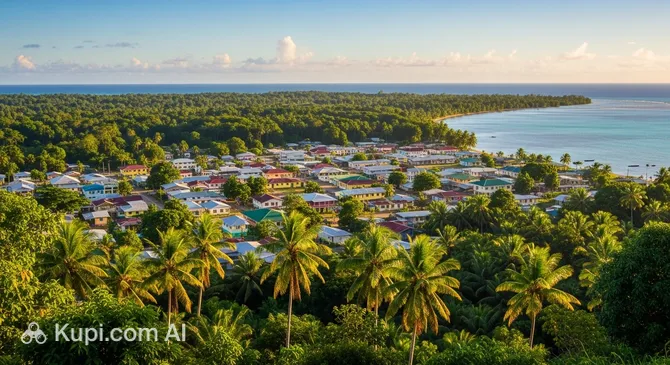
Hoskins. Source: Kupi.Binoculars

While the settlement is relatively young compared to ancient indigenous sites, the history of Hoskins is deeply interconnected with the agricultural development of the region. The area is well-known for its vast oil palm plantations, which dominate the landscape and drive the local economy. Driving through these endless rows of palms is a unique visual experience for those new to the province.

Travelers often use Hoskins as a transit point to reach Kimbe, the provincial capital, or the world-famous diving spots of Kimbe Bay. Additionally, the town sits in the shadow of impressive volcanic peaks, such as Mount Pago, offering adventurous souls the chance to witness the raw geological power that shaped the island.

Whether you are a diver heading to pristine reefs or a trekker looking for volcanic adventures, Hoskins provides a convenient and welcoming start to your journey. It is a humble yet essential stop for anyone wishing to uncover the natural treasures of West New Britain.

Weather Overview

Hoskins experiences a consistent tropical climate characterized by steady warmth and high humidity throughout the year. The temperature remains remarkably stable, with monthly averages hovering around 26°C. Daytime highs typically reach between 27.7°C and 28.7°C, while nights remain mild with minimum temperatures rarely dropping below 24.4°C.

Travelers should be prepared for frequent precipitation, as the region records a high number of wet days annually. Even during the relatively drier months like August and September, you can expect rain on over 20 days of the month, peaking at up to 30 wet days in March and December. Because of this pattern, it is advisable to check the current weather in Hoskins before your trip and pack lightweight, waterproof clothing to stay comfortable.

Interesting Facts

Beyond its role as a transit hub, Hoskins holds fascinating secrets that reveal its pivotal role in the region's history and geology. From World War II relics hidden in plain sight to the fiery forces that shape the land, this small town offers more than meets the eye.

  • A Runway with a History: The modern Hoskins Airport sits directly on top of a World War II site known as Gabubu Airfield. Originally constructed by the Japanese military in 1943 as a forward base, it was later captured by U.S. Marines. Today, your flight lands on the same historic grounds where fighter planes once patrolled the skies.

  • Birthplace of an Industry: Hoskins is the true cradle of Papua New Guinea (Niugini)'s "green gold." It was here, in the late 1960s, that the country's very first commercial oil palm project was established. The endless plantations you see today are the direct descendants of that pioneering agricultural experiment which transformed the nation's economy.

  • Living in the Shadow of Ash: The town's existence is tied to the mood of the nearby Mount Pago volcano. In 2002, a major eruption blanketed the area in ash and forced the airport to close, turning the bustling gateway into a quiet zone for weeks. Locals have learned to live in harmony with this sleeping giant, whose fertile soil supports the lush surrounding jungle.

  • Hidden Geothermal Wonders: Just a short distance inland lies the Koimumu area, home to an active geyser field. Unlike the famous tourist spots, this is a raw display of nature where steam vents and boiling water remind visitors that the ground beneath West New Britain is very much alive.

How to Get There

Reaching this part of West New Britain is an adventure in itself, primarily facilitated by air travel due to the island's rugged terrain and limited road infrastructure. For travelers planning their journey, understanding the flight connections is crucial. You can read more about how to get to Hoskins and the specific transport options available to ensure a smooth arrival.

The town is conveniently served by its own local aviation hub, Hoskins Airport (IATA: HKN), which is situated just 2.5 km from the town center. This facility is the main entry point for visitors heading to the nearby oil palm plantations or the diving resorts of Kimbe Bay. It handles a moderate volume of passengers annually, connecting the region with the capital, Port Moresby, and other provincial centers. Upon landing, the journey to the town center is very short, typically taking just a few minutes by taxi or hotel shuttle.

Another significant aviation hub in the wider region is Tokua Airport (IATA: RAB), located in the city of Rabaul. Although it is a larger facility with higher passenger traffic, it is situated approximately 254 km away from Hoskins. Due to the lack of a direct highway connecting these two distinct provinces across the island's mountainous interior, travelers arriving at Tokua would typically need to catch a connecting flight to Hoskins rather than attempting an overland journey.

For clarity, here is a summary of the main airports:

Airport Name City Passenger Traffic Km from City
Hoskins Airport Hoskins Medium 2.5
Tokua Airport Rabaul High 253.9

Main Attractions

While Hoskins itself is a modest town primarily defined by its airport and agricultural surroundings, it serves as the immediate gateway to some of West New Britain's most spectacular natural wonders. Visitors landing here are perfectly positioned to explore the region's volcanic landscapes and world-renowned marine environments.

Kimbe Bay is arguably the most significant attraction in the region and the primary reason many travelers visit Hoskins. Located just offshore, this bay is globally famous for its incredible marine biodiversity, hosting over half of the world's coral species. It is a paradise for scuba divers and snorkelers who come to witness the vibrant reefs, massive schools of pelagic fish, and pristine underwater ecosystems. Even for those who do not dive, boat tours across the calm, cerulean waters offer breathtaking views of the coastline and the chance to spot dolphins.

For those seeking adventure on land, Mount Pago offers a rugged and memorable experience. This active volcano is a dominant feature of the landscape and provides opportunities for trekking for fit and adventurous travelers. The journey toward the crater reveals a stark, moon-like landscape of hardened lava flows and ash plains that contrasts sharply with the surrounding lush jungle. The views from the slopes are magnificent, offering a unique perspective on the geological forces that created the island.

Just a short distance from the main settlements, nature lovers can visit Mahonia Na Dari (Guardian of the Sea). This marine research and conservation centre is dedicated to educating locals and visitors about the importance of the coral reefs. It is an excellent place to learn about the delicate ecosystems of West New Britain through interactive displays and guided talks. The centre often works in tandem with local resorts to promote sustainable tourism practices.

Another fascinating natural site is the Koimumu Geothermal Field. Located inland, this area showcases the raw thermal power of the region. Visitors can observe active steam vents and boiling hot springs bubbling up from the earth. It is a raw and undeveloped natural attraction that serves as a reminder of the volcanic activity simmering beneath the province's surface, offering a stark contrast to the orderly rows of oil palms that line the roads to the site.

Local Cuisine

The culinary scene in Hoskins is a reflection of the West New Britain lifestyle: simple, fresh, and deeply connected to the land and sea. While you will not find high-end fine dining restaurants in this small town, you will encounter authentic flavors derived from organic produce and the bountiful waters of Kimbe Bay. The food here is hearty and unpretentious, heavily relying on root vegetables, tropical fruits, and the ubiquitous coconut.

One of the most defining gastronomic experiences in the region is the traditional Mumu. This is not just a dish but a method of cooking where food is slow-roasted in an earth oven over hot stones. Typically reserved for special occasions or community gatherings, a Mumu consists of pork, chicken, or fish wrapped in banana leaves along with leafy greens, sweet potatoes, and taro. The ingredients are steamed in their own juices, resulting in a smoky, tender, and flavorful meal that is a must-try if you have the opportunity to join a local feast.

For everyday meals, root crops form the foundation of the local diet. Kaukau (sweet potato), taro, and yams are staples, often prepared by boiling or baking. A signature preparation style involves cooking these vegetables in rich, fresh coconut cream. This method adds a savory sweetness and a creamy texture to the starchy bases. You will also find bananas cooked in a similar fashion, serving as a comforting side dish that complements the savory mains.

Given its coastal location, seafood is a highlight of the local cuisine. Freshly caught fish, such as red emperor, snapper, and tuna, are readily available. Locals often prepare fish by grilling it over an open fire or boiling it in a broth seasoned with ginger, onions, and local herbs. The freshness of the catch means that heavy seasoning is rarely needed, allowing the natural flavors of the ocean to shine through.

When it comes to beverages, nature provides the most refreshing option. Kulau, or young coconut water, is the drink of choice to beat the tropical heat. It is widely available at roadside stalls and markets, served directly from the nut. For those looking to try a local alcoholic beverage, SP Lager is the national beer of Papua New Guinea (Niugini) and is popular in local social settings. It is a crisp, pale lager that pairs well with the humid climate.

The food culture in Hoskins centers around the local market and small eateries known as "Kai bars." The market is the best place to see the variety of produce grown in the volcanic soil, from bright red chilies to massive bunches of bananas. For tourists, dining is usually centered within guesthouses or lodges, where chefs often blend Western dishes with local ingredients. However, visiting a market to buy fresh fruit or grabbing a quick takeaway of fried fish and sweet potato from a Kai bar offers a more immersive taste of daily life in the province.

Travel Tips

Visiting Hoskins offers a unique opportunity to experience the authentic rhythm of West New Britain, but traveling to this remote corner of Papua New Guinea requires a bit of extra preparation. To help you navigate the local customs, tropical environment, and logistics of this small town, here are some essential practical tips for a smooth and enjoyable journey.

  1. Pack for Heat and Humidity. The climate in Hoskins is tropical and humid year-round. Bring lightweight, breathable clothing made of cotton or linen to stay cool. However, modesty is important in local culture, especially when visiting villages; avoid overly revealing outfits. Since rain is frequent, a sturdy umbrella or a lightweight waterproof jacket is an absolute must, along with comfortable, closed-toe shoes for walking on uneven terrain.

  2. Plan Your Transport in Advance. Hoskins does not have a formal public transport system like subways or scheduled city buses. The primary mode of local transport is the PMV (Public Motor Vehicle)—usually minibuses or open-back trucks that are cheap but often crowded and run on irregular schedules. For tourists, it is highly recommended to arrange airport transfers and daily transport through your hotel or lodge. Car rentals are rare and typically come with a driver.

  3. Cash is King. The local currency is the Papua New Guinea Kina (PGK). While high-end resorts may accept credit cards, small shops, local markets, and transport providers operate exclusively in cash. ATMs can be unreliable or scarce in the immediate Hoskins area (often found at the airport or in the nearby town of Kimbe), so it is wise to withdraw sufficient cash upon arrival or carry enough currency to cover your daily expenses.

  4. Prioritize Health and Mosquito Protection. West New Britain is a malaria-risk zone. Consult your doctor about prophylaxis before traveling and bring a high-quality insect repellent containing DEET. Wear long sleeves and pants during dawn and dusk when mosquitoes are most active. Additionally, medical facilities in Hoskins are basic; always carry a personal first-aid kit and ensure you have comprehensive travel insurance that covers medical evacuation.

  5. Communication and Connectivity. While English is one of the official languages and is taught in schools, Tok Pisin is the most widely spoken language in daily life. Learning a few phrases like "Gud moning" (Good morning) or "Tenkyu" (Thank you) goes a long way in building rapport. Wi-Fi is generally available only at hotels and can be slow. For mobile data, purchasing a local SIM card (Digicel is the main provider) at the airport is the best way to stay connected.

  6. Respect Local Etiquette. The people of West New Britain are known for their friendliness. A smile and a handshake are standard greetings. However, land ownership is a serious matter here. Practically all land, including beaches and trails, is customary land owned by local clans. Never wander off the main road or enter a village without asking for permission first, and always ask before taking photographs of people.

  7. Safety and Awareness. While Hoskins and the surrounding province are generally safer and more laid-back than the capital, Port Moresby, standard precautions apply. Avoid walking alone at night, even short distances, and do not display expensive electronics or large amounts of cash in public places. Stick to your accommodation grounds after dark unless you are on a guided tour.

  8. Embrace "Island Time". Life in Hoskins moves at a much slower pace than in Western cities. Service in shops or transport departures may not happen exactly on schedule. Patience is a virtue here; getting frustrated will not speed things up. Instead, use the downtime to chat with locals, who are often eager to share stories about their province.

By keeping these tips in mind, you will be well-equipped to navigate the charming eccentricities of Hoskins and focus on the incredible natural beauty that surrounds you. Approach your trip with an open mind and a respectful attitude, and you are sure to be welcomed warmly by the local community.

Entertainment & Nightlife

Nightlife in Hoskins is a reflection of its character as a small, rural transit town rather than a bustling urban center. Travelers expecting neon-lit districts, thumping nightclubs, or 24-hour entertainment complexes will not find them here. Instead, the evening scene is subdued, intimate, and centered almost entirely around the hotels and guesthouses. The atmosphere is undeniably relaxed, characterized by quiet conversations over cold drinks, the sound of tropical insects, and the warm, humid evening breeze.

There are no designated nightlife streets or entertainment districts in Hoskins. The social hub of the town is typically the bar or restaurant area of the main accommodation providers. Here, the crowd is a mix of transient travelers, visiting business people connected to the oil palm industry, and occasional locals. The dress code is casual and practical; shorts and t-shirts are the norm, though a neat appearance is appreciated in hotel dining areas. Opening hours are generally conservative, with most venues winding down by 10:00 PM or 11:00 PM.

For those looking to enjoy a drink and a meal, the options are limited but welcoming. The Hoskins Hotel is the primary fixture in town, offering a bar area where guests can unwind with a local SP Lager and exchange stories. It serves as the main social gathering point for anyone staying in the immediate vicinity of the airport. Due to the town's small size, many visitors seeking a livelier atmosphere or a change of scenery often make the journey to the nearby provincial capital, Kimbe. In Kimbe, venues like the Liamo Reef Resort offer a more resort-style evening experience with seaside views and a well-stocked bar. Similarly, the Kimbe Bay Hotel provides a popular spot for expatriates and locals to socialize, occasionally hosting live bands or themed nights on weekends.

Practicality and safety are paramount when planning an evening out in this region. Public transport does not operate at night, and walking around the town or along the highway after dark is strongly discouraged due to safety concerns. If you plan to visit a venue outside of your accommodation, you must arrange a private transfer or a taxi through your hotel reception. It is advisable to stick to your hotel grounds once the sun goes down unless you are on a guided excursion or have reliable, pre-arranged transport.

Prices for drinks and food are generally reasonable, though imported spirits and wines will cost more than local beer. The best time to socialize is during the "happy hour" windows often provided by lodges, usually around sunset, which offers a chance to meet other travelers. While the nightlife is quiet, the daytime entertainment in Hoskins is equally low-key and nature-focused. There are no cinemas, amusement parks, or large museums; instead, visitors spend their days exploring the local markets, visiting the hot springs, or preparing for diving expeditions in the bay.

Parks & Museums

Hoskins is not a city defined by manicured urban parks or grand indoor museums; rather, it is a settlement where the boundaries between civilization and the wild are beautifully blurred. The entire region serves as an open-air sanctuary, where the "parks" are vast expanses of volcanic rainforest and the "museums" are living centers dedicated to preserving the incredible biodiversity and cultural heritage of West New Britain.

For nature enthusiasts, the Pokili Wildlife Management Area is a significant natural site located within reach of Hoskins. This protected reserve is lush with tropical vegetation and is most famous for its population of Melanesian Scrubfowl, or megapodes. These fascinating birds do not sit on their eggs but instead bury them in the warm, volcanic soil to incubate. Visitors can walk through the dense forest trails to observe these nesting grounds, offering a unique glimpse into the region's specialized ecosystem that relies on geothermal activity.

Another spectacular natural area is the Garu Wildlife Management Area, often referred to simply as the Hot River. Situated in the jungle, this site features a thermal river fed by volcanic springs where the water is naturally heated to spa-like temperatures. It is a favorite spot for both locals and tourists to soak in the therapeutic waters surrounded by towering trees and the sounds of the rainforest. The contrast between the cool air under the canopy and the warm, flowing water makes it a memorable "natural spa" experience.

In terms of cultural and educational institutions, Mahonia Na Dari (Guardian of the Sea) stands out as the premier facility in the region. While not a traditional museum, this marine research and conservation centre functions as an educational hub that rivals any natural history exhibit. Located a short drive from Hoskins, it features interactive displays and tanks showcasing the marine life of Papua New Guinea (Niugini). It plays a crucial role in educating the community about coral reef preservation, making it an enlightening stop for visitors who want to understand the underwater world they are about to explore.

While there are no formal history museums in the town center, the Gabubu Airfield area itself serves as an informal historical site. As the location of the current airport and a former WWII base, the surrounding land still holds echoes of the past. For those interested in military history, local guides can sometimes point out remnants of the wartime infrastructure hidden in the bush or explain the significance of the memorials that pay tribute to the conflict that shaped the modern Pacific.

For a truly authentic cultural experience, the local Hoskins Market acts as a living gallery of the province's lifestyle. Unlike a static exhibit, this vibrant gathering place showcases the region's agricultural wealth, from woven baskets to exotic produce. It offers a sensory immersion into the daily life of the West New Britain people, providing a connection to local traditions that is often more poignant than viewing artifacts behind glass.

Insider Tip: If you are visiting the thermal areas or wildlife reserves, ask your guide about the "fireflies" that often appear in the trees along the riverbanks at dusk. The spectacle of thousands of tiny lights synchronizing in the jungle darkness is a magical, lesser-known natural phenomenon that rivals any man-made light show.

Getting Around

The public transport system in Hoskins is a far cry from the structured networks found in major global cities. Due to the town's small size and rural setting, there are no subways, trams, trains, or large municipal buses. Instead, the local transport network relies almost entirely on the informal sector, specifically Public Motor Vehicles (PMVs). These are the lifeline of the community, consisting primarily of 15-seater minibuses or, in more remote areas, open-back trucks fitted with wooden benches.

For travelers accustomed to tapping cards or using apps, the payment system here is strictly analogue. Cash is the only accepted method of payment. There are no travel passes, tickets, or electronic validators. You simply pay the fare directly to the driver or the "crew" (a conductor who manages passengers) once you are on board or upon reaching your destination. Fares are generally very low, often costing just a few coins for short trips within the town or to nearby villages, so it is essential to carry small denominations of the local currency.

Navigating the PMV system requires patience and a flexible schedule. There are no fixed timetables or official stops; vehicles typically depart from the main market area or designated gathering points only when they are completely full. This "fill-up-and-go" system means you might wait five minutes or an hour for a ride. Operations are strictly limited to daylight hours, with transport becoming virtually non-existent after sunset. Tourists wishing to experience a PMV ride should do so during the day and be prepared for crowded, non-air-conditioned conditions.

Given the informal nature of public transport, most visitors choose to rely on hotel transfers and private shuttles. This is the most practical and comfortable option, especially when moving between the airport and your accommodation with luggage. Many lodges in the area operate their own vehicles to pick up guests, ensuring a reliable connection that public PMVs cannot guarantee.

Alternatives like standard taxi services are scarce and do not operate with meters or roof lights. If you need a private car, it is usually arranged as a car hire with a driver through your hotel or a local tour operator. Self-driving rentals are rare due to road conditions and navigation challenges. While walking is an option for short distances within the immediate town center during the day, it is not recommended for longer journeys due to the heat and lack of sidewalks.

Accommodation

Accommodation options in Hoskins reflect its primary function as a transit hub and gateway to the wider West New Britain Province. Given the town's small size and population, the selection of places to stay within the immediate settlement is quite limited. Travelers will not find large international hotel chains or sprawling city resorts here. Instead, the available lodging consists mainly of practical transit lodges, modest guesthouses, and eco-friendly resorts designed to cater to overnight passengers or those heading out to the region's famous diving spots.

For most visitors, the choice of location depends entirely on the purpose of their trip. Those with early morning flights or short layovers typically prefer to stay in the town center or the immediate vicinity of the airfield. This area offers the convenience of being just minutes away from the terminal, eliminating the stress of arranging transport in the early hours. On the other hand, tourists arriving for leisure, particularly scuba diving and snorkeling, usually bypass the town center and head towards the coastal areas along Kimbe Bay. These locations are home to eco-resorts that offer a more immersive tropical experience.

A well-known option for travelers needing proximity to the town and airport is the Hoskins Hotel (often listed as Hoskins Airport Resort). It is a convenient, no-frills establishment often used by business travelers and those in transit. It provides essential amenities and a secure environment for a short stay, making it the practical choice for logistics. For those willing to travel further to experience the region's natural beauty, the Walindi Plantation Resort is a world-renowned establishment located approximately 45 to 60 minutes by road from Hoskins. Although it requires a longer transfer, it is the primary accommodation for international tourists visiting the area, offering bungalow-style living surrounded by rainforest and direct access to the coral reefs.

Booking Tip: Due to the limited number of rooms in the region, it is highly recommended to book your accommodation well in advance, especially if you are visiting during the peak diving season or major local holidays. Many of the smaller guesthouses and lodges may not have real-time online booking systems, so contacting them directly via email or phone to confirm your reservation is often the most reliable method.

Regarding costs, prices in the region can be higher than one might expect for rural areas, largely due to the logistical challenges of operating in a remote island province. Price ranges typically span from mid-range for standard lodge rooms to higher-end rates for specialized diving resorts that include meals and excursions. While major resorts usually accept credit cards, smaller guesthouses often operate on a cash-only basis, so it is wise to clarify payment methods before you arrive.

Nearby Cities

For those looking to explore the surroundings, Hoskins serves as an excellent base for day trips to several interesting nearby locations:

Kimbe is the bustling provincial capital of West New Britain and the most accessible urban center from Hoskins. Located just a short drive away, it offers a lively contrast to the quiet airport town. Visitors can spend a day exploring the main market, which is a vibrant hub of activity selling fresh tropical produce, local crafts, and seafood. As the commercial heart of the province, it is also the best place to access banking services, supermarkets, and a wider variety of dining options before returning to the tranquility of Hoskins.

Walindi and Kimbe Bay represent a world-class destination for nature lovers, situated further along the coast from the town. While often associated with staying guests, the area is accessible for day visits to centers like Mahonia Na Dari. Here, travelers can learn about marine conservation or arrange boat trips to snorkel in the pristine waters. The journey itself, passing through immense oil palm estates and coastal villages, offers a scenic look at the province's industry and natural beauty.

Talasea is a historic peninsula located to the northwest, offering a fascinating mix of history and geology for an adventurous day trip. It is known for its obsidian mines, which were traded across the Pacific thousands of years ago, and for its World War II remnants, including several plane wrecks that can be found in the bush or shallow waters. The area also features bubbling mud pools and hot springs, providing a raw encounter with the volcanic activity that shapes the region.

City Population Distance (km)
Lae 193000 400
Popondetta 65000 435
Kimbe 27191 29
Kokopo 20262 243
Lihir 20000 358

These nearby destinations offer a glimpse into the diverse culture and landscapes of the region.

Shopping & Souvenirs

General Overview: Shopping in Hoskins is a modest and functional affair, reflecting the town's status as a small transit hub rather than a retail destination. Visitors will not find luxury boutiques, designer brands, or sprawling department stores here. Instead, the retail scene is defined by small, family-run "trade stores" and open-air markets that cater primarily to the daily needs of the local community. For tourists, the experience is less about retail therapy and more about discovering local produce and essential supplies in a rustic, authentic setting.

Main Shopping Areas/Streets: There is no designated shopping district or high street in Hoskins. Commercial activity is generally concentrated along the main road that connects the airport to the town and the highway leading to Kimbe. Along this stretch, you will find scattered general stores selling everything from canned food and toiletries to clothing and hardware. These shops are simple and practical, often serving as the primary source of manufactured goods for the surrounding villages.

Shopping Malls: Travelers should be aware that there are no shopping malls or large supermarkets in Hoskins. The town's infrastructure supports only basic retail requirements. For a more comprehensive shopping experience, including larger supermarkets, pharmacies, and banking facilities, visitors are advised to travel to the provincial capital, Kimbe, which is approximately a 30-40 minute drive away. Kimbe offers a wider selection of goods and is the commercial center of West New Britain.

Markets: The heart of the local economy is undoubtedly the Hoskins Market. This vibrant, open-air gathering place is where the community comes alive. Here, local farmers sell an abundance of fresh, organic tropical fruits and vegetables grown in the region's fertile volcanic soil. You can find sweet bananas, papayas, coconuts, and root vegetables like taro and sweet potato. The market is also a social hub, offering a colorful and sensory insight into the daily lives of the West New Britain people.

Souvenirs: While specialized souvenir shops are rare in the town center, you can still find unique local handicrafts if you know where to look. The most iconic item to purchase is a Bilum, a traditional hand-woven string bag that is both culturally significant and highly practical. You may also find locally woven baskets or mats at the market or sold by artisans near the airport. Occasionally, guesthouses and hotels in the area will have a small gift shop or display cabinet featuring local carvings and crafts.

Opening Hours and Payment: Business hours in Hoskins are generally conservative. Most shops and trade stores open around 8:00 AM and close by 4:00 PM or 5:00 PM. On Sundays, many businesses are closed or operate with reduced hours. It is critical to note that cash is king in Hoskins. Credit cards are rarely accepted outside of major hotels. Ensure you have sufficient Papua New Guinea Kina (PGK) in small denominations, as getting change for large notes at small market stalls can be difficult.

Tax-Free: There is no tax-free shopping or VAT refund scheme available for tourists in Hoskins. Prices displayed are final, and bargaining is generally not practiced in trade stores, although friendly negotiation might be acceptable for handicrafts at the market.

Nearby cities

Reached the end of the page?

That means the route is fully explored