Support

Lihir

About

Welcome to Lihir, a fascinating destination located in the New Ireland Province. This unique place is actually a group of islands, with the main island known as Niolam, though it is commonly referred to as Lihir. It offers a distinct blend of natural volcanic beauty and modern industrial significance, housing a vibrant community of approximately 20,000 residents. The atmosphere here is a mix of traditional Melanesian culture and the bustling energy brought by international connections.

Geographically, Lihir is situated to the northeast of the mainland of Papua New Guinea (Niugini). The region enjoys a tropical rainforest climate, ensuring warm temperatures and lush greenery year-round. Its location on the Pacific Ring of Fire has endowed the area with dramatic landscapes, including active geothermal features that make it geologically significant.
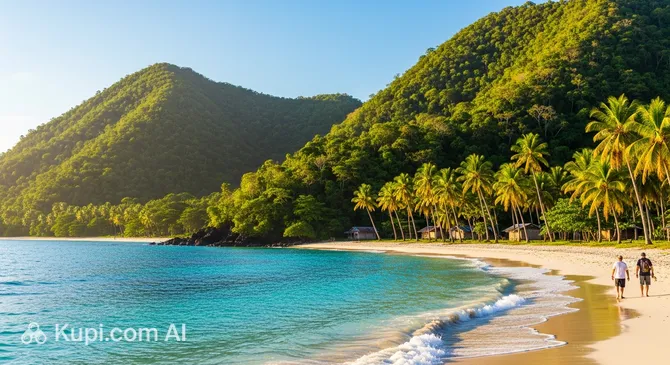
Lihir. Source: Kupi.Binoculars

The development of the area has been heavily influenced by its natural resources. Exploring the history of Lihir reveals a narrative deeply intertwined with the discovery of gold and the subsequent establishment of one of the world's largest gold mines. This industrial heritage sits alongside ancient local traditions, creating a complex and intriguing cultural tapestry for visitors to observe.

Travelers to Lihir are often drawn to its unique natural features. The Luise Caldera is a highlight, offering a glimpse into the volcanic forces that shaped the island. Beyond the geological wonders, the surrounding ocean offers pristine blue waters perfect for fishing and diving, with coral reefs that remain largely untouched. The contrast between the steam of geothermal vents and the cool ocean breeze creates a memorable sensory experience.

Whether you are visiting for business or looking to explore off-the-beaten-path locations in the Pacific, Lihir welcomes you with hospitality and intrigue. It is a place where nature's raw power meets human ingenuity, making it a truly notable stop on any journey through the region.

Weather Overview

Lihir experiences a consistent tropical climate, characterized by steady warmth and frequent moisture throughout the year. Due to its equatorial location, there is minimal seasonal variation, meaning the weather in Lihir remains reliable for visitors seeking a warm destination. Travelers can generally expect warm days and mild nights regardless of the specific month of travel.

The average monthly temperatures are remarkably stable, fluctuating only slightly between 26.9°C and 27.6°C. Daily highs typically reach around 28°C, while minimum temperatures settle near 26°C. Rainfall is a significant feature of the local climate, with a high frequency of precipitation; you can expect between 22 and 28 wet days each month. Consequently, it is advisable to be prepared for frequent showers that contribute to the island's lush, green environment.

Interesting Facts

Beyond its reputation as a modern industrial hub, Lihir holds several fascinating secrets rooted in its fiery geology and deep cultural traditions.
  • Mining on Hot Ground: The island's gold deposit is situated directly inside the geothermally active Luise Caldera. The rock beneath the surface is naturally so hot that engineers must drill special steam relief wells to cool the ground down before it can be safely mined, creating a surreal landscape where industry meets volcanic power.

  • Natural Incubators: The local Melanesian Scrubfowl, a bird native to the region, has adapted uniquely to the environment. Instead of sitting on their eggs, these birds bury them in the warm volcanic soil, relying entirely on the earth's geothermal heat to incubate the eggs until the chicks hatch and dig their way to the surface.

  • A Dual Currency System: Despite the economic development brought by mining, traditional shell money known as Mis remains essential for local life. These meticulously crafted strings of shells are still used alongside modern currency for "Kastom" activities, such as paying bride prices, settling disputes, and marking significant social milestones.

How to Get There

Reaching this unique island destination typically involves air travel, as it is the most practical method for crossing the waters of the Bismarck Archipelago. For a comprehensive guide on travel logistics, including flight connections and local transfers, you can read more about how to get to Lihir on our detailed page.

The primary gateway for visitors is Lihir Island (IATA: LNV), also known as Kunaye Airport. Located directly on the island, it is approximately 8.5 km from the main settlement areas. The airport handles a significant volume of regional traffic, with an annual passenger flow of around 150,000 travelers. Upon arrival, a journey to the town center by taxi or shuttle bus typically takes about 35 minutes, offering a quick and scenic introduction to the island's tropical landscape.

Travelers may also transit through major regional hubs before connecting to Lihir. Tokua Airport (IATA: RAB), located in the city of Rabaul, is a key transit point situated approximately 140 km away across the sea. It serves as a larger hub with an annual traffic of about 280,000 passengers. Another option is Kavieng Airport (IATA: KVG) in Kavieng, located roughly 203 km to the northwest. While these airports are not on Lihir itself, they are vital links in the transport network of the New Ireland Province.

For clarity, here is a summary of the main airports:

Airport Name City Passenger Traffic Km from City
Tokua Airport Rabaul Large 139.9
Lihir Island Lihir Medium 8.5
Kavieng Airport Kavieng Small 203.0

Lihir does not have a railway system, and there are no train stations on the island. Transportation within the area is primarily conducted by road using cars, PMVs (Public Motor Vehicles), and company buses, or by sea using boats and ferries for inter-island travel. Visitors are advised to arrange local transport in advance or consult with their accommodation providers for the best options.

Main Attractions

Luise Caldera is arguably the most defining feature of Lihir, offering a sight that is both geologically fascinating and industrially significant. This extinct volcanic crater is the site of the Lihir Gold Mine, one of the largest open-pit gold mines in the world. Visitors are often struck by the sheer scale of the operation, which sits within a geothermally active zone. Seeing steam rise from the ground in the midst of a massive mining endeavor provides a unique perspective on how modern industry adapts to extreme natural environments.

For those seeking a more traditional tropical escape, Mali Island is a favorite getaway located just a short boat ride from the main island. It is renowned for its tranquil atmosphere, pristine white sandy beaches, and crystal-clear waters. Tourists visit Mali to enjoy excellent snorkeling opportunities among vibrant coral reefs or simply to relax with a picnic away from the bustling activity of the main settlement. The island offers a perfect snapshot of the idyllic Melanesian lifestyle.

Londolovit serves as the main commercial and residential hub of Lihir, providing a glimpse into the daily life of the local community and expatriate workers. It is the place to go for essential services, shopping, and dining. A walk through the town allows visitors to interact with friendly locals and experience the island's developing infrastructure. It is also home to the Lihir Sports and Social Club, a popular spot for social gatherings and recreational activities.

Nature enthusiasts will appreciate the Putput Hot Springs, a natural manifestation of the island's volcanic origins. Located near the harbour, these thermal springs are a reminder of the heat that lies just beneath the surface of the island. The area is interesting for its geological activity, where visitors can observe boiling water bubbling up from the earth, contrasting sharply with the cool ocean waters nearby. It is a raw and untouched display of nature's power.

Local Cuisine

The culinary landscape of Lihir is a reflection of its island setting, blending traditional Melanesian cooking methods with the fresh abundance of the Pacific Ocean and fertile volcanic soil. Food here is hearty, organic, and deeply connected to the land, with a heavy reliance on root vegetables, tropical fruits, and the ubiquitous coconut.

One of the most authentic dining experiences you can have in this region is trying a Mumu. This is the traditional method of cooking used throughout Papua New Guinea, where pork, chicken, fish, and vegetables like sweet potato (kaukau) and taro are wrapped in banana leaves and slow-cooked in an earth oven over hot stones. The result is tender, smoky food often infused with rich coconut cream.

Since Lihir is part of the New Ireland Province, you might also encounter Aigir. This distinct cooking style involves heating stones in a fire and then placing them directly into a pot or vessel containing coconut milk and ingredients. The hot stones cook the liquid and food rapidly from the inside out, creating a unique texture and flavor profile that differs from the slow-roasted style of the mumu.

Seafood lovers will find plenty to enjoy, as the surrounding waters provide a steady supply of fresh tuna, snapper, and shellfish. These are often grilled simply or stewed in coconut milk with local greens. For a refreshing drink, the local choice is invariably a Kulau (fresh young coconut), which provides hydration in the tropical heat. In social settings and clubs, SP Lager remains the popular choice for beer drinkers.

The dining scene in Lihir is centered mainly around Londolovit and the accommodation providers catering to the mining workforce. Here, you will find a mix of casual eateries and social clubs serving western-style meals alongside local favorites. For a more grassroots experience, the local markets offer a chance to buy fresh tropical fruits like pineapples, papayas, and bananas directly from local growers.

Travel Tips

Planning a trip to Lihir requires a bit of preparation to ensure your island adventure is as smooth and enjoyable as possible. While the island is relatively well-developed due to its mining industry, it remains a remote tropical destination where local knowledge goes a long way. Here are some practical tips to help you navigate daily life on the island.

  1. Clothing and Essentials: Given the tropical rainforest climate, pack lightweight, breathable fabrics like cotton or linen to handle the heat and humidity. Since rain is frequent throughout the year, a durable raincoat or poncho is essential. Bring sturdy, comfortable walking shoes, especially if you plan to explore the volcanic areas. Don't forget an electrical adapter for Type I sockets (the same as in Australia and New Zealand).

  2. Getting Around: Public transport in the Western sense does not exist here. The most common way to travel is by PMVs (Public Motor Vehicles), which are typically open-back trucks or vans that run along the main ring road. For more comfort and reliability, especially for airport transfers, it is best to arrange transport through your hotel or hire a private vehicle with a driver.

  3. Managing Finances: The local currency is the Papua New Guinea Kina (PGK). While the main town of Londolovit has ATMs and some businesses accept credit cards (mostly Visa and Mastercard), cash is absolute king elsewhere. You will need small denominations for PMVs, local markets, and village shops. It is wise to withdraw cash when you can, as ATMs can occasionally be out of service.

  4. Health and Hygiene: Lihir is in a malaria-risk zone, so taking prophylactic medication and using strong insect repellent is highly recommended. Tap water is generally not considered safe for drinking by tourists; stick to bottled or boiled water. Pharmacies are available in the main settlement, but stocks can be limited, so bring a sufficient supply of any personal prescription medications.

  5. Language and Connection: English is widely spoken, particularly in business and government circles, making communication relatively easy. However, the lingua franca is Tok Pisin. Learning a few phrases like "Gudmoning" (Good morning) or "Tenkyu" (Thank you) is a great icebreaker. For mobile data, purchasing a local SIM card (Digicel is a common provider) upon arrival is the most reliable way to stay connected, as Wi-Fi speeds can vary.

  6. Local Etiquette: The people of Lihir are known for their friendliness. It is polite to greet people you pass on the street with a smile or a nod. Dress modestly when moving around towns and villages; swimwear is appropriate for the beach or pool but not for shopping or walking in public areas. Always ask for permission before taking photographs of locals or their property.

  7. What to Avoid: Avoid walking alone at night in unlit or isolated areas, as you would in any unfamiliar destination. Also, refrain from public displays of anger or frustration; Melanesian culture values consensus and calmness, and aggressive behavior is considered highly disrespectful and counterproductive.

  8. Market Tip: Do not miss the chance to visit the local markets in Londolovit early in the morning. This is not only the best place to buy fresh kulau (young coconut) and tropical fruits but also a fantastic spot to observe local life. Be sure to bring your own bag, as plastic bags are often discouraged or unavailable.

By keeping these practicalities in mind, you will be well-equipped to embrace the unique rhythm of Lihir. Whether you are here to witness the geological wonders or simply to meet the welcoming locals, a little preparation will ensure your focus remains on making unforgettable memories.

Entertainment & Nightlife

Nightlife in Lihir is distinctly different from the bustling party scenes found in major tourist cities. Instead of neon-lit strips of nightclubs, the evening entertainment here revolves around a relaxed, community-focused atmosphere, largely centered in the main township of Londolovit. The social scene is driven by the mix of local residents and the expatriate mining workforce, creating a vibe that is friendly, casual, and centered on socializing after a hard day's work.

The heart of evening activity is undoubtedly the Lihir Sports and Social Club. Often simply referred to as "The Club," this venue serves as the primary gathering spot for both locals and visitors. It functions as a classic social hub where you can enjoy cold drinks, play a game of pool, or watch international sports on large screens. The atmosphere is welcoming and informal, making it an excellent place to strike up a conversation and learn more about life on the island. Occasional live music nights or themed events bring a bit more energy to the weekends.

For a slightly quieter evening, the bar and restaurant at the Lihir Gold Hotel offer a comfortable setting. This is a popular spot for dining out and enjoying a few beverages in a more subdued environment. It is ideal for travelers looking to unwind with a meal and a glass of wine or a local SP Lager without the background noise of a busy sports bar. The crowd here tends to be a mix of business travelers and mine employees seeking a relaxing end to the day.

Practical advice for enjoying nights in Lihir focuses on logistics and safety. The dress code is almost exclusively casual; however, neat attire is expected in the clubs and hotels (no swimwear or dirty work gear). Prices for drinks and food are generally higher than on the mainland due to the cost of importing goods to the island. Most venues close relatively early compared to global standards, often winding down around 10:00 PM or 11:00 PM, though weekends may see later hours at the Social Club.

Safety is a priority when exploring after dark. While Londolovit is generally safe within the commercial and residential compounds, it is not advisable to walk alone at night outside these well-lit areas. There is no formal taxi service to hail on the street. Instead, you should arrange transport in advance through your accommodation or the venue you are visiting. Most hotels provide shuttle services for their guests, which is the most reliable way to get around safely.

During the daytime, entertainment options shift towards outdoor and recreational activities. The Lihir Sports and Social Club is not just for nights; by day, it offers access to facilities such as a golf course, tennis courts, and a swimming pool. For those interested in culture and history, daytime is the best opportunity to visit local villages (with a guide) to see traditional crafts or explore the island's unique geothermal sites before the sun sets.

Parks & Museums

Lihir is a destination where the concept of a "park" extends far beyond manicured lawns and paved paths; here, the entire island serves as a lush, tropical garden. While you will not find traditional city parks or large national museums in the Western sense, the region offers spectacular natural areas and a "living museum" of culture that is woven into the daily life of its people.

For those seeking a structured green space, the Lihir Golf Course in Londolovit is the closest equivalent to a formal park. Managed by the local social club, this area features beautifully maintained fairways lined with tropical trees and offers stunning views of the ocean. It is a peaceful retreat where visitors can enjoy a walk or a round of golf in a serene environment, contrasting sharply with the dense rainforest that covers much of the rest of the island.

Nature serves as the island's primary recreational area, with the Putput Geothermal Area standing out as a unique natural park. Located near the harbour, this site allows visitors to safely observe the island's volcanic activity up close. It is a raw, unrefined landscape where steam vents and boiling hot springs bubble to the surface, surrounded by heat-tolerant vegetation. It provides a fascinating, open-air geological experience that defines the island's character.

In terms of cultural institutions, Lihir does not possess dedicated museum buildings or art galleries. Instead, the local villages function as Living Museums. Visitors interested in history and heritage are encouraged to engage with local communities, where traditions are preserved through practice rather than display cases. In villages around the island, you can witness the creation and exchange of Mis (traditional shell money), which remains a vital part of the island's economy and social structure. These interactions offer a genuine insight into Melanesian culture that no static exhibit could provide.

Another site of significant interest that functions as an open-air industrial exhibit is the perimeter of the Lihir Gold Mine. While access to the mine itself is restricted for safety reasons, various viewpoints around the Luise Caldera offer a look at this monumental feat of engineering. For those interested in modern history and industrial development, observing the scale of the operations within a volcanic crater serves as a compelling testament to the intersection of human ambition and geology.

For a truly authentic experience, ask a local guide to show you the coastal tracks near the distinct rock formations of the outer island. These lesser-known paths offer quiet spots for reflection and provide unobstructed views of the Pacific Ocean, far away from the activity of the main town.

Getting Around

The public transport system in Lihir is quite different from what you might find in large metropolitan cities. There is no metro, tram, or formal municipal bus network. Instead, the island relies on an informal yet effective system of Public Motor Vehicles (PMVs). These are typically 15-seater minivans or open-back utility trucks that travel along the main ring road connecting the villages to the central town of Londolovit and the mining areas. For most locals and adventurous visitors, PMVs are the primary way to get around.

Payment on these vehicles is strictly cash-based. There are no travel cards, mobile apps, or electronic ticketing systems. You simply pay the driver or the "crew" (an assistant who manages passengers) once you reach your destination. Fares are generally very affordable, usually costing just a few Kina depending on the distance traveled. It is highly recommended to carry small denominations and coins, as drivers often have limited change for large banknotes.

Using PMVs requires a bit of local know-how. There are no fixed timetables or designated bus stops marked with signs. To catch a ride, you simply stand by the side of the road and wave when you see a vehicle approaching. To get off, you signal the driver or tap on the side of the vehicle. These services operate most frequently during daylight hours, roughly from 6:00 AM to 6:00 PM. Service drops off significantly after dark and on Sundays, so you should plan your travel accordingly.

For those seeking more comfort or reliability, especially when travelling with luggage, private hire vehicles are the best alternative. While there are no roaming taxis that you can hail on the street, most hotels and guesthouses can arrange a private transfer or a car with a driver for you. This is significantly more expensive than a PMV but offers air conditioning and door-to-door service. Car rentals are limited and often reserved for corporate clients, so booking a vehicle with a driver is the standard practice for tourists.

Since Lihir is an island group, water transport is also a key component of the local system. Small fiberglass dinghies, often referred to as "banana boats," serve as water taxis ferrying people between the main island of Niolam and the smaller surrounding islands like Mali. These depart from the main waterfront areas, and prices should be negotiated or confirmed before boarding. Life jackets are not always automatically provided, so it is wise to ask for one for your safety.

Walking is a viable option within the town center of Londolovit, where shops and services are concentrated. However, due to the tropical heat and humidity, walking long distances between villages is not recommended. If you choose to walk, be mindful of the traffic on the main road, which can be surprisingly heavy during shift changes at the mine.

Accommodation

Accommodation in Lihir is primarily tailored to the needs of the mining industry and business travelers rather than leisure tourism. Consequently, the range of options is somewhat limited compared to typical holiday destinations. Visitors will not find a broad selection of backpacker hostels or sprawling luxury resorts. Instead, the island offers a mix of functional mid-range hotels, company-style camps, and a few smaller, locally-run guesthouses that provide comfortable but essential amenities.

The most practical area for tourists to stay is Londolovit. As the island's main town and commercial hub, it provides the best access to the airport, shops, and the few dining options available, such as the social club. Staying in Londolovit ensures you are connected to the island's power and water infrastructure and places you in a secure environment close to transport links for exploring other parts of the island.

The most prominent establishment on the island is the Lihir Gold Hotel. It is widely considered the premier option for international visitors, offering standard hotel facilities including air-conditioned rooms, a restaurant, and reliable security. It serves as the default choice for professionals and those seeking a level of comfort similar to Western standards. Apart from this, there are smaller lodges that offer a more basic experience, often used by contractors or budget-conscious travelers.

Booking Tip: It is highly recommended to secure your accommodation well in advance of your trip. Due to the constant flow of mining personnel and contractors, occupancy rates are frequently high, and rooms can be fully booked for weeks at a time. Arriving without a reservation is risky and not expanding your search early may leave you without a place to stay.

Travelers should also be aware that prices in Lihir are generally higher than on the mainland, reflecting the island's industrial economy and the cost of logistics. Expect a mid-to-high price range for decent accommodation. While the main hotel may be listed on some online booking platforms, many smaller guesthouses and lodges rely on direct bookings via phone or email. It is advisable to contact the property directly to confirm availability and arrange airport transfers.

Nearby Cities

For travelers planning their onward journey from Lihir, the surrounding provinces offer a wealth of experiences. The following locations serve as key regional hubs and excellent destinations to visit next, providing a deeper dive into the culture and geography of the Bismarck Archipelago:

City Population Distance (km)
Lae 193,000 736
Arawa 40,266 481
Kimbe 27,191 383
Kokopo 20,262 143
Kavieng 19,849 205

While Lihir is an island destination, its connection to the wider New Ireland and East New Britain provinces allows travelers to extend their journey to some of the region's most captivating hubs. Kokopo is the closest major center and a gateway to the dramatic history and geology of the Rabaul area. Visitors here can explore the haunting remains of World War II infrastructure, visit the War Museum, or witness the smoking Tavurvur volcano. The town also offers vibrant markets and a stunning backdrop of the Gazelle Peninsula, making it a compelling spot for history buffs and nature lovers alike.

Another excellent option for a subsequent visit is Kavieng, located at the northern tip of New Ireland. Known for its laid-back atmosphere, it is a paradise for water sports enthusiasts, offering world-class diving, surfing, and fishing. For those who prefer land-based activities, Kavieng is the starting point of the famous Boluminski Highway, a scenic coastal road perfect for cycling or a leisurely drive past traditional villages and white sandy beaches.

These nearby destinations offer a glimpse into the diverse culture and landscapes of the region, making them perfect additions to your itinerary.

Shopping & Souvenirs

Shopping in Lihir is a functional and modest affair, primarily designed to sustain the local community and the expatriate mining workforce rather than to attract retail tourists. You will not find sprawling shopping malls, designer boutiques, or duty-free complexes here. Instead, the shopping scene is centered on essential goods, groceries, and a vibrant local market culture that offers a glimpse into the daily life of the islanders. For visitors, the experience is less about browsing luxury items and more about discovering local produce and traditional handicrafts.

The main commercial hub of the island is the town of Londolovit. This is where the majority of retail activity is concentrated. The "town center" consists of a few streets lined with general stores, hardware shops, and banking facilities. It is the go-to destination for anyone needing to restock on supplies, purchase toiletries, or find basic clothing. The atmosphere is busy but relaxed, with locals and mine workers mingling as they go about their daily errands.

While there are no shopping malls in the Western sense, the town features large, well-stocked supermarkets that cater to the diverse needs of the island's population. These stores offer a surprising range of imported goods, from Australian food brands to electronics and homewares, to satisfy the international workforce. They provide a comfortable, air-conditioned environment where you can find almost anything you might have forgotten to pack, from sunscreen to snacks.

For a more authentic experience, the local markets are the highlight of shopping in Lihir. The main market in Londolovit is a bustle of color and activity, especially in the mornings. Here, women from the surrounding villages sell fresh, organic produce grown in the island's volcanic soil. You can find piles of sweet potatoes (kaukau), taro, bananas, and exotic seasonal fruits like pineapples and papayas. It is also the best place to buy a fresh kulau (young coconut) to drink while you browse.

When it comes to souvenirs, the options are unique and culturally significant. The most iconic item to bring back from Papua New Guinea (Niugini) is the Bilum. These are incredibly durable, hand-woven string bags made from natural fibers or bright wool, featuring intricate patterns that often tell a story about the weaver's region. You may also find jewelry made from shells, which nods to the island's traditional currency, Mis, as well as wood carvings and woven baskets.

Business hours in Lihir generally follow a standard pattern, with most shops opening around 8:00 AM and closing by 5:00 PM on weekdays. Saturday hours may be shorter, and many businesses are closed on Sundays, except for some essential services. Regarding payment, cash is the preferred method almost everywhere. While the major supermarkets in Londolovit accept credit cards (Visa and Mastercard), vendors at the markets and smaller village stalls deal exclusively in the local currency, the Kina. It is advisable to carry small denominations when visiting the markets to make transactions smoother.

Nearby cities

Reached the end of the page?

That means the route is fully explored