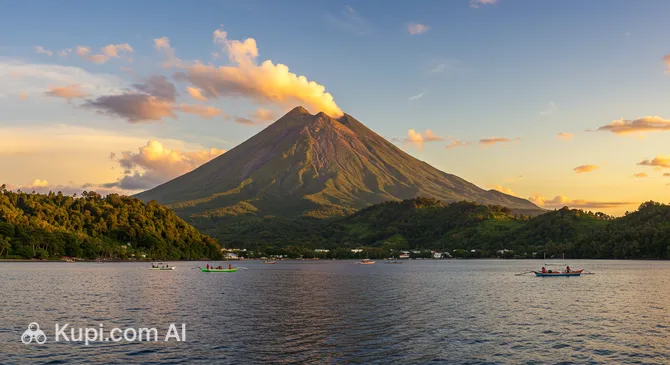
While the volcanic eruptions of 1994 reshaped the landscape of Rabaul, the city and its surrounding province of East New Britain still offer compelling green spaces and rich cultural repositories. The area is a living museum in itself, where nature is reclaiming wartime relics and colonial history is preserved amidst the tropical vegetation.
One of the most serene and beautifully maintained green spaces in the region is the Bitapaka War Cemetery. Although located a short drive from Rabaul near Kokopo, it is an essential stop for visitors seeking peace and reflection. The grounds are immaculately kept, resembling a botanical garden with manicured lawns, vibrant tropical flowers, and rows of headstones that honor the soldiers who fought in the Pacific theater. It stands in stark, peaceful contrast to the rugged volcanic terrain of the peninsula, offering a quiet place for contemplation.
Closer to the old town, the Rabaul National Botanic Gardens offers a glimpse into the area's botanical heritage. Before the eruptions, this was one of the finest gardens in the region. Today, it is a testament to nature's resilience, where local flora has regrown through the ash. It is a fascinating spot for nature lovers to see how the tropical rainforest regenerates, with giant trees and orchids slowly reclaiming the land. It provides a wilder, more organic park experience compared to traditional manicured gardens.
For those interested in the deep history of the region, the Kokopo War Museum (East New Britain Historical & Cultural Centre) is the premier facility. Located just outside Rabaul, this museum houses an impressive collection of World War II artifacts, including tanks, artillery, and aircraft wreckage recovered from the jungle. Beyond military history, it also features exhibits on German colonial times and local indigenous culture, making it the most comprehensive educational venue for understanding the diverse heritage of the Gazelle Peninsula.
Within Rabaul itself, the New Guinea Club serves as a poignant cultural landmark. Housed in a restored colonial building that survived the bombings and eruptions, it now functions as a museum dedicated to the town's golden era. Inside, visitors can explore a collection of black-and-white photographs, maps, and memorabilia that tell the story of Rabaul's life before the devastation. It offers a rare, intimate look at the social history of the town, distinct from the military focus of other sites.
For a truly unique "open-air museum" experience, a visit to the Japanese Barge Tunnels at Karavia Bay is recommended. While not a traditional building, this site allows you to walk into man-made caverns where rusting landing craft are still hidden away from the sky. It is an atmospheric blend of history and geology, where the engineering of the past meets the natural rock of the island.
Insider Tip: If you are interested in local flora, keep an eye out for the Frangipani trees that bloom relentlessly throughout the town. The flower is a symbol of Rabaul's resilience, often being the first to bloom after volcanic ash falls, and you will see them adding splashes of white and yellow to the grey volcanic landscape.