Support

Kieta

About

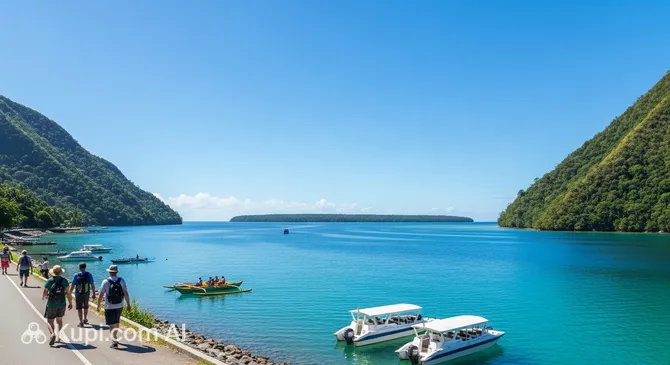
Kieta is a coastal town located on the eastern shores of Bougainville Island, offering a unique glimpse into the diverse landscapes of Papua New Guinea (Niugini). Historically significant and naturally beautiful, this port town sits along the Arawa Bay, providing vital connections to the surrounding regions. With a population of approximately 7,000 residents, Kieta maintains a close-knit community atmosphere amidst a backdrop of lush tropical greenery and the azure waters of the Solomon Sea.

Kieta. Source: Kupi.Binoculars

The town has long played a pivotal role in the region's development. Serving as a former provincial capital, it holds a deep narrative that reflects the resilience and evolution of the Autonomous Region of Bougainville. Visitors interested in the local heritage can explore the history of Kieta to understand how its past has shaped its current identity as a commercial and transport hub. Today, the town is a gateway for travelers arriving via the nearby Aropa Airport.

Nature lovers and adventure seekers will find plenty to admire here. The harbor area is known for its scenic views, while nearby Pokpok Island offers opportunities for relaxation and water activities. The region is renowned for its incredible biodiversity, making it a potential spot for eco-tourism and diving enthusiasts looking to explore untouched coral reefs. Whether you are passing through on business or seeking an off-the-beaten-path adventure, Kieta welcomes you with its warm climate and authentic island spirit.

Weather Overview

Kieta features a stable tropical climate with temperatures that remain remarkably consistent year-round. Visitors can expect average daily temperatures to stay around 25°C, with daytime highs peaking near 27.8°C in the warmest months like January. Even during the slightly cooler period around August, temperatures rarely dip below 22.8°C, ensuring a warm atmosphere at any time of the year.

Rainfall is a constant companion in this coastal town, contributing to its lush environment. The region experiences a high frequency of precipitation, with 26 to 30 wet days recorded per month across the entire calendar. This indicates that rain is a regular occurrence, so packing waterproof gear is highly recommended. For more specific details on seasonal trends and forecasts, you can view the comprehensive guide to the weather in Kieta before your trip.

Interesting Facts

Beyond the main attractions, Kieta holds many fascinating secrets that reveal its deep historical roots and natural wonders. From distinctively shaped islands to visible remnants of the past, the town offers curious travelers plenty to discover.

  • The Sleeping Crocodile: The nearby landmass known as Pokpok Island gets its name from the Tok Pisin word for "crocodile" (pukpuk). This title is not a warning about the local wildlife, but rather a reference to the island's unique silhouette, which famously resembles a giant sleeping crocodile floating on the surface of the sea.

  • A Fighter in the Sky: The town serves as an open-air museum for World War II history. One of the most striking urban landmarks is a recovered Japanese Zero fighter plane displayed on a pole within the local memorial park, standing as a preserved relic from the 1940s.

  • The Wharf Shipwreck: The harbor contains a visible piece of maritime history that often surprises first-time visitors. A half-submerged shipwreck lies directly beside the main Kieta Wharf, creating a hauntingly scenic spot that is easily accessible for photographers and snorkelers without needing a boat.

  • German Colonial Roots: Long before the development of modern administrative centers, Kieta was the original colonial hub of the region. It was officially established as a government station by German settlers in 1905, making it one of the oldest permanent European outposts in Papua New Guinea (Niugini).

How to Get There

Reaching this part of the Autonomous Region of Bougainville is an adventure that typically begins by air. While the town is remote, it is well-connected to the rest of the country through key regional hubs. For a detailed overview of all transport options and logistics, you can read more about how to get to Kieta to plan your journey effectively.

The most direct way to arrive is via Aropa (IATA: KIE), which is the town's designated airport. Located approximately 13.5 km from the center of Kieta, it offers the most convenient access for travelers. A taxi or shuttle ride from the terminal to the town usually takes about 40 minutes, allowing for a quick transition from the tarmac to your accommodation. Although it is a smaller facility, it plays a crucial role in connecting the local community with other parts of the nation.

Another significant option is Buka (IATA: BUA), situated in the city of Buka about 138.6 km north of Kieta. This airport often sees a higher volume of travelers and serves as a major gateway for the entire region. If you choose to land here, be prepared for a longer overland journey to reach your final destination. The transfer by road (and potentially a short water crossing depending on the route) is estimated to take around 3 hours and 50 minutes, offering a scenic drive through the lush landscapes of Bougainville.

For clarity, here is a summary of the main airports in the vicinity:

Airport Name City Passenger Traffic Km from City
Munda Airport Munda Medium 294.2
Gizo Airport Gizo Medium 247.9
Buka Buka Medium 138.6
Aropa Kieta Small 13.5
Choiseul Bay Airport Choiseul Bay Small 99.9

Main Attractions

Pokpok Island is undoubtedly one of the most scenic highlights for anyone visiting the area. Situated just a short boat ride from the mainland, this island serves as a tranquil escape from the town's activity. Travelers are drawn here for its pristine sandy beaches and crystal-clear waters, which are perfect for swimming and snorkeling. It is an ideal spot for a day trip, offering a peaceful atmosphere where visitors can relax under the shade of palm trees or explore the vibrant marine life surrounding the coast.

Kieta Harbour offers more than just a transit point; it is a picturesque location where the lush mountains meet the Solomon Sea. The waterfront is a hub of local life and provides stunning panoramic views of the bay. For those interested in underwater exploration, the harbor is home to a well-known shipwreck that sits partially submerged near the wharf. This accessible site allows snorkelers and photographers to observe history up close without needing deep-diving equipment, making it a unique and convenient adventure.

World War II Relics can be found scattered throughout the town and its vicinity, turning the area into a subtle open-air museum. History enthusiasts will appreciate the visible remnants of the past, including the preserved Japanese Zero fighter plane and various other military artifacts left behind from the 1940s. exploring these sites provides a poignant connection to the significant events that took place in the Pacific theater, adding a layer of historical depth to the region's natural beauty.

Arawa Town, located just a short drive away, is often visited in conjunction with Kieta. As a neighboring commercial center, it offers travelers a chance to experience the local culture and bustle of the Autonomous Region of Bougainville. Visitors can browse local markets to find fresh tropical produce and handmade crafts, providing a wonderful opportunity to interact with the friendly local community and learn more about their daily lives and traditions.

Local Cuisine

The culinary landscape of Kieta reflects the abundance of Bougainville Island, offering a dining experience that is fresh, organic, and deeply connected to the land and sea. The local diet is heavily reliant on root vegetables, tropical fruits, and the ocean's catch, with coconut cream serving as a ubiquitous ingredient that enriches nearly every meal. Visitors will find that food here is not just about sustenance but is a celebration of island resources, often prepared using traditional methods passed down through generations.

One of the most iconic dishes to try is the traditional Mumu. While common across the region, the local variation involves slow-cooking pork, chicken, or fish along with sweet potatoes, leafy greens, and bananas in an earth oven heated by hot stones. Another regional specialty worth seeking out is Tama, a beloved Bougainville delicacy. This dish typically consists of pounded taro whipped with coconut cream, creating a smooth, rich texture that serves as a perfect comfort food and a staple at local gatherings.

For those looking to quench their thirst, the options are as natural as the food. Kulau, or fresh young coconut water, is the ultimate refresher in the tropical heat and can be bought cheaply from roadside stalls. Coffee lovers will appreciate that Papua New Guinea produces some of the world's finest beans, and you can often find excellent local brews in guesthouses. On the alcoholic side, SP Lager is the national beer and a popular choice for cooling down after a day of exploring the harbor.

The food scene in Kieta is informal and community-oriented rather than focused on fine dining. Most tourists enjoy their meals at guesthouses or hotels, which serve a mix of Western and Melanesian dishes. However, for a truly authentic experience, you should visit the local markets or "Kai bars" (small takeaway shops). Here, you can sample fresh seasonal fruits like mangoes and pineapples, or grab a quick, hearty portion of fish and chips wrapped in paper, allowing you to eat like a local while soaking in the town's relaxed atmosphere.

Travel Tips

Visiting Kieta offers a rewarding experience for those eager to explore the raw beauty of the Autonomous Region of Bougainville, but it requires a bit more preparation than your average tourist destination. To help you navigate the local logistics and cultural nuances with ease, here are some practical tips to ensure your journey is smooth and enjoyable.

  1. Clothing and Gear: Given the tropical climate, pack loose, breathable fabrics like cotton or linen to stay cool. Since rain is frequent, a lightweight waterproof jacket or poncho is essential. Modesty is important in local culture; women should avoid short skirts or revealing tops, and it is best for everyone to keep shoulders and knees covered when in villages. Don't forget sturdy sandals or reef shoes for exploring the coast.

  2. Transportation: Getting around is best done via PMVs (Public Motor Vehicles), which are usually minivans that serve as the main form of public transport. They are affordable and run on set routes, often connecting Kieta to nearby Arawa. Taxis are available but do not use meters, so negotiate the fare before you get in. For reliable transfers, especially from the airport, it is highly recommended to arrange transport through your hotel or guesthouse in advance.

  3. Finances: The local currency is the Papua New Guinea Kina (PGK). Cash is absolute king here, as credit cards are rarely accepted outside of major hotels or large businesses. ATMs can be found in nearby Arawa, but they are occasionally out of service, so it is wise to carry enough cash for your daily needs. Tipping is not a standard practice, but small contributions for exceptional service are appreciated.

  4. Health and Safety: Malaria is present in the region, so bring ample insect repellent and consider taking prophylaxis after consulting your doctor. Stick to drinking bottled or boiled water to avoid stomach issues. While Kieta is generally welcoming, it is advisable to avoid walking alone at night and to keep your valuables secure. Pharmacies are limited, so bring a personal medical kit with basic first aid and any prescription medications you need.

  5. Communication: English is one of the official languages and is widely understood, especially in business and tourism contexts. However, Tok Pisin is the most common language for daily communication. Learning a few phrases like "Apinun" (Good afternoon) or "Tenkyu" (Thank you) goes a long way. For mobile data, a Digicel SIM card is your best bet for coverage, though Wi-Fi speeds can be slower than what you are used to.

  6. Local Etiquette: Bougainvilleans are known for their friendliness, and it is polite to greet people you pass on the street with a smile or a nod. Respect for land ownership is paramount; beaches, reefs, and bush trails are often traditionally owned by local clans. Always ask for permission before entering a village or exploring a specific area, and pay a small "kastom fee" if requested.

  7. What to Avoid: Do not take photographs of people, especially elders or children, without asking for their permission first. Additionally, avoid showing frustration or anger publicly, as maintaining a calm demeanor is respected and will help you resolve any issues much faster.

  8. Sunday Observance: Sunday is a strictly observed day of rest and worship for the majority of the population. Most shops, markets, and services will be closed, and the town becomes very quiet. Plan your activities accordingly, perhaps using the day to relax at your accommodation or attend a local church service to experience the community singing.

By keeping these tips in mind, you will be well-equipped to embrace the laid-back pace and genuine hospitality of Kieta. Respecting the local customs and coming prepared will open doors to authentic interactions and unforgettable memories in this unique corner of the Pacific.

Entertainment & Nightlife

Nightlife in Kieta is tranquil and low-key, reflecting the laid-back island pace of the Autonomous Region of Bougainville. Unlike the bustling capital cities, you will not find neon-lit nightclubs or sprawling entertainment districts here. Instead, the evening scene revolves around social connection, relaxed dining, and enjoying the tropical atmosphere. Most activity winds down early, with locals and visitors gathering in hotel lounges or guesthouses to share stories over a cold drink. The vibe is informal and welcoming, making it easy to strike up a conversation with residents and learn about life on the island.

For those seeking a bit more energy, the neighboring town of Arawa—just a 15-minute drive away—serves as the primary hub for evening entertainment in the area. While Kieta acts as the serene port, Arawa offers a few more options for dining and socializing. The atmosphere in these venues is casual; there is no strict dress code, but wearing smart-casual tropical attire is a sign of respect. Weekends tend to be livelier, with music often playing until late in the evening at the more popular spots.

If you are looking for specific places to enjoy an evening drink or a meal, the options are concentrated within the main hospitality establishments. The Kieta Guest House is a central spot for visitors staying in the town itself; its communal dining area often functions as a social hub where you can enjoy a local beer and fresh seafood. For a more "night-out" experience, travelers often head to the Gold Dust Inn in nearby Arawa. It is one of the region's most well-known venues, featuring a bar and restaurant that attracts a mix of expatriates, business travelers, and locals. Another authentic experience can be found at the local Kai Bars—small street-side food stalls found in both Kieta and Arawa. While not bars in the western sense, they are the best places to grab a cheap, hot evening meal of fried fish or sausage and soak in the local street vibe.

Safety is a critical consideration when planning your night out. It is strongly advised not to walk alone at night, even within the town center. The streets are poorly lit, and stray dogs or opportunistic crime can be an issue. Public transport (PMVs) generally stops running by late afternoon (around 4:00 PM or 5:00 PM). Therefore, if you plan to stay out late, you must pre-arrange a private taxi or a transfer with your accommodation. Most hotels have reliable drivers they trust; ask the reception to book one for you rather than hailing a vehicle on the street.

While evenings are quiet, daytime entertainment in Kieta offers rich experiences for nature and history lovers. The town is a jumping-off point for boat trips to Pokpok Island, where you can spend the day swimming and snorkeling in pristine waters. History enthusiasts can explore the open-air museum of World War II relics scattered around the area, including the famous Japanese Zero fighter plane. Whether you are exploring the reefs by day or enjoying a quiet lager by the bay at night, Kieta offers a peaceful retreat from the modern world.

Parks & Museums

In Kieta, the concept of a "museum" or "park" extends far beyond the traditional walls of a building or fenced gardens. Here, the entire landscape serves as a living exhibition of history and nature. The town does not boast large, air-conditioned galleries or manicured botanical gardens; instead, its cultural heritage is etched into the coastline and jungles, while its green spaces are wild, lush, and breathtakingly authentic. Visitors come here to experience history where it happened and to immerse themselves in nature that remains largely untouched by mass tourism.

Pokpok Island serves as the region's premier natural playground. Located just a short boat ride across the bay, this island is effectively a marine park for locals and visitors alike. While it lacks formal park infrastructure like benches or paved paths, its value lies in its raw beauty. The island features secluded sandy coves backed by dense tropical vegetation, offering a perfect setting for picnics and relaxation. The surrounding coral reefs are vibrant and accessible, making the underwater world a natural gallery of marine biodiversity that rivals any aquarium.

For a scenic experience on the mainland, the Kieta Foreshore offers a picturesque setting where the green hills of the Crown Prince Range meet the sea. This area acts as a communal green space where the ocean breeze cools the tropical heat. It is a popular spot for casual strolls, allowing visitors to admire the panoramic views of the harbor and the distant islands. The lush greenery here is not planted in orderly rows but grows with a wild abundance that characterizes the fertile volcanic soil of Papua New Guinea (Niugini).

While Kieta does not have a formal national museum, the town itself is an Open-Air WWII Museum. The most famous "exhibit" is the preserved Japanese Zero Fighter, which stands as a silent sentinel to the fierce air and naval battles that once raged in these skies. Unlike artifacts kept behind glass, this relic is part of the local landscape, allowing travelers to see the scale of the machinery up close. The site serves as a poignant memorial and a focal point for those interested in the Pacific Theater history.

The Tubiana Mission stands as a significant cultural and architectural landmark nearby. Established by Catholic missionaries, the mission grounds are beautifully maintained and centered around a historic church. This site reflects the deep spiritual history of Bougainville and the influence of the church in the region's development. The architecture blends European religious design with local materials and tropical adaptations, offering a peaceful retreat and a tangible connection to the colonial and spiritual past of the community.

For a truly authentic cultural experience, the local Village Markets function as living galleries of Bougainvillean life. While not a museum in the conventional sense, a visit here displays the region's "artifacts"—woven baskets, traditional shell money (which is still used in some customs), and fresh produce. Engaging with the stallholders offers an insider's look into the local customs and artistry that no guidebook can fully capture. Ask a local guide to explain the significance of the shell money to gain a deeper appreciation of the island's unique economic and cultural traditions.

Getting Around

Public transport in Kieta is informal, decentralized, and quite different from the structured systems found in major global cities. There is no metro, tram, or large municipal bus network here. Instead, the local transport infrastructure relies heavily on road-based vehicles and small watercraft, reflecting the town's coastal geography and the laid-back lifestyle of the region. For most visitors, getting around involves a mix of locally run minivans, walking, and boat transfers.

The backbone of the transport system is the PMV (Public Motor Vehicle). These are typically 15-seater minivans or, in some cases, open-back utility trucks with bench seating. PMVs operate on shared routes, connecting Kieta with the neighboring town of Arawa and the nearby airport. They do not follow a strict timetable; instead, they depart when they are full. You will usually find them waiting at designated gathering points, such as the main wharf or near the market, but they can also be flagged down along the main road by simply waving your hand.

When it comes to payment, cash is the only accepted method. There are no travel cards, mobile apps, or electronic passes. Fares are generally fixed for specific distances—for example, a trip between Kieta and Arawa has a set standard price. You pay the driver or the "crew" (an assistant who manages passengers) either upon boarding or when you reach your destination. It is essential to carry small denominations of the local currency, as drivers often struggle to make change for large banknotes.

For travel to the nearby islands, such as the popular Pokpok Island, the banana boat is the standard mode of transport. These are open dinghies powered by outboard motors. They function similarly to water taxis and can be found at the waterfront or the main wharf. Prices for these trips are usually negotiated beforehand, especially if you are chartering the entire boat for a private excursion. Safety vests are not always automatically provided, so it is wise to ask for one before departing.

Taxis exist but function differently than in many other places. They are unmetered, so the fare must be agreed upon with the driver before you start your journey to avoid any confusion later. Taxis are generally more expensive than PMVs but offer the advantage of privacy and the ability to travel on your own schedule. Car rentals are limited and often come with a driver included, which can be a stress-free way to navigate the local roads if you are unfamiliar with the area.

A crucial piece of advice for tourists is to be mindful of operating hours. The public transport system effectively shuts down at dusk. PMVs and banana boats stop running by late afternoon, typically around 4:00 PM to 5:00 PM. If you plan to be out past this time, you must arrange private transport in advance through your accommodation. Relying on finding a public ride after dark is not recommended, as the streets become very quiet and options are virtually non-existent.
Accommodation

Finding accommodation in Kieta and the surrounding Autonomous Region of Bougainville is an experience defined by simplicity and genuine local hospitality. Travelers should not expect international luxury chains or sprawling resorts in this part of Papua New Guinea (Niugini). Instead, the region offers a selection of modest guesthouses, small inns, and lodges. These establishments are typically functional and clean, focusing on providing a comfortable base for exploring the natural beauty and history of the island rather than high-end amenities.

While there are lodging options directly in Kieta, many visitors choose to base themselves in the neighboring town of Arawa, located roughly 15 minutes away by road. Arawa is the commercial hub of the area and generally offers a wider variety of services and slightly more modern facilities. However, staying in Kieta itself has distinct advantages, particularly its proximity to the wharf for island hopping and a shorter commute to Aropa Airport. Regardless of where you choose to stay, the atmosphere is consistently laid-back and community-oriented.

For those wishing to stay within the town, the Kieta Guest House is the primary option and a well-known landmark. It offers a convenient location near the waterfront and is celebrated for its friendly, communal vibe. It is an excellent place to meet other travelers and enjoy home-cooked meals featuring fresh local seafood. If you prefer more amenities, the Gold Dust Inn in nearby Arawa is a popular choice. It caters frequently to business travelers and tourists, often providing features like air-conditioned rooms, private bathrooms, and an on-site restaurant that serves reliable western and local dishes.

When planning your stay, it is important to have realistic expectations regarding amenities. Standard rooms usually come equipped with fans and mosquito nets, while air conditioning is typically reserved for higher-priced accommodations. Wi-Fi availability can be sporadic and speeds are often slower than what international visitors might be used to. Power outages can occur, although larger establishments usually have backup generators. Water is generally heated by solar power or gas, so hot showers are available but not guaranteed 24/7 in all budget options.

Booking accommodation here requires a bit more proactive effort than in other destinations. Many local guesthouses do not list their properties on major global booking platforms. The most effective way to secure a reservation is to contact the establishment directly via phone or email well in advance of your trip. furthermore, payment methods are often limited to cash. Credit card machines are rare and frequently offline due to connectivity issues, so it is highly recommended to carry enough Papua New Guinea Kina (PGK) to cover your entire stay and any incidental costs.

Nearby Cities

For those looking to explore the surroundings, Kieta serves as an excellent base for day trips to several interesting nearby locations:

City Population Distance (km)
Popondetta 65000 864
Arawa 40266 8
Kimbe 27191 613
Kokopo 20262 427
Lihir 20000 486

Arawa is the most accessible and logical destination for a day trip, located just a short drive from Kieta. As the former capital of the Autonomous Region of Bougainville, it remains a vital commercial and cultural hub. Visitors can spend hours wandering through the bustling main markets, which are teeming with fresh tropical produce, local crafts, and the friendly chatter of residents. The town offers a deeper insight into the daily life of the island, with various shops and services that complement the quieter atmosphere of Kieta. Its proximity makes it an easy and rewarding excursion for anyone wanting to see more of the island's urban pulse without traveling far.

For travelers willing to extend their journey into a short visit via air, Kokopo in East New Britain offers a striking contrast with its volcanic landscapes. Although it requires a flight from the nearby airport, it is one of the most significant regional centers in the country. Kokopo is famous for its backdrop of active volcanoes and its rich war history, making it a compelling spot for those interested in geology and heritage. The town serves as a gateway to the Duke of York Islands and offers a more developed tourism infrastructure, including resorts and historical tours that provide a broader perspective on the New Guinea Islands region.

Another option for a longer excursion is Kimbe, the capital of West New Britain. Known globally among diving enthusiasts, this town sits on the edge of Kimbe Bay, which is home to some of the most biodiverse coral reefs on the planet. While it is too far for a road trip, it represents the incredible natural wealth of the neighboring islands. Visitors who make the short flight are rewarded with world-class snorkeling, diving, and the opportunity to explore lush palm oil plantations and hot springs, showcasing a different side of the nation's tropical environment.

These nearby destinations offer a glimpse into the diverse culture and landscapes of the region, ranging from immediate neighbors to key regional hubs.

Shopping & Souvenirs

Shopping in Kieta is an authentic, community-driven experience that stands in stark contrast to the commercialized retail scenes found in major tourist hubs. There are no shopping malls, designer boutiques, or duty-free complexes here. Instead, commerce revolves around small, family-run trade stores and vibrant open-air markets that cater primarily to the daily needs of the local residents. For visitors, this offers a unique opportunity to immerse themselves in the unhurried lifestyle of the Autonomous Region of Bougainville and discover goods that are deeply connected to the island's traditions.

The heartbeat of the local economy is undoubtedly the fresh produce market. While Kieta has its own smaller market stalls near the waterfront, many travelers and locals make the short trip to the main market in neighboring Arawa for a wider selection. Here, the stalls are piled high with organic tropical fruits and vegetables grown in the rich volcanic soil. You can expect to find an abundance of sweet pineapples, papayas, mangoes, and leafy greens, often sold for very reasonable prices. Buying here not only guarantees the freshest ingredients but also supports the local farmers directly.

For those seeking souvenirs and cultural artifacts, the region is famous for its exceptional craftsmanship. The most iconic item to look for is the Buka Basket. Renowned throughout Papua New Guinea (Niugini) and the Pacific for their quality, these baskets are hand-woven from jungle vines with an incredibly tight weave and intricate geometric patterns. They are durable, beautiful, and serve as a perfect memento of your trip. Additionally, you may find items incorporating shell money. While still used in traditional ceremonies and bride price settlements, these polished shells are also crafted into exquisite necklaces and jewelry that make for meaningful gifts.

If you need basic supplies, toiletries, or processed foods, you will rely on the local trade stores. These are typically small, counter-service shops that stock a variety of imported dry goods, tinned foods, and beverages. It is important to note that the selection can be limited compared to western supermarkets, so it is wise to bring any specific specialty items or medications you might need with you.

When shopping in Kieta, cash is the absolute rule. Credit cards are virtually useless in markets and small stores, so you must carry sufficient Papua New Guinea Kina (PGK) in smaller denominations. Bargaining is not a standard practice in the markets here; prices are usually fixed and fair. Attempting to haggle aggressively can be seen as disrespectful. Furthermore, keep in mind that Sunday is a day of rest, and almost all shops and market stalls will be closed, so plan your purchases for the weekdays or Saturday mornings.

Reached the end of the page?

That means the route is fully explored