Support

Ballalae

About

Ballalae is a captivating destination located in the remote and picturesque Shortland Islands group. Although small in size, this island holds a unique atmosphere defined by its dense tropical vegetation and profound historical significance. Visitors traveling to the Solomon Islands often seek out this location for its blend of natural beauty and the silent, rusting echoes of the past that are scattered throughout the landscape.

Geographically, Ballalae is situated in the Western Province, sitting close to the border with Bougainville. The climate here is typically tropical, characterized by warm temperatures and humidity year-round, which fosters the lush greenery covering the island. While it does not have a large permanent population compared to major urban centers, its importance lies in its heritage. For those interested in the events that shaped the region, the history of Ballalae offers a fascinating glimpse into the Pacific theater of World War II, as the island served as a strategic Japanese airbase.
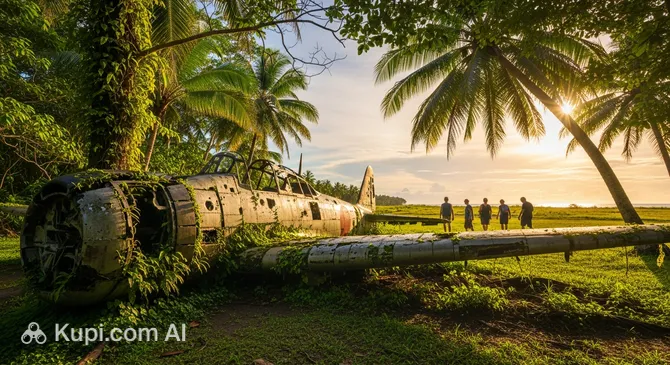
Ballalae. Source: Kupi.Binoculars

The main allure for tourists visiting Ballalae is undoubtedly its collection of World War II relics. The island is effectively an open-air museum, famously home to numerous aircraft wrecks, including Japanese Betty bombers, which can still be found lined up in the jungle near the old airstrip. The airfield itself, built during the war, remains a prominent feature of the landscape. Exploring these sites provides a poignant and tangible connection to the past that is rare to find elsewhere.

Whether you are a history enthusiast eager to see well-preserved wartime artifacts or an adventurer looking to explore the off-the-beaten-path corners of the Pacific, Ballalae welcomes you. Its quiet charm and historical treasures make it a truly memorable stop on any itinerary through the Western Province.

Weather Overview

Visitors to Ballalae can expect a consistent tropical climate characterized by steady warmth and high humidity throughout the year. The island experiences very little fluctuation in temperature, maintaining comfortable averages around 26°C to 27°C regardless of the season. Daytime highs typically peak near 29°C, while evenings remain balmy with minimum temperatures staying close to 25°C.

Rainfall is a constant feature of the local climate, with the number of wet days ranging from 26 to 30 days per month. July is statistically the wettest month in terms of frequency, seeing precipitation on almost every day. Because of this, travelers should be prepared for regular showers interspersed with sunshine. For more specific forecasts and monthly trends, you can consult the detailed weather in Ballalae guide. Light, breathable clothing and a waterproof jacket are essential items for any trip to this lush region.

Interesting Facts

Beyond the dense jungle and the hum of the airfield, Ballalae holds fascinating secrets that draw history buffs from around the globe. This remote island is not just a transit point; it is a time capsule preserving stories of engineering, strategy, and the past.

  • Admiral Yamamoto’s Destination: Ballalae holds a significant place in naval history as the intended destination of Admiral Isoroku Yamamoto on his final flight. The commander was scheduled to land here for an inspection tour in 1943, but his aircraft was intercepted and shot down over southern Bougainville before he could arrive, marking a pivotal moment in the Pacific theater.

  • Landing on History: The runway used by modern travelers today is a direct legacy of the 1940s. It was originally constructed using crushed coral to serve as a wartime airbase. Remarkable engineering for its time, this historic foundation still supports daily operations for the Solomon Islands domestic flight network.

  • A Ghostly Parking Lot: The island is famous for having one of the largest concentrations of World War II aircraft wrecks left in situ anywhere in the world. Visitors can walk among the rusting fuselages of Mitsubishi G4M "Betty" bombers that line the edge of the airstrip, resting exactly where they were parked decades ago, reclaimed by vines and tropical foliage.

  • Unique Topography: While many islands in the Shortland group are volcanic and rugged, Ballalae is notably flat. This unique raised coral geography is exactly why it was chosen for an airfield, as it provided a rare natural platform suitable for a runway amidst the mountainous terrain of the Western Province.

How to Get There

Reaching this remote island destination is an adventure in itself, often involving a combination of air and sea travel. While the journey requires some planning, the scenic route through the Western Province is part of the experience. For a comprehensive guide on all available transport options, you can read more about how to get to Ballalae.

The island is directly served by Ballalae Airport (IATA: BAS), which acts as the primary entry point for most visitors. Domestic flights connect the island to the national capital, Honiara, often with stops at other airfields in the province. Since there are no direct international flights to Ballalae, travelers typically arrive at a major international gateway first and then transfer to a domestic service to land on the island's historic airstrip.

Travelers may also transit through other regional hubs before reaching their final destination. Choiseul Bay Airport (IATA: CHY), located approximately 64 km away in the city of Choiseul Bay, and Gizo Airport (IATA: GZO), situated about 163 km away in Gizo, are key transit points in the area. From these airports, visitors can arrange connecting flights to Ballalae or use boat transfers to navigate the archipelago. Munda Airport is another significant hub in the region that facilitates travel within the Western Province.

For clarity, here is a summary of the main airports in the wider region that serve as transit nodes or reference points:

Airport Name City Passenger Traffic Km from Ballalae
Munda Airport Munda High 211.8
Gizo Airport Gizo Medium 162.9
Buka Buka Medium 219.6
Aropa Kieta Medium 78.1
Choiseul Bay Airport Choiseul Bay Small 64.0

Ballalae does not have a railway station, and there is no rail network in the Solomon Islands. Transportation within the region is primarily conducted by boat, small aircraft, or vehicle on the larger islands. Travelers are advised to arrange boat transfers in advance, as this is the most common method of moving between the islands of the Western Province once you have arrived in the area.

Main Attractions

For travelers venturing to this remote corner of the Pacific, the attractions of Ballalae are deeply rooted in its pivotal role during the mid-20th century. Unlike traditional destinations with ticketed museums or manicured parks, this island offers a raw, open-air experience where history remains exactly where it was left decades ago. The dense tropical jungle and the silence of the island create a unique atmosphere for exploring these remnants of the past.

The "Betty" Bomber Collection is undoubtedly the island's most famous feature and a primary reason for many visits. Lining the edge of the airstrip, visitors can find the rusting fuselages of several Mitsubishi G4M bombers, known by the Allied code name "Betty." These aircraft sit in the exact spots where they were parked during World War II, now slowly being reclaimed by vines and tropical foliage. Walking among these silent giants offers a haunting and photogenic encounter with history that is unavailable anywhere else in the world.

Ballalae Airfield itself is a significant site for exploration. While it serves as the modern transport hub for the Shortland Islands, the runway is a historic relic constructed from crushed coral during the war. Walking along the strip allows visitors to appreciate the immense engineering effort required to build it in such a remote location. The contrast between the white coral surface and the encroaching walls of the dark green jungle creates a striking visual landscape.

Beyond the main airstrip and the bombers, the Jungle Perimeter hides numerous smaller artifacts for those willing to look closer. The surrounding bush is scattered with other wartime remnants, including fuel drums, engine parts, and rusted machinery that have blended into the environment over the last eighty years. Exploring these areas gives a sense of discovery, as the island effectively serves as a time capsule, preserving the layout and equipment of a major forward operating base.

Local Cuisine

The culinary experience in Ballalae and the surrounding Shortland Islands is defined by freshness, simplicity, and a deep connection to the ocean. Due to the remote location of the island, the local diet relies heavily on what can be caught in the surrounding waters or grown in the fertile soil of the nearby villages. Visitors here will not find commercial restaurant chains; instead, the region offers authentic island flavors where organic ingredients are the standard.

Seafood is the undisputed highlight of the local menu. The waters of the Western Province are teeming with marine life, making fresh crayfish (lobster) and yellowfin tuna common staples. These are often prepared simply—grilled over an open fire or poached in rich coconut cream to enhance their natural sweetness. To accompany the catch of the day, locals serve hearty root vegetables such as taro, sweet potatoes, and cassava. A distinctive dish worth trying is cassava pudding, a dense, cake-like side dish that is slow-baked in traditional stone ovens.

When it comes to beverages, the most popular drink is harvested directly from the trees. Fresh coconut water is abundant, safe to drink, and provides the perfect hydration for the tropical climate. For those seeking a taste of the local brew, SolBrew (Solomon Breweries) is the national lager and can often be found in guesthouses or small village stores on neighboring islands. It is a crisp, refreshing beer that pairs excellently with the humid weather and salty seafood dishes.

The food culture in this part of the Solomon Islands is communal and informal. Since Ballalae itself is primarily an airfield and historical site, there are no formal dining establishments on the island. Tourists typically enjoy meals prepared by their hosts at guesthouses or during village visits in the wider Shortland group. Exploring small local markets offers a chance to taste sun-ripened tropical fruits like papayas, pineapples, and the incredibly sweet local bananas, which serve as a delicious snack while exploring the area's history.

Travel Tips

Visiting Ballalae is a unique adventure that takes you off the beaten path to one of the most historically significant sites in the Western Province. Because this island is remote and largely undeveloped, a little extra preparation goes a long way in ensuring your trip to this open-air museum is safe, comfortable, and respectful of local customs.

  1. Clothing and Gear: Due to the tropical climate, pack lightweight, breathable fabrics like cotton or linen to handle the heat and humidity. A sturdy pair of walking shoes or hiking boots is essential, as exploring the aircraft wrecks often involves walking through dense vegetation, mud, and uneven coral terrain. Don't forget a high-quality raincoat or poncho, as sudden tropical downpours are common. If you plan to visit nearby villages, modest clothing that covers shoulders and knees is required to respect local culture.
  2. Transportation: There is no public transport, taxi service, or car rental on Ballalae itself. The island is small enough that walking is the primary way to see the WWII relics and the airfield. To travel between Ballalae and accommodation on neighboring islands (such as Nila or Shortland Island), you must rely on motorized canoes or banana boats. It is crucial to arrange these transfers in advance with your guesthouse or tour operator, as there are no scheduled ferry services.
  3. Finances: Cash is absolute king in this region. The currency is the Solomon Islands Dollar (SBD). There are no ATMs or card payment facilities on Ballalae or most of the surrounding Shortland Islands. You must withdraw sufficient cash in Honiara or Gizo before you arrive. Bring small denominations, as change can be hard to come by in villages.
  4. Health and Safety: This is a malaria-prone area, so taking anti-malarial medication and using strong insect repellent is highly recommended. There are no pharmacies or hospitals on Ballalae; the nearest basic clinic is across the water in Nila, while serious emergencies require evacuation to Gizo or Honiara. Carry a comprehensive first aid kit, treating any cuts or scrapes immediately to prevent infection in the tropical environment.
  5. Communication: English is the official language, but Solomon Islands Pijin is the lingua franca used by locals. Learning a few phrases like "Halo" (Hello) or "Tanggio" (Thank you) is greatly appreciated. Mobile coverage can be spotty; Solomon Telekom generally has the best reach in the outer islands. Do not rely on finding Wi-Fi; consider this a chance to disconnect.
  6. Local Etiquette: The Solomon Islands operate on a system of "kastom" (customary law). Always ask for permission before entering private land to see specific wrecks or before taking photos of people and their homes. A friendly wave and a smile are the standard greeting. It is polite to remove your hat and sunglasses when speaking to village elders or chiefs.
  7. What to Avoid: Do not remove any war relics or artifacts from the island. It is illegal to export WWII items without a government permit, and locals consider these objects part of their heritage. Removing them is seen as disrespectful and theft.
  8. Be Self-Sufficient: Ballalae is essentially an airfield and a historical site, not a commercial hub. There are no shops, cafes, or vending machines at the airstrip. You must bring your own supply of drinking water and snacks for the day, especially if you are waiting for a flight or a boat transfer.

By keeping these practical tips in mind, you will be well-equipped to navigate the rustic charm of Ballalae. Respecting the local environment and history will not only keep you safe but also deepen your connection to this fascinating corner of the Solomon Islands.

Entertainment & Nightlife

Travelers hoping to find a vibrant nightlife scene with pulsing clubs, cocktail bars, or late-night entertainment districts will not find them in Ballalae. As a remote island dedicated almost entirely to its history and airfield, it is devoid of commercial development. There are no nightclubs, pubs, or restaurants open after dark. Instead, the "nightlife" here is defined by the absolute tranquility of the Pacific, where the setting sun marks the end of the day's activities and the beginning of a profound silence.

The atmosphere after dark is one of complete isolation and immersion in nature. Since there is no mains electricity grid or street lighting on the island, the environment becomes pitch black once the sun goes down. The entertainment consists of spectacular stargazing opportunities, unpolluted by city lights, and listening to the chorus of jungle sounds. Visitors who choose to stay in the region typically retreat to their accommodations on neighboring islands, such as Shortland Island (Nila), where evenings are spent socializing quietly with hosts or fellow travelers over a home-cooked meal.

For those planning a visit, it is essential to come prepared for this lack of infrastructure. Practical advice for the evenings includes bringing your own entertainment, such as books or cards, and perhaps a supply of duty-free beverages if you wish to enjoy a drink, as there are no bars to serve you. Safety at night is primarily about navigating the terrain; a high-quality torch or headlamp is mandatory, as walking around the unlit airfield or jungle paths in the dark is hazardous due to uneven coral ground and the presence of wildlife.

While traditional daytime entertainment like theaters or amusement parks is non-existent, Ballalae offers a unique alternative. The entire island functions as a sprawling open-air museum. The "attractions" are the rusted relics of World War II scattered throughout the jungle, offering a somber and fascinating experience that far outweighs the need for manufactured entertainment. Visitors spend their days exploring these historical sites before the quiet of the evening sets in.

Parks & Museums

Unlike typical urban destinations, Ballalae does not possess manicured city parks, botanical gardens, or air-conditioned museums. Instead, the entire island serves as a raw, immersive sanctuary where untamed nature and history intertwine. Visitors arriving here will find that the "green spaces" are dense, living jungles, and the "museums" are open-air galleries of rusting steel left exactly where it fell decades ago.

The primary natural area of interest is the Jungle Perimeter surrounding the airfield. This is not a park with paved paths and benches, but a wild landscape dominated by towering tropical trees, vines, and ferns. It offers a unique trekking experience where the vibrant greenery constantly threatens to reclaim the land. Walking along the edges of the clearing provides a stark contrast between the white coral of the runway and the dark, impenetrable wall of the rainforest, creating a dramatic backdrop for exploration.

While there are no formal coastal promenades, the Ballalae Coastline offers a rugged, natural escape. The island is fringed with coral reefs and mangroves rather than developed recreational beaches. However, the spots where the jungle meets the sea provide serene views across the water to the neighboring Shortland Islands. It is a quiet place for reflection, offering visitors a chance to witness the unspoiled beauty of the Solomon Islands marine environment in its most natural state.

In terms of cultural institutions, Ballalae is renowned as a "Living Museum" of World War II. There is no ticket booth or curator; the exhibits are the Mitsubishi G4M "Betty" Bombers themselves. These aircraft, lined up in the jungle, form a haunting gallery of aviation history. Tourists can touch the fuselage and peer into the cockpits of planes that have remained stationary since 1943. This lack of barriers makes it one of the most intimate historical experiences in the Pacific.

The Historic Coral Runway acts as another significant open-air monument. Built by labor forces during the war using local coral, it is an engineering feat that still functions today. Walking its length is akin to walking through a historic site, allowing visitors to appreciate the sheer scale of the wartime operations. It stands as a silent testament to the past, serving as both a transport hub and a memorial.

For an authentic experience, look beyond the large bombers. The undergrowth is scattered with smaller artifacts like fuel drums, engine blocks, and vehicle parts that most visitors miss at first glance. Exploring these hidden corners offers a sense of discovery that you won't find in a traditional museum, but remember to tread carefully and leave everything exactly as you found it to preserve this unique heritage for the future.

Getting Around

Travelers planning a visit to Ballalae should be aware that the destination differs significantly from a typical urban center. There is no conventional public transport system on the island. You will not find buses, trams, metros, or trolleybuses here, nor are there any scheduled minibus services. The infrastructure is minimal, designed primarily to support the airfield and the surrounding natural environment rather than urban mobility.

The primary mode of getting around Ballalae itself is walking. The island is relatively small and flat, making it accessible on foot for those in reasonable physical condition. The main points of interest, such as the historic World War II aircraft wrecks, are located along the edges of the airstrip or within the adjacent jungle. There are no paved roads for vehicles outside of the runway, and there are no car rental agencies or bike rental facilities available.

For transportation to and from Ballalae, the local equivalent of a taxi or bus service is the motorized canoe or "banana boat." Since there is no accommodation on Ballalae itself, visitors must rely on these small boats to transfer to neighboring islands such as Shortland Island (Nila) or Faisi. These boats do not operate on a fixed timetable like a ferry; instead, they function more like a private charter or an on-demand water taxi service.

Regarding payment, the system is entirely cash-based. There are no travel cards, mobile apps, or electronic ticketing machines. Visitors must carry sufficient local currency to pay boat skippers directly. Prices for boat transfers are often fixed for specific routes (e.g., from the airstrip to Nila) but should be confirmed or negotiated before boarding. It is advisable to carry small denominations, as boat operators rarely have large amounts of change.

A crucial piece of advice for tourists is to arrange boat transfers in advance. Because there is no taxi rank at the airfield, you should coordinate your pickup with your accommodation provider or a local tour operator before your flight lands. If you arrive without a booking, you may find yourself stranded at the airstrip until a boat becomes available. Additionally, boat travel is generally restricted to daylight hours for safety, so plan your movements to ensure you are at your destination before sunset.

Accommodation

Travelers planning a trip to Ballalae must be aware of a critical logistical detail: there are no accommodation options on the island itself. Ballalae functions exclusively as an airfield and an open-air historical site, with no hotels, resorts, or permanent tourism infrastructure. It is strictly a destination for day trips or a transit point for arriving by air.

Visitors typically base themselves on the neighboring islands within the Shortland Islands group. The most common hub for accommodation is Nila on Shortland Island (Alu), which is accessible via a short boat ride from the Ballalae airstrip. Another option is the small island of Faisi, which historically served as a center for the district. These areas offer the closest proximity to the airport and serve as the launchpad for exploring the region's WWII history.

The available lodging in this remote part of the Western Province consists primarily of basic guesthouses and village homestays. Tourists should not expect luxury resorts, swimming pools, or room service. Instead, accommodations are rustic and authentic, often family-run establishments that provide a bed, mosquito net, and shared bathroom facilities. Electricity is usually supplied by generators for a few hours in the evening, and running water may be limited to rainwater tanks. This simplicity is part of the adventure, offering a genuine connection to the local way of life.

Booking and Prices: Due to the lack of internet connectivity in the Shortland Islands, very few guesthouses have an online presence or appear on major booking platforms.

  • How to Book: It is essential to arrange accommodation in advance. This is typically done by phone or through a tour operator based in Gizo or Honiara who can coordinate with local hosts. Arriving without a booking is risky, as guesthouses may be closed or full.
  • Payment: Credit cards are not accepted. Payment is almost exclusively in cash (Solomon Islands Dollar), and you must bring enough money with you to cover your entire stay, including meals and transfers, as there are no ATMs.
  • Range: Prices are generally affordable to mid-range, reflecting the basic nature of the amenities and the cost of transporting supplies to such a remote location.

Nearby Cities

For those looking to explore the surroundings, Ballalae serves as an excellent base for day trips to several interesting nearby locations:

Although Ballalae is a remote outpost, the most prominent town in the wider Western Province is Gizo. Located approximately 162 kilometers away, Gizo is the provincial capital and a major hub for tourism in the region. It is famous for its world-class diving spots, vibrant local markets, and proximity to Kennedy Island. While it requires a short flight or a longer boat journey to reach, it offers a stark contrast to the quiet isolation of Ballalae, providing travelers with access to restaurants, shops, and a bustling waterfront atmosphere.

Closer to home, the neighboring Shortland Island (specifically the village of Nila) offers a more immediate day trip option. Just a short boat ride across the water, Nila serves as the administrative center for the district. A visit here allows tourists to experience the daily life of the local communities, visit the historic Catholic mission, and explore the remnants of the colonial past. It is the perfect spot to engage with local culture before returning to the airstrip.

City Population Distance (km)
Honiara 84520 523
Auki 7882 566
Gizo 6154 162
Kirakira 3500 766
Buala 2813 432

These nearby destinations offer a glimpse into the diverse culture and landscapes of the region, ranging from the busy provincial capital to the traditional villages of the Shortland archipelago.

Shopping & Souvenirs

Travelers visiting Ballalae should be aware that the island is primarily a historical site and an airfield, with no permanent population or commercial infrastructure. Consequently, there are no shops, convenience stores, or supermarkets on the island itself. Visitors are expected to be entirely self-sufficient regarding supplies for the duration of their time on the airstrip or to rely on the provisions available at their accommodation on neighboring islands.

The nearest location with any form of retail activity is the village of Nila on Shortland Island, which is accessible by a short boat ride. Here, you will not find shopping districts or high streets, but rather a few small, family-run trade stores (canteens). These humble establishments typically stock basic necessities such as canned food, rice, soap, bottled water, and occasionally batteries or mobile top-up cards. The selection is limited to essential items required for daily village life.

There are no shopping malls or department stores in Ballalae or the surrounding Shortland Islands. The retail experience is strictly rural and functional. Tourists are strongly advised to purchase any specific luxury items, electronics, specialized toiletries, or camping gear in major urban centers like Honiara or Gizo before traveling to this remote part of the Western Province.

While there are no formal marketplaces on Ballalae, the nearby communities often have small, informal fresh food markets. In villages like Nila, locals sell freshly caught fish, seasonal tropical fruits, and vegetables such as taro and sweet potato. These markets are not daily occurrences and often operate early in the morning. Engaging in trade here offers a genuine glimpse into the subsistence lifestyle of the islanders, where food is sourced directly from the ocean and the garden.

When it comes to souvenirs, you will not find tourist shops selling postcards or keychains. However, the Shortland Islands are known for skilled artisans who create traditional handicrafts. Visitors may find opportunities to purchase woven baskets, mats, or intricate wood carvings directly from villagers. A critical warning for all tourists: do not attempt to "shop" for souvenirs by picking up World War II relics found on Ballalae. Removing artifacts such as shell casings, aircraft parts, or machinery is illegal and culturally disrespectful.

Opening hours for the small trade stores on neighboring islands are informal and variable, generally dictated by daylight. Most will open around 8:00 AM and close before sunset or when the owner decides to leave. Payment is exclusively in cash. Credit cards, debit cards, and foreign currency are not accepted anywhere in the area. Ensure you carry sufficient Solomon Islands Dollars (SBD) in small denominations to cover any purchases, as change for large notes is often unavailable.

Tax-free shopping and VAT refunds are not applicable in this region. The remote nature of the destination means that all transactions are final, simple, and conducted directly between the buyer and the seller without administrative formalities.

Reached the end of the page?

That means the route is fully explored