Support

Munda

About

Nestled on the picturesque shores of the Roviana Lagoon, Munda is a vibrant settlement and a key gateway to the Western Province. This destination is renowned for its stunning natural beauty, offering a perfect mix of serene island atmosphere and significant historical intrigue. As one of the larger communities in the Solomon Islands, Munda serves as an essential hub for travelers looking to explore the rich culture and pristine environments of the New Georgia Islands.

Geographically, the town is situated on the western tip of New Georgia Island, surrounded by turquoise waters and lush tropical vegetation. The climate is typically tropical, providing warm weather year-round that is ideal for water-based activities. The area is not only a center for local commerce but also a haven for those seeking to immerse themselves in the authentic rhythm of island life.
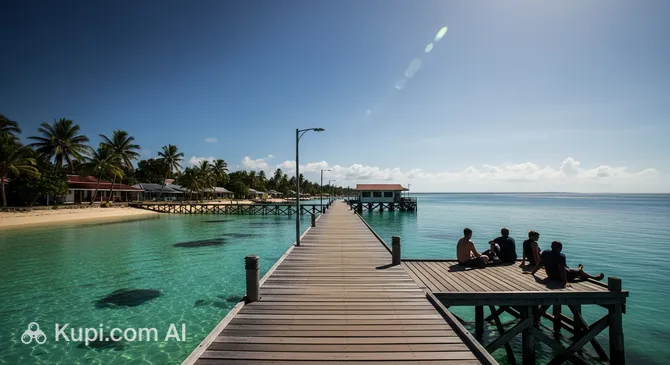
Munda. Source: Kupi.Binoculars

One of the most compelling reasons to visit is the deep and fascinating history of Munda. The town played a pivotal role during World War II, and remnants of this era are still visible today. The local airstrip, known as Munda Point Airfield, was originally constructed by Japanese forces before being captured by the Allies, and it remains a functional piece of living history. For a closer look at the past, the Peter Joseph WWII Museum displays a vast collection of artifacts, from weaponry to personal items found in the surrounding jungle.

Beyond its historical heritage, Munda is a paradise for nature lovers and divers. The Roviana Lagoon offers spectacular underwater experiences, with thriving coral reefs and diverse marine life just a short boat ride away. Whether you are exploring the depths of the ocean or strolling through the friendly local villages, Munda invites you to experience the warmth and wonder of the Western Province.

Weather Overview

Travelers visiting this region can expect a consistent tropical climate with temperatures that remain remarkably stable throughout the year. The average temperature hovers comfortably between 26°C and 27°C, with daily highs typically reaching up to 28.5°C in months like January and December. Nights are equally mild, with minimum temperatures rarely dropping below 24.6°C, making light, breathable clothing essential for any visit.

Rainfall is a constant feature of the local climate, contributing to the lush, green environment. While the total precipitation volume might appear low in the data, the frequency of rain is very high, with 26 to 29 wet days recorded every month. Visitors should be prepared for frequent showers regardless of the season. For a more detailed breakdown of conditions for your specific travel dates, you can consult the guide to weather in Munda.

Expect warm, humid days year-round with a very high likelihood of rain occurring almost daily.

Interesting Facts

Beyond its scenic lagoon and popular diving spots, Munda holds several intriguing stories that offer a deeper glimpse into its unique past. Here are a few fascinating details that many visitors might miss:

  • The Secret Canopy: The construction of the Munda airfield is a remarkable tale of camouflage. Japanese forces built the runway entirely beneath the canopy of an existing coconut plantation. They tied the tops of the trees together with cables to keep the foliage dense and visible from above, hiding the construction from Allied reconnaissance planes. The trunks were cut away only at the very last moment, instantly revealing a fully operational airstrip.

  • A Name from the Past: The renowned Peter Joseph WWII Museum is not named after a famous general or a battle, but a single soldier. The museum's name comes from the dog tag of Peter Joseph Palatini, which was the very first artifact found by the curator in the jungle. This discovery ignited a lifelong passion for collecting thousands of relics that are now on display.

  • Island of Skulls: Just a short boat ride away lies the tiny islet of Kundu Hite, better known as Skull Island. It is a sacred site containing a shrine filled with the skulls of ancient Roviana chiefs and warriors, standing as a solemn and fascinating reminder of the region's headhunting history.

  • The Underwater Dump: There is a dive site locally referred to as "The Dump," which is exactly what it sounds like. At the end of World War II, surplus military equipment—including trucks, jeeps, and ammunition—was pushed off the pier into the ocean. Today, this debris has been reclaimed by nature, creating a unique artificial reef teeming with marine life.

How to Get There

Reaching this tropical haven is an exciting part of the journey, offering travelers breathtaking aerial views of the lagoons and islands below. Most visitors arrive by air, connecting through the capital, Honiara, or other regional hubs. For detailed information on routes and logistics, you can read more about how to get to Munda to plan your trip effectively.

The most convenient entry point is the local Munda Airport (MUA). Located just 1.5 km from the town center, it is the primary gateway for tourists visiting the New Georgia Islands. The airport handles a significant volume of domestic traffic and occasional international connections, making it a vital transport hub for the region. A taxi or shuttle from the airfield to most accommodations in Munda takes only about 5 minutes.

Alternatively, travelers might transit through Gizo Airport (GZO), situated on the nearby island of Ghizo. Although it is approximately 52 km away from Munda, Gizo is a popular destination in the Western Province. If you land here, you will need to arrange a boat transfer to reach Munda, a scenic journey that typically takes about an hour depending on sea conditions. This route is often chosen by those planning to island-hop across the province.

For clarity, here is a summary of the main airports in the wider region:

Airport Name City Passenger Traffic Km from City
Munda Airport Munda High 1.5
Gizo Airport Gizo Medium 52.2
Aropa Kieta Medium 281.9
Choiseul Bay Airport Choiseul Bay Small 203.7

There are no railway services available in Munda or the surrounding islands. Transport within the town is primarily by road, while travel between the islands is conducted by boat. Visitors are advised to rely on taxis, local buses, or arranged transfers to navigate the area once they arrive.

Main Attractions

Roviana Lagoon is the defining natural feature of the region and a playground for water enthusiasts. This vast expanse of calm, turquoise water is dotted with barrier islands and teeming with marine life. Tourists are drawn here for world-class snorkeling and diving, where they can encounter vibrant coral gardens, sharks, and rays. Above the water, a boat cruise offers a serene way to explore the intricate network of mangroves and small village communities that line the shores.

For history buffs, the Peter Joseph WWII Museum is an essential stop. Located a short distance from the airfield, this private collection is packed with thousands of artifacts recovered from the surrounding jungle, ranging from rusty rifles and helmets to personal items like dog tags and canteens. It provides a raw and intimate look at the fierce battles that took place here, making it a deeply moving experience that connects visitors to the personal stories of the soldiers.

A short boat ride takes visitors to Skull Island (Kundu Hite), a small but significant cultural site. This tiny islet houses a shrine containing the skulls of tribal chiefs and warriors from the headhunting days of the Solomon Islands. It offers a fascinating, albeit eerie, glimpse into the ancient traditions and spiritual beliefs of the Roviana people. A visit here is usually accompanied by a local guide who can explain the history and legends associated with the site.

To experience the daily rhythm of local life, a visit to the Munda Market is highly recommended. Situated by the waterfront, this bustling spot is where villagers from the surrounding islands come to sell fresh produce, seafood, and handicrafts. It is an excellent place to sample local fruits, buy fresh fish for dinner, or simply chat with the friendly locals. The vibrant atmosphere and colorful displays make it a perfect spot for photography and cultural immersion.

Local Cuisine

The culinary scene in Munda is a delightful reflection of its island setting, heavily reliant on the bounty of the Roviana Lagoon and the fertile volcanic soil of New Georgia. Visitors can expect meals dominated by incredibly fresh seafood, tropical fruits, and hearty root vegetables. The food here is generally simple, organic, and bursting with natural flavors, offering an authentic taste of the Western Province without the need for complex processing.

Seafood lovers will be in paradise, as crayfish (lobster), mud crabs, and reef fish like snapper and tuna are staples of the local diet. These are often grilled to perfection or cooked in rich coconut cream. A must-try accompaniment is cassava pudding, a savory, gelatinous cake made from grated cassava and coconut milk, traditionally baked in stone ovens. Root crops such as taro, yam, and sweet potato (known locally as kumara) are served with almost every meal, providing a filling and nutritious base.

To quench your thirst in the tropical heat, nothing beats a fresh green coconut, often sold cheaply at roadside stalls and markets. For those looking to sample local alcoholic beverages, SolBrew is the national beer of the Solomon Islands and is widely available in Munda. It is a crisp lager that pairs perfectly with a humid evening and a sunset view over the lagoon.

Dining in Munda ranges from casual to rustic, with a relaxed atmosphere prevailing everywhere. The Munda Market is the heart of the community and the best place to find fresh snacks, such as seasonal fruits like papaya, pineapple, and ngali nuts. For a sit-down meal, most tourists rely on the restaurants attached to local lodges and hotels. These venues typically serve a fusion of international dishes and local favorites, often highlighting the catch of the day. Small local eateries, known as "kai bars," offer quick, affordable plates of rice and stew for those wanting to eat exactly like the locals.

Travel Tips

Visiting Munda is a step into a laid-back world where island time rules, but a smooth trip requires some practical know-how. These essential tips will help you navigate the local customs and logistics, ensuring your stay in the Western Province is as relaxing as the lagoon itself.

  1. Clothing and Gear: Munda is hot and humid year-round, so pack lightweight, breathable fabrics like cotton or linen. While swimwear is fine for the resort or boat, modesty is key when walking through town or visiting villages; both men and women should wear clothes that cover the shoulders and knees (shorts or a lavalava sarong). Don't forget a sturdy raincoat or poncho, as tropical downpours are frequent, and reef shoes are essential for protecting your feet from coral.

  2. Transportation: The town itself is small enough to navigate largely on foot. For longer distances or to get to the airport with luggage, local taxis are available and inexpensive. There is no public bus system or metro, and car rental is virtually non-existent and unnecessary. To explore the surrounding islands or cross the lagoon, you will rely on banana boats (open fiberglass boats with outboard motors), which are the primary mode of transport here.

  3. Finances: The local currency is the Solomon Islands Dollar (SBD). Cash is absolute king in Munda. While the Agnes Gateway Hotel and a few dive shops may accept credit cards (often with a surcharge), markets, small shops, and boat drivers deal strictly in cash. There is a BSP bank branch with an ATM in town, but it can occasionally run out of money or be out of service, so arriving with sufficient cash is highly recommended.

  4. Health and Safety: Munda is generally very safe, but it is located in a malarial zone. Consult your doctor about anti-malarial medication before traveling and bring plenty of strong insect repellent. Drink only bottled or boiled water. Basic medical care is available at the Helena Goldie Hospital, but facilities are limited, so ensure you have comprehensive travel insurance that covers medical evacuation for serious incidents.

  5. Communication: English is the official language and is widely understood, but the day-to-day language is Pijin. Learning a few phrases like "Halo" (Hello) or "Tanggio" (Thank you) goes a long way with locals. You can buy a local SIM card (Our Telekom) near the market for mobile data. Wi-Fi is available at major accommodations but can be slow and weather-dependent, so prepare for a digital detox.

  6. Local Etiquette: The culture in the Solomon Islands is based on respect and community. Always greet people you pass on the road with a smile and a nod. Be aware of "Kastom fees"; most beaches, islands, and reefs are customary land owned by local tribes. You must almost always ask permission and pay a small fee to the landowners before swimming, snorkeling, or visiting a site.

  7. What to Avoid: Never wear swimwear (bikinis or speedos) in the main town, market, or villages; it is considered deeply disrespectful. Keep beachwear strictly for the resort or the boat. Also, avoid stepping over someone's legs or food laid out on a mat, as this is culturally taboo.

  8. Sunday Observance: Munda is a devoutly Christian community, and Sundays are strictly for church and rest. Most shops, the market, and tour operators will be closed. Plan your activities accordingly—Sunday is a great day to relax at your lodge or attend a local church service to experience the incredible choir singing.

Embrace the slow pace and warm hospitality of Munda, and you will find it to be a truly unforgettable destination. With these preparations in mind, you are ready to respectfully enjoy the rich history and natural beauty of this unique corner of the Pacific.

Entertainment & Nightlife

Nightlife in Munda is a tranquil and laid-back affair, reflecting the sleepy charm of the Western Province. Travelers expecting bustling nightclubs, neon-lit districts, or 24-hour party zones will find a very different pace here. The evening entertainment focuses on socializing, enjoying the cool tropical breeze, and sharing stories of the day's underwater adventures. The "nightlife district" is effectively the waterfront area, where the sunset paints the lagoon in spectacular colors, signaling the start of a relaxed evening.

The primary hub for evening activity is undoubtedly the Agnes Gateway Hotel Bar (often simply called the Munda Bar). Located right on the water's edge, this venue serves as the town's social center. It attracts a mix of international tourists, divers, expatriates, and locals, creating a friendly and inclusive atmosphere. The vibe is strictly casual—flip-flops and shorts are the standard dress code. It is the perfect place to sip a cold SolBrew or a fresh coconut while watching the moon rise over the Roviana Lagoon.

For a sit-down dinner that serves as the evening's main event, the Qua Roviana Restaurant offers the most reliable dining experience in town. While not a "club," the restaurant often hosts local string bands or cultural performances on special occasions, providing a gentle musical backdrop to a meal of fresh lobster or reef fish. Outside of the hotel grounds, you may find small, local "kai bars" or bottle shops where residents gather to listen to music and socialize, but these are often informal and fluctuate in availability.

Practicalities for a night out in Munda are simple but important. The best time to head out is around 5:30 PM to 6:00 PM to catch the sunset. Prices are generally affordable, with beers and meals costing significantly less than in major international cities, though cash is essential as card machines are rare. Getting around at night requires caution, not because of crime, but due to the lack of street lighting. The town is small enough to walk, but carrying a torch or headlamp is mandatory to navigate the uneven roads and avoid stepping in puddles.

Regarding safety, Munda is generally safe for tourists, but it is advisable to walk in pairs and stick to the main roads near the waterfront. Local taxis do not typically roam the streets at night looking for fares; if you are staying further afield, you must arrange a ride in advance with your accommodation. Be mindful of village dogs, which can be more active and territorial after dark.

Daytime entertainment in Munda stands in stark contrast to the commercialized amusements of big cities. There are no movie theaters, shopping malls, or amusement parks here. Instead, the "entertainment" is immersive and historical. Visitors spend their days exploring the Peter Joseph WWII Museum, browsing the colorful Munda Market, or taking boat trips to nearby islands. The focus is entirely on the natural environment and the rich cultural heritage of the Solomon Islands.

Parks & Museums

In Munda, the concept of a "park" or "museum" extends far beyond manicured lawns and glass display cases. Here, the dense tropical jungle serves as a living green space, and the history of the region is often found scattered in the wild or preserved in intimate, family-run collections. Visitors will find that the town's cultural heritage is deeply intertwined with its natural environment, offering a raw and authentic exploration of the Solomon Islands.

Roviana Lagoon functions as the region's vastest natural park, a stunning marine sanctuary that dominates the local landscape. While not a park in the traditional sense, this labyrinth of barrier reefs, mangroves, and small islands is the primary recreational space for locals and tourists alike. The calm, turquoise waters are perfect for kayaking through "mangrove tunnels," where the canopy closes overhead to create a cool, green cathedral teeming with birds and orchids. It is a pristine environment where visitors can witness the rich biodiversity of the Western Province in its most natural state.

For those seeking a green space on land, Bibolo Hill offers a rewarding trek through the local flora. A hike to the top takes you through lush vegetation and towering tropical trees, providing a refreshing escape into the shade of the forest. The summit rewards walkers with panoramic views over the airfield, the lagoon, and the distant Rendova Island. It is a peaceful spot to appreciate the sheer density of the greenery that surrounds the settlement, serving as a natural lookout point that has been used for generations.

The cultural heart of the town is undoubtedly the Peter Joseph WWII Museum. This private institution is a labor of love, housed in a modest structure that brims with history. Unlike sterile national museums, this collection is tactile and personal, featuring thousands of items collected from the surrounding jungle by the owner. Visitors can examine piles of rusted steel helmets, shell casings, glass Coca-Cola bottles from the 1940s, and the personal dog tags of soldiers. It is a fascinating, somewhat somber place that documents the massive scale of the military presence here without glorifying the conflict.

Another significant site that functions as a cultural gallery is Kundu Hite, commonly known as Skull Island. While it is an open-air site, it serves as the primary repository for the Roviana people's ancestral history. The island houses a shrine constructed of coral rock, where the skulls of paramount chiefs and warriors are displayed. It offers a unique educational experience regarding the region's pre-colonial past and the complex traditions of the headhunting era, acting as a sanctuary for the preservation of local genealogy and spiritual beliefs.

For a truly unique experience, consider the jungle surrounding the airstrip as an Open-Air Museum. Many visitors hire a local guide to trek into the bush to find large-scale relics that were too heavy to move or collect. Hidden among the vines and roots, you can discover the fuselages of fighter planes, anti-aircraft guns, and old ammunition dumps that have been slowly reclaimed by nature. It is an adventurous way to see history where it fell, offering a stark contrast to the curated exhibits found elsewhere.

Getting Around

The public transport system in Munda differs significantly from what travelers might expect in larger international cities. There are no metros, trams, trolleybuses, or scheduled large bus networks operating in the town. Instead, the local transportation infrastructure is informal, small-scale, and relies heavily on the unique geography of the Western Province, where the ocean often serves as the main highway.

For land-based travel within the immediate town area, taxis are the primary mode of motorized transport. These are typically standard sedans or sometimes open-back trucks that function as shared transport. You will not find them cruising the streets looking for fares as frequently as in a capital city; instead, they usually congregate at key hubs like the Munda Market, the wharf, or the airfield when a flight lands. Taxis do not have meters, so it is standard practice to agree on the fare with the driver before getting into the vehicle.

Given the island setting, the most common and essential form of "public transport" is the banana boat. These open fiberglass boats, powered by outboard motors, function effectively as water taxis and buses. They are the lifeline for connecting Munda to nearby resorts, villages, and other islands such as Gizo. You can find them at the main wharf. Some operate on a semi-scheduled basis for popular routes, while others must be chartered privately. They are fast and efficient, though passengers should be prepared for a wet and bumpy ride depending on the weather.

The payment system across all forms of transport is strictly cash-based. There are no travel cards, mobile apps, or electronic ticketing systems available. Fares are paid directly to the driver or skipper in the local currency. It is highly advisable to carry small denominations, as drivers often do not have large amounts of change. Prices are generally reasonable and fixed for short standard trips around town, but chartering a boat for a longer excursion will require negotiation.

For tourists, walking is often the most practical way to navigate Munda itself. The town is compact, flat, and easy to explore on foot, with the market, shops, and many accommodations located within a comfortable walking distance of the airfield and the waterfront. There are no formal car rental agencies in the town, and while you might find a local willing to rent a bicycle, it is not a widespread service.

A key piece of advice for visitors is to plan travel during daylight hours. Street lighting is minimal to non-existent away from the main settlement, and boat travel at night is generally discouraged due to safety concerns regarding visibility and reefs. If you need to catch an early morning flight or have a late dinner arrangement, it is crucial to book your taxi or boat transfer in advance through your hotel or lodge, as finding spontaneous transport after sunset can be difficult.

Accommodation

Accommodation in Munda is characterized by its unpretentious charm and functionality, catering primarily to divers, anglers, and adventurous travelers. You will not find high-rise luxury chains or all-inclusive mega-resorts here. Instead, the options range from comfortable, family-run hotels and waterfront lodges to basic guesthouses and eco-friendly retreats. The focus is generally on providing a clean, convenient base for exploring the lagoon rather than opulent amenities.

The most convenient area to stay is in the heart of the settlement, known as Lambete, particularly along the waterfront. Staying here places you within easy walking distance of the airfield, the local market, and the main wharf for boat transfers. This central location allows visitors to immerse themselves in the daily life of the town while enjoying sea breezes and stunning views of the Roviana Lagoon right from their doorstep.

The most well-known establishment in town is the Agnes Gateway Hotel. Situated directly on the shoreline, it serves as the social and logistical hub for many visitors. It offers a variety of room types, ranging from backpacker dormitories to self-contained suites, making it suitable for a wide spectrum of budgets. Its prime location makes it the default choice for those seeking easy access to dive shops and boat tours without the need for further transport.

For those willing to take a short boat ride, there are also secluded eco-lodges located on the smaller islands scattered across the lagoon. These options offer a more private and rustic "castaway" experience, often built with traditional materials and running on solar power. These are ideal for travelers looking to disconnect completely and sleep to the sound of the ocean.

Booking Tip: Munda is a small destination with limited room inventory. During peak diving seasons or when local festivals are taking place, accommodation can fill up quickly. It is highly recommended to book your stay well in advance to secure your preferred room type, especially if you require specific amenities like air conditioning, which is not standard in all budget rooms.

In terms of pricing, the region is generally affordable to mid-range. Budget travelers can find basic lodging at reasonable rates, while the "higher end" options are moderately priced compared to international resort standards. While the main hotel is accessible via major online booking platforms, many smaller guesthouses and lodges still rely on direct email communication or phone calls. Be prepared that smaller establishments may prefer cash payments upon arrival.

Nearby Cities

For those looking to explore the surroundings, Munda serves as an excellent base for day trips to several interesting nearby locations:

Gizo is the most accessible and popular destination for a day trip from Munda. Located approximately 55 km away, it serves as the capital of the Western Province and can be reached via a scenic boat ride through the lagoon or a quick 15-minute flight. Gizo is renowned for its bustling waterfront market, where locals sell fresh seafood and intricate wood carvings. The town is also a jumping-off point for visiting nearby attractions such as Kennedy Island and numerous world-class diving sites.

Honiara, while further away on the island of Guadalcanal, acts as the central hub connecting the archipelago. As the national capital, it offers a distinct change of pace with its busy streets, significant World War II historical sites, and the National Museum. Although it requires a domestic flight to reach, it is an essential stop for those wanting to understand the broader history and culture of the Solomon Islands before retreating to the quiet lagoons of the west.

City Population Distance (km)
Honiara 84,520 319
Auki 7,882 380
Gizo 6,154 55
Kirakira 3,500 561
Buala 2,813 259

These nearby destinations offer a glimpse into the diverse culture and landscapes of the region, ranging from quiet provincial towns to the bustling national capital.

Shopping & Souvenirs

Shopping in Munda is a modest and authentic experience, reflecting the simple lifestyle of the Western Province. Visitors should not expect high-end fashion boutiques, sprawling shopping centers, or international brand chains. Instead, the retail scene is focused on essential supplies, fresh local produce, and unique cultural handicrafts. For tourists, the joy of shopping here lies in discovering handmade treasures and interacting with local artisans rather than browsing luxury goods.

The main commercial hub of the town is located in the area known as Lambete, situated conveniently between the airfield and the waterfront. This strip serves as the "high street" of Munda, lined with several general stores, often referred to as "supermarkets" by locals. These shops sell a variety of dry goods, canned foods, basic clothing, and toiletries. It is the best place to stock up on snacks, bottled water, and other travel necessities during your stay.

Travelers looking for large shopping malls will not find them in Munda. The retail infrastructure consists entirely of small, independent businesses and family-run stalls. The closest thing to a department store would be the larger general stores in the center, which stock everything from fishing gear to flip-flops under one roof, but the scale is very much that of a village convenience store.

The highlight of the local shopping scene is undoubtedly the Munda Market. Located right on the waterfront, this open-air market is the beating heart of the community. While it is primarily a place for locals to buy fresh fish, vegetables, and tropical fruits, it is also a fantastic spot for tourists to find organic snacks like bananas, papayas, and green coconuts. The atmosphere is vibrant and friendly, offering a glimpse into the daily lives of the Roviana people.

When it comes to souvenirs, Munda and the surrounding New Georgia Islands are famous for their exquisite craftsmanship. The most sought-after items are wood carvings made from ebony or rosewood, often featuring marine life or the traditional Nguzunguzu (a stylized figurehead traditionally attached to canoe prows). You can also find beautiful hand-woven baskets, bags, and mats made from pandanus leaves, as well as jewelry crafted from shells and coral. These items are usually sold directly by the artisans at the market or in small craft stalls near the hotels.

Practical information is vital for shoppers here. Business hours are generally from 8:00 AM to 5:00 PM on weekdays and Saturdays. On Sundays, almost all shops and the market are closed due to religious observance, so plan your purchases accordingly. Payment is almost exclusively in cash (Solomon Islands Dollar). Credit cards are rarely accepted outside of the main hotel, so ensure you have withdrawn enough money from the local ATM or exchanged currency before heading out to shop.

Tax-free shopping or VAT refund schemes are not available in Munda. The prices you see are final, though polite negotiation is sometimes acceptable when buying handicrafts directly from the maker at the market. However, prices are generally fair, and bargaining is not as aggressive as in some other parts of the world.

Reached the end of the page?

That means the route is fully explored