Support

Fera Island

About

Welcome to Fera Island, a serene and significant destination located in the Isabel Province. Although small in size, this island plays a crucial role as the primary aerial gateway to the region, hosting the main airport that connects the province to the rest of the archipelago. Travelers arriving here are immediately greeted by the laid-back tropical atmosphere and stunning coastal views that define the Solomon Islands.

Geographically, Fera is situated just a short boat ride across the lagoon from Buala, the provincial capital on Santa Isabel Island. The island is surrounded by crystal-clear waters and vibrant coral reefs, offering a picturesque setting from the moment you land. While the resident population on Fera itself is quite small, the daily connection to the nearby mainland communities makes it a vital hub of activity and culture.

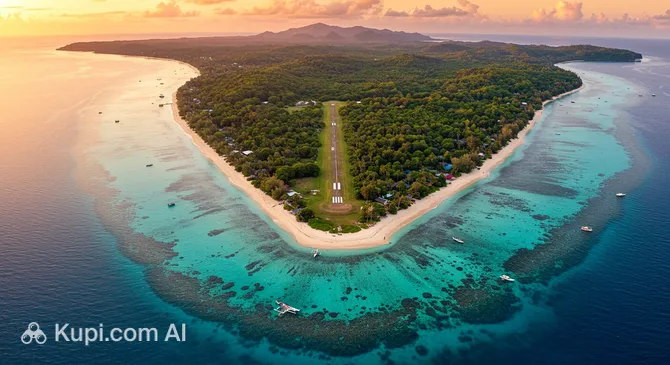
Fera Island. Source: Kupi.Binoculars

For those interested in the past, the history of Fera Island is fascinating, particularly regarding its strategic utility over the decades. Today, however, visitors are primarily drawn by its natural beauty and tranquility. The surrounding lagoon is a haven for water enthusiasts, offering excellent opportunities for snorkeling and swimming in pristine waters. It also serves as the perfect starting point for adventurers looking to explore the lush rainforests and traditional villages of the larger Santa Isabel Island.

Whether you are transiting through to explore the wider province or simply pausing to enjoy the ocean breeze, Fera Island offers a warm and authentic welcome. It is a place where the convenience of travel meets the timeless beauty of the Pacific, making it a memorable stop on your journey.

Weather Overview

Travelers planning a trip to this region can expect a stable tropical climate characterized by consistent warmth and regular moisture. The weather in Fera Island remains fairly uniform throughout the year, making it a destination where you rarely need to worry about extreme temperature fluctuations or distinct cold seasons.

Average temperatures generally hover around 26°C, with daytime highs reaching up to 28°C and comfortable evenings dropping to around 24°C. While the heat is manageable, visitors should be prepared for frequent rainfall, as the data indicates a high number of wet days each month—typically between 26 and 29 days—regardless of the time of year. It is advisable to pack lightweight, breathable clothing along with waterproof gear to stay comfortable during the frequent, though often refreshing, showers.

Interesting Facts

Beyond the main attractions, Fera Island holds many fascinating secrets that make it more than just a transit point. This small islet offers a unique travel experience defined by its geography and history, distinguishing it from typical airport destinations.

  • The Island is the Airport: Fera Island is geographically tiny, and the runway occupies almost the entire length of the landmass. It is one of the few places in the world where the airport infrastructure dominates the island so completely that there is little room for anything else, creating a dramatic visual upon landing.

  • A Water-Based Commute: Unlike most airports that are connected to city centers by roads or trains, Fera has no land link to the provincial capital, Buala. Travelers must take a scenic 15-minute boat ride across the lagoon to reach the town, making the "taxi" transfer an aquatic adventure in itself.

  • Wartime Origins: The airstrip has deep historical roots, having been originally constructed by the U.S. Navy Seabees during World War II in 1943. It served as a strategic forward base in the Pacific theater, transforming a quiet coral islet into a vital military asset.

How to Get There

Reaching Fera Island is an adventure that typically begins with a flight to one of the major hubs in the Solomon Islands, followed by a domestic connection. As a remote island destination, Fera relies on air and sea links for access. For travelers planning their journey, it is essential to look at the main gateways and schedule connections in advance. You can read more about how to get to Fera Island to find the best route for your itinerary.

The primary entry point for international visitors is Honiara International Airport (HIR), located in the capital city of Honiara on Guadalcanal Island. It is situated approximately 155 km from Fera Island. As the main international hub, it connects the country to destinations like Australia and Fiji. Since Fera Island is separated from Honiara by open ocean, a direct taxi or bus ride is not possible; instead, travelers transfer here to a domestic flight that lands directly on Fera's airstrip. The flight is short, usually taking under an hour, offering spectacular views of the reefs and islands below.

Another significant transport hub is Munda Airport (MUA), located in the city of Munda, about 257 km from Fera Island. While it is further away than Honiara, Munda serves as an important alternate gateway for the Western Province and has growing international connectivity. Travelers arriving here would typically need to arrange a domestic flight, likely connecting through Honiara, to reach Fera Island. The distance makes sea travel lengthy, so air travel remains the most practical and time-efficient option.

For clarity, here is a summary of the main airports:

Airport Name City Passenger Traffic Km from City
Munda Airport Munda Medium 257.4
Honiara International Airport Honiara Medium 155.0

Main Attractions

Maringe Lagoon is the defining natural feature of the area and the first sight that greets visitors landing on Fera Island. This expansive body of water is renowned for its calm, crystal-clear depths and vibrant marine ecosystems. It serves as a playground for water enthusiasts, offering exceptional opportunities for snorkeling and kayaking among untouched coral reefs. The lagoon is also home to a diverse array of marine life, and lucky travelers might spot dolphins or sea turtles while crossing the water to the mainland.

Just a short and scenic boat ride across the lagoon lies Buala, the provincial capital of Isabel Province. Unlike bustling city centers, Buala offers a charmingly laid-back atmosphere where modern life blends seamlessly with tradition. The town is unique for having almost no vehicle traffic, allowing visitors to walk peacefully among beautifully maintained flower gardens and traditional leaf houses. It is the cultural heart of the region, where you can experience the warm hospitality of the local community and learn about the island's heritage.

For those seeking adventure and a better vantage point, a hike to Mt. Tirotonga is a must-do activity. Located behind Buala village, this trek takes you through lush tropical vegetation and offers a rewarding challenge for nature lovers. Reaching the summit provides a breathtaking panoramic view of the entire Maringe Lagoon, Fera Island's airstrip, and the endless blue horizon of the Pacific Ocean. It is an ideal spot for photography and for appreciating the serene beauty of Isabel Province from above.

Local Cuisine

The culinary experience in and around Fera Island is a true reflection of the Solomon Islands' reliance on land and sea. Since Fera itself is primarily an airport hub with limited infrastructure, the local food scene is best experienced by taking the short boat ride across the lagoon to Buala or staying at nearby guesthouses. The cuisine here is organic, fresh, and unpretentious, centered heavily on the daily catch from the Maringe Lagoon and root crops harvested from the fertile soils of Isabel Province.

Seafood lovers will find themselves in paradise, as fish is the staple protein of almost every meal. Kingfish, tuna, and snapper are commonly served, often grilled simply over an open fire or poached in rich, savory coconut milk. Isabel Province is also renowned for its shellfish, particularly crayfish and mud crabs, which are often prepared as a delicacy for visitors. These dishes are typically accompanied by generous portions of root vegetables such as taro, sweet potato (kumara), and cassava, providing a hearty and filling foundation to the island diet.

One dish that visitors should definitely try is the local "pudding." Unlike Western desserts, this is a savory side dish made by pounding cooked taro or cassava and mixing it with thick coconut cream, sometimes baked in hot stones. Another common accompaniment is slippery cabbage (bele), a nutritious green leafy vegetable that is almost always cooked in coconut milk, adding a creamy texture to the meal.

When it comes to beverages, the most refreshing option is undoubtedly fresh coconut water, often drunk straight from the shell. It is widely available and provides perfect hydration in the tropical heat. For those looking to try a local alcoholic drink, SolBrew is the national lager found in most bottle shops and guesthouses in Buala. It is a crisp beer that pairs well with the humid climate and salty sea breeze.

Dining in this region is a communal and informal affair rather than a restaurant-based experience. There are no fast-food chains or fine dining establishments on Fera Island. Instead, tourists usually eat at their accommodation, where meals are home-cooked and seasonal. For a taste of local life, a visit to the Buala Market is essential. Here, you can buy fresh tropical fruits like papayas, bananas, and pineapples directly from the growers, offering a sweet and healthy snack to fuel your island adventures.

Travel Tips

Visiting Fera Island and the neighboring provincial capital of Buala requires a bit of preparation due to the remote nature of Isabel Province. These practical tips will help you navigate the unique logistics of island travel and ensure you fully enjoy the laid-back rhythm and natural beauty of this destination.

  1. Clothing and Gear: Given the tropical heat and high humidity, pack lightweight, breathable fabrics like cotton or linen. Since rainfall is frequent year-round, a quality raincoat or poncho is essential. For the boat transfer and exploring reefs, bring sturdy waterproof sandals or reef shoes. When visiting Buala or other villages, dress modestly; swimwear is strictly for the beach, and women should aim to cover their shoulders and knees out of respect for local customs.
  2. Transportation: The most important leg of your journey is the transfer from the airport. There are no taxis or buses here; instead, you will take a small outboard motorboat across the lagoon to Buala. It is highly recommended to arrange this transfer in advance with your accommodation. Once in Buala, the town is small enough to navigate entirely on foot, enjoying the car-free pathways.
  3. Finances: Cash is king in Isabel Province. The local currency is the Solomon Islands Dollar (SBD). Banking facilities are extremely limited; while there may be an agent in Buala, ATMs are often unreliable or out of service. It is crucial to withdraw sufficient cash in Honiara before you fly to Fera. Credit cards are rarely accepted outside of major hotels in the capital, so carry enough small notes for boat fares, markets, and guesthouses. Tipping is not mandatory but appreciated for exceptional service.
  4. Health and Safety: Fera and the surrounding areas are generally very safe, but standard precautions apply. The region is malarial, so bring strong insect repellent and consider taking prophylaxis after consulting a doctor. Medical facilities in Buala are basic (a clinic/hospital exists but supplies can be limited), so pack a comprehensive personal first-aid kit containing painkillers, antiseptics, and any prescription medications you need. Drink only bottled or boiled water.
  5. Communication: English is the official language and is taught in schools, so you will be understood in Buala. However, the lingua franca is Pijin. Learning a few phrases like "Halo" (Hello) or "Tanggio" (Thank you) goes a long way. Mobile coverage is available via the main providers (Telekom and Bemobile), but it is best to buy your SIM card and data package in Honiara upon arrival in the country, as starter packs might not be readily available on the island.
  6. Local Etiquette: The culture in Isabel is polite and community-focused. Always greet people you pass on the walkways with a smile or a nod. Before taking photos of locals, especially children or private homes, always ask for permission first. If you are invited into a home, remember to remove your shoes at the door. Sundays are strictly observed as a day of rest and worship; keep noise levels down and activities low-key.
  7. What to Avoid: Do not walk around villages or the town of Buala in skimpy clothing, bikinis, or without a shirt (for men). This is considered disrespectful in conservative village settings. Also, avoid wandering onto private land or "custom land" without asking for permission or paying a small "kastom fee" to the landowners, as land rights are taken very seriously here.
  8. Additional Tip: Be prepared for "Island Time." Schedules for boats and meetings are often flexible. If your boat driver is a few minutes late or a shop opens later than posted, stay patient and embrace the slower pace of life—it is part of the charm of the Solomon Islands.

By keeping these tips in mind, you will be well-equipped to handle the rustic charm of Fera Island and Buala. A respectful and prepared approach will open doors to genuine interactions with the friendly locals, making your trip to Isabel Province a truly unforgettable adventure.

Entertainment & Nightlife

Travelers arriving in Fera Island and the nearby provincial capital of Buala should adjust their expectations regarding nightlife. Unlike bustling tourist hubs with neon-lit districts and thumping bass, the evening entertainment here is defined by tranquility, connection, and nature. There are no nightclubs, discos, or 24-hour bars in this remote part of the Solomon Islands. Instead, the "nightlife" consists of peaceful social gatherings, the soothing sound of the ocean, and some of the most spectacular stargazing opportunities in the Pacific.

The social hub for visitors is almost exclusively centered around the accommodations in Buala, just a short boat ride across the lagoon from the airstrip. The Maringe Lagoon Lodge serves as the primary gathering spot for tourists, government workers, and visiting officials. In the evenings, its dining area transforms into a relaxed lounge where guests swap stories over cold drinks. It is the closest thing to a bar you will find, offering a friendly atmosphere where the dress code is casual—shorts and flip-flops are the norm.

For a more local experience, the area around the Buala Market can be lively in the early evening as the sun sets. While there are no formal pubs, local bottle shops sell the national favorite, SolBrew. It is common to see small groups of locals enjoying a beer and conversation near the waterfront or on the verandas of private homes. Visitors are often welcomed into these circles for a chat, provided they approach with a smile and respect. Another spot for a quiet evening meal and social interaction is the Mothers Union Resthouse, which offers a wholesome, community-focused environment.

Practicality is key when planning an evening out in Isabel Province. The streets of Buala have very limited street lighting, and Fera Island itself is virtually pitch black after the last flight departs. A reliable flashlight or headlamp is an absolute necessity for walking around after dark. Transport is strictly by foot within the village, or by arranged boat if you are crossing the lagoon—though boat travel at night is generally discouraged due to the difficulty of navigating the reefs in the dark.

Safety in this region is generally excellent, and the atmosphere is warm and welcoming. Violent crime is rare, making night walks relatively safe compared to larger cities. However, it is always polite to carry a light so people can see you coming, and to avoid making excessive noise late at night, as the village tends to sleep early. Prices for drinks and food are reasonable, but remember to carry cash, as credit card facilities are nonexistent in the evening venues.

While the nights are quiet, daytime entertainment in the region offers a different kind of richness. There are no amusement parks, theaters, or shopping malls here. Instead, the "museums" are the living traditions found in the villages, and the "theaters" are the vibrant coral reefs teeming with life. Visitors spend their days exploring cultural sites, such as the local church in Buala, or engaging in outdoor adventures like snorkeling and hiking, which provide enough excitement to make the peaceful evenings a welcome respite.

Parks & Museums

While Fera Island and the neighboring provincial capital of Buala do not possess manicured city parks or formal glass-encased museums, the region itself serves as a living exhibition of nature and culture. Here, the "parks" are the pristine rainforests and lagoons, while the "museums" are the vibrant traditions and architectural heritage woven into the daily life of the local communities.

Maringe Lagoon acts as the area's vast, open-air aquatic park. Instead of paved walkways, it offers crystal-clear channels teeming with marine life, perfect for eco-tourists and nature lovers. The lagoon is not just a scenic backdrop but a protected environment where visitors can observe vibrant coral gardens and sea turtles in their natural habitat. It provides a serene escape that rivals any botanical garden, with the added bonus of cooling sea breezes and the rhythmic sound of the tides.

For those who prefer green canopies to blue waters, the Mount Tirotonga Trail offers a rugged natural experience. Rising steeply behind Buala, this hiking route takes you through dense tropical jungle that serves as a sanctuary for endemic bird species and exotic orchids. The trek is challenging but rewarding, functioning as a nature reserve where the biodiversity of Isabel Province is on full display. Reaching the summit offers a panoramic perspective of the island's geography that no map can replicate.

In terms of cultural institutions, there are no conventional museums in the area. However, St. Mary's Cathedral in Buala stands as a significant cultural and historical beacon. As the seat of the Anglican Diocese of Ysabel, this imposing structure is not only a place of worship but also a repository of community history and spiritual heritage. Its architecture blends local materials with western church design, serving as a gathering place where visitors can witness the strong community bonds that define the province.

The town of Buala itself functions as an architectural gallery. It is renowned for its preservation of traditional leaf houses, many of which are built on stilts to accommodate the tides and terrain. Unlike modern concrete towns, Buala maintains a harmonious aesthetic where homes are constructed from sago palm thatch and local timber. Walking through the car-free paths allows tourists to admire the craftsmanship and sustainable building techniques that have been passed down through generations.

For a truly authentic cultural experience, look for opportunities to witness Panpipe performances. Isabel Province is famous for its unique style of bamboo panpipe music, a tradition that acts as an auditory history of the people. While there is no music museum, local festivals or arranged village visits often feature these hauntingly beautiful ensembles, providing a deep connection to the island's ancestral roots.

Getting Around

The public transport system in Fera Island is unique and completely unlike what travelers might expect from a typical urban destination. Due to the island's small size and its specific function as an airport hub, there are no buses, trains, trams, or metros. Instead, the primary mode of "public" transportation is aquatic. The blue waters of the Maringe Lagoon serve as the highway, and small outboard motorboats—often referred to locally as "banana boats" or "canoes"—act as the taxis and buses of the region.

For visitors landing at the airstrip, the journey to the main settlement of Buala or other nearby accommodations is exclusively by boat. These vessels are typically open fiberglass boats powered by outboard engines. There is no scheduled timetable like a city bus system; instead, transport operates on an on-demand basis or is coordinated to coincide with flight arrivals and departures. It is less of a public transit network and more of a private charter arrangement, though locals often share rides to split fuel costs.

Regarding payment, digital solutions such as travel cards, apps, or online tickets do not exist here. The entire system operates on cash. Visitors must carry small denominations of the local currency to pay the boat skippers directly. Prices for the transfer across the lagoon are generally fixed for tourists but can vary depending on the distance to your specific guesthouse. It is advisable to confirm the price before boarding to avoid any confusion upon arrival.

A crucial piece of advice for tourists is to arrange your boat transfer in advance. Since there is no taxi rank waiting at the airstrip, you should contact your accommodation provider at the time of booking to ensure a skipper is waiting for you when your flight lands. Operating hours are strictly limited to daylight hours. Navigating the reefs in the dark is hazardous, so boat travel effectively ceases after sunset. Always ensure your boat carries life jackets and that your luggage is protected from sea spray.

Once you reach the provincial capital of Buala across the lagoon, the transport situation shifts to foot traffic. Buala is a rare example of a "pedestrian-only" town by design, with grassy footpaths winding between houses and gardens rather than paved roads for cars. There are no car rental agencies, ride-sharing services, or bicycle rental shops. Walking is the only way to get around the village, allowing for a peaceful and unhurried exploration of the surroundings.

Accommodation

When planning a stay near Fera Island, it is essential to understand the local geography. The island itself is almost entirely dedicated to the airstrip and does not host tourist accommodation. Instead, visitors take a scenic 15-minute boat transfer across the water to Buala, the provincial capital of Isabel Province. This charming, car-free town is where the region's lodging options are located, offering a peaceful base for exploration.

The primary choice for most travelers is the Maringe Lagoon Lodge. Situated directly on the waterfront, it provides a convenient and comfortable stay for tourists, government officials, and visiting businesspeople. The lodge typically features standalone bungalows and rooms that offer lovely views of the lagoon. Facilities are modest but adequate, usually including private bathrooms, mosquito nets, and fans. The on-site dining room is a key feature, serving fresh local meals and acting as a central meeting point for guests.

For those seeking a more budget-friendly or community-oriented experience, the Mothers Union Resthouse is a popular alternative. Operated by a local women's church group, this facility offers basic, safe, and clean accommodation. Guests can expect simple amenities, often with shared bathrooms and communal areas. It is an excellent option for travelers who wish to support the local community and experience the genuine hospitality of the Isabel people without the frills of a hotel.

Travelers should manage their expectations regarding amenities in this remote part of the Solomon Islands. Accommodation here is best described as "rustic" and authentic rather than luxurious. There are no international chains or five-star resorts. Electricity is typically powered by generators and may be available only during specific hours of the day and evening. Hot water is rare, with cool showers being the norm, and air conditioning is generally replaced by natural sea breezes and ceiling fans.

Booking procedures in Buala differ from standard tourist destinations. Most guesthouses and lodges are not listed on major online booking platforms. It is highly recommended to arrange accommodation in advance by phone or through a travel agent in Honiara. Furthermore, payment is almost exclusively in cash (Solomon Islands Dollar). Credit card facilities are virtually non-existent, so visitors must ensure they withdraw sufficient funds in the capital before flying to Fera.

Nearby Cities

For those looking to explore the surroundings, Fera Island serves as an excellent base for day trips to several interesting nearby locations: The most accessible and essential destination is **Buala**, the provincial capital of Isabel Province. Located just a 15-minute boat ride across the Maringe Lagoon, Buala offers a unique glimpse into a town that functions almost entirely without cars. Visitors can wander along grassy footpaths lined with traditional leaf houses and vibrant flower gardens. It is the cultural heartbeat of the region, where you can hike up Mount Tirotonga for panoramic views or visit the local market to buy fresh produce and chat with friendly locals. Although it requires a short flight rather than a boat ride, **Honiara** is the major hub connecting Fera to the wider world. As the capital city situated on Guadalcanal, it is rich in World War II history, featuring significant sites like the U.S. War Memorial and the bustling Central Market. While typically a transit point, it offers museums, diverse dining options, and a lively atmosphere that contrasts with the quiet serenity of the outer islands. Another notable regional center is **Auki**, the capital of Malaita Province. Situated to the southeast, Auki is renowned for its cultural heritage, particularly the traditional crafting of shell money, which is still used in local customs. It provides a fascinating look into the traditions of the Solomon Islands and serves as a gateway to the beautiful Langa Langa Lagoon, known for its artificial islands.
City Population Distance (km)
Honiara 84520 152
Auki 7882 143
Gizo 6154 303
Kirakira 3500 365
Buala 2813 7
These nearby destinations offer a glimpse into the diverse culture and landscapes of the region, ranging from quiet traditional villages to the bustling historical capital.

Shopping & Souvenirs

Shopping opportunities directly on Fera Island are virtually non-existent, as the island is almost entirely dedicated to the airstrip and lacks commercial infrastructure. Visitors looking to buy supplies, food, or local crafts must take the short boat ride across the lagoon to the provincial capital, Buala. The shopping experience here is authentic and rustic, characterized by small family-run stores rather than modern retail chains. It offers a glimpse into the daily life of the Solomon Islands, where commerce is conducted with a smile and a chat.

There are no designated shopping districts or high streets in the traditional sense. In Buala, "shopping" involves walking along the grassy, car-free footpaths that wind through the village. Scattered among the homes are small trade stores, often referred to as "canteens." These modest shops stock essential items such as tinned foods, rice, bottled water, toiletries, and basic household goods. They are the lifeline for the local community and the only place for tourists to restock on necessities.

Travelers should not expect to find shopping malls or department stores in this remote part of the archipelago. The retail landscape is completely devoid of large commercial complexes. If you require specialized equipment, electronics, or branded clothing, it is essential to purchase these items in Honiara before traveling to Isabel Province. The charm of this region lies in its simplicity, and the absence of commercialization is part of its appeal.

The highlight of the local trade is undoubtedly the Buala Market. Located near the waterfront, this open-air market is the social and economic heart of the town. Here, growers from the surrounding villages sell fresh, organic produce such as pineapples, bananas, papayas, and root vegetables like taro and sweet potato. It is also the best place to find fresh fish caught that morning in the Maringe Lagoon. The market is vibrant, colorful, and offers a great opportunity to interact with locals while buying healthy snacks for your stay.

For souvenirs, Isabel Province is renowned for its exquisite craftsmanship, particularly in weaving. While there are no dedicated souvenir shops, visitors can often find beautiful handmade items at the market or by asking locals. The region is famous for its intricate woven baskets, mats, and fans made from dried pandanus leaves. Wood carvings, often featuring marine motifs like dolphins or eagles, are also popular. Purchasing these items directly from the artisans supports the local economy and provides a unique memento of your trip.

Business hours in Buala are generally dictated by the sun. Most small shops and the market operate from around 8:00 AM to 5:00 PM on weekdays and Saturdays. However, opening times can be flexible and informal. It is crucial to note that Sundays are strictly observed as a day of rest and worship; almost all shops and the market will be closed, so plan your purchases accordingly.

Payment is exclusively in cash. Credit cards, debit cards, and mobile payments are not accepted in the shops or at the market in Buala. The local currency is the Solomon Islands Dollar (SBD). Since banking facilities are limited and ATMs may be unreliable or non-existent in the village, tourists are strongly advised to withdraw sufficient cash in Honiara before flying to Fera Island. Small denominations are preferred, as shopkeepers often have limited change.

Tax-free shopping or VAT refunds are not available in Fera Island or Buala. The prices you see are the final prices, and bargaining is generally not practiced in stores, though mild negotiation might be acceptable at the market for bulk purchases.
Reached the end of the page?

That means the route is fully explored