Support

Gizo

About

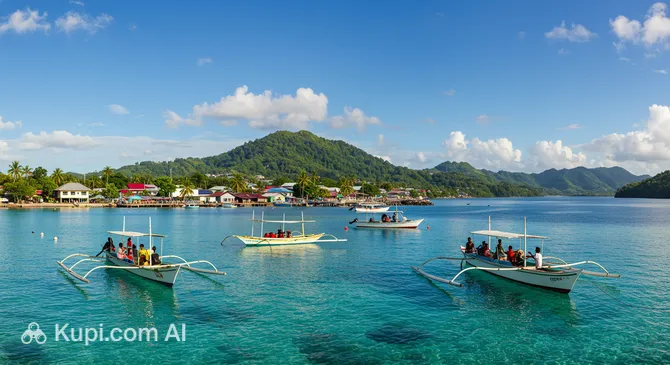
Welcome to Gizo, the vibrant capital of the Western Province and a primary gateway for travelers exploring the Solomon Islands. Despite its relatively small population of approximately 6,000 residents, this bustling town serves as a crucial economic and tourism hub, offering a unique blend of island charm and essential services. It is widely regarded as one of the most picturesque towns in the region, serving as the perfect launchpad for adventures in the surrounding lagoon.

Perched on Ghizo Island, the town is renowned for its spectacular waterfront location and relaxed tropical atmosphere. The climate is typically warm and humid, inviting visitors to spend their days by the water. For those interested in the past, the history of Gizo reveals fascinating stories, including its role during World War II and its resilience in the face of natural challenges.

Gizo. Source: Kupi.Binoculars

Gizo is celebrated worldwide for its exceptional diving and snorkeling opportunities. Famous sites like Grand Central Station offer an underwater spectacle teeming with marine life, while the nearby Kennedy Island—where John F. Kennedy swam after his PT-109 boat was sunk—remains a popular and historic day-trip destination. Back in town, the lively open-air market is a must-visit spot to experience local culture, meet friendly residents, and purchase fresh tropical fruit or handmade crafts.

Whether you are seeking thrilling underwater adventures or a peaceful island retreat, Gizo promises an unforgettable experience in the heart of the Pacific. We invite you to discover the warmth and beauty of this remarkable island town.

Weather Overview

The climate in this region is characterized by remarkable consistency, offering warm temperatures throughout the year. Visitors can expect average daily temperatures to hover around 26°C, with daytime highs reaching up to 27.7°C and nighttime lows rarely dropping below 25°C. This stable heat makes the water pleasant for swimming and diving in any season.

Rainfall is a very frequent occurrence, so it is wise to be prepared for wet conditions regardless of when you travel. The data indicates that rain falls on approximately 26 to 28 days each month, suggesting that showers are a near-daily event. For a more comprehensive breakdown of what to expect during your specific travel dates, you can view the detailed weather in Gizo. Generally, travelers should pack for warm, humid conditions and expect frequent precipitation year-round.

Interesting Facts

Beyond its reputation as a diving paradise, Gizo hides fascinating geographical quirks and layers of history that add depth to its tropical charm. Discover the unique features that set this provincial capital apart from other island destinations.

  • An Island Commute for Flights: Unlike most cities where you can take a taxi from the airport to your hotel, the airstrip serving Gizo is actually located on the tiny neighboring island of Nusatupe. To reach the main town, every traveler must take a scenic boat ride across the lagoon, making the arrival experience an adventure in itself.

  • A Micronesian Influence: Gizo is culturally distinct due to a significant population of I-Kiribati people (originally from the Gilbert Islands). Resettled here in the 1950s, this community has maintained its unique Micronesian traditions, meaning you can find distinctive weaving styles and dances in local villages like Titiana that differ from the predominant Melanesian culture of the Solomon Islands.

  • A Massive Wreck on the Doorstep: While many WWII wrecks are far offshore or deep underwater, the Toa Maru—a Japanese transport ship over 140 meters long—lies just a short boat ride from the town. It rests at a depth that makes it accessible to divers, and on clear days, parts of the massive hull can even be glimpsed from the surface by snorkelers.

How to Get There

Reaching this tropical paradise is an adventure in itself, often involving scenic flights over turquoise lagoons. While the town is secluded, it is well-connected to the rest of the country by air and sea. For a comprehensive guide on planning your journey, you can read more about how to get to Gizo.

The most direct way to arrive is via Gizo Airport (GZO), which is located approximately 3.3 km from the main town. Uniquely situated on the small island of Nusatupe, the airport requires a short boat transfer to reach Gizo proper. The entire transfer process, including the boat ride, typically takes around 25 minutes. It is a vital hub for the region, welcoming a steady stream of visitors eager to explore the Western Province.

Another significant option is Munda Airport (MUA), located in the city of Munda, about 53 km away from Gizo. Munda is a key regional destination, and travelers sometimes use it as a transit point. The journey from Munda to Gizo involves further travel, often by boat, which can take approximately 1 hour and 40 minutes depending on the vessel and weather conditions.

For clarity, here is a summary of the main airports:

Airport Name City Passenger Traffic Km from City
Munda Airport Munda Large 53.2
Gizo Airport Gizo Medium 3.3
Aropa Kieta Medium 233.9
Choiseul Bay Airport Choiseul Bay Small 161.7

Main Attractions

Gizo acts as the perfect springboard for exploring the wonders of the Western Province, offering a mix of historical intrigue, cultural vibrancy, and underwater marvels. While the town itself is compact, the surrounding lagoon and islands host some of the most celebrated sites in the Solomon Islands. Here are the key attractions that make a visit to this region truly memorable.

One of the most historically significant spots is Kennedy Island, locally known as Plum Pudding Island. Situated about 15 minutes by boat from the town, this small, uninhabited islet is famous for being the place where the future U.S. President John F. Kennedy and his crew swam ashore after their PT-109 boat was rammed by a Japanese destroyer during World War II. Today, it serves as a popular day-trip destination where tourists can enjoy picnics, swimming, and snorkeling in the crystal-clear waters while reflecting on its fascinating past.

For diving enthusiasts, the Toa Maru is an unmissable experience. This massive Japanese transport ship, sunk during World War II, lies on its side just a short distance from Gizo. It is one of the most accessible large wrecks in the South Pacific, resting at depths that allow divers to explore its cavernous holds. Inside, you can still see preserved artifacts such as sake bottles, medical supplies, and even a tank, making it a haunting yet captivating underwater museum.

Back on land, the Gizo Market offers a deep dive into local life. Located right on the waterfront, this bustling open-air market is the heart of the community. Villagers from surrounding islands arrive daily by canoe to sell fresh produce, seafood, and traditional handicrafts. It is an excellent place to purchase souvenir carvings or woven baskets and to interact with the friendly locals, absorbing the authentic atmosphere of an island trading hub.

If you are looking for a pristine beach accessible by road, Saeraghi Beach is a top choice. Located at the northern end of Ghizo Island, a scenic drive or boat ride from the main town, this area features stunning stretches of white sand and vibrant coral reefs just offshore. It is an idyllic spot for relaxation and offers a glimpse into village life, as it sits adjacent to a traditional local community known for its hospitality.

Finally, the underwater site known as Grand Central Station attracts divers from around the globe. Located near Gizo, this reef has one of the highest concentrations of fish life in the archipelago. The currents here bring in nutrient-rich waters, attracting schools of barracuda, trevally, and reef sharks. It is described as an underwater intersection of marine activity, providing a thrilling spectacle for those who venture beneath the surface.

Local Cuisine

The culinary scene in Gizo is a direct reflection of its surroundings, heavily reliant on the bounty of the ocean and fresh tropical produce. As a coastal town, seafood is the undisputed star of the menu. Visitors can expect to feast on fish caught just hours before serving, ranging from yellowfin tuna to Spanish mackerel. The preparation is often simple yet delicious, involving grilling, baking in coconut milk, or serving it raw as fresh sashimi with a squeeze of lime.

Among the dishes worth trying, the crayfish (lobster) stands out as a local specialty. In Gizo, this delicacy is surprisingly affordable compared to international standards and is often served grilled with garlic butter or in rich curries. Another staple to look for is cassava pudding, a dense and slightly sweet cake made from grated cassava and coconut cream, baked in traditional stone ovens. It serves as a hearty side dish or a comforting snack that perfectly complements the savory seafood.

When it comes to beverages, nothing beats the refreshment of a fresh coconut, known locally as kulau. You will find vendors selling them chilled at the market or along the roadside. For those looking to try a local alcoholic drink, SolBrew (Solomon Islands Lager) is the national beer and a favorite choice for cooling down after a day of diving. It is widely available in hotels and bars throughout the town.

Dining in Gizo is a relaxed affair, ranging from casual waterfront eateries to the bustling Gizo Market. The market is the best place to observe local food culture, where you can buy seasonal fruits like pineapples, papayas, and the unique ngali nuts. For a cooked meal, locals often frequent "kai bars"—small takeaway shops serving generous portions of fish and chips or chicken with rice. Meanwhile, hotel restaurants offer a mix of international cuisine and local favorites, allowing tourists to enjoy island flavors with a view of the lagoon.

Travel Tips

Preparing for a trip to Gizo requires a bit of local know-how to ensure your island getaway goes as smoothly as possible. To help you navigate the unique rhythm of life in the Western Province, we have compiled a list of essential practical advice.

  1. Clothing and Gear: Given the warm and humid tropical climate, pack lightweight, breathable fabrics like cotton or linen. Since rain is frequent, a durable raincoat or poncho is an absolute must. While swimwear is perfect for the islands, remember to bring modest clothing (covering shoulders and knees) for walking around town and visiting villages. Reef shoes are also highly recommended for protecting your feet in the water.

  2. Transportation: Gizo town itself is compact and easily navigable on foot. For longer distances along the island's road, taxis are available and relatively inexpensive. However, the primary mode of transport in the region is the "banana boat" (small motorized boat). You will rely on these for airport transfers, island hopping, and reaching dive sites. Car rentals are not typically necessary or widely available for tourists here.

  3. Finances: The local currency is the Solomon Islands Dollar (SBD). While major hotels and dive operators usually accept credit cards, cash is king in Gizo. You will need small notes for the market, taxis, and village fees. There are ATMs in town (usually ANZ or BSP), but they can occasionally be offline or out of cash, so it is wise to arrive with some backup currency exchanged in Honiara.

  4. Health and Safety: Mosquito-borne diseases like malaria and dengue fever are present, so bring strong insect repellent and consider taking prophylaxis after consulting your doctor. Pharmacies in Gizo have basic supplies, but it is safer to bring your own specific medications. The town is generally very safe, but standard precautions apply—keep valuables secure and avoid walking alone in unlit areas at night.

  5. Communication: English is the official language and is widely understood in tourism sectors, though locals communicate daily in Pijin. Learning a few phrases like "Halo" (Hello) or "Tanggio" (Thank you) goes a long way. Wi-Fi can be slow and intermittent; for better connectivity, purchase a local SIM card from Our Telekom, which has a shop in town.

  6. Local Etiquette: The Solomon Islands is a conservative society. Walking around town in bikinis or shirtless is frowned upon; always cover up when leaving the beach. Greeting people you pass on the street with a smile or a nod is customary and polite. Also, be patient—things operate on "island time," so expect a slower, more relaxed pace of service.

  7. What to Avoid: Never wander onto beaches or islands that appear uninhabited without checking if a "kastom fee" (customary access fee) applies. Most land and reefs are customary owned, and trespassing can cause offense. Always ask a local guide or your hotel for advice before exploring new areas independently.

  8. Sunday Shutdowns: Sundays are strictly observed as a day of rest and church attendance. Most shops, the market, and many services will be closed. Plan your activities, such as boat trips or transfers, in advance, or use the day to relax at your resort.

By keeping these tips in mind, you will be well-equipped to enjoy the laid-back charm and natural beauty of Gizo. Embrace the slower pace, respect the local customs, and get ready for an unforgettable adventure in the Solomons.

Entertainment & Nightlife

Nightlife in Gizo is characterized by a relaxed, tropical vibe rather than high-energy clubbing. As a small provincial town, it does not have bustling nightlife districts or large discotheques found in major cities. Instead, the evening entertainment focuses on socializing, enjoying the cool sea breeze, and watching the spectacular sunsets over the lagoon. The atmosphere is casual and friendly, with locals and tourists mingling in open-air venues along the waterfront.

The primary hub for evening activity is the main street running parallel to the harbor. Here, the pace of life slows down as the sun sets, and the focus shifts to dining and casual drinking. The dress code is almost universally informal; shorts, t-shirts, and sandals are acceptable everywhere. However, visitors should remember that the Solomon Islands is a conservative country, so while casual wear is fine, it is respectful to avoid swimwear in town establishments during the evening.

For a taste of the local social scene, the Gizo Hotel is the most prominent venue in town. Its open-air bar and restaurant area serve as the central meeting point for divers, travelers, and expatriates. On weekends, you might be lucky enough to catch a live band playing island reggae or a traditional dance performance. Another popular spot is PT109, a restaurant and bar named after JFK’s famous boat. Located near the waterfront, it offers a laid-back setting to enjoy a cold SolBrew (the local beer) and fresh seafood while watching the activity in the harbor.

If you are staying at one of the nearby island resorts, such as Fatboys Resort, the nightlife experience is often centered around their own overwater bar. While technically just outside the town, many visitors take a boat transfer to enjoy dinner and drinks suspended over the reef. The "bar" here is famous for its relaxed atmosphere and the chance to see reef sharks swimming directly beneath the floorboards, offering a unique twist to your evening cocktail.

Practical advice for enjoying Gizo at night involves understanding the logistics of island travel. Most venues close relatively early, often around 10:00 PM or 11:00 PM. Prices are generally affordable, especially for local beer, though imported spirits and wine will cost more. If you are staying on a resort island, ensure you have arranged your return boat transfer in advance, as crossing the lagoon at night requires a skilled skipper and is not something to leave to the last minute.

Regarding safety, Gizo is generally safe, but common sense should prevail. The waterfront area is lit, but side streets can be very dark. It is advisable to avoid walking alone in unlit areas late at night. Taxis are limited in the evening, so if your accommodation is on the main island but far from the center, arrange a ride beforehand or ask the venue staff to help you call one.

In terms of daytime entertainment, Gizo differs from typical tourist cities. You will not find movie theaters, large shopping malls, or amusement parks here. The "entertainment" is the environment itself. The bustling Gizo Market serves as the town's cultural theater, offering a vibrant display of daily life. For those seeking history, small local collections or war relics scattered around the island serve as informal open-air museums, best explored with a local guide.
Parks & Museums

In Gizo, the concept of "parks and museums" is redefined by the landscape itself. You will not find manicured city gardens or large, air-conditioned museum halls here. Instead, the entire region serves as a living, breathing open-air gallery where the turquoise lagoon acts as a marine park and the remnants of World War II scattered across the islands and seabed form a fascinating, decentralized museum.

For nature lovers, the Gizo Lagoon and its surrounding islands are the ultimate playground. Njari Island, located just a short boat ride away, is often celebrated as one of the most biodiverse spots in the region. Frequently described as a "marine park," it offers snorkelers and divers a chance to observe an incredible variety of coral and fish species in protected waters. The island itself is a picture-perfect tropical haven, ideal for picnics and experiencing the raw beauty of the Western Province without the crowds.

Another significant natural area is Kennedy Island (Plum Pudding Island). While famous for its historical connection to JFK, it functions as a recreational park for visitors. The small islet is covered in native vegetation and surrounded by shallow, clear waters perfect for swimming. It provides a unique combination of natural serenity and historical significance, allowing you to walk on the same sands where a future president once sought refuge.

When it comes to history and culture, Gizo offers what is often called an "underwater museum." The Toa Maru is the centerpiece of this experience. This massive Japanese transport ship, sunk during WWII, lies just minutes from the town. Unlike traditional museums where artifacts are behind glass, here you can dive right up to preserved sake bottles, medical supplies, and military equipment that have remained untouched for decades. It is a haunting and immersive way to engage with the past.

For a cultural "gallery" experience on land, look no further than the local villages and the Gizo Market. The Western Province is renowned for its skilled woodcarvers, particularly from the Marovo Lagoon area, but their work is widely available in Gizo. Walking through the market or visiting nearby villages like Titiana offers a firsthand look at artists creating intricate carvings from ebony and kerosene wood. These spaces showcase the living heritage of the Solomon Islands more vividly than any static exhibit could.

If you are keen to explore further, a visit to Saeraghi Village offers a blend of both worlds. It features one of the best beaches on Ghizo Island and provides an authentic glimpse into local life. The villagers are welcoming, and a walk through the area reveals traditional architecture and the daily rhythms of island culture, making it a rewarding "living museum" experience.

Getting Around

The public transport system in Gizo is simple, informal, and distinctly tropical, reflecting the town's small size and island geography. Travelers should not expect complex infrastructure such as metros, trams, or large municipal bus networks. Instead, the town relies on a combination of road taxis and water transport to connect people within the island and across the surrounding lagoon.

On land, the primary mode of motorized transport is the taxi. These are usually private sedans or occasionally trucks that operate along the main coastal road. There are no designated bus stops; you simply flag down a vehicle as it passes or find one waiting near the central market area. Taxis here are unmetered and often operate on a shared basis, picking up other passengers going in the same direction, which keeps costs relatively low for short hops.

A unique feature of Gizo's transport network is the prevalence of water taxis, locally known as "banana boats." Since the airport is located on a separate island and many attractions are across the water, these small, open fiberglass boats with outboard motors function as the region's buses. You will find them gathered at the waterfront wharves. They are the standard way to travel to the airport, nearby resorts, or neighboring villages, making the ocean an integral part of the daily commute.

Payment for all forms of transport is strictly cash only. There are no travel passes, smart cards, or mobile payment apps available. You must pay the driver or skipper directly in the local currency. Fares for short taxi rides within the town are usually a fixed small amount, while trips to further destinations like Saeraghi Beach or boat transfers require a negotiated fee. It is highly recommended to carry small notes and coins, as drivers frequently do not have enough change for large bills.

For a smooth experience, tourists should always agree on the price before entering a taxi or boarding a boat. Since meters are not used, establishing the fare upfront avoids confusion later. Transport services typically operate during daylight hours and taper off significantly after sunset. If you plan to dine out late or visit a location outside the main town in the evening, you must arrange a scheduled pick-up with a driver in advance, as you cannot rely on flagging one down at night.

Within the town center itself, walking is often the best and most efficient option. Gizo is compact, with most shops, the market, and hotels located along a single main street that runs parallel to the harbor. You can easily walk from one end of the commercial area to the other in about 15 minutes. While there are no official car-sharing or bike-rental systems, the relaxed pace of the town makes exploring on foot both pleasant and practical.

Accommodation

Accommodation in Gizo offers a delightful mix of options that cater to divers, business travelers, and holidaymakers alike. The choices generally fall into two distinct categories: convenient hotels located directly in the town center and secluded resorts scattered across the surrounding islands of the lagoon. Whether you are looking for a budget-friendly guesthouse or a picturesque waterfront bungalow, the region provides a comfortable base for your Western Province adventures.

For those who prioritize convenience and accessibility, staying in Gizo Town is the most practical choice. Accommodation here places you within walking distance of the bustling open-air market, dive shops, and the main wharf. This area is ideal for travelers who want to be at the heart of the action, with easy access to banks, stores, and local eateries. The Gizo Hotel is the most well-known establishment in this area, situated right on the waterfront. It serves as a central social hub, featuring a pool and restaurant that are popular with both guests and locals.

Travelers seeking a quintessential tropical escape often prefer the resorts located on the nearby private islands within the lagoon. These properties offer a more tranquil and scenic experience, often featuring overwater bungalows or beachfront chalets. A prime example is Fatboys Resort, located a short boat ride from the main town. It is famous for its "floating" bar and restaurant, where guests can dine while watching marine life swim below. Staying in these areas requires a boat transfer to reach the town, adding an element of adventure and seclusion to your stay.

The price range in Gizo varies from affordable budget lodges and backpacker hostels to mid-range and upper-mid-range resort pricing. Truly ultra-luxury 5-star properties are not the norm here; instead, the focus is on comfortable, authentic island hospitality. While the larger hotels and resorts accept credit cards and can be booked via major online platforms, smaller guesthouses may prefer cash payments and direct bookings via email or phone.

Booking Tip: Since the number of rooms in Gizo is relatively limited compared to mass-tourism destinations, accommodation can fill up quickly, especially during local festivals or the peak dry season. It is highly recommended to book your stay in advance to secure your preferred location and to arrange your airport boat transfers ahead of time.

Nearby Cities

While Gizo serves as the bustling capital of the Western Province, the geography of the Solomon Islands means that other major urban centers are spread across various islands in the archipelago. Most of these "nearby" cities require travel by domestic flight or sea, as they are separated by the open ocean. Understanding the distances to these other key locations can help you plan your itinerary, especially if you intend to explore beyond the Western Province.

The most significant connection is with Honiara, the national capital located on Guadalcanal. It acts as the primary international gateway and the main transit point for reaching Gizo. Other provincial centers like Auki and Buala offer their own unique glimpses into the diverse cultures of the Solomons, though they are quite distant from Gizo's lagoon.

The table below lists some of the notable cities and towns within the country, along with their population and approximate distance from Gizo:

City Population Distance (km)
Honiara 84,520 373
Auki 7,882 432
Ringgi Cove 2,000 403
Buala 2,813 307
Kirakira 3,500 616

Shopping & Souvenirs

Shopping in Gizo is a delightfully authentic experience that contrasts sharply with the commercialized retail scenes of larger international cities. You will not find sprawling shopping malls, designer boutiques, or duty-free complexes here. Instead, the town offers a selection of modest general stores and a vibrant open-air market that serves as the commercial heart of the Western Province. For tourists, the appeal lies in discovering locally made handicrafts and experiencing the daily trade rhythm of an island community.

The main shopping activity is concentrated along the single main street that runs parallel to the waterfront. This strip is lined with a variety of Chinese-owned general stores and supermarkets. These shops are "jacks-of-all-trades," stocking everything from canned food and cold drinks to clothing, hardware, and fishing gear. It is the place to go if you need to replenish basic travel supplies, buy snacks, or pick up a colorful local sarong (lava-lava).

Since there are no shopping malls in Gizo, the retail landscape is dominated by these independent traders. The closest equivalent to a department store would be the larger supermarkets, such as Wing Sun, which offer a slightly wider range of imported goods. Travelers should manage their expectations and embrace the simplicity; if you have specific dietary requirements or need specialized equipment, it is best to bring those items with you.

The undisputed highlight of the town's shopping scene is the Gizo Market. Located right on the water's edge, this is where the culture of the Solomon Islands truly comes alive. Villagers from surrounding islands paddle across the lagoon daily to sell their wares. While the front section is dedicated to fresh mounds of tropical fruit, vegetables, and the catch of the day, the market is also the best place to find genuine local treasures. It is a colorful, bustling, and friendly environment where bargaining is not the norm, but friendly conversation is.

When it comes to souvenirs, the Western Province is world-renowned for its exquisite wood carvings. Local artisans, particularly from the Marovo Lagoon area, create stunning pieces from ebony and kerosene wood, often inlaid with iridescent nautilus shell. At the market or from street vendors, you can find intricate statues of marine life, spirits, and bowls. Other popular items include hand-woven baskets and bags made from pandanus leaves, as well as traditional shell jewelry.

Business hours in Gizo are generally from 8:00 AM to 5:00 PM on weekdays, with many shops closing for a lunch break between 12:00 PM and 1:00 PM. On Saturdays, shops typically close early, around 12:00 PM or 1:00 PM, and the town is virtually shut down on Sundays due to religious observance. It is crucial to plan your shopping needs accordingly, especially if you arrive on a weekend.

Regarding payment, cash is king in Gizo. The local currency, the Solomon Islands Dollar (SBD), is the only accepted method of payment at the market and in almost all general stores. While a few major hotels and dive operators may accept credit cards, you cannot rely on plastic for day-to-day shopping. There are ATMs in town, but they can occasionally run out of cash or experience network issues, so carrying sufficient cash is highly recommended. Tax-free shopping or VAT refunds are not available for tourists in the Solomon Islands.

Reached the end of the page?

That means the route is fully explored