Support

Daru

About

Welcome to Daru, the vibrant capital of the Western Province and a unique island destination in Papua New Guinea (Niugini). Situated on a small island near the mouth of the mighty Fly River, just north of the Torres Strait, this town serves as an important trading hub and a gateway to the southern coastal region. With a population of approximately 12,800 residents, it offers a distinct atmosphere that blends traditional island culture with the bustle of a provincial center.

The town is compact yet lively, characterized by its coastal charm and significance as a commercial port. Travelers interested in the history of Daru will find that it was once a bustling center for the pearl diving industry and played a notable role during the colonial era. Today, remnants of its past can still be sensed in the architecture and the stories of the local community.

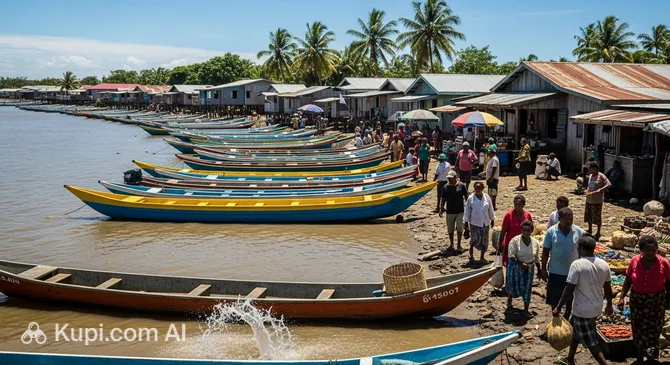
Daru. Source: Kupi.Binoculars

For visitors, one of the main draws is the exceptional fishing opportunities. The surrounding waters are renowned for barramundi, attracting anglers looking for a world-class catch. Additionally, the local market is a fascinating place to explore, offering fresh seafood, including lobster and crab, as well as local produce and artifacts that reflect the region's heritage.

Whether you are passing through on a fishing expedition or looking to experience a different side of the country away from the highlands, Daru offers a warm welcome and a glimpse into the coastal life of the Western Province. It is a destination that promises an authentic and memorable off-the-beaten-path adventure.

Weather Overview

Visitors to Daru can expect a consistently warm tropical climate throughout the year. Temperatures remain stable, with daily averages typically hovering between 25°C and 28°C. The warmest period generally occurs around December and January, seeing daytime highs of approximately 30.2°C, while August brings slightly cooler conditions with minimum temperatures dipping to around 24.2°C.

Rainfall is a regular feature of the local weather pattern, characterized by a high frequency of wet days rather than extreme volume. The region records rain on most days of the month, with March notably seeing precipitation on up to 30 days. Regardless of the season, it is advisable to pack waterproof gear for potential showers. For more specific details to help plan your trip, you can check the guide to weather in Daru.

Interesting Facts

Beyond its role as a provincial hub, Daru holds several fascinating secrets that reveal its unique position in the region. From special border treaties to diverse historical influences, there is much more to this island than meets the eye.
  • A Unique Border Zone: Daru is situated incredibly close to the Australian border in the Torres Strait. Due to the Torres Strait Treaty, traditional inhabitants of the area are granted special rights to cross between Papua New Guinea (Niugini) and Australia without standard passports for traditional activities like fishing and trade, creating a rare fluid border culture.

  • A Cosmopolitan History: While the pearl trade is part of its general history, the specific demographics of that era were surprisingly diverse. In the early 20th century, the island was home to a multicultural community of pearl divers, including significant numbers of Japanese, Malay, and other Pacific Islanders, leaving behind a legacy that can still be traced in local surnames and old cemeteries.

  • The Influence of the Fly River: The island sits directly in the path of the massive sediment discharge from the Fly River, one of the largest rivers in the world by volume. This geographic quirk enriches the local waters with nutrients, fueling the incredible biodiversity and large barramundi stocks, but it also means the coastline is constantly shaped by the river's powerful flow.

  • Sanctuary for Dugongs: The shallow seagrass beds surrounding Daru are a vital habitat for dugongs, also known as sea cows. The area is globally significant for the conservation of this vulnerable species, which remains culturally important to the local Kiwai people who have coexisted with them for centuries.

How to Get There

Reaching this unique island destination requires some planning, as it is situated off the main grid of mainland transport. For a detailed overview of all your travel options, you can read more about how to get to Daru.

The primary gateway for visitors is Daru Airport (DAU), which is conveniently located directly on the island. It is a regional hub that connects the Western Province with the capital, Port Moresby, and other locations. Since the airport is just 1 km from the main town center, the transfer is quick and straightforward; however, allowing for logistics, the trip takes approximately 20 minutes by taxi or hotel shuttle. The airport handles a modest volume of annual passengers, reflecting the town's status as a specialized destination.

Travelers should also be aware of Horn Island Airport (HID), located in Horn Island, Australia. Although it is geographically close—about 195 km from Daru—it lies across an international maritime border in the Torres Strait. While it is a significant regional airport, reaching Daru from there involves complex international sea or air transfers rather than a simple road connection.

For clarity, here is a summary of the main airports:

Airport Name City Passenger Traffic Km from City
Horn Island Airport Horn Island Medium 195.0
Daru Airport Daru Small 1.0
Northern Peninsula Airport Bamaga Small 222.9

Main Attractions

Although Daru is a compact island town, it offers visitors a genuine slice of coastal life in Papua New Guinea (Niugini). The attractions here are less about polished monuments and more about the raw beauty of the environment and the vibrant local culture. Exploring the town provides a unique opportunity to witness the daily rhythms of the Western Province, from bustling trade to serene river landscapes.

One of the most authentic places to visit is the Daru Market. This bustling hub is the heartbeat of the island, where fishermen and farmers from the mainland and surrounding islands come to sell their goods. It is an excellent spot for tourists to interact with friendly locals and see the abundance of fresh produce, including sago and exotic fruits. The market is particularly famous for its seafood, offering a chance to see impressive catches of mud crabs, lobsters, and the region's prized barramundi before they are shipped out.

For those interested in the maritime heritage of the island, the Daru Wharf and town jetty area are fascinating to explore. As the primary point of entry and exit for goods and people, the wharf is always alive with activity. Visitors can watch the colorful banana boats arriving from the Fly River villages and observe the traditional trading networks that have existed for generations. It is also a picturesque spot to enjoy the sea breeze and watch the sunset over the Torres Strait.

Nature enthusiasts and anglers are drawn to the Fly River Delta, which is easily accessible from Daru. As the gateway to one of the largest river systems in the country, the town serves as a base for boat excursions into the vast mangrove forests and waterways. These trips offer incredible birdwatching opportunities and the chance to see crocodiles in their natural habitat. For sport fishermen, these waters are legendary, known globally for hosting massive Papua New Guinea Black Bass and Barramundi, making a fishing charter a top priority for many visitors.

Finally, a visit to the nearby Traditional Villages on the mainland or neighboring islands provides deep cultural insight. The Kiwai people of this region have a rich history and distinct customs. engaging with these communities offers a rare glimpse into a lifestyle that is closely tied to the river and the sea, featuring unique architecture and traditional canoe-building skills that are still in use today.

Local Cuisine

The local cuisine in Daru is a direct reflection of its unique geography, situated between the nutrient-rich Fly River and the coral reefs of the Torres Strait. Unsurprisingly, fresh seafood dominates the culinary scene, offering visitors some of the finest catches in the region. The food here is simple, hearty, and relies heavily on fresh ingredients sourced daily from the surrounding waters and mainland gardens.

A trip to Daru would be incomplete without tasting the region's famous Barramundi. Often considered the best in the country, this fish is a staple in local households and restaurants alike. It is typically prepared grilled over an open fire, steamed with ginger and greens, or served in a rich coconut cream soup. Another delicacy to look out for is the massive Mud Crab, which is caught in the nearby mangroves and is prized for its sweet, succulent meat.

The staple carbohydrate in the Western Province is Sago, harvested from palms in the river delta. You will often find it served as a jelly-like accompaniment to fish dishes or baked into a dry biscuit which is excellent for dipping. For a refreshing drink to wash down a meal, Kulau (fresh young coconut water) is widely available and provides a perfect respite from the tropical heat. In the evenings, locals and tourists often enjoy a cold SP Lager, the national beer of Papua New Guinea (Niugini).

The dining culture in Daru is casual and unpretentious. Most social eating happens around the bustling markets or at small roadside stalls known as "Kai Bars," which serve affordable plates of chicken, fish, and root vegetables like taro and sweet potato. For a more sit-down experience, visitors usually head to the restaurants within the town's hotels, where Western-style dishes are served alongside traditional island favorites in a relaxed atmosphere.

Travel Tips

Planning a trip to Daru requires a bit of preparation to fully enjoy its unique island charm and frontier atmosphere. These practical tips are designed to help you navigate the local customs and logistics, ensuring your visit to this fascinating corner of the Western Province is both safe and memorable.

  1. Clothing and Gear: Given the consistent tropical heat and high humidity, pack lightweight, breathable fabrics like cotton or linen. Since rain is frequent throughout the year, a high-quality raincoat or sturdy umbrella is essential. Comfortable walking shoes or sturdy sandals are best for the unpaved sections of town. While casual wear is acceptable, it is respectful to dress modestly—covering shoulders and knees—especially when visiting villages or markets.

  2. Transportation: Daru is a compact island town, and many places are accessible by foot. For longer distances or to get to the airport, local taxis and PMVs (Public Motor Vehicles) are the primary options. There is no metro or rail system, and ride-hailing apps are not available here. Car rentals for tourists are virtually non-existent, so rely on arranged transfers from your accommodation or local drivers.

  3. Finances: The local currency is the Papua New Guinea Kina (PGK). It is highly recommended to carry sufficient cash, as credit card acceptance is generally limited to major hotels or larger businesses. ATMs are available but can occasionally be out of service, so bringing cash from Port Moresby is a wise backup plan. Tipping is not a standard practice, but small gratuities for exceptional service are appreciated.

  4. Health and Safety: This is a malaria-risk zone, so bringing prophylaxis and strong insect repellent is crucial. Always drink bottled or boiled water and avoid tap water. Medical facilities on the island are basic; for any serious condition, evacuation to the capital would be necessary. In terms of safety, exercise common sense: avoid walking alone at night, keep valuables hidden, and stay in well-lit, populated areas.

  5. Communication: English is one of the official languages and is widely understood in government and business circles. However, Tok Pisin is the most common language for daily communication. Learning a few phrases like "Gud moning" (Good morning) or "Tenkyu" (Thank you) will go a long way with locals. Mobile coverage is available (primarily Digicel), and buying a local SIM card is the best way to stay connected, as Wi-Fi can be slow or intermittent.

  6. Local Etiquette: Papua New Guineans are generally very friendly and hospitable. A handshake is the standard greeting. The concept of "Wantok" (one talk/language) signifies strong community bonds; always be respectful of local hierarchies and community leaders. It is considered polite to ask for permission before taking photographs of people, especially in the market or villages.

  7. What to Avoid: Do not display large amounts of cash or expensive electronics in public, as this can attract unwanted attention. Avoid venturing into remote areas or settlements without a local guide, as having a local companion ensures you are welcome and safe.

  8. Market Tip: If you plan to visit the famous Daru Market, try to go early in the morning, around 6:00 AM to 7:00 AM. This is when the freshest catch from the Fly River and Torres Strait arrives, and the market is at its most vibrant and authentic state.

By keeping these practicalities in mind, you will be well-equipped to experience the raw beauty and cultural richness of Daru. A little preparation goes a long way here, allowing you to relax and connect with the friendly locals in this distinct part of the world.

Entertainment & Nightlife

Entertainment and nightlife in Daru differ significantly from the bustling party scenes found in larger global cities. As a remote provincial capital, the town does not feature nightclubs, discos, or theater districts in the traditional sense. Instead, the evening atmosphere is low-key, raw, and centered around social connection, typically taking place within the safety and comfort of local hospitality establishments.

The primary hub for evening entertainment is the New Century Hotel (formerly known as the Daru Hotel). This venue serves as the social anchor for the town, attracting a mix of business travelers, government officials, and local residents. The hotel bar is the most reliable spot to enjoy a cold SP Lager, play a game of pool, and engage in conversation in a relaxed, air-conditioned environment. It is the closest thing to a "night out" available on the island and offers a safe setting for tourists to experience the local social vibe.

For a more rustic experience, you might hear locals mention various "Kai Bars" or small taverns located near the waterfront and the market area. These spots are informal, open-air venues where music is played loudly, and food is simple. However, these areas are primarily frequented by locals. The atmosphere here is lively and unpretentious, with a dress code that is strictly casual—shorts and t-shirts are the norm everywhere.

Safety is a paramount consideration when planning an evening in Daru. The town can be unpredictable at night, and unlit streets pose a risk. It is strongly advised to avoid walking around after dark, even for short distances. If you wish to visit a venue like the New Century Hotel or a guest house restaurant, arrange for a private transfer or use a hotel shuttle. There are no ride-sharing apps, and flagging down taxis at night is not recommended for tourists.

Regarding daytime entertainment, travelers should manage their expectations. Daru does not possess cinemas, amusement parks, or formal museums. The "entertainment" here is immersive and cultural. Visitors spend their days exploring the bustling Daru Market, watching the boat traffic at the wharf, or organizing fishing trips. The town's charm lies in its lack of commercial distractions, offering a rare chance to disconnect and observe the daily life of the Western Province.

Parks & Museums

While Daru does not boast the manicured botanical gardens or grand national museums found in larger capitals, it offers a distinct kind of exploration centered on raw natural beauty and living history. The town's "green spaces" are defined by the untamed coastline and the vast river systems nearby, while its cultural heritage is best experienced through its historical landmarks and the daily lives of its people rather than inside glass display cases.

Key Parks and Natural Areas

In lieu of formal city parks, the Daru Foreshore serves as the island's primary open space and social gathering point. Stretching along the water's edge, this area offers unobstructed views of the Torres Strait and the constant maritime activity of the wharf. It is a popular spot for locals to cool off in the sea breeze during the late afternoon. For visitors, a walk here provides a connection to the island's geography, sandwiched between the Fly River and the open sea, offering a simple but refreshing escape from the town's humidity.

For a true immersion in nature, the Fly River Delta and the surrounding mangrove forests act as a vast, wild natural park. Accessible by boat, this ecological zone is a haven for birdwatchers and nature enthusiasts. The dense mangroves are teeming with wildlife, including saltwater crocodiles and diverse bird species. It is a stark, impressive landscape that highlights the power of nature in the Western Province, offering an adventurous alternative to a traditional park visit.

Museums and Cultural Heritage

Travelers should be aware that there are no dedicated museums or art galleries within Daru. The town itself, however, functions as a "living museum" of the region's colonial and trading past. The cultural history is etched into the community, where stories of the pearl trade and the influence of early missionaries are passed down orally. Visitors interested in culture are encouraged to engage with locals at community hubs, where the history of the Kiwai people and the island's maritime legacy is kept alive through conversation and tradition.

Historical and Architectural Sites

The most significant historical site on the island is the Old Daru Cemetery. This quiet and somewhat overgrown site offers a poignant glimpse into the island's cosmopolitan history. Here, you can find the graves of Japanese pearl divers, early European administrators, and missionaries who lived and died here during the pearling boom of the early 20th century. Reading the inscriptions on the weathered headstones provides a fascinating narrative of the diverse groups that once flocked to this remote outpost seeking fortune.

Another notable landmark is the United Church, a central fixture in the town's architectural landscape. While modest in design, it represents the strong influence of Christianity in the region, which arrived in the late 19th century. The church remains a focal point for the community, and hearing the choir practice on Sundays is a cultural experience in itself, reflecting the harmonious blend of local custom and religious faith.

Authentic Experiences

For a unique local experience, ask around about a boat trip to Bobo Island. Located just a short distance from Daru, this smaller island is often used by locals for picnics and fishing. It offers a quieter, more secluded natural setting compared to the main town and is a great spot to appreciate the untouched beauty of the Torres Strait environment.
Getting Around

Public transport in Daru is informal and functional, designed to meet the basic needs of a small island community rather than tourists accustomed to complex urban networks. There is no metro, tram, or large municipal bus system here. Instead, the town relies on a combination of Public Motor Vehicles (PMVs), informal taxis, and water transport, which serves as a vital link for the region given the island setting.

Public Motor Vehicles (PMVs) are the closest equivalent to a standard bus service. In Daru, these are typically minivans or open-backed trucks fitted with bench seating. They do not follow strict timetables or have designated stops with electronic signage. Instead, they operate on flexible routes connecting key locations such as the airport, the main market, and residential settlements. Vehicles usually depart only when they are full, so travelers should be prepared to wait.

Given the geography of the Western Province, Banana Boats (fiberglass dinghies with outboard motors) are a critical part of the "public transport" ecosystem. While they primarily connect the island to the mainland and neighboring villages, they function much like a commuter service. These boats congregate at the main wharf and jetty areas, ferrying people and goods throughout the day. They are the lifeline of the city, bringing in the daily catch and visitors from the Fly River delta.

The payment system across all modes of transport is strictly cash-based. There are no travel cards, mobile apps, or electronic ticketing machines available in the city. Fares are generally low and fixed for standard local routes, but it is essential to carry small denominations of the local currency. For PMVs, you typically pay the driver or the assistant (often called the "crew") at the end of the trip. For taxis and banana boats, it is advisable to confirm the price before boarding to avoid any misunderstandings.

For tourists, navigating this system requires a bit of local know-how. Transport services operate primarily during daylight hours; finding a PMV or boat after dark is difficult and generally not recommended for safety reasons. If you need to travel locally, flagging down a vehicle is common practice, but as a visitor, it is often safer and more reliable to ask your accommodation to arrange a trusted driver or taxi for you.

Alternatives to motorized transport are limited but practical. Walking remains one of the most effective ways to navigate the town center. Given Daru's compact size, the market, wharf, and main commercial areas are all within reasonable walking distance of each other. There are no car-sharing services, ride-hailing apps, or formal bike rental schemes available, so comfortable walking shoes are your best asset for exploring the island.

Accommodation

Finding accommodation in Daru is a straightforward affair, primarily because the options are quite limited. As a remote provincial capital rather than a mainstream tourist resort in Papua New Guinea (Niugini), the town does not feature international luxury chains or sprawling beach resorts. Instead, visitors will find a small selection of functional hotels and guest houses designed to cater largely to government officials, business travelers, and the occasional adventurous tourist.

The most prominent establishment on the island is the New Century Hotel (often still referred to by locals as the Daru Hotel). Situated conveniently within the town, it serves as the primary hub for visitors seeking comfort and security. Guests here can typically expect air-conditioned rooms—a necessity in the tropical heat—along with en-suite bathrooms and a reliable restaurant on-site. As the social center of the town, it also offers a safe environment to relax after a day of exploring the Western Province.

For those on a tighter budget or looking for a more modest experience, there are a few guest houses and lodges scattered around the town. These facilities are generally basic, offering simple rooms with shared or private facilities. While they may lack the amenities of the main hotel, they provide a roof over your head and a chance to interact more closely with local hosts. Standards can vary, so it is advisable to check current conditions or ask for recommendations locally if you have not booked in advance.

When planning your stay, keep in mind that booking online is not always possible for smaller establishments in this region. It is often more effective to contact the hotel directly via phone or email. Additionally, while the main hotel may accept credit cards, smaller guest houses usually deal strictly in cash. Due to the limited number of rooms on the island, securing your reservation well before your trip is highly recommended to ensure availability.

Nearby Cities

For those looking to explore the surroundings, Daru serves as an excellent base for planning further travel and short visits to several interesting nearby locations:

City Population Distance (km)
Port Moresby 700,000 435
Mount Hagen 68,000 374
Mendi 56,055 327
Goroka 21,507 409
Bulolo 20,000 432

While the distances in this vast region often require air travel, Port Moresby is the most accessible major destination for a short visit. As the capital, it offers a completely different pace of life compared to Daru. Visitors can spend time exploring the National Museum and Art Gallery to gain a deeper understanding of the country's diverse heritage, or visit the Port Moresby Nature Park to see native flora and fauna in a well-maintained setting.

For those willing to venture further into the highlands, Mount Hagen presents a unique cultural experience. Known for its cool climate and vibrant atmosphere, it is famous for the Mount Hagen Cultural Show. Even outside of festival times, the town's bustling market is renowned for its fresh produce and traditional crafts, offering a colorful glimpse into the life of the Western Highlands.

These nearby destinations offer a glimpse into the diverse culture and landscapes of the region, allowing travelers to experience the contrast between the coastal island life of Daru and the bustling energy of the mainland.

Shopping & Souvenirs

Shopping in Daru is a unique experience that centers on utility and local trade rather than leisure retail or luxury brands. As a remote provincial capital, the town does not offer high-street fashion chains or sprawling department stores. Instead, the shopping scene reflects the daily needs of the island's residents and the influx of traders from the Fly River and Torres Strait. For tourists, it provides a fascinating look into the commercial life of a frontier town, where general stores and open-air markets dominate the landscape.

The main commercial activity is concentrated along the streets closest to the waterfront and the main wharf. This area serves as the town's business district, lined with various "trade stores"—general merchandise shops often run by Chinese or local merchants. These stores are one-stop shops selling everything from tinned food and rice to clothing, hardware, and fishing gear. Walking through this district offers a bustling, somewhat chaotic atmosphere where the island's commerce is in full swing.

Travelers should be aware that there are no modern shopping malls in Daru. The concept of a leisure shopping center does not exist here. The closest equivalents are the larger wholesale and retail supermarkets that supply the province. These establishments are functional and air-conditioned, providing a place to purchase toiletries, snacks, and bottled water, but they are not designed for window shopping or entertainment.

The undisputed highlight of the local shopping scene is the Daru Market. This is where the true heart of the island beats. While primarily a food market, it is an essential stop for visitors. Here, you can see an incredible array of fresh seafood, including the region's famous barramundi, mud crabs, and lobsters, often sold directly by the fishermen. Alongside the catch of the day, vendors sell sago, fresh fruits like bananas and coconuts, and vegetables brought in from mainland gardens.

For those looking to bring back a memento, souvenirs in Daru are authentic and often handmade. The Western Province is known for its distinct artistic style. Look for traditional bilums (string bags) which may feature patterns unique to the region. You might also find items crafted from marine materials, such as shell jewelry or pearl-shell carvings, reflecting the island's pearling history. Occasionally, wood carvings from the Fly River delta tribes, such as ceremonial figures or small canoes, can be found in local stalls or by asking around the community.

Opening hours in Daru are generally limited to daylight hours. Most shops open around 8:00 AM or 9:00 AM and close by 4:00 PM or 5:00 PM. On Sundays, many businesses are closed or operate with reduced hours. It is critically important to note that cash is king. Credit cards are virtually useless in local shops and the market. While the main hotel may accept cards, you will need Papua New Guinea Kina (PGK) in small denominations for almost all other purchases.

Regarding tax refunds, tourists should note that there is no tax-free shopping scheme available in Daru. The prices you see are final, and the infrastructure for processing tourist tax rebates does not exist in this remote part of the country.

Reached the end of the page?

That means the route is fully explored