Support

Horn Island

About

Horn Island, traditionally known as Ngurapai, is a captivating destination located in the Torres Strait, just off the northern tip of Queensland. As a vital gateway to the region, this island offers a unique blend of cultural heritage and natural beauty within Australia. Despite its modest population of around 500 residents, it serves as a significant transport hub, connecting travelers to the surrounding islands and offering a distinct atmosphere that differs from the mainland.

The island holds a profound place in military memory, having served as a major Allied airbase during the Second World War. Visitors interested in the history of Horn Island will find it fascinating to explore the remnants of this era, including preserved trenches and aircraft sites. The local community takes great pride in sharing these stories, ensuring that the legacy of the past remains alive and accessible to all who visit.

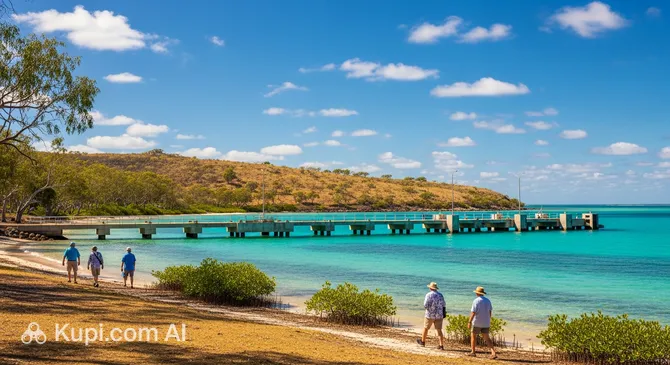
Horn Island. Source: Kupi.Binoculars

One of the must-visit spots is the Torres Strait Heritage Museum, which houses an extensive collection of artifacts, photographs, and personal stories detailing the region's pearling industry and wartime experiences. Beyond its historical sites, the island is surrounded by stunning turquoise waters, making it a fantastic location for fishing and enjoying the laid-back tropical climate. The landscape is rugged yet inviting, perfect for those looking to experience the raw beauty of the Top End.

Whether you are transiting through to Thursday Island or planning a dedicated stopover, Horn Island promises an educational and serene escape. It is a place where history meets the warmth of the tropics, inviting travelers to discover a distinct and memorable side of the continent.

Weather Overview

Horn Island experiences a consistent tropical climate, ensuring warm and inviting conditions for visitors throughout the year. Temperatures remain remarkably stable, with monthly averages generally hovering between 25°C and 28°C. The warmest period typically occurs around December and January, where average highs reach approximately 29°C, while July and August offer slightly cooler days with averages dipping to around 25°C.

While the heat is steady, the rainfall pattern varies distinctively across the seasons. The beginning of the year is characterized by frequent precipitation; January, for example, can experience up to 29 wet days, making it the dampest time to visit. In contrast, the middle of the year brings much drier conditions, with August seeing as few as 3 wet days and almost no recorded rainfall. Travelers looking to explore the outdoors might prefer these drier months. For a more detailed breakdown of what to expect during your stay, you can consult the guide on the weather in Horn Island.

Interesting Facts

Beyond the main attractions, Horn Island holds many fascinating secrets that reveal the depth of its historical significance. This small community, often seen merely as a transit point, possesses a legacy that rivals major mainland cities.

  • It holds the somber title of being the second most attacked location in Australia during World War II. While the bombing of Darwin is widely remembered, this island was subjected to eight separate air raids, serving as a pivotal yet frequently overlooked Allied airbase on the frontline.

  • Long before the soldiers arrived, the island was the site of a genuine gold rush. Gold was discovered here in 1894, sparking a mining boom that operated intermittently for decades, a surprising industrial chapter for an island typically famous for pearls and fishing.

  • During the height of the war, the island's population exploded to accommodate over 5,000 troops. This temporary military city left behind a vast network of underground rooms and trenches, meaning the island today has one of the highest concentrations of WWII heritage sites in the entire country relative to its size.

How to Get There

Reaching this unique destination in the Torres Strait is an adventure in itself, with air travel being the primary method for most visitors. As a significant transport hub for the region, the island is well-connected to the mainland and surrounding areas. For a detailed breakdown of all available transport options and routes, you can read more about how to get to Horn Island in our dedicated guide.

The most convenient and direct entry point is Horn Island Airport (HID), located right on the island itself. It serves as the main aviation gateway for the Torres Strait, welcoming flights primarily from Cairns. Since the airport is situated just 2.8 km from the main town center, the transfer is quick and easy. A trip by taxi or shuttle typically takes approximately 5 to 10 minutes, allowing you to settle in shortly after landing. As a key regional hub, it handles a steady flow of travelers year-round. You can find more information about Horn Island Airport here.

Another nearby option is the Northern Peninsula Airport (ABM), located in the town of Bamaga on the Australian mainland, about 42 km away from Horn Island. Although it does not serve the island directly, it is a crucial link for the Northern Peninsula Area. Travelers arriving here would typically need to take a ferry from Seisia to reach Horn Island. It is a smaller facility compared to the island's main airport but remains an important access point for the region. You can learn more about Northern Peninsula Airport.

For clarity, here is a summary of the main airports:

Airport Name City Passenger Traffic Km from City
Horn Island Airport Horn Island Medium 2.8
Weipa Airport Weipa Medium 232.0
Daru Airport Daru Small 196.6
Northern Peninsula Airport Bamaga Small 42.0
Lockhart River Lockhart River Small 265.0

Main Attractions

Torres Strait Heritage Museum is widely considered the cultural heart of the island and an essential stop for any visitor. This extensive collection, curated with deep local knowledge, offers a profound insight into the region's diverse history. Exhibits cover everything from the pearling industry and indigenous myths to the significant role the island played during World War II. It houses the largest collection of wartime memorabilia in the area, including maps, photographs, and personal diaries that bring the past to life.

For those interested in military history, the WWII Historic Sites scattered across the island are truly impressive. As the second most attacked location in Australia during the war, the landscape is dotted with preserved remnants of its time as a forward operational airbase. Visitors can explore fascinating sites such as the underground command post, slit trenches, and gun emplacements at King Point. Guided tours, often known as "In Their Steps," are highly recommended to fully understand the scale and significance of these fortifications.

Horn Island Jetty serves as more than just a transport point; it is a popular spot for leisure and local life. Anglers frequently gather here to cast a line, taking advantage of the rich marine life in the surrounding waters. It is also a fantastic location to watch the sunset over the Torres Strait, offering a peaceful atmosphere where you can watch the ferries drift between the islands while enjoying the warm tropical breeze.

Local Cuisine

The culinary scene on Horn Island is defined by its isolation and its proximity to the pristine waters of the Torres Strait. Unsurprisingly, fresh seafood is the highlight of almost every menu. The local diet is a fusion of traditional Islander flavors and classic Australian pub fare, offering a hearty and unpretentious dining experience. "Kai Kai" is the local term for food, and sharing a meal here is often a social event that brings together locals and visitors in a relaxed atmosphere.

When visiting, tasting the local catch is essential. The region is famous for its Tropical Rock Lobster (often called crayfish locally), which is widely regarded as some of the best in the world. You will also find an abundance of reef fish, such as Coral Trout and Spanish Mackerel, often served simply grilled or battered to highlight their natural freshness. For a taste of traditional Torres Strait Islander culture, look for dishes cooked with coconut milk, a staple ingredient that adds a rich, creamy sweetness to savory seafood curries and vegetable stews.

Given the tropical heat, the local drinking culture revolves around staying cool and refreshed. An icy cold beer is the drink of choice for many, perfect for sipping while watching the sunset over the water. Most venues offer a standard selection of Australian lagers and ales that pair perfectly with the warm climate. For non-alcoholic options, plenty of cold water and fruit juices are available to help travelers beat the humidity.

Dining options on the island are limited but welcoming, mostly centered around the local hotels and resorts. These establishments serve as community hubs where you can enjoy a meal in an open-air setting, often accompanied by the sea breeze. Do not expect high-end fine dining; instead, prepare for generous portions, friendly service, and a laid-back vibe. Whether you are grabbing a quick lunch between flights or settling in for a dinner of fresh seafood platter, the experience is authentically tropical and relaxed.

Travel Tips

Planning a trip to Horn Island offers a chance to experience a unique slice of the Torres Strait, but its remote location requires some specific preparation. To help you make the most of your visit to this historic and scenic part of Australia, here are some essential practical tips.

  1. Clothing and Gear: Due to the tropical climate, light and loose-fitting clothing made from natural fibers like cotton or linen is the best choice to handle the humidity. Essential items include high-SPF sunscreen, a broad-brimmed hat, and polarized sunglasses. If you plan to explore the WWII heritage sites, bring sturdy, closed-toe walking shoes, as the ground can be uneven and rocky.
  2. Transportation: There is no public transport system like buses or trains on the island. Most visitors rely on hotel courtesy shuttles or local taxi services to get between the airport, accommodation, and the wharf. While the island is small, the heat makes walking long distances challenging. Ferries are the primary mode of transport for hopping to nearby Thursday Island.
  3. Finances: The local currency is the Australian Dollar (AUD). While the main hotel and the heritage museum generally accept credit and debit cards, it is highly recommended to carry cash for small purchases at local shops or stalls. ATMs are limited on the island, so withdrawing cash before you arrive or visiting a bank on Thursday Island is a good strategy.
  4. Health and Safety: Basic medical assistance is available at the local health center, but for a pharmacy or hospital, you will need to take the ferry to Thursday Island. The most critical safety rule is to be Crocwise; never swim in the ocean unless you are in a clearly designated safe enclosure, as saltwater crocodiles and marine stingers are present in these waters year-round.
  5. Communication: English is the primary language spoken, although you will often hear Torres Strait Creole (Yumplatok) among the locals. Mobile reception can be patchy in remote areas; the Telstra network typically offers the best coverage. Wi-Fi is usually available at the main accommodation providers, though speeds may be slower than on the mainland.
  6. Local Etiquette: The lifestyle here is relaxed and operates on "island time," so patience and a friendly attitude are essential. A simple "G'day" or a smile is customary when passing people. Always ask for permission before taking photos of local residents, as this is a sign of respect for their privacy and culture.
  7. What to Avoid: Do not wander onto private property or restricted areas, particularly near the airport or old military zones, without a guide. Additionally, avoid walking barefoot in tall grass or bushland to prevent insect bites or injuries from hidden remnants of the island's wartime history.
  8. Local Insight: If you are interested in the region's history, try to book the "In Their Steps" tour in advance. It is run by local historians and provides access to private sites and stories you cannot find on your own. Also, keep a copy of the ferry timetable handy, as it is the lifeline connecting the islands.

By keeping these practical tips in mind, you will be well-equipped to navigate the relaxed pace and rugged beauty of Horn Island. Enjoy your journey to this fascinating northern outpost and the warm hospitality of the Torres Strait community.

Entertainment & Nightlife

Nightlife on Horn Island is a subdued and relaxed affair, reflecting the laid-back pace of the Torres Strait. Travelers looking for bustling nightclubs, neon-lit districts, or high-energy dance floors will not find them here. Instead, the evening entertainment is centered around social connection, enjoying a cold drink, and soaking in the tropical atmosphere. The "nightlife" is essentially an extension of the island's hospitality, where locals, contractors, and visitors gather to unwind after a day in the heat.

The social scene is almost exclusively concentrated within the island's accommodation venues, which serve as the community hubs. The Gateway Torres Strait Resort is the most prominent venue, featuring a bar and bistro that acts as the island's primary meeting place. Here, the atmosphere is casual and welcoming, with an open-air setting that allows you to enjoy the warm evening breeze. It is the perfect spot to play a game of pool, catch a sports match on TV, and chat with residents about life in this remote part of the world.

Another key spot is the Wongai Hotel, which offers a traditional pub experience. It is a place where the dress code is strictly casual—shorts and flip-flops are the norm—and the vibe is unpretentious. These venues typically close around 10:00 PM or 11:00 PM, so it is best to start your evening early, perhaps with a drink at sunset. Prices for food and alcohol can be slightly higher than on the mainland due to freight costs, so budget accordingly.

For those seeking a bit more variety, the neighboring Thursday Island (Waiben) has a few more pubs and hotels, such as the Federal Hotel or the Grand Hotel. However, this comes with a logistical challenge: the ferry service between Horn Island and Thursday Island generally stops running in the early evening. Unless you have arranged a private charter, you will likely be restricted to the venue on the island where you are staying for the night.

Safety at night is largely about environmental awareness rather than crime. The island is generally very safe for walking, but street lighting can be sparse away from the main buildings, so carrying a torch is advisable. The most critical safety rule is to stay away from the beaches and water's edge after dark. The waters are home to saltwater crocodiles, which are active at night, so strictly avoid any temptation to go for a midnight swim. Taxis can be scarce late at night, but since most visitors stay at the venues where they drink, getting "home" is usually just a short walk across the resort grounds.

While the evenings are quiet, daytime entertainment on Horn Island offers a different kind of engagement. There are no amusement parks or commercial theaters; instead, the focus is on history and nature. The Torres Strait Heritage Museum provides a compelling look into the region's past, while the surrounding waters offer world-class fishing opportunities. For most visitors, the entertainment lies in the adventure of exploring the rugged landscape and the rich culture of the Torres Strait.

Parks & Museums

Horn Island is a destination where history and nature are inextricably linked, offering a different kind of "green space" compared to typical cities. Rather than manicured botanical gardens, the island features rugged bushland, open-air historical sites, and pristine coastal areas that serve as the community's recreational grounds. The cultural scene is intimate but profound, deeply rooted in the island's wartime legacy and Indigenous heritage.

King Point stands out as the island's most significant open-air heritage park. Located at the eastern end of the island, this area has been transformed into a fascinating walkable site where visitors can explore the restored remains of the WWII 34th Heavy Anti-Aircraft Battery. It offers a unique combination of scenic beauty and history; as you walk along the tracks to view the gun emplacements and underground command posts, you are treated to sweeping views of the Torres Strait waters. It is a place where the sombre history of the war meets the peaceful resilience of the natural landscape.

For those seeking pure nature, the island's coastal fringes and bushland serve as a vast, unstructured natural park. The beaches here are often deserted and backed by mangroves or scrub, offering a raw and untouched atmosphere perfect for beachcombing and birdwatching. While there are few formal facilities, the area around the Horn Island Jetty acts as a central gathering point. It is a popular spot for locals and visitors to cast a line, watch the sunset, or simply enjoy the sea breeze, functioning much like a town square or community park.

The cultural heart of the island is undoubtedly the Torres Strait Heritage Museum. This small but incredibly comprehensive facility is more than just a museum; it is the custodian of the region's memories. The collection is vast, featuring personal diaries, photographs, and artifacts that tell the story of the Torres Strait Light Infantry Battalion and the American service personnel stationed here during World War II. Beyond military history, the museum also serves as a gallery for local culture, displaying pearl diving memorabilia, Indigenous myths, and art that provide a deep understanding of the Kaurareg people's connection to the land.

While not a traditional museum, the entire island is often described as a "living museum" due to the high concentration of WWII Historic Sites scattered throughout the bush. Many of these, including slit trenches and aircraft relics, are best explored via the "In Their Steps" tour, which provides context that a solo walk cannot. This guided experience effectively turns the island's rugged interior into an immersive educational gallery, allowing visitors to visualize the bustling military base that once occupied this quiet landscape.

Insider Tip: If you visit the Heritage Museum, take the time to chat with the curators. Their personal knowledge often goes far beyond what is written on the plaques, and they can sometimes point you towards less-visited coastal spots that are perfect for a quiet afternoon picnic away from the main town.

Getting Around

Navigating Horn Island is a straightforward experience, distinct from the complex transit networks found in major metropolitan areas. Visitors should be aware that there is no conventional public transport system such as a metro, tram, or scheduled municipal bus service operating within the town itself. The island's transport infrastructure is primarily designed to facilitate the movement of passengers between the airport, the wharf, and local accommodation, rather than providing a city-wide circulation network.

The most vital form of "public" transport here is the ferry service that connects Horn Island to Thursday Island (Waiben). Since Horn Island houses the region's main airport, these ferries act as an essential commuter link. Services are frequent and reliable, typically timed to coincide with flight arrivals and departures. The journey across the water takes approximately 15 to 20 minutes, offering a scenic and efficient way to travel between the islands. Several operators run this route, ensuring a steady flow of traffic throughout the day.

Connecting the airport to the ferry wharf is a dedicated shuttle bus service. This is the closest equivalent to a public bus you will find. Upon arrival at the airport, passengers can board these buses which transport them directly to the jetty to catch the next boat. The system is integrated and seamless; often, the bus drivers are in communication with the ferry operators to ensure connections are made. For those staying on the island, many hotels and resorts provide their own courtesy shuttle vans to pick up guests upon arrival.

Regarding payment, the system is simple and traditional. There are no complex travel cards, zoning apps, or tap-on systems like those found in large capitals. Tickets for the ferry and the connecting bus transfer can usually be purchased directly from the driver or deckhand, or at a kiosk upon arrival. Cash is widely accepted and often preferred for speed, though EFTPOS (card payment) facilities are generally available. It is advisable to carry some Australian currency in smaller denominations to ensure smooth transactions, especially if electronic systems are temporarily offline.

Taxis are available on the island and serve as the primary alternative for getting around if you are not using the airport shuttles. They can be hailed or, more commonly, booked via telephone. Since the fleet is small, it is highly recommended to book your ride in advance if you have a specific appointment or dinner reservation. Unlike in big cities, you will not find ride-sharing apps or car-sharing platforms operating here.

For tourists, the best practical advice is to align your movements with the ferry schedule. While the boats run regularly, services do taper off in the early evening. If you are planning a day trip to Thursday Island, be sure to check the time of the last return ferry to avoid being stranded. Walking is an option for short distances within the main township, but given the tropical heat, relying on the local shuttle buses and taxis is usually the more comfortable choice.

Accommodation

Accommodation on Horn Island is limited but welcoming, designed to cater to the needs of travelers transiting through the Torres Strait or exploring the region's history. Visitors should not expect vast luxury resorts or backpacker hostels; instead, the island offers a small selection of mid-range hotels and motels. These establishments focus on providing comfortable, air-conditioned rooms and essential amenities to ensure a pleasant stay in the tropical heat.

The main accommodation providers are situated conveniently close to the ferry wharf and the airport, making transfers quick and easy. The Gateway Torres Strait Resort is widely recognized as the island's primary lodging option. It features a range of rooms from standard motel units to self-contained suites, all set within landscaped grounds that include a swimming pool. Another key establishment is the Wongai Hotel, which offers a more traditional pub-style accommodation experience. Both venues act as social hubs for the community, offering on-site dining and bars where you can relax after a day of sightseeing.

When planning your trip, it is crucial to keep in mind that availability is tight. The island hosts a significant number of visiting workers and government officials, meaning rooms can fill up quickly regardless of the tourist season. A helpful booking tip is to secure your reservation as soon as your flights are confirmed. Waiting until arrival to find a room is risky and generally not recommended.

In terms of cost, prices are typically in the mid-range bracket. While the rates might seem slightly elevated compared to similar standards on the mainland, this reflects the remote location and logistics of the Torres Strait. Booking is usually done directly with the hotels or via standard online booking sites. For travelers who cannot find availability on Horn Island, staying on the neighboring Thursday Island is a viable alternative, provided you keep the ferry schedule in mind.

Nearby Cities

For those looking to explore the surroundings, Horn Island serves as an excellent base for day trips and regional connections. The most popular and accessible destination is Thursday Island (Waiben), located just a short ferry ride away. As the administrative and cultural hub of the Torres Strait, it offers a lively contrast to the quiet charm of Horn Island. Visitors can explore the historic Green Hill Fort, which offers panoramic views of the archipelago, or visit the Gab Titui Cultural Centre to see exquisite local art.

Although further away and typically requiring a short flight, Weipa is another significant neighbor on the western coast of the Cape York Peninsula. Known for its bauxite mining industry and exceptional fishing, it attracts travelers interested in the rugged industrial history and natural beauty of the "Top End." While not a standard day trip by boat, it remains a key connection point for those exploring the wider region.

City Population Distance (km)
Thursday Island 2938 8
Weipa 3899 230
Nhulunbuy 4031 625
Gove 3000 626
Port Douglas 3504 735

These nearby destinations offer a glimpse into the diverse culture and landscapes of the region.

Shopping & Souvenirs

Shopping on Horn Island is a modest and practical affair, reflecting the small size and remote nature of the community. Unlike major tourist destinations filled with boutiques and sprawling retail centers, the retail scene here is focused primarily on essential services for locals and visitors. While you will not find high-end fashion or extensive department stores, the available outlets provide everything needed for a comfortable stay, along with a few opportunities to purchase unique local mementos.

The main commercial activity is concentrated in the township of Wasaga. Here, you will find the IBIS Store (Islanders Board of Industry and Service), which serves as the island's primary supermarket and general store. This is the go-to spot for groceries, fresh produce, toiletries, and basic camping or fishing supplies. It acts as the lifeline for the community, ensuring that residents and travelers have access to daily necessities without needing to travel to the neighboring islands.

There are no shopping malls or large commercial complexes on Horn Island. The retail environment is strictly village-style, consisting of standalone buildings rather than arcades. Travelers looking for a broader range of shops, including pharmacies, clothing stores, or hardware supplies, typically take the short ferry ride across to Thursday Island, which serves as the commercial hub for the wider Torres Strait region.

Dedicated tourist markets are not a regular feature on Horn Island itself. The shopping experience is static rather than event-based. However, the community is close-knit, and you may occasionally find local artists or craftspeople selling their work during special community events or festivals. For a more consistent market atmosphere, visitors often look to the events held on Thursday Island, which is easily accessible for a day trip.

For souvenirs, the best destination is undoubtedly the Torres Strait Heritage Museum. This is not just a place of learning but also the premier spot to find meaningful gifts that reflect the island's unique identity. Visitors can purchase excellent books on the region's military and pearling history, local artwork, and culturally significant items. It is the ideal place to buy something that supports the preservation of local history while serving as a lasting reminder of your trip.

Store opening hours are generally limited compared to mainland cities. The IBIS store and other small businesses typically operate from Monday to Friday, roughly between 9:00 AM and 5:00 PM, with reduced hours on Saturdays. Sunday trading is often very limited or non-existent, so it is wise to stock up on any essentials if you arrive on a weekend. Major credit and debit cards are widely accepted at the main store and the museum, but carrying some cash is recommended for smaller transactions.

Regarding tax-free shopping, Australia operates a Tourist Refund Scheme (TRS) that allows travelers to claim a refund on the Goods and Services Tax (GST) for purchases over $300 made at a single business. While this scheme is available nationwide, it is unlikely that visitors will reach this threshold at the small convenience stores or museum shop on Horn Island. If you plan to make significant purchases of jewellery or art in the wider Torres Strait region, be sure to ask the retailer for a valid tax invoice to present at the airport upon your departure from Australia.
Reached the end of the page?

That means the route is fully explored