Support

Lockhart River

About

Welcome to Lockhart River, a remote and culturally rich community located on the eastern coast of the Cape York Peninsula in Queensland. This unique destination offers a distinct blend of rugged natural beauty and vibrant Indigenous culture, making it a fascinating stop for adventurous travelers exploring the far north of Australia.

Surrounded by the lush rainforests of the Kutini-Payamu (Iron Range) National Park and pristine beaches, the area is a true haven for nature lovers. With a population of approximately 1,100 residents, the town maintains a close-knit and welcoming atmosphere. The climate is tropical, characterized by a wet season that brings the landscape to life and a dry season that is ideal for outdoor exploration.
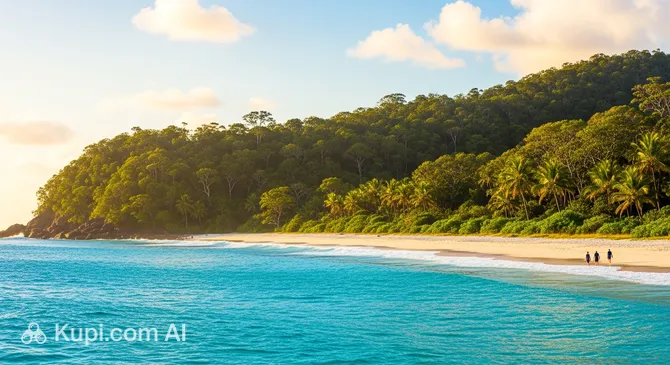
Lockhart River. Source: Kupi.Binoculars

Culturally, the town is globally renowned for the Lockhart River Art Gang, a collective of artists whose contemporary works have gained international acclaim. Visitors can explore the local arts centre to appreciate unique paintings, weaving, and ceramics that reflect a deep spiritual connection to the land. For those interested in the past, the history of Lockhart River includes significant chapters from World War II, when the area served as a strategic airbase, as well as the enduring heritage of the traditional owners.

Key attractions include the spectacular national park, which is famous for its diverse birdlife—including the rare Eclectus parrot—and the sweeping sands of Quintell Beach. Whether you are a dedicated birdwatcher, an art enthusiast, or an off-road adventurer seeking a journey off the beaten track, Lockhart River promises an unforgettable experience.

Weather Overview

The climate in Lockhart River is characteristically tropical, defined by consistent warmth and distinct seasonal rainfall patterns. Visitors can generally expect hot, humid summers with frequent showers and slightly milder, drier winters. Average temperatures remain pleasant throughout the year, with daily maximums typically ranging from 25°C to 30°C and minimums rarely dropping below 21°C, even during the cooler months of July and August.

Rainfall frequency varies significantly depending on the season. The early months of the year, particularly January through March, are the wettest, with historical data indicating up to 29 wet days in January alone. In contrast, the period from August to October offers more stable conditions, with October seeing as few as 8 wet days. To help plan your outdoor activities around the rain, it is advisable to consult the detailed guide on the weather in Lockhart River before your trip.

Interesting Facts

Beyond the main attractions, Lockhart River holds fascinating secrets that reveal its deep connection to both ancient history and wartime events. This remote community is not just a scenic stop, but a place where unique biological and cultural stories come to life.

  • Connection to New Guinea: The region's wildlife offers a rare glimpse into the ancient past when Australia was connected to New Guinea. The surrounding rainforests are home to species like the Green Python and the Palm Cockatoo, which are typical of Papuan fauna and are found almost nowhere else on the continent.

  • Hidden WWII Relics: During World War II, the area was transformed into a massive strategic base for American bombers known as the Iron Range Airbase. Today, observant visitors can still discover remnants of this era, including concrete bunkers and rusted fuel drums concealed by the dense jungle near the current airport.

  • The Sandbeach People: The traditional owners of this region refer to themselves as the "Sandbeach People" or Pama Malngkana. This distinct cultural identity unites five different clan groups—the Kuuku Ya’u, Umpila, Kanthanampu, Uutaalnganu, and Kaanju—who have historically relied on the sea and coastal resources for their way of life.

  • A Historic Gold Rush: Long before it became a well-known eco-destination, the Iron Range was the site of a gold rush in the 1930s. Miners braved the isolation and rugged terrain to work the "Iron Range scrub," leaving behind a legacy of determination that predates the modern community.

How to Get There

Reaching this remote community on the Cape York Peninsula requires some planning, as its isolated location is part of its charm. While the journey is an adventure in itself, most visitors choose to fly to save time and ensure access year-round, particularly during the wet season. For a complete guide on logistics and routes, you can read more about how to get to Lockhart River.

The most direct entry point is the local Lockhart River Airport (IATA: IRG), located just 4 km from the town center. This regional hub is the primary lifeline for the community, connecting it to Cairns and other parts of Queensland. It handles a modest volume of traffic, ensuring a quick and hassle-free arrival. From the terminal, the transfer to the main settlement is just a short drive.

Another option for travelers exploring the wider region is to fly into Weipa Airport (IATA: WEI) in the town of Weipa. Although the airport is listed as being approximately 154 km away, it is important to note that this is a straight-line distance. The actual road journey is significantly longer and involves a substantial overland trip through the rugged landscapes of the peninsula, which requires careful preparation.

For clarity, here is a summary of the main airports in the vicinity:

Airport Name City Passenger Traffic Km from City
Horn Island Airport Horn Island Medium 269.0
Weipa Airport Weipa Medium 154.3
Northern Peninsula Airport Bamaga Small 224.7
Lockhart River Lockhart River Small 4.0

Lockhart River is not connected to the Australian railway network, so arriving by train is not an option. The remote nature of the Cape York Peninsula means that rail infrastructure does not extend this far north. Visitors who do not fly typically arrive by 4WD vehicle, navigating the unsealed roads that connect the community to the Peninsula Developmental Road, a journey best undertaken during the dry season.

Main Attractions

The attractions of Lockhart River are deeply rooted in the region's spectacular natural environment and its vibrant Indigenous culture. Visitors here are treated to an experience that combines rugged wilderness exploration with a profound appreciation for the arts and history of the Cape York Peninsula.

Kutini-Payamu (Iron Range) National Park is the premier destination in the area, protecting the largest remaining tract of lowland rainforest in Australia. This park is a bucket-list location for birdwatchers from around the globe, as it is one of the few places to see the magnificent Eclectus parrot and the Palm Cockatoo in the wild. The park offers a variety of walking tracks that wind through dense jungle and open heathlands, providing endless opportunities to spot unique wildlife like the Green Python and the Spotted Cuscus.

A visit to the Lockhart River Arts Indigenous Corporation is essential for understanding the community's creative spirit. Home to the internationally acclaimed "Art Gang," this centre showcases a diverse range of contemporary Indigenous art, including paintings, ceramics, and traditional weaving. It is a fascinating place to engage with local culture, where you can watch artists at work and purchase authentic pieces that tell the stories of the "Sandbeach People" and their connection to the land.

For those seeking a tropical coastal escape, Chili Beach offers a postcard-perfect setting within the national park boundaries. Lined with rows of coconut palms and facing the Coral Sea, this sweeping stretch of sand is a favorite for camping and beachcombing. It is an excellent spot to watch the sunrise, and during certain times of the year, the skies come alive with flocks of metallic starlings returning to their roosts on a nearby islet.

Just a short drive away lies Portland Roads, a small and tranquil coastal settlement with significant historical value. During World War II, this area served as a crucial supply port, and remnants of its wartime past can still be seen. Today, it is a peaceful haven for fishing enthusiasts and those looking to relax by the water, offering stunning views of the ocean and a chance to spot marine life such as turtles and dugongs in the clear waters.

Local Cuisine

The culinary experience in Lockhart River is defined by its remote location and the abundance of the surrounding ocean and rainforest, rather than a bustling restaurant scene. For visitors, the "menu" here is dictated by the catch of the day and the supplies brought along for the journey. The region is a paradise for seafood lovers, with the pristine waters of the Coral Sea providing some of the freshest produce imaginable.

The most iconic dishes are those sourced directly from the local environment. Barramundi is a staple, often grilled simply over a campfire or pan-fried to highlight its sweet, delicate flavour. In the mangroves and estuaries, Mud Crabs are a prized catch, renowned for their massive claws and sweet meat. During the right season, lucky travelers might also enjoy Tropical Rock Lobster (crayfish), a delicacy that rivals any fine dining offering when cooked fresh on the beach.

Indigenous culture plays a significant role in the local food philosophy. The "Sandbeach People" have a deep knowledge of bush tucker, utilizing native ingredients that have sustained them for thousands of years. While these are not typically sold in shops, visitors interested in culture might learn about local seasonal fruits like the Wongai plum, a small fruit with a deep purple flesh that is culturally significant to the region. Legend says that once you eat a Wongai plum, you will always return to the Cape.

Dining out options within the Lockhart River community itself are very limited, as it is primarily a residential town. Most tourists rely on self-catering, purchasing supplies at the local retail store which stocks fresh fruit, vegetables, and general groceries. For a rare sit-down dining experience, visitors often head to the nearby settlement of Portland Roads. Here, you can find small cafes famous for serving seafood platters straight from the trawlers, offering a rustic yet gourmet experience overlooking the ocean.

Regarding beverages, it is crucial for travelers to be aware of local customs and laws. Lockhart River is subject to strict Alcohol Management Plans, which often restrict or completely prohibit the carriage and consumption of alcohol within the community. As a result, the local drinking culture for visitors centers around staying hydrated in the tropical heat with plenty of water, iced teas, and fruit juices. It is highly recommended to check the current regulations before arriving to ensure compliance.

Travel Tips

Visiting Lockhart River is a true adventure into the heart of Cape York, but travelling to such a remote community requires careful preparation and respect for local customs. To help you make the most of your journey to this spectacular part of Queensland, here are some practical tips to keep in mind.

  1. Clothing and Gear: Due to the tropical climate, lightweight and breathable fabrics like cotton or linen are best for the heat and humidity. However, you should also pack a lightweight rain jacket, especially if visiting during the wet season. Sturdy, closed-toe shoes or hiking boots are essential for exploring Kutini-Payamu National Park, and a wide-brimmed hat and polarized sunglasses are necessary for sun protection.

  2. Transportation: There is no public transport, taxi service, or ride-sharing app available in the area. If you are not flying in, a reliable 4WD vehicle is practically mandatory for navigating the unsealed roads and accessing sights like Chili Beach. Ensure your vehicle is well-equipped with recovery gear and spare tires, as the terrain can be unforgiving.

  3. Finances: The local currency is the Australian Dollar (AUD). While the local retail store generally accepts card payments, telecommunications outages can occur. It is highly recommended to carry sufficient cash for small purchases or emergencies. Be aware that prices for fuel and groceries are significantly higher here than in urban centers due to freight costs.

  4. Health and Safety: The local Primary Health Care Centre can handle minor ailments, but serious medical emergencies usually require evacuation by the Royal Flying Doctor Service. Always carry a comprehensive first aid kit. Crucially, be "Croc-wise": saltwater crocodiles inhabit local waterways and beaches, so never swim unless you are absolutely certain it is safe, and observe all warning signs.

  5. Communication: English is the primary language spoken. In terms of connectivity, mobile coverage is extremely limited; Telstra is typically the only network that works in the town, and even then, the signal can be patchy outside the main settlement. Do not rely on finding public Wi-Fi; downloading offline maps and travel documents beforehand is a smart move.

  6. Local Etiquette: Lockhart River is an Indigenous community with deep cultural traditions. Always ask for permission before taking photographs of local residents or their property. It is also important to respect the land; if an area is fenced off or marked as restricted, it may be a sacred site, so please keep your distance.

  7. What to Avoid: Do not ignore the strict Alcohol Management Plans in place. Lockhart River has specific restrictions regarding the carriage and consumption of alcohol, which can include total bans in certain areas. heavy fines apply for breaching these rules, so check the current regulations with the Queensland Government or local police before you arrive.

  8. Additional Tip: Fuel stops are few and far between on the Cape York Peninsula. If you are driving, never pass a fuel pump without topping up, even if your tank is half full. It is also wise to carry a jerry can with extra fuel just in case.

By following these tips and approaching your trip with a spirit of respect and readiness, you will be well-equipped to enjoy the rugged beauty and warm hospitality of Lockhart River. Have a safe and unforgettable journey through this unique corner of Australia!

Entertainment & Nightlife

Entertainment and nightlife in Lockhart River offer a stark contrast to the bustling party scenes found in Australia's major cities. In this remote community, the concept of a "night out" is redefined by the pristine wilderness and the rhythm of nature. Visitors should be aware that there are no nightclubs, bars, or pubs in the town, primarily due to the strict Alcohol Management Plans in place to support community well-being. Instead of neon lights and loud music, the evening entertainment here revolves around the spectacular night sky and the sounds of the tropical rainforest.

The "nightlife districts" of this region are the camping grounds within the Kutini-Payamu (Iron Range) National Park and the beachfronts, such as Chili Beach. The atmosphere is one of profound tranquility and isolation. The "crowd" typically consists of fellow adventurers, birdwatchers, and nature enthusiasts gathering around campsites. The dress code is strictly functional: long sleeves and trousers are recommended to protect against mosquitoes and sandflies, rather than for style. Opening hours are dictated by the sun; activity winds down shortly after sunset, making way for early nights and early risers.

For those seeking a memorable evening, the best advice is to embrace the self-sufficient lifestyle. Since there are no restaurants serving late-night dinners, entertainment often involves cooking a meal over a camping stove and enjoying the company of travel companions. Stargazing is the premier activity; with zero light pollution, the Milky Way is visible in breathtaking detail. It is the perfect time to sit back and listen to the nocturnal chorus of frogs, insects, and night birds that inhabit the surrounding jungle.

Safety is a critical consideration when the sun goes down. There are no taxi services or public transport, so you are entirely reliant on your own vehicle. Walking around the settlement or near the water at night is strongly discouraged due to the presence of saltwater crocodiles, which are active hunters in the dark. It is safer to stay within designated camping areas. Additionally, driving at night should be avoided if possible, as wallabies, cattle, and horses frequently wander onto the unlit roads, posing a significant hazard.

While the nights are quiet, daytime entertainment in Lockhart River is culturally vibrant. The town is famous for the Lockhart River Arts Indigenous Corporation, which serves as a gallery and studio. Here, visitors can immerse themselves in the local culture, meeting artists and viewing works that are celebrated around the world. Combining these daytime cultural experiences with the peaceful, starry nights creates a unique travel rhythm that captures the true spirit of the Cape York Peninsula.

Parks & Museums

The cultural and natural landscape of Lockhart River offers visitors a profound connection to both the ancient rainforests of Cape York and the vibrant artistic heritage of the "Sandbeach People." While the town is small, its surrounding environment serves as a vast, living exhibition of biodiversity, complemented by a world-renowned art centre that acts as the custodian of the community's stories and traditions.

Kutini-Payamu (Iron Range) National Park is the region's most significant natural asset, enveloping the community in Australia's largest remaining area of lowland tropical rainforest. This park is not just a green space but a global biodiversity hotspot, home to species found nowhere else on the continent. Visitors can explore various tracks that lead through dense jungle canopies and open heathlands. It is a place of immense tranquility, where the calls of the Magnificent Riflebird and the Eclectus Parrot provide a natural soundtrack to your exploration.

For a coastal wilderness experience, Chili Beach stands out as a spectacular stretch of scenery within the national park. Famous for its sweeping arc of white sand lined with coconut palms, it offers a quintessential tropical backdrop. The beach is particularly popular for camping and serves as a prime location for observing the annual migration of Metallic Starlings. The strong trade winds here also make it a refreshing spot to escape the humidity of the rainforest.

In terms of cultural institutions, the Lockhart River Arts Indigenous Corporation is the undisputed highlight. This art centre and gallery has put the community on the global map, birthing the famous "Art Gang." It functions as a working studio and exhibition space where visitors can view and purchase contemporary Indigenous art. The works here—ranging from bold acrylic paintings to intricate basket weaving and ceramics—are deeply inspired by the country, the sea, and traditional Dreaming stories, offering a tangible insight into the local culture.

While there are no traditional history museums with glass cabinets, the landscape itself holds the Iron Range Airbase historical sites, effectively acting as an open-air museum. Aviation and history enthusiasts can discover the concrete blast pens and overgrown bunkers left behind by American bomber squadrons stationed here during World War II. These relics, hidden amongst the vegetation near the airport, provide a haunting and fascinating glimpse into the area's strategic military past.

For a truly authentic experience, take the time to visit Quintell Beach, located closer to the main settlement. Less frequented by the camping crowds of Chili Beach, this area is often used by locals for fishing and gathering. It offers a quieter perspective on daily life in the community and is an excellent spot for beachcombing and watching the sunrise over the Coral Sea.

Getting Around

Travelers planning a visit to Lockhart River should be aware that the community does not have a public transport system. Due to its remote location and small population size, there are no buses, trams, trains, or metro lines operating in the area. The town’s infrastructure is designed primarily for private vehicle use, and visitors are expected to be self-sufficient regarding their mobility.

As there is no public transit network, there are no travel passes, ticket machines, or transport apps to worry about. You will not need to budget for bus fares or subway tickets. Instead, your transport costs will be entirely related to vehicle hire and fuel, which can be significantly higher in this region compared to urban centers due to freight distances.

The most practical and common way to get around is by driving a 4WD vehicle. The rugged terrain of the surrounding peninsula and the unsealed roads leading to attractions like Chili Beach make a four-wheel drive essential. If you are flying into the local airport, it is critical to arrange a rental vehicle well in advance, as availability is extremely limited and often nonexistent for walk-in customers.

It is important to note that standard taxi services and ride-sharing apps (such as Uber or Lyft) do not operate in Lockhart River. You cannot hail a cab on the street or book a ride via your smartphone. Some local accommodation providers or tour operators may offer pre-arranged airport transfers, so it is highly advisable to confirm this with your host before you arrive.

Walking is an option for moving between the store, the art centre, and nearby facilities within the main settlement. However, the tropical heat and humidity can make walking long distances uncomfortable. Furthermore, for safety reasons regarding local wildlife and community dogs, it is generally recommended to use a vehicle for any travel beyond the immediate town center.

Accommodation

Accommodation in Lockhart River is limited and primarily geared towards visiting contractors, government workers, and self-sufficient travelers. You will not find high-rise hotels, luxury resorts, or backpacker hostels here. Instead, the options consist mainly of functional cabins, motel-style units, and private holiday rentals that cater to the practical needs of visitors in this remote region.

For those looking for comfort and proximity to transport, the area near the Lockhart River Airport is the main hub for commercial accommodation. Facilities here typically offer air-conditioned cabins or "donga" style rooms with ensuites, which are essential for staying comfortable in the tropical heat. These venues often provide meals or communal kitchen facilities, serving as a base for those working in or exploring the community.

Travelers seeking a more leisurely coastal experience often look to the nearby settlement of Portland Roads, located about 40 km north. This small community offers a handful of private holiday houses and cottages available for rent. Staying here provides a relaxed, beachside atmosphere with stunning ocean views, making it a preferred choice for fishing enthusiasts and those looking to disconnect from the world.

For adventurous visitors, camping is a popular and authentic way to experience the region. The Kutini-Payamu (Iron Range) National Park features designated camping areas, most notably at Chili Beach. These sites are basic, often equipped only with drop toilets, so campers must be fully self-sufficient, bringing their own water, food, and power supplies. Camping permits must be booked online through the Queensland National Parks booking service prior to arrival, as there is no internet reception at the sites.

Booking Tip: Due to the scarcity of rooms and high demand from essential workers, it is absolutely critical to book your accommodation months in advance. It is not uncommon for the few available rooms to be fully booked out for weeks at a time. Do not arrive without a confirmed reservation, as you may find yourself with nowhere to stay.

Regarding costs, prices generally fall into the mid-range to high category. Rates can be higher than expected for the standard of facilities provided, reflecting the significant logistical costs of operating in such an isolated location. Most local accommodation providers are not listed on major global booking apps. The most effective method to secure a room is to search for local businesses online and contact them directly via phone or email to check availability.

Nearby Cities

Exploring the Cape York Peninsula reveals a network of remote communities spread across a vast landscape. Below is a list of regional neighbors and other key locations in Far North Queensland that are situated within the wider vicinity of Lockhart River:

City Population Distance (km)
Mareeba 11079 517
Redlynch 8645 521
Weipa 3899 163
Port Douglas 3504 469
Thursday Island 2938 273

Given the immense scale of the region and the rugged nature of the terrain, "nearby" is a relative concept here. The distances between these communities are significant, and traveling between them often involves navigating challenging unsealed roads or taking regional flights, making the journey itself an integral part of the experience.

Weipa is the largest town on the Cape York Peninsula and serves as the primary commercial hub for the region. Located on the western coast, it is famous for its massive bauxite mining operations and incredible fishing opportunities. Visitors here can take mine tours to understand the local industry or charter a boat to explore the rich estuaries. The town offers a stark contrast to the rainforests of Lockhart River, featuring red earth landscapes and spectacular sunsets over the Gulf of Carpentaria.

Further north lies Thursday Island, the administrative and cultural centre of the Torres Strait. Although reaching it requires travel by air or sea, it is a fascinating destination for a visit. The island is steeped in history, from its pearl-lugging past to its role in WWII defense. It offers a vibrant cultural experience where visitors can learn about the unique heritage of the Torres Strait Islander people, visit the Green Hill Fort, and enjoy the turquoise waters of the strait.

These destinations, while distant, collectively shape the unique character and diverse geography of Far North Queensland.

Shopping & Souvenirs

Shopping in Lockhart River is a unique experience defined by necessity and culture rather than commercial variety. As a remote community, there are no shopping malls, fashion boutiques, or souvenir trinket shops. Instead, the retail landscape consists of essential services for residents and a world-class artistic hub that attracts collectors from around the globe.

The crown jewel for visitors is the Lockhart River Arts Indigenous Corporation. This art centre is not merely a shop but a cultural institution where you can purchase authentic works directly from the acclaimed "Art Gang." The gallery features a stunning array of contemporary Indigenous art, including bold acrylic paintings, ceramics, and traditional woven baskets. Buying art here supports the local community and ensures you are taking home a genuine piece of the region's heritage.

For daily supplies, the town is served by the Lockhart River Retail Store. This general store stocks a range of groceries, fresh fruit and vegetables, frozen meat, and basic household items. It also carries a limited selection of camping gear and hardware. Travelers should be prepared for prices that are noticeably higher than in major cities, reflecting the significant cost of freight to this isolated part of Australia. It is smart to bring the bulk of your supplies with you and use the local store for fresh top-ups.

Visitors must be aware that there are no standard bottle shops or liquor stores in the community. Due to strict Alcohol Management Plans, the purchase of takeaway alcohol is generally not possible within the town, and strict limits apply to the amount of alcohol you can carry into the area. It is crucial to understand these regulations before you travel to avoid legal issues.

When planning your purchases, keep in mind that opening hours can be shorter than expected, often closing by late afternoon and on weekends. While electronic card payments are widely accepted, the remote nature of the Cape York Peninsula means that system outages can occur. Carrying a supply of cash is a practical precaution to ensure you can always pay for your purchases.

Reached the end of the page?

That means the route is fully explored