Support

Edward River

About

Welcome to Edward River, a captivating destination situated on the western coast of the Cape York Peninsula in Queensland. Known for its rugged natural beauty and rich indigenous culture, this remote community offers a unique glimpse into the traditional way of life in Far North Australia. It is a place where the vibrant red earth meets the waters of the Gulf of Carpentaria, creating a stunning backdrop for adventurous travelers seeking an authentic outback experience.

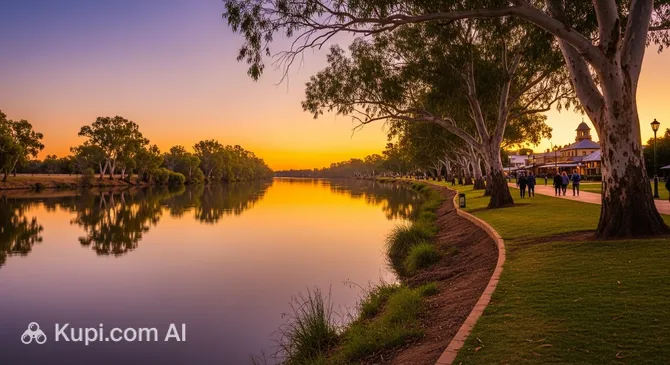
Edward River. Source: Kupi.Binoculars

The area is defined by its dramatic seasonal changes, characteristic of the tropical savanna climate. During the wet season, the landscape transforms into lush wetlands teeming with birdlife, while the dry season allows access to pristine beaches and vast river systems. The region is deeply connected to the local Aboriginal people, and delving into the history of Edward River is essential for appreciating the heritage and enduring spirit of the community that calls this land home.

Visitors are often drawn here by the world-class fishing opportunities, particularly for the legendary barramundi found in the local estuaries and river mouths. Beyond the water, the local art scene is a significant attraction; the community is renowned for its unique "ghost net" sculptures created from recycled fishing nets, which are celebrated internationally. Whether you are an angler, an art lover, or a nature enthusiast, a visit to Edward River promises an unforgettable journey into the wild heart of the Cape.

Weather Overview

The climate in this region is tropical, defined by a distinct contrast between the wet and dry seasons. Temperatures remain warm to hot throughout the year, ensuring that it is almost always suitable for outdoor activities, provided you plan around the rainfall. To help you choose the best time for your visit, you can review the detailed forecast and historical trends for the weather in Edward River.

The wet season, typically spanning from December to March, brings the most significant rainfall and humidity. January and February are the wettest months, with up to 24 rainy days in January alone, while average temperatures hover around 28°C. Despite the frequent showers, the days remain hot, with maximum temperatures consistently reaching above 31°C. This is when the landscape is at its greenest, though the high humidity is a constant companion.

Conversely, the dry season from May to October offers clear skies and virtually no rainfall, with months like July and August often seeing zero wet days. During this period, the weather is slightly cooler and more comfortable; July is generally the mildest month, with average temperatures of 25°C and nighttime lows dipping to around 19.7°C. As the dry season ends, the heat intensifies rapidly, with November recording some of the highest temperatures, peaking at an average maximum of 36.3°C. Expect warm tropical conditions year-round, shifting from humid, rainy summers to dry, sun-filled winters.

Interesting Facts

Beyond its reputation as a remote fishing paradise, Edward River holds fascinating secrets that have captivated linguists, art collectors, and biologists alike. This community is not just a gateway to the wild Cape York Peninsula but a place where unique cultural traditions and rare skills shape everyday life.

  • A Superhuman Sense of Direction: The local Kuuk Thaayorre language is famous among scientists because it lacks words for "left" and "right." Instead, speakers use absolute cardinal directions—North, South, East, and West—for everything, even when describing the position of a cup on a table. This linguistic trait gives the locals an almost "internal GPS," allowing them to instinctively know which way they are facing at all times, a skill that often baffles outsiders.

  • Turning Pollution into World-Class Art: The community is globally renowned for its unique "Ghost Net" art movement. Local artists collect abandoned commercial fishing nets (known as ghost nets) that wash up on the beaches and weave them into colorful, large-scale sculptures of marine animals. These creations not only clean the coastline but have also been exhibited in prestigious venues worldwide, including the United Nations headquarters and museums in Paris.

  • A Unique Crocodile Nursery: Edward River is home to one of the oldest crocodile farms in Australia, established in the late 1960s. Unlike typical farms, it operates with a rare license to collect crocodile eggs directly from the wild during the nesting season. This program has historically aided in repopulating the local river systems with saltwater crocodiles, contributing to the region's high density of these ancient reptiles.

  • The Legend of the Burnt Hut: The modern name for the community, Pormpuraaw, is deeply rooted in local mythology. In the Kuuk Thaayorre language, "Pormpur" translates to "burnt hut" or "burnt house." The name references a traditional Dreamtime story associated with the area, marking a significant cultural shift from its former English name, the Edward River Mission.

How to Get There

Reaching the remote community of Edward River, located on the western coast of the Cape York Peninsula, is an adventure that requires some planning. Due to its isolated location, there are limited direct transport options, and most visitors arrive via regional air hubs followed by an overland journey. You can read more about how to get to Edward River to help you prepare for your trip to this unique part of Queensland.

Travelers can utilize available connection points in the surrounding region to access the area. The closest option is Kowanyama (IATA: KWM), situated approximately 106 km away in the neighboring community. From there, a transfer or taxi ride typically takes around 3 hours. Another significant gateway is Weipa Airport (IATA: WEI), located about 240 km from Edward River. While the distance is greater, resulting in a road journey of approximately 6 hours and 20 minutes, Weipa is a larger hub that may offer more frequent schedules. Visitors should be aware that travel times in this region can vary greatly depending on road conditions, especially during the wet season.

For clarity, here is a summary of the main airports serving the wider region:

Airport Name City Passenger Traffic Km from City
Weipa Airport Weipa Medium 240.2
Kowanyama Kowanyama Small 106.0
Lockhart River Lockhart River Small 241.1

Main Attractions

A visit to this remote community would be incomplete without spending time at the Pormpuraaw Art & Culture Centre. This vibrant facility is the creative heart of the region and is famous worldwide for its "ghost net" art. Local artists gather abandoned commercial fishing nets from the beaches and weave them into incredible sculptures of fish, turtles, and other marine creatures. It is a fantastic place for tourists to meet the artists, learn about the stories behind the works, and purchase unique, ethically sourced souvenirs that support the local economy.

For wildlife enthusiasts, the Edward River Crocodile Farm offers a unique glimpse into the region's relationship with its most famous reptilian inhabitants. As one of the oldest crocodile farms in the country, it focuses on both commercial farming and the conservation of saltwater crocodiles. Visitors can learn about the biology and behavior of these apex predators in a controlled environment, providing a thrilling yet safe way to appreciate the animals that dominate the local waterways.

The beaches of the Gulf of Carpentaria provide a stunning natural backdrop for exploration. While swimming is not recommended due to local wildlife, the coastline is perfect for long walks, beachcombing, and photography. The sunsets here are particularly legendary; watching the sun dip below the horizon of the Arafura Sea, painting the sky in intense shades of orange and purple, is a peaceful and unforgettable experience for any traveler.

Anglers flock to the area for its world-class fishing spots along the tidal estuaries and river mouths. The waters around Edward River are teeming with prized species, most notably the iconic Barramundi and King Salmon. Whether you are an experienced sport fisher or a novice looking to cast a line, the opportunity to fish in such pristine, uncrowded waters is a major highlight of a trip to this part of Cape York.

Local Cuisine

The culinary landscape of Edward River is defined by its isolation and its proximity to the bounty of the Gulf of Carpentaria. In this remote part of Queensland, you will not find fine dining establishments or extensive menus; instead, the food culture revolves around freshness, simplicity, and the catch of the day. For visitors, the highlight is undoubtedly the seafood, which is often pulled from the water just hours before it hits the plate.

The undisputed king of the local table is the Barramundi. Anglers travel from all over the country to catch this prized fish, and for good reason—its white, flaky flesh is delicious whether grilled on a barbecue, fried in a light batter, or cooked over an open campfire. Another local delicacy worth seeking out is the Mud Crab. Found in the mangroves and tidal flats, these crabs are massive and sweet-tasting, typically boiled or steamed and enjoyed with nothing more than a squeeze of lemon and fresh bread.

Dining out in the community is a casual and communal affair. Options are limited, with social life centering around the local sports club or community kitchen. Here, you can expect hearty, unpretentious meals such as fish and chips, burgers, and steaks. It is the perfect setting to mingle with locals and hear stories about life on the Cape. For those camping or self-catering, the experience is about cooking your own fresh catch under the stars, an essential part of the Cape York adventure.

Given the tropical heat, staying hydrated is crucial, but when the sun goes down, the drink of choice is almost universally a cold beer. A chilled lager is the standard accompaniment to a meal at the club or a sunset session on the beach. Non-alcoholic options are readily available at the local store, but travelers are often advised to carry ample water supplies when exploring the surrounding bushland.

Travel Tips

Visiting Edward River is a true outback adventure that rewards those who come prepared for its remote wilderness and rich cultural landscape. To help you navigate this unique part of the Cape York Peninsula comfortably and respectfully, here are some essential practical tips for your journey.

  1. Dress for the Tropics: The climate is hot and often humid, so pack lightweight, breathable clothing made of natural fibers like cotton or linen. A wide-brimmed hat, high-quality sunglasses, and strong sunscreen are mandatory for protection against the intense sun. Since you are in a tropical zone, bringing heavy-duty insect repellent is also crucial to ward off mosquitoes and sandflies, especially at dawn and dusk.

  2. Transportation Realities: Forget about subways, trams, or ride-hailing apps like Uber; they simply do not exist here. Within the community, most places are within walking distance, but the heat can make this challenging. If you plan to explore the surrounding areas or drive up from the south, a reliable 4WD vehicle is essential due to unsealed and often rough roads. Ensure your vehicle is well-equipped with spare tires and recovery gear.

  3. Cash and Connectivity: While the local store and art center generally accept cards, systems can go down in remote areas. It is highly advisable to carry sufficient Australian Dollars (AUD) in cash for smaller purchases or backup. In terms of communication, mobile coverage is limited; the Telstra network is typically the only provider with reliable service in this region. Do not expect high-speed Wi-Fi; take the opportunity to disconnect and enjoy nature.

  4. Wildlife Awareness: Safety here largely revolves around being "Croc-wise." The waters in and around Edward River are home to saltwater crocodiles. Never swim in rivers, creeks, or the ocean unless it is a designated safe area (which is rare). Always observe warning signs, stay back from the water's edge when fishing, and never clean fish near the water.

  5. Health and Supplies: There is a Primary Health Care Centre in the community for basic medical needs, but serious emergencies require evacuation by the Royal Flying Doctor Service. Come prepared with a comprehensive first aid kit and an ample supply of any personal prescription medications, as there is no 24/7 commercial pharmacy on the corner.

  6. Respect Local Laws on Alcohol: This region is subject to strict Alcohol Management Plans (AMPs). There are specific restrictions on the type and quantity of alcohol you can carry into the community. Check the current rules before you travel, as heavy fines apply for breaching these regulations. It is best to view your trip as a chance to enjoy the culture and nature rather than a party destination.

  7. Cultural Etiquette: You are visiting the traditional lands of Indigenous people. Always show respect by asking for permission before taking photographs of locals, their children, or private properties. The Pormpuraaw Art & Culture Centre is a great place to interact with the community and learn about appropriate behaviors directly from the residents.

  8. Permits for Exploration: If you plan to camp or fish in specific areas outside the main township, you may need a visitor permit. These help maintain the land and support the local rangers. Visit the local council office or the art center upon arrival to inquire about the necessary permits and the best current spots for fishing.

By keeping these tips in mind, you ensure a safe and respectful visit to one of Queensland's most fascinating remote communities. Embrace the slower pace of life in Edward River, connect with the locals, and enjoy the raw, untouched beauty of the Australian outback.

Entertainment & Nightlife

Entertainment and nightlife in Edward River are distinctly different from the bustling clubs and neon-lit streets found in major cities. Here, the evening experience is defined by the vast, starry outback sky, the sounds of nature, and the close-knit community atmosphere. For travelers, "nightlife" usually means enjoying a cold drink after a long day of fishing, sharing stories with locals, or simply appreciating the profound silence of the Cape York Peninsula. The pace is slow, the vibe is incredibly casual, and the dress code rarely requires more than a clean shirt and a pair of shorts.

The social heart of the community after dark is undoubtedly the Pormpuraaw Sports Club. As one of the few licensed venues in the region, it serves as the primary gathering spot for residents, visiting contractors, and tourists alike. The atmosphere is unpretentious and welcoming, offering a slice of authentic local life. It is the place to enjoy a meal, watch live sports on television, and engage in friendly conversation with the people who call this remote area home. Opening hours can vary, so it is wise to check the notice board or ask a local upon arrival.

Aside from the club, evening entertainment is largely self-made and centered around the great outdoors. Many visitors spend their nights at the designated camping areas near the beach, such as the facilities often available near the Pormpuraaw Art & Culture Centre (which is a daytime highlight). Lighting a campfire (where permitted), cooking freshly caught Barramundi under the stars, and watching the moon rise over the Gulf of Carpentaria create memories that rival any city nightclub. However, alcohol consumption is strictly regulated here due to Alcohol Management Plans, so visitors must be aware of possession limits and designated drinking areas.

For daytime entertainment, the options are equally focused on culture and nature. The Pormpuraaw Art & Culture Centre is a must-visit, offering a chance to see world-renowned indigenous art and ghost net sculptures. For those seeking adventure, the days are best spent exploring the river systems or visiting the local crocodile farm. There are no amusement parks or large theaters; instead, the entertainment is raw, educational, and deeply connected to the land.

Safety and practical planning are crucial when enjoying the evenings in Edward River. There are no taxis or ride-share services like Uber; getting around is done by walking or driving your own 4WD vehicle. If you are walking at night, always carry a torch (flashlight) and be mindful of camp dogs. Most importantly, never approach the water's edge at night due to the presence of saltwater crocodiles, which are active hunters after dark. Stick to well-lit areas or the safety of the club and your accommodation.

Parks & Museums

While you will not find manicured botanical gardens or sprawling classical museums in Edward River, the region offers something far more profound: a landscape where nature serves as a vast, open-air reserve and cultural centers that pulse with living history. The "parks" here are defined by wild, untamed beauty, while the cultural venues are working hubs where art and tradition are actively created rather than just displayed.

The Gulf of Carpentaria Coastline acts as the community's primary natural playground and green space. Stretching endlessly to the north and south, these beaches are fringed by hardy casuarina trees and coastal scrub, providing a raw, untouched beauty that contrasts with the red earth of the interior. It is a place for quiet reflection and beachcombing rather than swimming, offering visitors a front-row seat to the region's spectacular sunsets and a chance to observe sea eagles and kites patrolling the shoreline.

Inland from the coast, the wetlands and river systems function as the area's natural reserves. During and after the wet season, these landscapes transform into vibrant nurseries for birdlife, including brolgas, jabirus, and magpie geese. While there are no paved paths or ticket booths, these areas are the lifeblood of the land. They offer nature photographers and birdwatchers an unparalleled opportunity to capture the wild essence of the Australian tropics in a completely uncommercialized setting.

In terms of cultural institutions, the Pormpuraaw Art & Culture Centre is the undisputed highlight. Far more than a static gallery, this is a working studio where the community's stories are woven into tangible forms. It is internationally acclaimed for its sculptures made from reclaimed "ghost nets"—abandoned fishing nets found on the beaches. Visitors can walk through the workspace to see the creative process firsthand, smell the materials, and often watch the artists as they craft intricate totems, paintings, and prints that narrate local Dreamtime stories.

Another key facility that reflects the region's connection to its environment is the Edward River Crocodile Farm. While primarily a commercial operation, it serves as an educational venue for those interested in the region's most famous fauna. Visitors can observe saltwater crocodiles in various stages of growth, from hatchlings to massive adults. It offers a rare perspective on these apex predators, bridging the gap between wildlife conservation, local economy, and biology.

For a truly authentic experience, ask the locals at the Art Centre about the stories behind their specific clan totems. Unlike a traditional museum where you read a plaque, here you have the unique chance to hear the history of the land directly from the people whose ancestors have inhabited it for thousands of years.

Getting Around

Travelers planning a visit to Edward River should adjust their expectations regarding mobility, as the transport infrastructure here is vastly different from that of a typical city. There is no public transport system in the community; you will not find metros, trams, trolleybuses, or a municipal bus network. The area is a remote indigenous community rather than a developed urban center, and as such, it does not rely on scheduled public transit for daily movement.

Due to the absence of public transportation, there is no complex payment system to navigate. Visitors do not need to worry about purchasing travel passes, acquiring smart cards, or downloading transit apps. There are no ticket machines to locate or zones to calculate, making the financial aspect of getting around entirely straightforward—it simply does not exist in a commercial sense.

For most visitors, the primary method of getting around the main township is walking. The community is relatively compact, and key facilities such as the Pormpuraaw Art & Culture Centre, the local store, and the sports club are generally within walking distance of each other. However, tourists should be mindful of the tropical climate; walking is best done in the cooler hours of the early morning or late afternoon to avoid the intense midday heat.

If you intend to explore beyond the immediate settlement—for instance, to visit the crocodile farm, reach specific fishing spots along the river, or access the beach areas—a private vehicle is essential. There are no car rental agencies located directly within the community, so visitors typically arrive in their own 4WD vehicles driven from regional hubs. A four-wheel drive is highly recommended, and often necessary, due to the unsealed and sandy nature of the tracks outside the main town.

Alternatives such as taxis, private hire cars, or ride-sharing services like Uber are also non-existent in this region. You cannot hail a cab on the street or book a ride via a smartphone. Mobility here relies entirely on self-sufficiency. If you do not have your own vehicle, you must be prepared to walk or rely on the hospitality of local hosts if you have arranged a guided tour or stay with a specific lodge that offers transfers.

Accommodation

Finding a place to stay in Edward River requires a shift in expectations. Unlike mainstream tourist hubs, this remote community does not offer luxury resorts or international hotel chains. Accommodation here is functional, limited, and primarily designed to cater to visiting contractors, government workers, and self-sufficient travelers. Options typically consist of simple, donga-style rooms (transportable units), basic cabins, or designated camping areas.

The available accommodation is concentrated within the main township, keeping visitors within walking distance of essential facilities like the general store and the Pormpuraaw Art & Culture Centre. Staying centrally means you are never far from the social hub of the community, where meals and drinks are available. For those towing a caravan or setting up a tent, camping near the beachfront offers a more immersive experience with nature, though facilities may be rustic and travelers should always be "croc-wise" regarding their proximity to the water.

Booking Tip: It is absolutely critical to book your accommodation well in advance. Due to the limited number of rooms and the influx of workers during the dry season, vacancies can be scarce. Do not rely on third-party travel websites; the most effective way to secure a room is to contact the local council or the accommodation providers directly via phone or email before you start your journey.

Prices in this region can be surprisingly high considering the basic standard of the facilities, largely due to the cost of logistics and electricity in such a remote location. Expect to pay mid-range prices for budget-style amenities. Payment is generally accepted via credit card or cash, but carrying backup cash is always a smart move in case of system outages.

Nearby Cities

For travelers planning their onward journey or seeking major amenities, Edward River is a remote outpost connected to several important regional destinations and nearby hubs. Given the vast distances of the Cape York Peninsula, these towns are best viewed as next stops on a longer adventure rather than quick excursions, offering a chance to explore the diverse landscapes of Far North Queensland.

The closest major service center is Weipa, situated to the north. As a significant mining town and coastal port, it serves as a crucial hub for restocking supplies, vehicle repairs, and accessing medical services. Further afield lies Cairns, the primary international gateway to the region. Although the drive is substantial, it connects visitors to the Great Barrier Reef and major flight routes. Inland, travelers can reach Mareeba, a town on the Atherton Tablelands known for its coffee plantations, rodeo culture, and stable tropical climate.

City Population Distance (km)
Weipa 3,899 245
Mareeba 11,079 403
Redlynch 8,645 420
Atherton 7,331 426
Cairns 146,778 428

These locations provide essential links to the wider world, ranging from industrial coastal towns to lush rainforest gateways, each offering a distinct contrast to the remote beauty of the western Cape.

Shopping & Souvenirs

Shopping in Edward River is a unique experience defined by the remote nature of the community. Visitors should not expect bustling high streets, designer boutiques, or sprawling shopping complexes. Instead, retail here is focused on two distinct categories: essential supplies for survival in the outback and world-class indigenous art. For tourists, the shopping scene offers a chance to purchase necessities for their journey and to acquire rare, culturally significant pieces directly from the artists who create them.

There are no designated shopping districts or fashion strips in the township. The commercial activity is concentrated within the small town center, where the community's general store serves as the lifeline for residents and travelers alike. This is the place to restock on groceries, camping gear, fresh produce, and other daily essentials. Given the isolation of the Cape York Peninsula, the variety of goods can be limited compared to urban centers, and prices often reflect the high cost of transport to this distant location.

Travelers looking for shopping malls will find none in Edward River. The concept of a mall does not exist here, and the nearest large-scale retail centers are hundreds of kilometers away in Cairns. The retail environment is strictly functional, catering to the immediate needs of the community rather than recreational shopping. Visitors are advised to bring any specialized equipment, clothing, or specific pharmaceutical needs with them, as finding replacements locally may be impossible.

While traditional flea markets or food markets are not a standard feature of the town, the Pormpuraaw Art & Culture Centre functions as a vibrant marketplace for local creativity. This is the premier destination for anyone looking to buy souvenirs. The center is famous for its "ghost net" sculptures—artworks weaved from abandoned fishing nets found on the beaches. In addition to these eco-conscious masterpieces, visitors can purchase authentic paintings, linocut prints, and traditional totems. Buying here ensures that the proceeds go directly to the artists and the community, making it an ethical and meaningful way to shop.

When it comes to opening hours, the pace of life in the tropics dictates the schedule. The general store and the Art Centre typically operate during standard business hours, generally from 9:00 AM to 5:00 PM on weekdays. However, it is common for businesses to close for a lunch break in the middle of the day or to have reduced hours on weekends. On Sundays and public holidays, most facilities may be closed entirely, so it is crucial to plan your supply runs accordingly.

regarding payment methods, major credit and debit cards are generally accepted at the main store and the Art Centre. However, telecommunications in remote Australia can be unpredictable. Network outages can occur, rendering electronic payment terminals useless. It is highly recommended to carry a sufficient amount of cash in Australian Dollars (AUD) to cover fuel, food, and small purchases in case the systems are down. There is usually an ATM in the community, but relying on it as your sole source of funds is risky.

For international visitors, the Tourist Refund Scheme (TRS) allows you to claim a refund of the Goods and Services Tax (GST) paid on goods purchased in Australia. To qualify, you must spend AUD 300 or more (including GST) in a single business. While this might be difficult to achieve at the general store, purchasing a significant piece of art from the Culture Centre could potentially qualify. Be sure to ask for a valid tax invoice if you intend to make a claim at the airport upon your departure from the country.
Reached the end of the page?

That means the route is fully explored