Support

Kowanyama

About

Kowanyama is a captivating destination located on the western coast of the Cape York Peninsula in Queensland. Known as the "Place of Many Waters" in the local Yir-Yoront language, this remote community offers a distinct glimpse into the rugged beauty of Australia. With a population of approximately 1,100 residents, it provides an intimate atmosphere far removed from the bustle of major cities, allowing visitors to connect with the serenity of the outback.

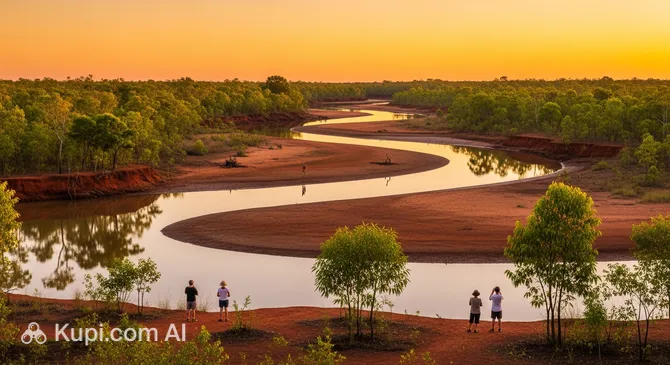
Kowanyama. Source: Kupi.Binoculars

The region is defined by its stunning landscape of wetlands, delta mangroves, and vast river systems. The town is situated on the banks of the Magnificent Creek, a tributary of the Mitchell River. This geography is central to the local lifestyle and the deep spiritual connection the Indigenous people have with the land. To truly appreciate the roots of this community, exploring the history of Kowanyama reveals a rich tapestry of cultural resilience and enduring traditions.

For nature enthusiasts and anglers, Kowanyama is a hidden gem. It is widely renowned for its world-class fishing, particularly for the prized barramundi found in its pristine waterways. The area also boasts incredible biodiversity, making it a fantastic spot for birdwatching and observing wildlife in its natural habitat, especially during the dry season when accessibility is best.

Visiting Kowanyama is an opportunity to experience authentic Indigenous culture and the raw wilderness of the tropical north. Whether you are drawn by the promise of an angling adventure or the desire to learn about local customs, this unique town welcomes travelers seeking a genuine off-the-beaten-path experience.

Weather Overview

Understanding the local climate is essential for planning a trip to this part of Queensland, as the weather in Kowanyama is strictly defined by tropical wet and dry seasons. The wet season, typically spanning from December to March, brings high humidity and frequent precipitation. January is usually the wettest month in terms of frequency, experiencing up to 24 wet days, with average temperatures hovering around 28.5°C.

The dry season, which runs from May through October, offers significantly different conditions with almost zero rainfall recorded during months like July, August, and September. This period is generally more comfortable for travel, with July being the coolest month at an average of 24.7°C. Conversely, the heat peaks just before the rains return, with November seeing average temperatures rise to 30.4°C. Expect hot, humid summers with frequent showers and warm, dry winters.

Interesting Facts

Beyond the main attractions of river fishing and wetland exploration, Kowanyama holds fascinating secrets rooted in its rich cultural tapestry and remote geography. This community is not just a destination but a living example of resilience and adaptation in the Australian outback.

  • A Convergence of Cultures: While often perceived as a single community, Kowanyama is actually home to three distinct major language groups—the Kokoberra, Yir Yoront, and Kunjen. These groups were brought together during the mission era, yet they have successfully maintained their unique identities, dialects, and ancestral connections to the surrounding lands.

  • A Historic Name Change: The town was originally established in 1905 as the Mitchell River Mission. In 1967, administration was passed from the church to the Queensland Government, and the name was officially changed to Kowanyama. The community later achieved formal self-management in 1987, marking a pivotal step towards autonomy and local governance.

  • Seasonal Isolation: During the peak of the wet season, the unsealed roads connecting the town to the rest of Queensland often become completely impassable due to flooding. For several months each year, the community effectively becomes an island, accessible only by light aircraft, which profoundly shapes the local lifestyle and logistics.

  • Community Cattle Operations: The region has a strong connection to the pastoral industry. The community owns and operates large cattle stations, such as the Oriners and Sefton properties, blending traditional Indigenous land management practices with modern agricultural operations to support the local economy.

How to Get There

Reaching this remote community in Queensland requires some planning due to its isolated location on the Cape York Peninsula. While road access is possible during the dry season, air travel remains the most reliable year-round option. You can find out more about how to get to Kowanyama and the logistics of traveling to this unique destination on our detailed page.

The town is directly served by Kowanyama airport (KWM), which is situated right in the community. Located just 1.3 km from the center, it is a small but vital regional hub. Due to this close proximity, the transfer is very quick, typically requiring only a short drive of a few minutes. The airport handles a modest amount of passenger traffic annually, connecting residents and visitors to larger centers like Cairns.

For clarity, here is a summary of the main airport:

Airport Name City Passenger Traffic Km from City
Kowanyama Kowanyama Small 1.3

Main Attractions

Kowanyama, known as the "Place of Many Waters," is a destination defined by its spectacular river systems and rich Indigenous heritage. While it is not a typical tourist town with manicured theme parks, it offers authentic experiences for those seeking connection with the rugged Australian outback. The main draws here are the incredible fishing opportunities and the chance to engage with one of the oldest living cultures on earth.

The Mitchell River is the lifeblood of the region and a primary attraction for visiting anglers. This mighty waterway, along with its tributaries like Magnificent Creek, is legendary for its barramundi fishing. One of the most popular spots is Bull Crossing, a designated camping and fishing area nestled among paperbarks and eucalypts. It provides a serene setting where visitors can cast a line directly from the bank or launch a boat to explore the deeper pools. The thrill of catching a wild barramundi in these remote waters is a bucket-list experience for many fishing enthusiasts.

For a deep dive into the local history and traditions, the Kowanyama Culture and Research Centre is an essential stop. This facility is a testament to the community's dedication to preserving their heritage. It houses a significant collection of artifacts, photographs, and oral histories that tell the stories of the Kokoberra, Yir Yoront, and Kunjen clans. Visitors can learn about traditional land management, language, and the resilience of the people who have called this delta home for thousands of years. It offers a profound insight that goes far beyond the surface level of tourism.

Nature lovers will find Surprise Creek to be another captivating location. This area offers designated campsites that are perfect for immersing yourself in the wetlands. The creek varies from fresh to brackish water and is surrounded by cabbage palms and tea trees, creating a habitat teeming with birdlife. It is an excellent spot for birdwatching, where you might spot brolgas, jabirus, and other wetland species in their natural environment. Like all sites in the region, visitors must obtain the appropriate camping and fishing permits from the local council before setting up camp.

Local Cuisine

The culinary landscape of Kowanyama is defined by its isolation and its abundance of natural resources. In this remote community, you will not find fine dining restaurants or trendy cafes; instead, the food culture revolves around fresh, locally sourced ingredients and simple, hearty meals. For visitors, the experience is less about browsing menus and more about the connection to the land and the river systems that sustain the region.

The undisputed highlight of the local diet is seafood, harvested directly from the Mitchell River and the Gulf of Carpentaria. Barramundi is the signature catch, often cooked simply over hot coals or pan-fried to highlight its delicate flavor. During the right season, mud crabs are another delicacy, pulled from the mangroves and enjoyed as a fresh, hands-on feast. For the many anglers who visit, the "catch and cook" experience—grilling your own fish under the stars—is the ultimate gastronomic delight.

For a taste of classic Aussie comfort food, the Kowanyama Bakery has become a central hub for the community. Recently revitalized, it serves as a go-to spot for freshly baked goods, offering everything from golden meat pies and sausage rolls to soft bread and sweet pastries. It is the perfect place to grab a quick lunch or a snack while exploring the town, providing a warm and welcoming atmosphere.

When it comes to drinks, it is crucial for visitors to understand the local regulations. Kowanyama is a restricted area with an Alcohol Management Plan in place to promote community health. This means there are strict limits on the type and amount of alcohol you can carry—typically only mid-strength beer and certain wines are permitted, while spirits are prohibited. The local "Canteen," often associated with the Sports and Recreation Club, is the primary social venue where residents and visitors can enjoy a cold, mid-strength beer in a regulated environment.

Beyond modern conveniences, the region is rich in traditional bush tucker. The local Indigenous culture has a deep knowledge of seasonal resources, from hunting wallaby and geese to gathering native fruits like the blue quandong. While these traditional foods are not typically sold in shops, they remain an integral part of the community's living heritage and connection to the "Place of Many Waters."

Travel Tips

Traveling to the "Place of Many Waters" requires careful planning due to its isolation on the remote Cape York Peninsula. To ensure a smooth, safe, and respectful visit to this unique Indigenous community, keep these practical considerations in mind before you depart.

  1. Clothing and Gear: Given the tropical climate, pack lightweight, breathable fabrics like cotton or linen to handle the heat and humidity. A wide-brimmed hat, high-quality sunglasses, and strong insect repellent are non-negotiable essentials. For those planning to fish or explore the riverbanks, bring sturdy, closed-toe boots to protect against rough terrain and snakes.

  2. Transportation: There is no public transport, taxi service, or car rental agency within Kowanyama itself. The town is small enough to walk around, but to reach fishing spots like Bull Crossing, a high-clearance 4WD vehicle is absolutely necessary. If you are driving up, ensure your vehicle is well-equipped for unsealed, corrugated roads, and always carry extra fuel and spare tires.

  3. Finances: The local currency is the Australian Dollar (AUD). While the local supermarket and post office generally accept cards, telecommunications outages can occur in remote areas. It is highly advisable to carry sufficient cash for small purchases, fuel, or camping fees to avoid being caught out if the electronic systems go down.

  4. Health and Safety: The most critical safety rule here is to be "Crocwise." Saltwater crocodiles inhabit all local waterways; never swim in rivers or creeks and stand back from the water's edge while fishing. For medical needs, there is a Primary Health Care Centre, but it handles basic care and emergencies; bring a full supply of your own prescription medications and a comprehensive first-aid kit.

  5. Communication: English is widely spoken, though you may hear local Indigenous languages among residents. Mobile coverage is limited almost exclusively to the Telstra network; if you use another provider, your phone will likely not work here. Wi-Fi is not readily available for tourists, so be prepared to be offline and download any necessary maps or guides beforehand.

  6. Local Etiquette: Kowanyama is an Aboriginal community held under a Deed of Grant in Trust (DOGIT). Visitors should show deep respect for local culture and privacy. Always ask for clear permission before taking photographs of local people, their homes, or cultural sites. A friendly wave and a smile go a long way, but avoid entering private property or restricted areas without an invitation.

  7. What to Avoid: Do not ignore the strict Alcohol Management Plan (AMP). The community has specific laws restricting the type and quantity of alcohol you can carry (typically no spirits and limits on beer/wine). Bringing prohibited alcohol into the community is a serious offense and can result in heavy fines and confiscation of your vehicle.

  8. Permits are Essential: You cannot simply camp anywhere. Visitors must obtain camping and fishing permits from the Kowanyama Aboriginal Shire Council prior to arrival or immediately upon getting to town. These fees support the management of the land and facilities, and camping without one is not permitted.

By respecting these guidelines and the local laws, you ensure that your visit is enjoyable and welcomed by the residents. Kowanyama offers a rare opportunity to disconnect from the modern world and experience the raw beauty of the Gulf country, making every bit of preparation worth the effort.

Entertainment & Nightlife

Entertainment and nightlife in Kowanyama differ significantly from the bustling scenes found in major cities. As a remote Indigenous community on the Cape York Peninsula, the "nightlife" here is defined by tranquility, community gatherings, and a deep connection to the natural environment rather than neon lights or nightclubs. The evenings are typically quiet, offering a rare chance to experience the vast, star-filled outback sky without light pollution.

The primary social hub for residents and visitors alike is the Kowanyama Sports and Recreation Club, often referred to simply as the "Canteen." This venue serves as the town's main meeting place where people gather to socialize, watch sports on television, and enjoy a cold drink in a regulated environment. It is the closest experience to a pub you will find in the area, operating with strict hours and rules that reflect the community's commitment to safety and health. The atmosphere is relaxed and informal, focusing on conversation and community bonding rather than loud music or dancing.

Another key venue for local entertainment is the Multipurpose Centre. While primarily a daytime facility for sports and fitness, it often hosts community barbecues, movie nights, and special events that run into the evening. During major local festivities, such as the annual Kowanyama Rodeo or rugby league carnivals, the energy shifts dramatically. The Kowanyama Rodeo Grounds become the center of action, drawing crowds from across the region for days of competition, food stalls, and evening celebrations that are the highlight of the social calendar.

Visitors must be aware of the strict Alcohol Management Plan (AMP) enforced in Kowanyama. The community is a "restricted area," meaning there are severe legal limits on the type and quantity of alcohol you can possess (typically limited to mid-strength beer and wine; spirits are prohibited). There are no bottle shops selling alcohol to the public in the traditional sense, and "sly grog" (illegal alcohol) is strictly policed. Travelers should check the current regulations with the local council or police before arrival to avoid heavy fines.

Safety at night revolves around respecting both the local culture and the wildlife. Walking around the town center is generally safe, but it is crucial to avoid the edges of the Mitchell River or any waterways after dark due to the presence of saltwater crocodiles. There are no taxi services or ride-sharing apps; the town is small enough to navigate on foot, but having a 4WD vehicle is essential for returning to campsites like Bull Crossing. Dress codes are casual and practical—think breathable fabrics and covered shoes to protect against insects.

For daytime entertainment, the focus shifts entirely to the outdoors and cultural immersion. Apart from the world-class fishing, visitors can spend time at the Kowanyama Culture and Research Centre to learn about the region's history or watch local football matches, which are a passionate pastime for the community. The town offers a slower pace of life where entertainment is found in the landscape and the rich traditions of its people.

Parks & Museums

In Kowanyama, the concept of a "park" extends far beyond manicured lawns and playgrounds; here, the entire region serves as a vast, living natural reserve. The town is enveloped by the wild beauty of the Cape York Peninsula, where untamed river systems and expansive wetlands replace traditional city gardens. While formal museums are few, the community is deeply dedicated to preserving its heritage through specialized cultural centers that safeguard the history and traditions of the region's Indigenous people.

Errk Oykangand National Park (formerly Alice Mitchell National Park) is the premier natural area in the vicinity. This significant park holds a special place in history as the first national park in Queensland to be handed back to its traditional Aboriginal owners. It protects a vital section of the Mitchell River delta, featuring a landscape dominated by open woodland, grassy plains, and seasonal lagoons. For visitors, it offers a pristine environment to observe the complex ecosystems of the wet-dry tropics, where the land transforms dramatically with the seasons.

The Mitchell River Delta itself functions as an immense natural sanctuary surrounding the town. As one of Australia's largest river systems, it creates a labyrinth of waterways and mangroves that are accessible via designated camping and recreation areas like Bull Crossing. This area is a haven for nature lovers, offering unparalleled opportunities to see native wildlife, including saltwater crocodiles, wallabies, and a staggering variety of bird species such as magpie geese and brolgas in their natural habitat.

The Kowanyama Culture and Research Centre stands as the community's primary institution for cultural preservation. Unlike a typical museum, this facility is a "keeping place" that houses a remarkable collection of anthropological and historical materials. It creates a space where the Yir Yoront, Kokoberra, and Kunjen peoples can archive their oral histories, genealogies, and cultural artifacts. For tourists, it provides a rare and respectful insight into the resilience and continuity of local Indigenous cultures, showcasing everything from traditional tools to photographic archives of the mission era.

While there are no other large formal galleries, the local Art and Craft scene is vibrant and often centered around community hubs. Local artists are known for creating distinct works that reflect their connection to the "Place of Many Waters," including weaving using traditional fibers and painting. Visitors interested in local art should inquire at the council office or the Culture Centre about current opportunities to view or purchase authentic local creations, which serve as a living gallery of the region's artistic spirit.

For a truly memorable experience, ask locals about the best time to visit the lagoon areas at dusk or dawn. These quiet spots, often overlooked by those just passing through to fish, offer a magical atmosphere where the sky reflects off the water and the birdlife is most active, providing a peaceful counterpoint to the ruggedness of the outback.

Getting Around

Travelers planning a visit to Kowanyama must adjust their expectations regarding mobility, as the town does not possess a public transport infrastructure. Unlike larger urban centers, there are no buses, trains, trams, or metros operating within the community. The town is small and remote, meaning the complex transit networks found in major cities are entirely absent here.

Because there are no public transport services, there is no ticketing system, travel card, or fare structure to navigate. You will not need to purchase passes or download transit apps. The logistics of getting around are purely the responsibility of the individual traveler, and reliance on public infrastructure is not an option.

For movement within the main settlement, walking is the most common and practical method of transport. The township is compact, with key facilities such as the store, the council office, and the guest house located within a relatively short distance of one another. However, the tropical heat can be intense, so walking is best done in the cooler parts of the day, specifically early morning or late afternoon.

When it comes to reaching areas outside the immediate town center, such as the airport, fishing spots at Bull Crossing, or the campgrounds, a private vehicle is absolutely essential. Specifically, a high-clearance 4WD is required due to the unsealed and often rough nature of the local roads. Visitors typically arrive with their own off-road capable vehicles, as there are no car rental agencies located within the town itself.

It is also important to note that commercial alternatives like taxis, rideshare services (such as Uber), or bike rental shops do not exist in Kowanyama. You cannot hail a cab or book a ride via a smartphone. If you are flying into the local airport, you must arrange a pickup in advance with your accommodation provider or a local contact, as there are no shuttles waiting at the terminal.

Accommodation

Accommodation in Kowanyama is quite different from typical tourist destinations. As a remote Indigenous community, the options are limited and primarily designed to cater to visiting contractors, government officials, and self-sufficient travelers rather than luxury seekers. You will not find sprawling resorts or international hotel chains here; instead, the town offers functional, modest lodging that provides a comfortable base for your stay in the Cape York Peninsula.

The main accommodation facility is located centrally within the township, offering convenient access to the council office, the store, and the airport. These guest house-style lodgings generally provide air-conditioned rooms with ensuite or shared facilities, which are essential comforts in the tropical heat. Because the town is compact, staying in the center means you are within walking distance of most local amenities, although a vehicle is still necessary for exploring the surrounding natural attractions.

For those who prefer to be closer to nature, camping is the most popular choice. Designated camping areas, particularly around Bull Crossing on the Mitchell River, allow visitors to set up camp right on the banks of the waterway. These sites are rustic and offer a genuine bush experience. However, camping is strictly regulated, and you must obtain the necessary permits from the local council before setting up your tent or caravan.

Booking Tip: It is crucial to book your accommodation well in advance. Due to the limited number of rooms and the steady flow of workers visiting the region, the guest house can be fully booked for weeks at a time. Do not arrive without a reservation, as there are no alternative hotels to fall back on.

In terms of pricing and booking methods, expect a mid-range price point for rooms due to the remote location and operational costs. Camping fees are generally budget-friendly. Unlike mainstream destinations, accommodation here cannot typically be booked through large online travel aggregators. You will need to contact the Kowanyama Aboriginal Shire Council or the accommodation management directly via phone or email to secure your spot.

Nearby Cities

Given the vast scale of the Cape York Peninsula, the concept of "nearby" spans hundreds of kilometers. Kowanyama is a remote community, and the following locations serve as the closest regional hubs and connecting destinations. These towns are vital for travelers seeking supplies, transport links, or a change of scenery from the coastal wetlands, acting as gateways between the rugged outback and the more populated east coast.

Located to the north, Weipa is the nearest major town and a significant industrial center. While it is primarily known for its extensive bauxite mining operations, it also offers essential services and infrastructure that are otherwise scarce in the region. The town sits on the coast and features stunning red cliffs, providing a different perspective of the Western Cape's geography compared to the river deltas of Kowanyama.

To the southeast lies Mareeba, a bustling agricultural town situated on the Atherton Tablelands. It serves as a crucial logistical stop for those driving towards the Cape, offering a wide range of shops and mechanical services. Beyond its practical importance, the town is famous for its coffee plantations and rodeo heritage, marking the transition from the dry savannah to the lush highlands.

Another key destination in the Tablelands is Atherton. This town functions as a central hub for the region, surrounded by rainforests, waterfalls, and crater lakes. It offers a cooler climate and a greener landscape, making it a distinct contrast to the tropical plains of the Gulf country. For travelers, it is a primary point for accessing the diverse natural attractions of the hinterland.

City Population Distance (km)
Weipa 3,899 313
Mareeba 11,079 428
Atherton 7,331 445
Redlynch 8,645 451
Cairns 146,778 459

These locations represent the primary network of civilization surrounding Kowanyama. Whether for medical access, stocking up on provisions, or transit to international flights, they form the essential lifelines connecting this remote community to the wider world.

Shopping & Souvenirs

Shopping in Kowanyama is quite different from the retail experiences found in major cities across Australia. As a remote Indigenous community, the town does not offer high-street fashion brands, department stores, or luxury boutiques. Instead, the retail scene is strictly utilitarian, focused on providing residents and visitors with essential supplies, groceries, and fuel. For travelers, "shopping" here is less of a leisure activity and more about restocking necessary provisions for camping, fishing, or the journey back to the coast.

The retail hub of the community revolves entirely around the main town center, where the local supermarket and general store are located. There are no designated shopping districts or sprawling commercial streets. The general store serves as a one-stop-shop for almost everything, stocking fresh produce, frozen goods, household items, hardware, and basic camping gear. It is the lifeline for the community, ensuring that despite the isolation, access to daily necessities is maintained.

Visitors should be aware that there are no shopping malls or large commercial complexes in Kowanyama. The nearest shopping centers with chain stores and fashion outlets are located in Cairns or Mareeba, which are hundreds of kilometers away. Travelers should ensure they arrive with any specialized equipment, electronics, or specific clothing they might need, as these items are generally not available for purchase within the community.

Unlike some tourist towns that feature weekly farmers' or flea markets, Kowanyama does not have a regular market scene. The trade of goods is centralized through the main store and community organizations. However, during special community events or festivals, you may find temporary stalls selling food or local items, but these are sporadic and should not be relied upon as a guaranteed shopping opportunity.

For those looking to take home a memento, the best souvenirs are those that reflect the rich cultural heritage of the region. The Kowanyama Culture and Research Centre is the primary place to inquire about purchasing authentic Indigenous art and crafts. Local artists often create stunning paintings, woven baskets, and artifacts that tell the stories of the Yir Yoront, Kokoberra, and Kunjen peoples. Buying directly from the community ensures that your money supports local artists and the preservation of their culture.

Store opening hours are generally limited compared to urban centers. The main supermarket typically operates from Monday to Friday, opening around 9:00 AM and closing by 5:00 PM. Weekend trading is often restricted to Saturday mornings, and most businesses are closed on Sundays. In terms of payment, major credit and debit cards are accepted, but it is highly recommended to carry cash. Telecommunications outages can occur in this remote area, rendering EFTPOS machines temporarily unusable.

Regarding the Tourist Refund Scheme (TRS), while the Goods and Services Tax (GST) refund is available to international travelers in Australia, it is practically impossible to utilize in Kowanyama. The scheme requires a minimum spend of $300 in a single store, and local shops are unlikely to be set up to provide the specific tax invoices required for this process. It is best to save your tax-free shopping for your departure from a major international airport.
Reached the end of the page?

That means the route is fully explored