Support

Weipa

About

Weipa is the largest town on the Cape York Peninsula and serves as a vibrant gateway to the wild landscapes of the far north. Unlike many other remote destinations, this town offers a unique blend of modern convenience, industrial significance, and raw natural beauty, making it a fascinating stop for travelers venturing through Queensland.

Located on the coast of the Gulf of Carpentaria, Weipa is distinct because it faces west, offering spectacular sunsets over the water—a rare treat in this eastern state. It is a vital community in northern Australia, with a population of approximately 3,900 people. The region experiences a tropical climate, characterized by a wet season that brings lush greenery and a dry season perfect for outdoor exploration.
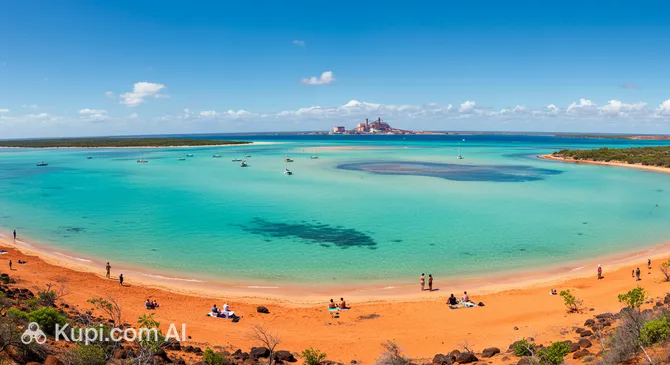
Weipa. Source: Kupi.Binoculars

The town is famous for its massive bauxite deposits, and the striking red cliffs along the coastline are a testament to its geological wealth. Exploring the history of Weipa reveals a compelling narrative that intertwines the development of the mining industry with the deep-rooted heritage of the local Indigenous people. Beyond its industrial backdrop, the area is widely celebrated as an angler's paradise, attracting fishing enthusiasts from all over to catch the legendary Barramundi in its pristine waterways.

Whether you are embarking on an adventurous 4WD journey to "The Tip" of Australia or simply looking to experience the rugged charm of the outback by the sea, Weipa offers a warm welcome. With its rich wildlife, including opportunities to spot saltwater crocodiles in their natural habitat (from a safe distance!), and its friendly atmosphere, it is a destination that truly captures the spirit of the Cape.

Weather Overview

Weipa experiences a tropical savanna climate, characterized by high temperatures year-round and two very distinct seasons. The weather patterns dictate the lifestyle here, shifting from dry, sunny days to a humid period with frequent showers. To help you pack accordingly, it is useful to review the current weather in Weipa before your journey.

The dry season, spanning roughly from May to September, is widely considered the most comfortable time to visit. During months like June and July, rainfall is practically non-existent, with data showing zero wet days for the peak of winter. Temperatures during this period are warm but manageable, with averages around 26°C and nighttime lows dipping to a pleasant 21°C to 22°C, making it perfect for camping and fishing.

As the year progresses into October and November, the heat intensifies, with maximum temperatures climbing towards 34°C. This buildup leads into the wet season, which typically runs from December through March. January is particularly notable for its frequency of precipitation, recording up to 30 wet days in the month. Expect hot, humid summers with frequent rain and warm, dry winters throughout the year.

Interesting Facts

Beyond the red cliffs and famous fishing spots, Weipa holds intriguing secrets that reveal its deep history and unique environment. Here are a few fascinating facts that make this remote town truly special:

  • Ancient Shell Pyramids: The region is home to the remarkable Weipa Shell Mounds, which were once mistaken for natural landforms. These massive heaps of cockle shells, some standing over 10 meters tall, are actually ancient middens created by Indigenous people over thousands of years, representing some of the most significant archaeological sites in Australia.

  • The "Weipa Peas": Visitors will quickly notice that the ground is often covered in small, reddish spheres known locally as "Weipa peas." These are naturally occurring pisoliths of bauxite, the very mineral that drives the town's economy and gives the landscape its distinct, vibrant colour.

  • A Bridge for Wildlife Watching: The Mission River Bridge offers more than just a crossing; it serves as a safe observation deck for nature enthusiasts. It is a well-known local spot where you can look down and frequently see large saltwater crocodiles basking on the mudbanks or swimming in the water below.

  • A Town with a Permit History: For decades, Weipa was a "closed" town managed strictly by the mining company, and visitors required a special permit just to enter. Although it is now open to the public, this unique history has shaped a community layout that was originally designed entirely around the needs of the industry.

How to Get There

Reaching this remote part of Queensland is an adventure in itself, and planning ahead is essential due to the vast distances involved. For travelers looking for detailed routes and logistics, you can find more about how to get to Weipa and the best transport options available.

The most convenient and common way to arrive is by flying directly into Weipa Airport (WEI), which is located within the town limits. This regional airport is the primary gateway for the community, handling a steady flow of passengers connecting from major hubs like Cairns. Since the airport is situated just 9.1 km from the town center, the transfer is relatively quick; a taxi or bus ride typically takes only a short drive.

Another airstrip in the wider Cape York region is Lockhart River (IRG), but it is important to note that this airport is located in the city of Lockhart River, about 159 km away from Weipa. It is a smaller facility, and due to the significant distance and rugged terrain, using this as an entry point would require a challenging overland journey.

For clarity, here is a summary of the main airports in the region:

Airport Name City Passenger Traffic Km from City
Horn Island Airport Horn Island Medium 233.3
Weipa Airport Weipa Medium 9.1
Northern Peninsula Airport Bamaga Small 199.4
Lockhart River Lockhart River Small 159.1

There are no passenger railway stations serving Weipa or the immediate surrounding area. While the town is famous for its industrial bauxite railway, this is not open to the public. Most visitors who do not fly choose to drive via the Peninsula Developmental Road, a journey that is popular among 4WD enthusiasts but requires careful preparation, especially during the wet season.

Main Attractions

While Weipa is often viewed as a mining town, it offers a surprising array of attractions that showcase the region's rich cultural heritage and stunning natural environment. From educational centers to serene lakes and rugged coastlines, there are several key spots that visitors should not miss during their stay.

One of the best places to start your exploration is the Western Cape Cultural Centre. Located within the township, this facility provides a deep dive into the local history and the enduring culture of the Indigenous communities of the Western Cape. It is an excellent spot to learn about the region's heritage through art displays and historical exhibitions, offering context that enriches the rest of your travel experience in the area.

For those interested in the unique archaeological features mentioned in local lore, a visit to the Uningan Nature Reserve is essential. Situated just a short drive from town, this reserve is famous for its massive cockle shell mounds, which are significant cultural sites created by Indigenous people over centuries. The reserve also features well-maintained walking tracks that wind through diverse vegetation, making it a fantastic location for a peaceful hike and nature photography.

If you are looking for a relaxing afternoon by the water, Lake Patricia offers a scenic escape. This freshwater lake is a haven for birdwatchers, attracting a variety of native species to its banks. With designated picnic areas and a tranquil atmosphere, it is a popular spot for families and locals to unwind away from the bustle of the town center. It serves as a gentle reminder of the lush ecosystems that thrive in this tropical savanna climate.

Finally, no trip to Weipa is complete without witnessing the striking contrast of Red Beach. Here, the region's famous red bauxite cliffs meet the turquoise waters of the Gulf of Carpentaria, creating a visual spectacle that is particularly breathtaking at sunset. It is an ideal location for beachcombing and appreciating the raw, rugged beauty that defines this remote part of Australia.

Local Cuisine

As a remote coastal town in Queensland, Weipa’s culinary scene is inextricably linked to the ocean. The undisputed star of the local menu is the Barramundi. Since the town is renowned as a premier fishing destination, you can often find this iconic fish served incredibly fresh—grilled with lemon butter, battered for a classic fish and chips experience, or steamed with Asian-inspired flavours. Alongside Barramundi, the region is famous for its succulent mud crabs and tiger prawns, which are often caught in the nearby estuaries and served in generous portions.

The food culture in Weipa is casual and unpretentious, reflecting the laid-back lifestyle of the tropics. You will not find fine dining establishments here; instead, the social life revolves around community hubs like the local sports clubs and the Albatross Bay Resort. These venues typically offer hearty "pub grub," including steaks, schnitzels, and burgers, enjoyed in open-air settings that take advantage of the warm evenings. It is common for locals and visitors to gather at these spots to watch the sunset over the water while enjoying a meal.

Given the tropical savanna climate, staying hydrated is essential, and the local drinking culture favours ice-cold beverages. A chilled beer is the standard drink of choice to beat the heat, with Queensland favourites often taking centre stage at the bar. For a non-alcoholic option, fresh tropical juices are a refreshing way to cool down. Additionally, the "catch and cook" experience is a significant part of the local gastronomy; many tourists staying in self-contained accommodation or camping grounds choose to barbecue their own fresh catch, embracing the true outdoor spirit of the Cape.

Travel Tips

Preparing for a trip to Weipa requires a bit more foresight than the average coastal getaway, given its remote location on the Cape York Peninsula and its unique industrial backdrop. To help you navigate the "red dust" country with ease and enjoy your stay safely, here are some essential practical tips.

  1. Clothing and Gear: Due to the tropical climate, lightweight and breathable fabrics like cotton or linen are your best friends here. Pack a wide-brimmed hat, high-quality sunglasses, and plenty of strong insect repellent to ward off sandflies and mosquitoes. Crucial tip: The local soil is rich in bauxite and produces a fine red dust that can permanently stain light-coloured clothing and shoes; it is wise to leave your favourite white sneakers and expensive pale outfits at home.

  2. Transportation: Public transport options like metros or trams do not exist in this remote town. While there is a local taxi service, it can be limited, so the most practical way to get around is by renting a car. A 4WD vehicle is highly recommended, not just for the terrain but because it allows you to explore the surrounding bushland and coast comfortably. If you are flying in, aim to book your rental vehicle well in advance.

  3. Finances: The local currency is the Australian Dollar (AUD). Weipa is a modern town with a shopping centre where credit and debit cards are widely accepted at supermarkets, the bakery, and the resort. However, it is always smart to carry some cash for smaller purchases or if you plan to visit markets. ATMs are available in the town centre, so you won't be left without access to funds.

  4. Health and Safety: The most critical rule in Weipa is to be "Crocwise." Saltwater crocodiles inhabit the local waterways, beaches, and creeks; never swim unless in a designated safe pool and always obey warning signs. For medical needs, the Weipa Integrated Health Service provides hospital care, and there is a pharmacy located in the Nanum shopping complex for everyday prescriptions and first-aid supplies.

  5. Communication: English is the primary language spoken. When it comes to mobile coverage, Telstra is the dominant provider in regional Australia. If you are with another carrier, you may find your signal disappears completely once you leave the main town centre. Purchasing a pre-paid Telstra SIM card before you arrive on the Cape is a common strategy for savvy travellers to ensure they stay connected.

  6. Local Etiquette: Weipa has a friendly, laid-back country atmosphere where a wave to passing drivers is common courtesy. It is also a working mining town, so respecting boundaries is key—always adhere to signs regarding restricted mining leases and haul roads. Additionally, be respectful of the local Indigenous culture; some areas may require permits or have specific access restrictions.

  7. What to Avoid: Do not drive on the heavy haul roads used by the massive mining trucks. These roads are strictly for industrial vehicles, and interacting with them in a standard car is dangerous and prohibited. Also, avoid leaving food scraps or bait around your fishing spots, as this can attract crocodiles to areas where people frequent.

  8. Alcohol Restrictions: If you plan to travel outside Weipa to explore other parts of Cape York, be aware that many nearby Indigenous communities have strict Alcohol Management Plans (AMPs). These laws restrict or ban the possession of alcohol in certain areas. While Weipa itself is generally not a restricted area, you should check the specific rules for your route if you intend to venture further north or south.

By keeping these practicalities in mind, you can focus on the incredible fishing, the stunning sunsets, and the rugged beauty that makes Weipa so special. A little preparation goes a long way in this wild corner of the world, ensuring your adventure is memorable for all the right reasons.

Entertainment & Nightlife

Nightlife in Weipa is less about thumping nightclubs and neon lights, and more about relaxed socialising, cold drinks, and enjoying the balmy tropical evenings. The entertainment scene is concentrated in a few key community hubs where locals and visitors gather to unwind after a day of work or exploration. The atmosphere is distinctively welcoming and casual, reflecting the town's character as a tight-knit remote community.

The heartbeat of the town's evening entertainment is undoubtedly the Albatross Bay Resort, affectionately known by locals as "The Alby." Situated right on the waterfront, it offers an open-air beer garden that serves as the perfect vantage point for watching the sunset over the Gulf of Carpentaria. As the night progresses, the bar area becomes lively, often hosting live music acts, trivia nights, or broadcasting major sporting events on big screens. It serves as the primary meeting place for everyone from mining workers to tourists passing through the Cape.

Another popular venue is the Weipa Bowls Club, located in the suburb of Rocky Point. This club offers a classic Australian social experience with a family-friendly environment. It is a great spot to enjoy a game of pool, try your hand at barefoot bowls under the lights, or simply relax with a beverage on the veranda. The Carpentaria Golf Club also opens its doors for evening meals and drinks, providing a quiet and green setting to socialise with residents and hear stories about life in the remote north.

The dress code across the town is strictly "tropical casual." You can leave your formal wear at home; shorts, t-shirts, and sandals are the standard attire everywhere, even in the evening. Most venues are open until late, but "late" in Weipa typically means closing around 10:00 PM or midnight on weekends, rather than the early morning hours found in major cities. Prices for drinks and entertainment are comparable to regional standards, though they can be slightly higher than in metropolitan areas due to freight costs.

When moving around at night, safety is paramount, but not for the usual urban reasons. The primary concern here is wildlife. It is strongly advised not to walk near the water's edge or unlit bushland areas after dark due to the presence of saltwater crocodiles and snakes. Weipa has a local taxi service, which is the safest and most reliable way to get between your accommodation and the clubs. Walking long distances at night is generally discouraged due to the lack of street lighting in some areas and the potential for wildlife encounters.

For daytime entertainment beyond the famous fishing charters, the town offers several recreational facilities. Visitors can enjoy a round of golf at the local course, which challenges players with its unique outback terrain and local wildlife spectators. There is also a public swimming pool complex for cooling off safely, and the local community centre occasionally hosts markets or cinema screenings, offering a relaxed change of pace from the rugged outdoor adventures.

Parks & Museums

Weipa is not your typical city with manicured botanical gardens and classical art museums; rather, its "green spaces" are vast stretches of untamed bushland, and its "galleries" are often found outdoors or within community hubs that celebrate the region's deep Indigenous heritage. For visitors, exploring the parks and cultural sites here means stepping directly into the raw beauty of the Cape York Peninsula and engaging with a history that spans thousands of years.

The most significant natural area accessible to the public is the Uningan Nature Reserve. Located just a short drive from the township, this reserve is a fascinating blend of ecological diversity and archaeological importance. It features a network of walking tracks that guide you through vine forests and mangroves, offering a cool respite from the heat. The reserve is managed by the local Indigenous traditional owners, making it a place where natural beauty and cultural storytelling intertwine seamlessly.

For a more recreational outdoor experience, Lake Patricia is a favourite spot among locals for picnics and relaxation. While swimming is strictly prohibited due to the presence of crocodiles, the area is beautifully maintained with BBQ facilities and shaded seating. It is a haven for birdwatchers, as the freshwater lake attracts a myriad of native bird species, including sea eagles and jacanas, providing a peaceful setting to observe the local wildlife in its natural habitat.

In terms of cultural institutions, the Western Cape Cultural Centre stands as the premier destination for understanding the region's human history. This facility is much more than a museum; it is a vibrant community space that showcases the art, history, and traditions of the local Aboriginal communities. Visitors can view impressive displays of local artwork, historical photographs of the mission days, and educational exhibits that explain the deep connection the traditional owners have with this land.

While not a traditional museum, the landscape itself serves as a historical monument in the form of the Weipa Shell Mounds. Found primarily within the Uningan Nature Reserve, these massive heaps of cockle shells were created by Indigenous people over centuries of gatherings and feasts. Some of these mounds are incredibly steep and tall, standing as silent, ancient testaments to the long-standing occupation and social practices of the area's original inhabitants.

For a touch of industrial history, the town's mining backdrop offers a unique "living museum" experience. While you cannot wander the mine freely, organised tours are occasionally available (depending on the season and operations) that take visitors to see the massive draglines and haul trucks. These tours provide a staggering perspective on the scale of the bauxite industry that led to the town's establishment and offers a stark contrast to the surrounding wilderness.

An insider tip for those seeking a quiet moment is to visit the Kumrumja Park (also known as the Mission River bridge area) at dusk. It is a simple, grassy area that offers excellent views of the bridge and the river. It is a popular spot for locals to cast a line or simply watch the sun dip below the horizon, painting the sky in the brilliant oranges and purples that Australia's Top End is famous for.

Getting Around

Travelers arriving in Weipa should be aware that the city does not possess a public transport network in the traditional sense. There are no public buses, metros, trams, or trains available for general passenger use within the town or connecting the residential areas. The local infrastructure is primarily designed around private vehicle ownership and the operational needs of the mining industry, meaning visitors cannot rely on a scheduled public transit system to get around.

For the vast majority of tourists, the most practical and popular solution is renting a vehicle. Major car rental agencies operate desks at the airport and within the township. Given the terrain of the surrounding region, renting a 4WD is often recommended, especially if you plan to explore natural attractions or fishing spots that lie off the main sealed roads. This option provides the necessary freedom and flexibility to navigate the area’s unique landscape at your own pace.

Since there is no public transit system, there are no complex travel passes, transport cards, or ticketing apps to navigate. Payment for transport is straightforward: car rentals typically require a credit card for the booking and security deposit, while the local taxi service accepts standard card payments and cash. It is worth noting that rental costs here can be higher than in major metropolitan centers due to the remote location, so budgeting accordingly is advisable.

For those who prefer not to drive, a local taxi service is available and serves as the primary alternative. Taxis can be booked via phone and are reliable for short trips, such as transfers from the airport to your accommodation or rides to local clubs and restaurants in the evening. Rideshare apps and car-sharing platforms are generally not active in this remote community, so the taxi service remains the main option for point-to-point transport without a rental car.

Walking is a feasible way to get around the immediate commercial and retail areas, particularly during the cooler parts of the day. However, due to the intense tropical heat and the spread-out nature of the town, relying solely on walking for all your travel needs is not practical. If you choose to walk or cycle, always carry water and be mindful of the sun. When planning your trip, the most important piece of advice is to book your rental vehicle or airport transfer well in advance, as availability can be very limited during the peak dry season.

Accommodation

Accommodation in Weipa is designed to cater to a diverse mix of visitors, ranging from recreational anglers and 4WD enthusiasts to business travellers connected with the mining industry. While you will not find ultra-luxury five-star hotel chains here, the town offers a solid selection of comfortable, functional, and friendly places to stay. The general range includes well-appointed motels, serviced apartments, and full-service resorts, alongside popular caravan parks that are perfect for those exploring the Cape York Peninsula by road.

Most accommodation options are conveniently located within the main township areas of Nanum, Rocky Point, and Trunding. These suburbs are all within a short driving distance of the airport, the shopping centre, and the hospital. Staying in these central areas ensures you are never far from local amenities or a good meal. For those seeking a view, properties located near the waterfront in Trunding or Rocky Point offer the added bonus of spectacular sunsets over Albatross Bay right from your doorstep.

Among the most well-known establishments is the Albatross Bay Resort, often referred to affectionately by locals as "The Alby." Situated on the waterfront, it is a central hub for the community, offering not just rooms but also a popular restaurant and beer garden. Another prominent option is the Heritage Resort Weipa, located in Nanum. This property is frequently chosen by both tourists and business guests for its central location, swimming pool, and on-site dining facilities, providing a relaxing oasis after a day of exploring the red dust country.

Booking Tip: It is highly recommended to book your accommodation well in advance, especially if you plan to visit during the dry season (May to October). This period coincides with the peak tourist traffic for Cape York adventures and the prime fishing season. Additionally, because Weipa is a working town, rooms can sometimes be heavily booked by visiting contractors and industry workers, so securing your spot early avoids disappointment.

In terms of pricing, accommodation in Weipa generally falls into the mid-range category. Prices can be slightly higher than in other regional coastal towns due to the remote location and logistical costs of operating in the Cape. Booking is straightforward, with most major properties offering online reservations through their websites or major travel platforms, though calling directly can sometimes be the best way to secure a room during busy periods.

Nearby Cities

For those looking to explore the surroundings, Weipa serves as an excellent base for day trips to several interesting nearby locations:

One of the most culturally significant destinations in the wider region is Thursday Island. Located in the Torres Strait to the north, it offers a fascinating mix of indigenous culture, pearl diving history, and World War II heritage. Visitors can explore the Green Hill Fort or learn about the maritime traditions of the Torres Strait Islanders. Due to the geography of the Cape, this is often accessed via a scenic regional flight or as part of a journey to the tip of the peninsula.

To the southeast lies the historic town of Cooktown, famous as the site where Captain James Cook beached the Endeavour in 1770. It is a town steeped in history, featuring the world-class James Cook Museum and charming colonial architecture. While it is a considerable distance away by road, it remains a key connection point for travelers navigating the rugged beauty of Cape York.

Across the Gulf of Carpentaria is Nhulunbuy (Gove). Although separated by water, it shares a similar industrial and red-earth character with Weipa but is distinct for its deep connection to the Yolngu people and its pristine, remote beaches. It serves as another major hub in northern Australia, offering unique insights into life in the Top End.

City Population Distance (km)
Nhulunbuy 4031 553
Gove 3000 548
Thursday Island 2938 232
Cooktown 2631 482
Yam Island 1700 320

These nearby destinations offer a glimpse into the diverse culture and landscapes of the region.

Shopping & Souvenirs

Shopping in Weipa is primarily functional and focused on serving the needs of the local community, mining workforce, and visiting outdoor enthusiasts. While you will not find high-end fashion boutiques or sprawling department stores here, the town is well-equipped with the essentials. The retail scene is dominated by practical outlets supplying groceries, camping equipment, and, most importantly, top-tier fishing gear to tackle the region's famous waterways.

The main commercial hub of the town is located in the suburb of Nanum. This area serves as the central business district where almost all retail activity is concentrated. It is a convenient one-stop destination where visitors can restock their supplies, visit the pharmacy, or browse for local goods without needing to travel far. The layout is compact and easy to navigate, with ample parking available for 4WDs and caravans.

At the heart of Nanum lies the Nanum Shopping Centre, the town's only significant shopping complex. Anchored by a large supermarket, this centre is the lifeline for residents and travellers alike. Inside and around the complex, you will find a variety of specialty stores, including a bakery, a newsagency, a chemist, and a sports store. For anglers, the tackle shop here is an essential stop, offering expert advice and the specific lures needed to catch a Barramundi in the local conditions.

For a more unique shopping experience, keep an eye out for the Weipa Community Markets. These markets are typically held on a monthly basis, particularly during the dry season, and offer a fantastic opportunity to mingle with locals. Stalls usually feature handmade crafts, homemade jams and chutneys, plants, and second-hand treasures. It is a relaxed environment where you can pick up one-of-a-kind items that you won't find on the supermarket shelves.

When it comes to souvenirs, the best keepsakes reflect the region's cultural and natural heritage. The Western Cape Cultural Centre is the premier place to purchase authentic Indigenous art, including paintings and carvings created by local artists. Alternatively, practical souvenirs are very popular; a "Weipa" branded fishing shirt or a high-quality stubby cooler from the local newsagency or tackle shop serves as a perfect memento of your time in the "wild north."

Store opening hours in Weipa generally follow standard regional Australian schedules. Most specialty shops operate from 9:00 AM to 5:00 PM on weekdays and close around 12:00 PM or 1:00 PM on Saturdays, with many remaining closed on Sundays. The major supermarket, however, offers extended trading hours, usually open seven days a week into the evening, which is convenient for late arrivals. Credit and debit cards are widely accepted throughout the town, though carrying a small amount of cash is recommended for the markets.

Regarding tax-free shopping, the Tourist Refund Scheme (TRS) allows international travellers to claim a refund on the Goods and Services Tax (GST) for purchases over a certain amount. However, this facility is not available in Weipa itself. To claim your refund, you must present your receipts and goods at the TRS facility in your international departure airport (such as Cairns, Brisbane, or Sydney) before leaving Australia.

Reached the end of the page?

That means the route is fully explored