Support

Bamaga

About

Bamaga is widely recognized as the northernmost town on the Australian mainland, serving as the administrative and commercial hub for the Northern Peninsula Area. Situated in the tropical wilderness of Queensland, this small but vibrant community is a significant destination for adventurers making the pilgrimage to the "Tip" of the continent. For travelers exploring Australia, reaching Bamaga often feels like a true accomplishment, marking the end of an epic journey through the rugged Cape York Peninsula.

The town is home to a population of approximately 1,100 people and is renowned for its rich cultural tapestry, blending Aboriginal and Torres Strait Islander traditions. The community was established by people from Saibai Island, giving it a distinct cultural identity that sets it apart from other regional outback towns. Visitors can learn more about the unique origins and the history of Bamaga, which is deeply intertwined with the post-World War II migration of the Saibai Islanders to the mainland.
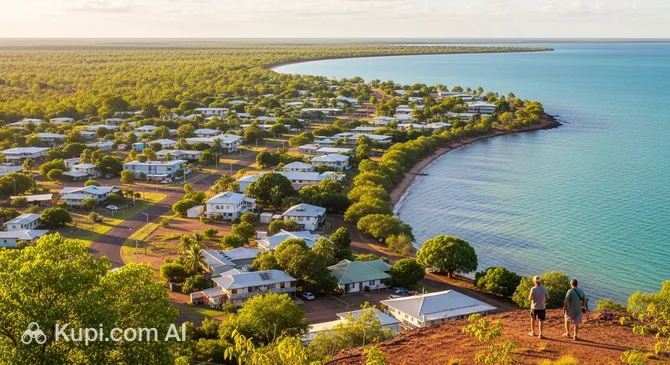
Bamaga. Source: Kupi.Binoculars

Nature and history enthusiasts will find plenty to explore in the surrounding area. Bamaga acts as the perfect base for visiting Pajinka (The Tip), the absolute northernmost point of the Australian continent, which offers breathtaking views of the Torres Strait. Another highlight is the collection of WWII aircraft wrecks scattered in the bushland nearby, including a remarkably preserved DC-3, which stands as a silent reminder of the region's strategic importance during the war.

Whether you are interested in fishing in pristine waters, exploring historical sites, or simply soaking up the relaxed tropical atmosphere, Bamaga offers a warm welcome. It is an essential stop for anyone looking to experience the remote beauty and cultural depth of Far North Queensland.

Weather Overview

Bamaga enjoys a tropical climate with warm temperatures that remain consistent throughout the year. The region experiences two distinct seasons, making the timing of your visit important for outdoor activities. Average temperatures generally range from lows of around 23.7°C in the cooler months like August to highs of 30.0°C in November, ensuring a warm atmosphere regardless of when you arrive.

The wet season, typically occurring from December through April, is characterized by frequent precipitation, with January and March seeing rain on up to 29 days of the month. In contrast, the dry season from May to November brings significantly clearer conditions; from June to October, precipitation often drops to 0mm. For a more detailed breakdown of seasonal patterns to help plan your journey, you can consult the guide to the weather in Bamaga.

Interesting Facts

Beyond the main attractions and its geographical fame, Bamaga holds fascinating stories and unique features that often surprise visitors. This remote community is not just a destination but a place deeply rooted in specific historical events and local traditions.

  • The town is named in honor of Bamaga Ginau, a visionary tribal leader from Saibai Island. He led his people to the mainland in the late 1940s to escape rising tides and freshwater shortages on their home island, establishing the settlement that now bears his name.

  • Bamaga is home to the northernmost post office on the Australian mainland. Sending a postcard from this facility is a popular tradition for travelers, as the unique postmark serves as a certified souvenir of reaching the very top of the country.

  • While many know of the DC-3 wreck, the area also conceals the remains of a Bristol Beaufort bomber. This World War II aircraft, which crashed near the current airport in 1945, sits in the bushland as a stark, metallic reminder of the region's strategic military history.

  • During the Second World War, the area was a bustling hub known as Higgins Field. It served as a major air base and staging point for operations in the Pacific, hosting thousands of troops in what is now a quiet tropical wilderness.

How to Get There

Reaching this remote destination is an adventure in itself, often involving a scenic flight over the stunning landscapes of Cape York. Most travelers arrive by air, as it is the fastest and most convenient method, although seasoned off-road enthusiasts often tackle the rugged overland journey during the dry season. For a complete guide on travel options and logistics, you can read more about how to get to Bamaga to plan your trip effectively.

The most direct way to fly into the region is via the Northern Peninsula Airport (ABM). Conveniently located just 10.2 km from the center of Bamaga, this is the primary hub for visitors staying in the town or the nearby Seisia community. It is a small regional facility, so services are efficient and straightforward. A transfer from here to the town center is quick, typically taking around 10 to 15 minutes by taxi or shuttle bus, allowing you to settle into your accommodation with ease.

Another significant option is the Horn Island Airport (HID), situated approximately 35.5 km away on Horn Island. While it is not on the mainland, it serves as a major gateway for the Torres Strait region. Travelers landing here usually take a ferry transfer to Thursday Island and then connect to the mainland at Seisia, which is a short drive from Bamaga. This route offers a beautiful introduction to the area's island geography, though the total travel time will depend on ferry schedules.

For clarity, here is a summary of the main airports in the wider region:

Airport Name City Passenger Traffic Km from City
Horn Island Airport Horn Island Medium 35.5
Weipa Airport Weipa Medium 203.9
Daru Airport Daru Small 219.1
Northern Peninsula Airport Bamaga Small 10.2
Lockhart River Lockhart River Small 232.2

Bamaga does not have a railway station, and there are no train services connecting to this remote part of the Cape York Peninsula. The primary alternative to flying is the legendary overland drive via the Peninsula Developmental Road, which is strictly for 4WD vehicles and accessible mainly during the dry season. Visitors are advised to check local transport options or rent a suitable vehicle if planning to explore the surrounding wilderness.

Main Attractions

Pajinka (The Tip of Australia) is undoubtedly the primary draw for visitors to the region. Located approximately 32 kilometers north of the town, this rocky headland represents the northernmost point of the Australian mainland. Reaching the famous sign requires a short but rocky walk from the car park, which takes you over the ridge to reveal sweeping views of the Torres Strait and the York Islands. It is a bucket-list destination where travelers celebrate the completion of their long journey with a photograph at the very edge of the continent.

For history buffs, the WWII DC-3 Wreck is a fascinating site located just a few kilometers from the airport. This US Army Air Force transport plane crashed in 1945 and remains remarkably well-preserved in the bushland. Unlike many other wrecks that are difficult to reach, this site is easily accessible and allows visitors to walk right up to the fuselage. Seeing the twisted metal of the engines and the intact wings amidst the eucalyptus trees serves as a poignant reminder of the area's strategic military role during the war.

A visit to the Somerset Historic Homestead offers a glimpse into the early European settlement of the Cape York Peninsula. Once envisioned as the "Singapore of the Pacific," the site was established by the Jardine family in the 1860s. Today, visitors can explore the remnants of the homestead, view the family graves, and wander along the beautiful, secluded beach. The area is rich in stories of the region's pioneering past and offers a quiet, scenic spot for a picnic under the shade of coconut palms.

Muttee Head is another significant location that combines military history with natural beauty. During World War II, this area housed a radar station to detect incoming enemy aircraft, and remnants of the installation can still be found. Beyond its historical value, Muttee Head is a popular spot for camping and fishing, offering pristine coastal views and the chance to spot local wildlife, including turtles and sea eagles, in their natural habitat.

Local Cuisine

The culinary landscape of Bamaga is a direct reflection of its unique geography and cultural heritage, blending fresh tropical ingredients with distinct Torres Strait Islander traditions. Being a coastal community in the remote Northern Peninsula Area, seafood plays a central role in the local diet. Visitors can expect an abundance of fresh catches, particularly the highly prized Painted Crayfish (tropical rock lobster), which is often grilled simply or prepared with garlic butter to highlight its natural sweetness. Barramundi, Spanish mackerel, and coral trout are also staples, frequently caught in the surrounding waters and served fresh in local homes and eateries.

For a taste of traditional culture, you should look for dishes prepared using the Kup Murri method. This is a traditional style of cooking where meat, seafood, and root vegetables like sweet potato, pumpkin, and cassava are wrapped in banana leaves and slow-cooked in an underground earth oven. The result is tender, smoky, and flavorful food that is often the centerpiece of community feasts and celebrations. Another local favorite to look out for is Sop Sop, a hearty dish consisting of chopped root vegetables simmered in rich coconut milk, often widely enjoyed by the Islander community.

When it comes to beverages, the tropical heat makes a cold beer the drink of choice for many locals and travelers alike. The local tavern is the social hub where you can enjoy a refreshing lager while chatting with residents. For a non-alcoholic option, nothing beats the hydration of a fresh green coconut. You will often find these being opened fresh, providing sweet water that is perfect for cooling down after a day of exploring the Tip.

The dining scene in Bamaga is relaxed and unpretentious, with a focus on hearty meals rather than fine dining. The Bamaga Tavern is the main gathering spot, offering classic pub meals and a friendly atmosphere. For a quick bite, the local bakery is legendary among Cape York travelers, famous for its fresh bread and savory meat pies, which are considered some of the best in the region. Additionally, many visitors choose to embrace the self-catering lifestyle, buying fresh seafood from the nearby Seisia wharf or cooking their own catch over a campfire under the stars.

Travel Tips

Visiting Bamaga is a unique adventure that requires a bit more preparation than the average holiday, given its remote location at the very top of Australia. To help you navigate this tropical wilderness safely and respectfully while making the most of your journey to the "Tip," here are some essential practical tips.

  1. Clothing and Gear: Due to the tropical climate, lightweight and breathable fabrics like cotton or linen are essential year-round to handle the heat and humidity. Pack sturdy walking shoes or hiking boots for the trek to Pajinka (The Tip) and exploring bush tracks. Don't forget a wide-brimmed hat, high-SPF sunscreen, and strong insect repellent to protect against mosquitoes and sandflies.
  2. Transportation: There is no public transport system like buses or trains within Bamaga. The best way to get around is by 4WD vehicle, which is necessary for navigating the unsealed roads leading to major attractions. If you fly in, you can arrange car hire locally, but availability is limited, so booking in advance is crucial.
  3. Finances: The local currency is the Australian Dollar (AUD). While the main supermarket and tavern accept credit and debit cards, it is highly recommended to carry some cash for smaller purchases or in case of system outages. There is an ATM in town, but it can occasionally be out of service or run out of cash due to the town's remote nature.
  4. Health and Safety: Bamaga has a hospital and a pharmacy, but resources can be limited compared to major cities. The most critical safety rule here involves wildlife: never swim in beaches, creeks, or rivers unless explicitly marked as safe, as saltwater crocodiles and marine stingers are present in the region. Always observe warning signs and stay well back from the water's edge.
  5. Communication: English is widely spoken, though you may hear locals speaking Torres Strait Creole (Yumplatok). Mobile phone coverage is generally limited to the Telstra network; other carriers often have no signal in this part of Cape York. Wi-Fi availability is scarce, so download any necessary maps or travel documents before you arrive.
  6. Local Etiquette: The Northern Peninsula Area is subject to Alcohol Management Plans, which strictly limit the type and amount of alcohol you can carry into the region. Be sure to check the current restrictions to avoid heavy fines. Always ask for permission before taking photographs of local people, as this is a sign of respect for their privacy and culture.
  7. What to Avoid: Avoid driving on the roads at dawn, dusk, or night. The roads in the Cape York Peninsula are unfenced, and hazards such as wandering horses, cattle, and kangaroos are very common and difficult to see in the dark.
  8. Additional Tip: Be mindful of opening hours. The local supermarket and shops may close earlier than you are used to, often around 5:00 PM on weekdays and midday on Saturdays, with many closed on Sundays. Stock up on fuel, water, and food supplies whenever you have the chance.

By following these simple guidelines, you can ensure a safe and respectful visit to this incredible part of the world. With the logistics taken care of, you will be free to fully enjoy the stunning landscapes and warm hospitality that make Bamaga such a memorable destination.

Entertainment & Nightlife

Entertainment and nightlife in Bamaga differ significantly from the bustling clubs and neon-lit districts found in Australia's major cities. In this remote corner of the Northern Peninsula Area, the "nightlife" is centered around relaxed social gatherings, hearty meals, and sharing stories of the day's adventures. The atmosphere is authentically casual, reflecting the laid-back tropical lifestyle and the camaraderie that develops among travelers who have made the long journey to the top of Cape York.

The primary hub for evening activity is the Bamaga Tavern. Located in the center of town, this venue serves as the main meeting place for both the local community and visiting tourists. It offers a classic Australian pub experience with a bistro serving reliable meals and a bar stocked with cold beverages, which are incredibly refreshing after a hot day exploring the wilderness. The vibe here is unpretentious and friendly, often buzzing with conversation as 4WD enthusiasts compare road conditions and fishing tips. It is a great place to soak up the local culture, play a game of pool, or simply unwind in air-conditioned comfort.

For a slightly different ambiance, visitors can head to the Paperbark Restaurant and Bar, located within the Cape York Peninsula Lodge. This venue offers a more tranquil setting, often allowing guests to enjoy a drink by the poolside or a meal on the deck. It is popular among those looking for a quiet evening and a diverse menu that often features local seafood. While it is not a nightclub, it provides a comfortable space to enjoy the tropical evening air with a glass of wine or a cocktail.

Another popular evening pastime involves taking a short drive to the nearby community of Seisia, particularly around the Seisia Wharf. While not a bar, this spot is famous for its spectacular sunsets over the Torres Strait. Many travelers gather here in the late afternoon and early evening to fish off the jetty or simply watch the sun dip below the horizon. It is a communal, open-air experience where the entertainment is provided by nature itself.

Practical advice for enjoying nights in Bamaga revolves around timing and regulations. Venues typically close earlier than in the city, often winding down by 9:00 PM or 10:00 PM, so it is best to head out for dinner around 6:00 PM or 7:00 PM. The dress code is universally casual; shorts, t-shirts, and sandals are the norm everywhere. It is also crucial to be aware that Bamaga is subject to strict Alcohol Management Plans. These laws restrict the type and quantity of alcohol you can carry into the area, and drinking is generally limited to licensed premises or private accommodation.

When it comes to safety and transport, caution is advised. There is no regular public transport or Uber service at night, and taxi availability can be sporadic. Most visitors rely on their own vehicles to get between their accommodation and dining venues. Walking around the town at night is generally not recommended due to poor lighting, the presence of roaming dogs, and the potential for wildlife hazards such as crocodiles near water bodies. It is always safer to drive, even for short distances.

During the day, entertainment shifts towards cultural and outdoor experiences. While there are no amusement parks or large theaters, visitors can explore local art centers that showcase Indigenous craftsmanship or visit the retail precinct for supplies and souvenirs. The true "entertainment" of the region, however, remains its outdoor pursuits: fishing, exploring historical WWII sites, and swimming in designated safe areas like Fruit Bat Falls further south.

Parks & Museums

Bamaga and the surrounding Northern Peninsula Area are defined less by manicured city parks and indoor museums, and more by vast, untouched wilderness and open-air historical sites. The region serves as a living gallery of World War II history and Indigenous culture, set against a backdrop of stunning tropical landscapes that invite exploration.

Jardine River National Park is the most significant natural area accessible from Bamaga. While it encompasses a massive stretch of wilderness, its most famous features are the spring-fed swimming holes like Fruit Bat Falls and Eliot Falls. These designated swimming spots are among the few places in the Cape York Peninsula safe from crocodiles, offering crystal-clear, cool waters cascading over wide rock shelves. They are perfect for a refreshing dip and a picnic in the shade of lush riparian rainforest.

Although not a park in the traditional sense, Pajinka (the northernmost tip of Australia) functions as a major nature reserve for visitors. A walk through the rainforest here leads to the rocky headland that marks the end of the continent. The area is excellent for birdwatching and observing the unique flora that thrives in this coastal environment. Standing at the edge of the country, surrounded by the turquoise waters of the Torres Strait, provides a connection to nature that is both raw and exhilarating.

For those seeking cultural insight, the NPA Art Centre in the nearby community of New Mapoon is a key destination. This creative hub showcases the artistic talents of the local Aboriginal and Torres Strait Islander people. Visitors can view and purchase authentic works, including linocut prints, paintings, and traditional carvings that tell the stories of the region's clans and their connection to the land and sea. It offers a vibrant window into the living heritage of the Northern Peninsula Area.

While Bamaga does not have a large conventional museum, the bushland surrounding the town acts as an open-air military museum. The sites of the WWII aircraft wrecks, including the DC-3 and the Beaufort bomber, are preserved in situ, allowing tourists to walk around these historical relics. Interpretive signage at these locations helps visitors understand the immense strategic role this remote airfield played during the Pacific campaign, effectively turning the landscape itself into a gallery of wartime history.

A significant historical landmark is the Somerset Historic Homestead, located on the coast east of Bamaga. Once the administrative center of Cape York and home to the Jardine family, the site now features the ruins of the original settlement and historical graves. It is a poignant place to explore the complex and often harsh history of European settlement in the region. The area also includes a beautiful beach, combining heritage tourism with scenic coastal relaxation.

For a deeper look into the town's specific origins, visitors should stop by the Bamaga Monument near the council chambers. This memorial is dedicated to Bamaga Ginau, the Saibai Island leader who founded the community. It stands as a tribute to the resilience of the Saibai people and their migration to the mainland, offering a quiet spot for reflection on the unique cultural identity of the town.

Getting Around

Bamaga is a remote and compact community, and as such, it does not possess the complex public transport systems found in major cities. There are no metros, trams, trolleybuses, or scheduled municipal bus networks operating within the town or the immediate region. Visitors accustomed to relying on public transit apps and frequent bus stops will find that getting around here requires a different approach, heavily reliant on private or hired vehicles.

The primary form of paid transport available to tourists is the local taxi service. Taxis are essential for travelers who fly into the region and need transfers between the Northern Peninsula Airport, the town center, and the nearby coastal community of Seisia. Unlike in large metropolitan areas, you cannot simply hail a taxi on the street. The fleet is small, so it is practical advice to book your ride via phone well in advance to ensure a driver is available when you need one.

Regarding payment, the system is straightforward and traditional. There are no electronic travel passes, smart cards, or transport apps in operation here. Taxi fares are typically settled at the end of the journey. While some services may have EFTPOS facilities for credit cards, the remote location can sometimes lead to connectivity issues. Therefore, it is highly recommended to carry sufficient cash to cover your fares to avoid any inconvenience.

For those wishing to explore the main attractions, such as the journey to the "Tip" or the local waterfalls, the most viable alternative is car rental. Hiring a 4WD vehicle is widely considered the standard method of transport for tourists, as the distances are too great for walking and the roads to key sights are often unsealed. Several local operators offer vehicle hire, but availability is limited, so reservations should be made prior to your arrival.

While not "city transport," the ferry service from the nearby Seisia Wharf acts as a vital public link for the region. Passenger ferries run regularly between the mainland and Thursday Island. Tickets for these crossings can typically be purchased directly at the wharf or booked online. Checking the operating hours is crucial, as the ferries adhere to a strict timetable that aligns with the needs of the local island communities.

Accommodation

Accommodation in Bamaga is designed to cater to the adventurous spirits who make the long journey to the top of Australia. Given the town's remote location in the Northern Peninsula Area, the options are more limited than in major tourist hubs, but they provide all the necessary comforts for a restful stay. The range typically spans from well-equipped motel-style lodges and self-contained cabins to spacious caravan parks and campgrounds, which are heavily favored by the many off-road enthusiasts visiting the region.

The most convenient area to stay is within Bamaga itself, where you are within walking distance or a very short drive of essential services like the supermarket, petrol station, and the local tavern. For those preferring a coastal atmosphere, the nearby community of Seisia—located just a 10-minute drive away—is a popular alternative. This area is renowned for its beachfront camping and holiday parks, offering stunning views of the Torres Strait and easy access to the wharf for fishing and ferry transfers.

For travelers seeking hotel-standard comfort, the Cape York Peninsula Lodge is the premier establishment in Bamaga. It offers air-conditioned suites and motel units, providing a welcome refuge from the tropical heat with amenities such as a swimming pool and an on-site restaurant. It is often the accommodation of choice for visitors who fly into the region or overland travelers looking to take a break from camping.

Booking Tip: Planning ahead is absolutely critical when visiting the tip of Cape York. During the dry season (May to October), which is the peak window for travel, rooms and powered campsites can be fully booked months in advance. It is highly recommended to secure your reservation well before you begin your journey to avoid being left without a place to stay.

Regarding costs, prices tend to be in the mid-to-high range, reflecting the logistical challenges and higher operational costs of running businesses in such a remote wilderness area. While some properties appear on major online booking platforms, many local providers rely on direct bookings. It is often most effective to contact the lodge or camping ground directly via phone or email to confirm availability and specific requirements.

Nearby Cities

For those looking to explore the surroundings, Bamaga serves as an excellent base for day trips to several interesting nearby locations. While the region is remote, the proximity to the Torres Strait Islands offers unique opportunities for cultural and historical excursions.

Thursday Island (Waiben) is the most popular day trip from Bamaga. Located just a short ferry ride from the nearby Seisia Wharf, it serves as the administrative and cultural centre of the Torres Strait. Visitors can explore the Green Hill Fort, built in the late 19th century to defend against potential Russian invasion, which now houses a museum and offers panoramic views of the archipelago. The island is also home to the Gab Titui Cultural Centre, showcasing contemporary Indigenous art and heritage.

Horn Island (Ngurupai) is often visited in conjunction with Thursday Island. It holds significant historical value due to its role as a major airbase during World War II. The Horn Island Heritage Museum provides a comprehensive look at the area's wartime history, and guided tours often take visitors to see the slit trenches, aircraft wrecks, and underground command posts that remain scattered across the landscape.

Weipa is the nearest major town on the mainland, situated on the west coast of the Cape York Peninsula. While the journey involves a drive of over 200 kilometers on unsealed roads, it is a key destination for those interested in the region's massive bauxite mining operations and exceptional fishing. It offers a stark contrast to the lush tip of the peninsula with its red cliffs and industrial significance.

City Population Distance (km)
Nhulunbuy 4031 627
Weipa 3899 203
Port Douglas 3504 702
Gove 3000 628
Thursday Island 2938 39

These nearby destinations offer a glimpse into the diverse culture and landscapes of the region.

Shopping & Souvenirs

Shopping in Bamaga differs greatly from the experience in large cities or developed resort towns. As a remote community, the retail scene here is primarily functional, focused on providing essential supplies for locals and the influx of travelers preparing for the final leg of their journey to the "Tip" of Australia. While you will not find high-end fashion boutiques or sprawling shopping malls, the town offers everything necessary to stock up on food, camping gear, and fuel, alongside some unique opportunities to purchase local handicrafts.

The main retail hub of the community is the IBIS Bamaga Store. This large supermarket complex functions as the town's department store and is the go-to destination for almost all shopping needs. Beyond just groceries and fresh produce, the store stocks a variety of general merchandise, including clothing, hardware, fishing tackle, and camping equipment. For travelers who have been on the road for days or weeks, this is the best place to replenish supplies before heading out to the remote campsites of the Northern Peninsula Area.

There are no shopping malls in the traditional sense in Bamaga. The retail landscape is defined by standalone stores and service stations that double as convenience outlets. The BP Bamaga service station, for instance, includes a well-stocked shop where visitors can grab snacks, drinks, and automotive supplies. It is also a common spot to find basic tourist necessities like maps and ice for eskies (coolers), which are vital in the tropical heat.

For those looking for something more cultural, the region offers exceptional local art. While not a "market" in the bustling city sense, the NPA Art Centre in the nearby community of New Mapoon is a must-visit for shoppers seeking authentic souvenirs. Here, you can purchase incredible works created by local Aboriginal and Torres Strait Islander artists. The selection often includes hand-printed fabrics, linocut prints, woven baskets, and carvings that reflect the deep cultural heritage and stories of the region.

When it comes to souvenirs, the most popular items are those that commemorate the achievement of reaching the top of the continent. You can find t-shirts, caps, and stubby coolers emblazoned with "Cape York" or "The Tip" slogans at various local outlets, including the service station and the tavern. These items serve as a badge of honor for the adventurous journey. Additionally, locally produced jams or sauces made from tropical fruits can make for unique and tasty gifts to take home.

Opening hours in Bamaga are more restricted than in urban centers. Most shops, including the main supermarket, typically operate from Monday to Friday, opening around 8:00 AM and closing by 5:00 PM. Saturday trading hours are usually shorter, often closing by midday or 1:00 PM, and many businesses are closed completely on Sundays. It is highly advisable to plan your shopping trips on weekdays to avoid being caught without supplies.

Regarding payment, major credit and debit cards are widely accepted at the main supermarket, service station, and tavern. However, due to the remote nature of the area, telecommunications outages can occasionally disrupt electronic payment systems. Therefore, carrying a reasonable amount of cash is a smart travel tip to ensure you can always pay for fuel and food. As for tax-free shopping, the Tourist Refund Scheme (TRS) applies to goods purchased in the country, but claims can only be made at international airports or cruise terminals upon departure, not within Bamaga itself.

Reached the end of the page?

That means the route is fully explored