Support

Yorke Island

About

Welcome to Yorke Island, also widely known by its traditional name Masig. This captivating destination is nestled in the sparkling turquoise waters of the Torres Strait and offers a serene escape characterized by a laid-back atmosphere and warm local hospitality. It is a place where time seems to slow down, allowing visitors to truly connect with the pristine natural beauty of the region.

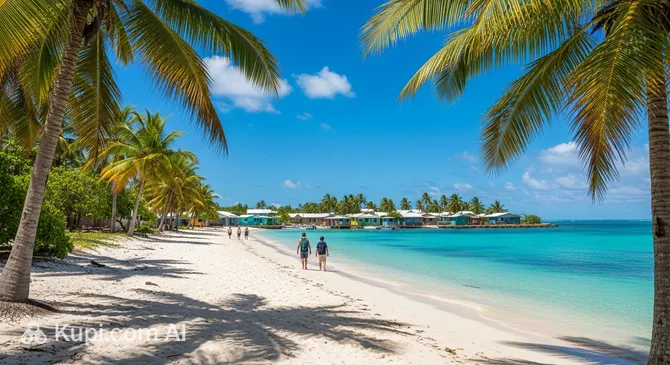
Yorke Island. Source: Kupi.Binoculars

Located off the far northern coast of Australia, Yorke Island is a coral cay that forms part of the state of Queensland. The island is long and narrow, stretching approximately 2.7 kilometers, and enjoys a warm tropical climate year-round. Its geography is defined by stunning white sandy beaches and extensive fringing reefs, which are teeming with marine life. While the local population is small, the community is vibrant and maintains a strong connection to both the land and the sea.

The island is not just about scenic views; it is also a place of deep cultural significance. Exploring the history of Yorke Island reveals a fascinating heritage linked to pearl diving and ancient trading routes. Today, visitors are drawn to the island for its exceptional fishing and snorkeling opportunities, as well as the chance to experience the unique art and traditions of the Torres Strait Islander people. Whether you are walking along the coconut palm-fringed shores or engaging with the friendly locals, Masig offers an unforgettable off-the-beaten-path adventure.

Weather Overview

Yorke Island experiences a tropical climate defined by consistent warmth and a distinct pattern of wet days throughout the year. The weather is generally inviting for travelers who enjoy heat, as the island lacks a harsh winter. To help plan your activities around the rain and sun, it is helpful to review the current forecast and historical trends before your trip.

Temperatures on the island remain remarkably stable, fluctuating very little between seasons. The warmest months are typically December and January, where average temperatures hover around 27.9°C, with highs reaching up to 28.6°C. Even during the "cooler" period from June to September, conditions are pleasant, with average temperatures staying close to 25°C and nightly lows rarely dipping below 24.7°C.

Precipitation is frequent, particularly in the first quarter of the year. From January to March, visitors should be prepared for a high number of wet days, reaching up to 29 days in March, although the total rainfall volume is recorded as relatively low (around 10-15mm). The driest months are generally August and September, which see significantly fewer wet days. Expect warm tropical conditions year-round with frequent light showers in the early months and drier, stable weather later in the year.

Interesting Facts

Beyond its reputation as a serene fishing destination, Yorke Island holds captivating stories that weave together American history, maritime legends, and island resilience. Uncovering these local secrets adds a layer of intrigue to any visit, revealing that this small coral cay is far more than just a tropical paradise.

  • The Legend of the Buried Pearls: One of the island's most enduring mysteries revolves around Edward "Yankee Ned" Mosby, an American sailor and Civil War veteran who settled on Masig in the late 19th century. According to local lore, Mosby buried a pickle jar filled with priceless pearls to protect them from theft after spotting a diver watching him count his fortune. He died suddenly without revealing the location, and to this day, the treasure is believed to be hidden somewhere on the island.

  • A Forgotten "Fuel Station": In the 1800s, Masig was a frequent stopover for steam-powered ships navigating the Torres Strait. These vessels would dock to replenish their supplies of firewood, which led to significant deforestation on the island at the time. The lush vegetation seen today is a testament to the land's recovery after that era of intense maritime traffic ended.

  • The Aureed Connection: The cultural tapestry of Masig is deeply intertwined with the history of nearby Aureed Island. In the early 20th century, the government declared Aureed an aboriginal reserve and relocated its entire population to Yorke Island. As a result, many current residents of Masig are direct descendants of the Aureed people, maintaining a strong spiritual connection to their ancestral home.

  • A Walkable Geography: Despite being a hub for the central island cluster, Yorke Island is incredibly narrow. It is a true coral cay, stretching about 2.7 kilometers in length but narrowing to just 800 meters—and often much less—in width. This unique shape allows visitors to stand at certain points and easily view the sparkling ocean on both sides of the island simultaneously.

How to Get There

Reaching the remote and beautiful Yorke Island (Masig) is an adventure that typically begins with a journey to the Torres Strait region. Since the island is a small coral cay, travel logistics require some planning, usually involving a connection through a larger regional hub. For detailed information on flights and transfers, you can read more about how to get to Yorke Island to ensure a smooth trip.

The primary gateway for travelers heading to this part of Queensland is Horn Island Airport (HID). Located in the town of Horn Island, roughly 153 km from Yorke Island, this facility serves as the main aviation hub for the Torres Strait. It handles a significant amount of regional traffic, making it the most common stopover for visitors. Since Yorke Island does not have its own major commercial airport capable of handling large jets, you will first fly into this hub and then arrange a transfer, typically via a light aircraft charter or a scheduled local flight, to reach Masig.

Another option for accessing the region is the Northern Peninsula Airport (ABM), situated in Bamaga on the tip of Cape York Peninsula. This airport is approximately 168 km away from Yorke Island. While slightly further than Horn Island, this facility provides an alternative entry point to the area. Similar to other regional hubs, arriving here requires organizing a subsequent air or sea transfer to cross the waters of the Torres Strait and arrive at your final destination on Yorke Island.

For clarity, here is a summary of the main airports:

Airport Name City Passenger Traffic Km from City
Horn Island Airport Horn Island Medium 153.4
Daru Airport Daru Medium 76.8
Northern Peninsula Airport Bamaga Small 168.5

Main Attractions

To explore Yorke Island (Masig) is to step into a world where natural beauty and rich cultural heritage are inextricably linked. As a small coral cay, the island does not feature large theme parks or bustling museums; instead, its attractions are rooted in the landscape, the history of its people, and the vibrant traditions of the Torres Strait. Visitors here spend their days connecting with the environment and uncovering the stories that have shaped this unique community.

One of the most significant landmarks on the island is the historic church. This place of worship stands as a testament to the enduring faith of the local community and the influence of the London Missionary Society in the region. Built using traditional methods with local materials like coral lime and stone, the church is not only a spiritual centre but also an architectural focal point. It offers a peaceful atmosphere where visitors can reflect and appreciate the deep-rooted Christian traditions that blend seamlessly with island culture.

For nature lovers, the island's coastline is the primary attraction. The Beaches of Masig are quintessentially tropical, featuring powdery white sand and swaying coconut palms. Because the island is so narrow—often allowing you to see the ocean on both sides from a single standing point—the sea is always just a few steps away. These shores are perfect for beachcombing, where you might find intricate shells, or for witnessing spectacular sunsets that paint the sky in vibrant shades of orange and purple. The surrounding fringing reefs also provide exceptional opportunities for snorkeling and fishing, activities that are central to the local way of life.

A walk through the island’s historical precincts offers a poignant glimpse into the past. The island has a long history connected to the pearl diving and bêche-de-mer industries, and the community maintains a strong respect for the ancestors who lived through these eras. A particularly significant historical connection involves Edward "Yankee Ned" Mosby, the legendary American sailor who settled on Masig in the late 19th century. Unlike in some accounts, he is buried right here on Yorke Island, making his grave a local point of interest. His legacy endures through his many descendants who still reside on the island, and the site serves as a lasting reminder of his impact on the community's history.

Local Cuisine

The cuisine of Yorke Island (Masig) is a direct reflection of its environment, offering a culinary experience that is simple, fresh, and deeply connected to the sea. As you might expect from a coral cay in the Torres Strait, seafood is the undisputed star of the local diet. Visitors can look forward to tasting some of the freshest catch imaginable, with painted crayfish (tropical rock lobster), coral trout, and Spanish mackerel featuring heavily on the menu. These are often caught just hours before being served, grilled simply over an open fire or pan-fried to highlight their natural sweetness.

Beyond the bounty of the ocean, the island offers a chance to try distinct Torres Strait Islander dishes that blend Melanesian influences with local ingredients. A "must-try" is Sop Sop, a comforting and hearty dish made from root vegetables like yam, sweet potato, and pumpkin, which are chopped and simmered in rich, fresh coconut cream. Another staple is the fry scone, a type of fried damper or dough that is crispy on the outside and soft on the inside, often eaten at breakfast or as a side to savory curries.

The dining scene on Masig is far removed from the commercial restaurant culture found in mainland cities. You will not find fine-dining establishments or bustling cafes here; instead, the food culture revolves around community and hospitality. Meals are typically enjoyed at local guesthouses or purchased from the community store's takeaway section. For special occasions and community celebrations, locals prepare food in a Kup Murri, a traditional underground oven where meat, seafood, and vegetables wrapped in banana leaves are slow-cooked on hot stones, imparting a unique smoky flavor.

When it comes to drinks, the tropical climate calls for refreshment. The most authentic local beverage is undoubtedly fresh coconut water, harvested directly from the palms that line the island's shores. It provides a sweet and hydrating escape from the heat. While alcohol availability is regulated on the island to support community well-being, visitors can often enjoy a cold beer or a soft drink at the local canteen or club during specific opening hours, which serves as a social hub for sharing stories with the locals after a day of fishing.

Travel Tips

Visiting a remote community like Yorke Island (Masig) requires a bit more preparation than a standard holiday destination. Since resources are limited and the island operates at a relaxed, traditional pace, keeping these practical tips in mind will help you navigate your stay smoothly and show respect for the local culture.

  1. Dress for the Climate and Culture. Given the tropical heat, lightweight and breathable fabrics like cotton or linen are essential. However, it is important to observe local modesty standards; while swimwear is fine on the beach, you should strictly cover up with a t-shirt and shorts or a sarong when walking through the village. Also, pack sturdy reef shoes to protect your feet from sharp coral if you plan to wade in the water.

  2. Getting Around on Foot. Yorke Island is very small, measuring only about 2.7 kilometers in length. There is no public transport, no taxi service, and no ride-hailing apps like Uber. Car rentals are also non-existent for tourists. Fortunately, the flat terrain makes walking the most practical and enjoyable way to explore the island, allowing you to take in the scenery at your own pace.

  3. Cash is Essential. The local currency is the Australian Dollar (AUD). While there is a community store that may accept cards, electronic payment systems can go offline due to internet connectivity issues. ATMs are scarce and not always reliable in the Torres Strait outer islands. It is highly recommended to withdraw sufficient cash before you arrive on the island to cover small purchases, food, and souvenirs.

  4. Health and Safety Precautions. The island has a Primary Health Care Centre for basic medical needs, but serious emergencies require an aerial evacuation to a hospital on the mainland. Bring a full supply of any personal prescription medications, as a pharmacy is not readily available. Be "Crocodile Wise" and aware of marine stingers; always ask locals for advice on where and when it is safe to swim.

  5. Communication and Connectivity. English is widely spoken, though you will hear locals conversing in Torres Strait Creole (Yumplatok) or Kalaw Lagaw Ya. Mobile coverage can be patchy; the Telstra network generally offers the best reception in these remote areas, while other carriers may have no signal at all. Wi-Fi is not standard in most accommodations, so be prepared for a digital detox.

  6. Respect Local Etiquette. The community on Masig is tight-knit and values respect. It is polite to greet people you pass with a smile or a wave. When addressing elders, using titles like "Aunty" or "Uncle" is a sign of respect. Always ask for clear permission before taking photographs of people, their homes, or any cultural activities, as privacy is highly valued.

  7. Alcohol Restrictions. Be aware that many communities in the Torres Strait, including Yorke Island, are subject to Alcohol Management Plans (AMP). These laws strictly regulate the type and amount of alcohol you can carry, and in some cases, the island may be completely "dry." strictly avoid bringing alcohol without first checking the current specific regulations, as penalties for breaching these rules are severe.

  8. Biosecurity Awareness. The Torres Strait is a biosecurity zone protecting mainland Australia from pests and diseases. When leaving Yorke Island to travel south, you are generally not allowed to take items like fresh fruit, vegetables, plants, or soil with you. Bins are provided at the airport for disposal, and failing to declare these items can result in fines.

By packing the right gear and approaching your visit with a respectful and open mindset, you will find that Yorke Island is a welcoming and deeply rewarding destination. Embracing the "island time" lifestyle and listening to the advice of the locals will ensure your adventure in the Torres Strait is both safe and unforgettable.

Entertainment & Nightlife

Entertainment and nightlife on Yorke Island (Masig) differ vastly from the bustling clubs and neon-lit districts found in mainland cities. Here, the evenings are defined by tranquility, the sound of the ocean, and the brilliance of the unpolluted night sky. The island does not have nightlife districts, commercial nightclubs, or late-night bars. Instead, the "nightlife" is centered around community connection, relaxation, and the natural environment.

The primary social hub for evening activity is typically the local Community Canteen (often referred to simply as the social club or tavern). This venue serves as the gathering place for locals and visitors alike to enjoy a cold beverage and share stories after a day of fishing or work. The atmosphere is casual, friendly, and deeply rooted in island culture. Opening hours are strictly regulated, often limited to specific times in the late afternoon or early evening, and visitors should be aware that alcohol consumption is governed by specific Alcohol Management Plans (AMP) in the Torres Strait.

Another focal point for evening relaxation is the Masig Island Resort (or the local guesthouse facilities). For travelers staying here, the evening entertainment usually consists of a communal dinner followed by sitting on the veranda to enjoy the cooling sea breeze. It is a place to unwind and disconnect from the digital world. Dress codes at these venues are extremely relaxed—shorts and t-shirts are the norm—but it is respectful to dress modestly when moving through the village.

For those seeking a different kind of evening awe, the island offers spectacular stargazing opportunities. With no light pollution from large cities, the Milky Way is often clearly visible, stretching across the horizon. Night fishing is another popular activity, often organized with local guides who know the reefs. However, safety is paramount; visitors should never wander near the water's edge at night without a guide due to the presence of crocodiles and sharks, and swimming at night is strictly advised against.

While the nights are quiet, daytime entertainment on Yorke Island is culturally rich. Visitors can explore the local arts scene, where Torres Strait Islander traditions are expressed through printmaking and weaving. Although there are no amusement parks or large museums, the entire island serves as a living museum of maritime history and indigenous culture. Walking through the village and engaging with the community offers a more meaningful experience than typical tourist attractions.

Practical advice for evenings on Masig is simple: bring a torch (flashlight) as street lighting is minimal, and carry cash since card machines may not always work. There are no taxis or ride-sharing services; the island is small enough to walk, but stick to the main paths to avoid trespassing on private land. The best time to enjoy the evenings is during the dry season when the trade winds keep the mosquitoes at bay. Always respect the local curfew customs and noise levels to maintain the peaceful harmony of this remote community.

Parks & Museums

Unlike bustling mainland cities filled with manicured botanical gardens and ticketed museums, Yorke Island (Masig) offers an experience where the entire landscape serves as a living park and the community itself is the custodian of history. Here, the boundaries between nature, culture, and daily life are fluid, allowing visitors to explore an environment where every sandy track and coral stone building tells a story.

The most significant natural "park" on the island is undoubtedly its pristine Foreshore and Beaches. Encircled by powdery white sand and shaded by swaying coconut palms, the coastline acts as the community's primary recreational space. It is perfect for leisurely walks where you can observe the changing tides of the Torres Strait and spot marine life in the shallows. The northern and eastern tips of the island are particularly scenic, offering uninterrupted views of the turquoise waters and the distant outlines of neighboring cays, making them ideal spots for quiet reflection or a picnic by the sea.

Another vital natural feature is the abundance of Wongai Trees scattered across the island. These native trees are culturally significant to the Torres Strait Islander people, often featuring in local legends and traditional practices. The shaded areas beneath these trees provide a natural gathering place and a cool refuge from the tropical sun. Walking among them offers a chance to see the island's birdlife and appreciate the resilient flora that thrives in this coral cay environment.

While there is no formal museum building with glass cabinets, the St. John the Evangelist Church stands as a profound gallery of local heritage and architecture. Built with traditional materials, including coral lime, the structure is a masterpiece of island craftsmanship. Stepping inside, visitors can admire the intricate details and the peaceful atmosphere that reflects the deep spirituality of the Masig people. It serves not just as a place of worship, but as a monument to the arrival of Christianity and its integration with island culture.

For a glimpse into the island's maritime history, the Historic Cemetery and Mosby’s Grave function as an open-air archive. The final resting place of Edward "Yankee Ned" Mosby is a key historical site that connects the island to the era of American whalers and pearl divers in the 19th century. The well-tended graves and monuments in the area offer a tangible link to the ancestors who shaped the community, providing a somber yet fascinating educational experience for those interested in the genealogy and colonial history of the region.

Although there isn't a dedicated commercial art gallery, the island is home to a vibrant Arts and Crafts tradition. The creative spirit of Masig is often displayed in community spaces or the local council office, where you might find examples of intricate weaving, lino-cut prints, or traditional carvings. These works are not merely decorative; they are visual narratives of island mythology and the sea. Engaging with local artists when the opportunity arises offers a personal and authentic insight into the living culture of the Torres Strait.

For a truly authentic experience, simply walking the Island Loop Track provides an insider's perspective on village life. This informal route takes you past family homes, community gardens, and historic markers. It is here, away from any designated tourist spot, that you truly understand the rhythm of Masig—hearing the wind in the palms and seeing the day-to-day harmony between the people and their beautiful, remote island home.

Getting Around

Navigating Yorke Island (Masig) is a unique experience that differs significantly from visiting a typical city. Due to its small size and remote location as a coral cay, there is no formal public transport system. You will not find buses, trains, trams, or a metro network here. Instead, the island’s transport infrastructure is minimal, reflecting its relaxed, community-focused lifestyle where everything is within easy reach.

The primary and most enjoyable way to get around is simply by walking. The island is approximately 2.7 kilometers long and very narrow, meaning you can traverse the entire village and reach key locations like the store, the council office, and the beach on foot. There are no tickets to buy, no travel zones to navigate, and no transport apps to download. The "fare" is simply a comfortable pair of shoes and a willingness to explore the scenic sandy tracks at a leisurely pace.

For arrival and departure, transport logistics are usually handled privately. When you fly into the local airstrip, transfers are typically pre-arranged with your accommodation provider or the local council. It is standard practice for a representative to meet you at the airfield with a vehicle to help transport your luggage to your lodgings. This service is generally included as part of your stay or arranged informally, so it is crucial to confirm these details before you land.

Travelers should be aware that commercial transport services like taxis, car rentals, and ride-sharing platforms (such as Uber) do not exist on the island. You cannot hail a cab or rent a scooter upon arrival. The vehicles you see on the roads are privately owned by local residents or belong to the council and essential service providers. As a visitor, you will rely entirely on walking for your daily activities, which offers a wonderful opportunity to immerse yourself in the local environment.

Since walking is your main mode of transport, practical preparation is key. The tropical heat can be intense, so always carry a water bottle, wear a hat, and apply sunscreen before setting out. While the terrain is flat and easy to navigate, it is respectful to stick to the main roads and paths to avoid inadvertently trespassing on private family land. Embracing this slow-paced mode of travel allows you to truly connect with the serene atmosphere of this beautiful island community.

Accommodation

Accommodation on Yorke Island (Masig) is limited and offers a distinct departure from the commercial hotel chains found on the mainland. Instead of high-rise hotels or sprawling luxury complexes, visitors will find modest, community-focused lodging that reflects the island's remote and laid-back character. The options typically consist of self-contained cabins or guesthouse-style rooms managed by the local council or community organizations. These facilities are designed to provide a comfortable base for sleeping and washing up, keeping the focus firmly on the outdoor experience and cultural immersion.

The primary accommodation facility is often referred to locally as the Masig Island Resort or the council guesthouse. Despite the name "resort," travelers should manage their expectations; these are generally functional, motel-style units rather than luxury suites. They are usually equipped with essential amenities such as air conditioning—a must in the tropical climate—private or shared bathrooms, and basic kitchenette facilities. These lodgings are clean and convenient, offering a genuine slice of island life where you are likely to meet visiting government workers, contractors, and the occasional adventurous tourist.

In terms of location, the small size of Yorke Island means that accommodation is never far from the water. Most lodgings are situated within the main village area, ensuring that the community store, the council office, and the airstrip are all within a short walking distance. Being close to the shoreline means you can often fall asleep to the sound of the waves and wake up to a sunrise view just steps from your door, eliminating the need to worry about "best areas" to stay.

Booking accommodation on Masig requires advance planning and a proactive approach. You cannot typically book these rooms through major global travel aggregators or apps. Instead, reservations must be made directly, usually by contacting the local divisional office of the regional council or the accommodation manager via phone or email. It is highly recommended to secure your room well before your trip, as capacity is small and rooms can be fully booked by visiting service providers.

Price-wise, accommodation is generally in the mid-range bracket. While the facilities are basic, the cost reflects the remote logistics of operating in the Torres Strait. Payment methods can be limited; while some arrangements can be paid via invoice or card beforehand, it is wise to confirm payment options at the time of booking. Travelers should treat their stay as a homestay-style experience, where hospitality is warm, but services like daily room cleaning or 24-hour reception may not be standard.

Nearby Cities

For those looking to explore the surroundings, Yorke Island serves as an excellent base for day trips to several interesting nearby locations:

The most accessible and culturally significant destination for a short visit is Thursday Island (Waiben). As the administrative and commercial hub of the Torres Strait, it offers a lively contrast to the quiet serenity of Masig. Visitors can explore the historic Green Hill Fort, visit the Gab Titui Cultural Centre to see indigenous art, or learn about the region's fascinating pearl-diving history at the local cemetery. It is the best place to witness the vibrant mix of cultures that define the archipelago.

Located on the western coast of the Cape York Peninsula, Weipa is another key regional center, though it requires more travel time to reach. Known for its stunning red cliffs and vast bauxite mining operations, Weipa is a paradise for fishing enthusiasts and those interested in the industrial and natural diversity of Far North Queensland. It serves as a gateway to the untamed wilderness of the mainland, offering a different perspective from the coral cay environment.

City Population Distance (km)
Nhulunbuy 4031 772
Weipa 3899 363
Port Douglas 3504 777
Gove 3000 775
Thursday Island 2938 159

These nearby destinations offer a glimpse into the diverse culture and landscapes of the region.

Shopping & Souvenirs

Shopping on Yorke Island (Masig) is a unique experience defined by necessity and community rather than retail therapy. Visitors should adjust their expectations, as this remote coral cay does not offer the commercial shopping scenes found in mainland cities or larger tourist hubs. Instead, the retail environment here is small-scale and functional, focused primarily on providing essential goods to the local community. For tourists, the appeal lies not in browsing fashion boutiques, but in the opportunity to purchase authentic local arts and crafts directly from the artisans who create them.

There are no designated shopping districts or high streets on the island. The commercial activity is concentrated entirely within the main village area. The "shopping center" of the community is essentially the local general store, which serves as the lifeline for residents. This is where you will find everything from groceries and fresh produce to basic clothing, hardware, and fuel. It is a gathering place as much as a shop, offering a glimpse into the daily rhythm of island life.

Travelers looking for large shopping malls or department stores will not find them here. Yorke Island is a place to escape the commercialism of modern life. The infrastructure supports a small population, so the sprawling complexes typical of urban Australia are non-existent. If you require specific luxury items, specialized electronics, or extensive camping gear, it is highly recommended to purchase these on the mainland or at a larger regional hub like Thursday Island before arriving.

While there are no permanent daily markets, the island occasionally hosts community stalls or fundraising events where locals sell homemade food, fresh seafood, and handicrafts. These pop-up markets are often tied to local celebrations or church events. They offer a wonderful chance to taste traditional Torres Strait Islander dishes and mingle with the residents. If you are lucky enough to visit during one of these times, it is the best way to support the local micro-economy.

For souvenirs, the true treasures of Masig are its arts and crafts. The island is home to talented weavers and artists who create beautiful items using traditional materials and techniques passed down through generations. The best things to bring back include intricately woven baskets, mats, or fans made from coconut palm fronds. You may also find jewelry made from local shells or pearls, reflecting the island's deep connection to the sea. To purchase these, it is best to inquire at the local council office or ask a local guide, as sales are often arranged directly with the artists at their homes or community workshops.

Opening hours for the few retail facilities on the island are limited and can be unpredictable compared to city standards. The main community store typically operates from Monday to Friday and Saturday mornings, often closing for a lunch break in the middle of the day. It is usually closed on Sundays and public holidays. Payment methods can be a challenge; while the store generally accepts credit and debit cards, internet connectivity issues can cause EFTPOS machines to go offline. Therefore, carrying sufficient cash (Australian Dollars) is the most reliable way to pay for goods.

Regarding tax-free shopping, the Tourist Refund Scheme (TRS) facilities found at major international airports are not available on Yorke Island. Prices are inclusive of the Goods and Services Tax (GST), and there are no specialized duty-free shops or refund counters on the island. Any tax refund claims for eligible goods purchased in Australia would need to be processed at your final point of departure from the country.
Reached the end of the page?

That means the route is fully explored