Support

Sue Island

About

Welcome to Sue Island, also widely known by its traditional name, Warraber. This captivating destination is situated in the central island group of the Torres Strait, offering a serene and authentic escape far from the bustling mainland cities. As a remote part of Australia, this coral cay presents a unique blend of tropical beauty and rich indigenous culture, making it a fascinating spot for adventurous travelers seeking an off-the-beaten-path experience.

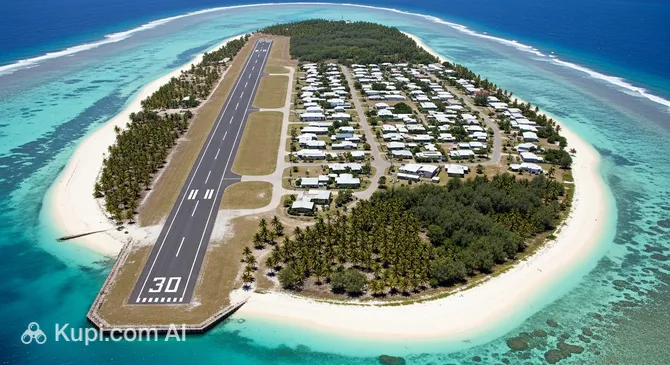
Sue Island. Source: Kupi.Binoculars

Geographically, the island is a small, sandy cay surrounded by extensive coral reefs and vibrant turquoise waters. Located in the state of Queensland, it enjoys a warm, tropical climate year-round, ideal for those who love the sun and sea. The community here is small and tight-knit, living in harmony with the surrounding ocean environment which plays a central role in daily life and sustenance.

The cultural heritage of the location is profound and deeply rooted in the traditions of the Torres Strait Islander people. Exploring the history of Sue Island reveals a narrative of resilience, maritime skill, and a spiritual connection to the land and sea. Visitors are often struck by the strong sense of community and the preservation of traditional customs that define the local atmosphere.

For tourists, the main allure lies in the island's pristine natural environment. The surrounding reefs offer exceptional opportunities for fishing and observing marine life, while the sandy shores are perfect for peaceful walks and relaxation. Whether you are looking to immerse yourself in a distinct culture or simply unwind in a remote paradise, Sue Island invites you to discover its tranquil charm.

Weather Overview

Sue Island experiences a consistent tropical climate, characterized by warm temperatures and varying humidity levels throughout the year. The thermometer remains remarkably stable, with average temperatures fluctuating only slightly between approximately 25°C in the cooler months and 28°C during the peak of summer. This makes the destination suitable for visits at almost any time, provided travelers are prepared for the specific seasonal moisture patterns.

Rainfall distribution defines the seasons here more than temperature does. The beginning of the year, particularly January through March, brings the highest frequency of precipitation, with January seeing up to 27 wet days. In contrast, the middle of the year offers a distinct change; August and September are typically the driest months, with significantly fewer rainy days. Expect warm, humid conditions with frequent showers early in the year, transitioning to pleasant, drier weather from late winter into spring.

Travelers should generally pack light, breathable clothing to stay comfortable in the persistent warmth. To help you plan your activities and pack with precision, we recommend checking the detailed report on the weather in Sue Island before your departure.

Interesting Facts

Beyond the main attractions, Sue Island holds many fascinating secrets that reveal the depth of its history and the resilience of its people. Uncover these lesser-known details that make this remote destination truly special.

  • A Historic Legal Victory: The island played a pivotal role in the recognition of indigenous land rights. The local community, known as the Warraber people, successfully claimed native title over their land and surrounding waters in a landmark determination, reinforcing their enduring connection to the region.

  • A Coral Masterpiece: Unlike the rocky continental islands found in the western Torres Strait, this destination is a true coral cay. It was formed over millennia by the accumulation of sand and coral debris on a reef platform, creating a low-lying landscape that is entirely distinct geologically from its neighbors.

  • The Name Debate: While officially mapped as Sue Island, the local residents almost exclusively refer to their home as Warraber. This traditional name connects the current generation to their ancestors and is a proud symbol of their enduring cultural identity despite colonial renaming.

  • Guardians of the Central Strait: The islanders are part of the Kulkulgal nation, traditionally known as the guardians of the central Torres Strait. They speak a specific dialect known as Kulkalgau Ya, which carries unique maritime terms and oral histories not found in other parts of the archipelago.

How to Get There

Reaching this remote destination in the Torres Strait requires a bit of planning, as it is an offshore coral cay. Most visitors fly into a regional hub on the mainland or a larger neighboring island before taking a charter flight or boat for the final leg. You can find comprehensive logistics and travel tips in our guide on how to get to Sue Island.

The city of Sue Island does not have a major commercial airport capable of handling standard domestic flights. The primary gateway for the region is Horn Island Airport (IATA: HID), located in the town of Horn Island, approximately 72 km away. This is the main transport hub for the Torres Strait, processing a significant number of passengers annually. From Horn Island, travelers typically connect to Sue Island via light aircraft charters or ferry services, as there are no roads connecting the two islands.

Another accessible option is the Northern Peninsula Airport (IATA: ABM) in Bamaga, situated about 91 km from Sue Island. While it serves as a key entry point for the Northern Peninsula Area of Queensland, onward travel to Warraber still requires arranging maritime or air transport. For those arriving from other parts of the state, Weipa Airport (IATA: WEI) in Weipa is a larger regional facility, though it is located significantly further away at a distance of roughly 290 km.

For clarity, here is a summary of the main airports:

Airport Name City Passenger Traffic Km from City
Horn Island Airport Horn Island Medium 71.9
Weipa Airport Weipa Medium 290.4
Daru Airport Daru Small 131.0
Northern Peninsula Airport Bamaga Small 91.4
Lockhart River Lockhart River Small 290.0

Sue Island is a small, isolated community surrounded by the ocean and does not have any railway infrastructure. There are no train stations on the island or in the immediate vicinity. Travelers should rely entirely on air and sea transport to reach this unique location.

Main Attractions

Warraber Reef and Marine Life

The most compelling reason to visit Sue Island is undoubtedly its spectacular marine environment. As a true coral cay, the island is encircled by extensive fringing reefs that teem with biodiversity. Snorkelers and divers can explore vibrant underwater ecosystems filled with colorful soft and hard corals, while the surrounding waters are home to an abundance of marine life, including sea turtles, dugongs, and schools of tropical fish. For fishing enthusiasts, these waters offer world-class opportunities to catch species such as coral trout and Spanish mackerel, often under the guidance of local experts who know the most sustainable and productive spots.

Pristine Sandy Beaches

The island itself is a picture-perfect example of a tropical paradise, defined by its sweeping stretches of white sandy beaches and crystal-clear turquoise lagoon. Unlike the rocky volcanic islands found elsewhere in the Torres Strait, Sue Island offers soft, sandy shores that are ideal for relaxation and beachcombing. At low tide, the receding waters reveal vast sand flats and rock pools, allowing visitors to walk out towards the reef edge and observe small marine creatures in their natural habitat. The calm, shallow waters of the lagoon are also perfect for swimming and wading, making it a serene escape from the modern world.

Cultural Heritage and Community

Beyond its natural beauty, the island offers a profound cultural experience through interaction with the local Warraber community. Visitors have the unique chance to learn about "Ailan Kastom" (Island Custom) and the deep spiritual connection the Kulkulgal people have with the sea and sky. The community is deeply religious, and the local church often serves as a central gathering point, particularly during significant events like the "Coming of the Light" festival in July. engaging with locals offers insights into traditional weaving, dance, and maritime history, providing a rich human dimension to your visit that goes far beyond the typical tourist experience.

Local Cuisine

The culinary landscape of Sue Island (Warraber) is an authentic reflection of the Torres Strait lifestyle, deeply connected to the ocean and the land. You will not find commercial restaurants, cafes, or fast-food chains here; instead, the food culture is centered around community, freshness, and traditional preparation methods passed down through generations. The diet is heavily reliant on the bounty of the surrounding coral reefs and locally grown produce.

Seafood is naturally the star of the local table. Visitors often have the opportunity to taste fresh crayfish (tropical rock lobster), coral trout, or Spanish mackerel, often caught just hours before being served. A signature dish of the region is Sop Sop, a hearty and flavorful meal made with diced root vegetables like yam, taro, sweet potato, and pumpkin, all simmered in rich, fresh coconut milk. Another common staple is damper, a dense bread that is often fried or baked and served alongside main meals.

For significant community events and celebrations, the locals utilize a traditional earth oven known as a Kup Murri. In this cooking method, meat, seafood, and vegetables are wrapped in banana leaves or foil and slow-cooked underground on hot stones. This process imparts a unique smoky flavor and ensures the food remains incredibly tender. If your visit coincides with a community feast, tasting food prepared in a Kup Murri is an unmissable cultural experience.

Regarding beverages, fresh coconut water is a widely available and refreshing drink, harvested directly from the island's palms. Tourists should be aware that Sue Island is subject to strict alcohol management plans to support community well-being. There are no public bars or bottle shops on the island. While visitors are usually permitted to bring limited quantities of beer or wine, spirits are typically prohibited, and regulations are strictly enforced.

Since there is no formal dining scene, tourists typically rely on self-catering or hospitality provided by their accommodation. The local IBIS store stocks essential groceries and supplies for those who need to cook. Dining here is often a communal affair, offering a genuine insight into the daily life of the Warraber people, where sharing a meal is a gesture of kinship and welcome.

Travel Tips

Preparing for a journey to Sue Island (Warraber) requires a different approach than packing for a standard holiday on the mainland. To help you navigate the unique logistics of this remote coral cay and ensure a respectful and enjoyable visit, we have compiled a list of essential practical advice.

  1. Clothing and Gear: Since the climate is tropical and humid, pack lightweight, breathable fabrics like cotton or linen. However, it is crucial to dress modestly out of respect for the local Christian community; avoid wearing swimwear away from the beach, and ensure your shoulders and knees are covered when in the village. Essential gear includes high-quality polarized sunglasses, a wide-brimmed hat, and sturdy reef shoes for exploring the tidal flats.

  2. Transportation: There is no need for car rentals or taxi apps here. Sue Island is a small coral cay, and the entire community is accessible on foot. Walking is the primary way to get around and allows you to truly appreciate the island's serene atmosphere. Access to the island itself is typically via charter flights or boats from Horn Island, so ensure all your transfers are booked well in advance.

  3. Finances: The local currency is the Australian Dollar (AUD). While there is a local store (IBIS) that generally accepts cards, telecommunication outages can occur, rendering electronic payments unavailable. It is highly recommended to bring sufficient cash in smaller denominations to cover your entire stay, as there are no banks or ATMs on the island.

  4. Health and Safety: Medical facilities are limited to a primary healthcare center, so bring a fully stocked personal first-aid kit and an ample supply of any prescription medications. Be mindful of the tropical sun and marine hazards; always wear strong sunscreen and seek local advice before swimming, as jellyfish (stingers) and other marine wildlife can be present in the waters.

  5. Communication: English is widely spoken and understood, though locals often converse in Torres Strait Creole (Yumplatok) or the traditional Kulkalgau Ya dialect. Mobile coverage can be spotty and is generally limited to the Telstra network; if you rely on other providers, you may not have a signal. Do not expect high-speed Wi-Fi, and consider downloading offline maps or reading material before arrival.

  6. Local Etiquette: The community is tight-knit and traditional. Always ask for permission before taking photographs of people, their homes, or cultural activities. A friendly wave or a "hello" to passersby is customary and polite. If you are invited to a local gathering, removing your shoes before entering a home is standard practice.

  7. What to Avoid: Strictly observe the Alcohol Management Plan regulations in place. Sue Island often has strict limits on the type and amount of alcohol you can carry (spirits are typically banned). Attempting to bring prohibited alcohol into the community is not only disrespectful but can lead to significant legal penalties and confiscation.

  8. Respect "Island Time": Life on Warraber moves at a gentle, unhurried pace known as "island time." Service may be slower than what you are used to in big cities, and schedules can be flexible. Embrace this relaxed rhythm, be patient, and take the opportunity to disconnect from the stress of modern life.

By keeping these tips in mind, you will be well-equipped to experience the genuine warmth and beauty of Sue Island without any hassles. Respecting the local customs and coming prepared for the remote nature of the destination will ensure your visit is both memorable and harmonious with the local way of life.

Entertainment & Nightlife

Travelers seeking vibrant nightlife, pulsating clubs, or late-night bars will find a very different experience on Sue Island (Warraber). As a traditional and remote community, the island does not have a commercial nightlife scene. There are no nightclubs, pubs, cocktail bars, or designated entertainment districts here. Instead, the evenings are defined by a profound tranquility, where the soundtrack is provided by the lapping waves and the rustling of palm trees rather than loud music.

The "nightlife" on Warraber revolves around nature and quiet relaxation. The almost total absence of light pollution makes this destination incredible for stargazing. On clear nights, the Milky Way stretches across the sky with breathtaking clarity, offering a spectacle that is rarely seen in more developed regions. For those interested in local customs, evenings are often spent with families or resting, as the lifestyle here is attuned to the tides and the sun.

Practical planning for the evening is essential because the island shuts down early. The local retail outlet, the IBIS Store, typically closes in the late afternoon (often around 5:00 PM or earlier on weekends), so any snacks or supplies needed for the night must be purchased well in advance. Visitors should remember that there are no venues to buy alcohol for immediate consumption, and public drinking is not part of the local culture due to strict alcohol management plans.

Safety at night is generally not a concern regarding crime, as the community is small and tight-knit. However, infrastructure is minimal, and street lighting may be sparse or non-existent in some areas. Walking is the only way to get around, so carrying a reliable torch or headlamp is highly recommended to navigate sandy paths and avoid tripping on tree roots or coconuts. There are no taxis or ride-share services on the island.

While the nights are for resting, daytime entertainment offers a chance to engage with the island's beauty. Visitors can spend their daylight hours exploring the exposed reef flats at low tide, swimming in the turquoise lagoon, or visiting the local church, which stands as a central pillar of the community's history and social life.

Parks & Museums

Sue Island, known traditionally as Warraber, is not a destination defined by manicured botanical gardens or grand national museums. Instead, the entire island serves as a pristine natural sanctuary and a living testament to Torres Strait Islander heritage. Visitors here will find that the "parks" are the untouched beaches and coral reefs, while the "museums" are the community spaces and churches where history is preserved through oral tradition and daily practice.

The Foreshore and Beaches

The primary green (and blue) space on Warraber is its stunning coastline. The island is rimmed by soft, white sandy beaches shaded by native Casuarina and coconut palm trees. These natural areas function as the community's main recreational park, offering a serene environment for walking, meditation, and observing the changing tides. The foreshore is kept immaculately clean by the locals, reflecting their deep respect for the land and sea.

Warraber Reef

While not a park in the terrestrial sense, the surrounding Warraber Reef is the island's most significant natural asset. It acts as a vast, underwater nature reserve teeming with biodiversity. At low tide, the receding water exposes large sections of the reef flat, allowing visitors to walk out and explore rock pools filled with starfish, crabs, and small fish. This dynamic environment offers an immersive nature experience that rivals any formal parkland.

The Local Church

In the absence of a formal history museum, the island's church stands as the most significant cultural and architectural landmark. Religion plays a central role in the lives of the Torres Strait Islanders, particularly following the "Coming of the Light" in the 19th century. The church is not just a place of worship but a repository of community history and a gathering place where the island's spiritual heritage is celebrated and preserved.

Community Arts and Culture

Culture on Sue Island is not kept behind glass cases; it is woven into the fabric of daily life. While there is no dedicated art gallery, the local community center or council office often displays local crafts, weaving, and artifacts. Visitors engaging with the locals may have the chance to see traditional weaving techniques or hear stories passed down through generations, offering a personal and authentic insight into the island's rich past and present.

For a truly unique experience, take a walk around the island perimeter at sunset. This simple activity offers an insider's view of island life, as families gather on their verandas and the cooling breeze brings the community outdoors, creating a peaceful atmosphere that captures the true essence of Warraber.

Getting Around

Navigating Sue Island (Warraber) is a unique experience because the city does not have a public transport system in the traditional sense. Due to the island's extremely compact size and remote nature, there are no buses, metros, trams, or trains. The infrastructure is minimal and designed to serve a small residential community, meaning visitors will not find the complex transit networks typical of larger urban centers.

Since there are no public transport services, there is no need to worry about purchasing tickets, travel cards, or understanding fare zones. No transport apps or payment systems are required for getting around the island itself. This absence of commercial transit means that movement here is completely free of charge, allowing travelers to explore without budgeting for local commuting costs.

The most practical and common way to get around is simply by walking. The entire community and its surroundings can be easily traversed on foot, often in less than an hour. Tourists are advised to wear comfortable walking shoes or sturdy sandals and to always carry a hat and water, as the tropical sun can be intense even during short strolls. Walking allows for a leisurely pace that perfectly matches the relaxed "island time" atmosphere.

Alternatives such as taxis, car-sharing services, or vehicle rentals are non-existent on the island. You will not find ride-hailing apps or taxi ranks here. While locals often use quad bikes or small utility vehicles for transporting goods, these are generally not available for rent by tourists. For travel beyond the shoreline, such as fishing trips or transfers to neighboring islands, private boat charters are the primary method of transport and must be arranged in advance.

Accommodation

Finding accommodation on Sue Island (Warraber) is a very different experience compared to booking a stay in a mainstream tourist destination. As a remote and traditional community in the Torres Strait, the island does not possess a commercial hospitality sector with large hotels, luxury resorts, or backpacker hostels. Options are extremely limited and are primarily designed to house visiting government officials, contractors, and essential service workers, though they are available to tourists subject to availability.

The main form of accommodation typically consists of council-operated guesthouses or self-contained units. These facilities are functional, clean, and provide basic amenities such as air conditioning, shared or private bathrooms, and communal kitchen areas. Travelers should expect a modest, "no-frills" standard of living that focuses on practicality rather than luxury. Because the island is small—approximately 0.8 square kilometers—location is rarely an issue; any accommodation will be within a short walking distance of the airstrip, the waterfront, and the local store.

Booking Tip: You cannot book accommodation here using standard online travel agencies or hotel aggregators. It is essential to organize your stay well in advance by directly contacting the local administrative office or the Torres Strait Island Regional Council (TSIRC). Arriving without a confirmed reservation is not recommended, as facility capacity is low and often fully utilized by visiting workers.

Regarding costs and payment, prices generally fall into a mid-range category, reflecting the higher costs of operating in a remote location rather than the level of luxury provided. Payment methods can be limited; while some arrangements might allow for invoicing or card payments, it is wise to confirm the accepted payment type when you make your booking. Due to the scarcity of rooms, flexibility with your travel dates can be an advantage when trying to secure a spot.

Nearby Cities

While Sue Island offers a secluded retreat in the Torres Strait, it is part of a wider network of communities across Northern Australia. The following locations act as vital regional hubs and gateways, often serving as transit points or complementary destinations for travelers exploring the diverse landscapes of Queensland and the Top End before or after their stay on the coral cay.

Thursday Island, locally known as Waiben, is the administrative and cultural heartbeat of the Torres Strait. Located approximately 78 km away, it is the closest major center and often features in travel itineraries as a key transit point. Visitors here can delve into the region's heritage at the Gab Titui Cultural Centre or explore the historic Green Hill Fort, gaining a deeper context of the area's history.

Weipa serves as a significant mainland gateway on the Cape York Peninsula. Although separated by about 290 km of ocean, it is a crucial hub for transport and industry in the region. Known for its bauxite mining and red cliffs, Weipa offers a rugged mainland experience and is a prime spot for fishing enthusiasts exploring the western coast of the peninsula.

City Population Distance (km)
Thursday Island 2938 78
Weipa 3899 290
Nhulunbuy 4031 695
Gove 3000 697
Port Douglas 3504 751

These destinations highlight the vastness of the region, ranging from the vibrant island culture of the immediate strait to the remote industrial and coastal towns of the Australian mainland.

Shopping & Souvenirs

Shopping in Sue Island (Warraber) is a strictly utilitarian affair rather than a leisure activity. Visitors should be aware that this is a remote, residential community with very limited commercial infrastructure. You will not find fashion boutiques, department stores, or extensive retail strips here. Instead, the shopping experience is centered around basic necessities and the unique opportunity to acquire authentic local handicrafts directly from the artisans, offering a connection to the culture rather than a typical consumer experience.

The retail hub of the community is the local IBIS Store (Islanders Board of Industry and Service). This general store serves as the island's supermarket, department store, and meeting place all in one. It stocks a range of groceries, fresh produce, frozen goods, and household essentials. For tourists, this is the place to buy snacks, drinks, sun protection, and basic toiletries. It is located centrally in the village and is easily accessible on foot from anywhere on the island.

There are no shopping malls, arcades, or large commercial complexes on Sue Island. Travelers accustomed to the vast retail centers of mainland Australia will find a stark contrast here. The retail landscape is designed solely to support the daily needs of the small local population, meaning luxury goods, electronics, and branded clothing are not available for purchase on the island.

Formal markets, such as flea markets or weekly farmers' markets, do not operate on a regular schedule. However, the community spirit often shines through in the form of occasional fundraising stalls or small pop-up events, usually organized by the local church or school. These small gatherings can be excellent places to buy homemade food, sweets, and sometimes small local crafts, providing a genuine taste of island hospitality.

For souvenirs, the true treasure of Sue Island lies in its arts and crafts. The Torres Strait is renowned for its distinct artistic traditions, including intricate weaving using coconut leaves or pandanus, shell jewelry, and lino-cut prints. While there is no dedicated souvenir shop, visitors can often purchase these items by inquiring at the local council office or art center if one is active. Buying directly from local artists supports the community and ensures you take home a piece of genuine cultural heritage.

Store opening hours are limited and strictly observed. The IBIS store generally operates from Monday to Friday, opening in the morning and closing in the late afternoon, often with a closure for lunch. Weekend hours are usually restricted to Saturday mornings, and the store is typically closed on Sundays. Payment is primarily made in Australian Dollars (AUD). While the store usually accepts credit and debit cards, telecommunication outages can occur, making electronic payments impossible. Therefore, carrying sufficient cash is highly recommended.

Regarding tax-free shopping, the Tourist Refund Scheme (TRS) available in Australia applies to goods purchased for export. However, due to the nature of the shops on Sue Island, it is unlikely you will make purchases that qualify for this scheme (which typically requires a minimum spend of $300 AUD in one store). Any tax refund claims for eligible goods purchased elsewhere in the country would need to be processed at the international airport upon your final departure from Australia.
Reached the end of the page?

That means the route is fully explored