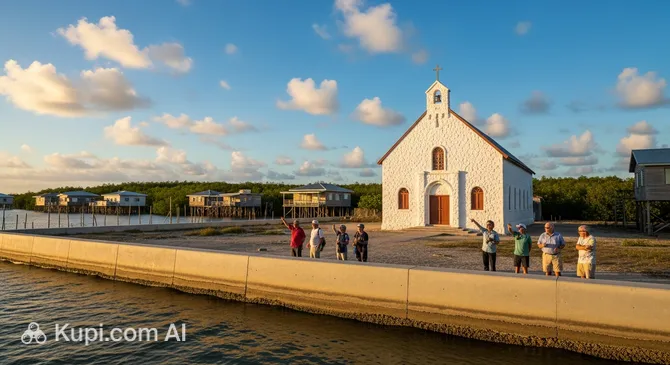
Shopping on Saibai Island is a strictly functional affair, reflecting the remote and self-sufficient nature of the community. Visitors will not find fashion boutiques, duty-free outlets, or sprawling commercial districts here. Instead, retail activity is limited to providing essential goods for the local residents. The experience is authentic to life in the Torres Strait, where the focus is on community needs rather than consumerism.
There are no designated shopping streets or districts on the island. The retail "hub" consists entirely of the local general store, known as the IBIS (Islanders Board of Industry and Service) store. Located in the main village area, this store serves as the lifeline for the community, stocking groceries, frozen foods, household items, and basic clothing. For tourists, this is the only place to purchase supplies, snacks, or toiletries during their stay.
Travelers looking for shopping malls or department stores will find none on Saibai Island. The infrastructure simply does not support large-scale retail. Those accustomed to the conveniences of mainland Australia should be aware that product variety is limited, and items that are considered standard elsewhere may not be available here. It is highly advisable to bring any specific personal requirements, such as specialized medications or technology accessories, with you from the mainland.
While there are no formal tourist markets, the island has a rich tradition of trade. The Saibai waterfront occasionally sees activity involving traditional trade with visitors from Papua New Guinea, who bring mats, carvings, and produce. However, this is largely a cultural and community exchange rather than a commercial market for tourists. Visitors should observe respectfully and ask for permission before attempting to participate or purchase items, as these exchanges are governed by local customs and the Torres Strait Treaty.
For those seeking souvenirs, the best option is to look for authentic local arts and crafts. Saibai Island is renowned for its skilled artisans, particularly in the fields of wood carving, lino printing, and weaving. While there is no dedicated souvenir shop, you may be able to purchase unique pieces directly from local artists or through the community art centre if it is open. Intricate island-style jewelry and woven baskets make for meaningful keepsakes that directly support the local economy.
Opening hours for the local store are generally limited compared to urban centers. The IBIS store typically operates from Monday to Friday with shorter hours on Saturdays, and it is often closed on Sundays and public holidays. Visitors should plan their purchases accordingly.
Regarding financial services, the local IBIS store is generally equipped with an ATM and accepts major credit and debit cards. However, visitors must be mindful that the island's remote location can lead to telecommunications instability and EFTPOS outages. While banking facilities exist, they are not always 100% reliable. Therefore, it is strongly recommended to carry sufficient cash (Australian Dollars) to cover your needs for the duration of your trip, ensuring you are not left without funds during a technical downtime.