Support

Merauke

About

Merauke holds a unique and symbolic place in the geography of the archipelago as the easternmost city in Indonesia. Often cited in the national phrase "from Sabang to Merauke," this city represents the eastern limit of the nation's vast territory. Located in the province of South Papua, it sits on a flat coastal plain near the mouth of the Maro River, bordering Papua New Guinea. The city offers a distinct atmosphere that blends the relaxed pace of a frontier town with significant cultural importance.

With a population of approximately 34,000 residents, the city feels spacious and welcoming. The climate is generally tropical, characterized by distinct wet and dry seasons that shape the surrounding landscape. Visitors interested in the past can explore the history of Merauke, which traces its roots back to its establishment as a military post during the Dutch colonial era in 1902. Today, it serves as a vital gateway for trade and tourism in the southern part of the island.
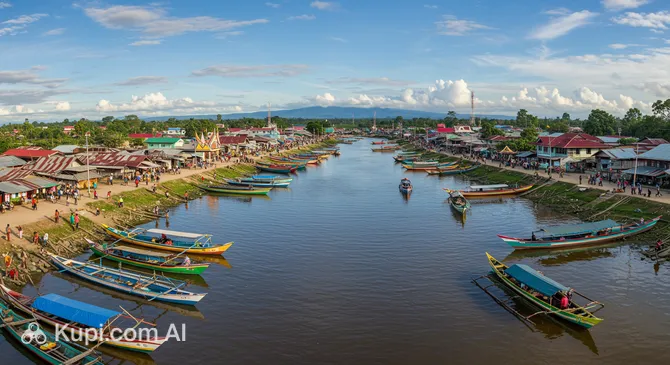
Merauke. Source: Kupi.Binoculars

Nature lovers will find plenty to admire here, particularly the famous Wasur National Park. This expansive wetland area is renowned for its rich biodiversity, including wallabies and various bird species. A truly unique feature of the region is the presence of towering termite mounds, known locally as Musamus, which can reach impressive heights and are a marvel of natural engineering. Additionally, Lampu Satu Beach offers a serene setting for watching the sunset over the Arafura Sea.

Whether you are drawn by the allure of standing at the eastern edge of the country or wish to explore its unique ecological wonders, Merauke provides a memorable travel experience. It is a destination that invites you to discover a different side of the region, far from the bustling crowds of the western islands.

Weather Overview

Merauke experiences a consistent tropical climate characterized by warm temperatures throughout the year. Daily averages generally hover between 26°C and 28°C, with daytime highs frequently reaching up to 30°C or 31°C, particularly in November. Because the heat remains steady, the main variation in the weather in Merauke comes from the rainfall patterns rather than drastic temperature shifts.

The year typically begins with a distinct wet season, especially from January to March, where travelers should expect frequent precipitation and up to 31 wet days in a single month. In contrast, the middle of the year brings a drier period; August is usually the driest month with significantly fewer wet days and slightly cooler average temperatures of around 26.2°C. Overall, visitors can expect warm, humid conditions year-round, with the heaviest rainfall concentrated in the first quarter of the year.

Interesting Facts

Beyond the main attractions, Merauke holds many fascinating secrets that reveal the rich cultural and natural tapestry of this eastern frontier. From linguistic legends to unique ecological nicknames, here are some intriguing details about the city.
  • The name "Merauke" is widely believed to be the result of a historical misunderstanding between Dutch settlers and the indigenous Marind people. Legend has it that when the settlers asked for the name of the place, the locals replied with "Maro-ke," meaning "that is the Maro River," which was then adopted as the city's official name.

  • This destination is frequently referred to as "Kota Rusa" or "Deer City" due to the abundance of Javan Rusa deer in the surrounding savannas. Originally introduced during the colonial period, these deer adapted perfectly to the flat grasslands and have since become a living symbol of the region.

  • While the phrase "from Sabang to Merauke" is famous throughout Indonesia, the actual "0 Kilometer" monument marking the eastern end of this span is located in the Sota District. This border post sits directly adjacent to Papua New Guinea and serves as a tangible landmark for the country's geographical limit.

  • The region is one of the few places in the world where you can find "Musamus," which are often mistaken for simple anthills but are actually sophisticated termite mounds. These structures are built with a mixture of soil and grass that hardens like cement, creating towering pillars that possess their own natural cooling systems.

How to Get There

Reaching the easternmost city of the archipelago is an adventure that primarily begins by air. As this region is quite remote, flying is the most practical and common method for travelers. For a detailed breakdown of all available transport options and routes, you can read more about how to get to Merauke.

The main gateway for visitors is Mopah Airport (IATA: MKQ). Conveniently located within Merauke itself, the airport is just 2.8 km from the city center. A taxi or car ride to the downtown area is very convenient, typically requiring only a short drive. As a key regional hub with significant annual traffic, it offers regular connections to other major cities in Indonesia.

Another airport in the wider vicinity is Kiunga (IATA: UNG), located in the city of Kiunga. However, it is situated approximately 280 km away. Due to the considerable distance and cross-border logistics, Mopah Airport remains the standard choice for tourists visiting the city directly.

For clarity, here is a summary of the main airports:

Airport Name City Passenger Traffic Km from City
Mopah Airport Merauke Medium 2.8
Kiunga Kiunga Small 279.8

Regarding rail transport, it is important to note that there are currently no railway services operating in Merauke or the surrounding South Papua province. Travelers rely on road transport, taxis, and rented vehicles to navigate the local area once they arrive.

Main Attractions

Wasur National Park is undoubtedly the crown jewel of natural tourism in the region. Often referred to as the "Serengeti of Papua," this vast expanse of wetlands and savanna offers a landscape that is strikingly different from the dense rainforests found elsewhere on the island. It is famous for its incredible biodiversity, including large populations of wallabies, cuscuses, and the magnificent bird of paradise. A defining feature of the park is the presence of Musamus, towering termite mounds that can grow several meters high, standing as natural sculptures across the open plains.

For a mix of modern history and iconic architecture, the Time Capsule Monument (Monumen Kapsul Waktu) is a must-visit landmark. The structure is visually striking, with a design that many visitors compare to the "Avengers" logo, making it a popular spot for photography. Opened in 2018, it serves as a symbolic vessel preserving the dreams and hopes of Indonesian children from every province, sealed inside to be opened in the year 2085. The monument's five entrances represent the five indigenous tribes of Merauke, guarding these aspirations for the future.

Those seeking a relaxing evening by the sea should head to Lampu Satu Beach. The name, which translates to "One Lamp," is derived from the solitary lighthouse that stands sentinel over the coast. It is a favorite local spot for witnessing breathtaking sunsets over the Arafura Sea. The beach is characterized by its gently sloping, muddy sands and the silhouette of fishing boats returning after a day at sea, creating a serene and picturesque atmosphere perfect for unwinding.

Another significant site is the Sota Border Post, located about an hour's drive from the city center. This area marks the direct border between Indonesia and Papua New Guinea and features the "0 Kilometer" monument, signifying the easternmost point of the country's territory. The park surrounding the border post is well-maintained and offers a unique opportunity to stand at the very edge of the nation, take photos with the landmark signage, and browse local stalls selling souvenirs and snacks.

Local Cuisine

The culinary landscape of Merauke is a fascinating reflection of its unique geography and cultural heritage. As the easternmost city in the archipelago, the local diet is heavily influenced by the abundant natural resources of the surrounding savannas and the Arafura Sea. The most iconic traditional dish you must try is Sagu Sep. A staple of the indigenous Marind tribe, this savory meal is made from sago flour mixed with shredded coconut and meat—often venison or beef. It is traditionally cooked using the "bakar batu" method, where the dough is covered with banana or eucalyptus leaves and baked over hot stones, resulting in a chewy texture and a distinct, smoky aroma.

Merauke is famously known as "Kota Rusa" or "Deer City," and this nickname extends to its dining tables. Venison is a common protein here, often more prevalent than beef in other regions. Culinary adventurers should not miss the opportunity to taste Sate Rusa (deer satay), where succulent skewers of meat are grilled to perfection and served with a rich peanut or soy sauce. For those looking to take a piece of the city's flavor home, Dendeng Rusa (deer jerky) is a popular souvenir. This sweet and savory dried meat is widely available in local shops and makes for a unique snack that captures the essence of the region's frontier spirit.

Beyond the savanna specialties, the coastal location ensures a steady supply of fresh seafood. Ikan Bakar (grilled fish) is a favorite evening meal, often enjoyed with Papeda, the thick, translucent sago porridge that serves as a staple carbohydrate across Papua. The blandness of the papeda is perfectly balanced by Ikan Kuah Kuning, a fish soup cooked in a vibrant, turmeric-based broth that is zesty and refreshing. This combination offers a lighter, comforting alternative to the richer meat dishes.

To quench your thirst in the tropical heat, Es Kelapa Muda (young coconut ice) is a ubiquitous and refreshing choice found on nearly every street corner. For a healthy local twist, you might encounter drinks made from Sarang Semut (ant nest plants), an herbal ingredient believed to have medicinal properties. On the spirited side, traditional locally fermented drinks like Sopi or Swansrai are part of the cultural fabric in the wider region, often consumed during social gatherings, though they are potent and best enjoyed with local guidance.

The food culture in Merauke is laid-back and communal. While there are standard restaurants, the heart of the culinary scene beats in the warungs (small food stalls) and night markets that come alive after sunset. One of the best ways to experience local life is to visit the bustling food vendors along Jalan Raya Mandala or near the iconic Libra monument. Here, locals and tourists alike gather to enjoy affordable plates of fried rice, grilled seafood, and deer satay in a friendly, open-air atmosphere.

Travel Tips

Visiting the easternmost city in the archipelago is a rewarding adventure, but its remote location and unique environment require a bit of preparation. To help you navigate Merauke with ease and make the most of your journey to the "City of Deer," here are some essential practical tips.

  1. Clothing and Gear: Given the tropical climate and the open savanna landscape, lightweight and breathable fabrics like cotton or linen are your best friends. A wide-brimmed hat and high-SPF sunscreen are mandatory to protect against the intense sun. Since you will likely visit Wasur National Park, bring sturdy walking shoes and, most importantly, strong insect repellent to protect against mosquitoes in the wetlands.

  2. Transportation: Public transport options like angkot (minivans) exist but can be confusing for visitors. The most convenient way to explore the city and reach distant attractions like the Sota border or Lampu Satu Beach is to rent a car or a motorbike. For shorter distances within the town, ojek (motorcycle taxis) are readily available and affordable; just agree on the price before hopping on.

  3. Finances: The local currency is the Indonesian Rupiah (IDR). While credit cards may be accepted at major hotels and larger supermarkets in the city center, cash is king everywhere else. Ensure you withdraw enough money from ATMs in the downtown area before heading to outskirts or traditional markets, as banking facilities become scarce in remote districts.

  4. Health and Safety: Merauke is located in a region where malaria can be a concern, so taking prophylactic measures and sleeping under mosquito nets is highly advisable. Pharmacies (Apotek) are available in the city center for basic supplies. Always stick to bottled or boiled water for drinking to avoid stomach issues, and stay hydrated throughout the day.

  5. Communication: While hotel staff may speak English, it is not widely spoken by the general public or local traders. Learning a few basic phrases in Bahasa Indonesia, such as "Terima kasih" (Thank you) or "Berapa harganya?" (How much is this?), will go a long way. For mobile data, Telkomsel typically offers the most reliable signal coverage in this part of Indonesia.

  6. Local Etiquette: People in Merauke are generally friendly and welcoming. It is polite to smile and nod when making eye contact. Always use your right hand for giving or receiving items, eating, and shaking hands, as the left hand is considered unclean in local culture. When entering a local home or certain traditional venues, remember to remove your footwear.

  7. What to Avoid: Do not touch or damage the Musamus (termite mounds). These are natural treasures and protected features of the landscape. Additionally, avoid raising your voice or showing outward aggression in public, as this causes a "loss of face" and is considered very rude in Indonesian culture.

  8. Border Crossing Tip: If you plan to visit the Sota Border Post to see the 0 Kilometer monument, try to arrive earlier in the day. The border area typically closes to tourists in the late afternoon (around 4:00 PM or 5:00 PM), and arriving early ensures you have ample time to take photos and browse the local souvenir stalls without being rushed.

By keeping these practicalities in mind, you can focus on the incredible natural beauty and cultural significance of this frontier city. A little preparation ensures your trip to the edge of the country is as smooth as it is memorable.

Entertainment & Nightlife

Entertainment in Merauke reflects the city's character as a laid-back frontier town rather than a bustling metropolis with a high-energy party scene. The nightlife here is generally subdued and centers on socializing, dining, and singing—a favorite Indonesian pastime. Instead of large nightclubs or raucous discos, you will find that the evening entertainment revolves around cozy hotel lounges, family karaoke venues, and vibrant night culinary centers where locals gather to unwind after sunset.

The heart of the city's evening activity is undoubtedly Jalan Raya Mandala. This main thoroughfare comes alive at night, lined with bright lights, food stalls, and small cafes. Another key hub is the area surrounding the Lingkaran Brawijaya, often referred to simply as "Libra." This landmark serves as a popular meeting point where the atmosphere is casual and friendly. Young people and families alike flock here to enjoy the cool evening breeze, sample local snacks, and occasionally enjoy live music performances from street artists or local bands.

For those seeking a comfortable place to enjoy a drink and perhaps some live entertainment, hotel lounges are the most reliable options. The Swiss-Belhotel Merauke offers a relaxed lounge setting that is perfect for travelers looking for a quiet evening with a cocktail or cold beer in a sophisticated environment. Similarly, the Halogen Hotel is known among locals and visitors for its entertainment facilities, which often include a karaoke lounge or a bar area where you can experience the local social scene in comfort.

Karaoke is the dominant form of nightlife entertainment across the region. You will find several "Karaoke Keluarga" (family karaoke) establishments scattered around the city center. These venues are wholesome, air-conditioned, and safe, offering private rooms where groups can sing their hearts out and order food and drinks. The dress code in Merauke is generally casual and modest; shorts and t-shirts are acceptable, but smart-casual attire is recommended if you are visiting hotel lounges.

Regarding safety, Merauke is considered safe for night outings, especially in well-lit areas like Jalan Raya Mandala and the Libra district. However, the streets can become quiet relatively early, often winding down by 10:00 PM or 11:00 PM, although weekends may see activity stretch a bit later. Public transportation becomes scarce late at night. It is highly advisable to arrange a taxi or a car through your hotel reception or negotiate a return trip with an ojek (motorcycle taxi) driver beforehand to ensure a smooth ride back to your accommodation.

During the daylight hours, entertainment is more focused on leisure and sightseeing. The grounds of the Time Capsule Monument (Monumen Kapsul Waktu) function as a public park where residents jog, cycle, and relax. For a dose of culture, visitors can explore local museums or smaller galleries that showcase the art and history of the Asmat and Marind tribes, offering a quieter but equally engaging way to spend your time in the city.

Parks & Museums

While the expansive Wasur National Park and the futuristic Time Capsule Monument are the region's most famous outdoor landmarks, the city offers several other green spaces and historical sites that provide a deeper look into local life. Beyond the well-trodden paths, visitors can discover coastal retreats and monuments that narrate the specific history of this eastern frontier.

For a quieter coastal experience, Payum Beach serves as a serene alternative to the more popular seaside spots. Located near the Universitas Musamus, this beach is defined by its raw, natural beauty and wide stretches of brownish-grey sand typical of the southern Papuan coast. It is less commercialized, offering a peaceful atmosphere where you can observe local fishermen tending to their nets or simply enjoy the sea breeze away from the city crowds.

In the heart of the town, the Lingkaran Brawijaya, commonly referred to as Libra, acts as a central gathering point and an open-air plaza. Anchored by a prominent globe monument, this area functions as a communal hub where residents congregate in the afternoons and evenings. It offers a glimpse into the city's urban pulse, providing a paved space for leisure and social interaction surrounded by the town's daily activity.

History enthusiasts should visit the Pepera Monument (Tugu Pepera), a significant structure commemorating the 1969 Act of Free Choice. This landmark stands as a historical marker of the region's integration into the national territory of Indonesia. The monument is appreciated for its architectural simplicity and its role as a tangible record of the political events that shaped the modern borders of the nation.

To understand the rich cultural heritage of the indigenous tribes, a visit to the Merauke Regional Museum (Museum Daerah) is highly recommended. This repository houses a collection of artifacts, traditional tools, and artistic expressions from the Marind Anim and Asmat people. It serves as an educational space where tourists can learn about the intricate woodcarvings, social structures, and ancestral traditions that define the unique identity of South Papua.

Getting Around

Navigating Merauke is a straightforward experience, as the city's transport system is relatively simple and entirely road-based. Unlike the bustling metropolises in the western part of the archipelago, there are no metro systems, trams, or trains here. The terrain is exceptionally flat, which influences how locals move around. For visitors, the options primarily consist of public minivans, motorcycle taxis, and vehicle rentals, which are often the most practical choice for reaching attractions located outside the immediate city center.

The main form of public transportation is the Mikrolet or Angkot (public minivan). These vehicles follow specific routes through the city and to surrounding districts. They are typically color-coded or marked with letters to indicate their destination. While they are an affordable way to travel, the route system can be confusing for newcomers, as there are no official maps or fixed schedules. You simply hail one from the side of the road and tell the driver your destination. If the van is heading that way, you hop in.

For a faster and more direct option, Ojek (motorcycle taxis) are the kings of the road. You will find them waiting at street corners, markets, and near hotels. Since they can weave through traffic and navigate smaller lanes easily, they are often the quickest way to get from point A to point B. It is standard practice to negotiate the fare before you get on the bike, as most traditional drivers do not use meters. Ensure you agree on a price to avoid any misunderstandings upon arrival.

Regarding payment, cash is the absolute rule for public transport in the city. Electronic travel cards, contactless payments, and ticketing apps used in capital cities are not available here. You must carry small denominations of the local currency to pay the driver directly at the end of your journey. Fares for Angkots are generally fixed and very cheap, while Ojek fares vary based on distance and your bargaining skills.

Ride-hailing apps have started to make an appearance, offering a more familiar digital alternative for ordering cars or motorbikes. However, availability can be inconsistent compared to larger tourist hubs, and the service area may be limited to the downtown core. It is always a good idea to have a backup plan, such as a phone number for a local taxi service or a reliable driver recommended by your hotel accommodation.

For tourists planning to explore major sights like the national park or the border monument, renting a vehicle is highly recommended. You can rent a motorbike for daily use if you are comfortable riding, or hire a car with a driver for a more relaxed experience. A car with a local driver is particularly valuable as they know the road conditions and can act as an informal guide. Bicycle rentals are less common but can be a pleasant way to explore the flat city center in the early morning or late afternoon when the sun is less intense.

Operating hours for public transport are generally limited to the daylight hours and early evening. Angkots tend to stop running after sunset or early in the night. If you plan to be out late enjoying the local culinary scene, be sure to arrange your return transport in advance, as finding a ride on the street can become difficult after 9:00 PM or 10:00 PM.

Accommodation

Accommodation in Merauke is generally functional and geared towards business travelers and government officials, reflecting its status as a regional administrative hub. Visitors will primarily find a selection of budget guesthouses and mid-range hotels. While the city does not feature ultra-luxury resorts or sprawling international 5-star chains, the available options are clean, comfortable, and known for their warm hospitality.

For the most convenient stay, travelers should look for hotels located along or near Jalan Raya Mandala. This is the city's main thoroughfare and the center of activity, providing easy access to restaurants, supermarkets, and local transport options like ojeks. Staying in this central area ensures that you are never far from the culinary night markets or key landmarks like the Libra monument, making it easier to explore the town without needing long commutes.

In terms of specific properties, the city boasts a few establishments that offer modern amenities and higher standards of comfort. The Swiss-Belhotel Merauke is widely considered the premier accommodation in town, offering facilities such as a swimming pool, a fitness center, and an on-site restaurant. Another well-regarded option is the Halogen Hotel, which is favored for its strategic location and modern rooms, making it a reliable choice for both leisure and business visitors.

Prices in Merauke are generally affordable compared to major tourist destinations in Indonesia. Budget rooms can be found for very reasonable rates, while the top-tier hotels fall into a moderate price bracket. While the larger hotels can be easily booked via major online travel platforms, many smaller guesthouses (known locally as penginapan) may still rely on direct telephone bookings or walk-ins. A helpful tip is to book your accommodation in advance if you are visiting during national holidays or when large government events are taking place, as the best rooms can fill up quickly during these peak times.

Nearby Cities

For those looking to explore the surroundings, Merauke serves as an excellent base for day trips to several interesting nearby locations:
City Population Distance (km)
Jayapura 413283 645
Saumlaki 149790 1005
Biak 103610 960
Nabire 99848 785
Tual 82955 903

Given the vast geography of the region, most "nearby" major cities are best reached by a short flight rather than a road trip, transforming them into excellent destinations for overnight stays or short visits. One of the most prominent connections is Jayapura, the provincial capital located to the north. Unlike the flat wetlands of Merauke, Jayapura is defined by its rolling hills and the stunning Lake Sentani. It offers travelers a chance to experience a bustling urban environment set against the backdrop of the Cyclops Mountains and to explore the unique lake-dwelling cultures of the area.

Another intriguing option for a regional excursion is Biak. Situated on an island in Cenderawasih Bay, this city is a haven for history buffs and ocean lovers alike. It is famous for its World War II relics, such as the Japanese Cave, as well as its pristine coral reefs which are perfect for diving and snorkeling. The island vibe provides a relaxing contrast to the mainland, with beautiful beaches and fresh seafood readily available.

For those interested in marine wonders, Nabire serves as the gateway to the Teluk Cenderawasih National Park. This destination is globally renowned for offering the rare opportunity to swim with whale sharks in their natural habitat. While it requires travel planning, the chance to interact with these gentle giants and explore the rich marine biodiversity makes it a highly rewarding stop for nature enthusiasts visiting the eastern part of the archipelago.

These nearby destinations offer a glimpse into the diverse culture and landscapes of the region.

Shopping & Souvenirs

Shopping in Merauke offers a distinct experience that reflects its position as a frontier city. Unlike the glitzy shopping hubs in western Indonesia, the retail scene here is grounded, practical, and deeply connected to local resources. Visitors will not find sprawling luxury malls or international designer boutiques. Instead, the city provides a mix of traditional markets, modern supermarkets, and small specialty shops where you can discover unique goods that are difficult to find anywhere else in the archipelago.

The primary artery for commerce is Jalan Raya Mandala. This long, bustling street serves as the city's commercial spine, lined with a variety of shophouses, electronic stores, clothing boutiques, and pharmacies. A stroll down this road offers a glimpse into the daily life of the residents, with vendors selling everything from household necessities to local snacks. It is the best place to find general supplies or simply to window shop in the evening when the temperature cools down.

While Merauke does not have large-scale shopping malls, it does feature modern retail centers that cater to the needs of locals and tourists. Saga Supermarket and Department Store is one of the most prominent retail establishments in the region. Here, you can find a wide range of groceries, toiletries, and clothing in air-conditioned comfort. It serves as a one-stop shop for travelers looking to restock on supplies or purchase standard goods at fixed prices.

To experience the authentic pulse of the local economy, a visit to Pasar Wamanggu is essential. As the main traditional market in the city, it is a hive of activity where farmers and fishermen sell their fresh produce. Walking through the aisles, you will encounter piles of sago, fresh seafood from the Arafura Sea, and locally grown vegetables. It is a colorful and aromatic place that offers great photo opportunities and a chance to interact with friendly local traders.

When it comes to souvenirs, Merauke is famous for several unique local products. The region is a major producer of Minyak Kayu Putih (cajuput or eucalyptus oil). The oil produced here is renowned for its high quality and heat, making it a popular remedy for aches and colds. Another distinct item is Batik Papua, which features vibrant colors and motifs representing local culture, such as the Bird of Paradise (Cendrawasih) and traditional Tifa drums. Additionally, Sarang Semut (ant nest plant) is often sold as a traditional herbal medicine believed to have various health benefits.

Most shops in the city operate from around 9:00 AM to 9:00 PM, though traditional markets like Pasar Wamanggu start much earlier, often at sunrise, and wind down by the afternoon. Cash is the primary method of payment throughout the city. While larger establishments like Saga or major hotels may accept credit cards, small shops, market vendors, and souvenir stalls deal exclusively in Indonesian Rupiah. It is highly recommended to carry sufficient cash, particularly in smaller denominations, for your shopping excursions.

Regarding tax refunds, the tax-free shopping schemes found in major international tourist hubs like Jakarta or Bali are generally not available in Merauke. Tourists should expect to pay the listed price, which usually includes any applicable taxes, without the option for a refund at the airport.

Reached the end of the page?

That means the route is fully explored