Support

Yam Island

About

Welcome to Yam Island, also known by its traditional name Iama, a captivating destination nestled in the turquoise waters of the Torres Strait. Known as the "Turtle-backed Island" due to its distinctive steep central hill, this location offers a rare glimpse into a vibrant indigenous culture and a serene, off-the-beaten-path atmosphere. As a unique part of Australia, Yam Island provides travelers with an authentic experience far removed from the bustling mainland tourist trails.

Geographically, the island is situated approximately 100 kilometers northeast of Thursday Island in Queensland. It is characterized by its lush tropical vegetation, pristine sandy beaches, and surrounding coral reefs that teem with marine life. The climate here is tropical, ensuring warm weather year-round, which perfectly complements the island's relaxed pace of life. The local community is small and tight-knit, living in harmony with the sea and preserving traditions that have been passed down for generations.

The island holds deep spiritual significance and a rich heritage. Legends tell of ancient heroes and voyages that shaped the region's identity. Visitors interested in the past can delve deeper into the history of Yam Island to learn about its pearling era, missionary influences, and the enduring legacy of its people.
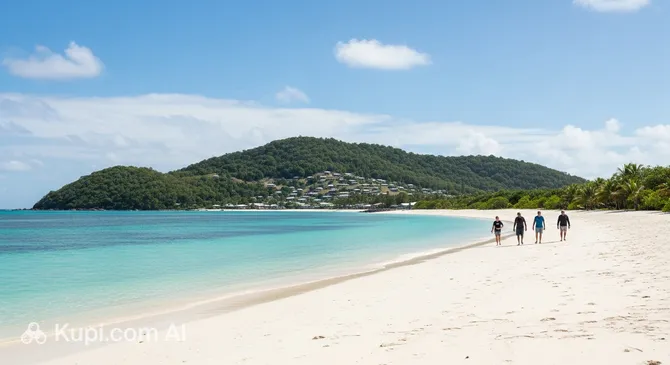
Yam Island. Source: Kupi.Binoculars

For those lucky enough to visit, the island offers simple yet profound pleasures. The surrounding waters are a paradise for fishing enthusiasts and those who enjoy snorkeling in crystal-clear lagoons. The coral gardens are vibrant and largely untouched, offering a spectacular underwater show. On land, the friendly atmosphere allows for cultural exchange, where you might learn about traditional weaving, dance, or the significance of the sea turtle in local lore.

If you are seeking a destination that combines natural beauty with deep cultural roots, Yam Island awaits. It is a place to disconnect from the modern world, breathe in the fresh sea air, and experience the genuine hospitality of the Torres Strait. We invite you to explore this hidden gem and discover the magic of Iama for yourself.

Weather Overview

The weather in Yam Island is distinctively tropical, characterized by warm and consistent temperatures throughout the year. Visitors can expect a pleasant atmosphere that is generally suitable for outdoor activities, with average temperatures hovering between 25.0°C and 28.0°C. The warmest period typically occurs around December and January, where daily highs can reach nearly 29°C, while the months of June through August offer slightly cooler, yet still comfortable, conditions.

Rainfall patterns vary significantly across the seasons. The beginning of the year, particularly from January to March, experiences a high frequency of precipitation with up to 29 wet days a month, making it the dampest time to visit. In contrast, the period from August to September is much drier, with significantly fewer rainy days. Understanding these seasonal shifts allows travelers to plan their packing and itinerary effectively to fully enjoy the island's natural beauty.

Interesting Facts

Beyond the pristine beaches and turquoise waters, Yam Island protects a wealth of cultural history and local legends that often go unnoticed by the casual visitor. This remote outpost of Australia is not just a scenic retreat but a place deeply rooted in ancient narratives and maritime traditions.

  • The Legend of Sigai and Maiau: Iama is traditionally celebrated as the home of the warrior heroes Sigai and Maiau. In pre-colonial times, these powerful figures were central to the spiritual life of the Central Islands, and their legacy remains a significant source of cultural identity and pride for the Iamagal people today.

  • A Multicultural Heritage: The island has a unique demographic history shaped by the pearling boom of the 19th century. During this era, divers from the South Sea Islands, particularly from Rotuma, settled on Yam Island and intermarried with the local population, creating a distinct cultural blend that sets it apart from other communities in the region.

  • An Ancient Trading Hub: Long before modern shipping lanes were established, Yam Island served as a vital crossroads in the Torres Strait. Its central location made it a strategic stopover for indigenous traders exchanging goods, such as canoe hulls and ochre, between the Australian mainland and the coast of Papua New Guinea.

  • The Prophecy of the Wongai: A popular local belief involves the native Wongai tree, which grows on the island. According to legend, anyone who eats the fruit of the Wongai tree is destined to return to the island, symbolizing the enduring connection visitors often feel to this enchanting place.

How to Get There

Reaching this remote paradise in the Torres Strait is an adventure in itself, offering a journey through some of Australia's most spectacular marine landscapes. Since the destination is an island, there are no direct road links to the mainland. Visitors typically fly into a regional hub and then catch a connecting local flight or ferry. For a complete guide on planning your trip, you can read more about how to get to Yam Island.

The primary gateway for travelers heading to this region is Horn Island Airport (HID). Located in the city of Horn Island, approximately 92 km from Yam Island, it serves as the main logistical hub for the Torres Strait. While the city of Yam Island does not have a major international airport of its own, Horn Island receives regular flights from Cairns and other Australian cities. From there, you will need to arrange a transfer via light aircraft or boat to reach your final destination. Although the distance would theoretically take about 2 hours and 40 minutes to cover by car, the water crossing makes this a unique travel experience.

Another option in the wider region is the Northern Peninsula Airport (ABM) in Bamaga, situated roughly 121 km away on the mainland's tip. While less common for direct access to Yam Island compared to Horn Island, it remains a significant transport node for the area. Additionally, Daru Airport (DAU) is located about 102 km away in neighboring Papua New Guinea, though it is generally not used for domestic Australian travel to the island.

For clarity, here is a summary of the main airports in the vicinity:

Airport Name City Passenger Traffic Km from City
Horn Island Airport Horn Island Medium 92.4
Daru Airport Daru Medium 102.0
Northern Peninsula Airport Bamaga Small 121.0

Main Attractions

When visiting Yam Island, the experience is less about ticking off famous landmarks and more about immersing yourself in the pristine natural environment and the daily rhythm of island life. The attractions here are woven into the landscape and the culture, offering a tranquil escape for those seeking authenticity in the Torres Strait.

One of the primary draws is the surrounding marine environment. The island is encircled by fringing reefs that are teeming with colorful marine life. For visitors, this means exceptional opportunities for snorkeling and diving in crystal-clear waters. The coral gardens are largely undisturbed, allowing you to observe sea turtles, dugongs, and a myriad of tropical fish in their natural habitat.

Fishing is another highlight that attracts enthusiasts to this remote part of Queensland. The waters of the region are legendary among anglers for their abundance and variety. Whether you are casting a line from the shore or heading out on a boat, the chance to catch coral trout, Spanish mackerel, or trevally makes it a thrilling destination for sport fishing.

For those interested in culture, the local community and arts serve as a living attraction. The people of Iama are known for their deep connection to the sea and their heritage. While there may not be large museums, the opportunity to witness traditional craftsmanship, such as weaving or carving, and to hear the local legends firsthand provides a cultural richness that is rare to find.

Finally, the island's topography itself is a sight to behold. Known as the "Turtle-backed Island," its steep central hill offers a vantage point for breathtaking panoramic views of the turquoise ocean and neighboring islands. Hiking to these elevated spots provides a perfect setting for photography and quiet reflection.

Local Cuisine

The culinary landscape of Yam Island is a reflection of its island setting and rich cultural heritage, offering a distinct taste of the Torres Strait. The food here is defined by the "sea-to-plate" philosophy, where freshness is paramount. While you won't find fine dining establishments, the local cuisine provides a deeply authentic experience, blending traditional Melanesian flavors with ingredients that are native to the region or grown in local gardens.

Seafood is, unsurprisingly, the staple of the local diet. One of the most prized delicacies you might encounter is the Painted Crayfish (ornate rock lobster), often grilled simply over coals or steamed to preserve its sweet, firm flesh. Another signature dish to look out for is Sop Sop. This hearty and comforting meal consists of chopped root vegetables like yam, sweet potato, and pumpkin, which are simmered in fresh coconut milk until tender. It is a beloved comfort food that perfectly encapsulates the tropical flavors of the island.

For a taste of daily life, try the local fry scones or damper. These are often eaten at breakfast or as a side to savory dishes. On special occasions or during community celebrations, visitors might be lucky enough to experience a Kup Murri. In this traditional cooking method, food such as pork, fish, and vegetables is wrapped in banana leaves and slow-cooked in an underground earth oven, resulting in smoky, succulent flavors that are impossible to replicate in a modern kitchen.

When it comes to drinks, nature provides the best refreshment. Fresh coconut water is abundant and widely enjoyed, offering a hydrating escape from the tropical heat. As for alcoholic beverages, the selection is typically limited to standard Australian beers and spirits, which are usually enjoyed casually during social gatherings. It is important to note that alcohol regulations can apply in Torres Strait communities, so it is always best to check local guidelines upon arrival.

Dining on Yam Island is a communal and informal affair rather than a commercial one. There are no bustling restaurant strips or cafes; instead, food is often sourced from the local general store or provided at guest accommodations. For tourists, the "food scene" is about hospitality—sharing a meal prepared by locals, enjoying a barbecue by the beach, or sampling fresh fruit sold at small stalls. This intimate approach allows visitors to connect with the community and appreciate the genuine warmth of Iama hospitality.

Travel Tips

Visiting Yam Island (Iama) is a unique adventure that rewards the prepared traveler with genuine connections and untouched natural beauty. To help you navigate this remote community in the Torres Strait with ease and respect, we have compiled a list of essential practicalities.

  1. Clothing and Gear: Given the tropical climate, pack lightweight, breathable fabrics like cotton or linen to stay cool in the humidity. A wide-brimmed hat, high-quality sunglasses, and strong sunscreen are non-negotiable for protection against the intense sun. Since the community is somewhat conservative, it is respectful to wear modest clothing (covering shoulders and knees) when walking around the village. Also, bring sturdy reef shoes if you plan to explore the tidal flats.

  2. Transportation: There is no public transport, metro, or ride-hailing service on the island. The community is small and compact, making walking the best and most common way to get around. The terrain is relatively flat, so exploring on foot is comfortable. If you need to transport heavy luggage from the airstrip or jetty, arrangements usually need to be made in advance with your accommodation host or the local council office.

  3. Finances: The local currency is the Australian Dollar (AUD). While there may be a general store with EFTPOS facilities, systems can be unreliable due to remote connectivity issues. There are typically no banks or ATMs on the island itself. It is crucial to withdraw sufficient cash before you leave Thursday Island or the mainland to cover small purchases, donations, or local crafts.

  4. Health and Safety: Medical facilities are limited to a local Primary Health Care Centre, which handles basic needs and emergencies; for serious conditions, evacuation to Thursday Island is required. Bring a personal medical kit with essentials, including seasickness tablets and strong insect repellent to protect against mosquitoes and sandflies. Be "Crocwise" and always ask locals where it is safe to swim, as saltwater crocodiles and marine stingers inhabit these waters.

  5. Communication: English is widely spoken, though you will often hear Torres Strait Creole (Yumplatok) or the traditional Kalaw Lagaw Ya language among locals. For mobile coverage, the Telstra network is generally the only provider with reliable service in this region; if you use another carrier, your phone will likely not work. Wi-Fi is rarely available publicly, so be prepared for a digital detox.

  6. Local Etiquette: The culture here is built on respect. Always ask for permission before taking photographs of people, their homes, or cultural activities. It is polite to greet people you pass on the street with a smile or a simple "hello." If you visit the local cemetery or sacred sites, behave with the utmost reverence, and do not walk over marked areas without guidance.

  7. What to Avoid: Do not bring large quantities of alcohol or consume it in public spaces without checking the rules. Many communities in the Torres Strait have strict Alcohol Management Plans that restrict the type and amount of alcohol allowed, and some areas are completely dry. Violating these rules is considered highly disrespectful and can lead to legal issues.

  8. Plan Ahead: Before booking your trip, contact the local Torres Strait Island Regional Council (TSIRC) office. As Iama is a distinct indigenous community, visitors may sometimes require prior approval or a permit to visit, especially if staying overnight. Confirming your accommodation and transfer details well in advance is essential, as tourism infrastructure is limited.

By keeping these tips in mind, you ensure that your visit is smooth, safe, and culturally respectful. The people of Yam Island are known for their hospitality, and arriving with the right preparation allows you to focus entirely on the incredible landscapes and rich heritage of this special place.

Entertainment & Nightlife

Travelers seeking the neon lights of nightclubs, bustling bar districts, or 24-hour party zones will find Yam Island (Iama) to be a world apart. Nightlife here is defined not by loud music and crowds, but by the profound silence of the Torres Strait and the brilliance of the southern stars. The island does not have a commercial nightlife scene; there are no pubs, dance clubs, or late-night entertainment precincts. Instead, the evenings are a time for tranquility, reflection, and connecting with the natural rhythm of island life.

The atmosphere after dark is incredibly peaceful and community-focused. Socializing typically takes place in private homes or during organized community events rather than in public venues. For visitors, the "nightlife" often consists of sitting on a veranda enjoying the cool sea breeze, listening to the sound of the waves, or engaging in quiet conversation with hosts. The dress code is always casual and modest, reflecting the relaxed and respectful nature of the local culture. Without the light pollution found in cities, stargazing is a spectacular activity; the Milky Way often appears with clarity rarely seen elsewhere.

It is important to be aware of the local regulations regarding alcohol. Yam Island, like many communities in the region, is subject to an Alcohol Management Plan. These rules strictly limit the quantity and type of alcohol that can be brought onto the island, and there are no bottle shops or public bars selling drinks to tourists. Visitors should respect these laws, which are in place to support community well-being. If you wish to enjoy a drink, it is usually done privately and in moderation within your accommodation, provided you have adhered to the carriage limits upon arrival.

Safety at night is primarily about being aware of the environment. The community itself is tight-knit and generally safe for walking, but street lighting can be minimal, so carrying a torch or using your phone light is practical advice. However, extreme caution is needed near the water's edge. Saltwater crocodiles are nocturnal hunters and are active in the region; never walk on the beach or stand near the water at night. It is best to stick to the main roads within the village area.

While the nights are quiet, daytime entertainment offers a chance to engage with the island's culture. Visitors can spend their days exploring the local landscapes or hoping to see local artists at work, as the region is known for its distinct artistic traditions including linocut printing and weaving. Although there are no large museums or amusement parks, the entire island serves as a living cultural exhibit, where the history and legends of the Iamagal people are etched into the land and sea.

Parks & Museums

Unlike bustling mainland cities, Yam Island (Iama) does not feature manicured botanical gardens or sprawling museum complexes. Instead, the entire island serves as a living gallery and a natural sanctuary. The "parks" here are the rugged hills and pristine beaches, while the "museums" are the community spaces where ancient stories are kept alive through art and oral tradition. Visitors come here to experience heritage and nature in their most authentic, uncurated forms.

The most significant natural feature acts as the island's premier green space: the steep, central hill that gives Yam Island its nickname, the "Turtle-backed Island." While not a formal park with paved paths, this area offers adventurous travelers the chance to hike through lush tropical vegetation and rocky terrain. Reaching the higher elevations provides a rewarding panoramic view of the turquoise Torres Strait and the neighboring islets, making it a perfect spot for nature observation and photography.

Down by the water, the foreshore and beaches function as the community's main recreational area. These sandy stretches are fringed by coconut palms and native coastal flora, offering a serene environment for walking and relaxation. The beaches are more than just scenic spots; they are the gateway to the surrounding coral reefs, which are effectively a submerged national park teeming with marine life. Here, the natural beauty is wild and untouched, offering a stark contrast to the landscaped parks found elsewhere.

In terms of cultural institutions, the Iama Art Centre (often part of the local community hub) represents the artistic soul of the island. The people of Yam Island are renowned for their exceptional craftsmanship, particularly in linocut printing, weaving, and carving. While it may not resemble a traditional city museum, this space allows visitors to see where contemporary indigenous art is created. It offers a unique insight into how ancient legends, such as those of the heroes Sigai and Maiau, are interpreted through modern artistic mediums.

For a glimpse into the island's post-contact history and architecture, the local Church stands as a significant landmark. Built with the distinct influence of the London Missionary Society which arrived in the 19th century, the church is often the architectural centerpiece of the village. It serves not only as a place of worship but as a monument to the community's resilience and the blending of traditional island customs with Christian faith. The structure itself is simple yet striking against the tropical backdrop.

An authentic way to experience the island's "living museum" is to respectfully visit the local cemetery. In Torres Strait culture, tombstones are often elaborate and brightly decorated, reflecting the deep respect for ancestors. The unveiling of tombstones is a major cultural ceremony. While walking here, you can observe the unique burial artistry that narrates the family histories and status of the people who have shaped the community.

Insider Tip: If you are interested in purchasing authentic indigenous art, don't be afraid to ask locals if any artists are currently working or if there are pieces for sale at the council office or art center. Buying directly from the source not only provides you with a meaningful souvenir but also directly supports the local economy and the continuation of these vital cultural practices.

Getting Around

Navigating Yam Island (Iama) is a refreshing departure from the complex transit networks of major metropolitan areas. Due to its intimate size and remote location, there is no formal public transport system available. Visitors will not find buses, metros, trams, or trains operating on the island. Instead, the community is compact and easy to navigate, with the lack of traffic contributing significantly to the island's serene and laid-back atmosphere.

The primary and most practical mode of transport for tourists is walking. Most key locations, including the general store, the council office, guest accommodations, and the beaches, are within a short distance of one another. The terrain is generally flat and accessible, making exploring on foot not only feasible but also the best way to soak in the stunning coastal views and engage with the local environment at a leisurely pace.

Because there is no public transit infrastructure, there is no need to worry about payment systems, travel cards, or validating tickets. You do not need to download any transport apps or carry cash for fares. The "transport network" here is free and open to all, requiring nothing more than a comfortable pair of shoes and a willingness to explore. This simplicity allows travelers to disconnect from the logistics of schedules and zones completely.

Regarding alternatives, it is important to note that commercial services such as taxis, car-sharing apps, or bike rentals do not exist on Yam Island. You will see locals using private 4WD vehicles or quad bikes to get around, but these are not available for public hire. For visitors arriving with heavy luggage, transport from the airstrip is typically arranged in advance through the accommodation provider or the local Council, serving as a private transfer service rather than a public taxi.

For a comfortable experience, practical advice centers on preparation for the elements rather than ticket purchases. Since walking is the main option, ensure you wear sturdy footwear suitable for sandy or unpaved tracks. Additionally, as you will be exposed to the tropical sun while moving around, carrying water, wearing a hat, and applying sunscreen are essential habits for your daily commute across this beautiful island.

Accommodation

Accommodation on Yam Island (Iama) is extremely limited and differs significantly from standard tourist destinations. Visitors should not expect to find commercial hotels, luxury resorts, or backpacker hostels. Instead, the options are primarily functional, designed to cater to visiting government officials, contractors, and the occasional traveler. The accommodation landscape here is simple, reflecting the remote and non-commercial nature of the community.

The main place to stay is typically the Council-operated accommodation, often referred to as the guest house or motel. These facilities are located within the main village area, offering convenient access to the Council office, the general store, and the jetty. The rooms are generally clean and basic, often providing essential amenities like air conditioning and shared or private bathroom facilities, but they lack the services found in mainland hotels such as room service or 24-hour reception.

Booking Tip: You cannot book accommodation on Yam Island using major online travel platforms or apps. It is essential to organize your stay well in advance by directly contacting the Torres Strait Island Regional Council (TSIRC) office on the island. Availability is tight and often prioritized for essential workers, so arriving without a confirmed reservation is not an option.

Regarding costs, prices are generally fixed and can be higher than one might expect for the level of simplicity, due to the high operational costs in such a remote location. Payment usually needs to be arranged directly with the Council, often prior to arrival or via specific arrangements, as credit card facilities on the island can be unreliable. Travelers should confirm all payment details and check-in procedures when making their initial inquiry.

Nearby Cities

For those looking to explore the surroundings, Yam Island serves as an excellent base for day trips to several interesting nearby locations:

Thursday Island is the administrative and cultural hub of the Torres Strait and is undoubtedly the most accessible and engaging destination for a visit. Located approximately 96 kilometers away, "TI" (as it is affectionately known) offers a stark contrast to the quiet isolation of Yam Island. Visitors can explore the award-winning Gab Titui Cultural Centre to see indigenous art, visit the historic Green Hill Fort for panoramic views and military history, or simply enjoy the conveniences of cafes and shops that are not available on the outer islands.

Although situated further afield on the mainland's Cape York Peninsula, Weipa represents a different side of the region's character. Known primarily for its bauxite mining history, it is also a gateway to the wild beauty of the Western Cape. For travelers moving through the region, Weipa offers incredible fishing opportunities and a glimpse into the red-earth landscapes of the Australian outback, distinct from the coral cays of the strait.

City Population Distance (km)
Nhulunbuy 4031 701
Weipa 3899 320
Port Douglas 3504 784
Gove 3000 704
Thursday Island 2938 96

These nearby destinations offer a glimpse into the diverse culture and landscapes of the region, ranging from the bustling island life of the Torres Strait hub to the rugged expanse of the mainland coast.

Shopping & Souvenirs

Shopping on Yam Island (Iama) is a world away from the commercial retail therapy found in major cities. There are no high streets lined with fashion boutiques, no souvenir trinket shops, and definitely no duty-free complexes. Instead, the retail experience here is purely functional and community-centered, catering to the daily needs of the local residents. For visitors, this means "shopping" is less about browsing for luxury goods and more about observing the island's self-sufficient lifestyle or purchasing authentic cultural pieces directly from the source.

The island does not have shopping districts or malls. The primary and practically only retail outlet is the local IBIS store (Islanders Board of Industry and Service). This general store serves as the supermarket, hardware store, and community hub all rolled into one. Here, you can purchase groceries, fresh produce (subject to shipping schedules), basic clothing, and household essentials. It is the lifeline for the community, and for a tourist, it is the place to pick up snacks, drinks, or toiletries during your stay.

Since there are no shopping malls or department stores, travelers should not expect to find electronics, camping gear, or specialized equipment. It is highly advisable to bring everything you need with you from the mainland or Thursday Island, including batteries, memory cards, and specific medications. The absence of commercial advertising and neon signs contributes to the island's peaceful, unhurried atmosphere.

While there are no formal tourist markets, the island is rich in artistic talent. The most valuable things to buy on Yam Island are local arts and crafts. The community is renowned for its skilled weavers and artists who create intricate baskets, mats, and fans from natural fibers, as well as distinct linocut prints that depict local legends and marine life. These items are not sold in souvenir shops but can often be purchased through the local Art Centre or Council office. Buying these items supports the local economy and preserves traditional skills.

Regarding opening hours and payment, the pace is relaxed. The general store typically operates from Monday to Friday with limited hours on Saturdays, and it is usually closed on Sundays. While EFTPOS facilities may be available at the store, telecommunications in the Torres Strait can be unpredictable. Therefore, cash is essential. There are no banks or ATMs on the island, so visitors must withdraw sufficient Australian currency before arriving to cover any purchases, art acquisitions, or small donations.

Reached the end of the page?

That means the route is fully explored