Support

Aurukun

About

Aurukun is a distinct community located on the northwest coast of the Cape York Peninsula in Queensland. Situated between the Archer and Ward Rivers, this remote town offers a unique glimpse into the cultural and natural landscapes of Australia. With a population of approximately 1,100 residents, it serves as a vital hub for the local Wik, Wik Way, and Kugu people, providing an authentic experience of life in the remote tropics.

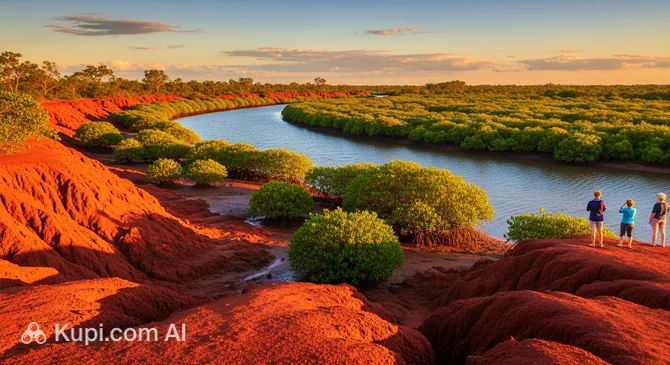
Aurukun. Source: Kupi.Binoculars

The region is defined by its dramatic seasonal changes, shifting from dry landscapes to flourishing wetlands during the wet season. Those wishing to learn more about the history of Aurukun will discover a rich tapestry of Indigenous heritage and a profound connection to the land that has endured for thousands of years. The environment here is pristine, characterized by vast floodplains, eucalyptus forests, and abundant wildlife.

Travelers are often drawn to the town for the renowned Wik and Kugu Arts Centre, which is celebrated internationally for its spectacular wood carvings and contemporary sculptures. Additionally, the area offers exceptional opportunities for fishing and birdwatching, with the local river systems providing a habitat for barramundi and diverse bird species. A visit to Aurukun is an invitation to experience the rugged beauty and vibrant artistic spirit of Far North Queensland.

Weather Overview

Aurukun experiences a warm, tropical climate throughout the year, characterized by distinct wet and dry periods. Temperatures are generally consistent and warm, with monthly averages fluctuating between 25.5°C in July and 29.9°C in November. The hottest time of the year typically occurs in late spring, where daily maximums can reach up to 33.7°C, while the coolest nights are found in July, with minimums dipping to around 21.7°C.

The precipitation pattern is sharply divided. The early months of the year, particularly from January to March, see a high frequency of wet days, with January recording rain on up to 29 days. In contrast, the period from May through September is extremely dry, often recording zero precipitation and zero wet days. Travelers planning their journey should consult the detailed weather in Aurukun to ensure they pack appropriately for the season.

Overall, visitors can expect warm conditions year-round with frequent wet days at the start of the year and dry, sunny weather during the Australian winter months. The transition months of April and October bridge these extremes, offering a mix of occasional rainfall and rising temperatures.

Interesting Facts

Beyond its reputation as a remote outpost, Aurukun is a cultural powerhouse holding traditions and stories that have captivated the international art world. This community offers a rare window into a living Indigenous culture that remains vibrantly connected to its ancestral lands.

  • The Famous "Ku" Dogs: The town is globally renowned for its unique "Ku" (camp dog) sculptures created by artists at the Wik and Kugu Arts Centre. Carved from local milkwood and painted with traditional ochres, these "cheeky" dogs are not mere souvenirs; they represent ancestral totems and have been exhibited in major galleries from Canberra to Paris.

  • A Shark from a Dog: The local mythology is deeply intertwined with the landscape. According to the Dingo Dreaming legend, a dingo traveled along the Knox River and eventually transformed into Nyiingkuchen, the freshwater shark, creating a powerful spiritual link between the community's beloved camp dogs and the river's aquatic life.

  • A Thriving Native Tongue: Unlike many regions where Indigenous dialects are endangered, the Wik-Mungkan language remains the dominant first language in Aurukun. It is spoken fluently by residents of all ages, from elders to school children, standing as a testament to the community's incredible cultural resilience.

  • The River Trio: The settlement is uniquely situated at the convergence of three major river systems—the Archer, Watson, and Ward rivers. This confluence creates a rich wetland ecosystem that supports an abundance of wildlife, particularly the magpie geese and barramundi that are central to the local diet and culture.

How to Get There

Reaching the remote community of Aurukun on the Cape York Peninsula is an adventure that requires careful planning due to its isolated location. While the journey offers a unique opportunity to see the rugged Australian landscape, visitors should be prepared for limited direct transport options. You can find more about how to get to Aurukun and prepare for your travel logistics on our detailed page.

The city of Aurukun does not have a major commercial airport listed in the immediate vicinity, so most travelers fly into Weipa Airport (WEI) in the city of Weipa. This is the most significant regional hub, located approximately 77.8 km from Aurukun. From Weipa, the travel time by road is roughly 2 hours and 20 minutes, depending on road conditions and the season. Weipa Airport handles a moderate amount of annual passenger traffic and connects the region to larger Australian cities.

Another potential entry point for those exploring the wider peninsula is the Lockhart River airport (IRG), situated in Lockhart River. It is considerably further away, at a distance of about 182.2 km from Aurukun. A transfer from this location would take approximately 4 hours and 55 minutes by car. Additionally, the Kowanyama airport (KWM) serves the region but is located roughly 235.7 km away, making it a less convenient option for direct access to Aurukun.

For clarity, here is a summary of the main airports:

Airport Name City Passenger Traffic Km from City
Weipa Airport Weipa Medium 77.8
Kowanyama Kowanyama Small 235.7
Northern Peninsula Airport Bamaga Small 277.6
Lockhart River Lockhart River Small 182.2

Main Attractions

For those visiting this remote community, the Wik and Kugu Arts Centre stands as the cultural heart of the region. This world-renowned facility is not just a gallery but a working studio where visitors can often see local artists creating masterpieces. It is most famous for its striking "Ku" (camp dog) sculptures carved from milkwood, as well as intricate fibre weavings and ochre paintings. The centre provides a deep connection to the local Indigenous culture, showcasing stories and totems that have been passed down through generations.

The natural beauty of the area is best experienced through its magnificent Wetland and River Systems. Aurukun is situated near the confluence of the Archer, Watson, and Ward rivers, creating a rich ecosystem that is a paradise for nature lovers. These waterways are teeming with birdlife, including magpie geese and brolgas, making it a prime spot for birdwatching. For fishing enthusiasts, these rivers are legendary for their barramundi, offering some of the best angling opportunities in Cape York in a pristine, uncrowded setting.

Just a short distance from the town centre, the Aurukun Landing offers direct access to the Archer River and is a popular spot for locals and visitors alike. It serves as a gateway for boating adventures and provides a stunning vantage point for watching the sunset over the water. While swimming is generally discouraged in the main river channels due to crocodiles, the landing is an excellent place to soak in the tranquil atmosphere of the Australian outback and witness the daily rhythm of life in this coastal community.

For a refreshing escape during the warmer months, Possum Creek is a well-known swimming hole located outside the main township. It offers a cool, freshwater retreat surrounded by natural bushland, making it an ideal location for a picnic or a relaxing afternoon. Visitors exploring the surrounding country often stop here to enjoy the shade and the quiet beauty of the landscape, which contrasts with the drier savannah that characterizes much of the peninsula during the dry season.

Local Cuisine

The local cuisine in Aurukun is deeply rooted in the traditions of the Wik, Wik Way, and Kugu people, blending ancient hunting and gathering practices with modern outback staples. For visitors, the "menu" is defined less by restaurants and more by the incredible abundance of the surrounding waterways. The Archer, Watson, and Ward rivers provide a steady supply of fresh seafood that rivals any fine dining establishment in quality, if not in presentation. The undisputed king of the table is the Barramundi, caught fresh from the local estuaries and typically grilled over an open fire or pan-fried with simple seasonings to let the delicate flavor shine.

Beyond fish, the wetlands offer other delicacies that are central to the local diet. Mud crabs are a prized catch, often prepared during family gatherings or community feasts. In the dry season, the focus shifts to traditional "bush tucker" harvested from the land. You might hear locals speak of Magpie Geese, a traditional staple that is roasted or stewed. While these traditional foods are primarily hunted by residents for their own consumption, visitors lucky enough to be invited to a community event might experience the unique smoky flavors of food cooked in a Kup Murri (earth oven), a method that slow-cooks meat and vegetables to perfection underground.

The dining scene in Aurukun is very limited, reflecting its status as a remote community rather than a tourist resort. There are no standard commercial restaurants or fine dining venues. Instead, the Kang Kang Café serves as a central meeting spot where you can find freshly brewed coffee, hot snacks, and light meals in a relaxed atmosphere. For most other needs, travelers rely on the local General Store to purchase supplies for self-catering. It is essential to plan ahead and bring sufficient food and water if you are undertaking an independent journey in the region.

When it comes to drinks, it is critical for tourists to understand the local regulations. Aurukun is a restricted area regarding alcohol, often referred to as a "dry community." Strict limits or total bans on the possession and consumption of alcohol are enforced to promote community health and safety. Visitors should not expect to find bars or bottle shops and must check the current Alcohol Management Plan (AMP) rules before arrival to avoid heavy fines. Instead, the local culture emphasizes tea, soft drinks, and staying hydrated with water in the tropical heat.

Travel Tips

Visiting Aurukun is a unique privilege that offers a deep connection to one of Australia's most vibrant Indigenous cultures, but it requires careful preparation due to its remote location and specific community regulations. To ensure your journey is respectful, safe, and enjoyable, here are some essential practical tips to keep in mind before you arrive.

  1. Clothing and Gear: Given the tropical climate, pack loose, breathable cotton clothing to stay cool and protect against the sun and mosquitoes. A wide-brimmed hat and sturdy walking shoes are essential for the rugged terrain. While casual wear is standard, it is important to dress modestly out of respect for local cultural norms; avoid overly revealing swimwear or clothing when moving around the town.
  2. Transportation: There is no public transport, taxi service, or ride-sharing app available within Aurukun. If you are arriving by road, a well-equipped 4WD vehicle is absolutely necessary to navigate the unsealed and often rough roads of the Cape York Peninsula. Within the small township, most places are within walking distance, but having your own vehicle is vital for exploring surrounding nature spots.
  3. Finances: The local currency is the Australian Dollar (AUD). While the local General Store and Art Centre typically accept debit and credit cards, telecommunications outages can occur, rendering EFTPOS machines unusable. It is highly recommended to carry sufficient cash for your entire stay to cover food, fuel, and arts purchases, as ATM access is very limited.
  4. Health and Safety: Be "Crocwise" at all times; saltwater crocodiles inhabit the local river systems, so never swim in the rivers or approach the water's edge unless it is a clearly designated safe area. For medical needs, there is a Primary Health Care Centre in town for basic assistance, but serious emergencies require aerial evacuation to Weipa or Cairns.
  5. Communication: English is widely spoken, but for many residents, it is a second or third language after Wik-Mungkan. A friendly smile and patience go a long way in overcoming any language barriers. Regarding connectivity, the Telstra mobile network is generally the only service provider with reliable coverage in this remote region. As older 3G networks have been shut down, ensure you have a compatible 4G or 5G device and purchase a Telstra SIM card before leaving a major city.
  6. Local Etiquette: Always ask for clear, verbal permission before taking photographs of local people, their children, or their artwork, as this is a matter of respect and intellectual property. It is also polite to wait to be acknowledged before speaking to elders. Be aware that some areas may be culturally restricted "men's" or "women's" sites—always stick to marked paths and public areas.
  7. What to Avoid: Strictly avoid bringing alcohol into the community. Aurukun is subject to strict Alcohol Management Plans (AMP), and there are often zero-carriage limits in place, meaning possession of liquor can result in significant fines and confiscation of your vehicle. Check the current Queensland Government regulations immediately before your trip.
  8. Seasonal Travel: Be acutely aware of the "Wet Season" (roughly November to April). During this time, roads can become impassable due to flooding, effectively cutting off road access to the town. If you plan to drive, the dry season (May to October) is the only reliable time to visit; always check road conditions with local police or the council before setting out.

By respecting these guidelines and the local Wik and Kugu culture, you will find the community to be a welcoming place rich in history and art. A trip to Aurukun is an adventure into the heart of Cape York, leaving you with unforgettable memories of its landscapes and its people.

Entertainment & Nightlife

Travelers visiting Aurukun should be aware that the concept of "nightlife" here is vastly different from typical tourist destinations. As a remote Indigenous community, there are no nightclubs, bars, pubs, or cocktail lounges. Aurukun is subject to strict Alcohol Management Plans (AMP), and it is often designated as a "dry" community or has zero-carriage limits for alcohol. This means visitors cannot purchase alcohol within the town, nor are they permitted to bring it in. The evening entertainment focuses on tranquility, community connection, and the natural environment rather than commercial partying.

The atmosphere after dark is quiet and peaceful. Once the sun sets, the town settles into a slow rhythm. The main activity for visitors is often enjoying the spectacular sunsets at the Aurukun Landing. Located a short distance from the town center, this spot offers a front-row seat to watch the sky turn vibrant shades of orange and purple over the Archer River. It is a place for quiet reflection and perhaps chatting with locals fishing off the bank, but visitors should always remain vigilant near the water's edge due to wildlife.

Since there are no commercial venues open late, social life for visitors typically revolves around their accommodation or daytime hubs that may have extended activity during community festivals. The Kang Kang Café is the primary social meeting place in town. While it operates mainly during the day for coffee and hot food, it serves as the central hub where you can hear about any community gatherings or local events taking place. Do not expect late-night dining; it is advisable to have your evening meals planned or prepared before nightfall.

Safety and practical logistics are paramount when navigating Aurukun at night. There are no taxi services or public transport options available. If you need to move around after dark, you must use your own 4WD vehicle. Walking alone at night is strongly discouraged, not only due to the lack of street lighting in some areas but also because of the large population of camp dogs (Ku) that can be territorial and aggressive after dark. Additionally, for your own safety, never venture near the riverbanks at night, as saltwater crocodiles are active predators in the region.

While the nights are quiet, the daytime offers rich cultural engagement to fill your itinerary. The Wik and Kugu Arts Centre is the premier attraction, offering a chance to see world-class sculptures and paintings being created. For those interested in the outdoors, the daylight hours are best spent exploring the wetlands or fishing, ensuring you return to the safety of the township before dusk settles.

Parks & Museums

In Aurukun, the concept of a "park" extends far beyond manicured lawns and playgrounds; here, the entire landscape serves as a vast, living natural reserve. The community does not feature traditional city museums or botanical gardens in the western sense. Instead, the region offers raw, untouched wilderness areas and a world-class art centre that functions as the custodian of the local culture and history.

Aurukun Landing acts as the community's primary recreational open space, serving a role similar to a town park but with a rugged, tropical backdrop. Located on the banks of the majestic Archer River, this area is the focal point for locals and visitors to relax and connect with nature. While there are no landscaped flowerbeds, the natural vegetation and the sweeping views of the water provide a stunning setting for evening gatherings. It is the perfect vantage point to witness the sun dipping below the horizon, painting the sky in vibrant ochres and purples, though visitors must always remain a safe distance from the water's edge due to the presence of crocodiles.

For a greener and more secluded natural escape, Possum Creek offers a refreshing retreat from the heat of the township. Situated a short drive from the main settlement, this freshwater swimming hole is surrounded by native bushland and provides a rare safe spot for a dip, unlike the crocodile-inhabited rivers nearby. It functions as a natural park where families often go for picnics on weekends. The area is shaded by paperbark trees and lush vegetation, offering a serene atmosphere that highlights the diverse flora of the Cape York Peninsula.

The cultural heartbeat of the town is undoubtedly the Wik and Kugu Arts Centre. While it is a working studio, it effectively serves as the town's premier gallery and living museum. Inside, visitors can view an incredible array of indigenous art that narrates the history and mythology of the region. The centre is famous for its exhibition of "Ku" (camp dog) sculptures and traditional paintings that depict ancestral stories. Unlike a static museum, this venue allows you to witness history in the making, as elders pass down techniques and stories to younger artists right before your eyes.

Another significant cultural venue is the Indigenous Knowledge Centre (IKC). Functioning as a library and a hub for digital preservation, the IKC plays a crucial role in keeping the local history alive. It is a place where the community accesses resources and where the rich oral histories of the Wik, Wik Way, and Kugu people are documented and stored. For a visitor interested in the academic and historical side of the region, this facility offers insight into the language preservation efforts and the educational strides being made within the community.

Insider Tip: When visiting the Arts Centre, do not just look at the finished works; take the time to sit and listen if the artists are willing to chat. The true "museum" experience here is the oral history shared by the creators themselves, who can explain the complex totems and family stories behind every carving, offering a depth of understanding that no plaque could ever convey.

Getting Around

Navigating Aurukun is a significantly different experience from visiting a standard tourist city, as there is absolutely no public transport system within the community. Visitors will not find buses, metros, trams, or trolleybuses operating in this remote part of the Cape York Peninsula. The infrastructure is designed to serve a small, close-knit community rather than a transient tourist population, meaning the town functions entirely without a scheduled transit network.

Because there is no public transport, there is no ticketing system to navigate. You do not need to worry about purchasing travel passes, acquiring smart cards, or downloading transport apps. There are no zones, validators, or timetables. The only transport-related costs you need to budget for are fuel for your own vehicle, which can be purchased at the local service station. It is advisable to pay with a card, but always carry cash as a backup in case of telecommunications outages.

For tourists, the only practical way to get around the region is by private 4WD vehicle. Having your own high-clearance vehicle is essential for accessing the airport, the boat landing, and the surrounding natural areas, as the roads can be rough and unsealed. Since there are no car rental agencies located directly within Aurukun, visitors must arrange their vehicle rental in larger regional hubs like Weipa or Cairns before arriving.

Walking is the primary alternative for moving within the main settlement. The town is compact enough that key facilities such as the General Store, the Wik and Kugu Arts Centre, and the Kang Kang Café are within reasonable walking distance of each other. However, pedestrians should be cautious of the intense tropical heat and the local camp dogs. It is best to walk during the cooler morning hours and carry water with you.

Travelers should also be aware that there are no taxis, ride-sharing services, or bike rentals available. Apps like Uber or local cab companies do not operate here. You must be completely self-sufficient regarding your mobility. If you arrive without a vehicle, you will find it extremely difficult to travel beyond the immediate town center, so planning your transport logistics prior to arrival is critical for a successful trip.

Accommodation

Finding accommodation in Aurukun differs significantly from staying in a typical tourist destination. As a remote Indigenous community, the options are extremely limited and primarily cater to visiting contractors, government officials, and service providers rather than leisure travelers. You will not find backpacker hostels, luxury resorts, or large hotel chains here. Instead, the available lodging is functional and practical, designed to offer a comfortable base for those working in or visiting the region.

The main accommodation facilities are located centrally within the township, ensuring that key locations such as the airport, the General Store, and the Wik and Kugu Arts Centre are within walking distance. This central area is the only "tourist zone" for overnight stays. Visitors should be aware that the accommodation style is often similar to donga-style (transportable) cabins or basic motel units, featuring air conditioning—a necessity in the tropical climate—and private ensuites.

The primary establishment serving the community is known as the Wuungkam Lodge (formerly the Aurukun Lodge). It provides the standard for local hospitality, offering clean, air-conditioned rooms and access to shared kitchen and laundry facilities. Because there are no restaurants open for dinner, the shared kitchen is a vital amenity, allowing guests to prepare their own meals with supplies purchased from the local store. The lodge serves as the main hub for anyone staying overnight in the town.

Booking Tip: It is absolutely critical to secure your reservation well in advance of your trip. Accommodation capacity is small, and rooms are frequently booked out by visiting workers and government staff. Do not arrive in Aurukun without a confirmed booking, as there are no alternative hotels or campsites available if the lodge is full. Bookings are typically handled directly via phone or email rather than through global hotel booking platforms.

Regarding costs, travelers should expect prices to be in the mid-range bracket. Rates can be higher than one might anticipate for the level of amenities provided, reflecting the high operational costs of running a business in such an isolated location. Payment is generally expected via credit or debit card, but it is always wise to carry some cash in case of temporary telecommunications outages that might affect EFTPOS terminals.

Nearby Cities

For those looking to explore the surroundings, Aurukun serves as an excellent base for day trips to several interesting nearby locations:

The most practical destination for a day trip is Weipa, located approximately 80 kilometers to the north. As the largest settlement on the Cape York Peninsula, it serves as a major commercial hub driven by bauxite mining. Visitors often travel here to access services not available in smaller communities, stock up on supplies, or explore the stunning red cliffs that line the coast. Weipa is also famous for its fishing charters, offering a chance to catch different species than those found in the river systems around Aurukun.

Although significantly further away and better suited for a short visit rather than a quick drive, Thursday Island (Waiben) is a culturally rich destination worth considering for those exploring the wider region. It is the administrative and historic centre of the Torres Strait, known for its pearling history, the Green Hill Fort, and a vibrant blend of Indigenous cultures. Another notable spot in the broader landscape is Cooktown, a historic town where Captain James Cook beached the Endeavour. It offers museums and heritage sites that tell the story of early European contact and the gold rush era.

City Population Distance (km)
Weipa 3899 79
Port Douglas 3504 530
Thursday Island 2938 312
Cooktown 2631 446
Yam Island 1700 399

These nearby destinations offer a glimpse into the diverse culture and landscapes of the region.

Shopping & Souvenirs

Shopping in Aurukun is a unique experience defined by the community's remote location and its rich cultural heritage. Visitors should not expect a typical retail therapy experience found in larger cities; there are no fashion boutiques, department stores, or souvenir strips. Instead, the shopping scene is purely functional, focused on essential supplies for residents and visitors, with one spectacular exception: the world-class indigenous art produced locally. For travelers, "shopping" here essentially means stocking up on food and water or purchasing a piece of museum-quality art to take home.

The main commercial activity is concentrated in the Town Centre, close to the council administrative buildings and the airport. This small precinct serves as the lifeline for the community. Here, you will find the Island & Cape Retail Store (commonly referred to as the General Store), which acts as the supermarket, hardware store, and variety shop all in one. It is the only place to purchase groceries, toiletries, camping gear, and basic clothing. The selection is decent for a remote outpost, but prices can be higher than in urban centers due to freight costs.

There are no shopping malls in Aurukun. The infrastructure is designed to support a population of around 1,100 people, so large commercial complexes are non-existent. Travelers looking for extensive retail options, electronics, or specialty fashion items should ensure they purchase these in larger regional hubs like Weipa or Cairns before travelling to the community.

Similarly, the town does not host regular tourist markets or flea markets. The flow of commerce is steady and centralized rather than event-based. However, during special community festivals or open days at the art centre, there may be stalls or direct sales of local crafts and food, but these are not a daily or weekly occurrence. The closest experience to a "market" atmosphere is the bustling activity around the General Store when fresh barge deliveries arrive.

The undisputed highlight for any visitor is the opportunity to purchase authentic souvenirs at the Wik and Kugu Arts Centre. This is not a typical gift shop but a serious art institution. The centre is famous for its camp dog (Ku) sculptures, carved from milkwood and painted with traditional ochre patterns. These sculptures are highly collectible and found in galleries around the world. Visitors can also buy intricate fibre weavings, feather flowers, and stunning canvases that depict local stories and totems. Buying directly from the centre ensures that the proceeds go back to the artists and the community.

regarding opening hours and payment, the General Store and the Arts Centre typically operate during standard business hours, roughly from 9:00 AM to 5:00 PM on weekdays, with reduced hours on Saturdays. They are often closed on Sundays. While major credit and debit cards are generally accepted, telecommunications in this remote part of Australia can be unreliable. It is highly recommended to carry sufficient cash (Australian Dollars) to cover your purchases in case the EFTPOS terminals go offline.

Regarding tax refunds, the standard Tourist Refund Scheme (TRS) applies to goods purchased in Australia, but the refund can only be claimed at international airports upon departure from the country. While you can obtain a tax invoice for significant art purchases in Aurukun, there are no facilities within the town itself to process refunds.
Reached the end of the page?

That means the route is fully explored