Support

Normanton

About

Located in the heart of the Gulf Country in Queensland, Normanton is a fascinating outback town that offers a true taste of remote Australia. Situated on the banks of the Norman River, this small community serves as a vital service centre for the surrounding region and a gateway for travelers exploring the rugged beauty of the north. With a population of approximately 1,100 residents, it retains a friendly, close-knit atmosphere where the heritage of the pioneering days blends seamlessly with modern life.

Normanton. Source: Kupi.Binoculars

The town is characterized by its tropical savanna climate, featuring hot, humid summers and warm, dry winters. This distinctive weather shapes the landscape, transforming the surrounding plains from dusty ochre to vibrant green depending on the season. Those interested in the past will find the history of Normanton captivating, as the town originally flourished as a port for the Croydon Gold Rush in the late 19th century. Remnants of this era can still be seen in the well-preserved Victorian architecture and the historic railway station.

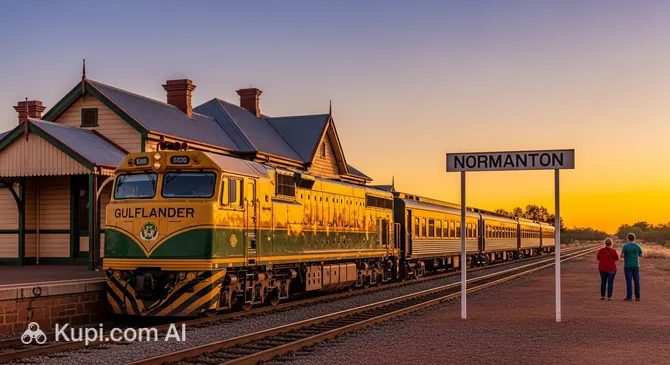
Visitors are often drawn to the town's quirky and iconic attractions. One of the most famous sights is a life-size replica of Krys the Savannah King, the largest saltwater crocodile ever captured, measuring an astounding 8.63 meters. Another local landmark is the Purple Pub, a brightly painted hotel that has become a favorite photo stop for tourists. Additionally, Normanton is the terminus for the legendary Gulflander train, a historic rail journey that offers a nostalgic ride through the picturesque countryside.

Whether you are passing through on a grand road trip or looking to experience the authentic lifestyle of the Gulf Savannah, Normanton welcomes you with open arms. Its unique blend of history, nature, and outback charm makes it a memorable destination for any adventurer.

Weather Overview

Normanton typically experiences a hot climate year-round, characterized by distinct wet and dry seasons. The warmest months occur towards the end of the year, with October and November seeing average maximum temperatures rise to around 35°C. As the year transitions into January and February, the heat persists with average temperatures near 29°C, accompanied by a marked increase in humidity and frequency of rain; January alone records approximately 21 wet days.

The middle of the year brings a significant shift in conditions, offering a long period of dry weather. From June through September, the region records virtually 0mm of precipitation and zero wet days, making it the driest time to visit. During these winter months, the climate remains pleasant but slightly cooler, with average temperatures in July dropping to around 23.2°C and nightly lows cooling to approximately 17.4°C.

Travelers planning a trip should expect hot, humid summers with frequent wet days and warm, completely dry winters. To help you pack accordingly for your specific travel dates, you can consult the detailed report on the weather in Normanton.

Interesting Facts

Beyond the main attractions, Normanton holds many fascinating secrets that define its unique character in the Gulf Country. From engineering marvels to echoes of exploration history, the town offers plenty of intriguing details for the curious traveler.

  • The "Train from Nowhere to Nowhere": The legendary Gulflander railway is famous not just for its isolation from the main state network, but for its ingenious engineering. The track was laid using patented hollow steel sleepers designed by George Phillips, which allow floodwaters to flow through and over the line without washing it away—a crucial innovation for surviving the region's wet season.

  • Burke and Wills' Northernmost Camp: Just 30 kilometers southwest of the town lies Camp 119, the final campsite established by the explorers Burke and Wills on their ill-fated expedition in 1861. Although they were desperately close to their goal, impenetrable mangroves prevented them from seeing the open ocean of the Gulf of Carpentaria.

  • A Town of Two Giants: While the replica of Krys the Savannah King gets the spotlight, Normanton is actually home to two "Big Things." The town also features the Big Barramundi, a 6-meter-long statue that celebrates the region's status as a premier fishing destination and the rich marine life of the Norman River.

  • Boiling Water from Below: Normanton sits atop the Great Artesian Basin, and its water supply historically comes from deep underground bores. The water from these depths is naturally hot—often emerging at scalding temperatures—requiring it to be cooled in ponds or tanks before it can be used by the town's residents.

How to Get There

Reaching the remote town of Normanton is an adventure that takes you deep into the heart of Queensland's Gulf Savannah. Whether you are planning a self-drive holiday along the legendary outback routes or looking for public transport options, understanding the logistics is key to a smooth journey. You can find comprehensive details and plan your specific route by reading more about how to get to Normanton.

For those considering air travel to the wider region, the data highlights Kowanyama (KWM) as a regional transport hub. It is important to note that this airport is not located in Normanton itself but in the city of Kowanyama, which is approximately 252.7 km away. Due to the significant distance, a transfer by taxi or private vehicle from this airport would be a long journey, estimated to take around 6 hours and 40 minutes. This airport serves a modest number of travelers annually and connects the area to other parts of the state.

For clarity, here is a summary of the airport mentioned:

Airport Name City Passenger Traffic Km from City
Kowanyama Kowanyama Medium 252.7

Most visitors, however, choose to arrive in Normanton by road, making it a highlight of a classic Australian road trip. The town sits at the junction of the Savannah Way, which stretches across the top of the country, and the Matilda Way, which runs north from the New South Wales border. Driving these sealed routes offers the most flexibility and allows travelers to experience the changing landscapes of the outback firsthand.

Main Attractions

While Normanton is a small outback community, it boasts a collection of unique landmarks that reflect its quirky character and rich pioneering history. Visitors exploring the town will find that its charm lies in its eccentric statues, heritage architecture, and the natural beauty of the surrounding wetlands. Here are the top attractions you should not miss during your stay.

Undoubtedly the town's most celebrated icon is the Normanton Railway Station. Unlike many modern transport hubs, this station is a heritage-listed gem featuring classic Victorian architecture with a distinctive corrugated iron roof. It serves as the home of the famous Gulflander train, affectionately known as the "Tin Hare." Even if you aren't taking a ride, the station itself is a living museum. You can wander through the historic precinct to admire the vintage locomotives and learn about the engineering challenges of building a railway line through the flood-prone Gulf Savannah.

For a photo opportunity that truly captures the scale of the region's wildlife, head to L.E.W. Henry Park to see Krys the Savannah King. This life-size replica of the largest saltwater crocodile ever caught is a humbling sight. The original crocodile, estimated to be over 8.6 meters long, was shot in the Norman River in the 1950s. Standing next to the statue gives visitors a visceral appreciation for the immense creatures that inhabit the local waterways, making it a favorite stop for families and history buffs alike.

Another visually striking landmark is the Purple Pub. True to its name, this hotel is painted a vibrant shade of purple that stands out starkly against the dusty outback landscape. It is more than just a watering hole; it is a social hub and a local legend. Tourists flock here not only for a cold drink and a hearty meal but to snap a picture with the building's colorful facade. It captures the humorous and laid-back spirit of the town perfectly.

Nature lovers should make time to visit the Mutton Hole Wetlands. Located just a short distance from the town center, this extensive wetland system is a paradise for birdwatchers. Depending on the season, you can spot brolgas, sarus cranes, and a variety of waterfowl. The area is part of the Southern Gulf Aggregation and offers a peaceful contrast to the town's streets, allowing visitors to observe the diverse ecosystem of the Gulf Country up close.

Finally, history enthusiasts should visit the Burns Philp Building, which now houses the local library and Visitor Information Centre. This grand historic structure dates back to the late 19th century and stands as a testament to Normanton's past importance as a port and trading hub. Inside, you can find a wealth of information about the region, view historical displays, and admire the beautifully preserved architecture that has survived the harsh tropical climate for over a century.

Local Cuisine

Gastronomy in Normanton is defined by its proximity to the Gulf of Carpentaria, making it a hidden gem for lovers of fresh seafood. As the town is often referred to as the "Barramundi Capital of the North," the local culinary star is undoubtedly the Barramundi. Visitors can expect to find this prized fish on almost every menu, served wild-caught and incredibly fresh. Whether grilled simply with lemon and herbs to highlight its natural flavor or battered in a classic fish and chips style, it is a must-try dish for anyone visiting the region. Alongside the fish, the famous Gulf prawns—large, sweet, and succulent—are another staple that reflects the bounty of the nearby waters.

The food culture here is deeply rooted in the Australian outback tradition, centering largely on the town's historic hotels and pubs. There is no pretension in the local dining scene; instead, the focus is on hearty, honest "counter meals" designed to satisfy a traveler's hunger. You will find generous servings of pub classics such as chicken parmigiana, rump steaks, and loaded burgers. These venues serve as the community's living room, where tourists and locals sit side-by-side. The atmosphere is casual and welcoming, offering a genuine slice of country life where the quality of the ingredients and the friendliness of the service take precedence over fancy presentation.

To combat the tropical heat of the Gulf Savannah, the local drinking culture favors refreshments that are served ice-cold. For many, a chilled beer is the standard accompaniment to a meal, with Queensland lagers like XXXX Gold or Great Northern being the most popular choices to cool down after a day of exploring. For a non-alcoholic option, the classic "Lemon, Lime and Bitters"—a refreshing mix of lemonade, lime cordial, and Angostura bitters—is widely available and perfectly suits the warm climate.

Travel Tips

Visiting Normanton offers a genuine slice of life in the Australian outback, but its remote location and tropical environment require some specific preparation. Here are some practical tips to help you navigate the Gulf Country safely and enjoy every moment of your stay.

  1. Clothing and Essentials: Due to the tropical savanna climate, lightweight and breathable clothing made from natural fibers like cotton is best for managing the heat. A wide-brimmed hat, high-SPF sunscreen, and quality sunglasses are mandatory to protect against the intense sun. If you visit during the wet season, pack a light rain jacket, and always bring sturdy, closed-toe shoes for walking around the dusty terrain.

  2. Transportation: Normanton is a compact town, and you can easily walk between main sites like the Purple Pub and the railway station. However, there is no public transport (buses or metros) or ride-sharing services like Uber. To get here and explore the wider region, a private vehicle is essential. A 4WD is highly recommended, especially if you plan to venture off the main sealed highways.

  3. Finances: The currency is the Australian Dollar (AUD). While the main hotels, the post office, and the supermarket generally accept credit and debit cards, it is smart to carry cash. System outages can occur in remote areas, and smaller vendors may prefer cash. ATMs are available in the town center, but it is wise to withdraw money before leaving larger cities if possible.

  4. Health and Safety: The most critical rule in Normanton is to be "Croc-wise." Never swim in the Norman River and stay well back from the water's edge, as saltwater crocodiles are common and dangerous inhabitants. There is a local hospital and a pharmacy, but opening hours may be limited compared to big cities, so bring a sufficient supply of any personal prescription medications.

  5. Communication: English is the spoken language. Mobile phone coverage in remote Queensland is largely limited to the Telstra network; if you use other providers, you may find yourself without a signal. Wi-Fi is often available at accommodation providers, but speeds can be slower than in urban areas. It is a good idea to download offline maps before your trip.

  6. Local Etiquette: The vibe here is incredibly relaxed and friendly. It is customary to greet people with a smile and a "G'day" or "How are ya?" when entering a shop or passing on the street. Dress codes are very casual—shorts, t-shirts, and thongs (flip-flops) are acceptable almost everywhere, including inside pubs and dining venues.

  7. What to Avoid: Do not ignore road closure signs or attempt to cross flooded causeways. During the wet season (roughly November to April), roads can flood quickly and become impassable. Driving into floodwaters is extremely dangerous and is one of the biggest mistakes tourists make in the outback.

  8. Seasonal Awareness: Check road conditions daily if you are traveling near the shoulder of the wet season. The local Shire Council provides up-to-date road reports. Traveling in the dry season (winter) is generally much easier, but nights can get surprisingly cool, so packing a light jumper is a good "life hack" for evening comfort.

By keeping these tips in mind, you will be well-equipped to handle the unique conditions of the Gulf Savannah. Embrace the slower pace, respect the wild environment, and you are sure to have a safe and unforgettable experience in this historic outback town.

Entertainment & Nightlife

Nightlife in Normanton is a world away from the neon lights and thumping bass of metropolitan cities. Here, evening entertainment is defined by the authentic Australian outback pub culture, where the atmosphere is incredibly laid-back and welcoming. As the sun sets over the Gulf Savannah, the town settles into a quiet, starry-skied rhythm, with social activity concentrating almost entirely along the main thoroughfare, Landsborough Street. For travelers, a night out here is less about clubbing and more about enjoying a cold drink, a hearty meal, and a "yarn" (chat) with friendly locals.

The undisputed hub of the town's social scene is The Purple Pub. While it is a famous photo stop by day, at night it transforms into a lively watering hole where tourists, truckies, and residents mingle. Inside, the vibe is unpretentious and cheerful, often featuring a game of pool and classic rock playing in the background. Just down the road, The Albion Hotel offers another slice of history. With its traditional timber architecture and wide verandahs, it provides a relaxed setting to enjoy a quiet beer and soak in the warm evening breeze. These venues are the heart of the community, serving as the living rooms for the town.

Travelers should adjust their internal clocks to "outback time." The nightlife here wraps up relatively early compared to coastal cities. Hotel kitchens typically stop serving dinner around 8:00 PM or 8:30 PM, and while the bars may stay open later depending on the crowd, the town is generally quiet by midnight. The dress code is strictly casual—shorts, t-shirts, and flip-flops are the standard attire everywhere. Prices are generally reasonable, and the hospitality is genuine, making it easy to strike up a conversation with the person sitting next to you.

When it comes to safety, Normanton is a peaceful town, but practical precautions are still necessary. The streets can be quite dark once you leave the immediate vicinity of the hotels, so it is advisable to carry a torch or use your phone light if walking back to a caravan park or motel. Since there are no Uber services or late-night taxis available, you should plan your transport in advance. If your accommodation is not within walking distance, ensure you have a designated driver, as drink-driving laws are strictly enforced even in remote areas.

While the evenings are dedicated to relaxation and socializing, the daytime offers its own variety of entertainment. Before heading to the pub, visitors can spend their day exploring the region's rich heritage at the local museums or taking a nostalgic ride on the Gulflander train. Whether you have spent the day fishing for barramundi or sightseeing, the local pubs provide the perfect conclusion to a day in the Gulf Country.

Parks & Museums

While Normanton is a small outback community rather than a bustling metropolis with manicured botanical gardens, its approach to green spaces and cultural heritage is deeply rooted in the rugged landscape and its pioneering past. The town’s natural areas offer a front-row seat to the unique biodiversity of the Gulf Savannah, while its historical collections are often housed within the very buildings that defined the region's development.

For nature enthusiasts, the Mutton Hole Wetlands is the premier natural attraction in the area. Located on the outskirts of town towards Karumba, this extensive system of lagoons and salt pans transforms dramatically with the seasons. During and immediately after the wet season, it becomes a lush, vibrant habitat teeming with birdlife. It is particularly famous among ornithologists for sightings of Brolgas and Sarus Cranes, which gather here in large numbers. Even in the drier months, the area provides a serene backdrop for observing the resilient flora of the tropical savanna and the changing colours of the outback sunset.

Closer to the town centre, L.E.W. Henry Park serves as the main recreational green space for both locals and visitors. While it is best known for housing the replica of Krys the crocodile, the park itself offers a welcome respite from the heat with its shaded areas and picnic facilities. It functions as a community hub where travelers can take a break, enjoy a packed lunch, and appreciate the laid-back atmosphere of the town. The park is well-maintained and provides a safe, open environment for families to stretch their legs after a long drive on the Savannah Way.

Normanton’s history is best explored at the Normanton Railway Station, which effectively functions as a large, open-air museum. The station complex is not just a departure point for the Gulflander train but a repository of railway heritage. Visitors can walk through the precinct to view vintage rolling stock, historic machinery, and the beautifully preserved Victorian architecture of the station building itself. The site offers a tangible connection to the late 19th century, showcasing the engineering feats required to connect this remote gold-mining region with the rest of the world.

Another significant cultural venue is the Burns Philp Building, which now houses the local Library and Visitor Information Centre. This imposing structure is a remnant of the town's era as a booming port. Inside, you will find historical displays and photographs that chronicle the life of early settlers, the gold rush, and the maritime history of the Norman River. It provides a quiet, air-conditioned space to delve into local stories and admire the craftsmanship of one of the few remaining grand merchant buildings in the Gulf.

For a more somber but fascinating look at the town's past, the Normanton General Cemetery acts as an outdoor gallery of history. Some of the graves date back to the 1800s, offering a poignant insight into the hardships faced by the early pioneers, including floods, droughts, and isolation. The distinct sections of the cemetery also reflect the diverse multicultural population that flocked to the region during the gold rush, making it a compelling stop for those interested in genealogy and social history.

For an authentic local experience, take a walk along the town's Heritage Trail. This self-guided tour links many of the historic sites and smaller markers throughout Normanton, allowing you to piece together the town's narrative at your own pace. It is a simple yet rewarding way to uncover the hidden details of this resilient outback community that might otherwise be missed.

Getting Around

Navigating Normanton is a unique experience compared to larger cities, primarily because the town does not possess a conventional public transport network. Due to its small population and remote location, visitors will not find subways, trams, city buses, or trolleybuses here. The infrastructure is designed around private vehicle use, which is the standard mode of transport for local residents and travelers alike.

Since there is no municipal transit system, there are no travel passes, smart cards, or complex payment apps to worry about. You will not need to purchase tickets or validate fares for getting around the town center. The only transport-related costs you need to plan for are fuel for your vehicle or tickets for specific tourist experiences, which can typically be paid for with cash or credit cards at the respective booking offices.

For most tourists, the most practical way to explore the area is by driving. A private car, preferably a 4WD, is essential for visiting attractions outside the immediate town center or for traveling between regional hubs. While there are mechanical services in town, car rental options within Normanton itself can be extremely limited or non-existent. It is highly advisable to arrange your vehicle rental in a larger regional center before arriving in the Gulf Country.

Within the town settlement, walking is a viable and pleasant alternative for short distances. The town is compact, and many key locations—such as the main hotels, the post office, and the visitor information centre—are located along or near the main street. Walking allows you to appreciate the heritage architecture and the local atmosphere at a relaxed pace, though it is best done in the morning or late afternoon to avoid the midday heat.

Travelers should be aware that modern ride-sharing apps like Uber or Lyft do not operate in this region. Taxi services are also not a standard feature of daily life here. While you might find local operators for specific transfers, you cannot rely on hailing a cab from the street corner. Planning your movements in advance is crucial, especially if you need to travel with luggage or during the hotter parts of the day.

Although it is not used for public commuting, the town is famous for a very special rail service: the Gulflander. Known affectionately as the "Tin Hare," this historic train runs between Normanton and Croydon. It is a heritage icon rather than a metro system, offering tourists a nostalgic journey through the savanna landscape. Tickets for this experience must be booked separately and are a highlight for anyone interested in the history of transport in the outback.

Accommodation

Accommodation in Normanton is reflective of its status as a remote outback service centre. Visitors should not expect high-rise luxury hotels or sprawling 5-star resorts. Instead, the town offers a range of comfortable, down-to-earth options that suit the needs of road trippers, workers, and adventurers. The primary choices include classic motels, caravan parks with cabins, and historic rooms located above the local pubs. These establishments focus on providing clean, air-conditioned respite from the heat, often accompanied by genuine country hospitality.

The layout of Normanton is compact, meaning that location is rarely an issue regardless of where you choose to stay. Most accommodation providers are situated along or just off Landsborough Street, the town's main thoroughfare. Staying in this central area places you within easy walking distance of key attractions like the Krys the Crocodile statue, the Visitor Information Centre, and the historic railway station. This proximity is particularly convenient for those without a vehicle or travelers who wish to explore the heritage trail on foot.

For a truly iconic stay, many visitors look to the town's historic hotels. The Purple Pub (Westpac Hotel) is not only a famous landmark for photographers but also offers accommodation. Staying here provides an immersive experience into the social life of the town. Similarly, the Albion Hotel offers traditional pub-style rooms. These venues are perfect for travelers who want to be close to the action and enjoy a meal and a drink just downstairs before retiring for the night.

For those traveling with campervans or tents, or simply looking for a self-contained cabin, the local caravan parks are excellent choices. They typically offer essential amenities such as swimming pools—a huge bonus in the tropical climate—as well as camp kitchens and laundry facilities. These parks are social hubs during the tourist season, filled with travelers sharing stories of their journeys across the Savannah Way.

Booking Tip: Normanton gets very busy during the dry season (typically May to September), which coincides with the "grey nomad" touring season and school holidays. During these months, accommodation can book out weeks in advance. It is highly recommended to secure your reservation well before you arrive. Conversely, during the wet season, availability is higher, but it is wise to check if all facilities are fully operational.

Price-wise, the town is generally affordable to mid-range. You will find budget-friendly unpowered sites for camping and reasonably priced motel rooms. Booking methods in the outback can sometimes be a bit old-school; while some properties appear on major online booking platforms, many family-run motels and caravan parks prefer or require direct bookings via phone or their own websites.

Nearby Cities

Located in the remote Gulf Savannah region of Queensland, Normanton is defined by its vast open spaces and isolation. In this part of Australia, the concept of a "nearby" city is relative, as reaching the next major population centre often involves a journey of several hours. The town serves as a vital hub for the immediate area, but for travelers and locals alike, connecting with larger urban environments means embarking on a significant road trip across the outback landscape.

The closest major outback city is Mount Isa, situated approximately 377 kilometers to the southwest. Known for its rich mining history and industrial significance, it acts as a key regional center for commerce and transport. To the east, the route leads towards the coast and the lush Atherton Tablelands. Towns like Mareeba and Atherton offer a dramatic change in scenery, trading the red dust of the savannah for rolling green hills and coffee plantations. Further towards the ocean lies Cairns, the tropical gateway to the Great Barrier Reef.

For those planning a journey through the region, the following table lists the nearest significant cities and towns, along with their population and distance from Normanton:

City Population Distance (km)
Mount Isa 21,000 377
Mareeba 11,079 468
Atherton 7,331 470
Redlynch 8,645 499
Cairns 146,778 506

Shopping & Souvenirs

Shopping in Normanton is a low-key and relaxed experience that reflects the town's status as a remote outback service centre. Unlike the bustling retail hubs of coastal cities, the shopping scene here is focused primarily on essential services, groceries, and unique local mementos. Visitors will not find high-end fashion boutiques or department stores, but they will discover friendly local businesses that supply everything a traveler needs for a journey through the Gulf Savannah, along with some charming distinctively "Queenslander" souvenirs.

The retail activity of the town is concentrated almost entirely along Landsborough Street, the main thoroughfare that runs through the centre of the community. A stroll down this wide, historic street allows you to access the town's key outlets, including the local supermarket, the post office, and a few specialty shops. This central strip is convenient and compact, meaning you can easily visit every store in town within a short walk, often stopping for a chat with the locals along the way.

Travelers should be aware that there are no shopping malls or large commercial complexes in Normanton. The retail landscape is defined by independent, family-run businesses and general stores rather than chain retailers. For those needing to stock up on camping gear, automotive supplies, or bulk food items before heading further into the remote bush, the local general stores and supermarkets on the main street are well-stocked and accustomed to catering to the needs of road trippers and adventurers.

While Normanton does not have a permanent daily market, the town occasionally hosts community markets and events, particularly during the peak tourist season in the dry winter months. These gatherings are less about extensive retail therapy and more about community spirit, often featuring stalls selling homemade cakes, local crafts, and second-hand treasures. It is best to check the community noticeboards or ask at the Visitor Information Centre to see if any local fetes coincide with your visit.

For visitors looking to take a piece of the Gulf Country home, the best souvenirs are found at the town's major attractions. The Normanton Railway Station offers a great range of railway memorabilia, including books, clothing, and keepsakes related to the famous Gulflander train. The Visitor Information Centre in the historic Burns Philp Building is another excellent spot to find local history books, postcards, and indigenous art. Additionally, merchandise from the iconic Purple Pub—such as "stubby coolers" (beer holders) and t-shirts—is a popular and humorous gift that celebrates the town's character.

Store opening hours in Normanton generally follow a traditional country schedule. Most shops open around 9:00 AM and close by 5:00 PM on weekdays. On Saturdays, trading hours are often reduced, with many businesses closing by 12:00 PM or 1:00 PM, and most shops are closed on Sundays. Payment methods are modern, with major credit and debit cards accepted at the supermarket, petrol stations, and hotels. However, it is always a good idea to carry some cash for smaller purchases at local stalls or in case of temporary EFTPOS system outages, which can happen in remote areas.

Regarding tax-free shopping, Australia operates a Tourist Refund Scheme (TRS) that allows international travelers to claim a refund of the Goods and Services Tax (GST) on goods purchased within 60 days of departure. To qualify, you must spend at least AUD $300 (including GST) in a single business. While it might be difficult to reach this threshold with small souvenir purchases in Normanton, it is a useful policy to keep in mind if you are buying expensive camping equipment or local art during your broader Australian travels.
Reached the end of the page?

That means the route is fully explored