Support

Doomadgee

About

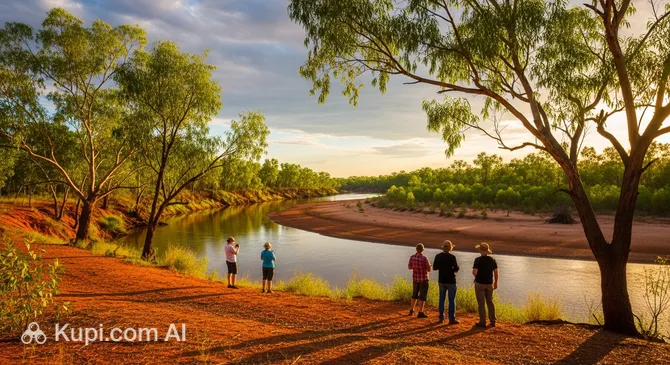
Located in the remote Gulf Country of Queensland, Doomadgee offers a distinct and authentic perspective on life in the Australian outback. Situated approximately 100 kilometers east of the Northern Territory border, this community is deeply connected to the land and the winding waters of the Nicholson River. For travelers exploring Australia who are seeking an experience far removed from the bustling coastal cities, Doomadgee presents a unique opportunity to witness the rugged beauty of the tropical savanna.

Doomadgee. Source: Kupi.Binoculars

The community is home to a population of around 1,300 people, primarily comprising the Gangalidda, Waanyi, and Garawa Indigenous peoples. Understanding the history of Doomadgee provides essential context for visitors, as the town evolved from a mission established in the 1930s into the vibrant shire it is today. The local culture is a significant draw, with art and storytelling playing a vital role in preserving the heritage of the region's traditional owners.

Nature enthusiasts and anglers are often drawn to the area for its pristine environment. The Nicholson River is renowned for its excellent fishing, particularly for the iconic Barramundi, making it a rewarding destination for those with a rod and reel. Beyond fishing, the surrounding landscape offers spectacular opportunities for birdwatching and four-wheel driving adventures through the untamed bush.

Visiting Doomadgee is a journey into the heart of the Gulf Savannah. Whether you are passing through on an epic road trip across the top end or specifically visiting to engage with the local community and environment, you will be greeted by the raw, natural charm of this unique destination.

Weather Overview

Travelers planning a visit to this region should prepare for a climate that remains warm to hot throughout the year, with distinct variations between seasons. The weather in Doomadgee is generally defined by a hot, humid period during the summer months and a drier, milder winter season.

From November through March, the area experiences its highest temperatures and frequency of rainfall. December and January are typically the warmest months, with average temperatures hovering around 31°C to 32°C and daily maximums occasionally reaching up to 38.2°C. This period also brings the most precipitation activity; January, for instance, sees approximately 19 wet days, making it the dampest time of the year despite relatively low total rainfall volumes.

In contrast, the months from April to October are notably drier and cooler. During the peak of the winter season in June and July, the average temperature drops to a comfortable 22°C to 22.5°C, with overnight lows dipping to approximately 15.4°C. This time of year is often preferred for outdoor activities, as data indicates virtually zero wet days from June through September, promising consistently clear skies for exploration.

Interesting Facts

Beyond the main attractions, Doomadgee holds many fascinating secrets rooted in its shifting geography and deep cultural history. Visitors who look past the surface will discover a community defined by resilience and a unique relationship with the landscape.

  • A Relocated Community: The town was not always situated on the banks of the Nicholson River. It was originally established at Bayley Point near the coast, known as "Old Doomadgee," but was moved inland to its current location in 1936 to secure a reliable fresh water supply and better protection from cyclones.

  • Origins of the Name: The name "Doomadgee" is derived from the Gangalidda word "Dumaji," which translates to "sandy mound" or "place of sand." This descriptive title referred to the topography of the original coastal mission site before the community moved to the river.

  • The Wet Season Transformation: During the tropical summer months, the region showcases the raw power of Australia. Heavy monsoonal rains frequently cause the local river systems to swell, often cutting off road access completely and temporarily turning the town into an isolated enclave accessible only by air.

How to Get There

Reaching Doomadgee is an outback adventure that usually involves a combination of regional flights or a long-distance drive. The community is served by its own airfield, Doomadgee Airport, which facilitates connections to regional hubs such as Cairns and Mount Isa. For those flying in, this is the most practical and time-efficient method, bypassing the rugged terrain of the Gulf Savannah.

For those preferring to drive, Doomadgee is located along the route of the Savannah Way, approximately 100 kilometers west of Burketown. Access via road is generally best suited for four-wheel-drive vehicles, especially given the unsealed sections and the potential for rough conditions. It is crucial to check road reports before setting out, as the wet season can render the roads impassable due to flooding.

There are no railway stations serving Doomadgee or the immediate surrounding region. Public transport options like buses are also very limited in this remote area. Consequently, most visitors arrive by private vehicle or scheduled regional flights. You can find more about how to get to Doomadgee and plan your journey effectively on the detailed transport page.

Main Attractions

While Doomadgee is primarily a residential community rather than a commercial tourist hub, it serves as a significant gateway to the wild beauty of the Gulf Country. The town and its surroundings offer authentic outback experiences, centered around the pristine river systems, rich Indigenous culture, and the rugged landscapes of the Savannah Way.

The Nicholson River is the lifeblood of the community and a major draw for visitors, particularly keen anglers. Known for its healthy populations of Barramundi, Sooty Grunter, and Saratoga, the river offers exceptional fishing opportunities in a remote setting. During the dry season, the river settles into a series of tranquil waterholes and a causeway crossing that becomes a scenic focal point. It is an ideal spot for travelers to relax, cast a line, and observe the diverse birdlife that flocks to the water's edge.

For those traveling through in August, the Doomadgee Rodeo is an unmissable local event that showcases the region's vibrant stockman culture. This annual gathering draws competitors and spectators from across the Gulf, transforming the town into a bustling hub of excitement. It features classic events like bull riding and bronco bucking, offering a genuine slice of Australian outback life and a chance to engage with the friendly local community in a festive atmosphere.

Located approximately 80 kilometers to the west, Hell's Gate Roadhouse is a legendary stop on the Savannah Way that is closely linked to Doomadgee. Historically named because it was once the limit of police protection for settlers moving west, today it serves as a vital oasis for travelers. Beyond its practical services, the site offers access to the dramatic sandstone escarpments of the area and provides a base for exploring the nearby coastline and river systems.

Visitors interested in history can explore the story of Old Doomadgee at Bayley Point. Originally established as a mission on the coast before being relocated inland to the current site in 1936 due to cyclone damage, the area holds deep significance for the local Gangalidda people. While the physical remains are sparse, the site connects the community to its ancestral lands and offers a poignant insight into the resilience and history of the region's Traditional Owners.

Local Cuisine

The culinary scene in Doomadgee is defined by its remote outback location and the self-sufficient nature of the Gulf Country. Visitors should not expect fine dining restaurants or bustling cafes; instead, the food culture here is rooted in simplicity, hearty staples, and the incredible natural resources of the surrounding landscape. For many travelers, the highlight of eating in this region is the opportunity to cook fresh produce under the open sky.

The undisputed king of the local "menu" is the Barramundi. With the Nicholson River flowing right past the community, fresh fish is a staple for locals and a prize for visiting anglers. There is no fresher meal than a Barramundi caught earlier that day, wrapped in foil with lemon and herbs, and cooked over a campfire or portable stove. Other river species, such as Sooty Grunter, also provide excellent eating for those with a fishing rod and a bit of patience.

For those looking for a prepared meal within the town itself, options are limited to the local community store and takeaway. Here, you can find typical Australian comfort foods perfect for a quick lunch. Expect to find hot meat pies, sausage rolls, sandwiches, and fried takeaway favorites like fish and chips. It is a practical stop for restocking supplies or grabbing a bite while passing through on the Savannah Way.

A significant part of the region's dining experience can be found at the nearby roadhouses, particularly Hell's Gate Roadhouse to the west. These outback oases are famous for serving generous portions of "bush tucker" in the form of massive steak sandwiches, burgers, and hearty breakfasts designed to fuel long journeys. It is a social hub where tourists and locals mingle over a plate of honest, filling food.

When it comes to drinks, travelers must be aware of the local regulations. Doomadgee is an alcohol-restricted community, meaning there are strict limits or total bans on carrying and consuming alcohol within the town limits. Visitors should check the current rules before arrival to avoid fines. Consequently, the local drinking culture for tourists centers on staying hydrated with water and soft drinks in the tropical heat, while a cold beer is typically enjoyed at licensed venues outside the restricted zones, such as the roadhouse.

Travel Tips

Visiting Doomadgee offers a rare glimpse into life in Australia's remote Gulf Country, but such an adventure requires careful planning and respect for local customs. To ensure your journey through this rugged and culturally rich region is safe and enjoyable, here are some essential practical tips to keep in mind.

  1. Clothing and Gear: Due to the tropical savanna climate, lightweight and breathable cotton clothing is essential for the heat. However, if you are visiting during the dry season (winter), pack a warm jumper or jacket, as temperatures can drop significantly at night. A wide-brimmed hat, high-quality sunglasses, and strong insect repellent are non-negotiable accessories. Since the terrain is dusty and rugged, bring sturdy, closed-toe shoes suitable for walking.

  2. Transportation: There is no public transport, metro, or ride-hailing service like Uber in Doomadgee. The only practical way to explore the region is by private vehicle, and a 4WD is highly recommended due to unsealed roads and potential river crossings on the Savannah Way. Ensure your vehicle is in top condition and carry spare tires. If you need to rent a car, you must arrange this in major hubs like Mount Isa or Cairns before setting out.

  3. Finances: The local currency is the Australian Dollar (AUD). While the local community store generally accepts cards, EFTPOS systems can sometimes go offline in remote areas due to connectivity issues. It is crucial to carry sufficient cash for fuel and supplies as a backup. There are very limited banking facilities, so do not rely on finding an ATM readily available.

  4. Health and Safety: The town has a hospital that provides medical care, but for serious emergencies, the Royal Flying Doctor Service is the primary lifeline. A major safety consideration here is wildlife; always be "Crocwise" near the Nicholson River and assume crocodiles are present even if you cannot see them. Do not swim unless you have explicit local advice that a specific spot is safe.

  5. Communication: English is the primary language spoken, often mixed with local Indigenous languages. Mobile coverage in remote Queensland is generally limited to the Telstra network; other carriers often have zero signal. It is advisable to download offline maps and let someone know your travel itinerary before leaving the main highways, as Wi-Fi availability is scarce.

  6. Local Etiquette: Doomadgee is an Indigenous community with strong cultural traditions. Always show respect to elders and ask for clear permission before taking photographs of local people or their homes. It is polite to wave to passing drivers on these remote roads—it’s a gesture of camaraderie and safety check common in the outback.

  7. What to Avoid: Strictly avoid bringing alcohol into the community. Doomadgee is subject to specific Alcohol Management Plans, which restrict or completely ban the possession and consumption of liquor within certain areas. Violating these rules can result in significant fines and is considered disrespectful to community efforts to maintain health and safety.

  8. Additional Tip: Never pass a fuel pump without topping up. Distances between roadhouses in the Gulf Country are vast, and fuel availability can be sporadic. If you plan to drive west towards Hell's Gate or east to Burketown, ensure your tank is full and carry extra water for the journey.

By following these guidelines, you will be well-prepared to navigate the unique challenges of the outback while showing respect for the land and its people. A trip to Doomadgee is an unforgettable experience for those who travel with an open mind and a spirit of adventure.

Entertainment & Nightlife

Travelers expecting a bustling scene of nightclubs, cocktail bars, or neon-lit districts will find Doomadgee to be a world apart. As a remote Indigenous community with strict alcohol restrictions, the "nightlife" here is defined not by commercial venues, but by the profound silence of the outback and the spectacular canopy of stars overhead. The evenings are tranquil, focusing on community connection, rest, and the immersion in the natural environment of the Gulf Savannah.

It is important to understand that Doomadgee is subject to Alcohol Management Plans, which means there are no public bars, pubs, or bottle shops within the town itself. The sale and public consumption of alcohol are generally prohibited or heavily restricted. Consequently, you will not find a "nightlife district" or busy streets filled with revelers. Instead, the atmosphere after dark is one of quiet domesticity, where the sounds of the bush take over from the activity of the day.

For visitors seeking a cold drink and a social atmosphere, the nearest options lie outside the community boundaries. Hell's Gate Roadhouse, located approximately 80 kilometers to the west, serves as the region's primary watering hole. It is a legendary stop for travelers and locals alike, offering a licensed bar where you can enjoy a beer and swap stories with fellow adventurers. Similarly, to the east, the Burketown Hotel offers a classic outback pub experience. In the context of the vast distances of the Gulf Country, these venues are considered "local" and are the only places to experience a traditional social evening.

Entertainment within Doomadgee itself is often centered around community events rather than permanent venues. The highlight of the social calendar is the annual Doomadgee Rodeo. During this event, the evenings come alive with excitement, music, and the gathering of families from across the region. Outside of festival times, evening entertainment for tourists is largely self-made: setting up a camp chair (in permitted areas outside the town), enjoying the cool night air, and observing the incredible constellations that are visible due to the lack of light pollution.

Safety and respect are paramount when navigating the evenings here. Walking around the town late at night is not recommended for tourists, primarily due to the presence of camp dogs and wandering livestock such as horses and cattle that roam the streets. It is best to stay within your accommodation or designated camping area after dark. Taxis and ride-sharing services do not exist here; getting around is entirely dependent on your own vehicle, and driving at night requires extreme caution due to wildlife on the roads.

While the nights are quiet, daytime entertainment offers a different pace. Visitors can explore the local culture or spend time by the river. However, unlike major cities with museums and amusement parks, the "attractions" here are the land itself and the people. For a true evening experience in this part of Australia, embrace the solitude, respect the local dry laws, and enjoy the rare luxury of absolute peace under the southern sky.

Parks & Museums

In Doomadgee, the distinction between nature and culture is often seamless, with the landscape itself serving as a living museum of Indigenous history and tradition. While the town does not feature manicured botanical gardens or large indoor museum complexes found in major cities, it offers a raw and authentic connection to the land. The "parks" here are the wild riverbanks and vast savannas, while the "museums" are the historical sites and the stories held by the local Gangalidda, Waanyi, and Garawa peoples.

The Nicholson River acts as the community's primary natural recreational space. This permanent freshwater river is not just a lifeline for the town but a scenic area for walking, birdwatching, and fishing. The riverbanks are lined with vegetation that provides shade and spots for families to gather. For visitors, the river offers a tranquil setting to observe local wildlife and experience the daily rhythm of life in the Gulf Country, where the water is central to both survival and recreation.

Although located further afield, Boodjamulla (Lawn Hill) National Park is the most significant natural area associated with the region. Often accessed by travelers passing through Doomadgee, this spectacular park features emerald-green waters, lush gorges, and sandstone ranges that contrast sharply with the surrounding dry savanna. It is a place of immense spiritual significance and natural beauty, offering canoeing and hiking trails that reward visitors with breathtaking views of the outback oasis.

For those interested in history, the site of Old Doomadgee at Bayley Point serves as an important open-air historical location. This was the original location of the mission established in the early 1930s before a cyclone forced the community to move inland to its current site. Visiting Bayley Point allows travelers to stand on the ground where the modern community's story began, offering a poignant connection to the resilience of the local people and their ancestors who lived there.

Within the town itself, the Old Dormitories stand as significant architectural witnesses to the past. These structures date back to the mission era of the mid-20th century when the town was run under strict religious governance. While not a conventional museum with ticketed entry, the buildings are a focal point for understanding the complex history of the Stolen Generations and the mission life that shaped the community. They are best viewed respectfully from the outside or with a local guide who can share the personal stories associated with them.

Insider Tip: Keep an eye on the sky in September and October for the Morning Glory Clouds. This rare meteorological phenomenon, which looks like a series of massive rolling tubes stretching across the horizon, is unique to the Gulf of Carpentaria. Doomadgee is one of the few places in the world where you can witness this spectacular natural "gallery" in the sky.

Getting Around

Travelers arriving in Doomadgee should be aware that the town does not possess a public transport system in the conventional sense. There are no metros, trams, trolleybuses, or scheduled city bus services operating within the community. The infrastructure is designed for a remote outback settlement, meaning the complex transit networks found in major urban centers are entirely absent here.

Since there is no public transportation network, there is no need to worry about purchasing travel passes, acquiring "smart cards," or downloading transit apps. You will not find ticket vending machines or validation points. The concept of a "fare" applies only if you are booking a seat on a regional flight or a long-distance coach service that might pass through the wider region, rather than for travel within the town itself.

For tourists, the only practical means of navigating the area is by private vehicle. A four-wheel-drive (4WD) is strongly recommended, and often essential, due to the unsealed roads and rugged terrain surrounding the community. Visitors are advised to arrange their vehicle rental in a major hub like Mount Isa or Cairns before traveling, as there are no car rental agencies located within Doomadgee. Being self-sufficient with fuel and spare tires is the most important "transport advice" for this region.

Alternatives such as taxis, Uber, or other ride-sharing apps are not available in this remote location. Similarly, you will not find bike rental schemes or electric scooters. Within the settlement itself, the distances between the community store, the hospital, and the council office are relatively short, making walking a viable option during the cooler parts of the day. However, for any exploration beyond the immediate town center, a reliable vehicle is indispensable.

The only scheduled transport link connecting the town to the outside world is via Doomadgee Airport. Regional airline services, typically operated by Rex Airlines, provide flights to and from Mount Isa and Cairns. This air link is a vital "lifeline" service rather than a tourist shuttle, but it remains the primary method for locals and visitors to enter or leave the community without driving the long distances of the Savannah Way.

Accommodation

Finding accommodation in Doomadgee requires a different mindset compared to visiting a standard tourist destination. As a remote Indigenous community, the town does not possess a commercial hotel sector, luxury resorts, or backpacker hostels within its immediate boundaries. The infrastructure is primarily designed to support the local population and visiting service providers, meaning that traditional tourist lodging inside the town itself is virtually non-existent.

For travelers exploring the Gulf Country, the most practical and popular strategy is to look for accommodation situated along the Savannah Way, just outside the community limits. The surrounding region relies heavily on roadhouses, which serve as multi-purpose hubs offering fuel, food, and shelter. These establishments typically provide the most convenient base for visiting the area while ensuring access to essential amenities that might be restricted or unavailable within the residential zones.

The most notable option in the vicinity is Hell's Gate Roadhouse, located approximately 80 kilometers to the west. While not within the town of Doomadgee itself, it is the primary lodging provider for the region and a legendary stop for those traversing the top end. It offers a range of options including air-conditioned cabins, dongas (transportable buildings common in the outback), and powered or unpowered camping sites. Staying here allows tourists to experience the rugged beauty of the landscape with the comfort of hospitality services.

Travelers who are self-sufficient often choose to camp. There are designated camping areas near river crossings and at the roadhouses, but "free camping" strictly within the community or on Indigenous land without a permit is not allowed. Always respect local signage and land ownership when choosing a spot to pitch a tent or park a caravan.

Booking Tip: Due to the remoteness of the location and limited capacity, it is highly recommended to book your accommodation well in advance, especially during the peak dry season (May to September). Online booking platforms are rarely used for these outback properties; the most reliable method is to contact the roadhouse directly via phone to secure your spot.

In terms of pricing, the region generally falls into the budget to mid-range category. Unpowered campsites are affordable, while air-conditioned cabins at the roadhouses command a higher price due to the cost of maintaining services in such an isolated location. Be prepared to pay cash, as electronic payment systems can be intermittent due to connectivity issues.

Nearby Cities

For those looking to explore the surroundings, Doomadgee serves as an excellent base for day trips or short visits to several interesting nearby locations. While distances in the Gulf Country are vast, the journey to these regional hubs offers a chance to experience the changing landscapes of the Australian outback.

Mount Isa is the most significant urban center in the region and serves as a major destination for travelers needing supplies or a touch of city life. Known as the "Oasis of the Outback," it is famous for its rich industrial history. Visitors can tour the underground workings at the Hard Times Mine or enjoy recreational activities at Lake Moondarra. It provides a stark and bustling contrast to the quiet, remote nature of Doomadgee.

Another notable destination is Cloncurry, often referred to as the "Friendly Heart of the Great North West." This town holds a special place in Australian history as the birthplace of the Royal Flying Doctor Service. Tourists can visit the John Flynn Place Museum and Art Gallery to learn about the pioneers of outback aviation and medicine, making it a culturally rewarding stop for those touring the area.

City Population Distance (km)
Mount Isa 21000 316
Tennant Creek 3000 524
Cloncurry 2800 353
Groote Eylandt 2000 500
Ngukurr 1300 563

These nearby destinations offer a glimpse into the diverse culture and landscapes of the region, ranging from historic mining towns to remote island communities.

Shopping & Souvenirs

Shopping in Doomadgee is a strictly functional affair, reflecting the remote nature of this outback community. Travelers should not expect a retail therapy destination with window displays or fashion boutiques. Instead, the shopping opportunities here are designed to serve the essential needs of the local residents and the few visitors passing through the Gulf Country. For tourists, the town is primarily a place to restock vital supplies such as food, water, and basic camping gear before continuing their journey along the Savannah Way.

There are no designated shopping districts or high streets in the traditional sense. The retail activity of the town is concentrated entirely around the central community hub. Here, you will find the Doomadgee Retail Store, which acts as the general store, supermarket, and variety shop all rolled into one. This is the heartbeat of the town's commerce, where you can purchase everything from fresh produce and frozen goods to hardware, clothing basics, and personal care items.

Large shopping malls and department stores are non-existent in this part of Australia. The infrastructure simply does not support them. The nearest major shopping centers are located hundreds of kilometers away in Mount Isa or Cairns. Visitors should ensure they have all specialized equipment, vehicle parts, and specific luxury items before arriving, as the local options are limited to immediate necessities.

While there are no formal flea markets or souvenir bazaars, the region is rich in culture, which can sometimes translate into unique purchasing opportunities. Informal stalls may occasionally appear during community events like the Rodeo, but they are not a permanent fixture. The best "market" experience here is simply engaging with the community, where you might find locally made items being sold directly by residents.

For those seeking a memento of their trip, the most valuable and authentic purchases are Indigenous art and crafts. The local Gangalidda, Waanyi, and Garawa artists are known for their distinct styles, often depicting stories of the land, the Nicholson River, and the starry skies. While there may not be a dedicated commercial gallery with regular hours, inquiring at the council office or community center can sometimes lead to opportunities to purchase paintings or artifacts directly from local artists.

Opening hours in Doomadgee are limited and can be unpredictable compared to city standards. The general store typically operates from Monday to Friday, with shorter hours on Saturdays and often closing completely on Sundays. It is crucial to plan your arrival around these times if you need to buy food. Payment methods generally include cash and major credit cards (Visa and Mastercard). However, telecommunications in the outback can be unreliable; EFTPOS terminals frequently go offline, so carrying sufficient cash is the golden rule for shopping in remote Queensland.

The Tourist Refund Scheme (TRS) allows travelers to claim a refund on the Goods and Services Tax (GST) for certain purchases when leaving Australia. Since there are no participating "tax-free" shops in Doomadgee and the scheme is processed at international airports (like Cairns or Brisbane) upon departure, this is not something you can utilize locally. Keep your receipts if you make significant purchases of art or goods elsewhere in the country to claim at the airport.
Reached the end of the page?

That means the route is fully explored