Support

Karumba

About

Welcome to Karumba, a captivating coastal town that serves as the gateway to the Gulf of Carpentaria. Known affectionately as the place where the "outback meets the sea," this unique destination offers a blend of rugged landscapes and maritime charm. Located in the far north of Queensland, Australia, Karumba sits at the mouth of the Norman River and is renowned as a paradise for anglers and nature enthusiasts alike.

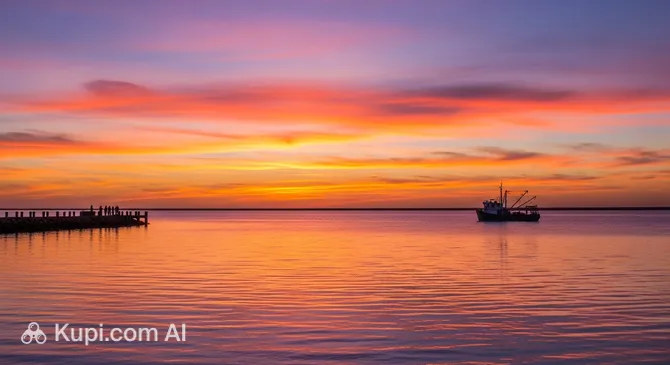
Karumba. Source: Kupi.Binoculars

Despite its small size, with a population of just over 500 residents, the town boasts a vibrant atmosphere, especially during the winter dry season when travelers arrive to escape the cold. Visitors interested in the local heritage can explore the fascinating history of Karumba, which traces the town's evolution from an early telegraph station and flying boat base to a major hub for the prawn and fishing industries. The climate here is tropical, ensuring warm weather year-round, though the dry months are generally considered the best time for tourism.

Travelers primarily flock here for the world-class fishing, with the legendary barramundi being the ultimate prize. The Barramundi Discovery Centre is a standout attraction, offering an interactive experience where you can learn about the lifecycle of this iconic fish and even feed them. For a relaxing evening, the famous Sunset Tavern provides the perfect vantage point to witness spectacular sunsets that paint the sky in vibrant hues of orange and purple over the ocean. Whether you are casting a line or simply soaking up the views, Karumba promises an unforgettable escape into the wild beauty of the north.

Weather Overview

Karumba experiences a tropical savanna climate defined by two distinct seasons: a hot, humid wet season and a warm, dry season. Travelers can generally expect high temperatures year-round, with average monthly temperatures ranging from a comfortable 22.4°C in July to a balmy 29.9°C in December. The summer months, spanning December through February, bring the most rainfall and humidity, with January seeing up to 20 wet days and average highs reaching 30.9°C.

For those preferring clearer skies, the middle of the year offers ideal conditions for outdoor exploration. From June to September, the weather in Karumba is exceptionally dry, often recording 0mm of precipitation and zero wet days for months at a time. During this period, daytime maximums remain pleasant, hovering between 25.9°C and 29.7°C, while overnight minimums dip to a refreshing 18.8°C, making it the perfect season for fishing and camping.

Interesting Facts

Beyond the famous barramundi fishing and golden sunsets, Karumba holds several fascinating secrets that add depth to its character. This remote town is not just a scenic destination but a place of unique meteorological phenomena and historical significance.

  • The Morning Glory Cloud: During September and October, the region becomes one of the few places on Earth where you can reliably witness the "Morning Glory." These massive, tube-shaped roll clouds can stretch for up to 1,000 kilometers across the sky, attracting glider pilots from around the world who come to "surf" the air currents of this rare weather event.

  • A Historic Flying Boat Hub: In the 1930s, Karumba was a glamorous stopover on the international "Kangaroo Route" connecting London to Australia. Qantas Empire Airways flying boats would land on the Norman River to refuel, transforming this tiny outpost into a vital link in early global aviation.

  • Unique Diurnal Tides: The waters of the Gulf of Carpentaria behave differently than most oceans. Unlike the standard two high and two low tides per day found elsewhere, Karumba often experiences only one high tide and one low tide daily, a rare cycle known as a diurnal tide caused by the gulf's unique geography.

  • The Underground Mineral River: The town serves as the terminus for a remarkable engineering feat: a 304-kilometer underground pipeline. This infrastructure transports zinc and lead concentrate in slurry form all the way from the inland Century Mine to the port at Karumba, keeping heavy industrial traffic off the rugged outback roads.

How to Get There

Reaching this remote fishing paradise in the Gulf of Carpentaria is an adventure in itself, typically involving a scenic road trip through the Queensland outback. Karumba serves as the coastal gateway at the end of the Matilda Highway, a fully sealed road that connects the interior to the sea, passing through the historic town of Normanton. For detailed routes and travel tips, you can read more about how to get to Karumba before starting your journey.

The town does not have a major commercial airport, and air access to the immediate region is limited. The nearest facility listed in the vicinity is Kowanyama Airport (IATA: KWM), which serves the community of Kowanyama. Located approximately 241.5 km away, it is a regional airport rather than a primary tourist hub. Visitors should be aware that due to the distance and the nature of the region, this airport is not typically used as a direct gateway for Karumba.

For reference, here is the data regarding the nearest airport listed:

Airport Name City Passenger Traffic Km from City
Kowanyama Kowanyama 26,000 241.5

Given the logistical challenges of air travel in this specific area, the most common and practical method of arrival is by road. Driving to Karumba offers a quintessential Australian experience, transitioning from the rugged outback terrain to the coastal wetlands. Whether you are traveling in a 4WD or towing a caravan, the journey through Normanton allows you to fully appreciate the unique landscapes of the Gulf Country.

Main Attractions

While Karumba is famous for its fishing, the town offers several compelling attractions that showcase the unique environment and wildlife of the Gulf Savannah. Visitors can explore educational centers, immerse themselves in the local wetlands, or simply enjoy the coastal atmosphere where the red earth meets the blue sea.

The Les Wilson Barramundi Discovery Centre is the town's premier tourist facility and a must-visit for anyone interested in marine life. This state-of-the-art interpretive center provides a deep dive into the lifecycle of the Southern Gulf Barramundi, the region's most sought-after fish. It functions as a working hatchery, allowing tourists to see the fish up close and learn about the restocking programs that sustain the local population. The centre also features a gift shop and displays detailing the history of the commercial fishing industry in the area.

For those eager to see the region's wildlife in its natural habitat, a cruise on the Norman River is an unforgettable experience. Local operators, such as The Ferryman, take visitors through the winding mangroves and estuary waters. These tours are excellent for spotting saltwater crocodiles basking on the mudbanks and observing a rich variety of birdlife, including brahminy kites and sea eagles. The sunset cruises are particularly popular, offering a stunning perspective of the sun dipping below the Gulf of Carpentaria from the water.

Nature enthusiasts and birdwatchers will find the Mutton Hole Wetlands to be a fascinating ecosystem. Located between Karumba and Normanton, this extensive wetland area comes alive, particularly after the wet season. It serves as a critical habitat for thousands of waterbirds, including pelicans, brolgas, and sarus cranes. The area offers great opportunities for photography and provides a tranquil contrast to the bustling boat ramps of the town.

Karumba Point is the coastal heart of the area, distinct from the main town center. It is the spot where the outback truly touches the ocean, featuring a sandy beach that is safe for walking and relaxing. This area is the social hub at the end of the day, where travelers gather to enjoy fresh local seafood and witness the legendary sunsets that paint the sky in vivid oranges and purples. The relaxed vibe here captures the essence of a tropical holiday in the remote north.

Local Cuisine

As the self-proclaimed "Prawn Capital" of Australia, Karumba offers a culinary scene that is unapologetically focused on fresh, wild-caught seafood. The town’s location on the Gulf of Carpentaria ensures that the catch of the day is often just hours out of the water. For visitors, the dining experience here is less about fine dining and more about honest, high-quality produce enjoyed in a relaxed, tropical atmosphere where the "outback meets the sea."

The undisputed star of the local menu is the Karumba Banana Prawn. These sweet, firm crustaceans are famous nationwide, but tasting them right at the source is a special experience. You will find them served in buckets, grilled on barbecues, or piled high in fresh salads. Another must-try is the legendary Barramundi, the region's most iconic fish. Whether battered, crumbed, or grilled simply with lemon and herbs, the "barra" served here is world-class. Adventurous eaters should also look out for local mud crabs, a rich and savory delicacy caught in the nearby mangroves.

One of the town's most beloved food rituals involves visiting Ash’s at the Point. This popular café and takeaway spot is renowned for its famous prawn sandwiches and classic fish and chips. Tourists often grab a meal here wrapped in paper and head straight to the beach to eat while looking out over the water. It is the quintessence of the Karumba lifestyle: simple, delicious, and deeply connected to the ocean.

For a sit-down meal with a view, the Sunset Tavern is the social hub of the community. As the name suggests, it is the premier spot to enjoy a meal while watching the sun dip below the horizon. The menu features hearty pub classics alongside seafood platters, perfect for pairing with an ice-cold beer or a glass of wine. The tradition of "sundowners"—having a drink as the sky turns fiery orange—is an essential part of the local food culture, bringing together locals and travelers to celebrate the end of another day in paradise.

Travel Tips

Visiting Karumba offers a unique blend of outback ruggedness and coastal relaxation, but its remote location in the Gulf Country requires a bit of extra preparation. These practical tips are designed to help you navigate the local climate, wildlife, and logistics to ensure your adventure is as smooth as it is memorable.

  1. Clothing and Gear: The climate is tropical, so pack lightweight, breathable clothing. However, if you are visiting during the peak tourist season (dry season, June–August), bring a warm jacket or jumper, as evenings can get surprisingly cool. A wide-brimmed hat, high-SPF sunscreen, and quality sunglasses are non-negotiable due to the intense sun. Crucially, bring strong insect repellent to ward off sandflies and mosquitoes, which can be prevalent near the mangroves.
  2. Transportation: Karumba is a small town divided into two main sections: the town center and Karumba Point, which are about 8 kilometers apart. There is no public transport system like buses or trains. While some accommodation providers may offer courtesy transfers to the tavern, the best way to get around is by private vehicle. If you haven't driven your own car, having a rental vehicle is highly recommended to explore the area freely.
  3. Finances: The local currency is the Australian Dollar (AUD). While major businesses, caravan parks, and the Sunset Tavern accept credit and debit cards, it is wise to carry some cash for smaller purchases or in case of system outages, which can happen in remote areas. ATMs are available in town, but they can occasionally run out of cash during busy periods. Tipping is not mandatory in Australia but is appreciated for exceptional service.
  4. Health and Safety: The most important safety rule here is to be "Crocwise." The waters around Karumba are home to saltwater crocodiles; never swim in the river or the ocean unless you are in a clearly designated safe enclosure (though these are rare). For medical needs, there is a local health center and a pharmacy, but for serious emergencies, the Royal Flying Doctor Service provides evacuation. Always stay hydrated, as the heat can be deceptive.
  5. Communication: English is the spoken language, often with a friendly country accent. In terms of mobile coverage, Telstra is the primary provider with reliable signal in the area; other carriers may have limited or no reception. Wi-Fi is often available at accommodation spots and the tavern, but speeds can be slower than in the city. It is best to download offline maps before you arrive.
  6. Local Etiquette: The vibe in Karumba is incredibly laid-back and friendly. It is customary to greet passersby with a nod or a "G'day." If you are fishing—a major local pastime—respect other anglers' space and adhere strictly to bag limits and size restrictions. Locals are very protective of their fishery and environment, so following the rules earns you respect.
  7. What to Avoid: Avoid leaving fish frames or bait scraps near boat ramps or on the water's edge, as this attracts crocodiles and creates a safety hazard for everyone. Also, try to avoid driving on the highways at dawn or dusk if possible, as this is when kangaroos and wallabies are most active and pose a collision risk.
  8. Additional Tip: Embrace the "Sunset Ritual." In Karumba, watching the sun set over the Gulf of Carpentaria is a community event. Plan your day so you are at Karumba Point or the Sunset Tavern by late afternoon. It’s the perfect time to swap stories with fellow travelers and enjoy the spectacular view with a cold drink in hand.

By keeping these practicalities in mind, you can focus on the real magic of the region—the incredible fishing, the stunning wildlife, and the warm hospitality of the locals. Enjoy your journey to where the outback meets the sea!

Entertainment & Nightlife

Nightlife in Karumba is a world away from the bustling clubs and neon-lit districts of big cities. Instead of high-energy dance floors, the evening entertainment here is defined by relaxed social gatherings, ice-cold beverages, and the natural spectacle of the sun dipping into the Gulf of Carpentaria. The atmosphere is quintessentially Australian outback: warm, welcoming, and unpretentious. For visitors, the "nightlife" usually begins in the late afternoon and revolves around the town's few but iconic watering holes, where locals and travelers swap fishing tales under the starry sky.

The social heart of the evenings is undoubtedly the Sunset Tavern at Karumba Point. As its name suggests, this venue offers the premier vantage point for watching the sky turn a brilliant crimson over the ocean. It is a spacious, open-air establishment where the dress code is strictly casual—shorts and flip-flops are the norm. The tavern serves as a community hub where you can enjoy a hearty meal and a drink while the sea breeze cools the air. It is the perfect place to unwind after a long day on the water, offering a family-friendly environment that captures the laid-back spirit of the Gulf.

Another key fixture in the local social scene is the Karumba Lodge Hotel, located in the main town center near the river. Often referred to simply as "The Lodge," this historic pub offers a more traditional outback hotel experience. It is a favorite among anglers and truckies, providing a rustic setting to enjoy a cold beer and perhaps a game of pool. The vibe here is authentic and earthy, often buzzing with conversation about the day's catch or road conditions. While it doesn't stay open until the early hours of the morning like a city nightclub, it provides genuine hospitality and a chance to meet characters from all walks of life.

Practical advice for enjoying an evening out in Karumba is simple: start early and plan your transport. Venues typically wind down earlier than in metropolitan areas, with kitchens often closing by 8:00 PM or 8:30 PM. Since the town is split between the Point and the main center, getting around requires a bit of planning. There is no Uber or regular taxi service roaming the streets. However, some accommodation providers and venues may offer courtesy buses or shuttles, so it is highly recommended to ask about these options at your hotel reception or the bar before you start drinking.

Safety at night is largely centered around awareness of the environment rather than urban crime. Karumba is generally a very safe town for tourists, but walking between the town center and the Point at night is not active due to the distance and lack of lighting on the road. More importantly, visitors must remain "Crocwise" even after dark. Never walk close to the water's edge on the beach or riverbanks at night, as saltwater crocodiles are nocturnal hunters and can be present in shallow waters. Stick to well-lit, designated paths and venue grounds.

Before the sun sets, daytime entertainment in Karumba offers a different pace. Beyond the famous fishing charters, visitors can enjoy a round of golf at the local golf course, which is maintained by volunteers and offers a unique outback sporting experience. For those interested in local culture, the town library and visitor center often have information on community events or small exhibitions. The contrast between the quiet, sun-drenched days and the convivial, sunset-focused evenings makes Karumba a truly relaxing getaway.

Parks & Museums

In the remote coastal town of Karumba, the concept of parks and museums takes on a unique definition. Rather than manicured botanical gardens or grand art institutes, the "green spaces" here are vast, untamed wetlands and golden foreshores, while the cultural venues serve as living tributes to the region's maritime history and fishing heritage. Visitors come here to connect with the raw beauty of the Gulf Country and to learn about the industries that have sustained this community for decades.

Mutton Hole Wetlands Conservation Park stands out as the most significant natural area in the vicinity. Located between the town center and Karumba Point, this protected reserve is a paradise for nature lovers. Unlike a traditional city park, it offers a rugged landscape of saltpans, mangroves, and grasslands that transform dramatically with the seasons. It is a designated crocodile habitat and a crucial breeding ground for birdlife, offering walking tracks where visitors can observe brolgas and jabirus in their natural environment, far removed from urban noise.

For a more relaxed outdoor experience, the Karumba Point Foreshore acts as the town's communal front yard. This stretch of coast is where the red outback dust meets the blue waters of the Gulf. It features grassy areas, picnic tables, and walking paths that are popular with both locals and travelers. It is the prime location for watching the sunset and provides access to the beach, where the rhythmic tides of the Gulf of Carpentaria create a soothing backdrop for evening strolls.

The cultural centerpiece of the town is the Les Wilson Barramundi Discovery Centre. While it functions as a hatchery, it is also the region's primary museum and educational facility. Inside, visitors find comprehensive interpretive displays that chronicle the history of the commercial fishing industry in the Gulf. The exhibits cover everything from the biology of the iconic barramundi to the stories of the prawn trawlers that helped put Karumba on the map. It offers a modern, air-conditioned space to explore the intersection of nature and local commerce.

Another layer of the town's history is preserved through the Karumba Heritage Walk. This self-guided tour functions effectively as an open-air museum, weaving through the town and highlighting sites of historical importance. Informative signage along the route details Karumba's strategic role during World War II and its days as a glamorous refueling stop for Qantas Empire Airways flying boats. It allows tourists to piece together the fascinating past of this remote outpost while exploring on foot.

Among the historical landmarks, the site of the Flying Boat Base remains a point of interest for history buffs. Although much of the original infrastructure is gone, the location on the Norman River marks where majestic seaplanes once landed on their journey between Australia and London. Markers and local lore help bring this golden age of aviation to life, reminding visitors of the town's unexpected connection to global travel history.

For an authentic insider experience, take a walk along the walking track that connects the town to the Point early in the morning. This is when the birdlife is most active, and you might spot wallabies grazing near the path before the heat of the day sets in—a quiet, magical moment that captures the true spirit of the Gulf Savannah.

Getting Around

Travelers visiting Karumba should be aware that there is no formal public transport system operating within the town. Unlike larger cities, you will not find public buses, trains, trams, or a metro service here. The town is relatively small but is geographically divided into two distinct sections: the main town center (often called "Town") and Karumba Point ("The Point"), which are separated by approximately 8 kilometers of road. Consequently, getting around requires a different approach than in metropolitan areas.

Because there is no municipal transit network, there are no travel passes, smart cards, or ticketing apps to worry about. The standard state-wide transport cards used in Queensland do not apply in this remote region. Transportation relies almost entirely on private vehicles and informal local arrangements. Visitors generally do not need to budget for public transport fares, but should instead plan for fuel costs or vehicle hire fees.

For most tourists, the most practical advice is to arrive with a private vehicle. Driving is the primary mode of transport and allows for the freedom to travel between the town center, the boat ramp, and the beach at Karumba Point. If you do not have your own car, it is highly recommended to arrange a rental vehicle before arriving in the region, as rental availability within the town itself can be extremely limited or non-existent.

A popular alternative to driving, particularly in the evenings, is the use of courtesy buses operated by local establishments. Several accommodation providers and the main tavern offer shuttle services to transport guests between their lodgings and dining venues. These shuttles are often free or require a nominal gold coin donation. It is advisable to check the schedule with your hotel reception or the venue directly, as these services typically operate during dinner hours rather than throughout the entire day.

Regarding other alternatives, ride-sharing apps like Uber do not operate in this remote location. Taxi services are very limited and may not be available 24/7; they are often run by local operators rather than large fleets. Cycling is a viable option for short distances within one section of the town, but cycling between the Town and the Point should be undertaken with caution due to the heat and the lack of dedicated bike lanes on the connecting road. Walking the 8-kilometer distance between the two hubs is generally discouraged during the day due to the intense tropical sun.

Accommodation

Accommodation in Karumba is designed to cater to the annual migration of anglers, "grey nomads," and families seeking a tropical escape. The options here are largely functional, relaxed, and perfectly suited to the outdoor lifestyle. Visitors will not find high-rise luxury hotels or sprawling all-inclusive resorts. Instead, the town specializes in well-equipped caravan parks, comfortable motels, and self-contained holiday apartments that serve as a convenient base for fishing expeditions and sunset watching.

When choosing where to stay, it is important to understand the town's layout, as it is split into two distinct precincts about 8 kilometers apart. Karumba Point is the main tourist hub located directly on the coast. It is the most popular area for holidaymakers because of its proximity to the beach, the Sunset Tavern, and the walking paths. Staying here puts you right next to the ocean views. The alternative is Karumba Town, located inland on the banks of the Norman River. This area is the commercial center, offering closer access to the main boat ramp, the supermarket, the post office, and the bakery, making it practical for those prioritizing boating logistics and supplies.

For those not traveling with a caravan, the town offers several well-known establishments. In the town center, the historic Karumba Lodge Hotel provides motel-style rooms attached to a classic outback pub, offering a lively atmosphere and river views. At the Point, properties like the End of the Road Motel and various holiday units offer comfortable, air-conditioned rooms and apartments, often with facilities like pools and barbecue areas to cook up the day's catch.

Booking Tip: Planning ahead is absolutely critical if you intend to visit during the peak tourist season, which runs from June to August. During these dry winter months, the town's population swells dramatically, and accommodation—especially cabins and powered sites—can be fully booked months or even a year in advance. It is highly recommended to secure your reservation as early as possible.

Price-wise, accommodation generally falls into the budget to mid-range categories. Unpowered camping sites offer the most economical choice, while modern cabins and motel suites are priced moderately. While some properties are listed on major online booking platforms, many local operators, particularly the caravan parks and smaller motels, prefer direct bookings via phone or their own websites.

Nearby Cities

For those looking to explore the surroundings, Karumba serves as an excellent base for day trips to several interesting nearby locations:

Normanton is the closest major town, located approximately 70 kilometers inland, making it the most practical destination for a true day trip. This historic settlement is famous for its colonial architecture and the iconic "Purple Pub." Visitors should not miss seeing "Krys the Savannah King," a life-sized statue of the largest crocodile ever shot, located in the council park. Normanton is also the terminus for the legendary Gulflander train, a vintage rail journey that offers a nostalgic ride through the rugged Gulf Savannah landscape.

For a longer excursion or a short visit, Cloncurry offers a deep dive into Australian history. Known as the "Friendly Heart of the Great North West," it is celebrated as the birthplace of the Royal Flying Doctor Service. Travelers can visit John Flynn Place to learn about this vital medical service or explore the Mary Kathleen Memorial Park, which houses memorabilia from the region's mining past and the Burke and Wills expedition.

Another significant regional hub is Mount Isa, often referred to as the "Oasis of the Outback." Although it requires a significant drive, it is a fascinating destination for those interested in the industrial heartbeat of the region. The city is built around vast silver, lead, copper, and zinc mines. Visitors can experience the Hard Times Mine Tour, an underground tour guided by former miners, or explore the Outback at Isa visitor centre, which features a fossil museum and lush native gardens.

City Population Distance (km)
Mount Isa 21000 386
Mareeba 11079 490
Atherton 7331 493
Port Douglas 3504 504
Cloncurry 2800 358

These nearby destinations offer a glimpse into the diverse culture and landscapes of the region, ranging from historic railway towns to bustling mining communities.

Shopping & Souvenirs

Shopping in Karumba is a reflection of its identity as a remote fishing village and outback outpost. Visitors should not expect sprawling shopping malls, high-end fashion boutiques, or extensive retail districts. Instead, the shopping experience here is practical and community-focused, catering primarily to the needs of anglers, campers, and travelers stocking up on essentials. The retail scene is split between the main town service center and the tourist-oriented offerings at Karumba Point, with a strong emphasis on fresh seafood, fishing gear, and unique local souvenirs.

The town's retail activity is divided into two distinct precincts. In the main township (Karumba Town), you will find the commercial hub which includes the local supermarket, a butcher, a bakery, and a pharmacy. This is the place to go for groceries, camping supplies, and general necessities. About 8 kilometers away at Karumba Point, the shopping is more geared towards leisure. Here, you can find small convenience stores and specialty shops that cater to holidaymakers, offering beach essentials, bait, and casual clothing suitable for the tropical climate.

There are no shopping malls or department stores in Karumba. The nearest major retail centers are hundreds of kilometers away in cities like Mount Isa or Cairns. Travelers are advised to come prepared with any specialized items they might need, although the local stores are surprisingly well-stocked with the basics required for a comfortable stay in the Gulf Country.

During the peak tourist season (the dry winter months from June to August), the town comes alive with seasonal markets. These are typically held on weekends, often on Sunday mornings, and serve as a vibrant gathering spot for locals and visitors. Stalls usually feature handmade crafts, homemade jams and preserves, local art, and second-hand books. It is a great way to meet local residents and pick up unique, hand-crafted items that you won't find in a standard store.

When it comes to souvenirs, Karumba offers items that are distinctively connected to its environment. The Les Wilson Barramundi Discovery Centre features a gift shop with a range of high-quality merchandise, including educational books, clothing, and locally made products. A truly unique local souvenir is barramundi leather—durable and textured leather made from fish skin, crafted into wallets, belts, and keyrings. Additionally, many visitors consider a box of frozen Karumba Banana Prawns or wild-caught fish fillets to be the ultimate takeaway, packed in styrofoam boxes for the journey home.

Store opening hours in Karumba are typical of a small country town. The main supermarket and essential services generally operate from around 8:00 AM to 5:00 PM or 6:00 PM on weekdays, with reduced hours on weekends. Smaller boutiques or tourist shops at the Point may have more flexible hours during the high season but can close early during the quiet wet season. Major credit and debit cards are widely accepted at most businesses, including the tavern and supermarket. However, it is advisable to carry some cash, particularly for the markets or smaller independent stalls.

For international travelers, the Tourist Refund Scheme (TRS) allows you to claim a refund on the Goods and Services Tax (GST) for purchases over AUD 300 made at a single store. While it is unlikely you will reach this threshold in Karumba's small convenience stores, it may apply if you purchase expensive fishing equipment or artwork. Be sure to ask for a valid tax invoice if you plan to make a claim at the international airport upon your departure from Australia.
Reached the end of the page?

That means the route is fully explored