Support

Lorengau

About

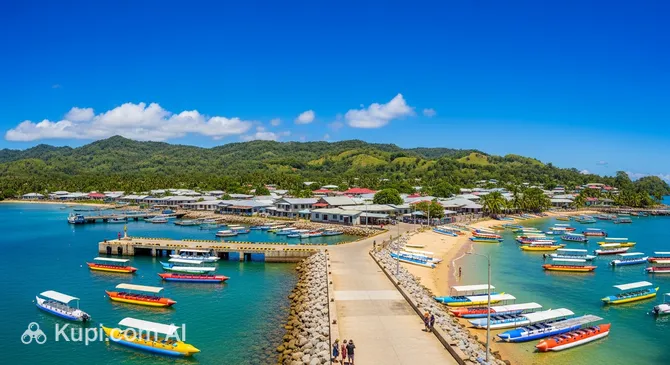
Lorengau is the vibrant capital of Manus Province and serves as the primary gateway to the stunning Admiralty Islands. Located on the northern coast of Manus Island, this welcoming town offers a unique blend of island charm and administrative importance within Papua New Guinea (Niugini). With a population of approximately 14,500 residents, it is a bustling hub where travelers can experience the authentic rhythms of local life before venturing further into the archipelago.

Lorengau. Source: Kupi.Binoculars

The town is situated along the edge of the magnificent Seeadler Harbour, providing visitors with picturesque waterfront views and a warm, tropical climate. While walking through the streets, you can discover the history of Lorengau, which ranges from its colonial roots to its strategic significance during the mid-20th century. Today, the atmosphere is peaceful and focused on the community's daily activities and maritime traditions.

One of the main highlights for visitors is the local market, a colorful spot where fresh produce, seafood, and handcrafted items are sold. It is an excellent place to interact with friendly locals and purchase souvenirs. Additionally, Lorengau acts as the perfect jumping-off point for exploring nearby pristine beaches, waterfalls, and world-class diving spots teeming with marine life. For those seeking an off-the-beaten-path adventure in the Pacific, Lorengau offers a memorable and hospitable start to your journey.

Weather Overview

Lorengau enjoys a consistent tropical climate year-round, characterized by steady warmth and high humidity. Travelers can expect average temperatures to remain very stable, typically hovering around 27°C, with daily highs reaching approximately 28°C and lows rarely dipping below 25°C. This lack of seasonal fluctuation means that light, breathable clothing is suitable for any month you choose to visit.

Precipitation is a constant feature of the local weather pattern. While the recorded volume of rain is relatively low, often measuring between 7mm and 14mm per month, the frequency of rainfall is significant, with 25 to 30 wet days observed monthly. This suggests that while you might not encounter heavy storms constantly, light showers are an almost daily occurrence. For a more detailed forecast to help you prepare, you can view the current weather in Lorengau.

Interesting Facts

Beyond the bustling market and the harbour views, Lorengau guards unique stories and natural wonders that define the distinct identity of Manus Province. These fascinating details reveal a town deeply connected to its environment and a history that resonates far beyond its shores.

  • The Living Clock: Lorengau and the surrounding region are home to the Chauka bird, a species of friarbird found only in the Admiralty Islands. This bird is so consistent in its calling habits that locals traditionally used it to tell the time; it is known to sing specifically at dawn, noon, and dusk, and it even appears on the provincial flag as a symbol of the region.

  • Emerald Treasures: The forests near Lorengau are the habitat of the rare Manus Green Tree Snail, famous for its vivid, emerald-green shell. Unlike most snails that have brown or grey shells to blend in, this species is a jewel of the rainforest and has historically been highly prized for making local jewelry and ceremonial decorations.

  • A Massive Naval History: While peaceful today, the Seeadler Harbour fronting Lorengau was once one of the largest naval bases in the Pacific Ocean during World War II. At its peak, the harbour hosted a floating city of hundreds of ships and served as a critical staging point, leaving behind a legacy that still influences the layout and infrastructure of the area.

  • The Rhythm of the Garamut: The town is a cultural center for the famous Garamut drumming. These aren't just musical instruments; the large slit drums carved from hardwood logs were traditionally used as a sophisticated communication system across the islands, capable of sending complex messages between villages long before modern technology arrived.

How to Get There

Reaching the capital of Manus Province is an adventure in itself, primarily involving a flight across the Bismarck Sea. As the town is located on an island, air travel is the most practical method for international and domestic visitors. To help you plan your journey effectively, you can read more about how to get to Lorengau and the transport connections available.

The region is served by Momote Airport (IATA: MAS), which acts as the vital link between Manus and the rest of the country. Situated approximately 17 km from the town center, this facility handles daily flights from the capital, Port Moresby, and other regional locations. Upon arrival at Momote Airport, travelers can expect a transfer time of around 45 minutes to reach Lorengau by taxi or hotel shuttle. The drive offers a scenic introduction to the island's lush landscapes.

For clarity, here is a summary of the main airport:

Airport Name City Passenger Traffic Km from City
Momote Airport Lorengau 17.0

Main Attractions

While Lorengau may not have the grand monuments of a large metropolis, its charm lies in its authentic island atmosphere, historical significance, and the raw beauty of its natural surroundings. Visitors here are treated to a genuine experience of Papua New Guinea (Niugini) life, where the attractions are deeply connected to the local culture and the stunning geography of Manus Province.

Lorengau Market is undoubtedly the beating heart of the town and a must-visit for any traveler wanting to understand the local rhythm. Located centrally, this bustling open-air hub is where villagers from across the island come to sell their goods. It is a kaleidoscope of colors and smells, offering everything from fresh reef fish and mud crabs to mounds of sago and vibrant tropical fruits. For tourists, it is the perfect place to chat with friendly locals, observe daily life, and purchase traditional handicrafts or woven baskets as souvenirs.

Dominated by the vast expanse of water, the Seeadler Harbour waterfront offers spectacular views and a walk through history. As one of the largest natural harbours in the world, it provides a scenic backdrop for photography, especially during the golden hours of sunrise and sunset. The waterfront is a peaceful place for a stroll, where you can watch traditional outrigger canoes bobbing on the gentle waves alongside modern vessels.

For a refreshing escape into nature, Rosun Waterfall provides a cool retreat nestled within the lush greenery that characterizes the island. It is a popular spot for both locals and visitors to take a dip in the fresh water. The walk to the falls allows you to immerse yourself in the tropical rainforest environment, offering a chance to spot local birdlife and enjoy the tranquility of the jungle away from the town's activity.

History enthusiasts should take a short drive from the town center to visit the Lombrum Naval Base. This area holds immense historical value, having served as a major base of operations during World War II. While it remains an active naval facility, the surrounding area offers a poignant reminder of the massive allied presence that once occupied this region, helping to contextualize the strategic importance of Manus Island in the Pacific theater.

To experience the region's rich cultural heritage, a visit to Loniu Village is highly recommended. Located a short distance from Lorengau, this village is renowned for its skilled artisans and traditional lifestyle. It offers a unique opportunity to see how the local community maintains its customs and to view the unique geography of the Loniu Passage, which separates the main Manus Island from Los Negros Island.

Local Cuisine

The culinary landscape of Lorengau is deeply rooted in the island's natural bounty, characterized by a heavy reliance on fresh seafood and locally grown crops. The absolute staple of the Manus diet is sago, a starch extracted from the sago palm. Visitors will often encounter it prepared as a jelly-like dish or baked into dry biscuits, serving as the primary carbohydrate for most traditional meals. Because of the town's coastal location, sago is almost always accompanied by the catch of the day, ranging from fresh tuna and reef fish to mud crabs and lobsters.

A signature experience for the palate is trying fish that has been smoked over an open fire. This preservation method gives the fish a rich, smoky flavor that pairs perfectly with the neutral taste of the sago. Another common preparation involves cooking ingredients in coconut cream. Taro, yams, and sweet potatoes—known locally as kaukau—are frequently simmered in fresh coconut milk, creating a creamy and savory side dish that is both filling and delicious.

To quench your thirst in the tropical heat, nothing beats a fresh kulau (young coconut). Vendors often sell them right on the street, slicing the top off so you can drink the sweet water straight from the shell. For those interested in local alcoholic beverages, SP Lager is the iconic beer of Papua New Guinea (Niugini). It is widely available in Lorengau’s hotels and clubs, offering a crisp and refreshing taste that is favored by locals across the nation.

The food culture in Lorengau is communal and relaxed. For an authentic and affordable meal, travelers should visit the local "kai bars" (takeaway food stalls) often found near the market area. These spots serve hearty portions of fish and rice, fried flour balls, and seasonal vegetables. For a sit-down meal with more variety, the restaurants within the town's main hotels provide a mix of Western dishes and Melanesian favorites, offering a comfortable atmosphere to enjoy the fresh flavors of Manus Province.

Travel Tips

Welcome to Lorengau! To help you navigate this tropical gateway to the Admiralty Islands with ease and confidence, we have compiled a set of essential travel tips designed to ensure your stay is both comfortable and culturally respectful.

  1. Clothing and Gear: Due to the consistent tropical warmth and high humidity, pack lightweight, breathable fabrics like cotton or linen. Since rain is a frequent occurrence in Lorengau, a sturdy umbrella or a light rain poncho is a must-have. While beachwear is fine for swimming spots, remember to dress modestly when walking around town or visiting villages; covering shoulders and knees is a sign of respect.
  2. Transportation: There is no public metro or train system here. The most common way to get around is by using PMVs (Public Motor Vehicles), which are local minibuses or trucks that run on set routes. Taxis are also available, particularly for the trip to and from Momote Airport. It is advisable to arrange your airport transfer with your accommodation in advance to ensure a smooth arrival.
  3. Finances: The local currency is the Papua New Guinea Kina (PGK). While there are ATMs in town (mostly BSP), they can occasionally be out of service or out of cash, so it is wise to carry enough cash for your daily needs. Credit cards are generally accepted only at major hotels and larger supermarkets; for the local market and small shops, cash is king.
  4. Health and Safety: Malaria is a risk in this region, so bring plenty of insect repellent and consider taking prophylaxis after consulting your doctor. Always drink bottled or boiled water rather than tap water. Lorengau is generally safer than larger mainland cities, but it is still recommended to avoid walking alone at night and to keep your valuables secure.
  5. Communication: English is one of the official languages and is widely understood, especially in government and business circles. However, Tok Pisin is the most common language for daily interaction. Learning a few phrases like "Gude" (Good day) or "Tenkyu" (Thank you) will go a long way with the locals. Purchasing a local SIM card (Digicel is a common provider) is recommended for mobile data, as Wi-Fi can be slow or unreliable.
  6. Local Etiquette: The people of Manus are known for their friendliness. It is polite to greet people you pass on the street with a smile or a nod. If you wish to take photos of locals, especially in the market or villages, always ask for permission first. Sunday is a strictly observed day of rest and worship for many; keep noise levels down and respect the quiet atmosphere.
  7. What to Avoid: Avoid wearing skimpy clothing or swimwear away from the beach, as this can be considered offensive in local culture. Additionally, avoid public displays of anger or shouting; maintaining a calm and friendly demeanor will help resolve any issues much faster than confrontation.
  8. Market Tip: Make sure to visit the Lorengau Market in the morning for the best selection of fresh fruit and seafood. It is not just a place to shop, but the social hub of the town where you can observe the true pace of island life.

By keeping these practical tips in mind, you will be well-prepared to embrace the laid-back rhythm of Lorengau. Enjoy the lush landscapes, the fresh ocean breeze, and the warm hospitality of the Manus people!

Entertainment & Nightlife

Entertainment and nightlife in Lorengau reflect the town's laid-back island character. Unlike the bustling, high-energy club scenes found in larger cities, the evening atmosphere here is centered around socializing, storytelling, and enjoying a cold drink in the tropical breeze. The nightlife is concentrated primarily within the main hotels and a few local taverns, which serve as the community's social hubs where travelers and locals mix in a friendly, informal setting.

For visitors, the most popular spots to spend an evening are the hotel bars, which offer a safe and comfortable environment. The Harbourside Hotel is a favorite fixture in town, known for its open-air deck that overlooks the water. It is an ideal place to unwind with a sunset drink while watching the boats in Seeadler Harbour. Another key venue is the Seeadler Bay Hotel, where the restaurant and bar area often buzz with activity on weekends. These venues typically play a mix of local string band music and international hits, creating a cheerful backdrop for dining and conversation.

The atmosphere in these establishments is distinctly casual. There is no strict dress code; shorts and a clean shirt are perfectly acceptable. The crowd is usually a mix of local residents, business travelers, and expatriates. The drink of choice is almost famously the local SP Lager, served ice-cold to combat the humidity. Friday and Saturday nights are the liveliest times to visit, as the venues stay open a bit longer, often until around 10:00 PM or midnight, depending on the crowd.

When planning a night out, safety and logistics are important considerations. While Manus Province is generally more peaceful than the mainland, it is strictly advised not to walk around the town at night. Even short distances should be covered by taxi or a private transfer arranged by your hotel. Most venues will happily call a trusted driver for you. Prices for drinks and food are reasonable, but it is wise to carry cash, specifically smaller denominations of Kina, as card machines can be unreliable.

Regarding daytime entertainment, Lorengau does not feature conventional urban attractions like movie theaters, amusement parks, or large museums. Instead, the "entertainment" is deeply connected to the outdoors. Visitors spend their days exploring the natural beauty of the province, from swimming and snorkeling in the pristine waters to organizing boat trips to nearby islands. For a touch of culture, the daytime markets serve as the town's living museum, showcasing local crafts and daily life in a way that no exhibit could replicate.

Parks & Museums

Lorengau offers a distinct travel experience where "parks" are often untouched stretches of coastline and "museums" are found in the living traditions of the people and the scattered remnants of history. While the town does not boast manicured botanical gardens or large exhibition halls, its natural environment and historical significance provide plenty of open spaces and cultural touchpoints for curious visitors.

Lorengau Beach serves as the town's primary natural playground. Located just a short walk from the center, this stretch of sand along the harbour offers a relaxed atmosphere where locals gather to socialize and cool off. It is an ideal spot for a leisurely afternoon stroll, offering uninterrupted views of the Seeadler Harbour and the distant outer islands. The beach is fringed by swaying palms and provides a simple, authentic setting to watch the sunrise or observe local fishermen returning with their daily catch.

For a more formal green space, travelers often visit the Momote Memorial Park. Although situated near the airport about a 40-minute drive from Lorengau, it is a significant site for the entire province. This beautifully maintained area honors the soldiers who fought in the Admiralty Islands campaign during World War II. The park features manicured lawns and rows of white headstones set against a backdrop of tropical trees, offering a peaceful and poignant environment for reflection on the region's turbulent past.

In terms of culture, the Manus Provincial Museum (sometimes referred to as the Cultural Centre) is a small but meaningful venue dedicated to preserving the heritage of the Admiralty Islands. Here, visitors can find a collection of traditional artifacts, including the famous Manus green snail shell jewelry, wooden carvings, and ceremonial items. The displays provide valuable insight into the local customs, navigation skills, and the unique biodiversity of the province, helping tourists understand the deep connection the Manus people have with the sea.

The entire town of Lorengau can be described as an open-air war museum. History enthusiasts will find that the "museum" experience extends to the streets and surrounding jungle, where relics from the massive World War II naval base are still visible. From rusted Quonset huts repurposed by locals to concrete foundations and old machinery hidden in the undergrowth, these remnants tell the story of when over a million troops passed through this remote island. Exploring these sites offers a raw and tangible connection to history that traditional museums often cannot match.

For an insider cultural tip, look out for the intricate wood carvings often displayed at the main market or local guesthouses. Manus is famous for its distinct carving style, particularly the wooden bowls and walking sticks. Engaging with the artisans directly is often the best way to learn about the stories and symbolism behind these works, effectively turning a simple purchase into a rich cultural exchange.

Getting Around

Public transport in Lorengau is informal, practical, and deeply integrated into the local way of life. Travelers should be aware that there is no complex infrastructure such as metros, trams, or scheduled large bus networks in the city. Instead, the system relies almost entirely on PMVs (Public Motor Vehicles), which serve as the backbone of transportation for locals and visitors alike. These vehicles are typically 15-seater minibuses or open-backed utility trucks fitted with wooden benches, offering a rustic but authentic way to travel between the town center, the airport, and surrounding villages.

Given the island geography of Manus Province, banana boats (fiberglass dinghies with outboard motors) function as a critical extension of the public transport system. These boats gather at the waterfront, particularly near the main market, and ferry passengers to nearby islands and coastal communities that are inaccessible by road. While they are not "public transport" in the traditional urban sense, they operate on a similar collective basis, waiting for a full load of passengers before departing.

The payment system in Lorengau is strictly cash-based. There are no travel cards, mobile apps, or electronic ticket validators. Fares are generally low and fixed for standard routes, but it is essential to carry small denominations of the local currency, as drivers often have limited change. You typically pay the driver or the "crew" (the conductor who assists with passengers and cargo) either upon boarding or when you reach your destination. It is advisable to ask a local or your accommodation host about the standard fare for your specific route beforehand to avoid confusion.

For those seeking a more private or direct mode of travel, taxis are available, though they differ from those in major international cities. They are often unmarked sedans and do not use meters. Consequently, you must negotiate and agree on the fare with the driver before getting into the car. Taxis are particularly useful for trips to and from the airport or for carrying heavy luggage, as PMVs can be crowded and may not drop you off exactly at your hotel's doorstep. Car-sharing apps and bike rental stations do not currently exist in the town.

Tourists should keep in mind that public transport here operates primarily during daylight hours. PMVs and boats typically stop running by late afternoon or dusk, so it is crucial to plan your return trip well before sunset. There are no official timetables; vehicles depart only when they are full. This requires a degree of patience, as you may have to wait for the vehicle to reach capacity. The main "depot" for most PMVs is located around the central market area, making it the easiest place to find a ride to various parts of the island.

Accommodation

Accommodation in Lorengau is primarily functional and designed to cater to business travelers, government officials, and the adventurous tourist. You will not find sprawling luxury resorts or international hotel chains here. Instead, the town offers a modest selection of locally run hotels, guest houses, and lodges. These establishments generally provide clean, comfortable, and safe bases for exploring Manus Province, with a focus on warm hospitality rather than opulent amenities.

The most desirable area to stay is undoubtedly along the Seeadler Harbour waterfront. Accommodation here takes advantage of the cooling sea breezes and offers scenic views of the bay. Staying near the water also places you within walking distance of the main market and the town center, making it convenient for accessing transport and shops. There are also a few guesthouses tucked away in the quieter residential streets, offering a more immersive experience.

The main hotels in town, such as the Harbourside Hotel and the Seeadler Bay Hotel, typically serve as the social hubs of Lorengau. These properties usually offer the most comprehensive facilities, including air-conditioned rooms, on-site restaurants, and secure surroundings. They are the preferred choice for international visitors seeking reliability and convenience. Smaller guesthouses offer a more basic standard of living but are often rich in local character and provide a chance to interact closely with the owners.

Booking accommodation in Lorengau requires a bit of planning. The number of rooms is limited, and during government events or regional festivals, the town can book out completely. It is highly recommended to book your room well in advance of your arrival to ensure availability. Unlike in major tourist hubs, last-minute walk-ins can be risky.

Regarding costs, travelers should be prepared for prices that might seem high relative to the standard of facilities, a common trend in remote parts of the Pacific due to the high cost of operations. Prices generally fall into the mid-range category. While you might not find all properties listed on global online booking platforms, contacting the hotel directly via phone or email is often the most reliable way to secure a reservation. Be prepared to pay in cash (PGK) at smaller establishments, although the larger hotels generally accept credit cards.

Nearby Cities

For those looking to explore the wider region beyond the shores of Manus Island, Lorengau serves as a starting point for short visits to several interesting nearby coastal towns and cities. While the isolation of the Admiralty Islands means that reaching these neighbors requires a flight or a significant sea journey, they offer distinct experiences that contrast with the quiet island life of Manus.

City Population Distance (km)
Lae 193,000 519
Mount Hagen 68,000 541
Madang 62,023 390
Kimbe 27,191 503
Wewak 25,143 437

Madang is often celebrated as the "prettiest town in the Pacific" and is the closest major mainland hub to Lorengau. Famous for its peninsula setting, park-like streets, and colony of flying foxes, it offers a relaxed atmosphere that appeals to nature lovers. Visitors here can explore the stunning harbour, enjoy world-class diving in the pristine waters of the Bismarck Sea, or visit the iconic Coastwatchers Memorial Light.

Located to the west, Wewak serves as the gateway to the legendary Sepik River region. It is a town steeped in history, particularly from World War II, with sites like the Cape Wom Memorial Park marking the surrender of Japanese forces in New Guinea. For travelers interested in culture, Wewak provides a link to the intricate art and spirit houses of the Sepik tribes, offering a deep dive into one of the country's most culturally rich areas.

To the southeast lies Kimbe, the capital of West New Britain Province. This town is a paradise for underwater enthusiasts, serving as the access point to Kimbe Bay, which is home to some of the most biodiverse coral reefs on the planet. Beyond the ocean, the surrounding landscape is dominated by active volcanoes and oil palm plantations, offering a dramatic backdrop for a short excursion focused on nature and adventure.

These nearby destinations offer a glimpse into the diverse culture and landscapes of the region, each providing a unique contrast to the island environment of Lorengau.

Shopping & Souvenirs

Shopping in Lorengau is a modest but culturally enriching experience that centers on daily necessities and authentic local craftsmanship rather than high-end fashion or luxury brands. As a remote island town, it does not offer the sprawling retail complexes found in major international cities. Instead, visitors will find a selection of general stores, supermarkets, and vibrant open-air markets that provide a glimpse into the lifestyle of the Manus people. The shopping scene here is practical, relaxed, and deeply integrated with the local community.

The main shopping area is concentrated within the town center, particularly along the streets leading towards the waterfront and the harbour. This compact district is easily walkable and houses the majority of the town's commercial activity. Here, you will find a mix of trade stores and locally run shops selling everything from clothing and hardware to canned goods and electronics. It is the primary zone for stocking up on supplies if you are planning excursions to the outer islands.

Travelers should be aware that there are no Western-style shopping malls in Lorengau. The closest equivalents are the larger supermarkets and department stores, such as Papindo, which serve as one-stop shops for groceries, household items, and basic apparel. These establishments are air-conditioned and offer a more modern retail environment compared to the smaller street-side stalls, making them a convenient stop for travelers needing toiletries or snacks.

The undisputed highlight of the local shopping scene is the Lorengau Market. This bustling hub is where the true heart of the town beats. Villagers from across Manus Island and the surrounding archipelago come here to sell fresh produce, seafood, and betel nut. For tourists, it is an excellent place to find organic tropical fruits like pineapples, bananas, and papayas. The market is not just a place to buy food; it is a social gathering point where you can observe the vibrant colors and sounds of daily island life.

When it comes to souvenirs, Lorengau offers some of the finest handicrafts in the Pacific. The province is renowned for its exquisite Manus baskets, which are tightly woven and often feature intricate geometric patterns. Another popular item is the traditional wood carving, particularly bowls and walking sticks made from local hardwoods. You may also find jewelry made from shells, including the vibrant green snail shell, which is unique to this region. These items are typically sold directly by the artisans at the market or in small craft shops.

Opening hours in Lorengau generally follow a standard tropical schedule. Most shops and supermarkets open around 8:00 AM and close by 5:00 PM on weekdays. On Saturdays, trading hours are often reduced, closing around midday, and Sunday is a quiet day with almost all businesses closed for worship and rest. Regarding payment, cash is the absolute standard. While a few major supermarkets may accept credit cards, small shops and market vendors deal exclusively in Papua New Guinea Kina (PGK). It is essential to carry small denominations, as change can be scarce.

Visitors should note that there is no Tax-Free shopping or VAT refund scheme available in Lorengau. The prices you see on the shelf or negotiate at the market are final. Bargaining is not a common practice in supermarkets, but polite negotiation can sometimes be acceptable when purchasing handicrafts directly from artists in the market, though prices are usually fair and reflect the significant time invested in creating the work.
Reached the end of the page?

That means the route is fully explored