Support

Port St Johns

About

Port St. Johns is a true gem of the Wild Coast, a place where time seems to slow down, allowing you to enjoy the pristine beauty of nature. This small but incredibly colorful town attracts travelers with its laid-back atmosphere, subtropical forests, and dramatic landscapes that take your breath away at first sight.

Located in the Eastern Cape province, the town sits at the picturesque mouth of the Mzimvubu River, which flows into the Indian Ocean. A trip to South Africa would be incomplete without a visit to this corner, known for its mild climate and lush vegetation. The population here is small, creating a sense of comfort and isolation from the hustle and bustle of large metropolises.

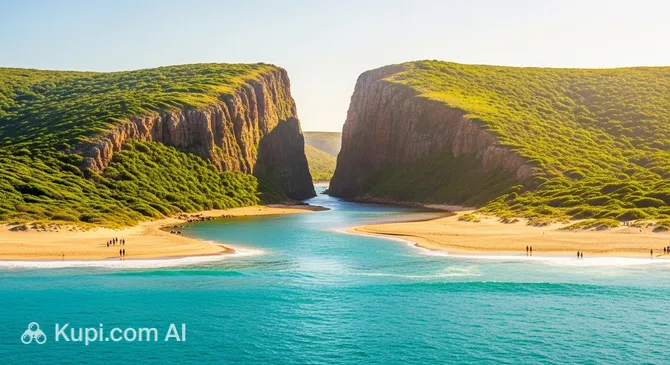
Port St Johns. Illustration.
Source: Kupi.com AI

Despite its relaxed pace of life, the settlement has deep roots. The fascinating history of Port St. Johns is inextricably linked with maritime legends, shipwrecks, and the cultural interaction of various peoples who have left their mark on the region's development.

One of the main natural attractions is the famous "Gates of St. John"—two majestic sandstone mountains, Mount Thesiger and Mount Sullivan, which rise on either side of the river, forming an impressive canyon. Tourists also come here for the magnificent beaches, such as Second Beach, and the opportunity to visit the nearby Silaka Nature Reserve, where you can find rare birds and enjoy walks along forested trails.

Port St. Johns is an ideal destination for those seeking adventure, excellent fishing, or simply a peaceful holiday in the heart of the wild. Come here to experience the true spirit of the African coast and take home unforgettable memories.

Weather Overview

The climate in Port St. Johns can be described as mild subtropical, which makes this corner of the Eastern Cape attractive to visit year-round. Summer here, falling between December and February, delights with warmth: the average temperature stays around 22–23°C, and on the hottest days, the thermometer rises to 25.8°C. However, this is also the wettest time of the year—in December and January, the number of days with precipitation can reach 18–20 per month.

The winter months (June, July, August) bring a pleasant coolness and clearer skies. The average temperature drops to 16.3–16.6°C, and nights become fresh with a minimum of around 11°C. This is the ideal time for those who prefer dry weather: for example, in July only about 3 rainy days are recorded.

When planning your trip, consider the seasonality: expect a warm summer with occasional rain and mild, dry winters. More detailed weather in Port St. Johns by month will help you choose the best dates for a comfortable trip and walks along the picturesque coast.

Average monthly temperature

Average monthly precipitation

Interesting Facts

Beyond the picturesque views and relaxed atmosphere, Port St. Johns holds many surprising stories and unique natural features that not all travelers know about. Here are a few facts that will allow you to look at this corner of the Wild Coast from a new perspective:
  • A name born of a mistake. It is believed that the town is named after the Portuguese galleon "São João," which was shipwrecked off the coast of South Africa in 1552. Curiously, the tragedy itself occurred much further north, but early cartographers mistakenly linked the profile of the local mountains with the description of the shipwreck site, and the name stuck to this river mouth forever.

  • An airfield on top of the world. The local airstrip is considered one of the most picturesque and exciting in the country. It is located not in a valley, but on the flat plateau of the table mountain, Mount Thesiger. The runway ends with a sharp drop-off, so upon takeoff, there is a total sensation that the plane is plunging straight into the abyss over the river.

  • Isinuka Sacred Springs. Not far from the town are sulfur springs known as the "Pink Springs" because of the specific shade of the water. Local Mpondo people have revered this place as sacred for centuries, using the mineral-rich water and mud for traditional healing rituals.

  • Epicenter of the "Sardine Run". Port St. Johns is the main base for observing the greatest marine migration on the planet. It is in these local waters that grand shoals of sardines come closest to the shore, attracting thousands of dolphins, sharks, and whales that stage an impressive hunt here.

How to Get There

Port St. Johns is located in a picturesque but quite secluded corner of the Wild Coast, so the journey here often becomes a real adventure. There is no airport in Port St. Johns itself, so tourists have to combine a flight with a trip by car or bus.

The most convenient option for those who want to reduce land travel time is Mthatha Airport (IATA: UTT). It is located in the town of Mthatha, about 83 km from the coast. This is a small regional hub that handles domestic flights. The journey from here to the destination by taxi or transfer will take approximately 2 hours and 25 minutes.

For international travelers, the main hub is King Shaka International Airport (IATA: DUR), located in Durban. This is a major international airport with a developed infrastructure. Despite being 269 km from Port St. Johns, many choose it because of the high number of flights. The journey by car from Durban takes about 7 hours. An alternative could be East London Airport (IATA: ELS) in the city of East London (225 km), from where the transfer takes about 6 hours. You can find out more about how to get to Port St. Johns by exploring all available routes.

For clarity, here is a summary of the main airports:
AirportPassenger trafficDistance
Umtata Airport45 00083 km
Margate Airport25 000114 km
East London Airport714 598225 km
Pietermaritzburg Airport144 458234 km
King Shaka International Airport5.0 mln269 km

There is no direct rail service to Port St. Johns, so after arriving at any of the listed airports, you will need to use road transport. The road passes through the picturesque hills of the Eastern Cape, and many tourists prefer to rent a car or book a private transfer to enjoy the views on the way to the ocean.

Main Attractions

Port St. Johns is famous for its wild landscapes and unique natural sites. The town and its surroundings offer tourists the chance to experience the untouched beauty of the Wild Coast. Here are a few places that should definitely be included in your travel itinerary.

Silaka Nature Reserve. This small but picturesque reserve is located in a forested valley south of the town. It covers coastal forests, grasslands, and a rocky shoreline. Tourists come here for hiking along trails leading to the secluded Third Beach and for bird watching—rare species such as the crowned eagle live here. It is an ideal place for those seeking silence and communion with nature.

Cape Hermes Lighthouse. Built from local stone in the early 20th century, this historic lighthouse stands on the south bank of the Mzimvubu River mouth. It is still active and serves as an important landmark for ships. Travelers are attracted here not only by the architecture of the structure but also by the breathtaking panoramic views of the ocean and the famous "Gates of St. John" opening from the cape. This is one of the best spots for atmospheric photography in the region.

Second Beach. The most famous beach in the area, located about 5 km from the town center. This place is striking in its visual beauty: dense green hills descend directly to a wide strip of golden sand. The beach is a favorite spot for picnics, long walks, and enjoying the sea breeze. Local cows can often be seen calmly resting on the sand by the water, adding a special, recognizable flavor to the landscape.

The Gap and Blowhole. These impressive geological formations are located on the plateau of Mount Thesiger. "The Gap" is a deep fissure in the rock into which ocean waves crash with a roar. Nearby is the "Blowhole"—a natural opening through which water is shot upward under pressure in a powerful fountain, sometimes reaching a height of 20 meters. A visit to this place allows you to feel the full power of the ocean elements.

Local Cuisine

The cuisine of Port St. Johns is a reflection of the Wild Coast's soul: simple, hearty, and incredibly fresh. You are unlikely to find pretentious fine-dining restaurants with a dress code here, but you can enjoy honest dishes prepared from local products. The gastronomic hallmark of the town is seafood. Thanks to its location by the ocean and the river, fish and seafood are always of excellent quality and often reach the table literally a few hours after being caught.

One of the main delicacies that is definitely worth trying is rock lobster. In season, locals often offer freshly caught lobsters right by the roadsides or near the beaches. They are usually grilled with garlic butter and lemon—the simplicity of the recipe allows the sweet taste of the meat to be fully revealed. Fresh sea fish, such as cob or shad, served with crispy French fries, is also popular.

Since Port St. Johns is in the Eastern Cape province, there is a strong influence from traditional Xhosa cuisine. Tourists should pay attention to umngqusho—a hearty stew of stamped corn and beans, which is often served as a side dish with meat. This dish is considered one of the most beloved in South Africa and allows for a better understanding of local culture through taste.

A visit to this region cannot be imagined without a traditional braai (barbecue). It is not just food, but a real ritual. Many lodges and guesthouses organize communal dinners where steaks, homemade "boerewors" sausages are grilled over an open fire, or aromatic "potjiekos" stew is prepared in cast-iron pots. This is a great opportunity to try local meat and chat with travelers from all over the world.

As for drinks, the hot climate is conducive to drinking cold beer from local South African brands or cider, which is very popular here. Wine lovers should order a glass of chilled Chenin Blanc—a white wine that pairs perfectly with seafood. Among non-alcoholic drinks, rooibos tea is found everywhere, served both hot and as iced tea with ice and fruit.

The dining culture in the town is very relaxed. Tourists and locals often eat in small cafes overlooking the Mzimvubu River or the ocean, and also buy takeout food from simple eateries. It is customary here to enjoy not the interior of the establishment, but the view of the sunset and the sound of the surf while holding a plate of delicious food.

Travel Tips

Welcome to Port St. Johns! To ensure your introduction to the Wild Coast is as comfortable as possible and leaves only pleasant memories, we have prepared a list of important practical recommendations considering local specifics.

  1. Clothing and Gear. Given the subtropical climate, opt for light, breathable clothing made from natural fabrics. However, the weather here is changeable: even in summer, be sure to bring a raincoat or windbreaker. For walks in the Silaka Nature Reserve and along rocky trails, you will need sturdy and comfortable trekking shoes. Don't forget swimwear and sunscreen with a high protection factor.

  2. Transport. Public transport in the town consists mainly of minibus taxis, which are often overcrowded and do not have a clear schedule. Apps like Uber do not work here. The best way to get around is renting a car. It is strongly recommended to choose a car with high ground clearance (a crossover or SUV), as the roads to some attractions and lodges can be unpaved and uneven.

  3. Finance. The official currency is the South African Rand (ZAR). Major supermarkets and most hotels accept cards, but there are places in the town where only cash is needed (markets, small shops, tips for guides). ATMs are available in the town center, but they may not work due to power outages, so keep a supply of cash. It is customary to leave a tip of 10–15% in cafes and restaurants.

  4. Health and Safety. Port St. Johns is a relatively safe place, but you should not walk alone in deserted places after dark. Important warning: Second Beach is known for high shark activity. Swimming there is recommended with extreme caution and only in shallow water, or better yet, simply enjoy the views from the shore. There are pharmacies in the town, but they do not work around the clock, so put together a basic first aid kit in advance.

  5. Communication. Most locals speak English well. The main language of the region is Xhosa. Locals will appreciate it if you learn a few words, for example, the greeting "Molo." Wi-Fi is available in most guesthouses, but mobile internet can be unstable in remote areas. It is recommended to buy a local SIM card (Vodacom or MTN) for navigation and communication.

  6. Local Etiquette. The people of the Eastern Cape are very friendly and welcoming. It is customary here to greet even strangers on the street. Communication takes place in a relaxed manner, so don't be surprised if they ask you extensively about your business and health before getting down to the matter. Always ask for permission first when photographing people.

  7. What to Avoid. Categorically avoid driving at night. In this region, livestock (cows, goats, sheep) roam freely without herders and often sleep right on the warm asphalt of the roads. In the dark, animals are very difficult to spot, which creates a serious danger of accidents.

  8. Additional Tip. Tune in to "African time." Life in Port St. Johns flows slowly and steadily. Service in restaurants can be unhurried, and plans can change due to the weather. Take this not as a disadvantage, but as an opportunity to slow down and truly relax from the city bustle.

By following these simple tips, you can avoid minor troubles and fully immerse yourself in the unique atmosphere of this amazing region. We wish you an exciting and safe journey through Port St. Johns!

Entertainment & Nightlife

Nightlife in Port St. Johns is drastically different from bustling metropolises. Here you won't find high-end clubs with strict face control or neon-lit districts. Evening leisure on the Wild Coast is primarily about a relaxed atmosphere, chatting by a fire under the starry sky, and cozy gatherings to the sound of the ocean. The epicenter of night activity is usually the bars at popular guesthouses and lodges, where the boundaries between locals and travelers from all over the world disappear.

One of the most famous spots for evening relaxation is the bar at Amapondo Backpacker Lodge. This iconic establishment is famous for its laid-back atmosphere and regular parties. Live music often plays here, DJs perform, and the crowd—ranging from surfers to European tourists—has fun until late at night. There is no dress code: shorts and flip-flops are perfectly appropriate. Another point of attraction is The Spotted Grunter, located on the banks of the Mzimvubu River. This venue offers a calmer format of relaxation: an excellent selection of drinks, delicious food, and the chance to enjoy the sunset over the river in pleasant company.

When planning an evening out, consider a few practical nuances. Prices in the bars of Port St. Johns are very affordable and significantly lower than in the large cities of South Africa. Most establishments are open until midnight, but on weekends the fun can last longer. It is important to remember that credit cards are not accepted everywhere, so always have a small supply of cash with you.

The issue of safety requires special attention. It is categorically not recommended to walk around the town or beaches on foot after dark. Street lighting is often absent, and the risk of becoming a victim of crime increases. Common taxi services like Uber do not operate here. The best way to get to a bar and back is to use a transfer organized by many lodges or to arrange in advance with a reliable local driver recommended by your hotel staff.

As for daytime entertainment, Port St. Johns cannot boast classic urban infrastructure. There are no theaters, multiplexes, major museums, or amusement parks here. The "cultural program" in this corner of the country is inextricably linked with ethnography and nature. Instead of going to shopping malls, tourists are offered excursions to traditional Xhosa villages, where they can learn about local life, or relaxing river cruises that replace the usual city shows.

Parks & Museums

Port St. Johns is a town where the concepts of "museum" and "park" are blurred by nature itself. Here you won't find the usual exhibition halls with audio guides or fenced-in squares with manicured lawns. The entire region is a vast biosphere reserve, and the culture of the local people lives not behind glass display cases, but right on the streets, in the architecture, and in artisan workshops.

Bulolo Waterfall. This natural area is a great alternative to city gardens. The route to the waterfall passes through dense vegetation, resembling the setting of a jungle adventure movie. There are no paved paths here, but there are breathtaking views of cascading water and the opportunity to swim in cool natural pools. This place is ideal for those who want to see the "green heart" of the Wild Coast and take a break from the heat in the shade of the trees.

Living History and Architecture. There is no official local history museum in Port St. Johns, but the settlement itself serves as a guardian of memory. Stroll through the old streets of the center, where buildings from the colonial era have been preserved. Time-worn facades, an ancient bridge, and abandoned piers tell the story of the region better than any display stands. The spirit of the past is intertwined here with modernity, creating a unique atmosphere of an "open-air museum."

First Beach. While Second Beach is considered the center of beach recreation, First Beach plays the role of a quiet town embankment and park. It is located very close to the town center. Due to strong currents and sharks, swimming is not common here, so the place has retained a peaceful atmosphere. This is an ideal location for quiet walks, shore fishing, and watching where the Mzimvubu River meets the Indian Ocean.

Craftsman "Street Galleries". The role of art galleries in South Africa, and especially in this region, is performed by the numerous shops of local masters. Unique beadwork, woven baskets, and wooden sculptures are displayed along the main roads and near the beaches. Every item here is a work of art, reflecting the bright palette and symbolism of Xhosa culture. Talking to the creators of these works often provides more knowledge about local traditions than any lecture.

If you want to take a piece of the local soul with you, don't look for souvenir shops in shopping malls. Find time to talk to the masters at the market—often they can tell the story of every pattern on their products, turning a purchase into a real cultural exchange.

Getting Around

The public transport system in Port St. Johns is significantly different from what residents of major cities are used to. Here you won't find subways, trams, trolleybuses, or large municipal buses running on a schedule. The town is small, and its transport infrastructure is spontaneous but quite functional for local conditions.

The main and practically only type of public transport is minibus taxis. These are white microbuses, usually Toyota brand, which connect the town center with surrounding villages and beaches. They do not have fixed stops: boarding and disembarking are carried out at the request of passengers in any safe place on the road. It is important to know that such minibuses do not depart according to a timetable, but wait until the cabin is completely full, which can take anywhere from 10 minutes to an hour.

The fare payment system here is as simple and conservative as possible: only cash is accepted. There are no transport cards, passes, or mobile payment apps. Money is handed to the driver or a special conductor upon boarding. The cost of travel around the town and immediate surroundings is very low, so tourists are advised to always have small bills and coins, as the driver may not have change for large banknotes.

For comfortable travel, tourists are strongly recommended to consider alternatives to public transport. Ride-hailing apps such as Uber or Bolt do not work in Port St. Johns. The most reliable option is renting a car. This will give you the freedom of movement and the ability to reach remote beaches and viewpoints where minibuses do not go. However, be prepared for the fact that roads can be uneven, and livestock often walk onto the roadway.

Many popular lodges and guesthouses offer their own transfer services. This is the safest and most convenient way to reach attractions or restaurants, especially in the evening. If you decide to move on foot, do so only during daylight hours and in central areas, as sidewalks are not everywhere and lighting in the outskirts is often absent.

Accommodation

Accommodation in Port St. Johns perfectly matches the spirit of this wild and beautiful corner: here you won't find faceless chain skyscraper hotels or pretentious luxury resorts. The foundation of local hospitality consists of atmospheric lodges, cozy guesthouses (Bed & Breakfast), self-catering cottages, and the country's famous "backpackers" (hostels), which here resemble colorful eco-resorts more than simple budget accommodation.

The choice of area to stay depends on your preferences. The Second Beach coastline and its surrounding green hills are ideal for those who dream of falling asleep to the sound of the ocean and being in close proximity to nature. This is the most picturesque but slightly more remote location from the center. Another popular option is the banks of the Mzimvubu River. Hotels here often have their own terraces overlooking the majestic gate mountains and the river, and reaching the shops and the town's main infrastructure from here is easier and faster.

A special category of accommodation is represented by local backpackers and campsites. In Port St. Johns, these are not just places to sleep, but real centers of social life with bars, barbecue areas, and evening bonfires. Many of them offer a wide range of accommodation: from tent sites to comfortable private bungalows and chalets with amenities, making them attractive not only for young people but also for couples and families.

The price range in the town varies from budget to mid-range. Even the best accommodation options remain very affordable compared to the country's major tourist centers. Large international online platforms can be used for booking, however, many small family guesthouses prefer direct booking through their websites or messengers. It is worth being prepared for the fact that some places may ask for an advance payment by bank transfer.

Booking tip: while it is usually easy to find a free room, there is a peak demand period—June and July, when the famous "Sardine Run" takes place. At this time, the town is flooded with divers, photographers, and film crews from all over the world, so accommodation for these dates must be booked 3–4 months in advance. It is also recommended to take care of accommodation in advance if you are planning a trip for the December holidays.

Nearby Cities

For those who want to explore the surroundings, Port St. Johns serves as an excellent starting point for day trips to several interesting nearby locations:

Mthatha. This is the nearest major city, located about an hour and a half to two hours' drive from the coast. A trip here is primarily a journey into history. It is here that the famous Nelson Mandela Museum is located, which is a must-visit for everyone interested in the legacy of the great leader and the history of South Africa. The city has a bustling, lively atmosphere of a true African center of trade and social life.

Coffee Bay. Although this place is not a large city, it is considered one of the most popular destinations for a day trip from Port St. Johns. A journey along the winding roads of the Wild Coast will lead you to a legendary natural landmark—the "Hole in the Wall" rock. This is a unique geological formation where ocean waves have carved a huge arch in a free-standing rock. The landscapes here are mesmerizing in their rugged beauty.

East London. If you are ready for a longer trip (about 4-5 hours one way), you can head to this large port city. It offers a contrast to the wild nature of Port St. Johns: there are shopping malls, museums, excellent beaches like Nahoon and Gonubie, and an aquarium. This is a good option for those who miss urban infrastructure.

CityPopulationDistance
Mkambati54 km
Mthatha137 77275 km
Mzamba82 km
Margate26 785118 km
Port Shepstone52 793131 km
These nearby destinations provide an insight into the diverse culture and landscapes of the region.

Shopping & Souvenirs

General Overview

Shopping in Port St. Johns is fundamentally different from the usual visit to shopping centers in major cities. This is not the place to go for high fashion, electronics, or luxury brands. Trade here is authentic, at times chaotic, but very colorful. The town is famous primarily for the products of local craftsmen and the freshest food sold right on the streets. For a tourist, a shopping trip here becomes more of a cultural exploration, allowing you to immerse yourself in the life and traditions of the Eastern Cape.

Main Shopping Areas and Streets

All the commercial life of the town is concentrated along Main Road, which passes through the center of the settlement. It is a noisy and lively artery where sidewalks are filled with people and shops neighbor improvised stalls. A walk along the main street is an immersion into a true African rhythm: here you can buy everything from household chemicals and clothing to fishing gear and hot food. It is here that tourists can find necessary goods for their journey and feel the pulse of the city.

Shopping Centers

There are no large multi-story malls with entertainment zones in Port St. Johns. The retail infrastructure is represented by small complexes anchored by chain supermarkets. The most famous place for buying provisions and necessities is the complex around the Superspar supermarket. Here you can find ATMs, a pharmacy, a liquor store, and several small boutiques with clothing and footwear. This is the most civilized place for shopping, where cards are accepted and air conditioning is working.

Markets

Markets are the soul of trade in Port St. Johns. Spontaneous fruit and vegetable stalls operate in the town center and at the exits to the beaches. Thanks to the subtropical climate, it is worth buying local tropical fruits here: avocados the size of a melon, the sweetest bananas, papaya, mango, and lychee (in season). Prices at the markets are very low, and the quality of the products is excellent. It is also worth paying attention to the stalls with fresh fish and seafood put out by local fishermen.

Souvenirs

If you want to bring something back as a memento, look for traditional Xhosa crafts. The best souvenirs in Port St. Johns are beadwork (bracelets, necklaces, decorative elements) which are striking in their complexity of patterns and brightness of colors. Woven baskets and mats made from local grass, wooden sculptures, and handmade walking sticks are also popular. Often such items are sold by the masters themselves along the roads or at small craft markets near the beaches, which gives you the opportunity to talk with the creators of unique things.

Opening Hours and Payment

Shops in the town operate on a fairly conservative schedule. Large supermarkets are usually open from 08:00 to 18:00 or 19:00, while small private shops close as early as 17:00. On Sunday, many shops operate on a reduced schedule or are closed altogether. As for payment, credit cards are accepted without problems in supermarkets and at gas stations. However, for purchases at the market, from street vendors, or in souvenir shops, you will definitely need cash (South African Rand). There are ATMs in the town, but it is better to withdraw money in advance.

Tax Free

Since Port St. Johns is a small town, there are no specialized shops that process Tax Free documents on the spot. However, South Africa has a VAT refund system for foreign tourists when departing the country. To take advantage of this, you need to make purchases in official stores that can issue a Tax Invoice, and the total amount of purchases must exceed the set minimum. Keep in mind that souvenirs bought from street craftsmen for cash without a receipt do not fall under this program.
Reached the end of the page?

That means the route is fully explored