Support

Falkoping

Attractions

About

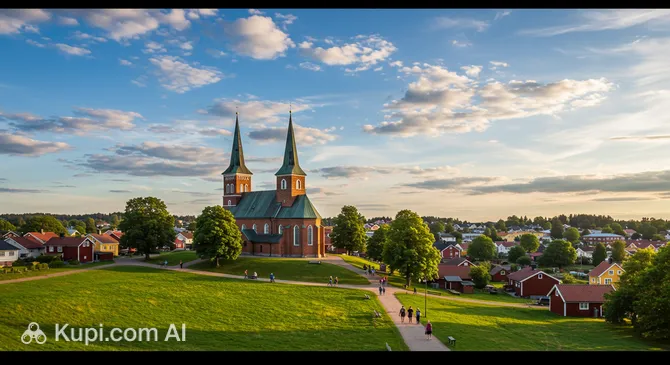
Falköping is a cozy and atmospheric town located in the historic region of Västergötland. It is situated in the southwest of such a wonderful country as Sweden and is spread across picturesque hills and endless green fields. Thanks to its location at the crossroads of important railway and road routes, the town serves as an excellent starting point for traveling around the region, offering guests clean air and harmony with nature.

Falkoping. Illustration.
Source: Kupi.com AI

With a population of about 16,350 people, Falköping retains the charm of a quiet Scandinavian province, where every corner breathes tranquility. Falköping's history is closely intertwined with modernity: here, narrow streets and neat wooden houses harmoniously coexist with developed infrastructure, shops, and cafes. This is a place where you can feel the true rhythm of Swedish life without the bustle of large metropolises.

The town attracts tourists with the opportunity to enjoy leisurely walks through well-maintained parks and immerse themselves in unique cultural traditions. Falköping is worth visiting for its warm hospitality and the chance to relax your soul surrounded by Northern beauty. It is an ideal destination for those seeking solitude and wanting to discover the authentic side of Scandinavia.

Weather Overview

Falköping's climate can be described as moderate, with a clearly defined change of seasons typical of this region of Scandinavia. Summer here is mild and conducive to long walks: the warmest month is July, when the average temperature is about 16.6°C, and during daytime hours, the air often warms up to 20.9°C. This is the most popular time to visit, although rain is possible even in the height of the season.

Expect a comfortably warm summer with occasional precipitation and cool winters when the temperature stays mostly around zero. In the winter months, especially January and February, average figures are around -0.4°C, and night frosts can reach -2.7°C. Precipitation falls fairly regularly throughout the year: the number of days with precipitation varies from 9 in April to 15 in August and October.

Spring in the town arrives gradually: while the breath of winter is still felt in March, by May the air warms up to a pleasant 11.4°C. To ensure your trip is as successful as possible and you are prepared for nature's whims, we recommend checking what the expected weather in Falköping is for your planned travel dates.

Average monthly temperature

Average monthly precipitation

Interesting Facts

In addition to its main attractions, Falköping holds many fascinating stories and features that make it unique. Here are a few facts to help you better understand the character of this Swedish town:

  • A Telling Name. The town's name points directly to its historical purpose. The suffix "-köping" translates from Swedish as "trading" or "market," indicating that centuries ago this place was a major trade center where craftsmen from all the surrounding villages gathered.

  • Gateway to the Region. Thanks to its strategic location on the Western Main Line, the town is often called the "gateway" to Västergötland. It historically developed as a key transport hub connecting different parts of the country and providing easy access to neighboring areas.

  • Ancient Heritage. The town's surroundings are of immense interest to archaeologists and history buffs. Megalithic monuments, traces of ancient settlements, and Bronze Age burial mounds are regularly found in this area, giving the landscape a special mystery.

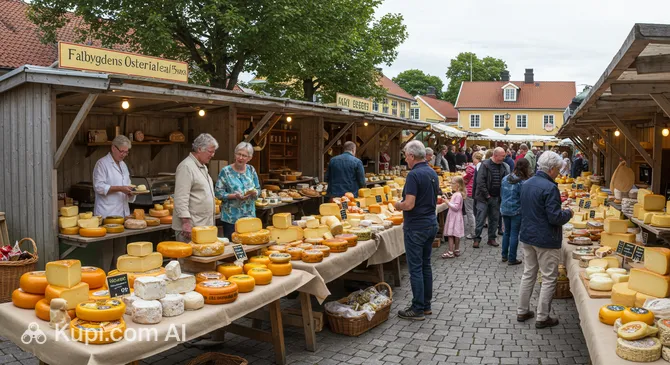
  • Gastronomic Fame. The town attracts gourmets from all over the country, and one of the reasons for this is the famous Falbygdens Osteria. This establishment has become a true symbol of local flavor, where cheese-making traditions are honored and unique delicacies are offered.

Falbygdens Osteria. Illustration.
Source: Kupi.com AI

Traveler photos:

How to Get There

When planning a trip around the Västergötland region, it is important to think through the logistics in advance and find out how to get to Falköping with maximum comfort. The town is conveniently located relative to Sweden's major transport arteries, making it easy to reach using a combination of flights and ground transport.

There is no airport in Falköping itself, so most tourists choose to fly into one of the neighboring large cities. The most popular and convenient option is Göteborg Landvetter Airport (GOT). It is located in Gothenburg, approximately 93.7 km from Falköping. This is a major international hub with a large number of flights. A trip from the airport to the town by taxi or rental car will take about 1 hour and 40 minutes.

An alternative option could be Linköping City Airport (LPI), located in the city of Linköping, 127.2 km from your destination. This is a less busy regional airport, and the journey from there will take a little over 2 hours. You can also consider Växjö Småland Airport (VXO) in the city of Växjö (about 155 km) if you are planning your journey from the southern part of the country.

For clarity, here is a summary of the main airports used to reach the region:

AirportPassenger trafficDistance
Göteborg Landvetter Airport5.3 mln94 km
Linkoping City Airport145 000127 km
Karlstad Airport20 607142 km
Orebro-Bofors Airport80 694145 km
Vaxjo Airport210 000156 km

Railway connection is another popular way to travel around Sweden. Although Falköping is an important railway junction, many long-distance routes pass through major stations in neighboring cities, where it is convenient to transfer. The nearest major hub is Gothenburg Central Station, located in the city of Gothenburg (95.5 km from Falköping). Trains from all over Europe arrive here, making it easy to reach your final destination.

Another significant transport hub is Örebro Central Station in the city of Örebro, located about 156 km away. This is a convenient transfer point for those traveling from the central part of the country. Travel time by car from this station to Falköping will be about 2.5 hours.

Below is a table with information on the nearest major railway stations:

StationPassenger trafficDistance
Gothenburg Central Station27 mln95 km
Orebro Central Station2.5 mln156 km
Norrköping Central Station2.5 mln161 km
Eskilstuna Central Station2.2 mln216 km
Ängelholm Railway Station219 km

Main Attractions

Falköping and its surroundings are rich in places that will provide travelers with vivid impressions. From gastronomic delights to outdoor walks — there is something for everyone here. The town is famous for its respect for traditions and its proximity to the unique nature of the Mösseberg plateau.

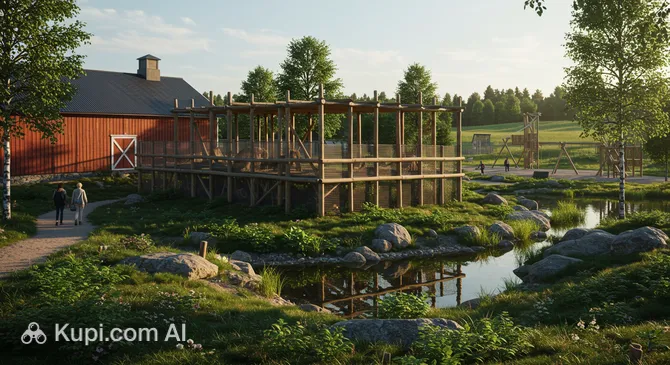
One of the main points of attraction for gourmets is Falbygdens Osteria. This is not just a shop or a restaurant, but a true temple of cheese, known far beyond the town's borders. Here, visitors can taste hundreds of varieties of cheese, from local classics to rare delicacies, and enjoy the cozy atmosphere. It is the perfect place to buy delicious souvenirs and get acquainted with the region's culinary heritage.

For family vacations and nature lovers, Mösseberg Zoo is perfectly suited. Located in a picturesque park area on the mountain, it allows you to see various animals in conditions close to their natural habitat. Here you can meet peacocks, rabbits, goats, and other farm inhabitants, which is particularly delightful for children. A large playground and picnic areas make this place an excellent choice for a relaxed day in the fresh air.

Mösseberg Zoo. Illustration.
Source: Kupi.com AI

Traveler photos:

It is also worth paying attention to the Falbygdens Museum. This cultural center immerses guests in deep antiquity, telling the story of the region's thousand-year history. The exposition is famous for its archaeological finds, including the "Raspberry Girl" (Hallonflickan) — the remains of a young woman who lived in the Stone Age. The museum helps to understand why this region is called the land of megaliths and to see unique artifacts from the past.

Active lifestyle enthusiasts will enjoy the Mösseberg Recreation Area. In addition to the zoo, there are picturesque hiking trails and running tracks, and in winter, ski slopes open up. A breathtaking panoramic view of the town and the endless fields of Västergötland opens from the top of the plateau, making the climb up here a mandatory item for photographers and romantics.

Local Cuisine

Falköping's gastronomic culture is firmly rooted in the traditions of the Västergötland region, where hearty, "soulful" food made from natural products is valued. The basis of the local menu is often dishes made from game, beef, and fish, served with various root vegetable side dishes. A hallmark of home cooking is "pytt i panna" — an appetizing hash of finely chopped potatoes, onions, and meat, traditionally served with a fried egg and pickled beets or cucumbers.

The town gained special fame for its production of dairy products, primarily magnificent cheeses. This region is a true paradise for cheese lovers: local farmers produce dozens of varieties, from soft creamy ones to aged hard cheeses with a rich aroma. The epicenter of this tasty trade is the famous Falbygdens Osteria. Here, you can not only buy delicacies but also immerse yourself in the culture of their consumption by trying a cheese assortment combined with crackers and jams.

No visit to Falköping is complete without the traditional Swedish "fika" — a coffee break with sweets. Coffee is consumed here in large quantities and with great pleasure; it is the main non-alcoholic drink accompanying conversations. Be sure to order fresh pastries with your cup of aromatic coffee: classic cinnamon buns (kanelbulle), wild berry pies, or the famous "Princess Cake" covered with a layer of green marzipan. Among alcoholic drinks, locals prefer craft beer from regional breweries or traditional schnapps, which is often served at festive tables.

The food culture in the town is closely linked to seasonality and farming. In addition to cozy restaurants and cafes, tourists can visit local markets and fairs selling homemade sausages, smoked fish, fresh butter, and oven-baked bread. Gastronomic festivals here are not just about food, but a way of communicating and preserving culinary heritage, where every guest can experience the true taste of the Swedish province.

Travel Tips

Welcome to Falköping! To ensure your introduction to this cozy corner of Sweden is as comfortable and hassle-free as possible, we have prepared a list of practical recommendations. These tips will help you feel confident and enjoy your holiday while avoiding typical tourist mistakes.

  1. Clothing and Essentials. The weather in this region is changeable, so the best wardrobe principle is layering. Even in summer, it's worth bringing a light jacket or raincoat, as a sunny day can quickly turn into rain. Since Falköping and the nearby Mösseberg plateau invite long walks, be sure to bring comfortable flat shoes. If you plan to visit old churches, a special dress code is usually not required, but clothing should be modest and neat.

  2. Transport. The town center is quite compact and is best explored on foot. For trips to the surroundings or the station, it is convenient to use buses from the regional operator Västtrafik. We strongly recommend downloading their mobile app to buy tickets and plan routes, as cash payment to the driver is often impossible. Taxis are expensive, and hailing a car on the street is not customary — it's better to order through apps or by phone.

  3. Finances. Sweden is one of the most "cashless" countries in the world, and Falköping is no exception. Bank cards are accepted everywhere: in museums, cafes, buses, and even in small kiosks. You likely won't need cash kronor (SEK) at all, and in some places, you can't even pay with them. Tipping is not mandatory as service is included in the bill, but rounding up the amount in a restaurant is considered a sign of good manners.

  4. Health and Safety. The town is very calm and safe; you can walk in the evening without fear, following standard precautions. Look for pharmacies under the sign Apotek, but note that there are no 24-hour pharmacies in a small town — stock up on necessary medicines in advance. The emergency services number (police, ambulance, fire) is 112.

  5. Communication. The language barrier is practically non-existent here: most locals, from young people to the elderly, speak English fluently. Nevertheless, Swedes will be very pleased if you start a dialogue with the local greeting "Hej" (pronounced 'hey') and say thank you with the word "Tack." Free Wi-Fi is available in many public places, and a SIM card for the internet can be easily bought in chain stores like Pressbyrån.

  6. Local Etiquette. Personal space and organization are highly valued in the country. In shops, pharmacies, and ticket offices, an electronic queue system often operates: before approaching the counter, find a special machine and take a numbered ticket. Following the queue is a sacred rule, and breaking it will cause dissatisfaction among those around you.

  7. What to Avoid. Never enter a Swedish home in outdoor shoes — this is considered a serious breach of etiquette and hygiene. It is customary to take your shoes off right at the threshold. Also, try not to speak loudly in public transport and restaurants: locals are used to quiet tones in communication and value silence.

  8. Additional Tip. If you want to buy wine or spirits for dinner, remember the state monopoly. Alcohol stronger than 3.5% is sold only in specialized Systembolaget shops. They close early (usually at 18:00–19:00 on weekdays and at 15:00 on Saturdays) and are always closed on Sundays. Plan your purchases in advance!

Falköping is a place where tranquility, nature, and mutual respect are valued. By following these simple tips, you will easily find common ground with the locals and can fully immerse yourself in the atmosphere of Swedish hospitality. We wish you an unforgettable journey!

Entertainment & Nightlife

Nightlife in Falköping is characterized by a calm and steady pace, typical of small Swedish towns. You won't find noisy metropolis clubs with parties until dawn or massive dance floors here. Instead, the town offers a cozy "hygge" atmosphere, where evening entertainment is focused on pleasant conversation and quality drinks. Most activity winds down by midnight, so it's worth planning your evening leisure with this schedule in mind.

The center of evening life is the area around the main square and adjacent central streets, where the main establishments are located. Locals prefer to spend time in the "After Work" format — a popular Swedish tradition where colleagues and friends gather in bars and pubs in the early evening to enjoy beer or a glass of wine at special prices. The dress code in most places is casual: a relaxed style will be appropriate everywhere.

If you want to treat yourself to a truly refined gastronomic evening, organizing your own tasting in your hotel room or apartment is a great idea. To do this, you should visit the famous Falbygdens Osteria during the day. It is important to note that this establishment closes early (the restaurant usually works until 17:00 and the shop until 18:00), so it is not suitable for a late dinner. However, you can buy magnificent aged cheeses, crackers, and jams here to enjoy them later in a peaceful setting.

For classic bar relaxation, look into restaurants at major city hotels or local pubs in the center. These places often broadcast sports matches, offer a wide selection of Swedish craft beer, and sometimes host live music nights or quizzes, which are very popular among the local population. The average price for a glass of beer or wine will be around 70–90 Swedish kronor.

As for outdoor entertainment, the evening can start with a walk in the Mösseberg recreation area. Mösseberg Zoo is open during the day, and after it closes, the mountain itself remains a wonderful place to watch the sunset. Observation decks offer panoramic views of the town, which can be a romantic end to the day before returning to the center.

Safety and Transport. Falköping is an exceptionally safe town. Evening walks here carry no risks, and the streets are well-lit. However, public transport runs infrequently at night, so if you stay late in the center and your hotel is on the outskirts, it is better to take a taxi. Remember that it's not customary to hail a car on the street — use mobile apps or ask the establishment's staff to call a car for you.

Parks & Museums

Falköping is a town where nature and a thousand-year-old history intertwine in a wonderful way. For tourists, this means the opportunity to enjoy panoramic views from a mountain plateau, walk through the well-kept alleys of an old park, and peek into the region's deep past by visiting unique museum exhibitions all in the same day.

Green Zones and Natural Wealth

The main natural gem of the town is undoubtedly the Mösseberg Recreation Area. This extensive plateau towers over the town and serves as a favorite walking spot for both locals and travelers. Kilometers of hiking and running tracks pass through dense forests and open meadows here. By climbing the observation tower, you can appreciate the breathtaking view of the Västergötland plains. It is here, surrounded by nature, that the popular Mösseberg Zoo is located, which fits perfectly into the landscape and allows you to observe animals in their natural environment.

Right in the town center is "Plantis" Park (Planteringsförbundets park), one of the oldest urban parks in Sweden, founded back in the 19th century. It is a true oasis of peace with ancient trees, beautiful flower beds, and a historical pavilion. In summer, concerts and town festivals often take place here, while on ordinary days it is an ideal spot for a picnic or reading a book on a bench in the shade of the leaves.

For wildlife lovers, a visit to Lake Hornborga (Hornborgasjön) in the town's surroundings is a must. This place is known across Europe for the "crane dances": every spring, thousands of birds stop here during migration, creating an incredible spectacle that attracts birdwatchers and photographers from all over the world.

Museums and Cultural Heritage

An immersion into the region's history should start with the Falbygdens Museum. This museum is the key to understanding why this area is called the "valley of megaliths." The exposition is dedicated to the Stone Age and early human history. The most famous exhibit is the reconstruction of the "Raspberry Girl" (Hallonflickan) — a young woman who lived about 5,000 years ago, whose remains were found in a nearby peat bog. The museum is also famous for its collection of ancient gold and bronze jewelry.

Another unique site is the Åsle Tå Open-Air Museum. This is the largest preserved village of crofters (tenant farmers) in Sweden, consisting of authentic 18th–19th-century wooden houses standing on their original historical sites. A walk along the narrow village street literally allows you to step back in time and see how ordinary Swedes lived centuries ago. The interiors of the houses are carefully preserved and filled with everyday objects of that era.

Architecture and History

Among the architectural monuments, Saint Olaf's Church (Sankt Olofs kyrka) holds a special place. Built in the 12th century from limestone, it is a beautiful example of Romanesque architecture and bears witness to the town's ancient Christian roots. Its austere forms and massive walls create an atmosphere of eternity and peace.

Insider Tip

If you want to feel the true mysticism of these places, head to the Gudhem Abbey Ruins located near the town. This place, where Cistercian nuns once lived, has a special energy, especially at sunset. It is here, according to legend and literature, that Queen Catherine spent her final years, and a walk among the ancient stones will give you an unforgettable sense of being part of history.

Getting Around

Falköping's transport system is characterized by Swedish punctuality and comfort, although the town itself is quite compact, and many attractions in the center are easy to reach on foot. Public transport here is integrated into the large regional Västtrafik network, which serves the entire Västergötland region. This means that the same tickets and rules apply both to city routes and to trips to neighboring towns.

The main form of urban transport is buses. There is no metro or tram system in Falköping, but the bus network covers all key areas, including residential quarters, shopping zones, and the foot of Mösseberg Mountain. The buses are modern, low-floor, and convenient for passengers with luggage or strollers. Stops usually have electronic boards or schedules that are followed with minute precision.

A special place in the town's transport life is occupied by the railway station (Falköping C). It is an important transport hub on the Western Main Line. From here, regional trains (Västtågen) and high-speed trains depart, connecting the town with major centers. For tourists, this is the most convenient way to reach the surroundings or continue a journey through the region.

The fare payment system is entirely cashless. You cannot pay the driver with cash. The most convenient way to buy tickets is the Västtrafik To Go mobile app. You can link a bank card, plan a route, and buy a ticket in a few clicks. The ticket in the app is activated immediately after purchase or at a specified time.

An alternative payment option is buying a plastic transport card or single tickets at partner points of sale, such as Pressbyrån kiosks or supermarkets near the station. The fare depends on tariff zones. Falköping belongs to Zone C. A ticket is valid for a certain period (usually 90 minutes or more, depending on the number of zones), allowing transfers between buses and trains within the paid zone.

Practical tips for tourists:

• When boarding a bus, always scan your ticket (the QR code from the app or the transport card) on the validator next to the driver.

• If you plan to travel a lot during the day (for example, visit neighboring towns), it is more economical to buy a 24-hour or 72-hour ticket in the app.

• Be careful on weekends and public holidays: transport intervals may increase, and night services may be absent.

Among alternative ways of getting around, taxis are popular, but trip prices in Scandinavia are quite high. It's better to order a car in advance by phone or through an app, as catching a taxi on the street can be difficult. Popular local services, such as Taxi Falköping, are often based near the railway station.

Given the terrain and the locals' love for an active lifestyle, a bicycle is an excellent option. There are many bike lanes in the town, and distances allow you to get from the center to nature in literally 10–15 minutes. If you are staying at a hotel, check at reception about the possibility of renting a bicycle — many hotels provide this service to their guests.

Accommodation

Accommodation options in the town of Falköping fully match its quiet and cozy character. You won't find huge skyscrapers or noisy "all-inclusive" resort complexes here. Instead, this hospitable Swedish town offers travelers stays in small atmospheric hotels, cozy hostels, or campsites located in close proximity to nature. The choice of housing ranges from budget options to comfortable mid-range rooms.

In terms of location, two main zones popular with tourists can be highlighted. The first is the town center and the area around the railway station. This is an ideal choice for those traveling by train who want quick access to shops, cafes, and museums. Historical hotels with classic interiors that preserve the spirit of old Sweden are often located here.

The second popular zone is the surroundings of Mösseberg Mountain. This area will suit lovers of silence, fresh air, and outdoor activities. Here, at the foot or on the slopes of the plateau, you can find campsites, cottages for rent, and youth hostels. Staying in this part of town allows you to start your morning with a walk in the forest or a visit to the animals, as recreational zones are nearby.

Booking tip: Falköping is a popular destination not only in summer but also in spring, when thousands of cranes arrive at the nearby Lake Hornborga. During periods of local festivals or "crane dances" (March-April), the demand for housing rises sharply. Therefore, we strongly recommend booking rooms several weeks, or better yet, months before your planned trip.

The price range in the town can be described as moderate by Swedish standards. Budget travelers can expect inexpensive spots in hostels or camping cabins, while a night in a central hotel with breakfast will cost more. The most reliable way to guarantee a place to sleep is to use major international online booking systems or the hotels' own websites, as this allows you to read reviews and check conditions in advance.

Nearby Cities

For those who want to explore the surroundings, Falköping serves as an excellent starting point for day trips to several interesting nearby locations. Thanks to convenient rail and road connections, you can easily reach neighboring towns, each possessing its own unique character.

Just a half-hour drive away is Skövde — a lively city at the foot of Mount Billingen. It is a wonderful destination for active recreation enthusiasts: it features a popular recreational center with ski slopes and hiking routes, as well as the large water park "Arena Skövde." History and culture lovers should head to Lidköping, located on the shores of Lake Vänern. The city is known for its porcelain production traditions and its proximity to the magnificent Läckö Castle, which looks like it came straight out of a fairy tale. If you are attracted by waterfront cityscapes, visit Jönköping at the southern end of Lake Vättern, where you can walk along the beautiful promenade and visit the unique Match Museum.

CityPopulationDistance
Skara18 58024 km
Skovde39 58029 km
Herrljunga4 00033 km
Ulricehamn11 41043 km
Lidkoping40 00043 km

These nearby destinations provide an insight into the diverse culture and landscapes of the region, making your journey through Västergötland even more fulfilling.

Shopping & Souvenirs

General Overview

Shopping in Falköping is characterized by the calm and steady pace typical of the Swedish province. You won't find huge, overcrowded malls or high-fashion boutiques here, but the town wins you over with something else — coziness, quality, and attention to detail. The town's shopping scene is a harmonious blend of small family-run shops, stores with Scandinavian-style interior items, and outlets selling local delicacies. It's the perfect place to acquire authentic goods that are hard to find in large metropolises.

Main Shopping Districts and Streets

The heart of urban commerce is the pedestrian street Storgatan and the adjacent alleys in the town center. A walk here will please lovers of leisurely shopping: shop windows of clothing, footwear, and home decor alternate with cozy coffee shops. The area around the central square (Stora Torget) is also saturated with commercial life. It's pleasant to just wander here, looking into small boutiques where you can often meet the owners ready to personally tell you about their assortment.

Shopping Centers

For those who prefer to do all their shopping in one place, the main destination is the Ålleberg Center. It is located slightly away from the historical center and is a classic retail park. It concentrates large chain stores for electronics, sporting goods, supermarkets, and home goods stores. This is a convenient place to buy everything you need if you are traveling by car.

Markets

Traditional market trade comes to life in the main square, Stora Torget. Market days are usually held on Wednesdays and Saturdays (the schedule may change depending on the season). Here, local farmers offer fresh vegetables, fruits, flowers, and seedlings. During the summer and before Christmas, the square is transformed by fairs where you can find handmade products, knitted items, and local sweets. Also, flea markets ("loppis") are very popular in Sweden, with notices for them often appearing on the outskirts of the town during the warmer months.

Souvenirs

The town's main souvenir brand is undoubtedly cheese. A mandatory stop for any tourist is the shop at Falbygdens Osteria. This is a true gourmet paradise where you can buy famous aged cheeses, gift sets with jams, crackers, and special cheese knives. Besides gastronomy, you should bring back items of Swedish design from Falköping: minimalist textiles, candles, or wooden figurines sold in interior shops in the center.

Opening Hours and Payment

Shops in the town center are usually open on weekdays from 10:00 to 18:00, and on Saturdays they close earlier — around 14:00 or 15:00. On Sundays, most small shops are closed, and only large supermarkets and stores in the Ålleberg Center are open. The country has practically abandoned cash. In Falköping, bank cards (Visa, Mastercard) are accepted everywhere, from large centers to market stalls. Cash kronor may not be needed at all, and in some places, payment with them is even impossible.

Tax Free

Tourists residing permanently outside the European Union are entitled to a VAT refund (Tax Free) when purchasing goods for a certain amount in a single receipt. Look for the "Global Blue" logo on shop doors or ask sellers about the possibility of issuing a Tax Free form. Don't forget to bring your passport to fill out the documents to get part of your money back when leaving the EU.
Reached the end of the page?

That means the route is fully explored