Support

Lidkoping

About

Lidköping is a cozy and picturesque town, often called a true "gem" on the shores of the majestic Lake Vänern, the country's largest body of water and the third largest in Europe. Located in the Västra Götaland region, it attracts travelers with its unique atmosphere, where vast waters harmoniously blend with neat urban architecture. If you are planning a trip to a country like Sweden, this town is an excellent starting point for discovering the authentic Scandinavian countryside.
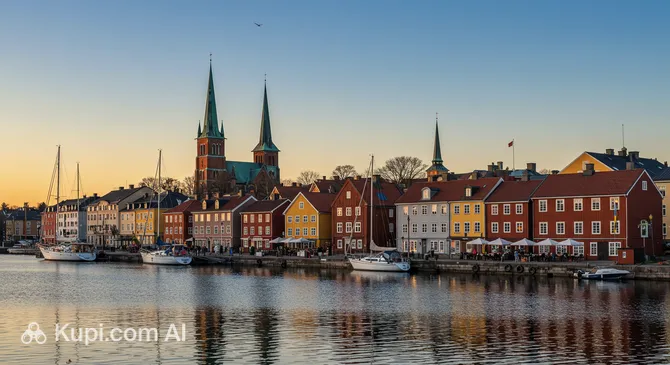
Lidkoping. Illustration.
Source: Kupi.com AI

Geographically, the town is very conveniently located: just 110 kilometers from Gothenburg and 290 kilometers southwest of Stockholm. With a population of about 40,000, Lidköping maintains a small-town charm, avoiding the hustle and bustle of large metropolises. Life flows at a measured pace here, and the fresh lake air fills the streets with tranquility, making the town an ideal place for those seeking harmony and inspiration.

Strolling through the center, it’s easy to see why this place is often compared to an open-air museum. Old streets sit side-by-side with modern design, creating a unique architectural look. The rich history of Lidköping is felt in every building, reminding visitors of the traditions and past of this important trading and administrative center. The town carefully preserves its heritage, offering guests a chance to immerse themselves in the atmosphere of a northern fairytale.

One of the main reasons to visit these parts is the proximity to nature and water. The town's embankments seem made for leisurely walks and watching numerous sailboats. Tourists are also invariably drawn to the famous Läckö Castle, located nearby, whose walls and towers rise above the water, creating incredibly photogenic landscapes. Lidköping is worth including in your itinerary for gastronomic discoveries, cultural experiences, and the chance to rest your soul away from noise and haste.
Weather Overview

The climate in Lidköping can be described as moderate and mild, largely thanks to the proximity of the massive Lake Vänern. Extreme temperature fluctuations rarely occur here, making walks around the city comfortable for most of the year. To know exactly what wardrobe to prepare for your trip, we recommend checking the current weather in Lidköping for your visit dates in advance.

Summer is the most popular time for tourists. In July and August, the average temperature stays around 17–18°C, and during the day the air often warms up to 20°C. However, even in the summer season, an umbrella will not be superfluous: the number of days with precipitation varies from 12 to 16 per month. Spring arrives gradually, with April standing out as the "driest" month of the year, when the probability of rain is minimal and the air warms up to an average of 5°C.

With the onset of autumn, it becomes cooler: if in September it is still a comfortable 14°C, by November the thermometer drops to 5°C. Winter here is not harsh but damp. The average temperature in December and January hovers around 0°C to +1.5°C, and frosts are infrequent. Overall, expect a moderately warm summer with occasional rain and a cool, cloudy winter with frequent precipitation.

Average monthly temperature

Average monthly precipitation

Interesting Facts

In addition to its main attractions, Lidköping holds many fascinating secrets and stories. This is a place where ancient legends intertwine with living craft traditions, creating a unique cultural landscape.

  • Lidköping is known as the "porcelain capital" of Scandinavia. Ceramic art has been developed here for centuries, and the Rörstrand Museum allows you to see unique collections created by masters of one of the oldest porcelain manufactories in Europe, which operated in the city for nearly 300 years.

  • The city has an unusual structure: the Lidan River divides it into two parts—the Old and New Town. Curiously, this layout emerged and was solidified during the large-scale reconstruction of the city after a 17th-century fire, which helped each side maintain its own special atmosphere and architectural rhythm.

  • Located nearby, Läckö Castle is often called the "Swedish fairytale castle." Its Baroque appearance with snow-white walls has remained virtually unchanged over the last few centuries, and it is so picturesque against the lake that it often serves as a natural backdrop for filming historical movies.

  • Despite its measured pace of life, the city is an important center for sporting events. The modern Lidköping Arena regularly hosts major tournaments and concerts, momentarily transforming the cozy provincial town into a bustling entertainment capital of the region.

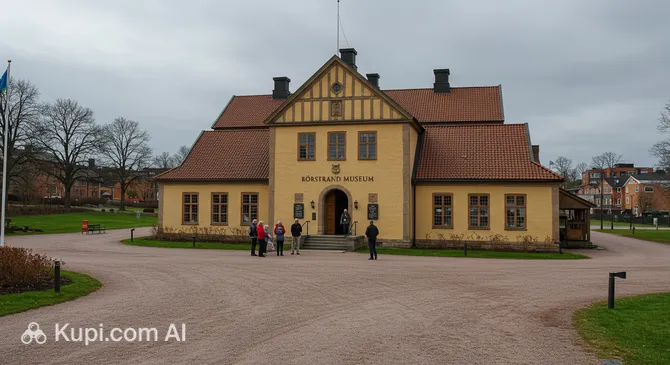
Rörstrand Museum. Illustration.
Source: Kupi.com AI

Traveler photos:

How to Get There

When planning a trip through Western Sweden, it is important to think through the logistics in advance. Lidköping is located away from noisy metropolises, which gives it a special charm but requires a bit of route planning. You can find out more about how to get to Lidköping to choose the most convenient option.

Lidköping itself does not have its own airport, so most tourists arrive via nearby major cities. The most convenient and popular option is Gothenburg Landvetter Airport (GOT), located in the city of Gothenburg. It is about 106 km from the destination. This is a major international hub receiving many flights. A trip from there by taxi or rental car will take about 1 hour and 40 minutes.

An alternative could be Karlstad Airport (KSD), which is in the city of Karlstad, at a distance of about 105 km. This is a small regional airport with fewer flights, but geographically it is just as close. You can also consider flying into Örebro-Bofors Airport (ORB) in the city of Örebro (135 km), from which the journey will take just over two hours.

For clarity, here is a summary of the main airports:

AirportPassenger trafficDistance
Karlstad Airport20 607105 km
Göteborg Landvetter Airport5.3 mln106 km
Orebro-Bofors Airport80 694135 km
Linkoping City Airport145 000148 km
Kungsängen Airport103 000180 km

Rail connections in Sweden are excellently developed, and taking the train is a wonderful way to enjoy the scenery. It's worth noting that Lidköping itself is not a hub station for long-distance high-speed trains, so the route is often built through nearby major hubs. The main transfer point is usually Gothenburg Central Station in Gothenburg (about 108 km from Lidköping). This is one of the country's largest transport hubs, from where you can transfer to a regional train or bus to your final destination.

Another important transport hub is Örebro Central Station in the city of Örebro, located 146 km away. Travelers arriving from the eastern part of the country can use this station as a transit point. The travel time by car from Örebro station to Lidköping is about 2 hours.

Below is a table of the nearest major railway stations:

StationPassenger trafficDistance
Gothenburg Central Station27 mln108 km
Orebro Central Station2.5 mln147 km
Norrköping Central Station2.5 mln176 km
Nationaltheatret Station14.6 mln208 km
Eskilstuna Central Station2.2 mln216 km

Main Attractions

Lidköping harmoniously combines the charm of the Swedish province with the dynamics of a modern city. Here, historical monuments neighbor modern entertainment venues, and a walk through the local sights will let you learn about the region's "porcelain" past and enjoy Scandinavian architecture. Here are the key places to include in your itinerary.

The undisputed symbol of the region is Läckö Castle (Läckö Slott). This Baroque masterpiece is located on the Kållandsö peninsula, slightly away from the center, but a visit here is a must. The snow-white castle with its towering spires stands on the rocky shore of Lake Vänern, resembling an illustration from an old fairytale. In summer, guests can stroll through the magnificent Little Castle Garden and visit the luxurious halls that have preserved the spirit of the 17th century.

In the very heart of the city is the famous Rörstrand Museum. This place attracts everyone interested in design and industrial history. The exhibition tells the story of one of Europe's oldest porcelain manufactories, whose products graced the tables of kings and Nobel banquets. Here you can see exquisite dinner sets from past centuries and learn about the ceramic production technologies that made Sweden famous.

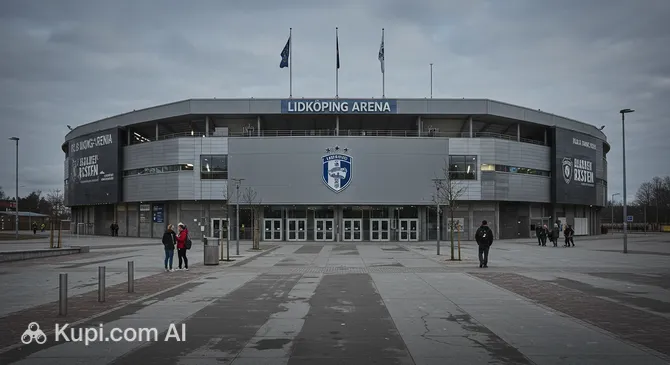
Lidköping Arena. Illustration.
Source: Kupi.com AI

Traveler photos:

The center of sporting and cultural life is the Lidköping Arena. This modern multifunctional complex serves as the main venue for competitions, including the popular bandy (ice hockey with a ball), as well as large-scale concerts. The arena building stands out against the city skyline and serves as a great example of Lidköping's modern architecture.

To feel the atmosphere of old times, head to the Limtorget district. This is a historical square surrounded by wooden houses that miraculously survived old city fires. Cozy red cottages, craft shops, and silence create a special coziness here that contrasts with the busy shopping streets.

For shopping enthusiasts, the Framnäs Shopping Center is of interest. This is a popular spot for shopping where you can find well-known brands as well as home goods, combining a pleasant pastime with useful purchases.

Local Cuisine

Lidköping's gastronomic map is inextricably linked to its location on the shores of Lake Vänern and the richness of the surrounding farms. The local menu is based on fish delicacies: they prepare freshly caught zander, pike, and eel magnificently here. Often the fish is served according to old recipes—under delicate creamy sauces with the addition of local aromatic herbs, allowing the natural taste of the products to be fully revealed.

A special place in the city's culinary traditions is held by crayfish. During the fishing season, these river inhabitants become the main stars of the table. They are traditionally boiled with plenty of dill flowers and served with lemon slices, piquant cheese, and crusty bread. For locals, eating crayfish is not just dinner, but a true ritual, often accompanied by cheerful drinking songs and friendly socializing.

It is impossible to imagine a visit to this Swedish city without experiencing the "fika" culture—the traditional coffee break. In cozy cafes and at city markets, it's worth trying the freshest pastries: the famous cinnamon or cardamom buns. Lidköping is also famous for its farmers' markets, where producers offer homemade cheeses, smoked meats, and organic vegetables grown in the fields of the Västra Götaland region.

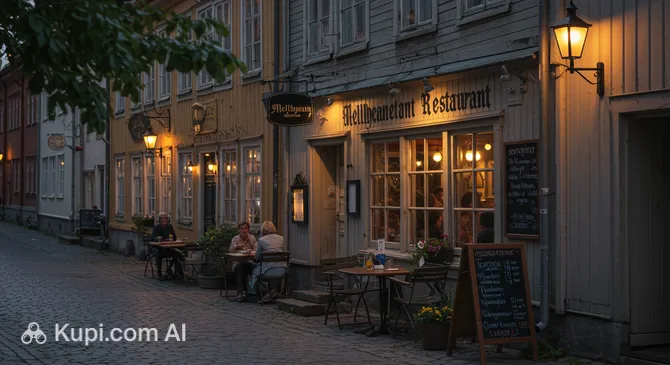
Mellbygatan Restaurant. Illustration.
Source: Kupi.com AI

Traveler photos:

To appreciate the local hospitality and variety of flavors, you can drop by Mellbygatans Restaurant. This establishment is perfect for enjoying high-quality food in a pleasant atmosphere. In summer, the city's gastronomic life becomes even richer thanks to food festivals, where culinary workshops and open-air tastings are held, turning the streets into a festival of flavor.

Travel Tips

Lidköping is a city where hospitality is felt in every detail. To make your stay on the shores of Lake Vänern as pleasant and carefree as possible, we have gathered some important practical tips. These recommendations will help you quickly adapt to local specifics and avoid awkward situations.

  1. Clothing and Gear: Proximity to a large body of water dictates its own rules: the weather here can change rapidly. Even on a sunny summer day, a fresh breeze can blow from the lake, so the principle of layering clothes will come in very handy. Be sure to bring a windproof jacket. For walking on the old cobblestones of the center and excursions to castles, choose comfortable flat shoes.
  2. Transport: Lidköping is compact and ideal for walking or cycling. If you plan to travel around the region, use the buses and trains operated by Västtrafik. It is cheaper and more convenient to buy tickets via the "Västtrafik To Go" mobile app, as they cannot be purchased from the driver. Taxis are not cheap, so they should only be ordered if necessary.
  3. Money and Payment: Be prepared for the fact that Sweden has transitioned almost entirely to cashless payments. In Lidköping, bank cards are accepted everywhere: from museums to street stalls. Moreover, many cafes and shops have cash-free status and do not work with cash at all. Therefore, having a card is a prerequisite for a comfortable trip.
  4. Safety and Water: This is a quiet and safe city where you can safely walk even after dark. The tap water here is of excellent quality and tastes great—it can and should be drunk, saving you from buying bottled water. Pharmacies (Apotek) are easy to find by their green signs, but remember the opening hours: there are usually no 24-hour pharmacies in small towns.
  5. Communication and Language: There is practically no language barrier here: most locals, including the older generation, speak English fluently. For mobile internet, it is convenient to purchase a prepaid SIM card (e.g., Comviq) at Pressbyrån kiosks or supermarkets. Free Wi-Fi is available in many public areas, cafes, and the library.
  6. Rules of Behavior: Swedes highly value personal space and following the order of a queue. When entering small shops or cafes, it is customary to say hello with a simple "Hej." A queue here is a sacred concept; never try to go ahead of others. In many institutions, including pharmacies and bakeries, you need to take a paper ticket from a machine at the entrance and wait for your number to appear on the screen.
  7. Cycle Paths: Be careful and never walk on paths designated for cyclists. In Sweden, the bicycle is a full-fledged vehicle that moves fast. A pedestrian on a cycle lane not only risks their health but also breaks the rules, which causes strong disapproval from locals.
  8. Market Day Tradition: If possible, plan your visit to coincide with a Wednesday or Saturday. On these days, a traditional market takes place on the main square, Nya Stadens Torg. This is the best place to buy local delicacies, souvenirs, and simply observe the lively atmosphere of the city.

By following these simple rules, you will be able to feel at home in Lidköping. The locals appreciate respect for their way of life and are always ready to reciprocate, making your holiday truly cozy and memorable.

Entertainment & Nightlife

Entertainment and Nightlife:

Lidköping is a city with a relaxed pace of life, so the nightlife here has its own special, cozy character. Instead of massive nightclubs with deafening music, you are more likely to find atmospheric pubs, gastropubs, and restaurants where locals gather in the evenings to socialize. The epicenter of evening activity is the area around the main square, Nya Stadens Torg, and the adjacent pedestrian streets. It is here, under the glow of streetlights, that the doors of establishments offering excellent drinks and snacks open.

For those who want to combine a delicious dinner with a pleasant evening atmosphere, Mellbygatans Restaurant is an excellent choice. This popular spot draws guests not only for its cuisine but also for its lively environment, which is perfect for meeting friends after a long day. On weekends, many establishments in the center stay open until 1:00 or 2:00 AM, but it's worth remembering that on weekdays, the city goes to sleep quite early.

The cultural and entertainment life of the city is not limited to bars. Large-scale events, concerts by Swedish pop stars, and sports shows regularly take place at a venue like Lidköping Arena. If you are planning a trip, be sure to check the arena's schedule: attending a concert or a match will be a highlight of the evening and allow you to see how the locals enjoy their free time.

Regarding safety, Lidköping is a very peaceful city. Walking at night does not cause concern, and the streets are well-lit. However, if you stay out late or plan a trip to a remote area, it is better to take a taxi. Hailing a car on the street is not common here, so we recommend installing a taxi app in advance or asking a bartender to order a car for you. Prices for alcohol and taxis are consistent with the general Swedish level, meaning they might seem high to tourists from other regions, so plan your budget in advance.

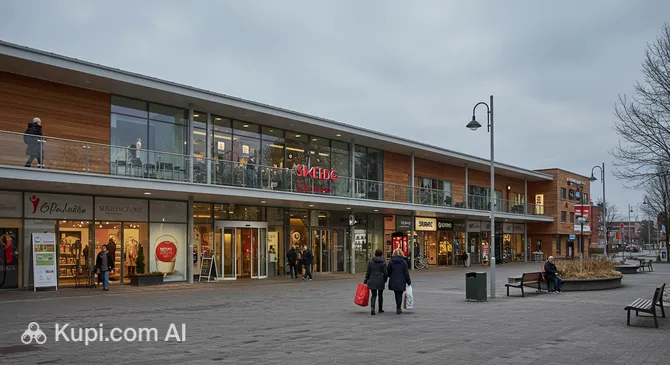
Framnäs Shopping Centre. Illustration.
Source: Kupi.com AI

Traveler photos:

Daytime entertainment in the city is also diverse. Besides strolling along the waterfront and through the parks, shopping enthusiasts can head to the Framnäs Shopping Center. This is a great place to spend a couple of hours during rainy weather, browse the shops, and have a coffee in one of the cafes while observing the slow flow of life in the Swedish province.

Parks & Museums

Lidköping is a city where cultural heritage is harmoniously intertwined with the natural beauty of the Lake Vänern coast. For tourists, this means the opportunity to alternate educational excursions with relaxing walks in the fresh air, enjoying both unique collections and picturesque landscapes.

Speaking of green zones, The City Garden (Stadsträdgården) cannot go unmentioned. This is a true green oasis in the center of the city that has existed for over a hundred years. The park is famous for its magnificent floral arrangements, shaded alleys, and well-kept lawns, ideal for a picnic. You can often meet locals here relaxing with a book or walking with children, which creates a very cozy and calm atmosphere.

For those who want to feel the power and beauty of Swedish nature, a visit to the Hindens Rev nature reserve is a must. It is located near the city and is a narrow, long peninsula extending right into the waters of Lake Vänern for several kilometers. A walk along the trail to the very end of the cape gives the feeling that you are walking on water, and the views of the endless lake horizon are simply breathtaking. This is an ideal place for photographers and hiking enthusiasts.

The cultural life of the city is centered around its rich history. The main point of attraction for art and craft lovers is the Rörstrand Museum. The exhibition is located on the site of the old porcelain factory and covers nearly three centuries of design history. Here you can see both exquisite dinner sets that graced royal tables and modern ceramic masterpieces. The museum is interesting not only for its finished products but also for its stories about the people who created Sweden's "white gold."

Another important institution is the Lake Vänern Museum (Vänermuseet). This interactive space will be of interest to both adults and children. The exhibits tell the story of the ecosystem of the country's largest lake, its geology, and its maritime history. Here you can see huge aquariums with fish that live in the local waters and learn about the life of the Vikings who once inhabited these shores.

For art lovers, it's worth peeking into Lidköping Konsthall (Lidköpings Konsthall). The gallery regularly hosts exhibitions of contemporary art, photography, and design, providing a platform for both well-known Swedish masters and young talents. Admission is often free, making art accessible to all guests of the city.

Insider Tip: If you are looking for seclusion, head to the Råda vy viewpoint. From there, a stunning panorama of the city, the patchwork quilt of fields, and the sparkling expanse of Lake Vänern opens up—it is especially beautiful here at sunset when the landscape is painted in golden tones.

Getting Around

Getting around Lidköping is easy and pleasant, as the city is compact and has a well-thought-out infrastructure. The historical center can easily be explored on foot, enjoying the architecture and views; however, for trips to remote areas or popular attractions like Läckö Castle, you will need transport. The public network here is integrated into the general system of the Västra Götaland region and managed by the company Västtrafik. Like all of Sweden, this region guarantees travelers high standards of comfort and precise schedules.

The main form of public transport is buses. City routes (Stadsbussar) run regularly and cover all residential quarters, shopping zones, and industrial areas. They can be recognized by their characteristic green color, which distinguishes urban transport from regional. The main transport hub is Resecentrum—a combined train and bus station located near the main square. Most services depart from here, and it is also convenient for transfers if you plan to travel outside the city.

A feature of the transport system is the picturesque Kinnekulletåget railway line passing through the city. Although it is a regional train, it is often used as urban transport for quick trips, for example, to the Framnäs City station, which is located right next to the popular shopping center and the waterfront. A trip on this train is not just moving from point A to point B, but also an opportunity to admire beautiful landscapes, as the route is considered one of the most scenic in the country.

The fare payment system is fully cashless, and you cannot pay the driver with money. The most convenient way for a tourist is to download the "Västtrafik To Go" mobile app. In it, you can link a bank card, plan a route, and buy a single ticket or a 24- or 72-hour pass, which is often more economical for active travelers. The ticket must be activated at the moment of boarding. If you don't have the app, tickets can be purchased at vending machines at the station or in some Pressbyrån and 7-Eleven stores.

Lidköping is an incredibly friendly city for cyclists. Thanks to its flat terrain and extensive network of cycle paths, two-wheeled transport is often more popular than buses here. If the weather permits, we highly recommend renting a bicycle: it will give you complete freedom of movement and allow you to reach natural recreation areas inaccessible to cars. Rental points usually operate at tourist offices or major hotels.

Taxis are available in the city but are considered an expensive luxury compared to public transport. Cars rarely stop on the street by a wave of the hand, so it's better to order them in advance by phone or through specialized apps. For trips to remote attractions where buses run infrequently (especially on weekends), renting a car can be a sensible alternative, allowing you to explore the lake's surroundings at your own pace.

Accommodation

The choice of accommodation in Lidköping, though not on the scale of a metropolis, is capable of satisfying a wide variety of traveler requests. The hotel infrastructure here is typical of cozy Swedish towns: the emphasis is on comfort, sustainability, and atmosphere. The main range of offers varies from classic middle-class city hotels and cozy family-run Bed & Breakfasts to well-equipped campsites on the lakeshore, which are very popular during the summer season.

In terms of location, the most convenient for tourists is staying in the historical center, near the Gamla Staden and Nya Staden squares. By staying here, you will be within walking distance of restaurants, shops, and the train station. This is an ideal choice for those traveling without a car. Another popular area is the shore of Lake Vänern. Here, resort-style accommodation options are located, offering picturesque views and direct access to nature, which is especially valued in summer.

It is worth noting that Lidköping is a city of events. If the purpose of your visit is to attend a major concert or a sports match hosted by the Lidköping Arena, it makes sense to look for accommodation within walking distance of the complex or in the center, from where it is easy to reach by transport. During major events, available rooms in the city sell out very quickly.

Price Range and Booking:

The cost of accommodation in Lidköping corresponds to the average level in Sweden. Budget options are represented by hostels and camping cabins (from 500–700 SEK per night), while a night in a well-rated hotel will cost on average between 1,000 and 1,800 SEK. There are no luxury five-star international chain hotels here; the high-quality "Scandinavian standard" prevails.

Booking Tip: It is highly recommended to book accommodation in advance, especially if your trip falls in July or August—the peak tourist season. Also, check the city's events calendar: during festivals or bandy tournaments, finding a room on the same day is practically impossible. For searching, it's best to use major international online platforms as they cover most local accommodation options.

Nearby Cities

For those who want to explore the surrounding area, Lidköping serves as an excellent starting point for day trips to several interesting nearby places:

Just an hour's drive away is Trollhättan—a city known for its impressive locks and waterfalls on the Göta Älv river. This is a place where industrial history meets the power of nature, and car enthusiasts can visit the famous Saab Car Museum. The city is also called "Trollywood" because of its developed film industry.

For outdoor enthusiasts, Skövde, located at the foot of Mount Billingen, is worth checking out. This is Lidköping's closest large neighbor, offering great opportunities for hiking, skiing in winter, and a visit to a popular water park. There is also an interesting cultural center and museum here.

If you want to immerse yourself in a cozy atmosphere, head to Alingsås. This small town with well-preserved wooden architecture is often called the "capital of fika" (the Swedish coffee break). Here you can stroll through cobbled streets and peek into numerous historical bakeries and cafes.

CityPopulationDistance
Skara18 58021 km
Skovde39 58042 km
Falkoping16 35043 km
Mariestad16 61145 km
Herrljunga4 00048 km

These nearby destinations provide insight into the diverse culture and landscapes of the region, from industrial monuments to quiet natural corners.

Shopping & Souvenirs

Shopping in Lidköping is a pleasant and relaxing activity, free from the hustle of large metropolises. The city offers a harmonious blend of small designer boutiques, traditional craft shops, and modern stores. A special atmosphere is added to shopping by the fact that many retail outlets are located in historical buildings, and the process itself is often accompanied by coffee breaks in cozy patisseries. Lidköping is known nationwide for its ceramic heritage, so many tourists come here specifically for high-quality porcelain and interior items.

The heart of the city's commercial life is the area around the main square, Nya Stadens Torg. Pedestrian streets branching out from it are filled with various shops selling clothing, home decor, and accessories. It's pleasant just to walk around here, glancing into the windows of small local brands that neighbor popular chain labels. This is an ideal place to find unique items in the quiet environment of the old town.

For those who prefer to do all their shopping in one place, the Framnäs Shopping Center is an excellent choice. It is located near the center and offers a wide range of goods: from fashion clothing and sports equipment to electronics and groceries. It is a modern complex with convenient parking where you can find most well-known Swedish and international brands.

Market trading deserves special attention. Nya Stadens Torg turns into a lively open-air market on Wednesdays and Saturdays—one of the most famous in the region. Here, local farmers and artisans offer fresh vegetables, fruits, homemade cheeses, flowers, and handmade products. Visiting the market is not just shopping, but an opportunity to touch the living culture of the city and buy the freshest seasonal products.

The main souvenir from Lidköping is, undoubtedly, porcelain. The city is called the "porcelain capital" for a reason: the famous Rörstrand factory operated here for many years. Tourists should visit the Rörstrand Museum and the nearby Iittala Outlet store. There you can purchase both classic dinnerware series and modern designer pieces at discounted prices. In addition to ceramics, it's worth bringing back traditional Swedish delicacies (such as crispbread), home textiles, and wooden items by local craftsmen.

Shops in the city center are usually open from 10:00 to 18:00 on weekdays and from 10:00 to 14:00 or 15:00 on Saturdays. Most small shops are closed on Sundays, however, large shopping centers and grocery supermarkets continue to operate. The main method of payment is bank cards (Visa, Mastercard), which are accepted everywhere, even at market stalls. Cash is used very rarely, and many establishments have switched to fully cashless payments.

Tourists living outside the European Union can take advantage of the Tax Free system. If the purchase amount in one store exceeds the set minimum (usually around 200 Swedish kronor), look for the "Global Blue" logo in the window or at the checkout. Don't forget to ask for a special receipt to process your tax refund when leaving the country.

Reached the end of the page?

That means the route is fully explored