Support

Malmö Castle

About

Malmöhus (Malmöhus) is a majestic historic castle and fortress rising proudly in the city of Malmö, in southern Sweden. It is one of Scandinavia's most significant and well-preserved defensive structures. The fortress is an almost perfect rectangle with powerful towers, surrounded by a double water-filled moat, following the classic canons of fortification and providing reliable protection for centuries. Its island location further enhanced its defensive capabilities.
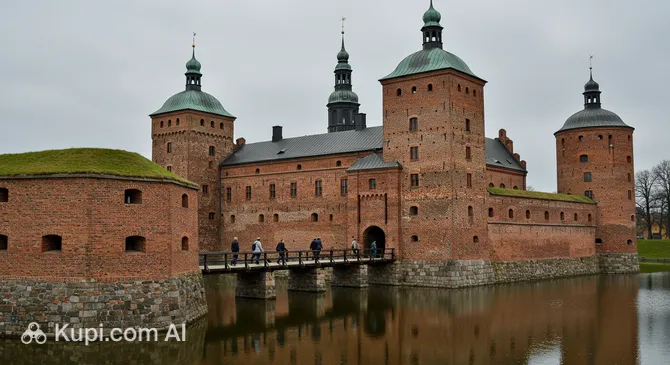
Malmö Castle. Illustration.
Source: Kupi.com AI

Traveler photos:

Today, Malmöhus is more than just ancient walls; it is a true cultural hub and a popular museum complex. Its historic interiors house several fascinating museums that can interest visitors of all ages. These include the Art Museum with its rich collection, the City Museum which tells the story of Malmö, the Science and Maritime Museum which will appeal to both adults and children, and the Natural History Museum.

As an outstanding monument of 16th-century defensive architecture, Malmöhus attracts tourists from all over the world. Its impressive history, diverse exhibitions, and picturesque setting make it one of the city's main attractions and a must-visit for anyone interested in the rich history and culture of the Scandinavian region.

Contacts

Malmöhus Castle is located in the city of Malmö. For the most up-to-date information on opening hours, ticket prices, and contact details, we recommend visiting the official website of the Malmöhus museum complex or contacting local tourist information centers.

The castle is easily accessible by public transport or on foot from the central part of Malmö.

How to contactContact
AddressMalmöhusvägen 6, 211 18 Malmö, Sweden
Phone number+46 40 34 10 00
Websitemalmo.se

What to Do

A visit to Malmöhus is a true immersion into a world of knowledge and discovery. A whole array of museums awaits you within the castle grounds: you can enjoy the rich collections of the Art Museum, learn about the city's history at the City Museum, explore interactive exhibits at the Science and Maritime Museum, or discover the secrets of nature at the Natural History Museum. Each of these and other exhibitions offers a unique opportunity to dive deep into a chosen theme, whether it be art, history, or scientific achievements.

In addition to the fascinating museum exhibits, Malmöhus invites you to explore the ancient fortress itself. Notice the castle's impressive architecture, including its massive walls and two characteristic round towers connected to the main building. A walk around the castle grounds is also a pleasure: a picturesque park, created on the site of former military fortifications and bastions, stretches out here. Don't miss the chance to see the historic windmill, carefully preserved as a reminder of Malmö's past.

Getting There

Malmöhus Castle is conveniently located in the city of Malmö, making it very easy to reach. This famous landmark in Sweden is accessible in various ways, depending on your preferences and starting point in the city.

The most popular and economical option is public transport. Malmö has an extensive city bus network, with routes passing in the immediate vicinity of Malmöhus. Information about the relevant bus numbers and the stops nearest to the castle can easily be found on the local transport operator's website or in mobile navigation apps. Usually, a bus ride from the central areas of the city takes very little time.

For those who value comfort and speed, taxis or ride-hailing services are an excellent choice. A trip from Malmö Central Station or the city center to Malmöhus will be short and convenient. Additionally, if the weather is nice and you are nearby, a walk or a bike ride to the castle is a pleasant addition to your day, allowing you to enjoy the city views and its atmosphere.

Nearest city: Malmö

History & Facts

The history of Malmöhus dates back to the 15th century. The first fortress at this strategically important location was established in 1434 by order of Eric of Pomerania, King of the Kalmar Union. The main purpose of construction was to control the Öresund Strait and collect tolls from passing ships, intended to compete with the powerful Hanseatic League. Interestingly, coins were actively minted within the fortress at that time, with up to a hundred people involved in the process.

The original fortification did not stand for long—it was destroyed during a conflict in the early 16th century. However, as early as 1537 (according to some records, construction took place between 1534 and 1536), a new castle was built on the site, largely following the layout of its predecessor. A few years later, in 1542, by order of the Danish King Christian III, Malmöhus was significantly rebuilt and took on the features of a magnificent Renaissance castle, much of which we still see today.

Over its long history, Malmöhus has served not only as a royal residence and defensive structure but also as a prison. One of its most famous prisoners was James Hepburn, the third husband of Mary, Queen of Scots, who was imprisoned here for five years, from 1568 to 1573. Later, by the 18th century, as the fortress's strategic importance for the Swedes diminished, it was finally converted into a prison, including for prisoners of war, and performed this somber function until 1909.

Time Needed

When planning a visit to Malmöhus, it is worth setting aside enough time to enjoy all its treasures without rushing. Since there are several museums located on the castle grounds—the Art Museum, the City Museum, the Science and Maritime Museum, and the Natural History Museum—it can take from 3 to 5 hours to explore them fully, or even more if you want to see each exhibition in detail.

If your time is limited, a quick tour of the castle itself and a visit to one or two of the museums that interest you most might take 1.5–2 hours. However, to truly immerse yourself in the atmosphere of this historic site, walk through the grounds, study the architecture, and visit at least the main exhibits, it's better to plan for half a day.

Remember that everyone's interests are different. Some might spend more time in the Art Museum admiring the paintings, while others might linger in the Science and Maritime Museum exploring the interactive exhibits. Therefore, it's best to check what each of the Malmöhus museums offers in advance and plan your time according to your personal preferences.

Working Hours

To get the most up-to-date information on the opening hours of Malmöhus, we recommend checking the museum complex's official website or local tourist information portals shortly before your visit. Opening hours may change depending on the season, public holidays, or special events.

Typically, large museum complexes like Malmöhus are open to visitors year-round but may have reduced hours during the winter period or on certain days of the week. Check in advance if pre-booking tickets is required, especially if you plan to visit during the peak tourist season or as part of a group. This will help avoid queues and guarantee your visit.

DayOpening hours
MondayClosed
Tuesday11:00 – 17:00
Wednesday11:00 – 17:00
Thursday11:00 – 19:00
Friday11:00 – 17:00
Saturday11:00 – 17:00
Sunday11:00 – 17:00

Nearby

Visiting Malmöhus is undoubtedly a highlight, but you shouldn't limit yourself to its walls. The area surrounding the castle is also rich in interesting places that will help you dive deeper into the atmosphere of Malmö and complement your impressions of your trip to Sweden.

Exploring nearby attractions will allow you to see the city from different perspectives and discover cozy corners, parks, and other cultural sites within walking distance. This is a great opportunity to expand your itinerary and make your journey even more fulfilling and memorable. Below is a list of some interesting places near Malmöhus, including the approximate distance to each.

NameDistance
Malmö Museum0.1 km
Slottsträdgården0.2 km
Technology and Maritime Museum (Malmö Museum)0.3 km
Kungsparken0.3 km
Malmö Saluhall0.4 km
Lilla Torg0.7 km
Form/Design Center0.7 km

Have you reached the end of the page?

So the route has been studied inside and out