Support

Nykoping

About

Nyköping is a cozy and picturesque town located on the southeastern coast of the Scandinavian Peninsula, where the Nyköpingsån river flows into the Baltic Sea. Situated just an hour's drive from Stockholm, it serves as the administrative center of Södermanland County and offers travelers a unique opportunity to experience the "real" Sweden away from the bustling metropolises. Thanks to its proximity to the water and the surrounding green hills, the city boasts an atmosphere of tranquility and harmony.

Nyköping. Illustration.
Source: Kupi.com AI

Despite its relatively small size — with a population of around 38,780 — Nyköping is full of life. It wonderfully combines modern comfort with old-world charm. Strolling along the well-kept embankments, you can enjoy the fresh sea air, while the cobbled streets of the city center invite you to explore numerous craft shops, art galleries, and cozy cafes where guests are always welcome.

The city's deep connection to the past adds to its special appeal. The rich history of Nyköping is reflected in the majestic Nyköpingshus (Nyköping Castle), which is one of the region's main attractions. In addition, the city is famous for its museums and cultural spaces, making it a true find for fans of educational tourism.

If you are looking for a place to take a break from the urban hustle and immerse yourself in the atmosphere of Scandinavian coziness, Nyköping is an excellent choice. This hospitable city is open to new acquaintances and promises to provide vivid impressions from leisurely walks and an introduction to local culture.
Weather Overview

The climate in Nyköping can be described as temperate, with distinct seasonal changes typical of this part of Scandinavia. Summer is the most comfortable time for tourists: in July and August, the average temperature is around 17°C, and on the warmest days, the air can heat up to 20–21°C. However, sunshine often alternates with cloud cover, so expect a pleasant summer with occasional rain—on average, there are 10 to 12 days with precipitation per month in the summer.

Winters in the city are quite mild but frosty. The coldest months are January and February, when the thermometer drops to an average of -0.5°C, and night frosts can reach -2.7°C. December is characterized by the highest amount of precipitation: statistics show up to 15 days with rain or snow, so waterproof footwear is a must-have for a trip at this time of year.

Spring and autumn are excellent for those who do not like the heat. In May, the air warms up to 11°C, while September retains some summer warmth with an average temperature of around 13.4°C. To choose the ideal dates for your visit and pack your luggage correctly, we recommend checking the detailed weather in Nyköping by month in advance.

Average monthly temperature

Average monthly precipitation

Interesting Facts

Beyond its well-known architectural monuments, Nyköping hides surprising events and legends in its biography. This city can surprise even the most seasoned traveler with its unexpected contrasts and secrets of the past.

Nyköping Castle. Illustration.
Source: Kupi.com AI

Traveler photos:

  • The darkest and most intriguing page in the city's annals is linked to an event known as the "Nyköping Banquet." In 1317, within the walls of what is now Nyköping Castle, King Birger hosted a feast for his brothers, Dukes Erik and Valdemar. The celebration ended tragically: the brothers were thrown into a dungeon, and legend has it that the king threw the key into the Nyköpingsån river. Remarkably, centuries later in the 19th century, an ancient key was indeed found in the river, and it is now forever associated with this story.

  • The city serves as the starting point for a grand outdoor adventure — the famous Sörmlandsleden trail begins here. This is a network of hiking paths stretching over 1,000 kilometers through dense forests, rocky outcrops, and cultural landscapes, considered one of the most scenic in Scandinavia.

  • Nyköping is not only about medieval history but is also an important center of aviation history. It is home to the unique F11 Museum, dedicated to Swedish reconnaissance aviation. This proximity of ancient ruins to high-tech exhibits creates a unique city identity where different eras intertwine harmoniously.

How to Get There

Nyköping benefits from a convenient geographical location, making it easily accessible for travelers. You can explore all the ways to get to the city on a dedicated page; however, most tourists prefer a combined route: flying to one of the major air hubs followed by ground transport.

Since Nyköping itself does not have an airport from the provided list, the main option for international flights is Stockholm Arlanda Airport (IATA: ARN). It is located in Stockholm, approximately 113 km from Nyköping. This is the country's largest international hub, receiving flights from all over the world. The journey from here to your destination by taxi or bus will take about 2–2.5 hours.

An alternative option is Bromma Stockholm Airport (IATA: BMA), which is also in Stockholm but slightly closer—at a distance of about 86 km from Nyköping. This is a more compact airport, primarily serving domestic and some European flights. Travel time by car or transfer is approximately 2 hours.

For convenience, here is a summary of the main airports:

AirportPassenger trafficDistance
Stockholm Skavsta Airport685 2697 km
Kungsängen Airport103 00048 km
Bromma Airport1 mln86 km
Linkoping City Airport145 00087 km
Stockholm Arlanda Airport21.8 mln113 km

If you prefer to travel around Sweden by train, keep in mind that the nearest major railway hubs are in neighboring cities. The most convenient option is Norrköping Central Station (IATA: XYK), located in the city of Norrköping, just 51 km from Nyköping. From there, you can quickly reach your final destination by regional bus or taxi, which takes about an hour.

You might also consider the route via Eskilstuna Central Station (IATA: XFJ), which is in the city of Eskilstuna, approximately 74.5 km from Nyköping. This is a good option if you are traveling from the west.

Below is information on the nearest railway stations:

StationPassenger trafficDistance
Norrköping Central Station2.5 mln51 km
Eskilstuna Central Station2.2 mln75 km
Stockholm Central Station73 mln88 km
Orebro Central Station2.5 mln119 km
Uppsala Central Station8.5 mln128 km

Main Attractions

Despite its compact size, Nyköping offers guests a rich cultural program and picturesque spots for walking. The city's main attractions are centered around its rich history and beautiful waterfront, making it easy to explore on foot while enjoying the atmosphere of old-world Sweden.

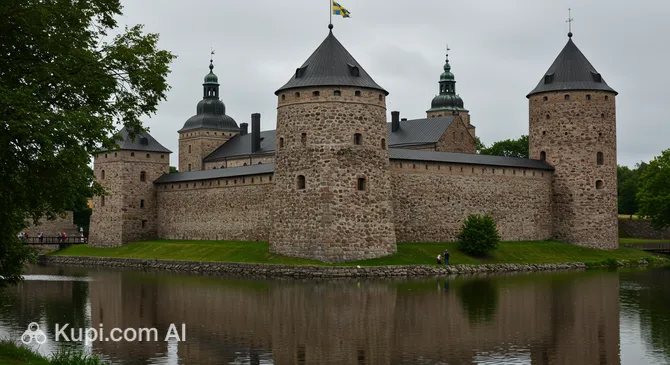
The undisputed landmark of the city is Nyköping Castle (Nyköpingshus). This medieval fortress, partially preserved to this day, was once a residence of Swedish kings. Today, visitors can see the majestic King’s Tower and the ruins of the old walls. Inside, there are exhibitions detailing the turbulent events of the Middle Ages, knightly life, and archaeological finds. This is a must-visit for anyone wanting to touch ancient stones and legends.

Nyköping Castle. Illustration.
Source: Kupi.com AI

Traveler photos:

Right nearby, in the harbor area, is the modern Sörmland Museum. It is not just a repository of antiquities, but a living cultural space that was awarded the prestigious title of "Swedish Museum of the Year" (Årets museum) in 2020. The exhibitions here are dedicated to the history of the people who have lived in this region over the centuries, as well as contemporary art, crafts, and design. The museum building itself is an architectural attraction, harmoniously integrated into the coastal landscape.

During the summer, the Nyköping Harbor (Nyköpings Hamn) becomes a major hub. It’s an ideal place for a leisurely stroll along the long pier that extends far into the bay. The area is bustling with life: numerous restaurants, ice cream parlors, and souvenir shops operate here, and in the evenings, concerts and vintage car shows are often held. A walk along the embankment offers the best views of the archipelago and lets you feel the city's true maritime spirit.

Technology enthusiasts should visit the F11 Museum (F11 Museum). Located on the site of the former Södermanland Air Wing near Skavsta Airport, the museum's hangars house a unique collection of Cold War-era reconnaissance aircraft, as well as flight simulators where anyone can try their hand as a pilot. It is a fascinating place that reveals lesser-known pages of Swedish aviation history.

Local Cuisine

The gastronomic map of Nyköping offers a fascinating introduction to the culinary traditions of Södermanland County. Thanks to its coastal location, seafood plays a starring role in the local menu. In the city's restaurants, be sure to order dishes from the fresh catch: tender baked salmon, oysters, or shrimp. A place of honor on the table is held by pickled herring with boiled potatoes—a classic dish without which a Swedish lunch is hard to imagine.

For those looking for a thrill, Nyköping can offer a tasting of surströmming. This fermented herring with a very specific smell is a real challenge for tourists. If you prefer more familiar flavors, head to the local farmers' markets. Here you can find excellent homemade cheeses, fresh pastries, and seasonal berries that the local nature provides in abundance.

The coffee culture, known as "fika," is strictly observed here. In cozy coffee shops, a cup of hot drink is always accompanied by traditional cinnamon buns. Furthermore, the region is famous for its rhubarb pies, which have become a sweet trademark of local cuisine. Fans of malt beverages should look out for products from small breweries producing excellent craft beer.

In the summer season, the city embankment becomes a hub for gourmets. Numerous restaurants with terraces by the water create the perfect atmosphere for dinner. It is especially pleasant to enjoy a meal and the view of swaying yachts after a walk where you can see the nearby Nyköping Castle. Here, people know how to appreciate the taste of life and are happy to share it with guests.

Travel Tips

A trip to Nyköping promises to be calm and pleasant if you take note of a few important nuances of local life beforehand. We have prepared a list of practical tips to help you navigate the city easily and avoid common tourist mistakes.

  1. Clothing and Essentials. The weather on the Baltic coast is changeable, so the best principle for clothing is layering. Even in summer, it's worth bringing a windbreaker or a light sweater for evening walks by the water. Since the historic city center is paved with cobblestones, be sure to bring comfortable flat shoes; heels will be impractical here. Plug adapters are generally not required if you use a standard European plug (Type F).

  2. Transport. Nyköping is a compact city, and it is best to get around the center on foot. For trips to the surrounding areas or Skavsta Airport, local buses (Sörmlandstrafiken) are convenient. Important: bus drivers do not accept cash. You can pay for your fare by bank card directly on board or via the mobile app. Taxis should be booked in advance via apps or by phone, as hailing a car on the street can be difficult and expensive.

  3. Finances. The official currency is the Swedish Krona (SEK). However, Sweden is one of the most "cashless" countries in the world. Many cafes, shops, and even museums operate on a "cash free" basis and only accept cards. Ensure your card supports contactless payment and a PIN code. Tipping is not mandatory, but rounding up the bill in a restaurant to the next round figure is considered a polite gesture.

  4. Health and Safety. Nyköping is a very safe city where you can walk comfortably even after dark. Pharmacies are easily identified by the sign Apotek; they operate according to standard retail hours, and 24-hour pharmacies are generally not found in smaller towns. The emergency number for all services (police, ambulance, fire) is 112. Tap water is safe to drink—it is of excellent quality here.

  5. Communication. Almost all local residents speak English fluently, so you won't encounter a language barrier. Nevertheless, Swedes will appreciate it if you learn a few words: "Hej" (Hey) for hello, and "Tack" (Tak) for thank you. Free Wi-Fi is available in many cafes, libraries, and at the station, and a SIM card can be purchased at any Pressbyrån convenience store or supermarket.

  6. Local Etiquette. Swedes value personal space and order. If you enter a pharmacy, bank, or ticket office, look for a machine that issues queue tickets (nummerlapp). Standing in a "live" line or trying to cut ahead is a serious breach of etiquette.

  7. What to Avoid. Never walk on bicycle lanes. In Sweden, the bicycle is a serious mode of transport, and a pedestrian in the dedicated lane creates a dangerous situation and causes significant frustration. Also, avoid talking loudly in public places and on transport—it is customary to behave with restraint.

  8. Extra Tip. If you find yourself in Nyköping in the summer, be sure to try the local tradition—a picnic at the harbor. Buy some smoked shrimp or fresh pastries from the stalls on the embankment and settle on one of the benches or directly on the grass by Nyköping Castle while watching the yachts. This is the best way to feel the city's true rhythm of life.

Nyköping is a place where comfort, punctuality, and respect for others are valued. By following these simple recommendations, you will feel not just like a tourist, but like a welcome guest, enjoying every moment of Scandinavian coziness.

Entertainment & Nightlife

Nightlife in Nyköping has a restrained but cozy Scandinavian character. You won't find endless rows of neon signs like in capital cities, but the town offers great opportunities for a relaxed evening with friends. The main format of local entertainment is the traditional "After Work" gatherings in pubs and bars, where a friendly atmosphere prevails and live music is often played on weekends.

The center of attraction throughout the year is the main street, Storgatan, and the surrounding blocks. This is where most of the venues that stay open late are concentrated. If you're looking for an energetic setting, it’s worth stopping by O'Learys on Östra Storgatan. This popular sports bar and entertainment center offers beer, matches on screen, bowling, and frequently hosts DJ parties on weekends.

For fans of classic pub culture, McEwan's Pub is an excellent choice. This venue is famous for its wide selection of drinks and authentic interior. Locals often gather here to listen to live cover bands or participate in music quizzes. The dress code in most places is casual, which is appropriate almost everywhere except perhaps for rare festive gala events.

During the summer season, the epicenter of nightlife shifts toward the water to the Harbor (Hamnen) area. A stroll along the embankment on a warm evening is a pleasure in itself. Here you will find the popular Hamnmagasinet, located in an old port warehouse. In summer, its terrace is filled with people enjoying the sunset and cocktails, and as night falls, the space transforms into one of the city's liveliest clubs.

Before diving into the nocturnal entertainment, it is worth spending some time on a cultural program while it's still light out. The majestic Nyköping Castle, located near the harbor, looks especially mysterious at twilight, and a walk around its walls is a great way to start the evening. We also recommend visiting the Sörmland Museum, which is in the same area and frequently hosts interesting events.

Sörmland Museum. Illustration.
Source: Kupi.com AI

Traveler photos:

In terms of safety, Nyköping is a very peaceful city. You can walk through the center and along the waterfront even at night without concern. However, if you need to reach remote areas or your hotel, it is better to take a taxi. Hailing a car on the street can be difficult, so we recommend booking your ride via local dispatch services or apps. Prices in bars are consistent with the general Swedish level, so be prepared for alcohol prices that may seem high.

Parks & Museums

Nyköping offers travelers a harmonious blend of natural beauty and a rich cultural life. The city is designed so that green oases flow seamlessly into historical quarters, allowing visitors to alternate educational excursions with relaxed outdoor recreation.

Parks and Natural Areas

One of the city's main natural arteries is the picturesque walking zone along the Nyköpingsån river. This is not just a waterfront, but an extensive park stretching from the very center down to the harbor. The path passes old buildings, cozy bridges, and art objects. Both tourists and locals love to walk here, often having picnics on the green lawns by the water. This route is especially beautiful in spring when the trees are in bloom, and in autumn when the banks turn golden.

For those who want to get closer to wildlife without leaving the city limits, the Labro Ängar Nature Reserve is the perfect spot. Located just a few kilometers from the center, this nature park features a hilly landscape with meadows, oak groves, and rich fauna. It is a popular place for bird watching, hiking along marked trails, and quiet contemplation of the views over the bay.

Museums and Cultural Centers

The cultural heart of the region beats within the walls of the modern Sörmland Museum complex. Located in the harbor, it attracts attention not only for its architecture but also for its unique approach to exhibitions. It houses more than 70,000 exhibits, but the main focus is on human history: from ordinary townspeople to famous personalities. Interactive displays, workshops, and a rich collection of photographs make it interesting for visitors of all ages.

It is impossible to talk about the city's museums without mentioning Nyköping Castle. Although it is primarily a historical monument, there are permanent exhibitions inside the King's Tower and the Old Residence. They tell the story of medieval life, weaponry, and the famous banquet that changed the course of Swedish history. A walk through the ruins and museum halls allows you to literally touch the past.

Fans of technology and military history should visit the F11 Museum (F11 Museum), located near Skavsta Airport. This site is dedicated to the squadron based here during the Cold War years. The collection features authentic reconnaissance aircraft, uniforms, and equipment, and enthusiasts can even try their skills on flight simulators.

Insider Tip: As you walk along the Nyköpingsån river, look out for the numerous sculptures installed directly in the water and on the banks. This "open-air museum" creates a special creative atmosphere and looks great in photos, especially in the rays of the setting sun.

Getting Around

The transport system in Nyköping is characterized by punctuality and a modern approach, as Sweden is famous for its attention to the comfort of residents and guests. The town itself is quite compact, and most attractions in the center can be easily reached on foot. There is no metro or tram system; the main form of public transport is buses. They are painted bright green, run strictly according to schedule, and connect residential areas, the railway station, the city center, and surrounding territories.

The transport operator is the company Sörmlandstrafiken. For tourists, the most important rule of local transport is that cash payments to the driver are not possible. The system has switched entirely to cashless payments. The most convenient way to pay for your fare is with a contactless bank card (Visa, Mastercard), which you simply tap against the green validator when entering the bus. You can also purchase tickets via the Sörmlandstrafiken mobile app, which allows you to plan your route and see up-to-date schedules.

The cost of a single trip within the city zone is fixed and valid for one hour, allowing you to make transfers at no extra charge. If you plan to use transport actively over several days, you can consider 24-hour or longer-term travel passes in the app, though single tickets are usually sufficient for seeing the main tourist sites.

Of particular importance to travelers is the connection to Skavsta Airport, which is located just 7 km from the center. It is served by both regular city buses (Route No. 515) and specialized Flygbussarna express coaches. This makes Nyköping a convenient transit point for those flying into this airport.

As an alternative to public transport, bicycles are very popular. Nyköping has an extensive network of bike paths, and renting a two-wheeler will allow you to feel like a local as you explore the picturesque waterfronts and parks. Taxis are available in the city but are quite expensive compared to other European countries; it's best to order a car via apps or by phone, as "hailing" one on the street is not common practice here. Car sharing is limited and mainly focused on long-term rentals, so it is not a primary choice for short trips around the city.

Accommodation

Nyköping offers travelers a balanced selection of accommodation that reflects the cozy and quiet character of the city itself. You won't find massive chain skyscrapers here, but you can stay in atmospheric historic buildings, modern functional hotels, or traditional Swedish guesthouses. Accommodation options range from budget hostels (vandrarhem) and nature campsites to comfortable mid-range and high-end hotels offering Scandinavian service and design.

When choosing where to stay, it is best to consider the purpose of your visit, as the city is roughly divided into several key zones:

  • City Center and Harbor. This is the most attractive area for tourists wishing to immerse themselves in the atmosphere of Nyköping. Staying here puts you within walking distance of restaurants, shops, and the waterfront. The main cultural sites are located in this part of town: the majestic Nyköping Castle and the modern Sörmland Museum. Staying by the water is particularly popular in the summer season due to the picturesque views.

  • Skavsta Airport Area. If Nyköping is a transit point for you or if you have an early flight scheduled, it makes sense to consider hotels located in the immediate vicinity of the airport (about 7 km from the center). This is a practical choice that saves travel time.

  • Surroundings and Nature. For those traveling by car, guesthouses or cottages (stugor) in the suburbs are an excellent option. This allows you to enjoy the silence of the Swedish countryside and the forests of Södermanland.

The price range in Nyköping can be described as average to above average, which is typical for Sweden. Budget options are represented by hostels, which often offer dormitory accommodation, while hotels in the center and by the harbor belong to a more expensive segment. Booking through popular online platforms is recommended to ensure the latest prices and availability.

Booking Tip: Nyköping is a popular destination for domestic tourism during the summer months (July and August). During this period, the best hotels—especially those by the harbor—fill up very quickly. To guarantee comfortable accommodation with a good view, we strongly recommend booking your stay 2–3 months in advance. In the off-season, finding a free room is usually easy even just a few days before arrival.

Nearby Cities

For those who want to explore the surrounding area, Nyköping serves as an excellent starting point for day trips to several interesting nearby locations:

Just a few dozen kilometers away is Norrköping, often called the "Manchester of Sweden." This city attracts tourists with its unique industrial landscape: old red-brick textile factories along the turbulent Motala Ström river have been carefully restored and transformed into museums, educational institutions, and cultural centers. A walk through the industrial park among waterfalls and locks will leave an unforgettable impression.

If you want a taste of capital city life, head to Stockholm. The country's capital is within easy reach and offers endless leisure opportunities. Here you can stroll through the cobbled streets of the Old Town (Gamla Stan), visit the Royal Palace, or see the famous ship at the Vasa Museum. It is an ideal option for a busy day trip.

History and technology buffs should look toward Linköping. The city is famous for its majestic cathedral, visible for many miles, and the "Old Linköping" open-air museum, where the atmosphere of a 19th-century Swedish town is recreated. Additionally, it is home to one of Europe's best aviation museums, Flygvapenmuseum.

CityPopulationDistance
Oxelösund11 4889 km
Flen16 81142 km
Norrköping137 32651 km
Katrineholm24 27154 km
Nynashamn13 51057 km

These nearby destinations provide a great overview of the region's diverse culture and landscapes.

Shopping & Souvenirs

Shopping in Nyköping is an opportunity to combine pleasant purchases with a leisurely stroll through the historic center. You won't find the hustle and bustle of giant metropolises here, but you can enjoy the cozy atmosphere of small boutiques, Scandinavian design shops, and craft stalls. The town is known for its attention to detail, making it a particularly interesting place to look for interior decor, high-quality clothing, and products by local artisans.

The main shopping artery of the city is Storgatan. This is where, especially in its pedestrian section, the life of the center is concentrated. Walking along the cobblestones, you will find stores of well-known Swedish and international clothing brands as well as unique private shops. It's an ideal place to update your wardrobe or find original accessories, with occasional breaks for a "fika" (coffee break) at one of the nearby bakeries.

For those who prefer a "one-stop shop" format, the Gallerian shopping passage (Västra Storgatan) is located right in the center. It is a compact but convenient shopping center featuring fashion, cosmetics, and home goods. If you are interested in large hypermarkets, electronics, and sporting goods, you should head to the Pål Jungs Hage retail park, located on the outskirts of the city near the E4 motorway. It is easily accessible by car or bus.

The market trade at the main square, Stora Torget, gives the city a special local flavor. Traditionally, stalls are set up here with fresh farm products: seasonal vegetables, fruits, flowers, and, of course, forest treasures like berries and mushrooms. It's a great place to buy something tasty for a picnic or simply to feel the rhythm of the local community.

When choosing souvenirs, look for Swedish glass and ceramics, which are famous for their quality and style. Excellent gifts can be found at the shop within the Sörmland Museum cultural center. Here you can find unique books, replicas of historical jewelry, and contemporary design items created by local craftsmen. Edible souvenirs are also popular: cloudberry jams, Swedish chocolate, and traditional crispbreads.

When planning your shopping trip, keep typical Swedish hours in mind. Most shops in the center are open from 10:00 to 18:00 on weekdays and from 10:00 to 15:00 or 16:00 on Saturdays. Many small boutiques in the center are closed on Sundays, although larger shopping centers and supermarkets may remain open. Payments are made by card almost everywhere; cash is increasingly rare, and some establishments have switched entirely to a "cash free" format.

Tourists residing outside the European Union can take advantage of the Tax Free system. Look for the "Global Blue" logo in shop windows or at checkout counters. When purchasing for a certain amount (usually starting from 200 SEK), you can request a special form to get a VAT refund when leaving the country, making your shopping even more rewarding.

Reached the end of the page?

That means the route is fully explored