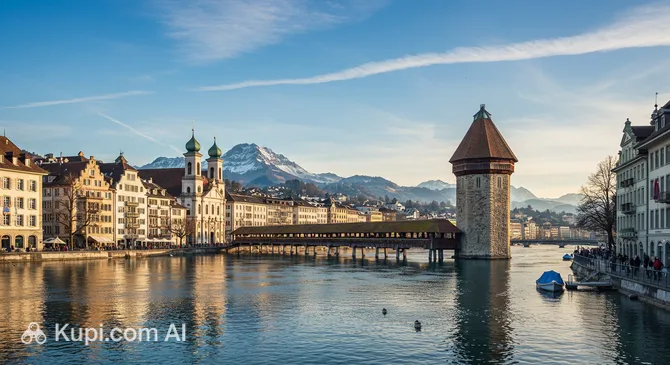
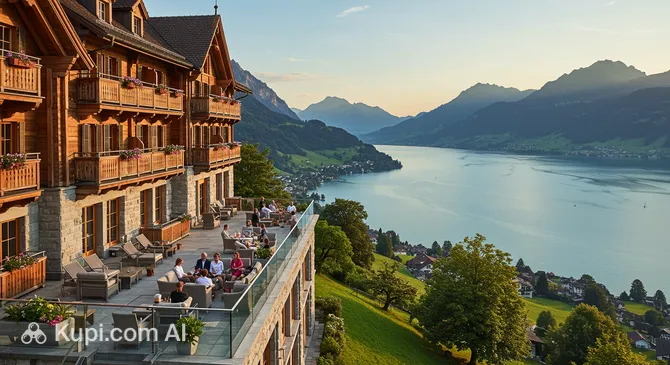
Lucerne is one of the most charming and picturesque cities in Switzerland, nestled in the very heart of the country. It is famous for its unique atmosphere, medieval architecture, and breathtaking landscapes that look as if they have stepped straight out of a fairy tale.
The city is cozily situated on the shores of Lake Lucerne (Lake of the Four Cantons), at the foot of majestic Alpine peaks like Mount Pilatus and Mount Rigi. With a population of about 82,000 people, Lucerne serves as an important cultural and economic hub for Central Switzerland.
Lucerne. Illustration.
Source: Kupi.com AI
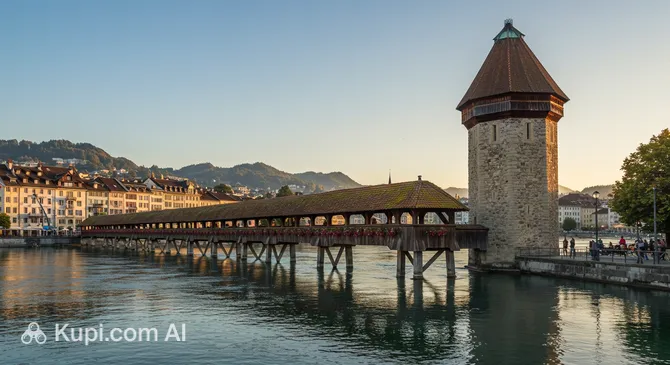
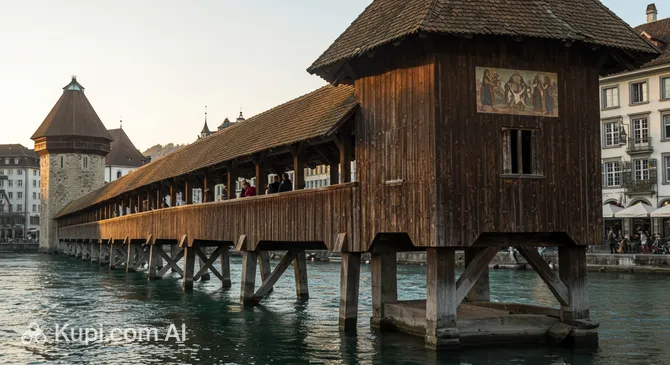
Among the main symbols of Lucerne that attract travelers from around the world is the famous Kapellbrücke (Chapel Bridge). This covered wooden bridge, featuring the octagonal Wasserturm (Water Tower), dates back to the 14th century. Equally well-known is the poignant Lion Monument carved into the rock, and the beautifully preserved Old Town (Altstadt) with its painted house facades, narrow cobbled streets, and charming squares.
Lucerne is a place where history blends harmoniously with modernity, offering guests unforgettable experiences and many discoveries. A visit to this city will leave you with a sense of magic and warm memories for years to come, inviting you to explore its beauty and hospitality.
You can find more interesting facts on the Lucerne history page.
Weather Overview
The climate in Lucerne is moderate, with four distinct seasons, which is important to consider when planning your trip. Summers are usually warm: the average temperature in July and August stays at around 18.4°C, with maximum values sometimes reaching 22–23°C. However, you should be prepared for frequent summer rains, especially between May and August, when the number of rainy days can range from 17 to 20 per month. Winters in Lucerne are cool, with an average January temperature of approximately 0.9°C, and precipitation in the form of rain or snow is common, with a significant number of wet days. Overall, Lucerne is characterized by warm but rainy summers and cool, damp winters. To better prepare for your trip and choose the most comfortable time, we recommend studying the detailed Lucerne climate.
Average monthly temperature
Average monthly precipitation
Interesting Facts
Beyond its world-famous symbols like the Kapellbrücke and Mount Pilatus, Lucerne hides many less obvious but equally fascinating stories and facts. Are you ready to look at this charming Swiss city from a different angle?
Chapel Bridge. Illustration.
Source: Kupi.com AI
Traveler photos:
The famous Kapellbrücke, the symbol of Lucerne, is not only the oldest covered wooden bridge in Europe but also a witness to dramatic events. In 1993, a significant part of the bridge and many of its unique 17th-century triangular paintings were destroyed by fire. The bridge was meticulously restored, preserving its historic appearance.
On one of the towers of the medieval Musegg Wall, namely the Zytturm (Clock Tower), you can find the city's oldest clock, dating back to 1535. This clock has a unique privilege—it chimes the hour one minute before all other city clocks, giving the residents of Lucerne a symbolic "one-minute head start."
Lucerne is home to one of the few surviving giant panoramic paintings from the 19th century—the Bourbaki Panorama. This impressive circular artwork, 112 meters long, immerses viewers in the events of the Franco-Prussian War and the internment of the French army in Switzerland.
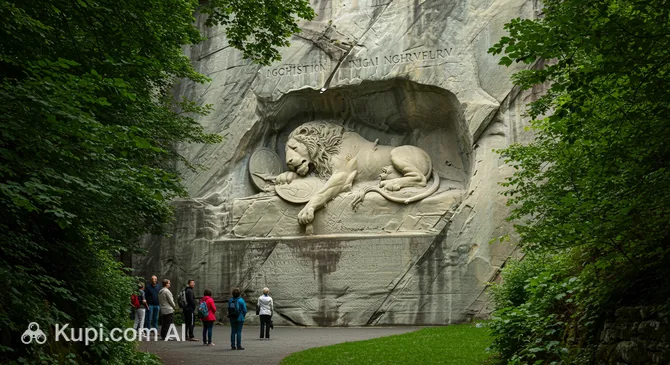
The famous Lion Monument, carved into the rock, is located on the site of a former sandstone quarry. This touching memorial, dedicated to the Swiss Guards who died during the French Revolution, was described by Mark Twain as "the most mournful and moving piece of stone in the world."
How to Get There
Since Lucerne does not have its own airport, most travelers arrive in the country via major international air hubs in neighboring cities and then continue their journey by train or car. You can explore all ways to get to the city in more detail, but below we look at the most popular arrival routes.
The most convenient option is Zurich Airport (IATA: ZRH), located in Zurich. It is the country's largest airport, receiving flights from all over the world. It is located approximately 48.6 km from Lucerne. Thanks to an excellently developed transport system, the journey from there to the city takes about an hour, whether by train or car.
Another popular point of entry is EuroAirport Basel Mulhouse Freiburg (IATA: EAP). It is located in Basel, at a distance of 84.1 km from Lucerne. This is an important transport hub serving three countries. The journey from here takes a bit longer, but the route is also very convenient for tourists.
For clarity, here is a summary of the nearest airports:
The railway network that Switzerland is famous for is noted for its punctuality and comfort. Although Lucerne has its own station, many tourists first arrive at the country's main hub stations, where they transfer to direct trains to their destination.
A key transport hub is Zurich Hauptbahnhof. This station is located approximately 40.4 km from Lucerne and serves a colossal number of passengers annually. Trains depart from here regularly, providing a fast and comfortable connection to Lucerne.
Another important hub is Basel SBB station, 77.6 km away from Lucerne. This is a major railway gateway in the north of the country, from where it is also easy to reach central Switzerland.
Below is a table with the nearest major railway hubs:
Lucerne is rich in iconic sites, each telling its own unique story and offering unforgettable experiences. This charming city provides plenty of options for exploration, from historical monuments to modern museums and breathtaking natural views. Here are just a few of the top attractions you should definitely include in your itinerary to truly feel the spirit of Lucerne.
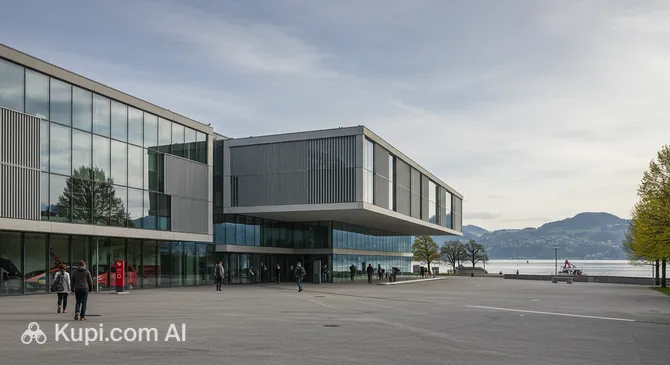
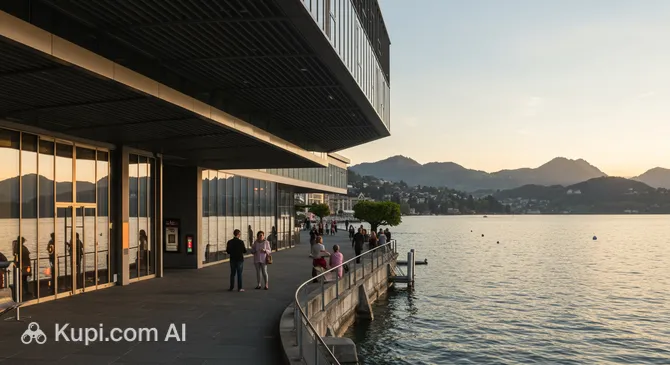
One of the most visited places in Lucerne, especially if you are traveling with children or are interested in technology, is the Swiss Museum of Transport (Verkehrshaus der Schweiz). It is not just a museum but an entire interactive world dedicated to all forms of transport—from trains and cars to planes and spacecraft. Here, you can see impressive exhibits and participate in various simulations, visit a planetarium, and an IMAX cinema. It is a fascinating journey through the history and future of mobility, interesting for all ages.
Swiss Museum of Transport. Illustration.
Source: Kupi.com AI
Traveler photos:
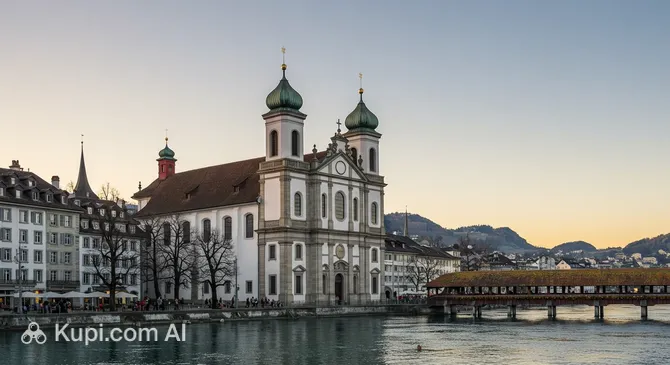
The majestic Jesuit Church of St. Francis Xavier is the first large sacred Baroque building in Switzerland, elegantly situated on the banks of the Reuss River. Its snow-white facade with two characteristic onion domes immediately catches the eye, while the interior impresses with its luxury and splendor: exquisite stucco work, vibrant frescoes, and a richly decorated altar create an atmosphere of solemnity. The church is not only an important architectural monument but also an active place of worship where you can experience tranquility and touch history.
Jesuit Church Lucerne. Illustration.
Source: Kupi.com AI
Traveler photos:
While the Kapellbrücke is Lucerne's most famous bridge, its "younger brother," the Spreuer Bridge (Spreuerbrücke), or Mill Bridge, also deserves attention. Built in 1408, it is also a covered wooden bridge, but its uniqueness lies in Caspar Meglinger's "Dance of Death" (Totentanz) painting cycle created in the 17th century. These 67 triangular panels placed under the bridge's roof depict allegorical scenes of the frailty of life and the equality of all in the face of death, offering food for thought during your walk.
Spreuer Bridge. Illustration.
Source: Kupi.com AI
Traveler photos:
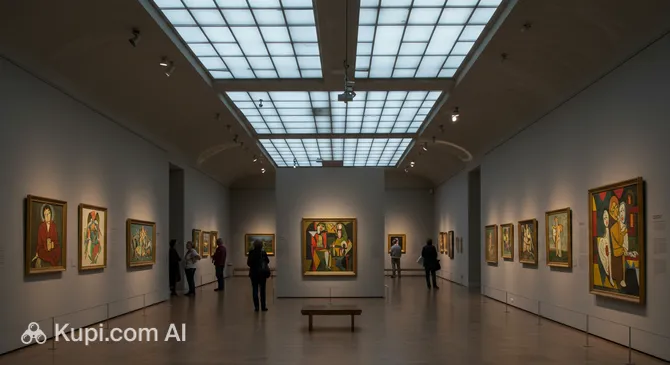
Art lovers are highly recommended to visit the Rosengart Collection (Sammlung Rosengart). This prestigious private museum houses an impressive collection of Classical Modernist works. The core of the collection consists of works by Pablo Picasso (over 180 works, including paintings and drawings) and Paul Klee (about 125 works). Additionally, masterpieces by other prominent 19th and 20th-century artists such as Cézanne, Monet, Matisse, Renoir, and Chagall are presented here. The museum offers a unique opportunity to see world masterpieces in a cozy and intimate setting.
Rosengart Collection. Illustration.
Source: Kupi.com AI
Traveler photos:
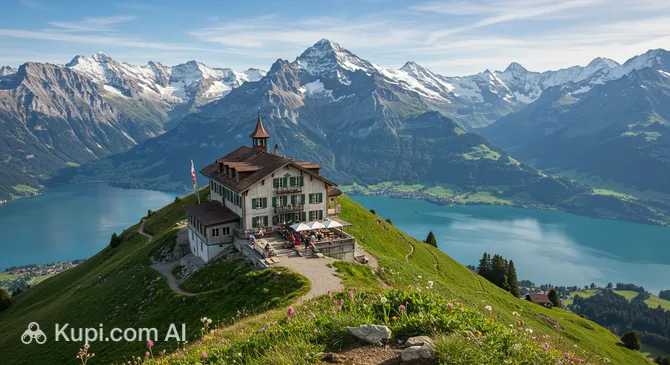
For those dreaming of breathtaking Alpine panoramas, a trip to Rigi Kulm, affectionately known as the "Queen of the Mountains," is a must. From its summit at 1,798 meters above sea level, you get a truly stunning 360-degree view of Lake Lucerne, the city itself, the chain of surrounding Alpine peaks, and, on clear days, even the expanses of the Black Forest in Germany and the French Vosges. You can reach the top via a historic cogwheel railway or by cable car, which is an unforgettable adventure in itself, allowing you to enjoy the beauty of Swiss nature.
Rigi Kulm. Illustration.
Source: Kupi.com AI
Traveler photos:
Local Cuisine
The gastronomic scene in Lucerne enchants with its combination of traditional Swiss recipes and modern culinary trends. Located in the heart of Switzerland, the city offers travelers the chance to enjoy hearty Alpine dishes, exquisite desserts, and, of course, the famous Swiss quality. Local cuisine emphasizes fresh regional products, especially cheeses, meats, and seasonal vegetables, creating unforgettable taste experiences.
Be sure to try Lozärner Chügelipastete—Lucerne's signature dish, which is a delicate puff pastry filled with veal and mushrooms in a creamy sauce. Another iconic regional dish is Älplermagronen (Alpine macaroni with potatoes, cheese, onions, and apple sauce), which is hearty and warming. Of course, you cannot overlook Swiss classics: aromatic cheese fondue or raclette, which are especially good in cool weather. Rösti is also popular—a fried potato pancake served as a side dish or a main course with various toppings.
As for drinks, local beers and Swiss wines are worth noting, especially whites from the Lake Geneva regions. Lovers of strong drinks can try Kirsch—cherry brandy. Among non-alcoholic options, Rivella is popular—a refreshing drink based on milk whey—as well as apple juice mixed with sparkling water (Apfelschorle) and various herbal teas.
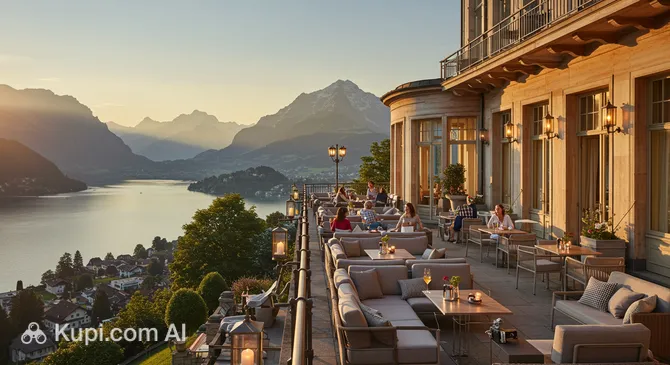
The dining culture in Lucerne is diverse. Locals and tourists love to dine in traditional restaurants and cozy "Beizli" (small taverns) serving authentic dishes. The banks of the Reuss River and the lake offer many establishments with beautiful views. For a special occasion, you can choose a restaurant with a panoramic view, such as Villa Honegg, known for its refined cuisine and stunning landscapes. Don't forget to visit local markets to buy fresh farm products, cheeses, and sausages.
Villa Honegg. Illustration.
Source: Kupi.com AI
Traveler photos:
Lucerne's food scene is also famous for its pastries and sweets. Numerous "Konditoreien" (confectioneries) and chocolate boutiques offer an incredible selection of cakes, pastries, and, of course, the famous Swiss chocolate. Treat yourself to a local dessert, Luzerner Lebkuchen (Lucerne gingerbread), or simply enjoy a cup of aromatic coffee with a fresh pastry while soaking in the atmosphere of this magical city.
Travel Tips
Planning a trip to fairy-tale Lucerne? To ensure your journey goes smoothly and leaves only the most pleasant impressions, we have prepared some practical tips to help you navigate this beautiful Swiss city.
Clothing and Essentials: Consider the changeable Alpine climate of Lucerne. In summer, bring light clothing but also warm items for evenings or mountain excursions. In winter, a warm jacket, hat, and gloves are necessary. Be sure to bring comfortable shoes for walking on the cobblestones of the Old Town. Don't forget an umbrella or a raincoat, as rain is not uncommon here. For electrical appliances, you will need a Type J adapter (Swiss socket). When visiting churches, such as the Jesuit Church, show respect by covering your shoulders and knees.
Transport: The center of Lucerne is compact and perfect for exploring on foot. For longer trips, use the efficient system of public transport (buses and trolleybuses). Many hotels provide a Visitor Card Lucerne, which grants free travel and discounts on attractions. Taxis in Switzerland are expensive. Car rental is not essential for staying in the city but can be useful for exploring the picturesque surroundings.
Finances: The national currency is the Swiss franc (CHF). You can exchange currency at banks or exchange offices; the rate at the airport is usually less favorable. Credit cards (Visa, Mastercard) are accepted almost everywhere, but it is always useful to have some cash for small purchases or at markets. ATMs are easily accessible. Switzerland is a country with high prices; an estimated daily budget (excluding accommodation) can be 150–250 CHF. Tips are usually included in the bill (look for "Service compris" or "inkl. MwSt./Service"), but for particularly good service, you can leave 5–10%.
Health and Safety:Lucerne is a very safe city. Pharmacies (Apotheke) are well-equipped; information about duty pharmacies can be found online or at your hotel. Medical care in Switzerland is of a high standard but expensive, so travel insurance is mandatory. In emergencies, call 144 (ambulance) or 117 (police). Observe standard precautions against pickpockets in particularly crowded tourist areas.
Communication: The official language in Lucerne is German (in its Swiss variant). However, English is widely spoken, especially in the tourism sector, hotels, and restaurants. Learning a few basic phrases in German ("Grüezi" – hello, "Danke" – thank you, "Bitte" – please/you're welcome) is a nice gesture of courtesy. SIM cards from local operators can be purchased at mobile shops or supermarkets. Free Wi-Fi is available in many hotels, cafes, and public areas (e.g., look for "Free WiFi – LUZERN" networks).
Local Etiquette: Swiss people value punctuality, order, and politeness. It is customary to say hello ("Grüezi") when entering small shops or when making eye contact with people on hiking trails. In public places, especially on transport, try to be quiet. Keep the environment clean—Switzerland is very conscientious about ecology. Be reserved and respectful when communicating.
What to Avoid:Littering is strictly discouraged—significant fines apply. Try not to disturb the peace in residential areas, especially on Sundays and in the evenings. You should also refrain from loud public discussions on sensitive topics or disparaging comparisons of Switzerland with other countries.
Lucerne Special Feature – Visitor Card and Shops: Be sure to check with your hotel about obtaining the Visitor Card Lucerne. This card often provides free travel on public transport in certain zones and substantial discounts at many museums (e.g., the Swiss Museum of Transport) and on cable car tickets. Also, bear in mind that most shops in Lucerne close quite early on Saturdays (usually around 4:00–5:00 PM) and are completely closed on Sundays, with the exception of some souvenir shops and stores at the main station.
We hope these tips help you better prepare for your trip and enjoy every moment in Lucerne, one of the most charming cities in Switzerland. We wish you an unforgettable journey!
Entertainment & Nightlife
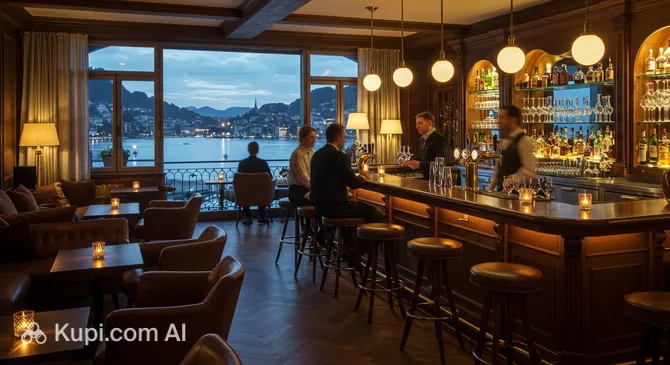
Lucerne, known for its daytime charm and peaceful atmosphere, transforms as evening falls, offering guests a variety of entertainment and nightlife options. While the city is not famous for wild round-the-clock parties like some metropolises, you can find stylish bars, cozy pubs, and several clubs to enjoy your time after sunset.
The main concentration of evening venues is found in the Neustadt district, especially along Pilatusstrasse and its adjacent streets. Places along the banks of the Reuss River and Lake Lucerne are also popular, where you can enjoy a drink with a beautiful view. The atmosphere in Lucerne's establishments is usually relaxed yet elegant. The crowd is mixed—locals and tourists alike. There is no strict dress code in most places, though a neat appearance is recommended for more prestigious bars or the casino.
Specific places worth visiting in the evening include the Sonne Seehotel, a bar where you can enjoy cocktails in a pleasant setting. For those seeking excitement and a more glamorous atmosphere, the Grand Casino Luzern opens its doors in a beautiful building on the lakefront; in addition to the gaming halls, it often hosts various events and features elegant bars.
Sonne Seehotel. Illustration.
Source: Kupi.com AI
Traveler photos:
Bars usually start filling up after 9:00 PM, and clubs come to life closer to midnight, staying open until 2:00–4:00 AM, especially on weekends. Drink prices in Switzerland are quite high: a cocktail can cost 15–25 Swiss francs, and a beer about 7–10 francs. Club entry fees may apply (10–30 francs).
Casino Lucerne. Illustration.
Source: Kupi.com AI
Traveler photos:
In terms of safety, Lucerne is considered a very peaceful city. Night walks in central and well-lit areas are generally safe. Public transport runs until about midnight or 1:00 AM, after which you can use taxis, which are easy to find at stands or call by phone. It is recommended to check the schedule of the last bus or train in advance if you plan to stay out late.
In addition to nocturnal adventures, Lucerne offers a rich program for daytime leisure. You can dive into the world of technology at the Swiss Museum of Transport, enjoy art at the Rosengart Collection, or visit one of the city's theaters. For nature and outdoor enthusiasts, Lucerne's parks are always open, and a trip to Rigi Kulm will provide unforgettable panoramic views.
Parks & Museums
Lucerne is a city where natural beauty and rich cultural heritage are harmoniously intertwined. Beyond the famous bridges and Alpine panoramas, it offers guests the chance to immerse themselves in a world of well-kept parks, picturesque embankments, and fascinating museums, each revealing a new facet of this Swiss treasure.
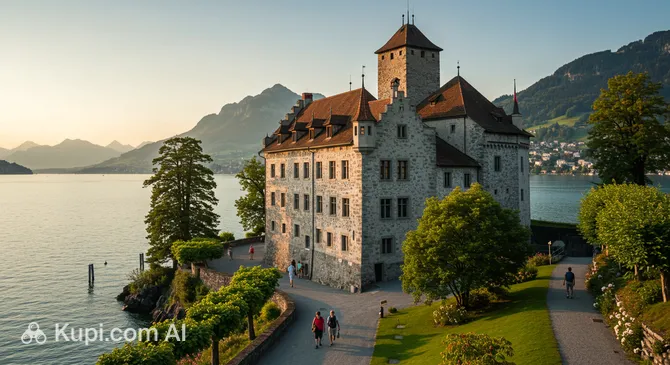
For nature lovers and those who enjoy peaceful walks, Lucerne offers many pleasant corners. Start with a stroll along the shores of Lake Lucerne, enjoying the fresh air and mountain views. One of the gems is Meggenhorn Castle, located on a picturesque peninsula. This charming 19th-century castle is surrounded by a magnificent park and vineyards, offering breathtaking views of the lake and the Alps. It is an ideal spot for a picnic or a leisurely walk. No less interesting is the Musegg Wall—a medieval fortification with nine towers, some of which are open to the public. A walk along the wall will not only introduce you to the city's history but also provide panoramic views of the Old Town and the lake. On a hot day, you can cool off at Lido Lucerne, a popular spot for relaxation by the water.
Meggenhorn Castle. Illustration.
Source: Kupi.com AI
Traveler photos:
The cultural life of Lucerne is rich and diverse. An absolute favorite for visitors of all ages is the Swiss Museum of Transport. It is one of the largest and most interactive museums of its kind in Europe, where you can learn everything about trains, cars, planes, ships, and even space flight. Art connoisseurs should visit the Rosengart Collection, which features masterpieces by Pablo Picasso, Paul Klee, and other masters of Classical Modernism. Another unique site is the Bourbaki Panorama, a huge 19th-century circular canvas depicting scenes from the Franco-Prussian War. For those looking for something unusual, the Gameorama Game Museum offers a fascinating journey into the world of board and video games from different eras.
Swiss Museum of Transport. Illustration.
Source: Kupi.com AI
Traveler photos:
Many of Lucerne's historical landmarks are seamlessly integrated into its green landscape. The famous Lion Monument, carved into the rock, is located in a quiet and secluded spot surrounded by a small park and a pond. This touching work of art, dedicated to the Swiss Guards, leaves an indelible impression and is one of the symbols of the city.
Lion Monument. Illustration.
Source: Kupi.com AI
Traveler photos:
If you are traveling with children or simply love animals, stop by Toni's Zoo—a small but cozy zoo where you can see various animals in conditions close to their natural habitat. Insider tip: Don't limit yourself to just the most famous sites. Explore the less obvious paths along the Musegg Wall to find secluded viewpoints, or stroll through the quiet streets on the edge of the Old Town, where you can discover charming squares and gardens hidden from the main tourist routes.
Getting Around
Getting around Lucerne is a pleasure thanks to the excellently developed and efficient public transport system characteristic of Switzerland. The core of the city's transport network consists of buses and trolleybuses operated by Verkehrsbetriebe Luzern (VBL), which cover all districts of Lucerne and its immediate suburbs. Routes are well-planned, and transport runs with enviable punctuality. The historic city center is quite compact, and many attractions are within walking distance, but for trips to more distant sites or to save time, public transport is indispensable.
The fare system in Lucerne and its surroundings is integrated into the Passepartout tariff association, which divides the region into zones. The ticket price depends on the number of zones crossed and the duration of validity. You can purchase single tickets, day passes (Tageskarte)—which are cost-effective for multiple trips—or multi-day tickets. For tourists planning to travel extensively throughout Switzerland, the Swiss Travel Pass is an excellent option as it also applies to Lucerne's public transport. Additionally, many hotels provide guests with a Visitor Card Lucerne, which often includes free public transport in certain zones and discounts on attractions. Tickets can be purchased from machines at stops (accepting coins and cards), at ticket offices at the station, in VBL offices, or via mobile apps.
Tourists should note that public transport in Lucerne starts running early in the morning and operates until late in the evening, usually until midnight or 1:00 AM, with slightly reduced frequencies on weekends and in the evening. Schedules are available at every stop and online. Ticket validation is usually not required, as tickets bought from a machine or the driver (if available) already have the purchase and start time marked. However, always check the conditions of your specific ticket. To plan routes, it is convenient to use the official VBL app or popular map services.
In addition to buses and trolleybuses, there are other ways to get around Lucerne. Taxis are available, but like everywhere in Switzerland, this is a quite expensive mode of transport. For short distances and enjoying the views, a bicycle is a great choice—there are rental points in the city, and the infrastructure for cyclists is well-developed. Lucerne's special charm is enhanced by ferries and excursion boats from the SGV company, which cruise Lake Lucerne. While these are more of a tourist activity, some routes can be used as transport to lakeside towns and attractions. There is no metro system in the city.
A feature of Lucerne's transport system is its seamless integration and convenience. Although the city doesn't have unique transport types like a historic metro, it's worth noting that it's easy to reach funicular and cable car stations from Lucerne that lead to the famous Mount Pilatus and Mount Rigi. These trips are excursions in their own right, but they start from points accessible by city transport or trains. Thus, Lucerne's public transport serves as an excellent starting point for exploring not only the city itself but also its breathtaking surroundings.
Accommodation
In Lucerne, travelers will find a wide range of accommodation options to suit every taste and budget. The city offers everything from budget-friendly hostels and cozy guesthouses to comfortable mid-range hotels, luxury lakeside resorts, and apartments for those who prefer more independence. The choice is truly vast, allowing you to find the perfect place for your stay.
Many tourists prefer to stay in the Old Town (Altstadt) to be at the heart of the historic atmosphere and within walking distance of iconic sites like the famous Kapellbrücke. The areas adjacent to the shores of Lake Lucerne are also very popular due to their magnificent views and peaceful setting. For those planning to travel actively around Switzerland, hotels located near Lucerne's main railway station are a convenient option, as it is easy to reach other cities and regions of the country from there.
Among the many options, first-class hotels offering exceptional service and unforgettable experiences stand out. For example, the Bürgenstock Resort Lake Lucerne is one such place, offering luxury accommodation and breathtaking panoramas of the lake and mountains.
Bürgenstock Resort Lake Lucerne. Illustration.
Source: Kupi.com AI
Traveler photos:
In general, the price range for accommodation in Lucerne varies from budget options to luxury offers. To guarantee the best choice and prices, it is highly recommended to book accommodation in advance, especially if your trip is planned for the peak tourist season (summer months, Christmas market period) or during major city events and festivals. The most common booking methods are popular international online platforms, as well as contacting hotels directly through their official websites or by phone.
Nearby Cities
For those who want to explore the surrounding area, Lucerne serves as an excellent starting point for day trips to several interesting nearby locations:
City
Population
Distance
Kriens
26 997
3 km
Littau
17 224
3 km
Emmen
29 292
4 km
Horw
14 243
4 km
Stans
8 393
11 km
These nearby destinations offer a glimpse into the diverse culture and landscapes of the Switzerland region. Each of these towns offers its own unique attractions: for example, Zug is known for its charming Old Town and Lake Zug, while Emmen and Kriens, located very close to Lucerne, offer interesting walking routes and a more relaxed atmosphere. A trip to these towns won't take much time and will add vibrant experiences to your journey.
Shopping & Souvenirs
Shopping in Lucerne is a pleasant addition to sightseeing, as you can find both world-famous Swiss goods and unique local items. The city offers diverse shopping opportunities: from luxury boutiques and department stores to small souvenir shops and colorful markets. Switzerland is famous for its watches, chocolate, and jewelry, and Lucerne is no exception, offering a wide selection of these high-quality goods.
The main shopping arteries of Lucerne are concentrated in the Old Town (Altstadt) and its adjacent areas. Take a stroll through picturesque streets such as Weinmarkt, Kornmarkt, Kapellgasse, and Hertensteinstrasse. Here you will find many shops offering clothing, shoes, accessories, jewelry, and, of course, famous Swiss watches. The area around Schwanenplatz (Swan Square) is known for its concentration of premium watch and jewelry stores, including the famous Bucherer.
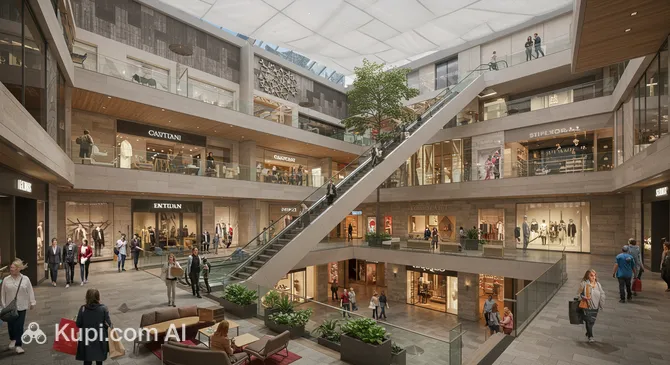
If you prefer shopping under one roof, there are several shopping centers in and around Lucerne. One popular option is the Emmen Center, located slightly outside the city center but easily accessible by public transport. It offers a wide range of goods from clothing and electronics to food. Another large shopping complex is the Länderpark Shopping Center, also located in the suburbs and offering a large selection of shops and services.
Länderpark Shopping Center. Illustration.
Source: Kupi.com AI
Traveler photos:
Lucerne's markets add a special atmosphere to the city. Every week on Tuesday and Saturday mornings, the Wochenmarkt (weekly market) takes place along the banks of the Reuss River (Rathausquai, Unter der Egg) and on Bahnhofstrasse. Here you can buy fresh local products: vegetables, fruit, cheese, bread, flowers, and other farm goods. In the run-up to Christmas, charming Christmas markets open in the city, selling handmade crafts, souvenirs, and traditional treats.
What should you bring home from Lucerne as a souvenir? Of course, Swiss watches—the choice is huge, from budget to exclusive models. Don't forget the famous Swiss chocolate (look for brands like Läderach or Bachmann) and cheese. Swiss Army knives by Victorinox are also popular. In souvenir shops, you can find traditional Alpine bells, textiles with national patterns, and other lovely trinkets.
Most shops in Lucerne are open Monday to Friday from approximately 9:00 AM to 6:30 or 7:00 PM, and on Saturdays until 4:00 or 5:00 PM. On Thursdays, some shops in the city center may stay open longer, until 9:00 PM (so-called Abendverkauf). Sunday is traditionally a day off for most shops, except for some souvenir stores, shops at the station, and in tourist zones. Credit cards (Visa, Mastercard) are widely accepted, as are cash Swiss francs (CHF).
For tourists from non-EU countries, a Tax Free system operates in Switzerland. This means that when purchasing goods worth over 300 Swiss francs in one store, you can apply for a VAT refund. To do this, ask for a special Tax Free form at the store when making your purchase, fill it out, and present it along with the goods at customs when leaving the country to get a stamp. You can then receive your refund at special points or on your bank card.