Support

Solothurn

About

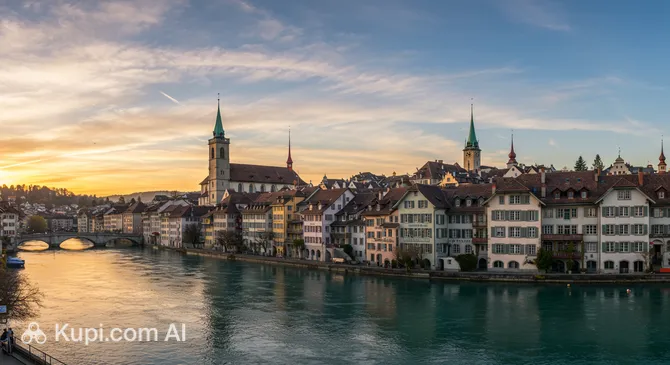
Solothurn is a true architectural gem, often called the most beautiful Baroque city in the entire country. Located on the banks of the Aare River at the southern foot of the Jura Mountains, this city combines Italian grandeur and French charm while remaining a quintessential representative of such a picturesque country as Switzerland.

Solothurn. Illustration.
Source: Kupi.com AI

Despite a relatively small population of around 17,000 people, the city boasts an incredibly vibrant atmosphere. A fascinating feature of this place is its magical connection with the number 11. Here, you can count 11 churches, 11 chapels, 11 fountains, and 11 towers. The rich history of Solothurn is inextricably intertwined with this numerological mystery, which lends a special, slightly mystical touch to walks through the ancient streets.

The main landmark of the old town is the majestic St. Ursus Cathedral. Travelers should definitely climb its wide staircase to appreciate the beauty of the facade or look out over the city from the tower's height. Another major attraction is the Weissenstein mountain, reachable by cable car, offering breathtaking views of the Swiss Plateau and the Alpine range.

Solothurn is an ideal destination for those seeking inspiration in art and the tranquility of nature. Come here to feel the unique rhythm of the "City of Eleven," stroll through cozy pedestrian zones, and discover one of the most elegant corners of the canton.

Weather Overview

The climate in this region is moderate continental, which makes traveling interesting in any season, provided you choose the right wardrobe. Before planning your travel dates, it is useful to check the current weather in Solothurn, as conditions can be changeable.

Summers here are usually comfortable and not exhaustingly hot. In July and August, the average temperature is about 19°C, with daytime highs reaching 24°C, which is ideal for long walks through the old town. However, an umbrella is a useful accessory: even in the height of summer, in June and July, statistics show 16–17 rainy days per month.

The winter months bring a chill, but severe frosts are rare. In January, the average temperature stays around 1.5°C, with nightly drops to -1.4°C. Spring arrives gradually: as early as May, the air can warm up to 17°C, but this month is often the rainiest of the year (up to 19 days with precipitation). Expect a warm summer with periodic rain and cool, quite damp winters.

Average monthly temperature

Average monthly precipitation

Interesting Facts

Solothurn hides many curious details and legends that reveal themselves only to the attentive traveler. The city is full of symbolism and historical curiosities, making a walk through it feel like a real quest.
  • The local obsession with the number "11" is reflected even in mechanical devices. In the city, you can find a unique clock with only 11 divisions on its face. The number 12 is simply missing, and the clock plays the melody of the "Solothurn Song" exactly at 11 o'clock. This detail emphasizes the special status of this sacred number, which permeates the city's entire architecture.

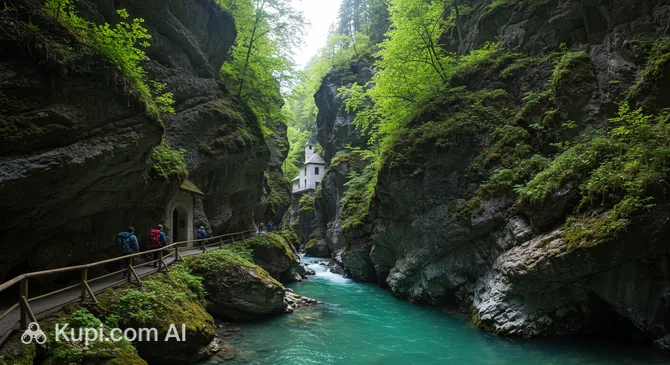
  • The picturesque Verena Gorge, located very close to the city, is known not only for its natural beauty but also for its living tradition of hermitism. Here lies the Hermitage of the Verena Gorge, where hermits have lived for centuries. Surprisingly, this is an official position: the vacancy for a caretaker-hermit is published and paid for by the local community.

  • History buffs will appreciate that Restaurant La Couronne is part of one of Switzerland's oldest inns. Establishments on this site have been welcoming guests since the 15th century. According to city chronicles and legends, celebrities such as Napoleon Bonaparte, Giacomo Casanova, and Sophia Loren have stayed here.

  • The majestic St. Ursus Cathedral was designed with strict adherence to the "Rule of Eleven." If you climb to the main entrance, notice the staircase: it consists of three flights, and each has exactly 11 steps. Inside the temple, there are also 11 altars, and 11 bells hang in the bell tower.

Verena Gorge. Illustration.
Source: Kupi.com AI

Traveler photos:

How to Get There

Thanks to Switzerland's developed transport system, getting to this picturesque Baroque city is easy. You can choose the most convenient route by combining air travel and ground transport. To learn all the nuances and plan your perfect trip, follow the link: more about how to get to Solothurn.

Solothurn does not have its own airport, so travelers usually fly into the country's major international hubs and then transfer to a train or car. One of the most popular options is Zurich Airport (ZRH). It is located in Zurich, approximately 82 km from the destination. It is the country's largest aviation hub, receiving flights from all over the world. The journey from here by taxi or car takes about 1 hour.

Another convenient option, especially for flights from European countries, is EuroAirport Basel-Mulhouse-Freiburg (EAP). It is much closer, near Basel, at a distance of about 42 km from Solothurn. Travel time by car is approximately 45–50 minutes. You could also consider arriving at Geneva Airport (GVA), but it is 153 km away, and the transfer takes about 1 hour and 50 minutes.

For convenience, here is a summary of the main airports:

AirportPassenger trafficDistance
Bern Airport57 00033 km
EuroAirport Basel-Mulhouse-Freiburg8.1 mln42 km
EuroAirport Basel–Mulhouse–Freiburg8.1 mln42 km
EuroAirport Basel Mulhouse Freiburg8 mln42 km
Zurich Airport31.2 mln82 km

Rail connections in Switzerland are considered among the best in the world. If you prefer trains, your transfer points can be major stations in neighboring cities. The closest is Bern Station in the city of Bern (only about 30 km from Solothurn). This is one of the region's key transport hubs, from where you can quickly reach your final destination—the car ride takes about 30–40 minutes.

Another important transport hub is Basel SBB Station, located in Basel, about 38 km from the city. From here, the car trip takes about 40–50 minutes. Solothurn itself also has a train station that accepts trains from all over the country, but the major hubs of Bern and Basel often serve as the main gateways to the region.

Below is information about the nearest major railway stations:

StationPassenger trafficDistance
Bern Railway Station69 mln30 km
Oerlikon Railway Station34.4 mln32 km
Basel SBB station40 mln38 km
Basel Badischer Bahnhof7.3 mln40 km
Zürich Hauptbahnhof154.6 mln79 km

Main Attractions

Solothurn is often referred to as Switzerland's most beautiful Baroque city, and its list of attractions fully justifies this title. From majestic architecture to unique museums, there is something special here for every traveler.

The undisputed symbol of the city is the St. Ursus Cathedral. This masterpiece of early Classicism, built from light marble, impresses not only with its facade but also with its interiors. A solemn atmosphere reigns inside, highlighted by stucco work and the skillful craftsmanship of masters. Special attention should be given to the opportunity to climb the cathedral tower: after conquering hundreds of steps, you will be rewarded with a spectacular panorama of the old town's tiled roofs and a view of the Jura Mountains.

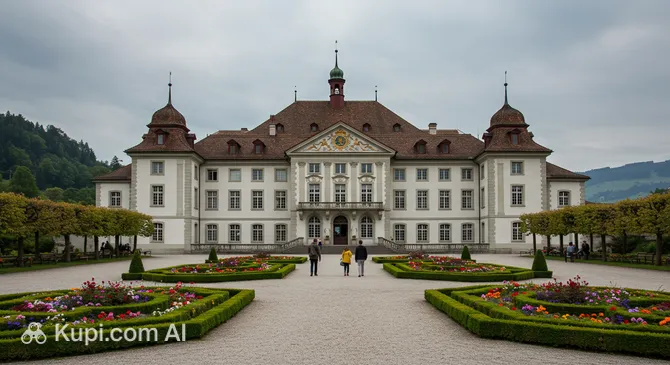
To immerse yourself in the aristocratic life of past centuries, it is worth visiting Waldegg Castle. Located in picturesque surroundings, it served as the summer residence for local nobility. Today, it is a museum where you can see luxurious interiors, antique furniture, and stroll through a magnificent Baroque garden that transports guests back to the "Age of Gallantry."

Waldegg Castle. Illustration.
Source: Kupi.com AI

Traveler photos:

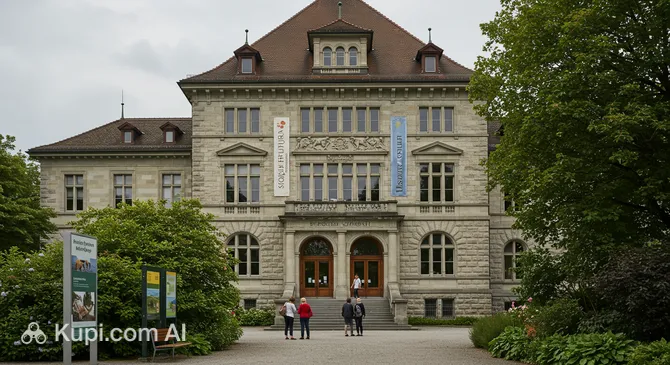
Nature and geology enthusiasts will find the Natural History Museum Solothurn fascinating. It is known far beyond the canton's borders for its unique collection of fossils. The pride of the exhibition is the Jurassic-period fossilized turtles found in local quarries. It is an excellent place for a family visit, where you can learn about the region's flora and fauna in an interactive way.

If you want to see the modern face of the city, stop by Kofmehl Cultural Factory. This space, located in a former factory building, has become a hub for creative youth and art lovers. It regularly hosts concerts, exhibitions, and theatrical performances, creating a vibrant contrast to the historical tranquility of the old center.

Local Cuisine

The gastronomic scene in Solothurn is surprisingly diverse for such a compact city. Here, you will find perhaps the highest density of restaurants and bars per capita in all of Switzerland. The city's signature dish is the famous Solothurner Torte (Solothurn Cake). This dessert, created over a hundred years ago, consists of light hazelnut meringue, delicate buttercream, and sponge cake. You can try this sweet masterpiece in almost any pastry shop in the old town, and it is considered the perfect souvenir for gourmets.

Among the hearty dishes, look for Solothurn Wine Soup (Solothurner Wysüppli). This warming dish is made from a strong broth with high-quality white wine, cream, egg yolks, and spices. It is often served with croutons and is perfect for cool days. Naturally, classic Swiss hits such as cheese fondue, raclette, and rösti are also widely represented in local establishments, prepared here with special skill.

The drinking culture in the city is closely linked to the main city legend about the number "11." A local brewery produces the popular Öufi-Bier ("Öufi" means eleven in the local dialect). It is not just a drink, but part of the city's cultural code. Furthermore, the proximity to wine-growing regions allows local restaurants to offer excellent wine lists, with an emphasis on Chasselas and Pinot Noir varieties.

The atmosphere of lunch and dinner in Solothurn often feels Mediterranean, especially in the warmer months. Locals love spending time on the Aare River embankment, where life buzzes until late in the evening. For a casual break by the water, Hafebar Solothurn is a popular meeting spot with river views. If you are looking for a more refined setting with historical heritage, it is worth visiting Restaurant La Couronne, where hospitality traditions have been maintained for centuries. Evening leisure seekers and those fond of social interaction might enjoy the Red John Irish Pub, offering a cozy atmosphere and a large selection of drinks.

Travel Tips

Solothurn is a quiet, elegant, and very welcoming city, but like any trip to Switzerland, there are nuances that are better to know in advance. To ensure your trip goes perfectly and leaves only pleasant impressions, we have gathered a list of practical recommendations to help you feel confident.

  1. Wardrobe and essentials. The weather in the region can be changeable, so dress like an "onion": in layers, to easily adapt to temperature changes throughout the day. Be sure to bring comfortable flat shoes—the historical center is paved with old cobblestones, and heels will be out of place here. Don't forget a power adapter: Switzerland uses a unique standard (Type J), and standard European plugs may not fit local sockets.

  2. Getting around. Solothurn's historical center is very compact, and it is best to explore it on foot—many streets are pedestrian zones. For trips to the surrounding areas (for example, to the cable car station), buses and trains are ideal and run strictly on schedule. Taxis are quite expensive here, so it's more economical to use public transport. We recommend downloading the SBB Mobile app—it is indispensable for planning routes and buying tickets nationwide.

  3. Money and payment. The local currency is the Swiss Franc (CHF). Although some tourist spots may accept Euros, you will receive change in Francs at a very unfavorable rate. Bank cards are accepted almost everywhere, but for payments at markets or small kiosks, it is better to have some cash on hand. Tips are legally included in the bill, but rounding up the amount or leaving a small extra for excellent service is considered good etiquette.

  4. Safety and water. Solothurn is a very safe city where you can walk comfortably at any time of day. An important life hack for saving money and staying healthy: the water in street fountains (unless they have a "Kein Trinkwasser" sign) is pure and drinkable. Feel free to fill your bottles during your walks. Pharmacies (Apotheke) are easy to find by the green cross, and the level of medical care here is among the highest in the world.

  5. Communication and language. The main language of communication is German (specifically, its Swiss dialect), but locals, especially in the tourism sector, speak English very well. Roaming can be expensive since the country is not part of the EU, so it's more economical to buy a local prepaid SIM card (e.g., Swisscom, Sunrise, or Salt) or use an e-SIM. Free Wi-Fi is often available in cafes, hotels, and at the station.

  6. Local etiquette. Politeness is the foundation of everything here. When entering a small shop, sitting at a cafe table, or even catching a passerby's eye on a quiet street, it is customary to say hello. The universal greeting is "Grüezi". The Swiss highly value quiet and personal space, so try not to speak loudly in public transport and restaurants, including on the phone.

  7. What not to do. Never cross the road on a red light, even if there are no cars on the horizon. Not only does this risk a substantial fine, but it will also cause clear disapproval from locals, especially if children are nearby. Also, avoid being late: Swiss punctuality is not a myth, and a delay of even 5 minutes can be perceived as disrespect.

  8. Shop opening hours. Keep in mind that the rhythm of life here differs from megacities. Most shops close quite early (around 18:30–19:00 on weekdays, and even earlier on Saturdays). On Sundays, almost everything is closed except for shops at the station and some bakeries. Plan your shopping and souvenir hunting in advance, rather than leaving it for the weekend.

By following these simple tips, you can avoid minor everyday hassles and focus entirely on what you came for: enjoying the magnificent architecture, delicious cuisine, and unique atmosphere of the "City of Eleven." We wish you an easy and memorable journey!

Entertainment & Nightlife

Despite its status as a historical Baroque city, Solothurn knows how to surprise with a vibrant evening life. It is said that the density of bars and restaurants per capita is one of the highest in Switzerland. As dusk falls, the city transforms: the ancient streets fill with the light of lanterns, and the Aare River embankment becomes a magnet for young people and tourists, creating an atmosphere that locals often compare to the Mediterranean.

The epicenter of nightlife during the warmer months is invariably the Landhausquai embankment. It is the perfect place to start your evening. There is a laid-back atmosphere here: people sit right by the water or at the tables of numerous open-air terraces. Especially popular is the Hafebar Solothurn—an establishment with an excellent river view where you can enjoy the sunset with a refreshing drink. The crowd here is very diverse—from students to respectable couples—and the dress code is completely casual.

For those looking for more dynamic entertainment, concerts, and dancing until morning, the main address is Kofmehl Cultural Factory. This cult venue, located in an industrial building, is known far beyond the canton's borders. International bands regularly perform here, and thematic parties and DJ sets are held frequently. This is the heart of the city's alternative culture, where energy is in full swing.

Fans of classic bar culture and social interaction should head to the old town district. Here, hidden among narrow streets, are cozy pubs. For example, Red John Irish Pub offers an authentic Irish pub atmosphere with a wide selection of beers and whiskeys. It is a great place to meet locals or watch sports broadcasts.

Practical tips for night owls:

  • Opening hours: Bars are usually open until 00:30–02:00 on weekdays and longer on weekends (Friday and Saturday). Clubs start filling up closer to 23:00.
  • Prices: Be prepared for Swiss price levels. A cocktail costs between 14 and 18 CHF on average, and a beer is around 7–9 CHF.
  • Transport: On Friday and Saturday nights, special Moonliner buses run, taking guests to the surrounding areas and neighboring villages. This is a safe and convenient way to get home after a party. Taxis can be found at the station rank or called via an app, but they will cost significantly more.
  • Safety: Solothurn is a very safe city. Night walks through the illuminated center and embankment are worry-free, though as anywhere, you should keep an eye on your personal belongings in crowded places.

During the day, entertainment in the city is more relaxed. Besides sightseeing, you can go shopping. The large Ladedorf shopping center offers many stores under one roof, where you can buy everything from Swiss chocolate to famous clothing brands. Cycling along the river and visiting local theaters, which often stage modern plays, are also popular activities.

Parks & Museums

Solothurn's green spaces and cultural areas harmoniously complement its architectural splendor, offering tourists a perfect balance between educational leisure and outdoor relaxation. Surrounded by picturesque landscapes, the city is famous not only for its Baroque buildings but also for its well-maintained gardens and museums, whose collections are known far beyond the canton's borders.

Parks and Natural Areas

For those wanting to escape the city bustle, the Aare River embankment is the ideal spot. It is the city's "green artery," where locals enjoy picnics and morning jogs. Convenient walking and cycling paths run along the river, allowing for views of the old town and the Jura Mountains. In summer, the embankment turns into a real resort where you can swim in clean water or simply sunbathe on the grass.

The mystical Verena Gorge, located on the northern outskirts of the city, deserves special attention. This romantic forest park features ancient trees, mossy rocks, and a bubbling stream. A walk here feels like a journey into a fairy tale, leading to a secluded chapel and a hermit's hut—the famous Hermitage of the Verena Gorge. The place is perfect for meditative walks and experiencing the region's natural beauty.

Fans of palace and park ensembles should visit the grounds surrounding Waldegg Castle. Although the castle itself is a museum, its Baroque garden deserves a separate mention. It recreates the atmosphere of 17th-century French parks with neat alleys, geometrically precise flower beds, and a vegetable garden with old varieties of vegetables and herbs. It is a beautiful location for photos and quiet relaxation.

Museums and Galleries

Cultural life in Solothurn is surprisingly rich. One of the city's main treasures is the Old Arsenal (Museum Altes Zeughaus). This building, constructed in the early 17th century, houses one of Europe's largest collections of antique weapons and armor. The exhibition includes over 400 full suits of knightly armor, displayed to look like an army ready for battle. Visiting the Arsenal literally lets you touch Switzerland's military history.

Solothurn Natural History Museum. Illustration.
Source: Kupi.com AI

Traveler photos:

For a family visit, the Natural History Museum Solothurn is wonderful. Located in the heart of the old town, it offers an exciting journey into the world of nature. Interactive exhibits tell the story of the Jura Mountains' geology, local fauna, and evolution. The famous "Solothurn turtles"—unique fossils 150 million years old—are of particular interest.

Art lovers should not miss the Solothurn Museum of Art (Kunstmuseum Solothurn). Its halls display an impressive collection of Swiss art from the late Middle Ages to the present day. You can see works by masters such as Ferdinand Hodler and Cuno Amiet, as well as the famous "Solothurn Madonna" by Hans Holbein the Younger, which is the museum's pride.

Insider Tip: If you are interested in historical figures, stop by the Kosciuszko Museum. it is located in the house where the Polish national hero Tadeusz Kosciuszko spent his final days. This small but very moving site tells the story of the great general's life and his connection to Switzerland.

Getting Around

The transport system in Solothurn, as in all of Switzerland, works like a Swiss watch: precisely, reliably, and comfortably. Since the city itself is quite compact, the historical center is best explored on foot. Most attractions are within walking distance of each other, and walking through the pedestrian zones is a true pleasure.

The main form of public transport is the bus. The network is operated by BSU (Busbetrieb Solothurn und Umgebung). Red buses run through the city and surroundings with enviable regularity—usually every 15 minutes during peak hours. The route network covers not only residential areas but also connects the station with key tourist spots, including the valley station of the cable car to Weissenstein.

A special character is added to local transport by the regional train, which locals affectionately call the "Bipperlisi". This narrow-gauge railway (Aare Seeland mobil line) connects Solothurn with neighboring towns. A ride on this red tram-train is not just a way to get from point A to point B, but an opportunity to admire the region's picturesque landscapes.

Fares and Tickets:

The city is part of the Libero fare zone. This means one ticket is valid for all modes of transport (bus, train) within the chosen zones and time. The system is zone-based:

  • Tickets can be purchased at machines at stops (accepting coins and cards) or through mobile apps.
  • The most convenient way for a tourist is to use the SBB Mobile or FAIRTIQ app. You simply swipe your finger on the screen before boarding and after disembarking, and the system automatically charges the minimum journey cost.
  • If you plan to travel a lot during the day, it's more economical to buy a day pass (Tageskarte), which costs about the same as two single trips.

For tourists staying in city hotels, a nice bonus is often provided. Upon check-in, ask at reception about the Guest Card. In many cases, it entitles you to free public transport within the local zone for the duration of your stay.

Alternative Ways to Get Around:

During the warmer months, a bicycle is an excellent option. The Velospot rental system operates in the city, and the terrain is flat enough for comfortable rides. It's also worth mentioning water transport: from spring to autumn, pleasure boats from the BSG company run along the Aare River, connecting Solothurn with the city of Biel. This is more of a leisure activity than transport, but it's a great way to reach neighboring regions.

Taxis in the city are available but are quite expensive by European standards. Cars usually wait for passengers at the rank by the railway station; it's difficult to hail them on the street—it's better to order by phone or through an app. Given the efficiency of the buses, a taxi is rarely needed for the average tourist.

Important Tip: Always validate tickets before your journey if you buy them in paper form without a specified start time. Inspectors are common, and fines for fare dodging are substantial. On buses, boarding is through any door, and there's no need to show your ticket to the driver.

Accommodation

The choice of accommodation in Solothurn, despite its compact size, is pleasantly surprising in its variety and service quality. The city offers options for every taste: from atmospheric boutique hotels in ancient buildings with centuries of history to modern business hotels and cozy apartments. Travelers can expect high Swiss standards of hospitality regardless of the category of the chosen property.

The most prestigious and romantic area to stay is the Old Town (Altstadt). By staying here, you will be at the heart of the action, within walking distance of major attractions like the majestic St. Ursus Cathedral. Living in the historical center allows you to feel the unique atmosphere of the "Baroque city," enjoying views of tiled roofs and cobblestone streets right from your room window.

For those planning to travel actively around the region or who value practicality, the railway station area is an excellent choice. It is only a 5–10 minute walk from the center but offers more modern buildings and easy access to trains. The Aare River embankment is also popular—hotels here often offer picturesque views of the water and the Jura Mountains, creating a resort-like holiday feel.

Booking tips:

Solothurn is a popular destination, especially during cultural events such as the Solothurn Film Festival (Solothurner Filmtage) in January or the famous Fasnacht carnival in late winter. During these periods, as well as the high summer season, you should look for accommodation several months in advance. If you are traveling by car, be sure to check for on-site parking at the hotel, as this can be difficult in the old town.

Price ranges vary from medium to high, which is typical for Switzerland. Budget travelers can consider staying in a riverside hostel or guest houses (B&Bs) in the nearby suburbs, which are easily accessible by public transport. Booking is most convenient through major online platforms, but many family-run hotels offer nice bonuses or discounts for direct booking through their official websites.

Nearby Cities

For those who want to explore the surroundings, Solothurn serves as an excellent starting point for day trips to several interesting nearby locations:

Just a half-hour drive away is Bern—the de facto capital of Switzerland. Its historical center is a UNESCO World Heritage site and enchants guests with medieval architecture, the famous Zytglogge clock tower, and six kilometers of shopping arcades. It is the perfect place for those who want to see bears in the city center and enjoy a capital-city yet cozy atmosphere.

Lovers of unique cultural experiences should visit Biel/Bienne. Located on the shores of a picturesque lake, this city is known as the world capital of watchmaking—it is home to the headquarters of giants like Rolex and Omega. The city's specialty lies in its bilingualism: German and French are spoken equally often, giving walks a special charm.

Also worth noting is Olten, an important railway hub with a rich history. Tourists are drawn here by the ancient wooden bridge over the Aare River and the well-preserved old town. Olten is often called the literary capital of the region and is perfect for a quiet, informative stroll.

CityPopulationDistance
Zuchwil8 8752 km
Biberist8 5674 km
Grenchen17 14010 km
Herzogenbuchsee7 30013 km
Kirchberg9 07214 km

These nearby destinations offer a glimpse into the diverse culture and landscapes of the region.

Shopping & Souvenirs

Shopping in Solothurn is not a tiring marathon through endless shopping aisles, but rather a pleasant addition to a walk through the picturesque historical center. The city offers a relaxed atmosphere where, instead of giant department stores, cozy boutiques, family shops, and specialized stores prevail. Quality, individual attention, and local traditions are valued here, making the shopping process truly Swiss—calm and respectable.

The heart of commercial life is the Old Town (Altstadt). The main shopping arteries are the pedestrian streets Hauptgasse, Gurzelngasse, and the adjacent side streets. This is where most fashion boutiques, jewelry stores, bookshops, and perfumeries are concentrated. Strolling past storefronts in ancient buildings, you can find both famous European brands and unique products from local designers and artisans.

If your goal is large-scale shopping where you can find everything in one place, it's worth visiting Ladedorf. This is a large shopping center located in the immediate vicinity of the city, in the Langendorf district. Under one roof, dozens of stores are gathered: from supermarkets and electronics shops to popular mass-market clothing brands. It is an excellent place for practical shopping, offering convenient parking and a food court.

City markets deserve special attention as an important part of the local culture. The traditional Solothurn Market (Solothurner Märet) takes place in the city center on Wednesday and Saturday mornings. Here, farmers from surrounding villages offer fresh vegetables, fruits, flowers, and, of course, the famous Swiss cheeses. The atmosphere at the market is very lively and friendly; it is the best place to feel the true flavor of the region.

As souvenirs from Solothurn, tourists most often take home gastronomic delights. First and foremost is the famous Solothurner Torte—a hazelnut treat sold in local pastry shops in beautiful gift boxes. The local Öufi-Bier is also popular, its name linked to the legendary number 11. Given the proximity to watch manufacturers, the city is also an excellent place to buy a genuine Swiss watch or a quality army knife.

When planning your shopping, it's important to keep the local schedule in mind. Most shops are open Monday through Friday from 09:00 to 18:30. Thursday often has "long hours" (Abendverkauf) when trading continues until 20:00 or 21:00. On Saturdays, shops close earlier, usually at 16:00 or 17:00. Sunday is a day off for everyone except shops at the railway station and some bakeries. Visa and Mastercard are widely accepted, but it is better to have cash francs for street markets and small kiosks.

Tourists residing outside of Switzerland can use the Tax Free system. If the purchase amount in one store exceeds 300 Swiss francs (including VAT), you are entitled to a tax refund. To do this, you must ask the seller to issue a special check (Tax Free Form) and present it together with your passport and the goods at customs when leaving the country. Look for stores with the Global Blue logo or similar operators.
Reached the end of the page?

That means the route is fully explored