Support

Changhua

About

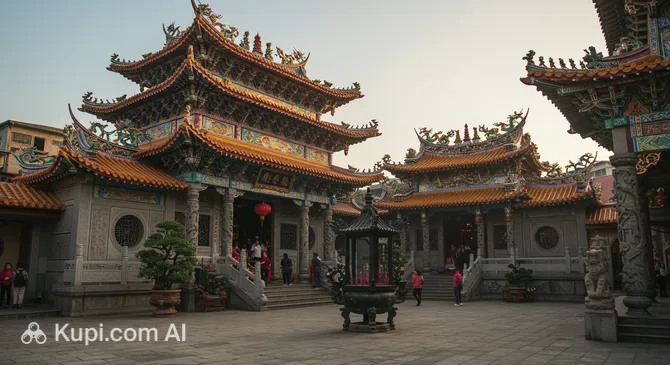
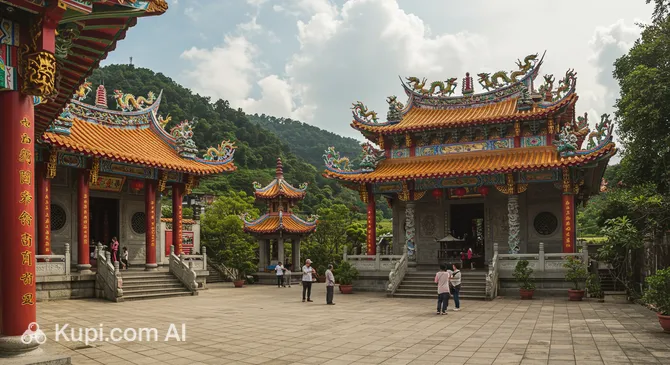
Changhua is a city with deep roots and a unique character, located in the western part of Taiwan. As the administrative center of the county of the same name, it doesn't try to compete with the island's bustling metropolises in terms of skyscraper glitz. Instead, the city offers travelers a chance to immerse themselves in an atmosphere of authentic historical heritage, where ancient temples stand alongside vibrant traditional markets.

Geographically, the city enjoys a favorable position on a coastal plain surrounded by agricultural land, which is why the region is often called the "breadbasket" of the island. With a population of about 750,000, Changhua remains an important commercial and cultural hub while maintaining a slower pace of life compared to neighboring Taichung.
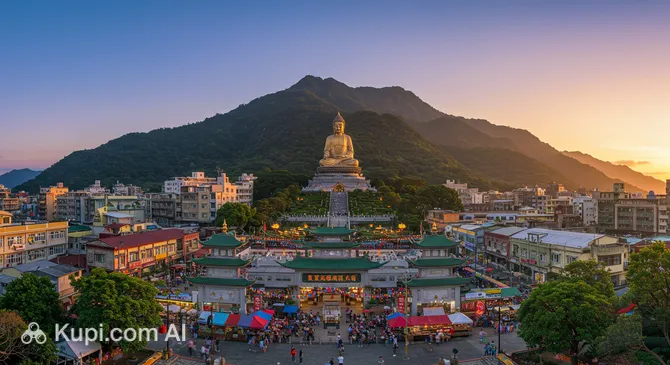
Changhua. Illustration.
Source: Kupi.com AI

The city's rich historical heritage is evident in its architecture: it is home to one of the oldest Confucius temples on the island and many other religious structures. Visiting this place is a great opportunity to see everyday Taiwanese life without filters, enjoy local hospitality, and take leisurely strolls through the historic center.
Weather Overview

The climate in Changhua is humid subtropical, ensuring warm weather almost year-round. The local terrain makes winters here milder and drier compared to the northern parts of the island, making the city pleasant to visit even during the cooler months.

Typical weather in Changhua is characterized by hot summers with temperatures around +28°C...+30°C and abundant rainfall, especially from May to August. In winter, the air warms up to a comfortable +17°C...+19°C, and rain occurs much less frequently, creating ideal conditions for walking tours of the historic center.

It is worth noting that due to agricultural activity and the specifics of the west coast, seasonal haze is sometimes observed in the region. However, a fresh sea breeze from the Taiwan Strait often helps clear the air, making outdoor walks enjoyable for tourists.

Average monthly temperature

Average monthly precipitation

Interesting Facts

  • Changhua is home to the oldest Confucius Temple in Taiwan, which, despite a serious fire in 2006, remains a vital historical and architectural monument.

  • The city has a unique geographical feature: it is surrounded by mountains on almost all sides and is open to the winds of the Taiwan Strait only on the western side.

  • In regional sources, Changhua is often called one of the main agricultural bases of the island, thanks to its fertile soils and favorable climate.

  • The city's area is approximately 65.69 square kilometers, making it quite compact and convenient for exploration on foot or by scooter.

How to Get There

Changhua's transport accessibility makes it a convenient stop on a route along the island's west coast. The city is well-connected to the region's key hubs, and it's worth checking more details on how to get to the city in advance to choose the best mode of transport.

The nearest major international air hubs are Taoyuan (TPE) and Taichung (RMQ) airports. From Taichung Airport, the journey by bus or taxi takes 30 to 60 minutes. If you are arriving at Taoyuan, it is most convenient to use the high-speed train or regular railway lines.

AirportPassenger trafficDistance
Taichung Airport2.1 mln12 km
Taichung International Airport2.1 mln21 km
Chiayi Airport100 00071 km
Hualien Airport39 115108 km
Magong Airport2.4 mln110 km

Railway service is the preferred way to travel. Changhua station serves TRA line trains that regularly run between Taipei, Kaohsiung, and other cities. Travel time from the capital is usually between 1.5 and 3 hours depending on the class of train.

For those who prefer buses, regular services are established from most neighboring cities. However, keep in mind that travel time can increase significantly during peak hours or holidays due to heavy traffic on the western corridor highways.

Main Attractions

The main attractions of Changhua are centered around its rich religious and architectural heritage. A walk through the city allows you to see the evolution of Taiwanese architecture and feel the deep spiritual atmosphere that has shaped the local way of life for centuries.

A special place on any tourist's itinerary is the Yuanqing Taoist Temple. This magnificent structure is famous for its exquisite wood carvings and traditional decorative elements, making it one of the most photogenic sites in the city center.

Yuanqing Taoist Temple. Illustration.
Source: Kupi.com AI

Traveler photos:

Equally interesting is the ancient Kaihua Temple, considered an important spiritual center for locals. Its architectural austerity and the tranquility of its inner courtyards offer an ideal refuge from the city's hustle and bustle. Also worth noting is the Wende Temple in Baishakeng, Huatan, Changhua, located in the suburbs. It is known for its unique traditions and is a venue for vibrant local festivals.

Wende Temple, Baishakeng, Huatan, Changhua. Illustration.
Source: Kupi.com AI

Traveler photos:

Beyond official monuments, Changhua attracts visitors with the authentic atmosphere of its old streets. The Confucius Temple, recognized as one of the oldest on the island, remains a must-visit for those who want to experience the classical philosophical tradition of the East.

Local Cuisine

Changhua's culinary scene is a true paradise for lovers of authentic street food and traditional Taiwanese dishes. The city is famous for its "ba-wan"—meatballs in a starch casing served with a special sauce. This is a signature dish that every guest must try.

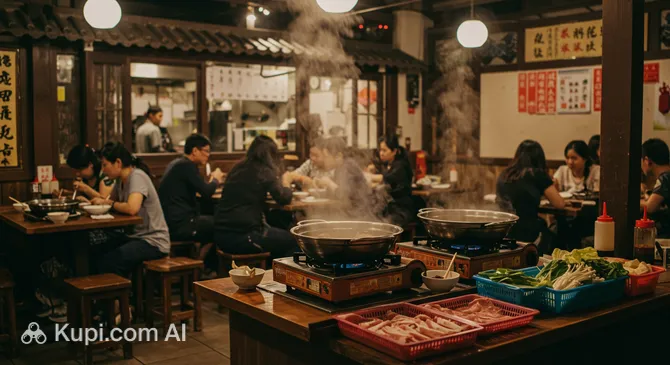
For those who prefer a more substantial meal in a cozy setting, Shaopingzi (Changhua Branch) is an excellent choice. Here you can get acquainted with the region's classic recipes. Also very popular is Twelve Sections Hot Pot (Changhua), where guests can cook the freshest ingredients themselves in a fragrant broth—a great way to spend an evening in good company.

Twelve Sections Hot Pot Hall (Changhua). Illustration.
Source: Kupi.com AI

Traveler photos:

The city's food culture is closely linked to local markets and tea houses. Be sure to try the local tea grown in the surrounding county or a refreshing soy milk. Most of the best eateries are concentrated around historic temples, where life doesn't quiet down until late in the evening.

Travel Tips

Welcome to Changhua! These practical tips will help you make your journey as comfortable as possible and avoid minor inconveniences.

  1. Clothing and Essentials: Choose light, breathable clothing made from natural fabrics, as the region has high humidity. Be sure to bring comfortable shoes for walking around temples and an umbrella — rain can start suddenly. When visiting religious sites, it is recommended to cover your shoulders and knees.
  2. Transport: The best way to reach the city is by TRA train. Inside the city, it is convenient to get around by taxi or bus using an EasyCard. If you plan to rent a scooter, be prepared for dense and chaotic traffic.
  3. Finance: The official currency is the New Taiwan Dollar (TWD). Cards are accepted in hotels and large stores, but for markets and small eateries, always keep cash on hand. Tipping is not customary in local establishments.
  4. Health and Safety: The city is safe, but keep an eye on your bags in crowded markets. Pharmacies are easy to find by the green cross, and many pharmacists speak some English. Drinking tap water is not recommended — it is better to buy bottled water.
  5. Communication: The main language is Mandarin Chinese. English is moderately common, so it is useful to have a hotel card with the address in Chinese characters. Free Wi-Fi is available in most cafes and at the station.
  6. Local Etiquette: You may need to remove your shoes when entering some temple halls or private homes. Loud behavior in temples is considered inappropriate. Greet people with a slight nod of the head — this is quite sufficient.
  7. What to Avoid: Do not engage in discussions on political topics — this may cause awkwardness. Also, try not to point at people or altars in temples with your finger; use an open palm instead.
  8. Pro Tip: Try to visit the city during the Lantern Festival or major temple processions — it's a unique chance to see Taiwan's living traditions in all their glory.

Enjoy your trip to Changhua, a city that opens the heart of the real Taiwan!

Entertainment & Nightlife

Nightlife in Changhua is characterized by moderation and tranquility. Unlike the club scene of Taipei, evening entertainment here focuses on gastronomic strolls through night markets and cozy gatherings in local establishments. It is an ideal place for those who prefer thoughtful relaxation and interaction with the locals.

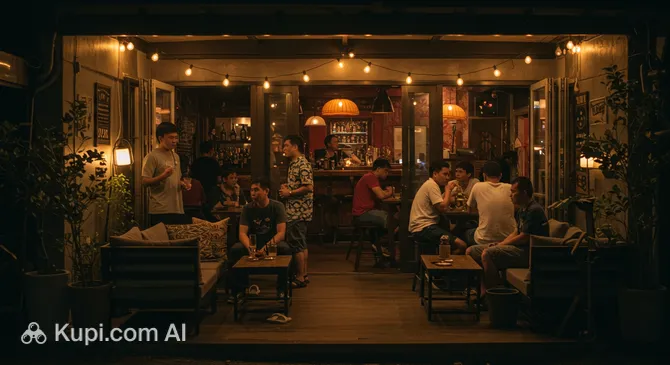
For those looking for quality drinks and pleasant music, Guts Cocktail Bar is open. Here you can enjoy signature mixes in a stylish setting. Another popular spot is Island X Bar, which attracts young people and tourists with its relaxed atmosphere and an excellent selection of craft beers and cocktails.

X's Island Bar. Illustration.
Source: Kupi.com AI

Traveler photos:

During the day, the city offers more active leisure options. Families with children and outdoor enthusiasts often choose FUN Entertainment Park, which features various attractions and play zones. Overall, the evening city is conducive to safe walks in central neighborhoods, and taxis can be easily called via popular mobile apps or found at ranks near the station.

Parks & Museums

The green zones of Changhua are small but very cozy spaces where you can relax from the city noise. The most famous natural and cultural site is Mount Bagua, at the top of which stands a giant Buddha statue. This is not only a spiritual symbol but also a wonderful observation deck offering a view of the entire city.

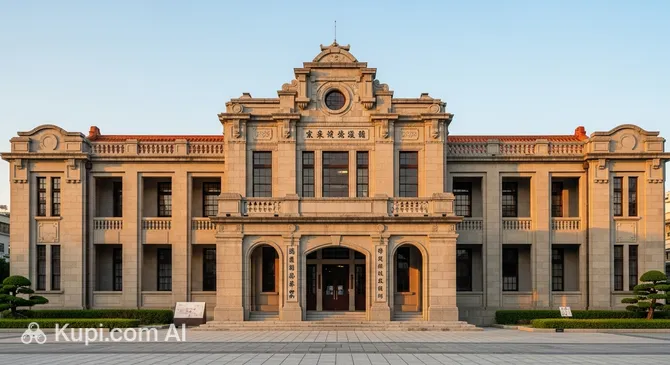
Those interested in the island's history should visit the 1895 Anti-Colonial Martyrs Museum on Bagua Mountain. The museum's exhibition tells the story of the dramatic events of the late 19th century and the heroism of local residents. This site is important for understanding the formation of Taiwanese identity.

1895 Baguashan Anti-Japanese Martyrs' Museum. Illustration.
Source: Kupi.com AI

Traveler photos:

The cultural program can be supplemented by a visit to the Changhua County Aborigine’s Life Museum, which features collections dedicated to the life and traditions of the region's indigenous peoples. Although the city's museum network is small, it wins you over with its heart and attention to local details that are often missed in large capital galleries.

Getting Around

The public transport system in Changhua is represented by bus routes, taxis, and a network of railway stations. Although the city does not have a subway, its compactness makes it easy to move between main points of interest, especially if you are based in the center.

To pay for bus fares, it is most convenient to use universal cards like EasyCard or iPass, which are also valid throughout Taiwan. The cost of travel is low, and you can top up your card balance at any 7-Eleven or FamilyMart store. It is important to remember that it is customary to validate your card both when entering and exiting buses.

A popular alternative to public transport is scooters, which can be rented if you have an international driving permit. This provides maximum freedom of movement, especially for trips to suburban areas or remote temples. The Uber taxi service also operates actively in the city.

Accommodation

In Changhua, the tourism sector is primarily oriented toward mid-range and budget hotels. While you won't often find luxury five-star resorts here, there is an abundance of quality city hotels catering to business travelers and those visiting the county's sights.

The most convenient area to stay is the city center, adjacent to the railway station. This allows for significant savings on logistics time, as major temples, markets, and public transport stops will be within walking distance. Most guesthouses and short-term rental apartments are also located here.

Price ranges in the city are very affordable compared to the capital. When booking, consider seasonality: during major temple festivals or Chinese New Year, the best accommodation options are snapped up in advance, so it is recommended to plan your trip several weeks before departure.

Nearby Cities

Thanks to its location, Changhua serves as an excellent starting point for exploring the central and western parts of the island. In the immediate vicinity are small, cozy towns, each with its own unique flavor and history.

Just a few kilometers away is Hemei, known for its textile industry and quiet residential neighborhoods. It is also worth visiting Huatan, where you can see picturesque rural landscapes and visit local farms. These destinations are perfect for a short half-day trip by scooter or suburban bus.

CityPopulationDistance
Hemei88 7406 km
Huatan45 9077 km
Xiushui38 2487 km
Shengang38 01910 km
Xianxi16 31011 km

For those who miss the big city, Taichung is the best choice—a major metropolis with modern shopping centers and a rich cultural program. We encourage you not to limit yourself to just the city center, as the surroundings offer many opportunities to see "off-the-beaten-path" Taiwan.

Shopping & Souvenirs

Shopping in Changhua is predominantly practical and everyday in nature. You won't find endless rows of international brand boutiques here, but instead, you can enjoy strolling through shopping streets where life bustles at the rhythm of traditional commerce.

The main purchases are best made in the railway station area and on the central streets adjacent to major temples. This is where shops with souvenirs, local sweets, and tea are concentrated. Popular souvenirs include items with temple symbolism and rice products, which the county is famous for.

For those who need a modern shopping center format with air conditioning and chain stores, it is recommended to head to neighboring Taichung, which can be reached quickly by train. In Changhua itself, shops usually stay open until late in the evening, and payment in small shops is most often made in cash or with EasyCard transport cards.

Reached the end of the page?

That means the route is fully explored