Support

Mingjian

About

Mingjian is a charming town nestled in the heart of Nantou County, on the northern bank of the Zhuoshui River in Taiwan. Surrounded by green hills and the picturesque Jiji Mountains, it offers guests the tranquility of rural life and a chance to escape the city bustle. Mingjian is not a noisy metropolis; it is an intimate place with a population of about 36,000, where every corner is steeped in tradition and an atmosphere of sincere Taiwanese hospitality.
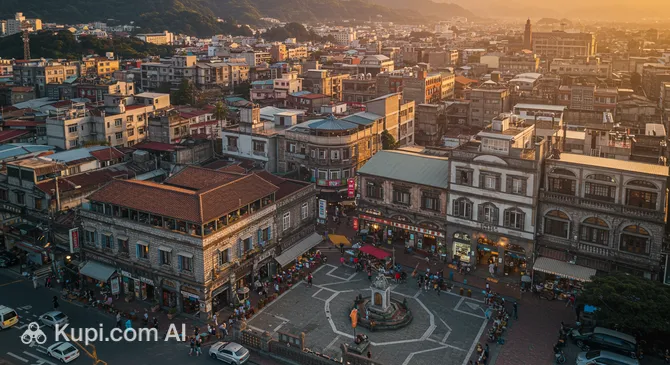
Mingjian. Illustration.
Source: Kupi.com AI

Mingjian's main pride is its close connection to tea culture. The town is rightfully considered one of the most important centers for oolong production in Taiwan, and it is here that the famous lightly roasted Spring Oolong is born, making Mingjian famous far beyond the island. Travelers can enjoy walks through endless tea plantations, learn about local crafts, and gain a deeper understanding of the nuances of the art of tea.

A visit to Mingjian is a unique opportunity to see another, slower, and more soulful side of Taiwan, where every guest feels welcome. If you are looking for authentic experiences and want to immerse yourself in the measured life of the Taiwanese countryside, Mingjian will warmly open its doors to you.

You can find more interesting facts on the history of Mingjian page.
Weather Overview

The weather in Mingjian is characterized by a warm climate year-round. Summers, especially from June to August, are quite hot, with average temperatures around 25-27°C and peaks reaching nearly 30°C. This period is also the wettest, with the highest rainfall and most rainy days. Winters, from December to February, are mild, with average temperatures ranging from 16.8°C to 18.2°C and significantly less rainfall. Overall, expect a warm and humid summer with frequent rain, and a mild, drier winter. Spring and autumn are transitional seasons with moderate temperatures and rainfall.

For a more detailed forecast and information on monthly weather, you can visit the Mingjian Climate page.

Average monthly temperature

Average monthly precipitation

Interesting Facts

In addition to its picturesque landscapes, Mingjian, nestled in the heart of Taiwan, hides many amazing stories and traditions. This is especially evident in its deep connection to tea culture, as the town is rightfully called a true tea treasury.

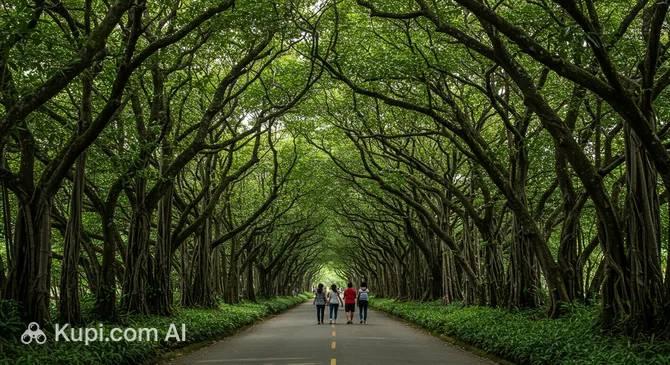
Jiji Green Tunnel. Illustration.
Source: Kupi.com AI

Traveler photos:

  • Mingjian is considered the capital of light oolong. It is here that a unique type of tea is produced, which, unlike many traditional Chinese teas, can even be brewed in cold water—a real lifesaver on hot days for locals and tourists alike.

  • The town's geographical location on the banks of the Zhuoshui River and at the foot of the Jiji Mountains, where you can walk through the famous Jiji Green Tunnel today, historically made Mingjian an important commercial and cultural center of central Taiwan. Fairs and festivals dedicated to the tea harvest were often held here.

  • Old tea houses have been preserved in Mingjian, where you can not only taste local oolong but also learn about the traditions of its brewing, passed down from generation to generation. Some families have kept their secrets of tea growing and processing for more than a century.

  • The town is known for its contribution to the development of Taiwan's tea industry: themed tours, masterclasses, and tastings are frequently held here, attracting tea connoisseurs from all over the world.

How to Get There

When planning a trip to this picturesque corner of Nantou County, it is important to think about logistics in advance, as the town itself does not have its own airport or high-speed rail station. Nevertheless, Taiwan's well-developed transport network allows for a comfortable journey here from neighboring major cities. You can find more details on how to get to Mingjian by exploring various routes and transport combinations.

The most convenient air hub for travelers is Taichung International Airport (RMQ). It is located in the Shalu District of Taichung City, about 48 km from the destination. This is the main airport serving the central part of the island. A trip from here by taxi or pre-booked transfer will take about 1 hour and 30 minutes, depending on traffic. You can also use the bus service with a transfer in central Taichung.

Alternatively, you can consider Tainan Airport (TNN), located in Tainan City. The distance to Mingjian is about 110 km. This option is less popular due to the distance but might be suitable if you are planning a trip through the south of the island. Travel time by car is approximately 3 hours. Keep in mind that this is a regional airport with fewer flights compared to major international hubs.

For convenience, here is summary information on the main airports through which you can plan your route:

AirportPassenger trafficDistance
Taichung Airport2.1 mln35 km
Taichung International Airport2.1 mln48 km
Chiayi Airport100 00052 km
Hualien Airport39 11595 km
Tainan Airport469 338111 km

Regarding rail connections, there is no high-speed rail (HSR) station directly in Mingjian. However, rail transport remains a popular way to reach the region. Tourists often take high-speed trains to the HSR station in Taichung or Changhua. From there, you can continue by bus or taxi. Additionally, the famous Jiji Line tourist railway (Zhuoshui Station) passes through the Mingjian area, connecting the small towns of the county and offering scenic views during the trip.

Main Attractions

Mingjian, despite its compact size, is ready to surprise travelers with several notable places where you can gain vivid impressions and get closer to the local culture and nature.

One of the main natural attractions that is definitely worth a visit is the Jiji Green Tunnel. This is a charming road framed by densely planted trees whose crowns intertwine above, creating a picturesque green corridor. The tunnel is perfect for leisurely walks, bicycle rides, and, of course, for taking beautiful photos. It looks especially impressive in sunny weather, when rays of light play in the leaves, creating a magical atmosphere.

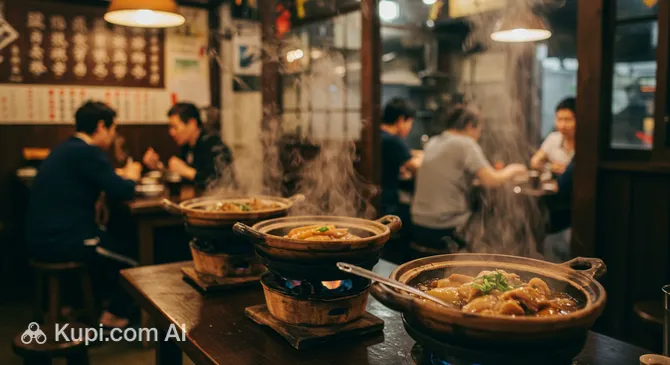
For lovers of gastronomic discoveries, it is highly recommended to stop by the restaurant No. 19 Clay Pot Chicken (Mingjian). This establishment is famous for its signature dish – chicken prepared according to a special recipe in a clay pot. Thanks to this cooking method, the meat is incredibly tender, juicy, and aromatic. Visiting this place is a great opportunity to try an authentic dish of local cuisine.

No. 19 Clay Pot Chicken (Mingjian). Illustration.
Source: Kupi.com AI

Traveler photos:

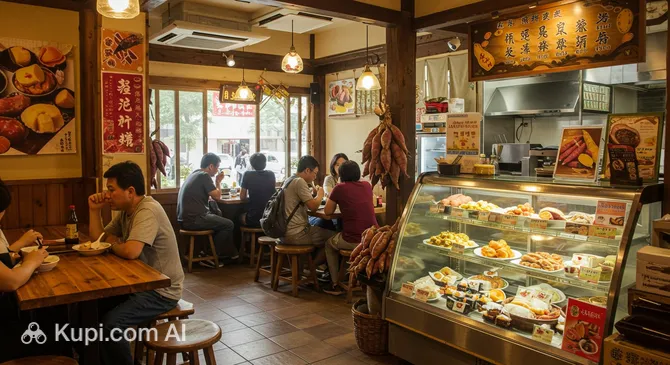
Continuing your culinary journey through Mingjian, pay attention to the establishments offering Golden Sweet Potato Delicacies. This root vegetable holds a special place in local gastronomy. Here you can try a variety of dishes and snacks made from sweet potatoes – from traditional treats to original desserts. This is a wonderful chance to get acquainted with the unique flavors of the region and bring back unusual gastronomic souvenirs.

Golden Sweet Potato Delicacies. Illustration.
Source: Kupi.com AI

Traveler photos:

Local Cuisine

The gastronomic scene of Mingjian is an amazing blend of traditions and fresh flavors, where the main character is often local oolong. This famous tea is not only drunk here but also actively used in cooking, giving dishes a unique floral aroma and lightness. The town's cuisine reflects the richness of Nantou County's fertile lands, offering guests fresh and natural products.

Be sure to try dishes made from golden sweet potato – one of the hallmarks of the local cuisine. It is prepared in many ways, from simple snacks to exquisite desserts. For example, it is worth visiting an establishment specializing in Golden Sweet Potato Delicacies. Also popular are fragrant fried tofu, various noodle soups with local spices, delicate steamed buns, and traditional rice cakes with bean filling. A unique feature is the use of oolong for marinating meat, which gives it a special tenderness and subtle flavor.

Golden Sweet Potato Delicacies. Illustration.
Source: Kupi.com AI

Traveler photos:

As for drinks, local oolong is undoubtedly the king here. It is served both in classic hot form and as part of refreshing cold cocktails and even desserts. Of course, with every meal, you will be offered fragrant tea, which is an integral part of the dining experience. Besides oolong, you may encounter other varieties of local tea, each with its own character.

Food culture in Mingjian is closely tied to local products and traditions. On street markets, you can always find the freshest vegetables and fruits. Locals and tourists often prefer small family-run cafes and eateries serving seasonal, home-cooked meals. One such authentic place where you can taste specialties is the No. 19 Clay Pot Chicken (Mingjian) restaurant. The town is also famous for its tea festivals, where you can not only taste the best oolong varieties but also dive deeper into the region's tea culture, learn about pairing tea with local treats, and even participate in traditional ceremonies.

No. 19 Clay Pot Chicken (Mingjian). Illustration.
Source: Kupi.com AI

Traveler photos:

Travel Tips

Planning a trip to Mingjian? Excellent choice! To make your journey through this charming corner of Taiwan as comfortable as possible and leave you with only vivid memories, we have prepared some useful tips.

  1. Clothing and Essentials: The climate in Mingjian, like most of Taiwan, is subtropical, with humid, hot summers and mild winters.
    • In summer (June–September), choose light, breathable clothing made of natural fabrics. Don't forget a hat, sunglasses, and sunscreen.
    • In winter (December–February), sweaters and a light jacket will come in handy; temperatures rarely drop low, but it can be damp.
    Always carry a raincoat or umbrella, as rain is possible at any time of year.
    Comfortable shoes are your best friend for walking around the town and its surroundings.
    • Don't forget a universal adapter (Taiwan uses Type A and B sockets, 110V voltage).
    • When visiting temples, such as the famous Shoutian Temple in Mingjian, choose modest clothing that covers shoulders and knees.

  2. Transport in Mingjian:
    • The main form of public transport in Mingjian will likely be local buses. Research their routes if you plan on budget-friendly travel.
    Taxis are also available. You can use traditional taxi services or check for ride-hailing apps popular in Taiwan (such as Taiwan Taxi 55688), though their functionality might be limited in a small town.
    • To explore Nantou County, where Mingjian is located, consider renting a scooter or car. This requires an International Driving Permit (IDP). Scooters are especially popular for short to medium-distance travel.

  3. Finances:
    • Local currency is the New Taiwan Dollar (TWD).
    • Currency can be exchanged at banks or authorized exchange points in airports and major cities. In Mingjian, the number of such points may be limited, so it's better to take care of the exchange beforehand.
    • Credit cards (Visa, MasterCard) are accepted in hotels, large stores, and some restaurants. However, always have enough cash on hand for small cafes, markets, and shops.
    • ATMs are fairly common, but check with your bank about international withdrawal conditions before your trip.
    Estimated daily budget: In Taiwan, you can aim for 1500–3000 TWD per person per day (excluding accommodation) for a comfortable trip, including meals, local transport, and small souvenirs. In Mingjian, expenses may be slightly lower than in large metropolises.
    Tipping in Taiwan is generally not expected. A service charge (around 10%) is often already included in restaurant and hotel bills.

  4. Health and Safety:
    • Pharmacies (with the sign 藥局) are found in many settlements. For serious issues, go to clinics or hospitals. Travel medical insurance is highly recommended.
    Taiwan in general, and Mingjian specifically, are very safe places. Follow standard precautions: watch your belongings in crowded places.
    • Tap water is not recommended for drinking; it's better to buy bottled water or boil it.
    • Emergency numbers: 119 (fire and ambulance), 110 (police).

  5. Communication:
    • The official language is Mandarin Chinese. The Taiwanese dialect (Hokkien) is also common.
    • English is common among young people and in the tourism sector, but not everywhere. Learn a few basic Mandarin phrases: "Ni hao" (Hello – 你好), "Xiexie" (Thank you – 謝謝), "Duo shao qian?" (How much? – 多少錢?). Locals will really appreciate it.
    • You can buy a local SIM card with a data package at the airport or at service centers (Chunghwa Telecom, Taiwan Mobile, FarEasTone).
    Wi-Fi is available in many hotels, cafes, and public places. Look for the free iTaiwan network.
    Useful Apps: Install Google Maps for navigation, Google Translate for translation (download the offline Chinese package), and consider bus tracking apps like "Bus+" (台灣等公車) if you plan on using public transport frequently.

  6. Local Etiquette:
    • Taiwanese people are usually friendly and polite. A slight nod of the head is a common greeting.
    • Try to be quiet in public places. Join the queue.
    • When visiting temples, behave respectfully: do not talk loudly, do not use flash photography without permission, and follow local rules.
    • It is customary to give and receive items (e.g., business cards, gifts) with both hands.

  7. What to Avoid:
    • Do not stick chopsticks vertically into a bowl of rice – this resembles incense sticks used at funerals.
    • Try not to point at religious images or statues of deities in temples; if you must point, do so with an open palm.
    • Avoid public displays of anger or loud arguments, as this is considered "losing face."

  8. Special Tip for Mingjian: The town of Mingjian is widely known for the Shoutian Temple (受天宮), one of the most important centers for the worship of the deity Xuantian Shangdi (玄天上帝) in Taiwan. Be sure to visit it, soak in the atmosphere, and observe the local rituals (with due respect). Additionally, Nantou County is famous for its oolong tea – don't miss the chance to try genuine local tea at one of the tea shops.

We hope these tips help you better prepare for your trip and enjoy every moment of your stay in Mingjian. Have a wonderful journey!

Entertainment & Nightlife

Mingjian, as a town with a relatively small population, offers its guests a quieter and more authentic nightlife compared to the metropolises. Evening entertainment here is centered around local restaurants, where you can not only have a delicious dinner but also feel the local flavor, as well as perhaps small bars where the town residents gather.

The main places for evening pastimes in Mingjian will likely be dining establishments that stay open late. While there may not be noisy nightclubs or neon-lit districts here, you can enjoy a cozy atmosphere in local eateries. For example, you can check out places like No. 19 Clay Pot Chicken (Mingjian) or Golden Sweet Potato Delicacies, which serve local cuisine. The atmosphere in such places is usually friendly and conducive to conversation, without a strict dress code. It is best to check opening hours on-site as they may vary.

No. 19 Clay Pot Chicken (Mingjian). Illustration.
Source: Kupi.com AI

Traveler photos:

Regarding bars or concert venues, they may not be as widely represented in small towns like Mingjian. We recommend strolling through the central streets in the evening or asking locals about popular spots for evening relaxation. Night markets, if available, can also be an interesting place for an evening walk and street food tasting.

Practical tips: The best time to visit evening establishments is after 19:00-20:00. Prices in local restaurants are generally moderate. For moving around at night, a taxi is the most convenient option; make sure you have the contacts of a local taxi service or the ability to call a car via an app if one is popular in the region. In terms of safety, Mingjian, like most small towns in Taiwan, is considered quite safe; however, it is always worth taking usual precautions, especially after dark.

During the day, there is also plenty to do in Mingjian and its surroundings. Although the town itself may not have large theaters or amusement parks, you can explore the region's natural beauty. For instance, the Jiji Green Tunnel is quite popular, offering scenic views. You can also visit local temples or small markets to dive deeper into Taiwanese culture.

Parks & Museums

Mingjian and its surroundings offer travelers both pleasant opportunities for outdoor relaxation and ways to touch the local culture and history. Although the town may not boast a large number of world-famous museums or extensive park complexes, there are charming corners and opportunities for discovery here.

One of the notable natural attractions worth visiting is the Jiji Green Tunnel. This picturesque spot, nestled in greenery, is ideal for leisurely strolls or bicycle rides. The shady alleys create a peaceful atmosphere and provide coolness even on a hot day, making it popular among both locals and tourists.

In addition to the Jiji Green Tunnel, the surroundings of Mingjian and the entire Nantou County are rich in other scenic natural areas. Travelers can find small local parks, hiking trails, and simply beautiful spots for outdoor relaxation that are perfect for getting to know Taiwan's nature.

As for museums, Mingjian may not be a major museum hub, but that doesn't mean a lack of cultural experiences. You can immerse yourself in the history and traditions of the region by visiting local temples. They often serve not only as spiritual centers but are also true treasures of traditional art, architecture, and crafts. A careful study of the details of their decor can tell a lot about the beliefs and aesthetic preferences of the locals.

Strolling through the streets of Mingjian, you can also pay attention to the preserved elements of traditional buildings or get acquainted with the everyday way of life, which in itself is an interesting cultural experience. Sometimes the most authentic impressions lie in observing the city's ordinary life.

For a deeper dive into the local flavor, don't hesitate to peek into small markets or ask locals about little-known but interesting places – these could be small private collections, craft workshops, or temporary exhibitions that aren't always listed in official guidebooks.

Getting Around

Public transport in Mingjian is mainly represented by bus routes that connect various parts of the town and its surroundings. Given the size of Mingjian, an extensive network of metro or trams should not be expected; however, buses are a fairly convenient way to travel for locals and tourists.

The payment system for buses usually includes the option to pay cash directly to the driver upon entry. The basic fare for a bus trip within the city is generally low and can be around 15-30 TWD, depending on the distance. It is recommended to have small change ready as change may not be given. Also, in many regions of Taiwan, including Nantou County where Mingjian is located, transport cards such as EasyCard or iPASS are widely used. These cards can be topped up and used for bus fares, which is often more economical and convenient than paying cash. These cards can typically be purchased and topped up at convenience stores (e.g., 7-Eleven, FamilyMart) or at major transport hubs in larger cities.

Tourists planning to use buses in Mingjian should check routes and schedules in advance. Information can be found at bus stops (though it may not always be in English) or by using online maps and transport apps popular in the region. Validation of the fare with a card is done by tapping it on the reader upon entry, and sometimes upon exit from the bus. Buses usually run from early morning until evening, but the frequency of service may decrease in the evenings and on weekends.

As an alternative to public transport, taxi services are always available in Mingjian. They can be called by phone, through apps, or found at stands near busy spots. A taxi ride across town may cost approximately 100-300 TWD, depending on distance and time of day, with the initial fare usually around 70-100 TWD. For short trips around town or exploring the surroundings, you could consider bicycle rental if available. Car sharing is less common in small towns, but it's worth checking for local services upon arrival if this is your preferred option.

Accommodation

When planning a trip to Mingjian, you will find a variety of accommodation options to suit different preferences and budgets. The town offers a choice from cozy guesthouses and small local hotels to more modern options, allowing every traveler to find something to their taste.

In Mingjian, tourists can consider both budget options and mid-range housing. Although there may be few large international hotel chains here, the town makes up for it with the hospitality of local establishments, such as small hotels, B&Bs (bed and breakfast), and perhaps rental apartments or rooms. When choosing a place to stay, pay attention to its location relative to your points of interest or transport routes for ease of movement around the town and its surroundings.

As for the price range, you can find both affordable options for budget travelers and more comfortable accommodation at moderate prices in Mingjian. It is recommended to book accommodation in advance, especially if your trip falls during the peak tourist season or during local festivals. Popular online platforms like Booking.com, Agoda, or direct booking via hotel websites (if available) or by phone are convenient for searching and booking.

Nearby Cities

For those who want to explore the surrounding area, Mingjian serves as an excellent starting point for day trips to several interesting nearby locations:

CityPopulationDistance
Zhongliao13 7747 km
Jiji10 0569 km
Nantou101 6069 km
Ershui15 2409 km
Linnei16 85612 km

Among these destinations, Nantou stands out, the administrative center of the county of the same name, where you can immerse yourself in the local atmosphere and perhaps visit traditional markets. No less interesting is Zhushan, whose name translates to "Bamboo Mountain." This town is famous for its picturesque bamboo forests and bamboo products, making it attractive for nature and craft lovers. A trip to Yuanlin, one of the larger nearby cities, can offer more options for shopping and experiencing urban life.

Shopping & Souvenirs

Shopping in Mingjian offers tourists the opportunity to immerse themselves in local culture and purchase authentic goods rather than chasing global brands in huge malls. The town, located in Nantou County, known for its tea plantations, specializes in locally produced products, especially tea. Here you will find small shops and markets offering unique items.

The main shopping points in Mingjian are likely concentrated along the town's main streets and near traditional markets. These are not wide shopping avenues with boutiques, but rather cozy streets with small family shops where you can find everything you need and chat with the locals. Look for signs indicating the sale of tea or local delicacies.

There are probably no large modern shopping centers familiar to residents of metropolises in Mingjian. For that format of shopping, it's better to head to larger cities in Taiwan. However, the absence of large malls is compensated for by the charm of local shops and markets.

Special attention should be paid to local markets. These can be morning markets selling fresh farm products, fruits, vegetables, and local culinary delights, as well as small markets offering daily necessities. Visiting such a market is a great way to feel the town's atmosphere and try something authentic.

The main souvenir worth bringing from Mingjian is, undoubtedly, local tea. Oolongs from Nantou County are world-famous for their quality and variety of flavors. You can also look for tea-related accessories: teapots, bowls, and tea ceremony sets. Sometimes you can find handmade items at local markets, such as those made from bamboo or ceramics, as well as local sweets and dried fruits.

Typical store hours in Mingjian are from morning (around 10:00-11:00) until evening (until 20:00-21:00). Markets usually start early in the morning and may close by lunch or in the afternoon. Regarding payment, small shops and markets prefer cash (Taiwanese dollar). Credit cards may be accepted in larger establishments, but it's always better to have enough local currency with you.

Foreign tourists in Taiwan can take advantage of the tax refund system (Tax-Free Shopping) when making purchases over a certain amount in participating stores. Usually, this applies to large department stores and specialty shops. Don't forget to check for tax refund availability and ask for the necessary documents at the time of purchase.

Reached the end of the page?

That means the route is fully explored