Support

Jiji

About

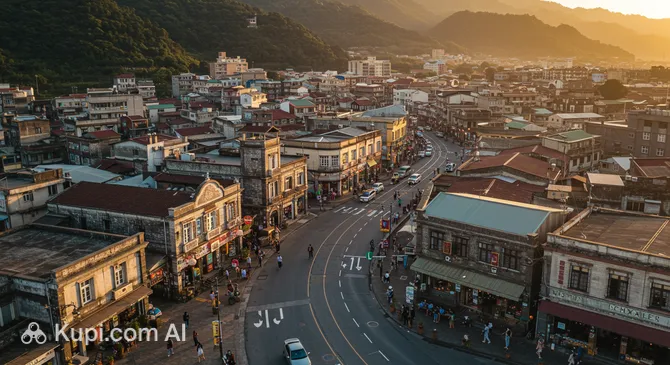
Jiji is a charming small town that attracts travelers with its peaceful atmosphere and picturesque landscapes. Located in Nantou County, in the central part of Taiwan, this town serves as a wonderful refuge from the hustle and bustle of major metropolises. Here, the spirit of the old times prevails, and traditions blend harmoniously with the measured pace of modern life.

Jiji. Illustration.
Source: Kupi.com AI

Despite its modest size and a population of about 10,000 people, the town possesses a unique charm and appeal. The local climate and geography promote the development of eco-tourism: the town is surrounded by mountains and lush greenery. The history of Jiji is closely intertwined with the development of railway transport in the region, which has left a noticeable mark on its architectural appearance and cultural heritage.

Among the main attractions, the famous Jiji Railway Station stands out—one of the oldest wooden stations on the island, which continues to operate and attracts many photographers. Another hallmark is the "Green Tunnel"—a picturesque road framed by old camphor trees that create a natural canopy. This place is ideal for cycling and getting to know the nature of the region.

Jiji is an excellent choice for a day trip or a relaxing weekend. The hospitality of the locals, authentic cuisine, and the opportunity to experience the traditional way of life make visiting this town a memorable event for any tourist.

Weather Overview

The climate in Jiji is mild and inviting for travel, without extreme temperature fluctuations. Winters here are very comfortable and relatively dry: in January, which is considered the coldest month, the average temperature is about 16.1°C, and nighttime values rarely drop below 12°C. This is a wonderful time for long walks and sightseeing.

The summer period is characterized by warmer weather and high humidity. July is the hottest month with an average of 25.4°C. However, summer is also the rainy season: in July and August, the number of rainy days can reach 28, so an umbrella will be your faithful companion.

In general, expect a warm summer with frequent rains and mild, drier winters. To choose the ideal time for a visit and prepare for nature's whims, we recommend checking the weather in Jiji in advance for your travel dates.

Average monthly temperature

Average monthly precipitation

Interesting Facts

In addition to its main attractions, Jiji holds many fascinating secrets related to its rich past and unique nature. This small town is a real treasure box of stories that make a journey here even more meaningful.

  • Banana Capital of the Past. In the first half of the 20th century, Jiji was a key center for the banana trade. Local fruits were considered to be of such high quality and taste that they were specially exported and served at the table of the Japanese Emperor. Today, the legacy of this "golden era" can be felt by trying various local banana desserts.

  • Symbol of Rebirth. The town's famous wooden station is not just an architectural monument, but also a symbol of incredible resilience. During the devastating 1999 earthquake, the historic building was seriously damaged, but thanks to the efforts of local residents and restorers, it was restored to its original form using original nail-free construction techniques.

  • Living Tunnel with History. The famous alley of camphor trees, known as the "Green Tunnel," was established back in 1933. The trees were planted in honor of visits by important guests, and today these 80-year-old giants form a 4.5-kilometer living canopy, creating a unique microclimate.

  • Center for Preserving Unique Nature. Jiji is home to the Endemic Species Research Institute. This is one of the few places where scientific efforts are dedicated to preserving rare animals and plants that live exclusively on the island of Taiwan, making the town an important spot for environmental education.

How to Get There

When planning a trip to this cozy corner of Nantou County, keep in mind that there are no direct flights to the town itself. However, the island's transport system is excellent, and you can learn more about how to get to Jiji using a combination of different modes of transport.

The nearest arrival hub is Taichung Airport (TXG), located in Taichung. It is only 38.7 km from Jiji. This is the most convenient option for those who want to reduce land travel time. A taxi or bus ride from here will take approximately 1 hour and 20 minutes, making this the fastest route.

For international flights, Taichung International Airport (RMQ) in Shalu is often used, which is about 51 km from the destination. This is a major aviation hub with a medium passenger flow, hosting many flights. The journey from here to Jiji by road will take about 1 hour and 40 minutes.

Another option is flying into Tainan Airport (TNN) in Tainan. it is 114.2 km away, and the transfer will take more time—about 3 hours and 10 minutes—but this route can be convenient if you are planning a journey through the southern part of the island.

For clarity, here is summary information on the main airports:

AirportPassenger trafficDistance
Taichung Airport2.1 mln39 km
Taichung International Airport2.1 mln51 km
Chiayi Airport100 00058 km
Hualien Airport39 11587 km
Tainan Airport469 338114 km

Railway communication is a separate pride of the region and a popular attraction for tourists. Although the provided data does not list specific major stations directly within the town limits for high-speed trains, Jiji is famous for its historical railway branch (Jiji Line). Travelers usually take high-speed trains to major stations in neighboring cities (for example, in Taichung or Ershui) and then transfer to colorful local trains that go straight into the heart of the old town, allowing you to enjoy picturesque views along the way.

Main Attractions

Jiji is a town best explored slowly, moving from one location to another by bicycle. While the famous station and camphor tree alleys are the landmarks of this place, there are other unique sites that allow for a deeper immersion into the culture and history of the region.

Wuchang Temple is perhaps the most dramatic and memorable attraction in the town. This place serves as a vivid reminder of the power of nature: here, right in front of the magnificent new sanctuary building, the ruins of the old temple destroyed during the massive 1999 earthquake have been preserved. The sight of collapsed columns and the roof, left exactly as they were after the disaster, makes an indelible impression on tourists and serves as a memorial to the resilience of the local residents.

Lovers of traditional architecture and Eastern philosophy should visit Mingxin Academy. This historical complex, built at the end of the 19th century, is a third-class monument. The building is designed in the classical style of South Chinese architecture with elegant curved roofs and decorative carvings. The academy is dedicated to Wenchang—the deity of literature and studies—so students often come here to ask for luck before exams. The quiet courtyard creates an atmosphere of peace and tranquility.

For those interested in technology, an interesting stop would be the Military History Park. This is a compact but exhibit-rich open-air museum featuring decommissioned military equipment: tanks, fighter jets, and transport aircraft. The park is popular among families with children and history buffs, offering a chance to see combat vehicles up close against a backdrop of peaceful rural landscapes.

Given the region's "banana past," one cannot miss the Jiji Banana History and Culture Museum. Here you can learn all about the golden era when Jiji was the main supplier of this fruit, see old farming tools, and, of course, purchase various banana souvenirs and treats—from chips to pastries.

Local Cuisine

Jiji's gastronomic scene is a perfect reflection of its agricultural heritage and cozy atmosphere. Since the town is in Nantou County, known for its fertile lands, the local cuisine emphasizes fresh ingredients and authentic flavors. You won't find pretentious Michelin-starred restaurants here, but you will discover many family cafes and street stalls where food is prepared with soul and according to old recipes.

Since Jiji historically holds the title of the "banana capital," your introduction to local food should start with desserts based on this fruit. Tourists specifically come here to try the famous banana egg rolls (crispy egg tubes). They have a delicate aroma and a sweetish taste that perfectly complements a cup of tea. Also popular are dried banana chips, banana ice cream, and muffins, which can be bought in souvenir shops near the station.

For a more filling lunch, turn to the classics of Taiwanese cuisine, which is presented here in its best form. Be sure to try beef noodle soup—a rich, flavorful broth with tender meat, considered one of the island's national symbols. Fans of flour-based dishes will enjoy fried dumplings and local variations of steamed buns. These dishes are usually served in small eateries where the locals themselves dine.

The food culture in Jiji is closely tied to street food. In the evening, when the heat subsides, the Night Market (usually operating on a schedule on certain days of the week) becomes the center of attraction. This is a place where you can try everything at once: from fried chicken and tofu to fresh grilled seafood. The atmosphere here is noisy and friendly, allowing you to feel the real rhythm of the town's life.

As for drinks, the region is famous for its tea. Nantou County is the heart of Taiwan's tea industry, so in Jiji, you can enjoy magnificent oolong grown on high-mountain plantations nearby. On a hot day, the best choice would be freshly squeezed juices and smoothies, especially—as you might have guessed—banana milk, a thick and nutritious drink loved by both children and adults.

Travel Tips

A trip to Jiji promises to be peaceful and full of discoveries, but a little preparation will make it even more comfortable. We have gathered a list of practical recommendations for you to help avoid minor difficulties and enjoy the atmosphere of this cozy town in Nantou County.

  1. Clothing and Equipment. It is hot and humid here in the summer, so choose light, breathable fabrics, but be sure to bring a raincoat or a compact umbrella—sudden downpours happen often. In winter, a light jacket or windbreaker is sufficient, as the temperature rarely drops low. Since Jiji is a town for active walks, comfortable shoes (sneakers or sandals with foot support) will be essential for cycling.
  2. Transport. The best way to get around the town and its surroundings is by renting a bicycle (regular or electric). Rental points are located right by the railway station, prices are affordable, and the terrain is conducive to riding. Taxis are harder to catch here than in metropolises, so for calling a car, it's better to contact the front desk of your hotel or arrange with a driver in advance.
  3. Finances. The official currency is the New Taiwan Dollar (TWD). Although chain stores (7-Eleven, FamilyMart) accept cards, in family cafes, souvenir shops, and street markets, payment is cash only. There are few ATMs in the town, and currency exchange can be a problem, so we strongly recommend withdrawing or changing money in advance in a large city or at the airport. Tipping is not expected.
  4. Health and Safety. Jiji is a very safe place where you can walk peacefully even in the evening. The main "danger" is mosquitoes and midges, especially in the "Green Tunnel" and park areas, so be sure to use repellents. Pharmacies are available in the town center, but they do not operate 24/7. Tap water is not recommended for drinking; buy bottled water instead.
  5. Communication and Language. The main language is Mandarin Chinese. Unlike the capital, not everyone here knows English, so download an offline translator to your smartphone. It is better to buy a SIM card with unlimited internet immediately upon arrival in Taiwan at the airport, as there are fewer mobile stores in Jiji itself. Wi-Fi is available in hotels, but for navigating bike routes, it's more reliable to have your own mobile internet.
  6. Local Etiquette. Taiwanese people are very polite and friendly. A greeting is a slight nod or a smile. It is important to maintain silence on trains and public transport. If you buy something or hand over money, do so with two hands—this is a sign of special respect for the seller or interlocutor.
  7. What to Avoid. Never stick chopsticks vertically into a bowl of rice—this resembles a funeral ritual with incense and is considered a very bad omen. Also, avoid loud talking and laughter when visiting temples, such as Wuchang, so as not to disturb the prayerful atmosphere.
  8. Insider Tip. If you plan to leave Jiji by train, check the schedule carefully. Trains on the historic branch line do not run as frequently as the metro, and intervals can be more than an hour. Don't be late: trains depart exactly on schedule, second for second.

Jiji is a place where time flows a little slower than in the rest of the world. By following these simple tips, you can cast aside daily worries and fully immerse yourself in contemplating the nature and history of this amazing corner.

Entertainment & Nightlife

Nightlife in Jiji is fundamentally different from the noisy parties in metropolises like Taipei. Here you won't find the neon signs of huge nightclubs or loud discos operating until dawn. An evening in this cozy town is a time for relaxed rest, gastronomic discoveries, and leisurely walks under the starlit sky. The main activity centers around food and socializing, and the atmosphere is filled with friendliness and calm.

The main center of attraction after sunset is the Jiji Night Market. This is the quintessence of local evening culture. The market does not operate every day (usually on Tuesdays and Saturdays, but the schedule may change), and it is where both tourists and locals flock. An animated atmosphere prevails here: the smells of grilled squid, "stinky tofu," and sweet drinks mix with the shouts of vendors and the sounds of arcade games. The dress code here is as casual as it gets—shorts and a T-shirt will be perfectly appropriate.

Another important location for evening leisure is the square in front of Jiji Railway Station. After dark, the historic building is beautifully illuminated, creating a romantic setting. Several small cafes and teahouses are located around the station, where you can spend the evening over a cup of oolong tea or a light dinner. Some souvenir shops in this area stay open a bit longer than usual, allowing tourists to buy gifts without the daytime bustle.

If you are looking for a place to have a drink, you should consider the specifics of a small town. There are practically no classic European-style bars here. Locals prefer to spend time in karaoke bars (KTV). These are small establishments, often family-run, where you can rent a room, sing your favorite songs, and order beer with snacks. This is a great way to immerse yourself in authentic Taiwanese entertainment culture, although the repertoire of English songs may be limited.

Daytime Entertainment:

While the sun is still high, Jiji offers plenty of activities. Besides cycling through the famous "Green Tunnel," it's worth visiting local pottery workshops (for example, in the neighboring Shuili area), where you can try your hand at clay modeling. History lovers will find it interesting to inspect the old brick kilns, which serve as a reminder of the region's industrial past.

Practical Tips and Safety:

Jiji is an extremely safe town, and night walks here pose no threat. However, streets may be poorly lit as you move away from the center, so a flashlight on your phone will come in handy. Keep the following points in mind:

  • Opening Hours: Most restaurants and shops close early, around 8:00 PM–9:00 PM. The night market runs until approximately 11:00 PM.
  • Transport: Public transport stops running early in the evening. Ridesharing services like Uber practically don't operate here. If you plan a late dinner far from your hotel, arrange for a ride with a local taxi driver in advance or ask the restaurant staff to call a car for you.
  • Payment: Only cash is accepted at the night market and in small bars. Make sure you have enough small bills.

Parks & Museums

Jiji is a town where nature and cultural heritage are intertwined in a wonderful way. In addition to the famous railway, excellent conditions for eco-tourism and educational recreation have been created here. The town's green zones serve not just as decoration, but as important centers for the conservation of the unique flora and fauna of the island of Taiwan, while local museums carefully preserve the memory of the region's agricultural and historical past.

Educational Ecological Park

One of the town's main natural gems is the extensive territory at the Endemic Species Research Institute. This is not just a park, but a real living textbook of nature under the open sky. A magnificent ecological garden has been laid out here, where visitors can see rare plants characteristic only of this region. Walking trails lead through themed zones that attract many butterflies and birds, making the park an ideal place for peaceful contemplation and photography of wildlife within the town limits.

Jiji Weir Scenic Area

Although this is a hydraulic engineering structure, the adjacent area has become a popular recreation zone. The weir, which damns the Zhuoshui River, is impressive in its scale and the views it offers of the wide riverbed and mountain ranges in the distance. Convenient bicycle paths have been laid out nearby, which are part of the town's cycling network. Tourists come here to enjoy the space, fresh river air, and see how engineering thought coexists with the power of the water elements.

Conservation Education Center

Located on the grounds of the aforementioned institute, this museum is a must-visit for anyone interested in ecology. The three-story building is filled with interactive exhibits and realistic dioramas telling the story of Taiwan's biodiversity. Here you can learn about the life of rare animals inhabiting the island's mountains and forests and understand the importance of environmental protection. This is one of the most informative natural science museums in the central part of the country.

Banana History and Culture Museum

Since Jiji is inextricably linked with banana cultivation, this themed museum immerses guests in the details of the "golden era" of exports. The exhibition focuses on the life of farmers in the past: old tools, harvest baskets, and archival photographs documenting the process of transporting fruit are on display. This place allows you to look at the history of the town through the prism of its main agricultural product, complementing the picture tourists get when visiting souvenir shops.

For those looking for corners hidden from the mass tourist, we recommend finding the Great Camphor Tree at Dazhongye Temple. This giant is over 700 years old, and its branches spread so wide that they create shade over an area of almost 900 square meters. Locals revere the tree as a deity, and this place possesses a special, mystical energy that differs greatly from the atmosphere of the popular tourist alleys.

Getting Around

The transportation system in Jiji has its own unique features, determined by the size and cozy atmosphere of the place. Here you won't find a metro, trams, or a complex network of urban routes typical of metropolises. The basis of public transport is the famous historical railway, and for local movement within the town, tourists and locals choose more eco-friendly and mobile methods.

The Railway (Jiji Line) is the main transport artery and simultaneously an important attraction. Small diesel trains run between Ershui Station (where you can transfer to mainline trains) and the terminal station Checheng, stopping in the center of Jiji. Trains do not run very frequently—the interval is about 80–90 minutes, so it is critically important to study the schedule at the station or online in advance to plan your day properly.

Bus service connects the town with neighboring major centers such as Taichung and Nantou, as well as popular tourist areas like Sun Moon Lake. Buses are a good alternative to the train if tickets for it are sold out or the schedule does not suit you. Intercity bus stops are usually located within walking distance of the railway station.

The fare payment system here is modern and convenient for travelers. The easiest way is to use universal contactless transport cards like EasyCard or iPass. They can be used to pay for travel on both local line trains and buses. You simply need to tap the card against the validator when entering and exiting. If you don't have a card, a train ticket is purchased at the ticket office for cash, and on the bus, payment is made to the driver upon entry (it's important to have the exact amount, as the machine does not give change).

The main alternative to public transport and the most popular way to get around Jiji itself is the bicycle. The town is literally made for cycling: the terrain here is mostly flat, and the distances between attractions are small. Rental points are abundant right at the exit of the railway station. You can rent a standard city bike, a tandem for a couple, or an electric scooter if you don't want to pedal in the heat.

As for taxis, it is practically impossible to flag a car "on the fly" in the street here, unlike in major cities. A taxi stand is usually located near the station, but there may not be many cars. For trips to remote restaurants or hotels, it's better to ask the receptionist to call a car for you by phone. Carsharing services and international taxi apps are poorly developed in this small town.

An important tip for tourists: at small stations on the Jiji Line, there are often no turnstiles in the usual sense. However, card validators are located on the platform or at the exit. Don't forget to tap your card upon arrival to complete the journey; otherwise, the card may be blocked the next time you use it.

Accommodation

Accommodation options in Jiji perfectly match the spirit of this peaceful town: here you won't find huge chain hotels or noisy resort complexes. The basis of the hotel stock consists of cozy guesthouses (minsu) and small family hotels. This allows tourists not just to spend the night, but to feel like guests of the locals, experiencing home comfort and sincere hospitality.

When choosing a place to stay, you should focus on two main areas. The most popular and convenient is the town center around the railway station. By staying here, you will be within walking distance of bicycle rental points, the night market, and numerous cafes. This is an ideal choice for those traveling without personal transport who want to have all the infrastructure at hand.

For those seeking solitude and silence, accommodation options in the vicinity of the "Green Tunnel" or closer to the mountain slopes are perfect. Guesthouses in these areas are often surrounded by gardens or farmland, offering guests the chance to wake up to the sound of birds and enjoy nature views right from their window.

The price range in Jiji is quite affordable. Here you can find both budget rooms for backpackers and more comfortable mid-range rooms with modern designs. The luxury segment is practically non-existent, but the quality of service in good minsus often exceeds expectations. It is recommended to book accommodation through popular online platforms; however, an important nuance should be remembered: during peak seasons (weekends and national holidays), the best options are taken very quickly, so it is better to take care of lodging in advance.

Nearby Cities

For those wanting to explore the surroundings, Jiji serves as an excellent starting point for day trips to several interesting nearby places. Its convenient location in the central part of the island makes it easy to reach neighboring cities, each with its own unique character.

One of the most popular destinations is Puli. This town is often called the geographical heart of Taiwan. It is famous for its pure water, thanks to which the production of handmade paper and the manufacturing of the famous Shaoxing wine flourish here. Additionally, the majestic Chung Tai Chan Monastery—one of the largest and most architecturally impressive Buddhist centers in the world—is located in the vicinity of Puli.

Very close by is Nantou, the administrative center of the county. It's a great place for those who want to see the non-touristy life of a Taiwanese city, stroll through traditional markets, and try local delicacies such as "yi-mein" noodles.

It's also worth paying attention to Douliu, located a bit further south. The city is known for its historic Taiping Street, lined with buildings in the Baroque style from the early 20th century. Here you can not only admire the architecture but also enjoy the variety of street food and snacks for which this region is famous.

Below is information about the nearest cities you can visit:

CityPopulationDistance
Shuili16 2977 km
Mingjian36 1279 km
Zhongliao13 77410 km
Lugu16 41311 km
Sun Moon Lake13 km

These nearby destinations offer an insight into the diverse culture and landscapes of the region, harmoniously complementing the impressions from visiting Jiji.

Shopping & Souvenirs

Shopping in Jiji is not about chasing global brands or high fashion, but rather a cozy immersion into local culture and agricultural traditions. Since the town is small and maintains an atmosphere of rural idyll, trade here is focused on unique local products, handicrafts, and souvenirs. This is an ideal place to purchase authentic gifts that will remind you of the tastes and aromas of central Taiwan.

Main Shopping Areas and Streets

The heart of the town's commercial life is the area around Jiji Railway Station. The streets radiating from the station square, particularly Minquan Road, are filled with small shops and stores. Here tourists can find everything from traditional snacks to commemorative trinkets. A stroll through this area allows you to combine sightseeing with gift shopping, as most of the interesting shops are within walking distance of each other.

Shopping Centers

It is important for travelers to know that there are no large shopping centers, department stores, or Western-style malls in Jiji. The town is oriented towards eco-tourism and the preservation of its historical appearance. If your goal is large-scale shopping with visits to clothing or electronics boutiques, it is better to plan a trip to the nearby major city of Taichung, where the choice is much wider.

Markets

The most colorful place for shopping is the Jiji Night Market. It operates on a schedule (usually on Tuesdays and Saturdays) and offers not only food but also inexpensive clothing, accessories, and toys. This is a place where you can haggle and find fun little items. Also, in the morning hours, traditional markets for locals function, selling fresh fruits and vegetables grown on the farms of Nantou County.

Souvenirs

The choice of souvenirs in Jiji is closely linked to its history as a "banana kingdom." It is definitely worth purchasing local gastronomic specialties:

  • Banana egg rolls—crispy wafer tubes with a delicate aroma, sold in beautiful gift boxes.
  • Dried bananas—a natural and healthy snack.
  • Railway souvenirs—model trains, keychains, and particularly popular stylized "hard" cardboard tickets that railway fans collect.
  • Ceramics—items by local potters, from simple cups to elegant vases, reflecting the region's craft traditions.

Opening Hours and Payment

Life in the town quietens down quite early. Most souvenir shops and stores open around 9:00 AM–10:00 AM and close as early as 6:00 PM–7:00 PM. Exceptions include 24-hour chain stores (7-Eleven, FamilyMart) and the night market on its operating days. Regarding payment, cash is the primary method of transaction here. Credit cards are only accepted in chain stores and some large souvenir points near the station. In small shops and at the market, there are no terminals, so always have a supply of cash with you.

Tax Free

The Tax Free system is practically not applicable in Jiji, as there are no large stores participating in this program (which usually require a minimum purchase amount of 2000 TWD on a single receipt at a certified outlet). You will only be able to process a tax refund when making large purchases in big cities or at the airport before departure.
Reached the end of the page?

That means the route is fully explored