Support

Puli

About

Puli is a charming town nestled in the heart of Taiwan, surrounded by picturesque green hills and mountain peaks. Thanks to its central geographical location, Puli serves as an excellent starting point for exploring the entire island. The city is known for its mild subtropical climate, which makes strolling through its streets and surrounding nature reserves pleasant at any time of year.

Puli. Illustration.
Source: Kupi.com AI

With a population of about 77,000 people, Puli maintains an atmosphere of quiet provincial comfort while offering guests a developed infrastructure and a variety of cultural events. The city is part of Nantou County and is rightfully considered its important cultural and tourist center. Traditional Taiwanese motifs and modern trends are harmoniously interwoven here, giving Puli a unique charm.

Puli is an ideal destination for those who dream of seeing the "real Taiwan" away from the hustle and bustle of megacities. Tourists can expect not only welcoming residents and authentic markets but also picturesque temples and unique museums. Excursions to the famous paper factory, where you can learn about the ancient craft, and to the futuristic Paper Church—a symbol of the region's revival and innovation—are particularly popular. Additionally, the city often serves as a base for trips to the famous Sun Moon Lake, as well as to mountain areas for a retreat into nature.

There is always a friendly atmosphere in Puli, and cultural life is packed with events year-round—from vibrant festivals to intimate exhibitions and workshops. If you are looking for an authentic experience and want to immerse yourself in the island's culture, Puli will warmly welcome you and provide unforgettable impressions.

You can find more interesting facts on the Puli history page
Weather Overview

The weather in Puli is characterized by a warm and humid climate throughout most of the year. Summer, especially from May to September, is quite hot, with average temperatures around 23-25°C, and this is also the rainiest period, with precipitation peaking in July and August (10-12 mm) with a high number of rainy days. Winters, from December to February, are milder and drier, with average temperatures around 15-17°C and significantly less rainfall (about 2 mm).

Expect warm, humid summers with frequent rainfall, particularly from May to September, and milder, drier winters. For more detailed information on weather conditions by month, you can visit the Puli Climate page.

Average monthly temperature

Average monthly precipitation

Interesting Facts

In addition to its picturesque landscapes and famous temples, the city of Puli in Taiwan hides many amazing stories and features. Here are just a few interesting facts that will help you see it in a new light:

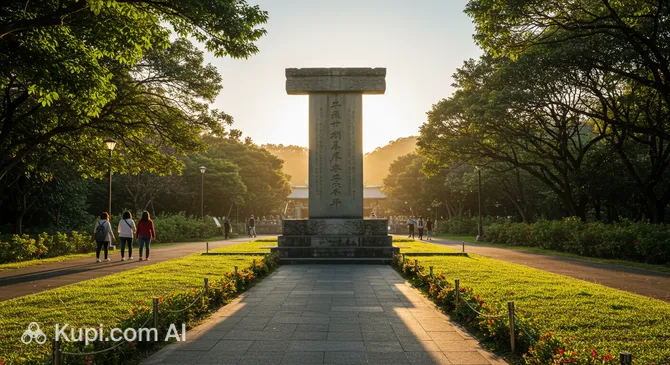
Stele of Taiwan's Geographic Center. Illustration.
Source: Kupi.com AI

Traveler photos:

  • Puli is often called the "City of Water." Numerous pure mountain streams originate here, and the local water is famous for its taste. This contributed to the development of production for not only mineral water but also high-quality sake, which can be sampled, for example, by visiting the Puli Winery Sales Center.

  • One of the most unusual attractions in Puli is the Paper Church (Paper Dome). This structure, created by Japanese architect Shigeru Ban from paper tubes, was erected as a symbol of hope and community after the devastating 1999 earthquake and today serves as a cultural center.

  • The city carefully preserves the tradition of handmade papermaking. At the Guangxing Paper Mill, visitors can not only learn about ancient technologies but also participate in creating a unique sheet of paper themselves.

  • The Puli area is home to the Geographical Center of Taiwan Stele, marking the symbolic heart of the island. This makes the city not just a tourist destination, but an important geographical point.

How to Get There

Puli is located in the very heart of the island, surrounded by mountains, so there is no direct air or rail connection to the city itself. However, thanks to a developed transport network, getting here is not difficult. You can learn more about how to get to Puli using a combination of different modes of transport.

Most international tourists arrive at Taiwan Taoyuan International Airport (TPE), which is the country's main air gateway. It is located near Taipei, approximately 123 km from Puli. The journey by taxi or pre-booked transfer will take about 2–2.5 hours. A more budget-friendly option is to take the high-speed train to Taichung and then transfer to a bus.

If you plan to arrive on a domestic or regional flight, it is most convenient to use Taichung International Airport (RMQ). It is located in Shalu, only 45 km from Puli. A car trip from here will take less than an hour, making this airport the fastest way to reach the city.

There is no airport in the city of Puli itself, but you can fly into one of the airports in neighboring major cities and continue your journey by land. For clarity, here is a summary of the main airports:

AirportPassenger trafficDistance
Taichung Airport2.1 mln37 km
Taichung International Airport2.1 mln45 km
Hualien Airport39 11566 km
Chiayi Airport100 00083 km
Taiwan Taoyuan International Airport48.7 mln123 km

As for rail connections, Puli does not have its own train station. The nearest major transport hub is in the city of Taichung. Tourists usually take the high-speed rail (HSR) to Taichung Station (HSR Taichung Station) or the regular train (TRA) to Taichung Railway Station.

Direct buses to the Puli bus station depart regularly from the stations in Taichung. The travel time by bus is approximately 50–70 minutes, depending on traffic. This is one of the most popular and economical ways to reach the city for those already on the island.

Main Attractions

Puli, a charming city in the heart of Taiwan, offers travelers a unique blend of cultural, historical, and natural attractions. Here, everyone will find something interesting, from majestic temples to interactive museums and picturesque parks.

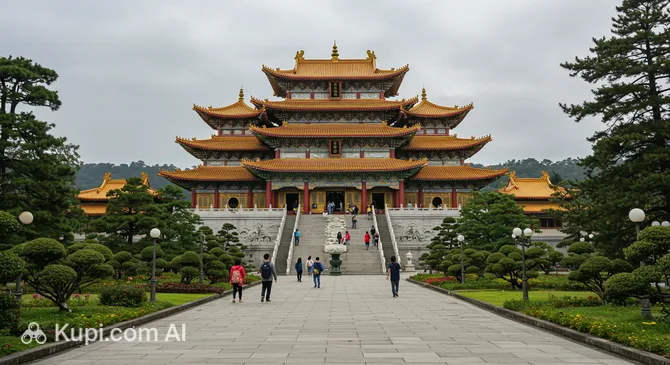
One of the most iconic attractions is the Chung Tai Museum. This impressive Buddhist complex, part of the Chung Tai Chan Monastery, is striking in its architecture and scale. The museum houses an extensive collection of Buddhist art and artifacts that tell the story of the history and philosophy of Buddhism. Visitors can not only admire the exhibits but also learn more about meditative practices and teachings.

Chung Tai World Museum. Illustration.
Source: Kupi.com AI

Traveler photos:

Another place that is definitely worth a visit is the Geographical Center of Taiwan Stele. This monument marks the exact geographic center of the island. In addition to its symbolic significance, it offers beautiful views of the surrounding mountains and valleys. It is a popular spot for photos and a chance to feel like you are in the very heart of Taiwan.

Stele of Taiwan's Geographic Center. Illustration.
Source: Kupi.com AI

Traveler photos:

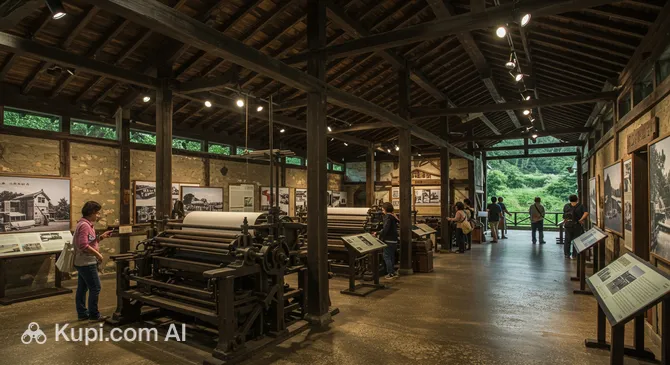
For those interested in traditional crafts, the Guangxing Paper Mill will be a true discovery. This is one of the oldest operating paper factories in Taiwan, where you can not only see the process of making paper by hand but also try your hand at this art in special workshops. The factory is famous for producing high-quality paper used for calligraphy and painting.

Guangxing Paper Mill. Illustration.
Source: Kupi.com AI

Traveler photos:

For connoisseurs of local beverages and industrial heritage, the Puli Brewery is an interesting site. This well-known enterprise is famous for its beer brewed with the purest water from local Ailan springs. Visitors can learn about the brewing process, the history of the plant, and, of course, taste fresh varieties of beer. Souvenir products are also often available for purchase here.

Puli Brewery. Illustration.
Source: Kupi.com AI

Traveler photos:

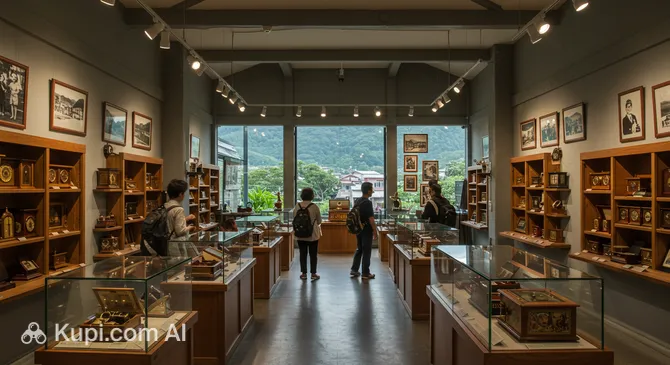
Additionally, in Puli, you should pay attention to the KOKOMU Music Box Museum, which houses a charming collection of music boxes from around the world, and the Water and Pine Shoots Park, which offers pleasant walks in the fresh air amidst beautiful landscapes.

Local Cuisine

The gastronomy of Puli is a true discovery for foodies traveling through Taiwan. The city is famous for its unique dishes prepared from the freshest local ingredients. A special place in local culinary arts is held by dishes made from young bamboo shoots and aromatic shiitake mushrooms, which are grown in the surrounding mountains. Be sure to try the rich bamboo soups, as well as fried or pickled mushrooms—these are the hallmarks of local cuisine.

Speaking of drinks, one cannot fail to mention the famous Puli sake—a rice wine that has been produced here for many decades. Local distilleries, such as the Puli Winery Sales Center, often offer tours and tastings, allowing guests to appreciate the unique varieties of this beverage. Excellent tea is also grown in the region, which will be a great addition to any meal or a reason for a tea ceremony on its own.

Puli Winery Sales Center. Illustration.
Source: Kupi.com AI

Traveler photos:

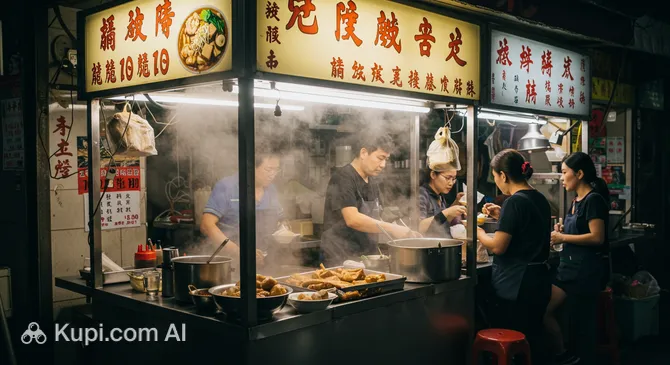
The food culture in Puli is very diverse. On the busy streets of the city, you will find many small shops and markets serving appetizing street food. Favorites include aromatic baozi steamed buns, hearty beef noodles, and, of course, the famous Taiwanese "stinky" tofu (chou doufu) with spicy sauces, which can be tasted, for example, at Xiao Jiang: Traditional Noodles and Chou Doufu. For a more substantial dinner, you can always choose one of the many restaurants offering both traditional and modern dishes. Sweet lovers will enjoy taro desserts and an abundance of fresh local fruits.

Puli is also known for its gastronomic festivals and fairs, where you can try seasonal delicacies, meet local producers, and immerse yourself in the atmosphere of Taiwanese hospitality. A trip to Puli is a wonderful opportunity to enjoy authentic cuisine and discover new flavors.

Travel Tips

Planning a trip to charming Puli, located in the heart of Taiwan? These practical tips will help you better prepare for your journey and enjoy every moment in this picturesque corner of Nantou County.

  1. Clothing and Essentials: The climate in Puli is subtropical. In summer (May to September), it is hot and humid, so bring light, breathable clothing. In the cooler months (October to April), a sweater or light jacket will be useful, especially for evening walks or if you plan trips to the nearby mountain areas. Comfortable shoes are your main ally for exploring the city and its picturesque surroundings. Don't forget sunscreen, a hat, and insect repellent, especially during the warm season. For electrical appliances, you will need an adapter: Taiwan uses type A and B sockets, with a voltage of 110V. When visiting temples, choose modest clothing that covers shoulders and knees as a sign of respect.

  2. Transport: It is quite convenient to get around Puli itself on foot, especially in the central part. For longer distances within the city, you can use local buses. Taxis are also available. If you plan to explore the Nantou surroundings, such as farms or nature parks, consider renting a scooter (international driving permit with the appropriate category required) or use the intercity bus services that connect Puli with other settlements in the region. Some taxi-hailing apps may work, but local taxi services are also widespread.

  3. Finance: The local currency is the New Taiwan Dollar (TWD). You can exchange currency at banks or official exchange offices; the rate at the airport may be less favorable. Credit cards (Visa, Mastercard) are accepted in most hotels, large stores, and many restaurants. However, it is always useful to have some cash with you for paying at markets, in small family establishments, and for minor purchases. ATMs are easy to find throughout the city. Tipping culture in Taiwan is not as common as in some other countries; a service charge is often already included in the bill at restaurants. However, for exceptional service, you can leave a small amount at your discretion.

  4. Health and Safety: Pharmacies (藥局 - yàojú) are available in Puli, and pharmacists can often help with minor ailments. However, not all of them operate 24/7, so it's better to have a basic first-aid kit (painkillers, plasters, antiseptic) with you. Travel medical insurance is strongly recommended. Puli is generally considered a safe city. Nevertheless, follow standard precautions: keep an eye on your personal belongings, especially in crowded places, and be careful after dark.

  5. Communication: The main language of communication is Mandarin Chinese. In tourist zones, hotels, and among young people, some may speak English, but outside these places, English proficiency may be limited. Learn a few basic phrases in Mandarin, such as "你好" (Nǐ hǎo – Hello), "谢谢" (Xièxiè – Thank you), "多少钱?" (Duōshao qián? – How much is it?). This will be very helpful and warmly welcomed by locals. You can purchase a local SIM card with mobile internet at the airport upon arrival or at communication stores in the city. Free Wi-Fi is often available in hotels, cafes, and some public places.

  6. Local Etiquette: Taiwanese people are generally very friendly and polite. A light nod of the head is a common greeting. When visiting temples, behave respectfully: speak quietly, do not take flash photos without permission, and follow instructions (such as removing shoes before entering certain areas). Giving and receiving business cards or gifts with both hands is considered a sign of respect. Loud talking and boisterous displays of emotion in public are not encouraged.

  7. What to Avoid: One of the main taboos at the table is never sticking your chopsticks vertically into a bowl of rice. This resembles incense sticks placed for the deceased and is considered very bad luck. Also, try not to point at people with your finger; if you need to point in a direction, use an open palm. Discussing complex political issues is best avoided unless you are sure of the context and the mood of your interlocutor.

  8. Extra Tip – Local Specialties: Puli is known for its exceptionally pure water, which historically contributed to the development of crafts such as the production of high-quality paper and the famous Shaoxing wine. Be sure to try local culinary delicacies prepared using this water. If you have time, consider visiting the Guang Xing Paper Mill to see the process of making handmade paper, or a local winery to learn about the region's winemaking traditions.

We hope these tips make your stay in Puli as comfortable and memorable as possible. Enjoy the hospitality, unique culture, and natural beauty of this amazing city in the heart of Taiwan!

Entertainment & Nightlife

Evening in Puli offers its guests a calmer and more authentic experience than the noisy megacities. Here, nightlife is centered around cozy restaurants, tasting rooms, and local venues where you can have a pleasant time after a busy day.

While Puli doesn't have large districts filled with nightclubs in the traditional sense, you will find plenty of places for evening relaxation. Local beverage producers deserve special attention. For example, the Puli Brewery can offer interesting local beer varieties and is a great place to meet friends. It is also worth visiting the Puli Winery Sales Center, where you can taste and purchase local wines. In the evening, it's pleasant to walk along the central streets, where numerous snack bars and restaurants offering Taiwanese cuisine are concentrated, such as Xiao Jiang: Traditional Noodles and Chou Doufu.

Xiao Jiang Traditional Noodles & Stinky Tofu. Illustration.
Source: Kupi.com AI

Traveler photos:

The atmosphere in evening Puli is generally relaxed and friendly. Most establishments cater to locals and tourists seeking quiet recreation. The dress code is usually casual. Restaurants and cafes typically operate until late evening, but specialized nightclubs are rare here. The best time for evening strolls and dinner is after 7:00 PM, when the daytime heat subsides.

As for practical advice, you can get around the city center on foot in the evening. For longer trips, using a taxi is recommended. Make sure you have your hotel address in Chinese to facilitate communication with the driver. Puli is considered a fairly safe city; however, as anywhere else, it's worth taking standard precautions, especially after dark. Average prices in restaurants and cafes are quite affordable.

During the day, Puli offers many cultural and natural attractions. You can visit the Chung Tai Museum, explore the Guangxing Paper Mill, or walk through Water and Pine Shoots Park. History buffs will appreciate the Geographical Center of Taiwan Stele, and for a family vacation, the KOKOMU Music Box Museum is a great choice.

Parks & Museums

The city of Puli in Taiwan offers its guests both peaceful green spots for outdoor relaxation and interesting cultural sites that introduce the history and traditions of the region. Everyone will find something to their liking here, whether it's a quiet walk in a park or an informative museum visit.

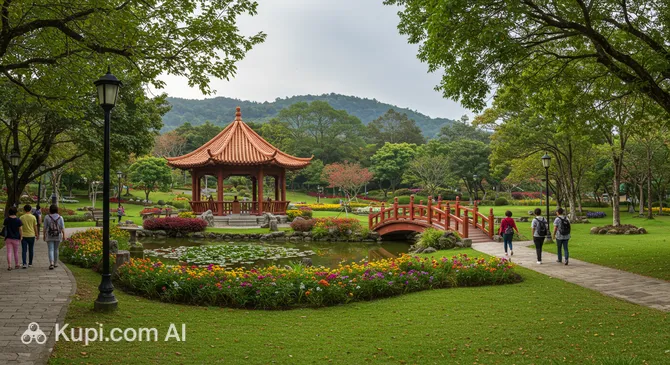
Among the natural attractions, Water and Pine Shoots Park stands out—a beautiful place for walking and enjoying the fresh air. Here you can take a break from the city's hustle and bustle and admire the picturesque landscapes. Another iconic spot is the Geographical Center of Taiwan Stele. Visiting this monument is not only symbolic but is often accompanied by the opportunity to enjoy panoramic views of the surrounding area, making it popular among tourists seeking beautiful photo locations.

Water and Pine Sprout Park. Illustration.
Source: Kupi.com AI

Traveler photos:

The cultural life of Puli is equally rich. One of the most significant museums is the Chung Tai Museum. It offers a deep dive into Buddhist art and culture, presenting an extensive collection of artifacts and artworks. This place will be of interest to those who want to learn more about the spiritual heritage of Taiwan. For lovers of more unusual exhibitions, the KOKOMU Music Box Museum is open, housing a charming collection of these musical instruments from all over the world. This place will provide plenty of positive emotions for both adults and children.

Chung Tai World Museum. Illustration.
Source: Kupi.com AI

Traveler photos:

An interesting site reflecting industrial heritage is the Guangxing Paper Mill. Here, visitors can learn about traditional methods of paper production and even try their hand at this craft. This is a unique opportunity to touch local traditions and learn about an important industry for the region. Also worth noting is the Kshitigarbha Hall of Rencheng Temple, which is an important religious and architectural monument, attracting with its atmosphere and details. This place allows you to touch the spiritual culture and history of the city.

KOKOMU Music Box Museum. Illustration.
Source: Kupi.com AI

Traveler photos:

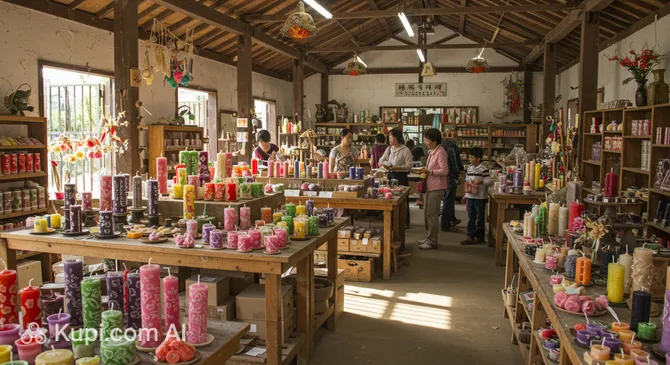
For those looking for authentic experiences, Puli also offers lesser-known but equally interesting places. For example, you can visit the Goocho Candle Studio, where you can not only see the process of creating unique candles but also participate in a workshop. Also, stop by one of the farms, such as the Zui Ai Succulent Educational Farm, to admire the variety of these amazing plants and perhaps buy a green pet as a souvenir of your trip.

Guangxing Paper Mill. Illustration.
Source: Kupi.com AI

Traveler photos:

Getting Around

Planning a trip to Puli? Getting around the city and its surroundings is quite convenient thanks to a developed public transport system primarily based on buses. Although Puli has no metro or trams, the bus network efficiently connects different parts of the city and serves as a starting point for travel to popular attractions in the Nantou region.

The main way to pay for bus fare in Puli, as throughout Taiwan, is via smart cards such as EasyCard (悠遊卡) or iPASS (一卡通). These cards can be purchased and topped up at most convenience stores (e.g., 7-Eleven, FamilyMart) and at some bus stations. Paying by card is often more advantageous than cash and eliminates the need to carry the exact amount. If you prefer to pay in cash, prepare coins, as drivers usually do not give change. The fare depends on the distance; when using a smart card, the amount is automatically deducted upon entering and/or exiting the bus (depending on the route—check with the driver or follow the signs).

For tourists, it's important to know that tickets for intercity buses departing from Puli to places like Sun Moon Lake or Cingjing Farm are best bought in advance, especially on weekends and holidays. Intra-city buses usually run from early morning until late evening, but schedules can vary by route. Information about routes and schedules can often be found at bus stops or requested at the Puli bus station. When entering the bus, tap your card on the reader or drop coins into the fare box. Some routes require you to tap your card when exiting as well.

In addition to buses, other modes of transport are available in Puli. Taxis can be found at major transport hubs and attractions; it's a convenient, though more expensive, option. To explore the surrounding area, many tourists prefer to rent scooters or bicycles—this gives greater freedom of movement, especially if you plan to visit scenic spots outside the city. Make sure you have the necessary license to operate a scooter. Walking is also pleasant for exploring the central part of Puli.

Accommodation

In the city of Puli, travelers will find a variety of accommodation options to suit different preferences and budgets. You can stay in budget-friendly hostels and guesthouses, choose comfortable mid-range hotels, or rent apartments for a more independent stay. For those seeking a luxury vacation, suitable options are also available.

When choosing accommodation, it is worth paying attention to areas located near main attractions or transport hubs, which will make your movement around the city more convenient. Although Puli does not have distinct tourist enclaves, many hotels and guesthouses are within walking distance of interesting sites or have good transport links.

Among the accommodation options in Puli, for example, The Bal'e Villas resort offers a comfortable stay. The choice of a specific place depends on your preferences and travel plans.

The Bal'e Villas. Illustration.
Source: Kupi.com AI

Traveler photos:

Booking Tip: To guarantee availability and get the best prices, especially during peak tourist season or during local holidays, it is recommended to book accommodation in advance. This will also give you more time to choose the optimal option.

The price range for housing in Puli varies from budget options to more expensive luxury offerings. You can book a hotel or apartment through popular online travel platforms or by contacting the chosen hotel directly. Comparing offers on several resources will help you find the most favorable terms.

Nearby Cities

For those who want to explore the surrounding area, Puli serves as an excellent starting point for day trips to several interesting nearby locations:

One such destination is Taichung, a major cultural and economic center offering visitors numerous museums, lively night markets, and modern architectural landmarks. A trip here will allow you to dive into dynamic urban life. You should also consider a visit to Nantou, the administrative center of the county of the same name, where you can get a closer look at local culture and the region's history, visit temples, and enjoy a calmer atmosphere.

CityPopulationDistance
Guoxing17 16814 km
Yuchi14 86314 km
Sun Moon Lake16 km
Renai Township15 69117 km
Shuili16 29724 km

These nearby destinations provide an insight into the diverse culture and landscapes of the region.

Shopping & Souvenirs

Shopping in Puli offers a unique experience, focused primarily on local products, crafts, and souvenirs rather than large retail chains. The city is famous for its agricultural products, such as the renowned Shaoxing wine, various mushrooms, bamboo shoots, and high-quality tea. You can also find handmade items here, especially those related to paper production.

Puli does not have distinct, huge shopping streets like those found in megacities. Instead, shopping here is about exploring small shops and boutiques scattered throughout the city, especially near tourist attractions and on central streets. Pay attention to the areas around places like the Puli Winery Sales Center, where you can not only taste but also purchase local wine and snacks.

There are few large modern shopping centers in Puli, as the city maintains a more traditional way of life. Instead, you will find small local department stores and specialty shops. The main emphasis is on authentic goods and locally produced items.

Local markets in Puli are a great place to immerse yourself in the city's atmosphere and find fresh produce, local delicacies, and inexpensive goods. Although there may not be specialized flea markets or large souvenir markets, morning and afternoon markets offer an authentic experience and the opportunity to buy fresh fruits, vegetables, and traditional Taiwanese snacks.

As souvenirs from Puli, it's worth bringing back:

  • Local wine and liqueurs: Shaoxing wine is particularly famous and can be purchased at the Puli Winery Sales Center or the Puli Brewery.
  • Paper products: The Guangxing Paper Mill offers unique handmade paper items, from postcards to decorative objects.
  • Local teas and mushrooms: Nantou County, where Puli is located, is well-known for its tea and mushrooms.
  • Handmade candles: Check out the Goocho Candle Studio for original aromatic and decorative candles.
  • Music boxes: If you visit the KOKOMU Music Box Museum, you'll surely find an interesting souvenir there.
Goocho Candle Workshop. Illustration.
Source: Kupi.com AI

Traveler photos:

Shops in Puli usually operate from 10:00-11:00 AM to 9:00-10:00 PM. Small shops and markets may have their own more flexible schedules. Regarding payment, most stores and tourist spots accept credit cards, but in markets and small family-run shops, it's better to have cash—New Taiwan Dollars (TWD)—with you.

For international tourists in Taiwan, there is a tax-free system. If you make purchases over a certain amount in participating stores (look for the "Tax Refund Shopping" sign), you can apply for a VAT refund. This is usually about 5% of the purchase price. Don't forget to check the terms and keep your receipts to present at the airport upon departure.

Reached the end of the page?

That means the route is fully explored