Support

Gukeng

About

Gukeng is a charming town nestled among emerald hills in the central part of Taiwan. It feels like a place lost in time, offering guests a unique opportunity to immerse themselves in an atmosphere of peace and harmony, far from the noise and bustle of major metropolises. Here, you can truly experience the slow-paced and hospitable spirit of the island.
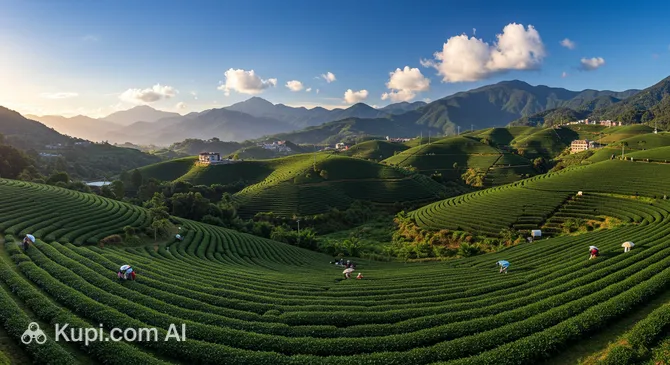
Gukeng. Illustration.
Source: Kupi.com AI

With a population of about 30,000 people, Gukeng maintains a cozy and safe environment where every corner breathes serenity. Despite its modest size, the town plays an important role in the region's life, serving as a center for local culture and carefully preserved traditions. Here, ancient customs are harmoniously interwoven with the modern way of life.

The main charm of Gukeng lies in its soul-stirring atmosphere and proximity to nature. The town is surrounded by famous tea plantations and dense forests that provide fresh mountain air. It seems designed for leisurely strolls along shady streets, meeting smiling locals, and contemplating picturesque mountain landscapes. One of the key features is the opportunity to visit local coffee farms, as Gukeng is renowned for its high-quality coffee.

If you are looking for authentic Taiwan, appreciate natural beauty, and want to get to know the island's real, living culture, then a trip to Gukeng will give you unforgettable impressions and allow your soul to rest.

You can find more interesting facts on the history of Gukeng page.
Weather Overview

The weather in Gukeng is characterized by warm and humid summers, as well as cooler and drier winters. Average monthly temperatures vary from about 16.8°C in January to 26.7°C in July. The highest amount of precipitation falls in the summer months, especially in August, when an average of about 13 mm of rain and 27 rainy days are recorded. Winter months, such as January and December, are the driest, with rainfall levels around 2 mm and approximately 9-12 rainy days. Expect warm summers with occasional rain and cooler, mostly dry winters.

To get more detailed information about weather conditions by month, you can visit the Climate of Gukeng page.

Average monthly temperature

Average monthly precipitation

Interesting Facts

In addition to its picturesque landscapes and hospitality, Gukeng holds many surprising stories and facts that make it a truly special place. Here are just a few of them:

Gukeng Green Tunnel. Illustration.
Source: Kupi.com AI

Traveler photos:

  • Gukeng is the heart of Taiwan's tea production, especially famous for its high-mountain oolong. There is a beautiful legend that local tea owes its unique honey-fruit aroma to small cicadas. It is believed that their bites start the fermentation process in the tea leaves while they are still on the bush, giving the drink a matchless taste.

  • The town is considered the cradle of many of the island's tea traditions. Local farmers proudly continue centuries-old methods of growing and processing tea, which is exported all over the world, making Gukeng famous far beyond Taiwan.

  • Every year, vibrant tea harvesting festivals take place in Gukeng. During this time, the town is filled with the scent of fresh leaves, the streets come alive with colorful parades, and workshops on the art of brewing authentic Taiwanese oolong are held for everyone interested.

  • Beyond tea, Gukeng is renowned for its craft traditions. Arts such as unique pottery and fine wood carving still flourish here. The secrets of the craft are carefully passed down from generation to generation, and the works of local artisans are highly valued by collectors.

How to Get There

Gukeng is a picturesque town tucked away among the hills, so it does not have its own airport. Travelers will need to combine a flight with ground transportation. Since Taiwan has a well-developed transport system, the journey to your destination will be a comfortable part of your adventure. You can find all the details and explore all the ways to get to the city on our dedicated page.

The most convenient option for arrival is Taichung International Airport (IATA: RMQ). Please note that it is located in Shalu, approximately 68.7 km from Gukeng. It is an important regional hub receiving many flights. A trip from the airport to Gukeng by taxi or bus with transfers will take about 2 hours.

An alternative option is Tainan Airport (IATA: TNN), located 85.2 km from the city. It is smaller but can be convenient if your route takes you through the southern part of the island. The journey time will be approximately 2 hours and 30 minutes.

Below is information on the nearest airports for route planning:

AirportPassenger trafficDistance
Chiayi Airport100 00027 km
Taichung Airport2.1 mln57 km
Taichung International Airport2.1 mln69 km
Tainan Airport469 33885 km
Magong Airport2.4 mln96 km

The railway is one of the most popular ways to travel around the island, but there is no station in Gukeng itself. When planning a train trip, it is important to distinguish between two types of lines:

  • Regular Trains (TRA): These arrive at Douliu station, which is in the neighboring large city, just a few kilometers from Gukeng. From Douliu station, you can easily reach your destination by local bus or taxi.
  • High-Speed Rail (THSR): If you prefer speed, you need to go to Yunlin (Yunlin HSR Station). It is important to know that this station is located in the town of Huwei, not in Douliu. A transfer (shuttle bus or taxi) is also required from Yunlin station to Gukeng, which takes about 30-40 minutes.

Main Attractions

Gukeng, a charming corner of Taiwan, offers travelers the chance to discover unique places that combine natural beauty with local flavor. Here, everyone will find something interesting, from picturesque landscapes to cultural sites and gastronomic discoveries.

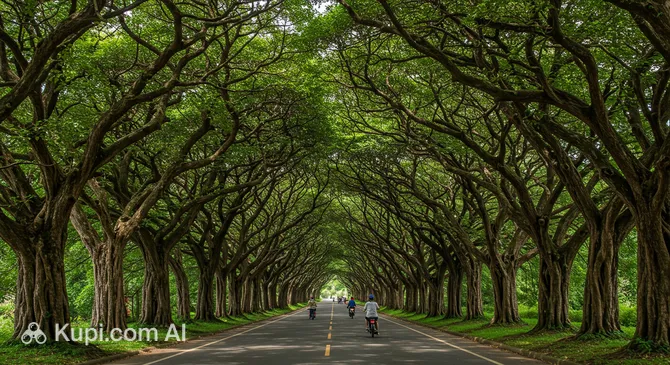
One of the most recognizable attractions is the Gukeng Green Tunnel. This is a scenic road lined with densely growing mango trees that intertwine their canopies to form a natural green archway. Walking or cycling through this tunnel feels like stepping into a fairy tale and is a favorite spot for photo shoots. It is especially beautiful on sunny days when the rays break through the foliage, creating a play of light and shadow.

Gukeng Green Tunnel. Illustration.
Source: Kupi.com AI

Traveler photos:

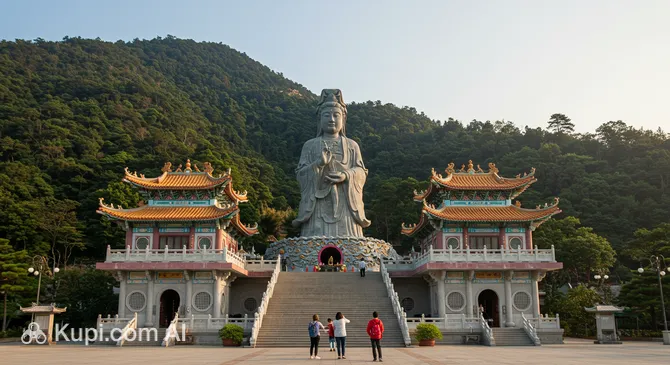
For those interested in spiritual culture, the Jiande Temple on Mount Lingtai (Temple of the Mother Earth) is a must-visit. This temple attracts visitors not only with its architecture and religious significance but also with its peaceful atmosphere and the wonderful views from the mountain. It is a place of power and tranquility where you can touch local traditions and enjoy the silence.

Lingtaishan Jiande Temple (Earth Mother Temple). Illustration.
Source: Kupi.com AI

Traveler photos:

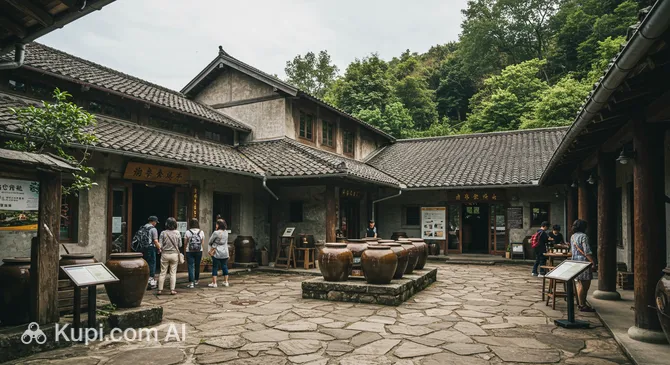
Fans of unusual flavors and local production should stop by the Fu Lu Shou Tourist Distillery. Here you can learn about the process of creating local drinks, taste the products, and purchase unique souvenirs. It is a great place to get acquainted with local winemaking traditions and spend time both usefully and enjoyably.

Fortune God Distillery. Illustration.
Source: Kupi.com AI

Traveler photos:

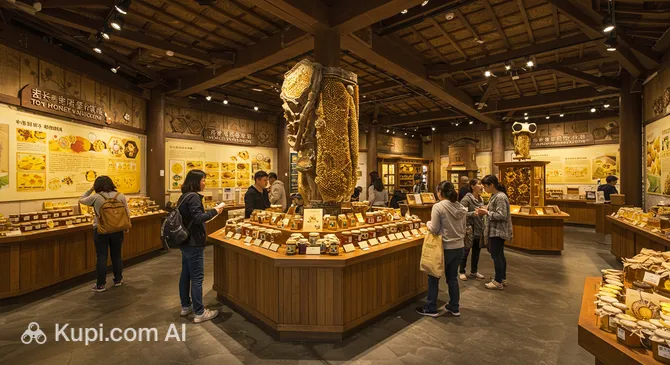
Another interesting spot is the Honey Museum. This museum is dedicated to beekeeping and honey production, for which the region is famous. Visitors can learn a lot about the life of bees, the honey harvesting process, its beneficial properties, as well as taste and purchase various types of local honey and honey-based products. This educational and "sweet" place will be interesting for both adults and children.

Honey Museum. Illustration.
Source: Kupi.com AI

Traveler photos:

Local Cuisine

The gastronomic scene of Gukeng is a unique blend of tea traditions and the freshness of local products. The culinary hallmark of the town is undoubtedly dishes where the famous local oolong tea takes center stage. You must try the tea-boiled eggs: they acquire a subtle, faint tea aroma and a rich, deep flavor. Various desserts with added tea powder are equally popular—from delicate, melt-in-your-mouth cakes to refreshing ice cream with tea notes.

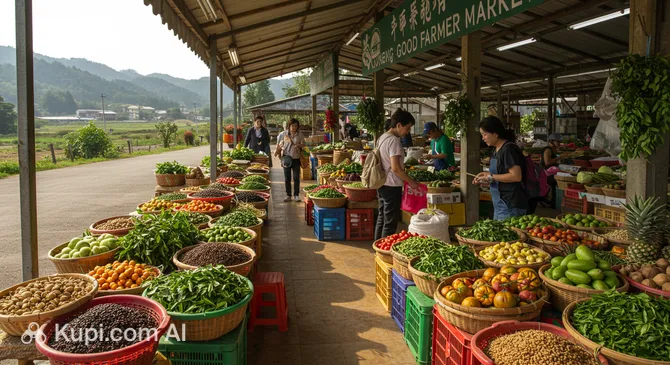
At street markets and numerous eateries in Gukeng, a true abundance of fresh vegetables grown on the fertile slopes of the surrounding hills awaits you. Here, you can also taste classic Taiwanese snacks, such as aromatic fried tofu, hearty rice rolls, and juicy dumplings. A special place in local cuisine is held by dishes made from fresh river fish and seafood, skillfully prepared with spicy sauces and fresh herbs. To fully experience the atmosphere and variety of local produce, stop by the Gukeng Farmers' Market, where you can not only buy the freshest ingredients but also observe the daily life of the townspeople.

Gukeng Good Farmer Market. Illustration.
Source: Kupi.com AI

Traveler photos:

Regarding beverages, the crown certainly belongs to the local oolong tea. In Gukeng, there are many tea shops where you can not only buy various types of this noble drink but also taste them and learn about the nuances of the tea ceremony. In addition to tea, you should pay attention to freshly squeezed juices from local fruits. Alcoholic beverages are less widely represented, but you can find local beer and some types of rice wine.

The dining culture in Gukeng is very casual. Locals and tourists alike enjoy eating at small family restaurants or right on the street from food stalls. The town is also famous for its food festivals, many of which are dedicated to tea and local culinary traditions. This is a great opportunity to try authentic dishes, participate in workshops, and learn the secrets of making the most popular Taiwanese treats, making Gukeng an attractive destination for gourmets.

Travel Tips

Welcome to Gukeng, a charming corner of Taiwan, famous for its aromatic coffee and picturesque landscapes! To ensure your journey to this cozy town goes smoothly and leaves only pleasant impressions, we have prepared some practical tips.

  1. Clothing and Essentials:

    The climate in Gukeng is subtropical, so choose clothing according to the season. In summer (May-September), it is hot and humid, and rain is common—take light, breathable clothing and a raincoat. In winter (December-February), it can be cool, especially in the hilly areas, so layered outfits will be useful. Be sure to bring comfortable shoes for walking through coffee plantations and natural trails. Don't forget sunscreen, a hat, and insect repellent. For electronics, you will need an adapter (Taiwan uses Type A and B sockets, 110V). When visiting temples, should you encounter any, show respect by choosing modest clothing that covers your shoulders and knees.

  2. Transport:

    Gukeng is a small town, and the main form of public transport here is buses. Their schedules should be checked in advance. Taxis are available but may be less common than in big cities. To explore the surrounding Yunlin County and coffee farms, you might consider renting a scooter (with an international driving permit) or a car. Within Gukeng itself, many interesting places can be reached on foot, allowing you to enjoy the slow pace of life.

  3. Finances:

    The local currency is the New Taiwan Dollar (NTD or TWD). It is best to exchange money at the airport upon arrival or at banks in major cities; in Gukeng itself, exchange options may be limited. Credit cards (Visa, Mastercard) are accepted in hotels and some larger establishments, but in small cafes and local markets, cash is preferred. ATMs exist, but it's better to carry some cash. Tipping is generally not expected in Taiwan, as a 10% service charge is often already included in restaurant bills.

  4. Health and Safety:

    Taiwan in general and Gukeng in particular are very safe places. However, standard precautions are always wise. Pharmacies (look for a green cross) are available, but staff may not always speak English. It is recommended to have a basic first-aid kit and essential to have travel medical insurance. In case of serious health problems, you may need to visit clinics in neighboring larger cities. Monitor the weather forecast, especially during typhoon season (June-October).

  5. Communication:

    The official language is Mandarin Chinese. Locals also speak the Taiwanese dialect (Hokkien). English proficiency is limited, especially among the older generation and in smaller towns like Gukeng. Learn a few basic phrases: "Ni hao" (Hello), "Xie xie" (Thank you), "Duo shao qian?" (How much does it cost?). An offline translator on your phone will be very useful. A SIM card with internet access is easy to buy at the airport or mobile service stores. Wi-Fi is available in many hotels, cafes, and public places.

  6. Local Etiquette:

    People in Taiwan are friendly and polite. Greet people with a slight bow or the words "Ni hao." In public places, try not to be noisy and follow queues. When visiting someone's home, it is customary to remove your shoes. If you are offered food, try it with gratitude. In Gukeng, a center of coffee culture, show interest and respect for local traditions and products.

  7. What to Avoid:

    Try not to engage in discussions on sensitive political topics unless a local resident starts the conversation themselves. Do not litter—Taiwan is famous for its cleanliness. It is also considered impolite to point at people or objects with one finger; it is better to use an open palm.

  8. Special Tip for Gukeng:

    Gukeng is the heart of Taiwanese coffee! Be sure to plan a visit to one of the local coffee farms, try freshly brewed coffee, and perhaps even participate in the harvest or a workshop. Also, look out for the "Green Tunnel"—a picturesque tree-lined road perfect for walks and photos. If your trip coincides with the Taiwan Coffee Festival (usually in November), it will be an unforgettable experience.

We hope these tips help you better prepare for your trip and fully enjoy the hospitality and unique atmosphere of Gukeng. Have a great trip and wonderful discoveries!

Entertainment & Nightlife

In the evenings, Gukeng offers its guests a calm and cozy retreat rather than the noisy nightlife of big cities. You won't find districts with neon club signs open until dawn here, but you can enjoy an authentic atmosphere and local charm after sunset. The town's nightlife is centered around small restaurants, cafes, and opportunities to spend time in nature or at cultural sites that may be open in the evening.

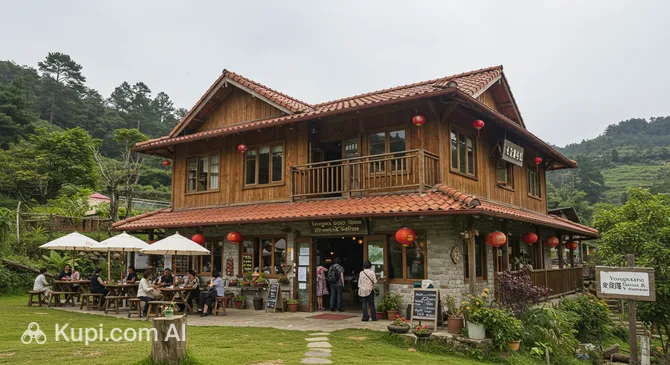
Instead of loud bars and discos, evening Gukeng invites you to leisurely strolls and heartfelt conversations in cozy venues. One such place is the Yongguang Story House and Café, where you can enjoy a cup of aromatic coffee or tea in a pleasant setting while discussing your impressions of the day. It is also worth checking out local restaurants offering Taiwanese cuisine—a dinner in such a place is the perfect end to the day.

Yongguang Story House & Casual Coffee. Illustration.
Source: Kupi.com AI

Traveler photos:

For those looking for a more refined experience, the Fu Lu Shou Tourist Distillery might be of interest. While the main program is usually scheduled for the daytime, some distilleries offer evening tastings or dinners at their on-site restaurants. We recommend checking evening availability and event schedules in advance.

Fortune God Distillery. Illustration.
Source: Kupi.com AI

Traveler photos:

When planning your evening leisure in Gukeng, it is best to check the operating hours of establishments in advance, as many may close earlier than in larger cities. Taxis are available for evening transportation; it is recommended to have local service contacts or ask your hotel or restaurant to call a car for you. Gukeng is generally considered a safe town, though standard precautions, as in any other place, are always wise.

During the day, Gukeng offers many interesting activities. You can visit attractions such as the famous Gukeng Green Tunnel, stroll through the Gukeng Farmers' Market, or learn more about local production at the Honey Museum. For history and culture lovers, there is the Jiande Temple on Mount Lingtai. These and other sites will help you create a rich itinerary for your stay in this corner of Taiwan.

Parks & Museums

Gukeng, a charming corner in Yunlin County, offers its guests not only picturesque landscapes but also the opportunity to touch local culture and history through its parks and museums. Here you can find both tranquil green oases and educational exhibitions that reflect the spirit of this region of Taiwan.

Among the city's green gems, the Gukeng Green Tunnel stands out. This is a truly magical place where tree canopies intertwine over the road, forming a natural green arch. It provides shade on a hot day and creates perfect conditions for leisurely walks, bike rides, or simply enjoying the silence. Tourists are drawn to its unique natural beauty and photogenic qualities.

Gukeng Green Tunnel. Illustration.
Source: Kupi.com AI

Traveler photos:

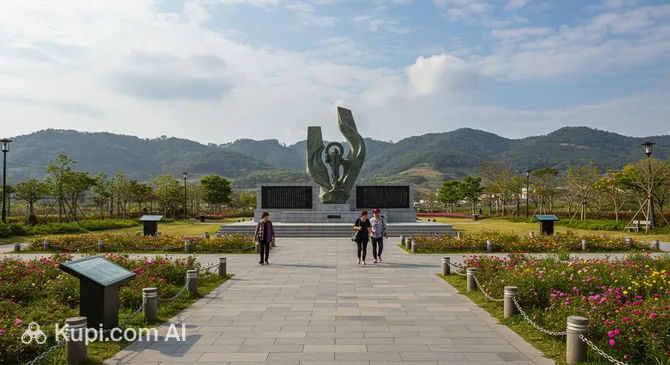
Another significant place for relaxation and reflection is the Yunlin 228 Memorial Park. This park not only provides a well-maintained green space for the recreation of residents and tourists but also carries deep historical meaning, reminding us of important events in Taiwan's history. Here you can stroll along shady paths and soak in the atmosphere of peace and remembrance.

Yunlin 228 Memorial Park. Illustration.
Source: Kupi.com AI

Traveler photos:

For those seeking to deeply understand the culture and lifestyle of Gukeng, the town offers several interesting museums. One of the most unusual is the Honey Museum. Visitors can learn all about the life of bees, the honey production process, its different varieties, and beneficial properties. Interactive exhibits and the chance to taste honey make a visit here engaging for the whole family. Equally noteworthy is the Yongguang Story House and Café. This place allows you to dive into the region's past, get to know local traditions and artifacts, and then enjoy a cup of aromatic coffee in a cozy, authentic setting.

Honey Museum. Illustration.
Source: Kupi.com AI

Traveler photos:

Yongguang Story House & Casual Coffee. Illustration.
Source: Kupi.com AI

Traveler photos:

History and spiritual culture enthusiasts should visit the Jiande Temple on Mount Lingtai (Temple of the Mother Earth). This majestic temple is not only an important religious center but also an architectural landmark. It impresses with its decoration, calm atmosphere, and the views of the surrounding landscapes from its grounds.

Lingtaishan Jiande Temple (Earth Mother Temple). Illustration.
Source: Kupi.com AI

Traveler photos:

If you want to feel the true flavor of Gukeng and take home authentic impressions, stop by the Gukeng Farmers' Market. Here you can chat with locals, try the freshest seasonal fruits and vegetables, and find unique handmade items. For a deeper immersion into local production traditions, an interesting experience would be a visit to the Fu Lu Shou Tourist Distillery, where you can learn about the creation of local drinks and perhaps taste their products.

Gukeng Good Farmer Market. Illustration.
Source: Kupi.com AI

Traveler photos:

Fortune God Distillery. Illustration.
Source: Kupi.com AI

Traveler photos:

Getting Around

Getting around Gukeng and its surroundings can be done in several ways, although given the size of the town, the public transport system here is not as extensive as in major metropolises. The main focus is on the bus service, which connects Gukeng with other settlements in Yunlin County and larger cities.

The main form of public transport in Gukeng is buses. There are local routes operating within the town and nearby villages, as well as intercity buses that can take you to major transport hubs. The cost of bus travel in Gukeng is generally affordable and depends on the distance; short trips around town can cost from a few dozen New Taiwan Dollars. Universal transport cards, such as EasyCard or iPASS, which are very popular in Taiwan, are typically used for payment. They can be topped up at most convenience stores. The card validation process is simple: it must be tapped against the reader when entering the bus, and on some routes—especially intercity ones or those where the fare depends on the distance traveled—also when exiting. This allows the system to correctly calculate the trip's cost. Cash payment directly to the driver is also possible, but in this case, it is advisable to have the exact amount as change might not be provided. It is recommended to check bus schedules in advance, especially if you plan to travel to less popular areas or on weekends. Some tourist routes may be served by special "Taiwan Tourist Shuttle" buses, offering a convenient way to reach the region's main attractions.

In addition to buses, you can use taxi services in Gukeng. This is a more expensive but more comfortable way to travel, especially convenient for trips with luggage or to places not served by buses. Taxi fares are generally metered. In tourist zones or for exploring the scenic surroundings of Gukeng, known for its coffee plantations, scooter or bicycle rental is popular. This gives you more freedom of movement and allows you to enjoy nature at your own pace. Rental points can be found in the busier parts of the town or near tourist sites.

Tourists planning to use public transport in Gukeng should purchase a transport card for convenience and savings. Information on routes and bus schedules can often be found at bus stops, tourist information centers, or online. Keep in mind that stop announcements are not always dubbed in English, so it is useful to have a map or use a navigation app on your smartphone. Public transport usually operates from early morning until evening, but the frequency of trips may decrease in the evening hours.

Accommodation

When planning a trip to Gukeng, you will find a variety of accommodation options to suit different budgets and preferences. Guesthouses, small hotels, and potentially room or apartment rentals are available in and around the town, offering both budget-friendly and more comfortable living conditions.

When choosing a place to stay, consider areas located near major attractions or transport hubs. For example, staying near sites like the Gukeng Green Tunnel or the Yongguang Story House and Café can be convenient for exploring the town. The central part of Gukeng also offers good access to local infrastructure.

The price range for housing in Gukeng varies from budget options to mid-range levels. Although specific hotel information is not provided in the data, travelers can usually find suitable options through popular online booking platforms or by contacting selected accommodations directly. It is recommended to book accommodation in advance, especially if your trip coincides with peak tourist season or local festivals, to ensure the best choice and prices.

Nearby Cities

For those who want to explore the surrounding area, Gukeng serves as an excellent starting point for day trips to several interesting nearby locations:

CityPopulationDistance
Douliu107 9247 km
Meishan18 1647 km
Dounan43 36010 km
Dapi18 17810 km
Dalin29 93712 km

These nearby destinations provide a glimpse into the diverse culture and landscapes of the Taiwan region. For example, a trip to Chiayi will give you access to the famous Alishan mountain area and allow you to stroll through the historic Hinoki Village. Douliu, the administrative center of Yunlin County, attracts visitors with its Taiping Old Street and lively markets. And Zhushan is known for its Zinan Temple, one of the most revered in Taiwan, and its proximity to picturesque bamboo forests. A trip to any of these cities will bring you new impressions and complement your journey around the island.

Shopping & Souvenirs

Shopping in Gukeng is primarily an opportunity to purchase authentic local products and souvenirs that reflect the agricultural nature of the Yunlin region and its famous coffee culture. The town is not known for large shopping malls but charms with unique goods that are hard to find elsewhere.

Major retail outlets and souvenir shops in Gukeng are often located near popular tourist spots. For example, in the area of the Gukeng Green Tunnel, you can find stalls with local delicacies, fresh fruits, and handmade items. It is also worth strolling through the town's central streets, where you will find small family-run shops offering a variety of goods.

In Gukeng, you will not find large modern shopping malls. Shopping here is more intimate and traditional, focused on small specialized stores, markets, and shops attached to attractions.

Special attention should be paid to the local markets. One such market is the Gukeng Farmers' Market, where you can buy the freshest seasonal fruits, vegetables, local snacks, tea, and other products from farmers. This is a wonderful place to feel the local flavor and taste the gifts of Yunlin's fertile land.

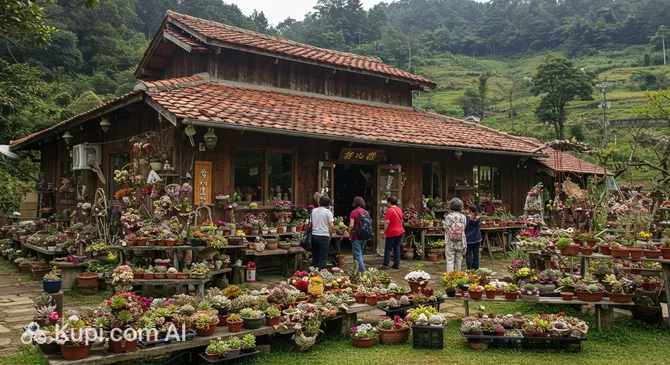
Among the souvenirs definitely worth bringing back from Gukeng, local coffee is at the top of the list. This region is famous for its high-quality coffee, which can be purchased both as beans and ground in many coffee shops and specialized stores, such as at the Yongguang Story House and Café. Beekeeping products found at the Honey Museum are also popular—these include various types of honey, honey sweets, and cosmetics. Fans of original drinks might enjoy local liqueurs or wines, available, for example, at the Fu Lu Shou Tourist Distillery. For unique handmade souvenirs, succulents, or floral compositions, you can visit the Chuan Le-zi Creative Workshop.

Chuang Lezi Lifestyle Workshop – Succulent and Floral Crafts. Illustration.
Source: Kupi.com AI

Traveler photos:

Shops in Gukeng are typically open from 10:00-11:00 AM until 9:00-10:00 PM. However, small private shops and markets may have their own more flexible schedules, often closing earlier or only operating on certain days. As for payment, some tourist shops and cafes may accept credit cards, but in markets and most small establishments, it is preferable to have cash—New Taiwan Dollars (NTD).

Foreign tourists shopping in Taiwan can take advantage of the Value Added Tax (VAT) Refund system. To do this, you must make a purchase of a certain amount (usually from 2,000 NTD in one store in one day) at shops displaying the "Tax Free Shopping (TRS)" sign. You must present your passport at the time of purchase, and the seller will issue a special receipt. The tax refund can be collected at the airport upon departure from the country.

Reached the end of the page?

That means the route is fully explored