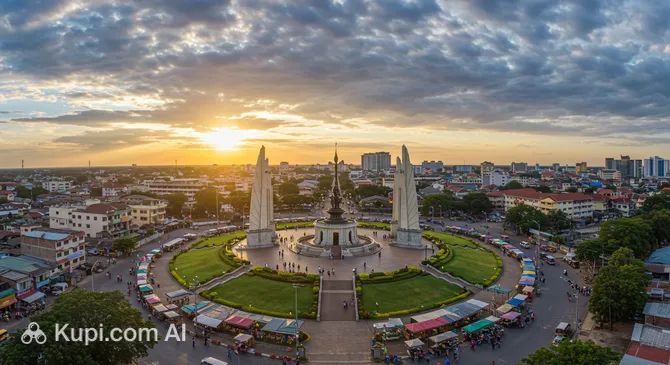
Nakhon Ratchasima, often referred to by locals simply as Korat, is a vibrant city serving as the gateway to the colorful northeastern Isan region of Thailand. Located about 260 kilometers from Bangkok, Korat harmoniously combines ancient traditions with a modern pace of life, sitting at the junction of picturesque hills and vast rice fields. This city is an important administrative and cultural center.
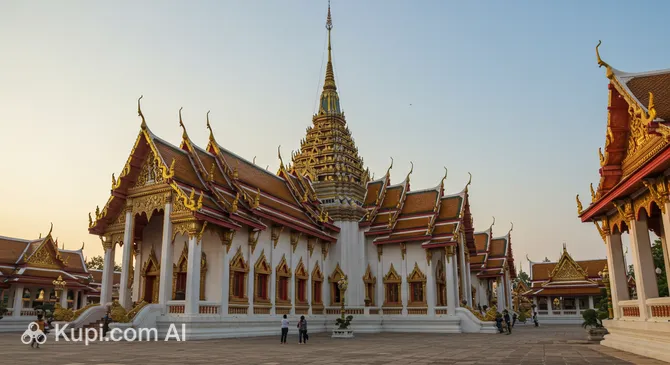
Nakhon Ratchasima. Illustration.
Source: Kupi.com AI
With a population of about 134,000 people, Nakhon Ratchasima is one of the largest cities in northeastern Thailand. The atmosphere here is unique: a blend of provincial tranquility and the dynamism of a major hub. Guests can expect bustling markets, modern shopping centers, cozy cafes, and a variety of cultural events. Korat is famous for its sincere hospitality, which makes every traveler feel like a welcome guest.
Among the attractive features of Nakhon Ratchasima is the opportunity to explore ancient temples, touch history by visiting sites related to ancient civilizations, and enjoy nature in nearby national parks. The city offers a unique chance to experience authentic Isan culture and sample local cuisine. A visit to Nakhon Ratchasima will undoubtedly give you vivid impressions and allow you to gain a deeper understanding of multifaceted Thailand.
In Nakhon Ratchasima, a tropical climate with distinct seasons awaits you. Expect a hot rainy season from approximately May to October, when the highest amount of rainfall occurs (especially in September, with up to 25 rainy days); a very hot and predominantly dry period in March and April, when temperatures can reach 35.3°C; and a cooler dry season from November to February with average temperatures around 24-26°C and minimal rainfall.
Beyond its famous landmarks, Nakhon Ratchasima, or Korat as it is affectionately called by locals, hides many surprising stories and features. This city is not just a point on the map of Thailand, but a place with a rich past and vibrant culture, ready to surprise even the seasoned traveler.
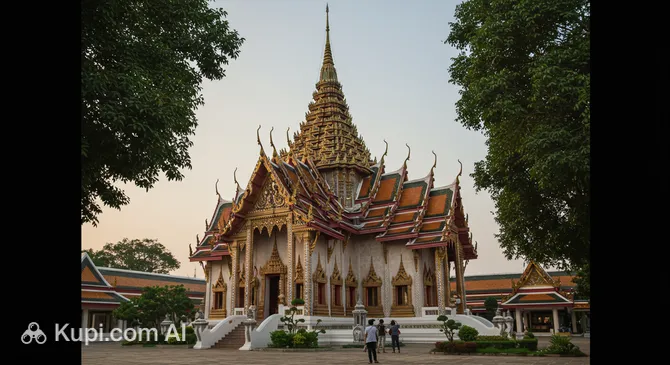
Wat Sala Loi. Illustration.
Source: Kupi.com AI
Traveler photos:
Nakhon Ratchasima is rightfully considered the "gateway" to the Isan region – the most authentic and less-explored corner of Thailand for tourists. It is here that you can hear the unique Isan dialect and get acquainted with traditions that have been carefully preserved for centuries.
Near the city is Phimai – one of the oldest and most significant Khmer temple complexes. Surprisingly, it was built even earlier than the famous Angkor Wat in Cambodia, offering travelers a unique opportunity to touch the secrets of ancient civilizations without leaving Thailand.
Korat is the birthplace of the legendary heroine Thao Suranari, better known as Ya Mo. Her bronze statue, erected in the city center, is a symbol of courage and ingenuity. According to legend, she saved the city from invaders. Every year, grand festivals are held in her honor, attracting many people.
Among the city's vivid traditions is the celebration of the Lunar New Year, accompanied by colorful fireworks, folk dances, and an abundance of street treats. And the famous night markets of Nakhon Ratchasima are a real kaleidoscope of goods, from antiques to exotic fruits, where life hums until late at night.
How to Get There
There are several ways to get to Nakhon Ratchasima, one of the key cities in northeastern Thailand, though there are no direct international flights to the city itself. The most common route for international tourists is flying into one of Bangkok's major airports, followed by a ground transfer.
The country's main aviation hub is Suvarnabhumi Airport (IATA: BKK), located in Bangkok, approximately 202 km from Nakhon Ratchasima. This large international airport receives most flights from around the world. After arrival, you can reach Nakhon Ratchasima by bus or taxi; the trip takes approximately 5–5.5 hours.
Another popular option is Don Mueang International Airport (IATA: DMK), also located in Bangkok, about 198 km from Nakhon Ratchasima. It serves many budget airlines and a large number of domestic flights. The travel time to Nakhon Ratchasima from here is also about 5 hours.
For those considering domestic flights within Thailand, the closest airport to Nakhon Ratchasima is Buriram Airport (IATA: BFV), located in the city of the same name about 129 km away. This is a small regional airport from which Nakhon Ratchasima can be reached in about 3.5 hours. Additionally, intercity buses run regularly from Bangkok to Nakhon Ratchasima, which is a more budget-friendly travel option.
For clarity, here is summary information on the main airports through which you can reach Nakhon Ratchasima:
Nakhon Ratchasima, also known as Korat, offers its guests a variety of attractions that combine cultural heritage, modern entertainment, and natural beauty. Here are several places that should definitely be included in your itinerary.
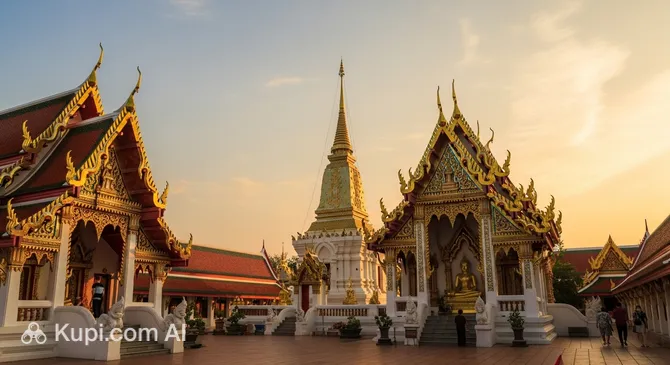
One of the city's iconic shrines is Wat Sala Loi. This temple attracts visitors with its unusual ship-like architecture and peaceful atmosphere. It was built at the initiative of Thao Suranari, the region's revered heroine, and is an important site for pilgrimage and cultural heritage, where one can connect with Thailand's history and spirituality.
Wat Sala Loi. Illustration.
Source: Kupi.com AI
Traveler photos:
For fans of shopping and unique experiences, Terminal 21 Korat is a must-visit. This shopping and entertainment center is designed with an airport concept, where each floor represents a famous city in the world – from Tokyo to London. Here, you can not only shop in numerous stores but also taste dishes from various world cuisines and take interesting photos against the backdrop of themed installations.
Terminal 21 Korat. Illustration.
Source: Kupi.com AI
Traveler photos:
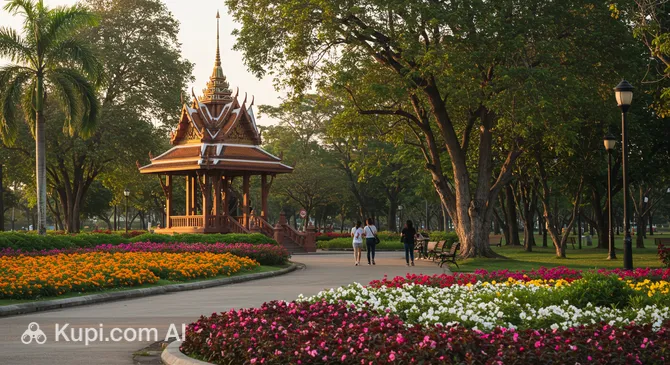
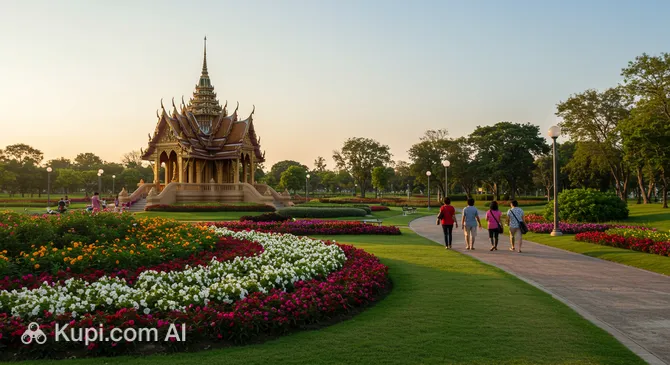
If you are looking for a place to relax in nature within the city limits, head to Suan Rak Park. This picturesque public park offers shaded alleys, a lake where you can ride swan boats, and well-kept lawns perfect for walks, picnics, or just a quiet time. It is a popular spot among locals for morning jogs and family outings.
Suan Rak Park. Illustration.
Source: Kupi.com AI
Traveler photos:
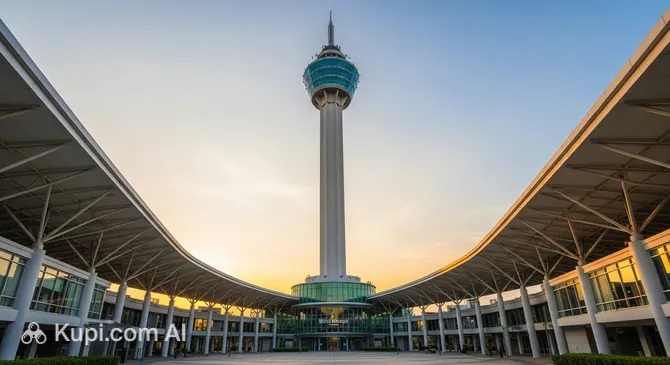
For panoramic views of Nakhon Ratchasima, it's worth visiting Skydeck Tower. This observation deck, located at a significant height (often part of a shopping mall or hotel), offers breathtaking views of the city skyline and its surroundings. It is especially beautiful here at sunset when the city is painted in warm tones, or in the evening when the city lights come on.
Skydeck Tower. Illustration.
Source: Kupi.com AI
Traveler photos:
History and Buddhist culture enthusiasts will also find Wat Phayap interesting. This old temple is known for its beautiful architecture and calm atmosphere, offering visitors a chance to learn about traditional Thai architecture and religious practices.
Wat Phayap. Illustration.
Source: Kupi.com AI
Traveler photos:
Local Cuisine
The cuisine of Nakhon Ratchasima, or Korat, as it's affectionately known by locals, is a true gastronomic journey into the heart of the Isan region, famous for its bright, hot, and spicy dishes. Here you can enjoy authentic flavors that are hard to find anywhere else in Thailand. The city's food scene attracts tourists with its diversity and accessibility, offering both traditional street delicacies and more refined restaurant dishes.
Be sure to try Pad Thai Korat – a local variation of the famous Thai fried noodle dish, featuring a richer and more piquant sauce. Another culinary hit is som tam, a spicy green papaya salad, which in Korat is prepared with special passion, adding fermented fish sauce for depth of flavor. Don't miss the chance to taste Korat Sausage (Sai Krok Korat) – a juicy, slightly sour sausage made of pork and rice, usually grilled and served with fresh garlic and hot chilies. It is a popular snack often found at street markets.
Tee Noi Suki Terminal 21 Korat. Illustration.
Source: Kupi.com AI
Traveler photos:
The dining culture in Nakhon Ratchasima is very democratic. Locals and tourists alike enjoy eating at lively night markets such as the famous Saveone Night Market and RN Yard, where the air is filled with the aromas of cooking food. Street food here is an art form: from various skewers and soups to fresh seafood and desserts. Of course, the city also has many restaurants for every taste and budget, where you can enjoy both local and international cuisine. For example, you can visit Ti Noi Suki Terminal 21 Korat to experience the popular "suki" format.
Regarding drinks, in Korat, as in all of Thailand, fresh juices from exotic fruits, iced Thai milk tea (cha-yen), and local beer are popular. Among non-alcoholic options, water and sodas are always available. Those with a sweet tooth should look for local desserts, often made with coconut milk, rice, and tropical fruits. The city is also known for its food festivals, where you can sample the region's best dishes and immerse yourself in the atmosphere of a culinary celebration.
Travel Tips
Welcome to Nakhon Ratchasima, or as the locals affectionately call it, Korat! To ensure your journey through this bustling city, which serves as the gateway to the colorful Isan region, goes smoothly and leaves only pleasant memories, we have prepared some practical tips.
Clothing and Essentials: A tropical climate prevails in Nakhon Ratchasima, so pack light, breathable clothing made of cotton or linen. Be sure to bring comfortable shoes for long walks, sunscreen, a hat, and mosquito repellent, especially if you plan trips into nature. For visiting temples and shrines, such as the Thao Suranari Monument, you will need clothing that covers shoulders and knees. Don't forget a universal adapter for electronics (in Thailand, plug types A, B, C, F, and O are used; voltage is 220V).
Transport: It is convenient to get around Nakhon Ratchasima by songthaew – popular route pickups with two benches. Taxis (ensure the driver turns on the meter or agree on a price in advance) and tuk-tuks for short trips are also available. For more convenience, you can use a ride-hailing app like Grab. Car rental is possible, but keep in mind that traffic in Thai cities can be chaotic; an international driving permit is required.
Finance: The national currency is the Thai Baht (THB). You can exchange money at banks or official exchange offices; the rate is usually better than at the airport. Credit and debit cards (Visa, Mastercard) are accepted in large hotels, restaurants, and shopping centers, but for markets, street food, and small shops, always have cash on hand. ATMs are widespread, but there is a fee for withdrawing cash from foreign cards. An approximate daily budget in Nakhon Ratchasima can vary: 800-1200 baht is enough for a budget trip, 1500-2500 baht for mid-range comfort, and from 3000 baht and up for a more comfortable stay. These amounts usually include accommodation, food, and local travel. Tipping is not mandatory but appreciated for good service (10-20 baht or rounding up the bill in cafes, 20-50 baht for hotel staff).
Health and Safety: Pharmacies (Thai "ran khai ya") are easy to find, especially near shopping centers; some pharmacists speak English. In case of a need for serious medical care, Nakhon Ratchasima has hospitals with a good level of service for tourists. Be sure to get travel insurance. The city is generally safe, but follow standard precautions: watch your belongings in crowded places and avoid walking alone in poorly lit areas late at night.
Communication: The official language is Thai; the Isan dialect is also common in the Isan region. English is understood in tourist spots, but knowing a few basic Thai phrases (e.g., "Sawatdee" – hello/goodbye, "Khop khun" – thank you, "Tao rai?" – how much?) will significantly ease communication and be warmly received by locals. A SIM card with internet access can be bought at the airport or at 7-Eleven stores. Wi-Fi is available in most hotels and cafes.
Local Etiquette: Thais value politeness highly. The traditional greeting is the "wai" (palms pressed together at chest or face level with a slight bow). Avoid touching the heads of locals (the head is considered sacred) and do not point at anyone or anything with your foot (feet are considered the "low" part of the body). Always remove your shoes before entering a temple or a private home. Show respect to the King and members of the royal family.
What to Avoid:Categorically avoid any disrespectful remarks or actions toward the Thai monarchy or Buddhist shrines – this can lead to serious consequences. You should also avoid participating in gambling, which is prohibited in Thailand (except for the state lottery).
Extra Tip – Explore the Surroundings:Nakhon Ratchasima is not just the city itself, but also a great starting point for exploring Isan culture. Consider visiting the ancient Khmer temple complex of Prasat Hin Phimai or Khao Yai National Park (though it requires a separate trip, it is the jewel of the region). This will allow you to dive deeper into the history and nature of northeastern Thailand.
We are sure that Nakhon Ratchasima will charm you with its authenticity and hospitality. By following these simple recommendations, your trip to this corner of Thailand will be even more comfortable and full of bright discoveries. Enjoy every moment!
Entertainment & Nightlife
Nakhon Ratchasima, also known as Korat, offers its guests various opportunities for evening and nightlife. While the city may not boast the same scale of nightlife as Bangkok or Pattaya, there are many interesting places where you can have a great time after sunset.
The main concentration of evening entertainment is found in the city center area, as well as near large shopping centers such as The Mall Korat and Terminal 21 Korat. Late-night restaurants and bars are often located around them. Night markets are popular places for evening strolls and dinner, where you can try local street food and buy souvenirs. One well-known night market is the market at the Chumphon Gate.
The Mall Korat. Illustration.
Source: Kupi.com AI
Traveler photos:
The atmosphere in Nakhon Ratchasima's nightlife venues is predominantly relaxed and friendly. You can meet both locals and tourists here. Most bars offer a wide selection of drinks, including local beer and cocktails, as well as live music or DJ sets. The dress code is usually casual, but some more upscale clubs or lounge bars may not allow overly casual beachwear. Venues usually start to come alive after 9:00-10:00 PM and operate until 1:00-2:00 AM, though some may close later.
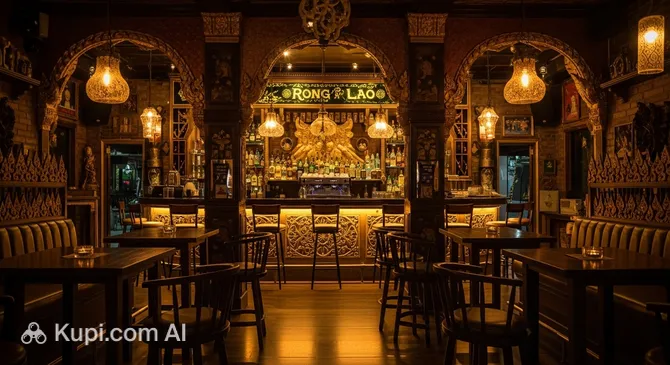
Among specific establishments, several popular bars stand out. For example, Rong Lao is known for its authentic atmosphere and good drink selection. Another place worth visiting is FAT BOY Tavern, which offers a cozy environment and a diverse menu. For dinner, you might consider the Ti Noi Suki Terminal 21 Korat restaurant, located in the shopping center of the same name.
Rong Lao. Illustration.
Source: Kupi.com AI
Traveler photos:
Practical Tips: The best time to visit most nightlife spots is after 10:00 PM. Average drink prices in bars vary but generally remain affordable; for example, a local beer can cost around 80-150 baht, and cocktails from 150-250 baht. Moving around the city at night is most convenient by taxi or tuk-tuk; it is recommended to use official taxis or ride-hailing apps. Central areas of the city are considered relatively safe for night walks, but standard precautions should always be observed: watch your belongings and avoid poorly lit and deserted areas.
FAT BOY Tavern. Illustration.
Source: Kupi.com AI
Traveler photos:
As for daytime entertainment, Nakhon Ratchasima also offers interesting options. Guests can visit historical temples such as Wat Sala Loi or Wat Pa Salawan. For family outings, visiting parks like Phumirak Park or Suan Rak Park is ideal. Active leisure seekers might consider visiting HarborLand Korat.
Parks & Museums
Nakhon Ratchasima, also known as Korat, offers its guests a pleasant combination of well-maintained green spaces for relaxation and significant cultural sites reflecting the rich history and traditions of the region. Here you can find quiet corners for connecting with nature as well as places where the past comes to life.
Among the popular places for walks and outdoor recreation, Phumirak Park stands out. This spacious park is a favorite spot for locals for sports, picnics, and family leisure. It features lakes, manicured lawns, and shaded alleys, creating a wonderful atmosphere for relaxation. Another great green space is Suan Rak Park, which also offers visitors the chance to enjoy nature within the city limits. It is smaller but very cozy, with beautiful flower beds and seating areas, ideal for leisurely strolls.
Phumirak Park. Illustration.
Source: Kupi.com AI
Traveler photos:
While Nakhon Ratchasima may not have a large number of traditional Western-style museums, its cultural heritage is vividly represented in numerous temples (wats), which are true treasure troves of history and art. One of the most revered and architecturally interesting is Wat Sala Loi. This temple is known for its unusual ship-like architecture and its connection to the legendary heroine Thao Suranari. It attracts both pilgrims and tourists interested in Thai culture and unique temple buildings.
Wat Sala Loi. Illustration.
Source: Kupi.com AI
Traveler photos:
Another significant temple is Wat Pa Salawan, offering visitors a peaceful atmosphere and a chance to learn about Buddhist traditions in a calm setting. It is also worth noting Wat Phayap, which houses ancient artifacts and is an important spiritual center of the city. Visiting these temples allows for a deeper understanding of the history and cultural roots of Nakhon Ratchasima.
Wat Pa Salawan. Illustration.
Source: Kupi.com AI
Traveler photos:
Beyond parks and temples, Nakhon Ratchasima offers other opportunities to experience local life. For example, a walk through the bustling local markets will let you feel the authentic atmosphere, taste regional dishes, and purchase souvenirs. For family leisure or entertainment, consider visiting HarborLand Korat, a popular indoor amusement park.
For a truly authentic experience, don't limit yourself only to the most famous spots. Peek into smaller, less touristy temples or spend time observing the daily life of citizens in one of the many street cafes. Also, worth visiting is the Skydeck Tower observation deck, which offers a panoramic view of the city and its surroundings, particularly impressive at sunset, allowing you to see Korat from a new perspective.
Getting Around
There are several ways to get around Nakhon Ratchasima, also known as Korat. The main form of public transport here is the songthaew – a type of shared taxi, which is a covered pickup truck with two rows of benches in the back. Songthaews run on specific routes covering key points in the city but can also deviate from them by agreement with the driver for individual trips. A songthaew ride within the city usually costs between 10-20 baht.
In addition to songthaews, local buses also operate in the city and its surroundings. They can be useful for traveling longer distances within the city or reaching nearby settlements. The main Nakhon Ratchasima Bus Terminal 2 serves as an important transport hub for intercity and some local bus routes.
The payment system for public transport in Nakhon Ratchasima is quite simple. In songthaews and most local buses, payment is made in cash directly to the driver or conductor. As mentioned, the fare for a songthaew in the city is usually low. It is recommended to carry small bills. Generally, there are no specialized tourist travel cards or unified transport apps for all types of transport in the city.
For shorter and individual trips, tuk-tuks and motorcycle taxis (locals call them "motosai") are popular. The price for a tuk-tuk ride should always be negotiated in advance, before boarding, as there are no fixed rates and the price depends on the distance and your bargaining skills; a short trip can cost from 60 to 150 baht. Motorcycle taxis are a fast way to reach your destination over a short distance, especially in heavy city traffic, and will cost around 30-60 baht for a short distance.
Taxi services are also available in Nakhon Ratchasima. Some of them are equipped with meters (taxi-meters), and in this case, you should ensure the driver turns it on at the start of the trip; the initial fare is usually around 35-40 baht. If there is no meter or the driver offers a fixed price, agree on the cost before getting into the car. Additionally, popular mobile ride-hailing apps like Grab operate in the city, allowing you to see the estimated trip cost in advance and pay by card or cash.
Tickets for intercity buses are purchased at the bus terminal ticket offices. Public transport, such as songthaews and local buses, usually starts early in the morning and ends in the evening, though their frequency may decrease during late hours. Bicycle rentals or car-sharing systems are not as widespread in Nakhon Ratchasima as in major tourist capitals, but private motorcycle rental offers for independent travel can be found.
Accommodation
In Nakhon Ratchasima, also known as Korat, travelers will find various accommodation options to suit different budgets and preferences. The city offers a wide range of housing, from inexpensive guesthouses and hostels for budget travelers to comfortable mid-range hotels and more luxurious resort hotels. Apartment rental options are also available for those who prefer more independence and home comfort.
When choosing a place to stay, many tourists prefer to stay in areas close to main attractions, shopping centers such as The Mall Korat or Terminal 21 Korat, and transport hubs, ensuring easy movement around the city. The central part of the city usually offers a good choice of hotels and easy access to restaurants and entertainment.
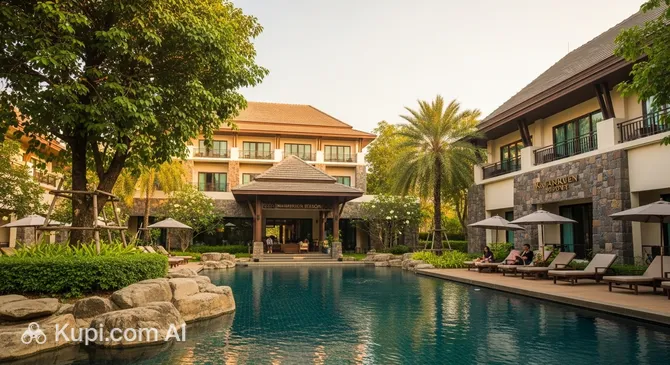
Kwanruen Resort Hotel. Illustration.
Source: Kupi.com AI
Traveler photos:
Among the well-known accommodation options in Nakhon Ratchasima are hotels like Kwanruen Resort Hotel and Aromdee Resort, which offer a comfortable stay. The price range varies from budget options to luxury offers, allowing every traveler to find a suitable variant.
It is recommended to book accommodation in advance, especially if your trip coincides with the peak tourist season or during major local events, to ensure the best choice and prices. Most hotels and apartments can be booked through popular online platforms, as well as directly through hotel websites or by phone.
Nearby Cities
For those wanting to explore the surroundings, Nakhon Ratchasima serves as an excellent starting point for day trips to several interesting nearby locations.
Among them, Pak Chong stands out, often serving as the base for exploring Khao Yai National Park, known for its rich flora and fauna. The city of Buriram attracts history buffs thanks to the nearby ancient Khmer temple complex of Phanom Rung, as well as motorsport fans due to the Chang International Circuit. A shorter trip can be made to Sikhio, home to the picturesque Lam Takhong Dam.
City
Population
Distance
Ban Chang Phueak
9 191
2 km
Ban Ko
10 561
8 km
Ban Cho Ho
16 527
9 km
Chok Chai
12 568
28 km
Sung Noen
10 061
29 km
These nearby destinations provide insight into the diverse culture and landscapes of the region, complementing the experience of staying in Nakhon Ratchasima.
Shopping & Souvenirs
Nakhon Ratchasima, also known as Korat, offers tourists various shopping opportunities, combining modern shopping centers with lively local markets. The city is not as famous for shopping as Bangkok or Chiang Mai, but you can find high-quality goods here, especially silk products for which the Isan region is famous, and unique ceramics.
The main shopping spots in Nakhon Ratchasima are concentrated around large shopping complexes, as well as on busy streets where small shops and stalls are located. There are fewer specialized shopping streets compared to some other cities, but interesting goods can be found both in the center and on the outskirts.
Two main shopping centers stand out:
The Mall Korat — one of the city's oldest and largest shopping centers, offering a wide range of goods from clothing and electronics to food, as well as entertainment zones and a cinema.
Terminal 21 Korat — a modern themed shopping center where each floor is designed in the style of a famous world city. Here you will find many international and Thai brand stores, restaurants, and cafes.
The Mall Korat. Illustration.
Source: Kupi.com AI
Traveler photos:
Terminal 21 Korat. Illustration.
Source: Kupi.com AI
Traveler photos:
The markets of Nakhon Ratchasima are a great place to immerse yourself in the local atmosphere and find authentic goods. Visit the night markets, where you can try street food and buy inexpensive clothing, accessories, and souvenirs. Daytime markets offer fresh fruits, vegetables, spices, and local delicacies. While specific markets may change, it's always worth asking locals about the most popular ones at the moment.
As souvenirs from Nakhon Ratchasima, it's worth bringing back "mutmi" (ikat) silk products, characteristic of the Isan region with their unique patterns. Ceramics from the nearby village of Dan Kwian, known for its handmade clay products, are also popular. Don't forget about local sweets, dried fruits, and spices.
Most shopping centers in Nakhon Ratchasima are open daily from approximately 10:00-11:00 AM to 9:00-10:00 PM. Markets usually have their own schedules: daytime ones open early in the morning and run until lunch or evening, while night markets run from evening until late at night. Credit cards are widely accepted in shopping centers, while cash is preferred at markets. The PromptPay QR payment system is also widely used in Thailand.
Tourists in Thailand can take advantage of the VAT Refund for Tourists system for purchases made in participating stores. Look for the special "VAT Refund for Tourists" sign. To claim a refund, you must make a purchase of a certain minimum amount in one store in one day and ask the seller for a special P.P.10 form, which you will need to present at the airport when leaving the country.