Support

Zeugma Mosaic Museum

About

The Zeugma Mosaic Museum is a unique archaeological museum located in the city of Gaziantep in southeastern Turkey. It is rightfully considered one of the world's most significant and modern museums dedicated to ancient art. The museum's main treasure is the world's largest collection of ancient Roman mosaics, covering an impressive 1,700 square meters.
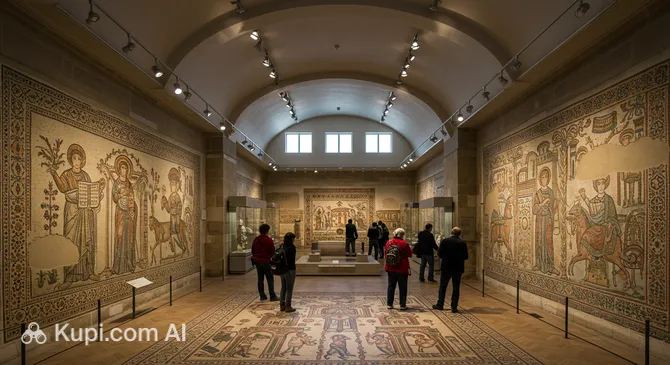
Zeugma Mosaic Museum. Illustration.
Source: Kupi.com AI

Traveler photos:

The core of the exhibition consists of priceless artifacts rescued from the ancient city of Zeugma. These amazing works of art were discovered and carefully moved to the museum during the construction of the Birecik Dam, preserving them for future generations. Each mosaic tells its own story, opening a window into the lives and routines of people who lived thousands of years ago.

Opened on September 9, 2011, the museum impresses not only with its exhibits but also with the scale of the building itself. This place will be a true discovery not only for historians and archaeologists but for anyone interested in the culture and art of the ancient world. Thanks to a modern approach to exhibition design, a visit to the museum becomes an exciting journey through time, accessible to guests of all ages.

Contacts

To plan your visit and check up-to-date information such as opening hours and ticket prices, it is recommended to contact the museum administration directly. The main contact details are collected in the table below.

How to contactContact
AddressHacı, Hacıbaba, Sani Konukoğlu Blv., 27500 Şehitkamil/Gaziantep, Türkiye
Phone number+90 342 325 27 27
Websitemuze.gov.tr

What to Do

A visit to the Zeugma Mosaic Museum is a true immersion into the atmosphere of a wealthy ancient Roman city. The main activity here is, of course, contemplating the magnificent mosaic panels, each telling its own story. Among the most famous exhibits is the \"Gypsy Girl\" mosaic, which has become a symbol not only of the museum but of all of Gaziantep. Her mysterious and soulful gaze, which seems to follow you, leaves an indelible impression. Other must-see masterpieces include the monumental compositions \"Oceanus and Tethys\" and \"Eros and Psyche\", as well as scenes from mythology like \"The Abduction of Europa\" and the story of Achilles.

The artistic value of the exhibits is fascinating, as is the way they are presented. The museum actively uses modern technology to enhance the experience. In some halls, a laser system projects missing fragments directly onto the mosaics. This allows visitors to see the works in their presumed original form and better appreciate the skill of ancient artists. Additionally, interactive screens and information stands provide detailed accounts of the history of Zeugma and the process of rescuing these unique artifacts.

In addition to the world-famous mosaics, the museum houses an impressive bronze statue of the god of war, Mars, which was found in one of the villas. The exhibition also includes examples of mosaic art from the Late Antiquity period with early Syrian and Christian iconography, demonstrating the cultural and religious diversity of the ancient city. Walking through the museum halls is not just an inspection of artifacts, but a full-scale journey through time, allowing you to touch the daily life, beliefs, and art of people who lived nearly two thousand years ago.

Getting There

Getting to the Zeugma Mosaic Museum is quite simple, as it is conveniently located within the city of Gaziantep in modern-day Turkey. The museum is situated in the Şehitkamil district, making it easily accessible from any part of the city. Thanks to its central location, a trip to this treasure trove of ancient art won't take much time, allowing you more time to explore the exhibits.

The most convenient way to reach the museum is by taxi or public transport. Gaziantep has a well-developed city bus network, and many routes pass near the museum. A taxi ride from the city center is quick and inexpensive, taking just a few minutes as the distance is about 3-4 kilometers. This is an ideal option for those who value comfort and want to save time.

If you are staying in the city center and enjoy walking, you can reach the museum on foot. The walk takes about 30 minutes and allows you to better experience the city's atmosphere. For travelers arriving via Gaziantep Airport (GZT), the fastest way is a taxi, which takes about 20 minutes. Alternatively, you can take the Havaş shuttle bus to the city center and then transfer to a local bus or taxi.

Nearest city: Gaziantep

History & Facts

The history of the exhibits at the Zeugma Mosaic Museum is inextricably linked to the fate of the ancient city of the same name. A settlement was founded here as early as the 3rd century BC by one of Alexander the Great's generals. However, its period of prosperity was short-lived: in 253 AD, the city was attacked and destroyed. After that, the majestic Zeugma was practically forgotten for more than 1,700 years, hiding its priceless treasures underground.

The revival of interest in the ancient city occurred in a tragic way. In the 1990s, Turkey decided to build dams and power plants on the Euphrates River, which threatened to completely flood the historical site. To save the unique heritage, urgent archaeological excavations began in 1995. During the work, an incredible number of artifacts were discovered, including magnificent mosaics and frescoes. The scale of the finds was so large that the existing Gaziantep Archaeological Museum simply could not accommodate them all. This prompted the decision to build a new, specialized museum.

In 2000, after the dam was built, about 25% of the territory of ancient Zeugma was submerged forever. However, thanks to the efforts of archaeologists and restorers, the most precious works of art were saved. The culmination of this massive rescue operation was the opening of the Zeugma Mosaic Museum on September 9, 2011. Today, it not only houses the rescued masterpieces but also serves as a reminder of the rich history and the fragility of the cultural heritage preserved for future generations.

Time Needed

For a full and unhurried exploration of the Zeugma Mosaic Museum's vast collection, it is recommended to set aside 2 to 3 hours. This is usually enough time to see the main exhibits, read the information boards, and fully soak in the atmosphere of ancient art without feeling rushed. The museum is one of the largest in the world in its category, so it's worth planning your visit in advance to make the most of it.

If your time is limited, a quick tour of the most famous masterpieces, including the \"Gypsy Girl\" mosaic and the statue of the god Mars, can be completed in 1-1.5 hours. However, remember that the museum consists of several buildings, and for a full experience, you should visit them all. A longer visit will allow you to enjoy not only the main mosaic panels but also study lesser-known but equally impressive works, as well as view the interactive displays that tell the story of the city of Zeugma and the artifact rescue process.

Ultimately, the ideal time for a visit depends on your personal interest in history and art. For those who want to thoughtfully study the details and craftsmanship of ancient artists, a visit may take more than three hours. To avoid rushing and fully appreciate the scale and beauty of the collection, it's best to plan at least half a day for the museum, especially if you're traveling with a guide or want to take commemorative photos.

Working Hours

The Zeugma Mosaic Museum is open to visitors year-round, but its opening hours may vary. According to the information provided, the museum's main schedule is daily from 10:00 to 18:00. Please note that ticket offices usually close 30-60 minutes before the museum shuts, so plan your visit with a bit of extra time.

Since schedules may change depending on the season, on national holidays, or during special events, it is highly recommended to check the current opening hours before your visit. The most reliable way to do this is by checking the official museum website or contacting the administration via their contact phone number.

8:30 – 18:30

Nearby

Visiting the Zeugma Mosaic Museum is just the beginning of your acquaintance with the rich history and culture of Gaziantep. To fully immerse yourself in its unique atmosphere, it's worth exploring other attractions located nearby. A walk around the neighborhood will show you how antiquity harmoniously coexists with modernity and help you better understand why this city is called the pearl of southeastern Turkey.

Within walking distance of the museum, you'll find historical monuments, authentic restaurants, and colorful spots that will enhance your experience. Each of these places tells a part of the story of a city known not only for its mosaics but also for its culinary traditions and crafts. Below is a list of interesting sites that are easy to reach on foot.

NameDistance
Kasap Selçuk Usta0.9 km
Gaziantep Castle1 km
Katan Hotel1 km
Yesemek Gaziantep Cuisine1.3 km
Imam Cagdas Kebab and Baklava Restaurant1.3 km
Göz Nuru Han1.4 km
Katmerci Zekeriya Usta1.5 km

Have you reached the end of the page?

So the route has been studied inside and out