Support

Halfeti

About

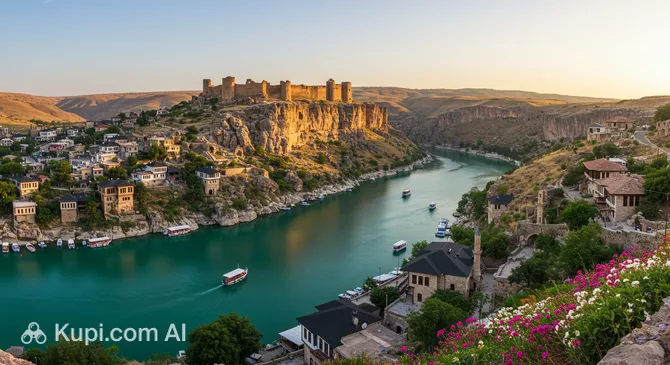
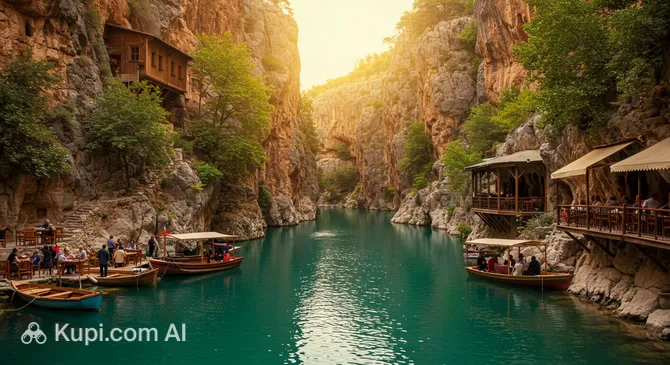
Halfeti is a true gem of southeastern Turkey, nestled on the banks of the picturesque Birecik Reservoir, fed by the mighty waters of the Euphrates. Located in the Şanlıurfa province, this remarkable town is famous for its unique landscape: some of its ancient streets and houses are hidden beneath the water, giving Halfeti a special, almost mystical atmosphere.
Halfeti. Illustration.
Source: Kupi.com AI

With a population of about 41,000 people, Halfeti maintains the look of a traditional Turkish town where time seems to slow down. It is no coincidence that the town is included in the prestigious international list of Cittaslow — "Slow Cities", which guarantees visitors a relaxed pace of life, clean air, and the warm hospitality of local residents. The atmosphere here is wonderfully peaceful, and the views of the emerald waters and rocky shores inspire artists and photographers from all over the world.

Strolling through Halfeti is like a journey into the past: narrow streets, stone houses, majestic minarets, and gardens, part of which now rest peacefully beneath the water's surface. The main reason to visit Halfeti is its unique aura as a sunken city, where ancient legends come to life at every step. Here you can enjoy leisurely boat trips, explore the impressive ruins of the ancient Rumkale Fortress, and fully immerse yourself in the atmosphere of a true Eastern fairy tale. Halfeti is waiting for you to share its secrets and unique charm!

You can find more interesting facts on the history of Halfeti page.
Weather Overview

The weather in Halfeti features hot and very dry summers, especially from June to September, when average temperatures range from 26.8°C to 30.9°C, and rainfall is minimal or non-existent (0 mm in July-August). Winters here are cool and more humid: the average temperature in January is about 5.3°C, and the number of rainy days can reach 14. Spring and autumn are transitional seasons with moderate temperatures and gradual changes in precipitation levels.

In general, Halfeti is characterized by very warm, practically rainless summers and cool winters with occasional precipitation. To get a more detailed idea of the weather conditions, you can visit the Halfeti Climate page.

Average monthly temperature

Average monthly precipitation

Interesting Facts

Beyond its picturesque views and ancient history, Halfeti holds many surprising stories and features that make it a truly unique destination. This town on the banks of the Euphrates is ready to amaze even the most seasoned traveler.

Halfeti Hidden Paradise. Illustration.
Source: Kupi.com AI

Traveler photos:

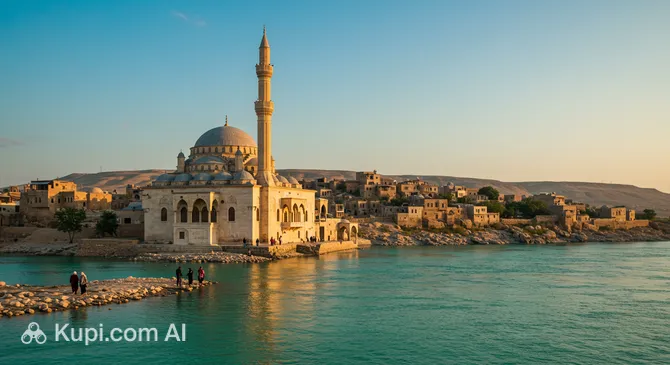
  • Part of old Halfeti ended up underwater in 1999 as a result of the construction of the Birecik Dam. The most famous symbol of this "sunken city" is the minaret of an old mosque, standing alone above the turquoise waters of the Euphrates, which has become the hallmark of the region.

  • Halfeti is often called the "Hidden Paradise" of southeastern Turkey. It earned this nickname due to the incredible harmony of ancient stone architecture submerged in the emerald waters of the reservoir and breathtaking natural landscapes.

  • The town is a proud member of the international Cittaslow ("Slow City") network. This movement brings together towns that aim to improve the quality of life for their residents by slowing down the overall pace, carefully preserving local culture, unique traditions, and the environment.

  • According to local legends, Halfeti is the only place in the world where a unique black rose, known as Karagül, grows naturally. These roses, which have a very dark, almost black hue, can indeed be seen here during certain seasons and are considered the symbol of the town.

How to Get There

The most convenient way to reach the picturesque town of Halfeti, located in the Şanlıurfa province, is by air via one of the nearest regional airports, and then continuing by car or bus. Halfeti itself does not have its own airport or railway station, so travelers should plan a combined route.

The main arrival option is Gaziantep Airport (IATA: GZT). It is located in the city of Gaziantep, approximately 48 km southwest of Halfeti. This is a large airport serving many domestic flights and some international destinations. The trip from the airport to Halfeti by taxi or rental car usually takes about 1.5 hours. You can also consider transfer options or bus services from Gaziantep after checking schedules and availability.

Another significant airport is Şanlıurfa GAP Airport (IATA: GNY), located in the town of Karaköprü, about 94 km east of Halfeti. This airport is also an important transport hub for the region. The drive from Şanlıurfa GAP Airport to Halfeti by car will take approximately 2.5-3 hours. It is recommended to arrange a car rental or transfer in advance.

For clarity, here is a summary of the main airports from which you can reach Halfeti:

AirportPassenger trafficDistance
Gaziantep Airport3.0 mln48 km
Adiyaman Airport366 42475 km
Kahramanmaras Airport243 45387 km
Sanliurfa GAP Airport882 98794 km
Malatya Airport850 000133 km

Since there is no rail link to Halfeti, the primary way to reach the town after a flight or from other parts of the country is by road. You can rent a car at the airport or use a taxi or transfer service. It is also worth considering intercity buses, which are a popular and affordable mode of transport in Turkey. Buses may run to nearby major cities like Gaziantep or Şanlıurfa, from where Halfeti can be reached via local transport or taxi.

Main Attractions

Halfeti, this charming town in the Şanlıurfa province, offers travelers a unique blend of history, nature, and culture. Among its main attractions are several must-visit sites, each reflecting the spirit of this amazing corner of Turkey in its own way.

One of the most iconic points of interest is the Hidden Paradise of Halfeti. This area, partially submerged by the waters of the Euphrates after the construction of the Birecik Dam, creates almost surreal landscapes. Tourists are drawn to the opportunity to take a boat trip across the reservoir to see the famous sunken minaret of Savaşan village, the ruins of old stone houses emerging from the water, and to enjoy the incredible tranquility and beauty of this secluded spot. It is a truly unforgettable sight where history meets nature.

Halfeti Hidden Paradise. Illustration.
Source: Kupi.com AI

Traveler photos:

Equally interesting is the Halfeti Grand Mosque (Ulu Camii). This historical mosque, built during the Ottoman period, also ended up partially underwater, giving it a special, somewhat melancholic atmosphere. Its stone walls and arches reflecting in the calm waters create an impressive view. Visitors can explore the accessible part of the mosque and imagine what it was like before the flooding, feeling a connection across time.

Halfeti Grand Mosque. Illustration.
Source: Kupi.com AI

Traveler photos:

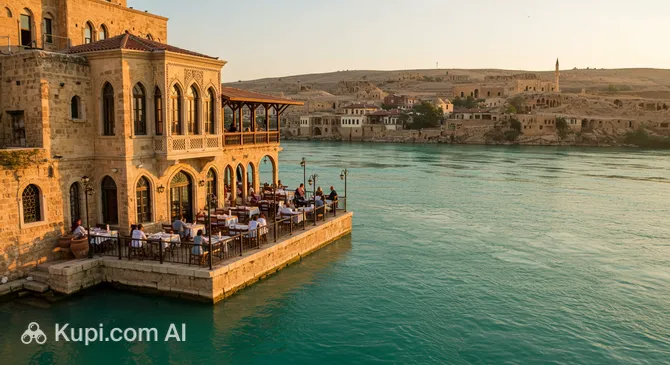
For those who want to enjoy local cuisine with a beautiful view, Halfeti Venice Restaurant is an excellent choice. Located on the shore, it offers not only traditional Turkish dishes but also magnificent panoramas of the submerged town and surrounding cliffs. It is the perfect place to relax after a boat tour, try fresh fish, and experience the unique atmosphere of Halfeti, which is often compared to a "Little Venice of the East."

Halfeti Venice Restaurant. Illustration.
Source: Kupi.com AI

Traveler photos:

Local Cuisine

The gastronomy of Halfeti is a vivid reflection of the region's rich history and its unique location on the banks of the Euphrates. The local cuisine will delight you with the freshness of its ingredients and authentic flavors passed down through generations. A trip to Halfeti would be incomplete without discovering its culinary traditions.

The pride of local cuisine is certainly the fresh fish caught directly from the waters of the Euphrates. Be sure to try fried carp, fish grilled over charcoal with aromatic spices, or hearty traditional fish soups. You will also often find various meze on the tables — light appetizers made from fresh vegetables, yogurt, and aromatic herbs that perfectly complement main dishes, along with freshly baked fragrant flatbreads.

Among desserts, a special place is held by künefe — a delicious hot treat made from thin strands of dough with melted cheese inside, generously drizzled with sugar syrup. This dish is a true symbol of Turkish hospitality. Another unique gastronomic feature of Halfeti is the blue almond. This rare variety of almond, growing only in this region, is actively used in desserts and snacks, giving them a unique taste and aroma.

Traditional Turkish drinks perfectly complement the meal. Refresh yourself with a cool ayran (a fermented milk drink) on a hot day, enjoy fragrant Turkish tea served in traditional tulip-shaped glasses (armud), or a strong Turkish coffee. Various fruit juices and sherbets made from local fruits are also popular.

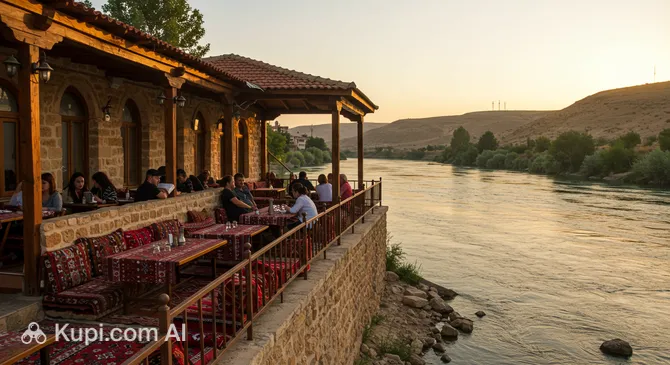
You can get to know Halfeti's cuisine both in small family restaurants with a cozy homemade atmosphere and in bustling street markets offering fresh produce and local delicacies. One establishment where you can taste local dishes is the Duba Restaurant at the Mayor's. The town is also known for its gastronomic festivals, which attract gourmets with the opportunity to try the best traditional dishes and learn the secrets of local chefs.

Başkan's Place Duba Restaurant. Illustration.
Source: Kupi.com AI

Traveler photos:

Overall, the gastronomic scene in Halfeti is characterized by the use of fresh, local products, especially fish, and the preservation of traditional recipes. This makes the town an attractive destination for those wanting to discover the authentic flavors of southeastern Turkey.

Travel Tips

Planning a trip to Halfeti, the amazing town on the banks of the Euphrates? To ensure your journey goes smoothly and leaves only pleasant impressions, we've prepared some practical tips.

  1. Clothing and Essentials: The climate in Halfeti is hot in summer and mild in winter. In summer (June-August), bring light, breathable clothing made of natural fabrics, a hat, sunglasses, and high-SPF sunscreen. In spring and autumn, clothes you can layer and a light jacket will come in handy. In winter, pack warmer clothes and a raincoat. Comfortable shoes are your best friend, as you'll be doing a lot of walking, especially if you plan to explore the surroundings. Don't forget a power adapter (type F is used in Turkey). If you plan to visit mosques, women should have a scarf to cover their heads, and everyone should wear clothing that covers shoulders and knees.

  2. Transport around Town and Surroundings: Halfeti itself is a small town, and the new part is easy to navigate on foot. The main highlight—the "sunken city" of Old Halfeti—is accessible only by boat. Boat tours depart regularly from the pier. For trips to nearby cities like Şanlıurfa or Gaziantep, you can use local minibuses (dolmuses) or buses. Taxis are available, but always clarify the fare beforehand if there's no meter. Renting a car can be useful for exploring the region, but it's not essential for Halfeti itself.

  3. Financial Matters: The national currency is the Turkish Lira (TRY). It's best to exchange currency at banks or official exchange offices ("döviz") in major cities; in Halfeti, the selection may be limited and the rates less favorable. Credit and debit cards are accepted in hotels, some restaurants, and large shops. However, always carry enough cash for small purchases, boat tours, markets, and small cafes. ATMs are available, but there might not be many. Check with your bank regarding international withdrawal conditions and potential fees. Tipping in restaurants is usually 10% of the bill if you enjoyed the service, and it is not included in the check.

  4. Health and Safety: There are pharmacies ("Eczane") in Halfeti for basic medications, but they may not be open 24/7. For serious medical assistance, you may need to travel to a larger city. Be sure to get travel insurance before your trip. Halfeti is considered quite safe, but standard precautions apply: keep an eye on your belongings, especially in crowded places. Drink only bottled water. In summer, beware of heatstroke—wear a hat and drink plenty of water.

  5. Language and Communication: The official language is Turkish. English is not widely spoken, especially among the older generation and in smaller establishments. Learn a few basic phrases in Turkish: "Merhaba" (Hello), "Teşekkür ederim" (Thank you), "Lütfen" (Please), "Evet" (Yes), "Hayır" (No), "Ne kadar?" (How much?). This will help a lot in communication and will be appreciated by locals. A SIM card with mobile internet can be bought at the airport or at service centers in major cities (passport required). Wi-Fi is available in most hotels and some cafes.

  6. Local Etiquette and Communication: Turkish people are very hospitable. A "Merhaba" (Hello) greeting is appropriate almost everywhere. When meeting, men usually shake hands. Halfeti is in a more conservative part of Turkey, so try to dress modestly outside of hotel beach areas, if any. Avoid excessive public displays of affection. If you are invited for tea, it is a sign of hospitality, and it's polite to accept. Always ask permission before photographing people, especially women and the elderly.

  7. What to Avoid: Do not engage in discussions on sensitive political topics and do not criticize the country or its symbols. Do not show disrespect to local customs and religion—for example, do not enter a mosque with shoes on or in inappropriate clothing. It is also considered impolite to point your finger at someone or sit so that the soles of your shoes are pointed at another person.

  8. Special Tip for Halfeti: To fully enjoy the beauty of the sunken ruins and take the best photos, go on a boat excursion on the Euphrates early in the morning or near sunset. At these times, the lighting is softer, and there are usually fewer tourists. Additionally, this helps avoid the intense daytime heat in the summer months. And be sure to try the local pistachios—the region is famous for them!

We hope these tips help you better prepare for your trip to Halfeti and enjoy every moment in this unique corner of Turkey. We wish you an unforgettable journey!

Entertainment & Nightlife

Halfeti offers its guests a unique evening experience that is significantly different from the noisy and dynamic nightlife of major metropolises. Here you won't find bustling districts with numerous nightclubs or loud bars open until dawn. Instead, Halfeti charms visitors with a calm, almost meditative atmosphere, perfect for those seeking peace and authentic experiences.

The core of evening entertainment in Halfeti consists of cozy restaurants and cafes, many of which offer picturesque views of the Euphrates River and the famous rock-cut tombs. This is a wonderful opportunity to enjoy delicious local cuisine, especially fresh fish, in a romantic setting or with good company. Notable places include the Duba Restaurant at the Mayor's and Halfeti Venice Restaurant, where you can spend a pleasant evening.

In addition to dining at a restaurant, an evening in Halfeti can be spent taking leisurely walks along its ancient streets or the waterfront. As darkness falls, the views of the partially submerged old town and the illuminated ruins of Rumkale Fortress take on a special charm. Local tea gardens (çay bahçesi) are also welcomingly open until late evening, offering a chance to enjoy traditional Turkish tea or coffee in a relaxing environment. The atmosphere here is very friendly and relaxed, with no strict dress code; comfort and respect for local traditions are what matter most.

When planning your evening leisure, keep in mind that establishments in Halfeti usually stay open until late evening but not into the small hours of the night. The best time to head out is early evening to catch the sunset over the Euphrates. Restaurant prices are generally moderate. Moving around the central, historical part of town is most convenient on foot. If you need to reach more distant areas, you can use local taxi services; it is recommended to call a car through your hotel or restaurant. The town is generally considered safe for evening walks, especially in tourist areas, though standard precautions should always be followed.

During the day, Halfeti offers a completely different set of experiences. Guests can go on fascinating boat excursions to the sunken quarters of the old town and the majestic Rumkale Fortress, visit the ancient Halfeti Grand Mosque, or explore the natural beauty of the area, such as the spot known as the Hidden Paradise of Halfeti. In this way, Halfeti offers a harmonious combination of daytime activity and calm evening rest.

Parks & Museums

Halfeti, with its unique atmosphere and dramatic history, offers visitors a chance to immerse themselves in both natural beauty and rich cultural heritage. While there are no traditional city parks in the usual sense, the surrounding nature and historical sites create a unique space for exploration.

Speaking of green zones, the main attraction of Halfeti is the Euphrates River itself and the picturesque banks of the Birecik Reservoir. One of the popular spots travelers visit to enjoy nature is the Hidden Paradise of Halfeti. This place offers tranquil views and a chance to relax away from the hustle and bustle, especially during a boat trip on the emerald waters. The nature here is truly impressive with its untouched feel and unique landscapes formed after the dam's construction.

Halfeti Hidden Paradise. Illustration.
Source: Kupi.com AI

Traveler photos:

In Halfeti, you won't find large state museums or modern art galleries. However, the town itself can be considered a kind of open-air museum. Its partially submerged ancient quarters, stone houses with characteristic architecture, and narrow streets tell the story of the region better than any exhibit. A walk through the old part of town or a boat tour to the sunken ruins allows you to touch the past of Halfeti.

Among the key historical and architectural sites is the Halfeti Grand Mosque (Ulu Camii). Its minaret, partially submerged in water, has become one of the symbols of the town and is a frequent subject for photographs. This structure serves as a reminder of the town's rich past and its transformation. Nearby, on the opposite bank of the Euphrates, rise the ruins of the ancient Rumkale Fortress, which is also an important historical monument accessible during water excursions.

Halfeti Grand Mosque. Illustration.
Source: Kupi.com AI

Traveler photos:

For an authentic experience, be sure to take a boat trip on the reservoir. This is the best way to see the sunken part of Halfeti, including the famous minaret, and enjoy views of Rumkale Fortress. You can end the day at one of the local lakeside restaurants, such as Duba Restaurant at the Mayor's or Halfeti Venice Restaurant, where regional cuisine with the freshest fish is served.

Getting Around

Public transport in Halfeti has its own characteristics, given the town's size and historical nature. The town is quite compact, especially the old part located by the reservoir, so many interesting places can be explored on foot. However, for traveling longer distances or connecting with surrounding settlements, there are several options.

The main form of public transport in Halfeti and its surroundings is the dolmuş—shared taxis. These are small buses or minibuses that run along specific routes, connecting different parts of the town and nearby villages. Dolmuses often don't have a fixed schedule; they depart once they are full. You can stop one by waving your hand anywhere along the route. Fare payment is usually made in cash directly to the driver upon boarding or exiting. The fare is low and depends on the distance.

For tourists wanting to see the famous submerged parts of Old Halfeti and Rumkale Fortress, the primary "transport" becomes pleasure boats and launches. They depart from the pier in the new part of town. This is not so much public transport in the classic sense as it is excursion-based, but it is an integral part of the transport infrastructure for seeing the main sights. The cost of such a trip varies depending on the duration and route.

Taxis are also available in Halfeti. They can be found at taxi stands or called by phone. This is a more expensive but more comfortable way to travel, especially if you are traveling with luggage or want to reach your destination quickly and without stops. It is recommended to check the estimated cost of the trip in advance.

Regarding the payment system, only Turkish Lira cash is generally accepted for dolmuses. Specialized transport cards or payment apps typical of large cities may not be available in Halfeti. Tickets for boat excursions are purchased at the pier, also usually in cash.

Practical tips for tourists: * Always carry small change in cash for paying dolmuş fares. * If you are unsure of a dolmuş route, ask the driver or locals—they are usually very helpful. * For boat excursions, it's better to arrive at the pier early, especially during the tourist season, to choose a suitable boat and departure time. * Keep in mind that the number of dolmuses may decrease in the evening hours.

Overall, Halfeti's transport system is simple and oriented towards the needs of a small town and the flow of tourists to its unique water-based attractions. Walking, dolmuses, and boat tours are the main ways to experience this amazing place.

Accommodation

In Halfeti, tourists will find a variety of accommodation options to suit different preferences and budgets. The town offers a choice ranging from cozy family guesthouses and small boutique hotels, often housed in restored historical buildings with an authentic atmosphere, to more modern apartments. Many of them offer breathtaking views of the Euphrates River and the surrounding rocky landscapes, making a stay here especially memorable.

The most popular areas to stay are those near the waterfront and main attractions, such as the Hidden Paradise of Halfeti or the departure points for boat tours of the submerged areas. Staying in these parts of town allows for easy exploration on foot and enjoyment of the unique atmosphere. While there may be few large chain hotels in Halfeti, the charm of local lodgings and the hospitality of the hosts more than make up for it, offering a more personalized experience.

When planning your trip, especially during the peak tourist season (usually spring and autumn, when the weather is most comfortable) or on weekends, it is highly recommended to book accommodation in advance. Halfeti is a popular destination for both Turkish and foreign tourists, so the best options can be quickly snapped up. Booking early will ensure you have a wider choice and potentially better prices.

The price range for accommodation in Halfeti varies: you can find both budget options in small guesthouses and more expensive offers in boutique hotels with upgraded amenities and panoramic views. You can book accommodation through popular international online booking platforms, or by contacting your chosen hotel or guesthouse directly. Some small family-run establishments may prefer direct communication and have their own websites or social media pages for bookings.

Nearby Cities

For those looking to explore the surrounding area, Halfeti serves as an excellent starting point for day trips to several interesting nearby locations:

CityPopulationDistance
Araban32 84625 km
Nizip142 38927 km
Birecik95 14927 km
Yavuzeli22 19228 km
Karkamis10 43643 km

Each of these cities offers something unique. Gaziantep, known as the gastronomic capital of Turkey, will delight you with its famous baklava and pistachios, and impress you with the world-renowned Zeugma Mosaic Museum. Şanlıurfa, the "City of Prophets," offers immersion into ancient history and religious shrines, including the legendary Balıklıgöl (Pool of Abraham) and the nearby Göbekli Tepe archaeological complex. In Kahramanmaraş, you can try the famous chewy "dondurma" ice cream and appreciate the skill of local copper craftsmen. Adıyaman serves as the gateway for exploring the majestic Mount Nemrut with its giant statues. And Karaköprü, a modern district of Şanlıurfa, allows you to see the daily life of the region and is conveniently located for access to major attractions.

These nearby destinations provide an insight into the region's diverse culture and landscapes. A trip to any of these cities will enrich your journey with new impressions and discoveries.

Shopping & Souvenirs

Shopping in Halfeti is more about immersing yourself in the local atmosphere and finding authentic items than hunting for famous brands. The town is not known for large shopping centers, but here you can find unique souvenirs and products by local craftsmen, especially those that reflect the unique history and nature of this region of Turkey.

The main shopping spots in Halfeti are concentrated along the Euphrates riverfront and in the streets of the old town, especially in the part popular with tourists. Strolling through these picturesque areas, you will find small shops offering souvenirs, local delicacies, and handmade goods. You can often find small shops near attractions like the Halfeti Grand Mosque.

You likely won't find any large modern shopping malls in Halfeti. The town preserves its historical appearance, and large-scale retail is not a characteristic feature. If you need a shopping experience in the form of big malls, it is worth considering a trip to larger cities in the Şanlıurfa province or neighboring regional centers.

In Halfeti, you may come across small local markets or bazaars, especially on certain days of the week. Here you can buy fresh fruits, vegetables, local cheeses, olives, spices, and sweets. It is a great place to feel the true local flavor and try products from local farmers. The atmosphere at such markets is usually very lively and authentic.

As souvenirs from Halfeti, it is worth bringing back items related to its symbol—the black rose (karagül). These could be magnets, postcards, soap, or perfumes with the scent of the rose, as well as textiles featuring its image. Local handicrafts, ceramics, small rugs, or scarves with traditional patterns are also popular. Pay attention to local spices, especially red pepper and sumac, as well as the pistachios the region is famous for. Sometimes interesting souvenirs can be found near popular tourist spots like the Hidden Paradise of Halfeti.

Shops in Halfeti usually operate from the morning (around 9:00-10:00) until evening (18:00-19:00), but small private stalls may have more flexible hours, especially during the tourist season. In markets and small shops, payment in cash (Turkish Lira) is preferred, although more tourist-oriented places may accept bank cards.

For tourists in Turkey, a Tax Free refund system is available for purchases over a certain amount in participating stores. Look for the "Tax Free Shopping" sign and ask retailers about the procedures for obtaining VAT refund documents upon leaving the country.

Reached the end of the page?

That means the route is fully explored