Support

Uganda Museum

About

The Uganda Museum is the country's primary national museum, located in its capital, Kampala. This landmark institution was established to collect, study, document, and exhibit Uganda's rich cultural and historical heritage, offering visitors a fascinating journey through time.
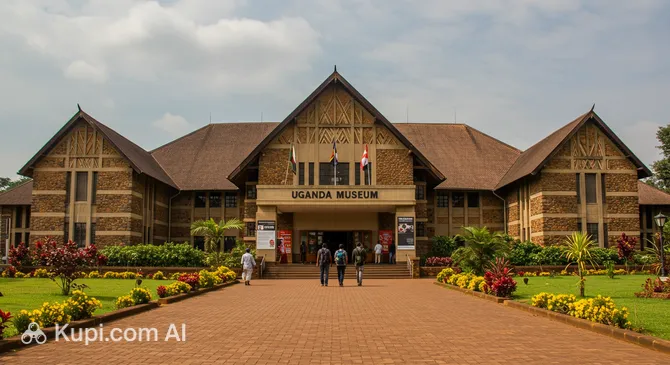
Uganda Museum. Illustration.
Source: Kupi.com AI

Traveler photos:

Originally founded with a mission to preserve and promote Ugandan culture, the museum moved to its current location—the picturesque Kitante Hill in Kampala—in 1954. Since then, it has been an important center for education, research, and the cultural life of the capital.

The museum's exhibits are impressively diverse, featuring items of archaeological, paleontological, and historical-ethnographic significance. Here, you can learn more about the history and traditions of Uganda's various peoples. A point of special pride and one of the museum's main highlights is the unique collection of traditional musical instruments, which vividly represents the country's sonic heritage.

The Uganda Museum is rightfully considered a vital cultural institution that plays a key role in preserving and passing on knowledge of the Ugandan people's rich heritage. A visit here is not just an educational tour but an opportunity to gain a deeper understanding of the culture and traditions of this amazing African nation.

Contacts

For the most up-to-date information on opening hours, ticket prices, and available tours at the Uganda Museum, it is recommended to visit its official website, if available, or contact the tourist information centers in Kampala. Usually, contact details such as a phone number or email address can be found on official resources or through local tourism services.

How to contactContact
AddressPlot 5 Old Kira Road, after Mulago Referral Hospital, Kitante Cl, Kampala, Uganda
Websiteugandamuseums.or.ug

What to Do

By visiting the Uganda Museum, you can immerse yourself in the country's incredibly rich cultural and historical heritage. You will see archaeological finds from ancient civilizations, paleontological specimens telling the story of the region's prehistoric life, and a variety of ethnographic items. These exhibits allow you to trace the history and learn about the culture of the many peoples inhabiting Uganda.

The unique collection of traditional musical instruments is a particular highlight. Here, you won't just see these authentic items, but you can also imagine the sound of Uganda's musical soul. This display is a wonderful opportunity to experience the country's rich musical heritage, passed down from generation to generation.

The museum's exhibits offer a deep dive into the traditions and customs of the Ugandan people. You will learn about the daily lives, rituals, and beliefs of various ethnic groups. For example, you will be introduced to the unique clan system, where each clan has its own totem—an animal or plant that members are forbidden to kill or eat. This is just one of many fascinating aspects revealed to visitors who wish to better understand the culture of this East African country.

Getting There

The Uganda Museum is located in the country's capital, Kampala, on Kitante Hill. Thanks to its central location in Uganda's main city, reaching this important cultural attraction is relatively simple.

You can reach the museum by public transport from central Kampala or choose the more comfortable option of a taxi. Uganda's capital has a well-developed transport network, making travel easy. While it is best to check specific public transport route numbers locally—for example, at your hotel or from residents—the sheer availability of options makes the museum very accessible.

Since the Uganda Museum is one of the main tourist sites and a key cultural institution in Kampala, most taxi drivers know its location well. Locals are also generally happy to give directions if you decide to walk or are looking for the right public transport stop.

Nearest city: Kampala

History & Facts

The history of the Uganda Museum dates back to 1908 when it first opened its doors. Notably, its first home was a Sikh Temple located at the historical Fort Lugard on Kampala's Old Hill. It was here, in this unusual setting, that a priceless collection began to take shape, aimed at preserving Uganda's cultural and historical heritage for future generations.

The museum's journey to its current form was marked by several significant moves. In 1941, the institution relocated to the Makerere University School of Fine Arts, marking the second major stage in its development. The museum found its final and current home in 1954, moving to the picturesque Kitante Hill, where it continues its vital mission of introducing visitors to the country's rich history.

One notable and quite concerning episode in the museum's recent history occurred in 2011. At that time, plans emerged to potentially demolish the existing building to construct a massive 60-story shopping mall on its grounds. It was proposed that the museum would occupy only two floors of the new complex. These plans caused serious concern among the public in Uganda, who feared the irrevocable loss of a significant part of the country's fragile historical heritage. This episode clearly highlighted the museum's and its collections' importance for the national identity and cultural memory of the people.

Time Needed

To fully explore the Uganda Museum's exhibits, it is recommended to allocate about 2-3 hours. This is usually enough time to leisurely browse all the main halls and get a general overview of the country's rich cultural and historical heritage.

During this period, you can examine archaeological and paleontological finds and get acquainted with ethnographic collections detailing the life and traditions of various peoples in Uganda. You will also have the chance to see the unique collection of traditional musical instruments, which is one of the museum's highlights.

Of course, if you wish to study specific exhibits in more detail or delve deeper into certain historical periods, you may need more time. However, 2-3 hours is a good guideline for a first but very substantial visit to the Uganda Museum in Kampala.

Working Hours

The Uganda Museum in Kampala is pleased to welcome visitors daily. According to available information, the museum is open to guests from 10:00 AM to 6:00 PM. This allows for flexible planning, so you can visit the exhibits at a time that suits you during the week.

Currently, there is no specific information regarding the need for advance ticket booking or seasonal closures. To get the most up-to-date information on schedule changes, booking requirements, or special visiting conditions, it is highly recommended to check the Uganda Museum's official website, if one exists, or contact local tourist information centers just before your visit.

Nearby

Visiting the Uganda Museum is undoubtedly a wonderful way to get acquainted with the country's rich history and culture. However, to make your trip to Kampala even more fulfilling and memorable, it's worth exploring other nearby attractions. Discovering the museum's surroundings will allow you to dive deeper into the city's atmosphere and uncover new sides of the Ugandan capital.

There are several landmarks near the Uganda Museum that can complement your cultural itinerary or offer a pleasant break. From shopping centers to other iconic sites, Kampala offers a variety of options for the curious traveler.

NameDistance
Acacia Mall0.5 km
Mayfair Casino2 km
Kardamom & Koffee2.3 km
Independence Monument2.3 km
Guvnor2.6 km
Uganda National Mosque2.8 km
Baháʼí House of Worship3.2 km

Have you reached the end of the page?

So the route has been studied inside and out