Support

Al Fahidi Historical Neighbourhood

About

To experience what Dubai was like before the era of skyscrapers and luxury hotels, head to its very heart—the Al Fahidi Historical Neighbourhood. This quarter, also known as Al Bastakiya, is one of the oldest in the city and represents an island of authentic Arabic culture in the middle of the modern UAE metropolis. Located on the banks of Dubai Creek, it allows you to step back in time and see what life was like in the emirate in the mid-19th century.

Walking through the narrow, winding streets of Al Fahidi, you feel as though you have stepped into the past. The area is famous for its unique architecture: traditional houses made of sandstone and gypsum are decorated with the famous wind towers ("barjeels"), which served as the first air conditioners by catching the cool breeze. This layout creates a unique old-town atmosphere and contrasts sharply with the modern wide streets and skyscrapers of Dubai.
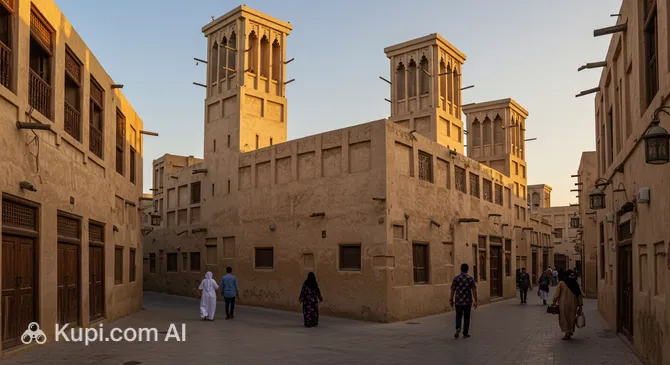
Al Fahidi Historical Neighbourhood. Illustration.
Source: Kupi.com AI

Traveler photos:

Today, Al Fahidi is not just a historical monument, but a vibrant cultural center. Hidden within its labyrinths are numerous art galleries, small museums such as the Coffee Museum and the Coin Museum, cozy cafes with traditional cuisine, and craft shops. It is a wonderful place to get acquainted with the traditional way of life of Emiratis, take a break from the hustle and bustle of the city, and take atmospheric photos to remember your trip.

Contacts

Since the Al Fahidi Historical Neighbourhood is an open area for walking, it does not have a single contact center. The easiest way to get here is by taking the Green Line of the metro to Al Fahidi station (formerly Sharaf DG), which is just a few minutes' walk from the quarter. You can also use buses that stop nearby or take a traditional "abra" boat to the pier in the Bur Dubai area. For up-to-date information on the opening hours of individual museums and galleries located within Al Fahidi, it is recommended to check the official tourism portal of Dubai or the information centers directly in the district itself.

How to contactContact
AddressDubai - Al Fahidi - Dubai - United Arab Emirates
Phone number+971 800 33222
Websitedubaiculture.gov.ae

What to Do

A walk through the Al Fahidi Historical Neighbourhood is a true immersion into Dubai's past. The main activity here is a leisurely exploration of the labyrinth of narrow streets, where traditional houses with barjeel wind towers reveal themselves around every corner. The heart of the quarter is Al Fahidi Fort—the city's oldest building, which houses the Dubai Museum. A visit to the museum will allow you to trace the emirate's amazing journey from a modest settlement to a modern metropolis.

Al Fahidi is a magnet for culture and art lovers. Numerous art galleries are concentrated here, showcasing works by both local and international artists. To gain a deeper understanding of UAE traditions, it is worth visiting the Sheikh Mohammed Centre for Cultural Understanding. The center organizes fascinating lectures, informative tours of the area, and even tastings of Emirati cuisine, allowing you to better experience the local flavor. Additionally, calligraphy workshops and other traditional crafts are available for those interested.

After a busy walk through the historic streets, there is nothing better than relaxing in one of the many cozy cafes or tea houses. Here, in an authentic setting, you can try traditional Arabic coffee, fragrant tea, and a variety of Emirati dishes. Cultural festivals and themed events are often held within the district, making a visit to Al Fahidi even more memorable.

Getting There

The Al Fahidi Historical Neighbourhood is conveniently located in the central part of Dubai, on the scenic banks of Dubai Creek. Getting here is easy thanks to a well-developed public transport system. The simplest and most popular way is to take the Green Line of the metro to Al Fahidi station, which is just a few minutes' walk from the historic quarter. The area is also easily accessible by city buses, taxis, or by using one of the most authentic modes of transport—a traditional abra boat that cruises across the creek.

Thanks to its central location, Al Fahidi is within walking distance of other famous attractions, such as the Spice Souk and the Gold Souk, allowing you to combine several interesting excursions into one day. If you plan to travel by car, there is public parking in the vicinity. However, keep in mind that during peak hours, and especially on weekends and holidays, finding a free space can be quite difficult. Therefore, for a more comfortable visit, it is recommended to opt for public transport or a taxi.

Nearest city: Dubai

History & Facts

The history of the Al Fahidi Historical Neighbourhood is inextricably linked with trade and the sea. It was founded in the early 19th century when Persian merchants from the Iranian region of Bastak moved here. They were drawn by the advantageous location of Dubai on the banks of the creek, which offered excellent business opportunities. As a result, the district quickly became one of the city's key commercial hubs, where trade in pearls, spices, fabrics, and other goods from India and Persia flourished.

The architectural appearance of Al Fahidi was shaped by the harsh climate and available materials. Houses here were built from clay, coral stone, lime, and palm branches. The main distinguishing feature and a true escape from the heat were the famous wind towers, or "barjeels." These ingenious structures caught even the slightest breeze and directed it inside the living quarters, creating a natural air conditioning system. Such architecture not only provided comfort but also gave the area its unique and recognizable look.

In the 20th century, with the discovery of oil and the rapid growth of modern Dubai, the Al Fahidi district began to decline, and there were even plans for its demolition. However, thanks to the efforts of enthusiasts, including British architect Rayner Otter, and the support of the government, the historic quarter was saved. In 2005, a large-scale restoration project was launched, which helped preserve this unique monument to the history and culture of the UAE, turning it into a living open-air museum.

Time Needed

To fully enjoy the atmosphere of the Al Fahidi Historical Neighbourhood, it is recommended to set aside 2 to 4 hours for your visit. This will be enough time to take a leisurely stroll through its winding streets, visit several museums and art galleries, and relax in one of the authentic cafes over a cup of Arabic coffee. This duration will allow you to immerse yourself in the history and culture of old Dubai without rushing.

If you have limited time, you can take a shorter walk, which will take about an hour. However, for a deeper acquaintance with the area, including visits to iconic places such as the Sheikh Mohammed Centre for Cultural Understanding or the Coffee Museum, you should plan for at least half a day. This will provide the opportunity not only to see the architecture but also to truly feel the unique character of this historical corner.

Working Hours

One of the main advantages of the Al Fahidi Historical Neighbourhood is its accessibility. The streets of the quarter are open for walking 24 hours a day, year-round, allowing visitors to enjoy its atmosphere at any convenient time. Entry to the territory is free, and no prior booking is required for a self-guided tour of the area. However, it is worth remembering that the museums, galleries, cafes, and souvenir shops located here operate according to their own schedules.

Most establishments in Al Fahidi are open to visitors from approximately 9:00 AM to 5:00 PM or 6:00 PM. However, opening hours can vary significantly, especially on public holidays or during the holy month of Ramadan, when many places may operate on a reduced schedule. Therefore, if you plan to visit a specific location, such as the Coffee Museum or the Sheikh Mohammed Centre for Cultural Understanding, it is highly recommended to check the current schedule in advance on their official websites or at tourist information centers.

7:00 – 20:00

Nearby

Visiting the Al Fahidi Historical Neighbourhood is a unique opportunity to immerse yourself in Dubai's past, but exploring its surroundings can make your journey even more rich and multifaceted. Located on the banks of Dubai Creek, this quarter is surrounded by many other iconic sites within walking distance or a short ride away. Exploring nearby attractions will allow you to see different sides of the city—from bustling traditional markets to modern architectural wonders.

By creating an itinerary that includes not only Al Fahidi itself but also its colorful surroundings, you can cover a vast layer of the emirate's culture and history in a single day. This is a great way to optimize your time and get the most out of your experience by comparing the contrasts of old and new Dubai, which stand side by side here especially vividly.

NameDistance
Al Khayma Heritage Restaurant0.1 km
Dubai Dolphinarium4.2 km
Zabeel Palace4.3 km
Mandi Man5.8 km
Dubai Aquarium & Underwater Zoo7.7 km
ARTE Museum Dubai7.7 km
Dubai Mall7.7 km

Have you reached the end of the page?

So the route has been studied inside and out