Support

Donmouth Local Nature Reserve

About

On the northeastern outskirts of Aberdeen, where the waters of the River Don meet the rugged North Sea, lies the wonderful Donmouth Local Nature Reserve. This 36-hectare site in the United Kingdom is a true wildlife sanctuary within the urban landscape, offering visitors a unique blend of sand dunes, coastal meadows, and salt marshes.
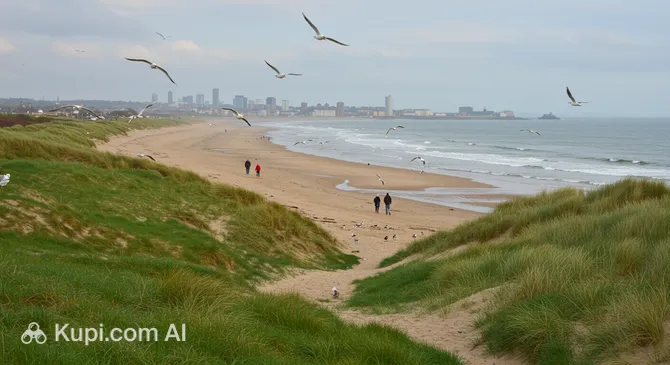
Donmouth Local Nature Reserve
Donmouth Local Nature Reserve. Иллюстрация. Источник: Kupi.com AI

The reserve has significant ecological importance and has been protected since 1992. The main feature of Donmouth is its biodiversity. It serves as a home for many bird species: here you can often spot majestic herons, vibrant kingfishers, and bustling waders. In winter, the estuary fills with flocks of migratory ducks and geese, turning into a living theater of nature.

One of the most exciting sights at Donmouth is the seals. These curious marine mammals often haul out onto the sandbanks at low tide to bask in the sun. Watching them in their natural habitat is a favorite activity for tourists and locals alike, making the reserve a must-visit for all nature lovers.

Contacts

For more details about your visit or information on current events in the reserve, you can contact the Aberdeen Countryside Ranger Service. The official website and email provide up-to-date information on the region's flora and fauna, as well as the rules of conduct for the protected area.

Below are the main contact details for administration and navigation:

How to contactContact
AddressAberdeen AB24 1XP, UK
Phone+44 1224 897400

What to Do

The main reason people come to the reserve is the opportunity to reconnect with nature. Well-maintained walking trails crisscross the territory, leading through the dunes directly to where the river meets the sea. Stunning panoramas open up from the shore, especially at dawn when the first rays of the sun paint the North Sea in golden hues.

For birdwatching enthusiasts, the conditions here are ideal. It is recommended to bring binoculars to get a detailed look at the rare birds without disturbing them. Photographers will find endless inspiration in the estuary's ever-changing landscapes and the chance to capture the resting seals.

During the warmer months, the beach areas are perfect for a family picnic while enjoying the fresh sea breeze. Information boards along the routes explain the unique features of the local ecosystem and the region's history. If you enjoy fishing, the mouth of the Don offers excellent spots, but be sure to check for the necessary permits in advance.

Getting There

Reaching this picturesque corner of nature is quite easy, especially if you are starting from Aberdeen city center. The most popular way is to use public transport: First Aberdeen bus routes No. 1 and No. 2 regularly run toward the Bridge of Don area. You should get off at the stop near the eponymous bridge and walk about 10–15 minutes toward the coast.

For those traveling by car, there is a small free parking area located on Estuary Road (Esplanade). Keep in mind that on fine weekend days, parking spaces fill up quickly, so it's best to plan your visit for the morning. A taxi ride from the city center will take no more than 10 minutes.

Active travelers might consider cycling. Part of National Cycle Route 1 runs along the coast, leading directly to the reserve. This is not only an eco-friendly choice but also a very beautiful route with constant views of the North Sea.

Ближайший город: Aberdeen

History & Facts

The history of the area that now forms the Donmouth Local Nature Reserve is inextricably linked to the city's maritime past. For centuries, the mouth of the River Don was a vital hub for local fishermen. During the Middle Ages, salmon fishing flourished here, and a small fishing village supplied the entire region with its catch.

Significant changes occurred in the 19th century when Aberdeen began to develop rapidly as a major port. In 1827, the majestic stone Bridge of Don was built across the river, becoming a key engineering feat of its time. During the same period, brickworks operated on the adjacent lands; an attentive explorer can still find fragments of their foundations among the sand dunes today.

The area officially gained reserve status in 1992. This decision was driven by the need to protect the fragile ecosystem from industrial pressure and to preserve the unique salt marshes and meadows. Since then, Donmouth has become an example of successful nature restoration, where wildlife and urban infrastructure coexist in harmony.

Time Needed

To stroll leisurely along the main trails and enjoy the views of the river mouth, most visitors need about 2–3 hours. This is the optimal amount of time for an introductory visit, including birdwatching and relaxing by the water.

If your goal is professional wildlife photography or extended observation of the seals on the sandbanks, you should set aside at least 4–5 hours. Donmouth Nature Reserve encourages contemplation, so many tourists prefer to spend half a day here, enjoying a small picnic in designated areas.

Working Hours

Donmouth Local Nature Reserve is open to visitors 24 hours a day, 7 days a week. Entry is completely free, allowing you to enjoy the natural beauty at any time that suits you. The official schedule confirms 24-hour access: Monday: Open 24 hours; Tuesday: Open 24 hours; Wednesday: Open 24 hours; Thursday: Open 24 hours; Friday: Open 24 hours; Saturday: Open 24 hours; Sunday: Open 24 hours.

However, it is important to keep in mind the lack of artificial lighting in the reserve area. For safety and the best views of the flora and fauna, we recommend planning your visit during daylight hours: approximately from 08:00 to 20:00 in the summer and from 09:00 to 16:00 during the winter months.

Круглосуточно

Nearby

A stroll through the reserve can easily be combined with a visit to other iconic city landmarks. The surroundings of Donmouth are rich in both architectural monuments and modern entertainment centers, allowing you to create a packed itinerary for the whole day.

Exploring the northern part of the city will reveal ancient university gates, historical museums, and picturesque lighthouses guarding the harbor entrance. The table below shows the most interesting sites located nearby:

NameDistance
Seaton Park1.1 km
Aberdeen Science Centre2.4 km
Aberdeen Beach2.6 km
Codona's2.7 km
Beach Boulevard Retail Park2.8 km
Queens Links Leisure Park2.9 km
Mercat Cross3 km

Reached the end of the page?

That means the route is fully explored