Support

Furness Abbey

About

Imagine a majestic red sandstone ensemble rising from a peaceful valley in northwest England. Furness Abbey comprises the impressive ruins of one of medieval Europe's most powerful and wealthy monasteries. Located in the town of Barrow-in-Furness, it stands as a silent witness to the former grandeur and spiritual influence of the Cistercian Order in the UK.
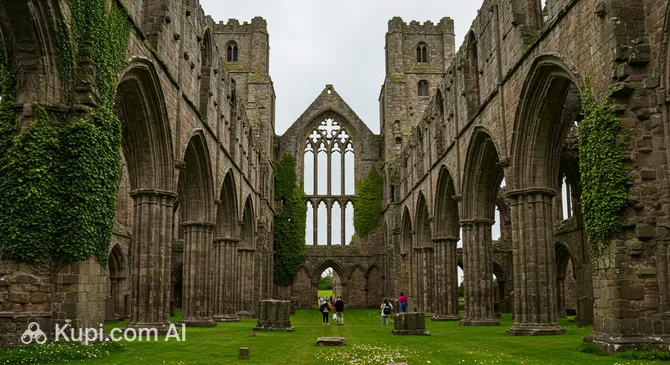
Furness Abbey
Furness Abbey. Иллюстрация. Источник: Kupi.com AI

Founded in 1124 by the future King Stephen, the abbey quickly grew into an influential economic and political powerhouse. At its peak, it owned vast lands and controlled much of the regional trade. Today, the surviving walls, arches, and structures allow visitors to appreciate the scale of Gothic architecture and immerse themselves in the atmosphere of monastic life from the 12th to the 16th centuries.

This site is considered one of the country's most significant historical landmarks. Although partially destroyed during the reforms of Henry VIII, its ruins retain a striking aesthetic that has inspired poets, writers, and Romantic artists for centuries.

Contacts

Furness Abbey is managed by English Heritage, a charity that ensures the preservation of this unique monument. For visit details or to book group tours, you can use the official communication channels.

How to contactContact
AddressManor Rd, Barrow-in-Furness LA13 0PJ, UK
Phone+44 370 333 1181
Websitewww.english-heritage.org.uk

What to Do

The main activity at the abbey is leisurely exploring the ruins of the main church. Special attention should be paid to the eastern part of the church, rebuilt in the 15th century: its massive forms vividly demonstrate the wealth of the monastic community. Walking between the massive columns, you can spot surviving decorative elements carved from stone hundreds of years ago.

The area around the former cloister (inner courtyard) allows you to imagine how the monks' daily lives were organized. Here, you can see the remains of monastic buildings where the refectories and cells were located. Information boards are installed for the convenience of visitors, helping to visualize the buildings' original appearance.

For photography enthusiasts, this location offers an endless array of striking angles. The contrast of red sandstone and bright green grass against the ever-changing British sky creates perfect conditions for shooting. There is also a small on-site exhibition showcasing archaeological finds discovered during the excavation of the complex.

Getting There

The most convenient way to reach the ancient ruins, located in the town of Barrow-in-Furness, is by car. The main roads leading to this region are the A590 and A6, which provide good connections to neighboring counties. Parking is available for visitors right at the entrance to the complex.

If you prefer public transport, the nearest railway station is in Barrow-in-Furness itself. From the station to the abbey, you can take a taxi in just a few minutes or use local bus routes that run regularly in this part of town. Walking from the center is also an option, though you should take the distance and terrain into account.

Ближайший город: Barrow-in-Furness

History & Facts

The history of this site began in 1124, when Stephen, Count of Boulogne and future King of England, founded a monastery for monks of the Savigny Order. Initially, the community was located near Preston, but within three years, it moved to the Furness Valley. This site was perfectly chosen: the abundance of fresh water, building stone, and proximity to the sea allowed the abbey to quickly grow strong and become one of the most influential spiritual centers.

In 1147, the monastery was transferred to the Cistercians, giving a new impetus to its development. By the 13th century, about a hundred monks lived here, and the abbey itself had turned into a powerful economic empire. It owned vast lands, engaged in agriculture, wool trading, and even iron mining. The influence of the Abbot of Furness extended far beyond the valley—he oversaw daughter houses not only in England but also in Ireland and the Isle of Man.

The golden age ended in 1537 when the abbey was closed during the Dissolution of the Monasteries under Henry VIII. The last abbot, Roger Pyle, was forced to sign the deed of surrender to the Crown. After this, the majestic buildings began to fall into disrepair: lead roofs were stripped for sale, and stones from the walls were carried away by locals for centuries to build roads and farms.

It was not until the late 18th century that the picturesque red sandstone ruins became an object of admiration for Romantic era artists and writers. In the 19th century, the first serious archaeological investigations began. Today, the carefully conserved remains of the walls allow us to touch medieval grandeur and realize the scale of the spiritual life of that era.

Time Needed

To explore the grounds at a leisurely pace and soak in the atmosphere of the ancient monastery, you usually need about 1.5–2 hours. This is plenty of time to walk around the main ruins, study the information boards, and take beautiful photos against the red sandstone backdrop.

If you are particularly interested in architecture or medieval history, it is worth setting aside a little more time to study the masonry details and browse the museum exhibition. A walk through the surrounding landscape can also take an additional 30-40 minutes, especially in good weather when the picturesque views of the valley invite relaxation.

Working Hours

Furness Abbey welcomes visitors daily, offering a convenient schedule for exploring the ruins on both weekdays and weekends. The complex doors are open from 10:00 to 17:00, Monday through Sunday.

When planning your visit, please note that the last entry is usually half an hour before closing. Opening hours may vary on public holidays, so it is recommended to check the official English Heritage website before your trip.

10:00 – 17:00

Nearby

The area around the abbey is rich in interesting locations that allow for a deeper dive into the history and culture of Cumbria. Exploring nearby monuments and parks is a great addition to a walk through the monastery ruins, revealing different facets of life in this region.

NameDistance
The Bay Horse1.4 km
Barrow Park2.4 km
The Forum3.2 km
Cornerhouse Park3.5 km
The Dock Museum3.8 km
The Crown, Walney4 km
King Alfred4.7 km

Reached the end of the page?

That means the route is fully explored