Support

Knoll Beach, Studland

About

Knoll Beach, Studland is a picturesque stretch of coastline that is part of the vast Studland Bay in the county of Dorset, in the southwest of the United Kingdom. This long sandy beach, which spans about 6.4 km as part of the bay, is located near the well-known resort town of Bournemouth, famous for its excellent holiday spots on the English Channel.
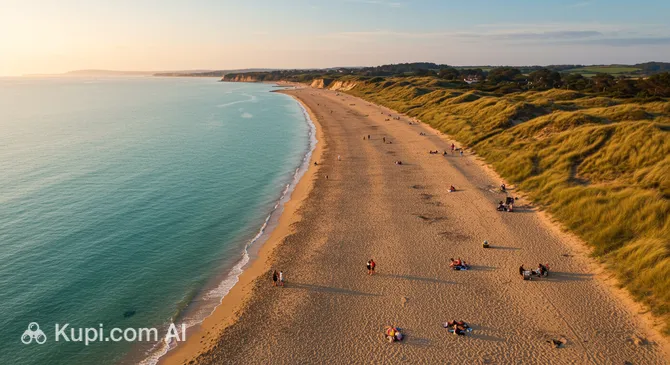
Knoll Beach, Studland. Illustration.
Source: Kupi.com AI

Traveler photos:

Knoll Beach is of particular importance as it is part of a nature reserve managed by the National Trust. Its main attraction and defining feature are the natural sand dunes, which form a unique and ever-changing coastal landscape, attracting nature lovers and photographers alike.

One characteristic of this location is the mild iodine scent coming from the brown seaweed. These are intentionally left on the shore to support the natural environment and preserve the fragile ecosystem. Visiting Knoll Beach in Studland is a wonderful opportunity to enjoy tranquility, the beauty of wild nature, and fresh sea air while walking on the soft sand and admiring the views.

Contacts

Knoll Beach in Studland is a scenic destination managed by the National Trust. For up-to-date information regarding access, parking, facilities, or events, it is recommended to visit the official National Trust website, as natural beach sites do not typically have direct contact details. Additional information can also be found at tourist information centers in Bournemouth, from where the beach is easily accessible by car or local transport.

How to contactContact
AddressKnoll Beach Studland, United Kingdom

What to Do

Knoll Beach and the adjacent Studland Bay are a wonderful destination for those who love active recreation on the water. A variety of water sports are available to visitors here: you can go yachting, catch waves on a surfboard, or set off on an exciting journey in a rowing boat or canoe. Underwater enthusiasts will also find something to enjoy, as scuba diving is possible within the bay. This range of activities makes the location popular with tourists seeking vivid experiences.

For those who prefer more relaxing pastimes, Knoll Beach offers the chance to enjoy scenic landscapes and a clean sandy shoreline. It is an ideal spot for leisurely strolls along the water's edge, a refreshing swim in the sea, or simply relaxing in the sun while enjoying the sea breeze and peaceful atmosphere.

One of the specific features of Studland Bay is the presence of the Studland nudist beach, which is located in close proximity to Knoll Beach. Additionally, visitors can explore the unique sand dune ecosystem—an important natural site that is unfortunately threatened by overgrowth due to urbanization. If you are interested in history, the picturesque ruins of Corfe Castle are located approximately 7.8 km from the beach and can be an interesting addition to your trip.

Getting There

Knoll Beach, located in the picturesque Studland Bay, is situated near the town of Bournemouth in Dorset, on the English Channel coast. There are several ways to reach it from Bournemouth, a popular resort hub. Travelers can choose to drive, take a taxi, or use public transport routes connecting the town to coastal areas, including Studland Bay.

If you are staying in the neighboring town of Swanage, the journey to Knoll Beach is even shorter—only about one and a half kilometers. This distance can be easily covered on foot while enjoying the coastal views, or quickly reached by local transport. For those planning to spend several days in the area, accommodation options are available directly around Studland, providing the most convenient and fastest access to the beach.

Nearest city: Bournemouth

History & Facts

Knoll Beach, nestled in the scenic Studland Bay, has a rich history closely tied to the aristocratic Bankes family. A key figure in this story was Ralph Bankes, the former owner of vast estates, including the beach itself. In 1981, he made a truly generous gesture by bequeathing the entire Studland Bay to the National Trust. This donation went down in history as the largest ever made to the Trust, effectively gifting this unique natural asset to the nation.

Along with Studland Bay, of which Knoll Beach is a part, the National Trust received other significant properties from Ralph Bankes' estate. These included the majestic Corfe Castle and the family manor, Kingston Lacy. Thanks to this gift, these historical and natural treasures were saved from potential development or privatization. Today, they are carefully preserved in their original or historically authentic state and are open to the public, allowing visitors to connect with history and enjoy the beauty of the English countryside.

Particular attention is paid to the sand dunes of Studland Bay, including those framing Knoll Beach. These unique natural formations, like many similar ecosystems across England and Wales, were under threat until recently. However, through active restoration efforts funded by grants from the National Lottery Heritage Fund and the EU LIFE Programme, significant success has been achieved. These measures aim to preserve the fragile natural environment of the dunes and prevent their degradation caused by urbanization and other human-induced factors, ensuring their conservation for future generations.

Time Needed

To fully enjoy Knoll Beach, Studland and explore the picturesque Studland Bay, it is recommended to set aside at least half a day. This is approximately 4-5 hours, which will allow you to take a leisurely stroll and soak up the views and atmosphere of this beautiful place near Bournemouth.

During this time, you can explore the main sections of the beach and the surrounding bay. However, if your plans include more active recreation, such as water sports or a long walk along the entire four-mile stretch of Knoll Beach, Studland, it is better to plan for a full day. This will give you the opportunity to immerse yourself in all the charms of this natural retreat without rushing.

It is also worth noting that there are other interesting places near Knoll Beach, Studland. For example, if you wish to visit nearby attractions like the scenic ruins of Corfe Castle, you will need additional time beyond what you have planned for the beach and its immediate surroundings.

Working Hours

The exact opening hours of Knoll Beach, Studland may vary, and official information regarding a strict schedule is not typically provided since it is a public beach. Generally, access to such beaches in the UK is open 24 hours a day, allowing visitors to enjoy its beauty at any convenient time. However, for the most up-to-date information—especially concerning lifeguard services or available facilities—it is recommended to visit the official National Trust website, which manages the area, or check with local tourist information centers.

It is important to note that despite 24-hour access to the beach itself, overnight stays and camping are prohibited within Studland Bay. Therefore, you should plan your visit for the daytime. The beach is accessible year-round, though some infrastructure facilities, such as cafes or equipment rentals, may operate seasonally. Advance booking to visit the beach itself is usually not required.

Nearby

A visit to Knoll Beach, Studland is a wonderful experience in itself, but exploring the surrounding area can significantly enrich your trip and lead to new discoveries. Numerous other interesting sites are located in the immediate vicinity of this picturesque spot, catering to all tastes—from natural beauty to cultural landmarks.

By taking a little time to explore nearby locations, you can immerse yourself deeper into the atmosphere of Bournemouth and its surroundings, see more, and get a more complete picture of this corner of the United Kingdom. Below is a list of several attractions located near Knoll Beach, Studland, along with the distance to each.

NameDistance
Rick Stein Sandbanks2 km
Sandbanks Beach2.1 km
Branksome Chine Beach4.6 km
Poole Quay Boat Haven5.5 km
Alum Chine Beach5.6 km
Alum Chine Bridge5.7 km
Poole Museum5.7 km

Have you reached the end of the page?

So the route has been studied inside and out