Support

Cirencester

About

Cirencester is a true gem of the English countryside, nestled in the heart of the picturesque Cotswolds region in Gloucestershire, United Kingdom. This charming town, located just a few kilometers from the source of the famous River Thames, attracts travelers eager to explore the authentic English heartland and enjoy its unique charm.
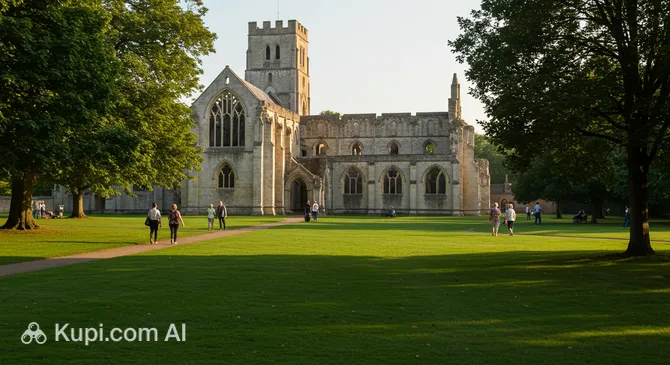
Cirencester. Illustration.
Source: Kupi.com AI

With a population of around 19,000, Cirencester maintains the atmosphere of a small town where every corner breathes history and tradition. It is rightfully considered the unofficial capital of the Cotswolds—a region renowned for its rolling hills, green meadows, and characteristic honey-colored stone houses. The town is famous for its cozy, friendly atmosphere and slow pace of life, allowing guests to escape the hustle and bustle of big cities and immerse themselves in the tranquility of the English province.

For tourists, Cirencester is a real open-air museum. Among its main treasures are the impressive Roman ruins, testifying to the town's rich past as the important Roman settlement of Corinium Dobunnorum, and the majestic Church of St. John the Baptist, often called the "Cathedral of the Cotswolds" for its impressive size and magnificent architecture. It is also worth visiting the Corinium Museum, which houses one of the finest collections of Roman artifacts in the country.

Strolling through the cobbled streets lined with ancient buildings, visiting cozy traditional pubs, cafes, and independent shops will provide true pleasure. Cirencester is perfect for family trips, romantic weekends, and educational tours. It is a place with a special atmosphere of English elegance and hospitality that invites you to explore its historical secrets and enjoy the beauty of the surrounding nature.

You can find more interesting facts on the history of Cirencester page.
Weather Overview

The weather in Cirencester is characterized by a temperate climate. Summers here are generally warm and comfortable, with average temperatures in July and August around 17°C (maximum values can reach 20-21°C). Winters are cool, with an average January temperature of approximately 4.6°C, and minimums can drop to 2.0°C.

Precipitation in Cirencester is fairly evenly distributed throughout the year, averaging 2-3 mm per month, with the number of rainy days ranging from 11 to 16 per month. Overall, expect moderately warm summers with occasional, but usually light, rain, and cool, damp winters. For more detailed information, you can check the Cirencester climate page.

Average monthly temperature

Average monthly precipitation

Interesting Facts

Beyond its well-known landmarks, Cirencester, this charming corner of the United Kingdom, hides many surprising stories and little-known details. Here are just a few of them:

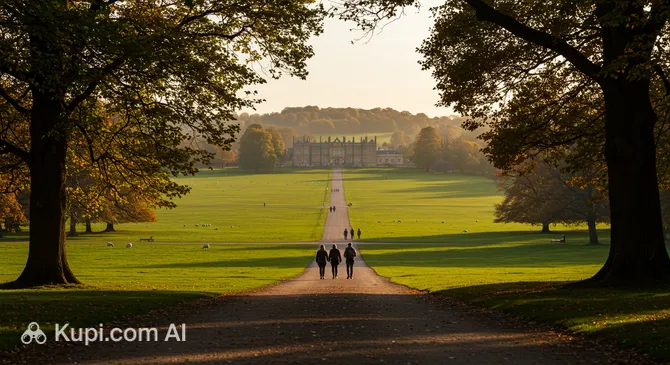
Cirencester Park. Illustration.
Source: Kupi.com AI

Traveler photos:

  • Few people know that in Roman times, Cirencester, then known as Corinium Dobunnorum, was the second-largest city in Britain after Londinium (modern-day London). Fragments of its former greatness, including the remains of a Roman amphitheatre, can still be found in the town.

  • The magnificent Church of St. John the Baptist houses one of the few surviving pre-Reformation pulpits in England, dating back to 1515. It is a true treasure for connoisseurs of church history and architecture.

  • The famous Cirencester Park, laid out in the early 18th century, owes its original landscape design to none other than the famous poet Alexander Pope. Additionally, a yew hedge grows here that is considered the tallest in the world!

  • The town carefully preserves its industrial heritage: a former Victorian-era brewery has today been transformed into a vibrant arts and crafts gallery. Here, you can not only see the works of local artisans but also try your hand at creating something unique at one of the workshops.

How to Get There

Cirencester, located in the picturesque Cotswolds region, enjoys good transport accessibility despite lacking its own airport or railway station directly within the town limits. Travelers can take advantage of a well-developed road network and nearby transport hubs. You can find more details on how to get to Cirencester below, where we examine the main methods.

There is no airport in the town itself, but you can fly into Bristol Airport (BRS), which is approximately 64 km from Cirencester. This is the nearest major civilian airport handling many flights. The journey by taxi or rental car takes about 1 hour and 15 minutes, depending on traffic. You can also use bus services with transfers.

Another popular option for international travelers is Birmingham International Airport (BHX). It is located about 83 km from Cirencester. A car trip from here will take approximately 1 hour and 30 minutes. This is a major transport hub with high passenger traffic, offering a wide range of flights.

For clarity, here is summary information on the main airports:

AirportPassenger trafficDistance
Fairford (RAF Station)200 00013 km
Oxford Airport12 50047 km
Bristol Airport9.8 mln64 km
Birmingham International Airport13.0 mln83 km
Southampton Airport900 00096 km

Rail travel is another convenient way to reach the region. There is no train station in the town itself, but you can arrive at Swindon Railway Station in the town of Swindon, which is only about 21 km from Cirencester. This is a major junction station with frequent services from London (Paddington Station) and other cities. From Swindon station, Cirencester town center can be reached by taxi or direct bus in about 30–40 minutes.

You might also consider traveling via stations in other towns if your route passes through them. Below is a table of the nearest railway hubs:

StationPassenger trafficDistance
Swindon Railway Station2.8 mln21 km
Bristol Parkway Station2.1 mln46 km
Bath Spa Railway Station6.1 mln47 km
Oxford Railway Station6.8 mln48 km
Bristol Temple Meads Station10.2 mln52 km

In addition to public transport, Cirencester is easily accessible by car. The town is located near the M4 and M5 motorways, and the important A417 and A419 roads pass through it, connecting it with Gloucester and Swindon. Traveling by car will allow you to enjoy picturesque views of the English countryside along the way.

Main Attractions

Cirencester, a charming market town known as the "Capital of the Cotswolds," offers travelers a rich historical heritage and picturesque spots. Among its main attractions are sites that tell the story of its Roman past and medieval prosperity.

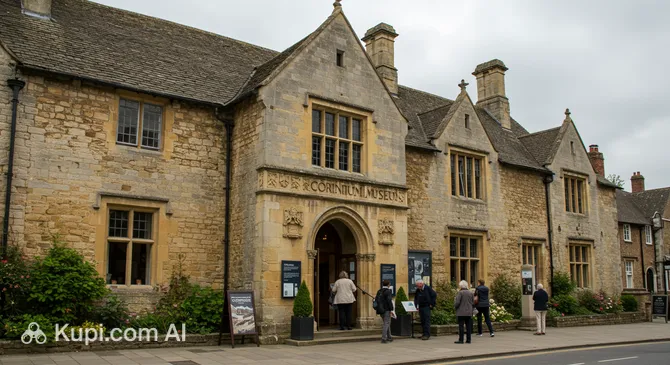
One of the town's main treasures is the Corinium Museum. Here, you can immerse yourself in the rich Roman history of Cirencester, which was once the second-largest city in Roman Britain. The museum boasts an impressive collection of Roman artifacts, including beautifully preserved mosaics, sculptures, and everyday items. This is a must-visit for anyone interested in ancient history.

Corinium Museum. Illustration.
Source: Kupi.com AI

Traveler photos:

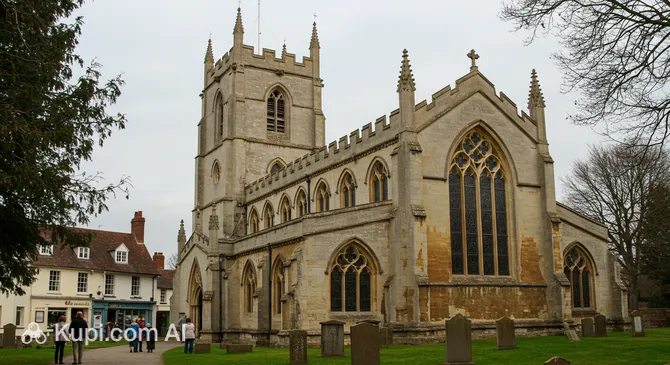
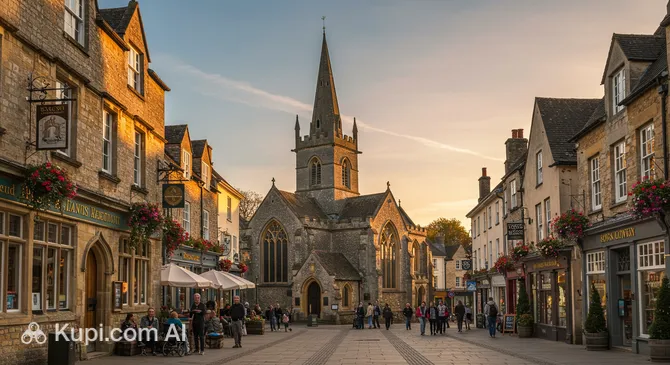
The majestic Church of St John the Baptist, Cirencester dominates the townscape. This impressive "wool church," built with funds from wealthy wool merchants, is one of the largest parish churches in England. Its stunning Perpendicular Gothic architecture, richly decorated interior, and famous Anne Boleyn porch attract both pilgrims and lovers of history and architecture.

Church of St John the Baptist, Cirencester. Illustration.
Source: Kupi.com AI

Traveler photos:

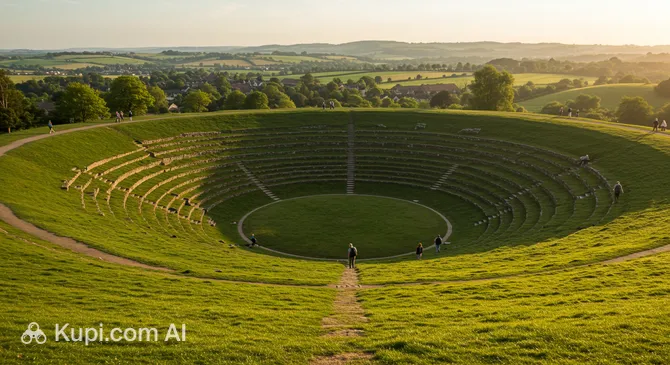
Not far from the town center are the impressive remains of the Cirencester Amphitheatre. Built in the 2nd century AD, it could hold up to 8,000 spectators. Today, this earthwork structure covered in grass allows you to imagine the scale of ancient spectacles and is a wonderful place for walks and picnics, offering views over the town.

Cirencester Amphitheatre. Illustration.
Source: Kupi.com AI

Traveler photos:

For lovers of nature and peaceful relaxation, Cirencester Park is the ideal destination. This vast estate, belonging to Earl Bathurst, is open to the public and offers miles of scenic walking trails among ancient trees and well-kept avenues. The park is an oasis of calm and a perfect place to enjoy the beauty of the English countryside.

Cirencester Park. Illustration.
Source: Kupi.com AI

Traveler photos:

Local Cuisine

The gastronomic scene in Cirencester is a true immersion into the heart of traditional English cuisine with the vibrant local flavor of the Cotswolds. Here, dishes made from seasonal produce grown on neighboring farms are highly valued. Be sure to try classic English meat pies with various fillings, hearty soups, fragrant roast lamb, and, of course, the famous Cotswold cheese, often served with freshly baked homemade bread and farmhouse butter. Thanks to the region's rich hunting grounds, game dishes are also frequently found on local menus.

Among beverages, craft beers and ciders produced in small local breweries are especially popular—an excellent accompaniment to hearty meals. You also cannot overlook the traditional English tea time. Be sure to enjoy a "cream tea"—freshly baked scones served with clotted cream and strawberry jam. This is not just a dessert, but a whole ritual that can be shared in one of the town's cozy cafes.

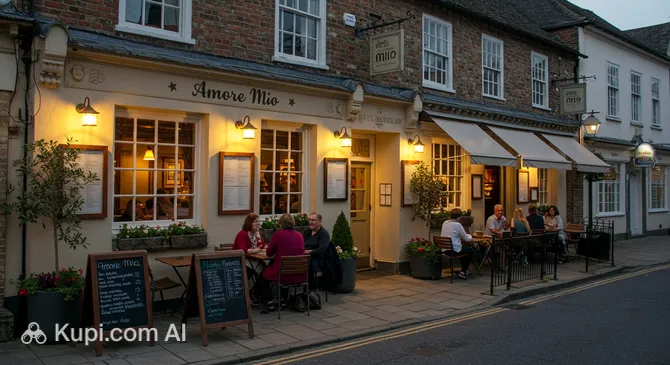
Food culture in Cirencester is diverse. Locals and tourists love spending time in traditional English pubs, where a relaxed atmosphere prevails and classic dishes can be sampled. The town also has many restaurants for every taste, from fine dining establishments to more casual options like Amore Mio. Don't forget to visit the farmers' markets: here you can not only buy the freshest vegetables, berries, cheeses, and honey but also taste local delicacies. The town also regularly hosts food festivals where you can get acquainted with the best examples of regional cuisine.

Amore Mio. Illustration.
Source: Kupi.com AI

Traveler photos:

For gourmets, Cirencester offers an authentic taste of the English countryside. From hearty pub lunches to elegant dinners, from fresh produce from the farmers' market to fragrant pastries in tea rooms—the town is capable of surprising and delighting everyone who values quality and delicious food. Here you can truly feel the hospitality of the Cotswolds and its culinary traditions.

Travel Tips

Planning a trip to charming Cirencester, the jewel of the Cotswolds? These practical tips will help you prepare for your journey and enjoy every moment in this historic town in the United Kingdom.

  1. Clothing and Essentials: Weather in the United Kingdom is changeable, so even in summer, it's worth bringing a light jacket or sweater and an umbrella. Comfortable shoes are a must, as Cirencester and its surroundings are best explored on foot. Don't forget an adapter for British sockets (Type G). No specific dress code is usually required for visiting churches, but modest clothing is appropriate.
  2. Transport: Cirencester is a compact town, and the most pleasant way to get around the center is on foot. For trips to neighboring Cotswold towns and villages, you can use local buses. Renting a car can be a good idea if you plan to actively explore the region, but note that parking in the town center may be limited. Taxis are available, but it's better to book them in advance.
  3. Finances: The local currency is the British Pound Sterling (GBP). Credit and debit cards (especially Visa and Mastercard) are accepted almost everywhere. ATMs are easy to find. It's recommended to carry a little cash for small purchases or at markets. Tips in restaurants are usually 10-15% of the bill if a service charge is not automatically included. Tipping in pubs is not mandatory, but rounding up the bill will be appreciated.
  4. Health and Safety: There are pharmacies in Cirencester (such as Boots) where you can buy over-the-counter medicines. If medical assistance is needed, tourists should contact local clinics or the hospital. Cirencester is considered a very safe town, but standard precautions, such as keeping an eye on personal belongings, are always relevant.
  5. Communication: The primary language is English. Staff in tourist areas, hotels, and restaurants speak English fluently. You can buy a local SIM card in supermarkets or mobile phone shops. Wi-Fi is widely available in cafes, pubs, hotels, and some public areas.
  6. Local Etiquette: The British value politeness. The words "please," "thank you," and "sorry" are used very frequently. It is customary to observe a queue (queuing)—this is an important part of the local culture. When communicating with locals, maintain a friendly but not overly familiar tone.
  7. What to Avoid: Try not to speak too loudly in public places, especially in restaurants and pubs—the British appreciate a calm atmosphere. Also, avoid trying to "jump the queue"—it is considered extremely impolite.
  8. Extra Tip: Be sure to visit the Corinium Museum to learn more about Cirencester's rich Roman past. Also, check the local market schedule—they are often held in the main square and offer fresh produce and handmade goods.

We hope these tips make your stay in Cirencester comfortable and unforgettable. Enjoy the atmosphere of this wonderful corner of England!

Entertainment & Nightlife

Cirencester, a charming market town in Gloucestershire, offers its guests a cozy and relaxed atmosphere for evening relaxation. While it may not have the abundance of noisy nightclubs found in major cities, the town is famous for its traditional pubs, stylish bars, and restaurants where you can spend a pleasant time after a busy day.

Evening life in Cirencester is mainly concentrated in the town center, especially around the Market Place and adjacent streets such as Castle Street, Dyer Street, and Black Jack Street. Here you will find many establishments for every taste. The atmosphere in most places is friendly and laid-back, attracting both locals and tourists. Many pubs offer a wide selection of local ales and ciders, while restaurants pride themselves on dishes made from fresh regional produce.

For a nice dinner, you might consider establishments such as Amore Mio, offering Italian cuisine, or Dosapark, where you can experience Indian dishes. It is recommended to book tables in advance, especially on weekends. Most establishments are open until late evening, though closing times may vary.

Amore Mio. Illustration.
Source: Kupi.com AI

Traveler photos:

Practical tips for evening leisure:

  • When to visit: Friday and Saturday evenings are the liveliest times. On weekdays, the atmosphere is much quieter.
  • Prices: Prices in Cirencester's pubs and restaurants are generally moderate, reflecting the quality of the services offered.
  • Transport: The town center is easy to explore on foot. For longer distances at night, it is best to use local taxi services, which can be called by phone or found at designated taxi ranks.
  • Dress code: Most venues in Cirencester accept a smart casual style; strict dress codes are rare.

Cirencester is considered a safe enough town for evening walks, especially in the central areas. Nevertheless, it is always worth taking standard precautions.

Dosapark. Illustration.
Source: Kupi.com AI

Traveler photos:

During the day, there is also plenty to do in Cirencester. Guests can visit the famous Corinium Museum to learn more about the town's Roman past, or stroll through scenic parks such as Cirencester Park or the Abbey Grounds. Also of interest are the historical Cirencester Amphitheatre and the majestic Church of St. John the Baptist.

Parks & Museums

Cirencester, a charming town in Gloucestershire, offers its guests not only an immersion into rich history but also the opportunity to enjoy beautiful green spaces and informative museums. Here, everyone will find something for themselves, whether it's a peaceful walk in nature or an encounter with Roman heritage.

Among the town's green jewels is Cirencester Park, a vast estate designed in the 18th century, perfect for long walks and picnics. Its picturesque avenues and well-tended lawns create an atmosphere of serenity. Another popular spot for relaxation is the Abbey Grounds, located on the site of a former Augustinian abbey. This park attracts visitors with its beautiful flower beds, a lake, and historical ruins, creating a unique combination of nature and history.

Cirencester Park. Illustration.
Source: Kupi.com AI

Traveler photos:

Abbey Grounds Park. Illustration.
Source: Kupi.com AI

Traveler photos:

The town's main cultural hub is the Corinium Museum. It houses one of the most significant collections of Roman artifacts in the UK, including stunning mosaics, sculptures, and everyday items found in ancient Corinium (the Roman name for Cirencester). A visit to the museum is a fascinating journey through time, allowing for a better understanding of the town's Roman past.

Corinium Museum. Illustration.
Source: Kupi.com AI

Traveler photos:

In addition to museums, Cirencester prides itself on other historical sites. Be sure to see the impressive Cirencester Amphitheatre, one of the largest Roman amphitheatres in Britain, where gladiatorial combats and public events once took place. Its earth banks still amaze with their scale. Equally significant is the majestic Church of St. John the Baptist, known as the "Cathedral of the Cotswolds." It is a magnificent example of Perpendicular Gothic architecture with a rich interior and an impressive tower that dominates the townscape.

Cirencester Amphitheatre. Illustration.
Source: Kupi.com AI

Traveler photos:

Church of St John the Baptist, Cirencester. Illustration.
Source: Kupi.com AI

Traveler photos:

For a more authentic experience, stroll through the quiet streets away from the main tourist routes, such as Black Jack Street, where you can find small independent shops and cafes. Also, keep an eye out for the Corn Hall market, where craft and antique fairs are often held, offering unique souvenirs.

Getting Around

When planning your travel around Cirencester, it's worth noting that this is a charming historical town where many attractions are within walking distance. However, for longer trips or if you prefer not to walk, several public transport options are available.

The main form of public transport in Cirencester and its surroundings is buses. They connect various parts of the town and provide links to nearby villages and towns. The route network is developed enough to reach key points. In a town of this size, there are typically no metro or tram systems.

The bus fare system is generally quite simple. Tickets can be purchased directly from the driver upon boarding. Most buses accept payment in both cash (it's recommended to have small change) and contactless bank cards or via mobile payment systems. The approximate cost of a single trip around town is about £2-£3. For those planning to travel frequently, day riders (day passes) can be cost-effective, with prices usually ranging between £4-£6, or weekly passes. Many large bus operators also offer their own mobile apps, where you can not only buy tickets but also plan your route and track bus movements in real time. It is always best to check the official websites of the transport companies or information boards at bus stops for up-to-date information on fares, pass types, and routes.

Tourists should pay attention to bus schedules, especially if traveling in the evening or on weekends when service intervals may be longer. Buses generally start running early in the morning and finish in the evening. Ticket validation happens upon purchase from the driver or by presenting a pass.

In addition to buses, other methods of transport are available in Cirencester. Taxis can be ordered by phone or found at designated taxi ranks. This is a convenient, though more expensive option, especially for night trips or when traveling with luggage. Given the compactness of the town center, walking is an excellent way to experience its atmosphere. For those wishing to explore the surrounding area, car rental may be relevant. In some tourist spots in the UK, bicycle rental is also popular, but its availability and terms in Cirencester should be confirmed locally.

Accommodation

When planning a trip to Cirencester, you will find a variety of accommodation options to suit different preferences and budgets. The town offers cozy traditional bed and breakfasts (B&Bs), classic hotels, as well as apartments and self-catering holiday homes, which are particularly convenient for families or long stays.

For tourists, the most convenient area to stay is usually Cirencester town center. By staying here, you will be within walking distance of the main attractions, such as the Corinium Museum, the Church of St. John the Baptist, and the scenic Abbey Grounds. A central location also provides easy access to shops, restaurants, and transport links.

While there are no specific hotels in the provided list of attractions, Cirencester offers a wide choice ranging from small family-run guesthouses to larger full-service hotels. You can find historical buildings with a unique atmosphere as well as modern accommodation options.

Regarding price range, you can find budget options as well as mid-range and high-end accommodation in Cirencester. Costs can vary depending on the season, location, and level of comfort. It is recommended to book your accommodation in advance, especially if your trip coincides with the peak tourist season or during local festivals and events. To search and book, it is convenient to use popular online platforms or contact your chosen hotel or guesthouse directly.

Nearby Cities

For those wishing to explore the surrounding area, Cirencester serves as an excellent starting point for day trips to several interesting nearby locations. For example, not far away is Gloucester, a city with a rich history where you can visit the magnificent Gloucester Cathedral, known for its stained glass and as a filming location for Harry Potter films, and take a stroll through the historic docks. It is also worth visiting Cheltenham—an elegant spa town famous for its Regency architecture, beautiful gardens, and numerous festivals, including the famous horse races. Other nearby towns also offer their unique attractions and are listed below:

CityPopulationDistance
Fairford3 30013 km
Blunsdon St Andrew12 41417 km
Stroud13 46818 km
Brockworth9 42219 km
Charlton Kings10 39619 km

These nearby destinations provide an insight into the diverse culture and landscapes of the United Kingdom region.

Shopping & Souvenirs

Cirencester, a charming market town in the heart of the Cotswolds, offers a pleasant and varied shopping experience, far removed from the hustle and bustle of large shopping centers. Independent boutiques, antique shops, delis, and art galleries predominate here, making the search for unique items particularly exciting. The town is famous for its traditional markets and emphasis on high-quality locally made goods.

The main shopping areas are concentrated around the historic Market Place and adjacent streets such as Black Jack Street, Cricklade Street, and Dyer Street. Strolling through these cobbled lanes, you will discover many cozy shops offering clothing, jewelry, books, home décor, and much more. The atmosphere here encourages leisurely shopping and the search for special souvenirs.

Cirencester does not have large modern shopping malls in the traditional sense. Instead, the town's retail life is focused on individual shops and markets. However, it is worth looking at The Corn Hall—a historic building on the Market Place that regularly hosts various fairs, including craft, antique, and farmers' markets, offering visitors an indoor space to shop and meet local producers.

Markets are an integral part of shopping in Cirencester. The Charter Market, held on Mondays and Fridays in the Market Place, has a centuries-old history. Here you can find fresh produce, flowers, clothing, household goods, and more. The Farmers' Market is also popular, usually taking place twice a month on Saturdays, where local farmers and producers offer their wares. The Corn Hall also frequently hosts themed markets.

As souvenirs from Cirencester, it is worth bringing back items from local artisans, such as ceramics, textiles, or jewelry. Antique finds, books about local history, and the town's Roman heritage are also popular (after all, Cirencester was once the second-largest city in Roman Britain). Don't forget gastronomic souvenirs—local cheeses, jams, cider, or ale.

Most shops in Cirencester are open Monday through Saturday, usually from 9:00-10:00 to 17:00-17:30. Some smaller shops may have shorter hours or be closed on Sundays, although some outlets may open during the tourist season. Credit and debit cards (Visa, Mastercard) are accepted everywhere, and contactless payments are widely used. However, cash may be useful for purchases at markets or in small shops.

Regarding tax refunds (Tax Free), rules changed after the United Kingdom left the European Union. As of early 2021, the VAT refund scheme for tourists shopping in UK stores (England, Scotland, and Wales) was abolished for most goods exported in personal luggage. Exceptions apply to goods sent by the seller directly to the buyer's overseas address. It is recommended to check the current rules directly before your trip or in stores where major purchases are planned.

Reached the end of the page?

That means the route is fully explored