Support

Dunfermline

About

Dunfermline is a city with a remarkably rich history, having once been the capital of Scotland. It is located in the heart of the Scottish region of Fife, within the UK, just 30 kilometers north of Edinburgh. The city is nestled on picturesque hills, making it an excellent starting point for exploring Scotland's deep heritage.
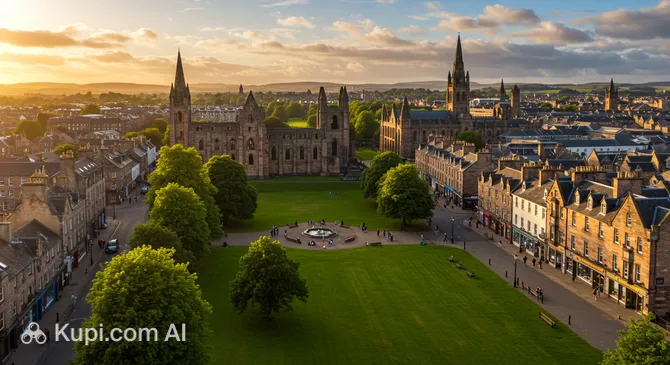
Dunfermline. Illustration.
Source: Kupi.com AI

With a population of around 53,100 people, Dunfermline retains the atmosphere of a welcoming and cozy city where historical grandeur harmoniously blends with the rhythm of modern life. Strolling through its streets, you will feel the special energy of a place where every stone seems to hold centuries-old secrets and royal legends.

The main gems of Dunfermline that attract travelers are the majestic Dunfermline Abbey, the final resting place of many Scottish monarchs, including Robert the Bruce, and the adjacent ruins of the royal Dunfermline Palace. Equally notable is the vast Pittencrieff Park, generously gifted to the city by the famous philanthropist Andrew Carnegie, who was born here. This park is a wonderful place for walks and relaxation.

Dunfermline is definitely worth a visit for anyone dreaming of touching the real Scotland, its deep history, and unique culture. This city surprises with its authenticity and ability to carefully preserve traditions, offering guests unforgettable experiences and the warmth of Scottish hospitality.

You can find more interesting facts on the Dunfermline city history page.
Weather Overview

The climate in Dunfermline is temperate, with mild winters and cool summers typical of this part of Scotland. The average temperature in the warmest months, July and August, stays around 14-15°C, with maximum daytime temperatures reaching 17-18°C. In winter, during January and December, the average temperature is about 3-4°C, with minimum temperatures dropping to 1-2°C. Precipitation in Dunfermline occurs quite regularly throughout the year, although the total amount is modest—usually between 2 to 4 mm per month. The highest number of rainy days occurs in the autumn and winter months, for instance, up to 18 days in October. Expect moderately warm summers with frequent but usually light rain, and cool winters also characterized by regular, though small, amounts of precipitation. For more detailed information on weather conditions, you can visit the weather in Dunfermline page.

Average monthly temperature

Average monthly precipitation

Interesting Facts

Beyond its well-known historical treasures, Dunfermline holds many fascinating secrets and unexpected details. Ready to get to know this ancient Scottish city a little better?

Dunfermline Abbey and Palace. Illustration.
Source: Kupi.com AI

Traveler photos:

  • The Royal Heart of Scotland: For a long time, Dunfermline was not just an important city, but the de facto capital of Scotland. It is here, within the walls of the majestic Dunfermline Abbey and Palace, founded by King Malcolm III and Saint Margaret in the 11th century, that the remains of many Scottish monarchs rest, including the legendary Robert the Bruce.

  • Cradle of Global Philanthropy: Dunfermline is the birthplace of Andrew Carnegie, the steel tycoon and one of the most generous philanthropists in history. Interestingly, the first of more than 2,500 Carnegie libraries built worldwide was opened right here in his hometown and remains a source of local pride to this day.

  • Mysterious Shadows of Pittencrieff: Pittencrieff Park, a favorite leisure spot for residents, is shrouded in mystery. Legends say that in its ancient groves and near the ruins of Malcolm Canmore's Tower, the ghosts of Scottish monarchs who once ruled the country from Dunfermline still roam. They are said to be seen most often on misty evenings when the past comes alive in the rustle of the leaves.

  • An Unexpected Roar of Engines: Despite its venerable age and rich history, Dunfermline is no stranger to modern entertainment. Not far from the city lies the famous Knockhill Racing Circuit, which regularly hosts national and international competitions, adding a touch of adrenaline to the city's steady pace of life.

How to Get There

Getting to Dunfermline in Scotland can be done in several ways, though the most convenient for most tourists will be flying followed by a transfer or taking a train to nearby major hubs.

The main air hub for traveling to Dunfermline is Edinburgh Airport (EDI). It is located in the city of Edinburgh, only about 14.4 km from Dunfermline. This is a large international airport receiving many flights from various countries. A taxi ride from the airport to the center of Dunfermline takes approximately 40-50 minutes. Bus routes are also available.

Another significant international airport is Glasgow Airport (GLA), located in the city of Glasgow, about 65.2 km from Dunfermline. The journey from here by car or taxi takes about 1.5-2 hours. For those looking for alternatives, Dundee Airport (DND), located in Dundee, about 50 km away, can be considered. This airport is smaller and primarily serves regional and some international destinations.

For convenience, here is a summary of the main airports used to reach Dunfermline:

AirportPassenger trafficDistance
Edinburgh Airport14.4 mln14 km
Dundee Airport41 12750 km
Glasgow International Airport8.1 mln65 km
Glasgow Prestwick Airport535 10195 km
Aberdeen International Airport2.3 mln148 km

Rail travel in the UK is well-developed, and while Dunfermline itself may not have a major hub station listed here, you can easily reach it via nearby cities. One of the key stations is Waverley Station (ZXE) in Edinburgh, located approximately 21.1 km from Dunfermline. This is a very large transport hub from which you can reach Dunfermline by local train, bus, or taxi in about 45-60 minutes.

Another important railway hub is Glasgow Central station (ZGG) in Glasgow, located about 55.6 km away. Convenient transfer options to Dunfermline also exist from here; a trip by public transport or taxi can take about 1.5 hours. These stations connect the region with other major cities in the UK.

Here is information on some railway stations used to reach the Dunfermline region:

StationPassenger trafficDistance
Waverley Railway Station23.1 mln21 km
Dundee Railway Station1.7 mln50 km
Aberdeen Railway Station2.3 mln54 km
Glasgow Central Station25.0 mln56 km
Carlisle Central Station2.1 mln135 km

Upon arrival at one of these transport hubs, the final leg to Dunfermline itself can be completed via local buses, trains (if there is a direct connection to smaller stations in or near Dunfermline), or taxis.

Main Attractions

Dunfermline, the ancient capital of Scotland, offers visitors a chance to dive into rich history and enjoy picturesque natural spots. Among the many interesting sites, several key attractions stand out that should not be missed.

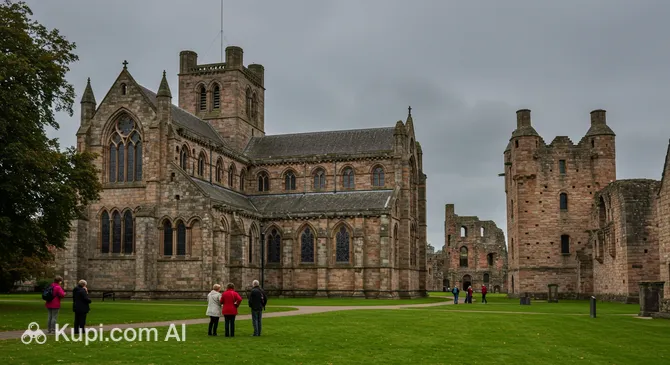
The crown jewel of the city is undoubtedly the Dunfermline Abbey and Palace. This site holds immense historical significance, as the abbey served as the burial place for many Scottish monarchs, including the famous Robert the Bruce. The ruins of the palace, once a royal residence, are equally impressive in their grandeur and offer a glimpse into Scotland's past. Visitors can explore the ancient naves of the abbey, see the tomb of Robert the Bruce, and imagine life at the royal court.

Dunfermline Abbey and Palace. Illustration.
Source: Kupi.com AI

Traveler photos:

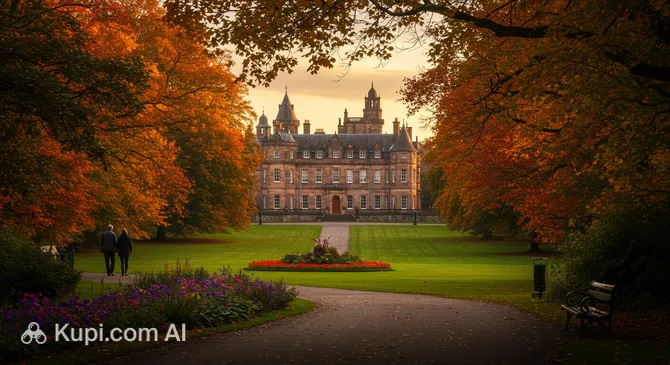
For nature lovers and those seeking peaceful strolls, Pittencrieff Park, often called "The Glen" by locals, is the perfect destination. This expansive park was gifted to the city by the philanthropist Andrew Carnegie, who was born in Dunfermline. Here, you can find manicured gardens, scenic trails, a greenhouse with exotic plants, and even peacocks roaming freely. It is a wonderful place for a family outing, a picnic, or simply enjoying the peace and beauty of nature.

Pittencrieff Park. Illustration.
Source: Kupi.com AI

Traveler photos:

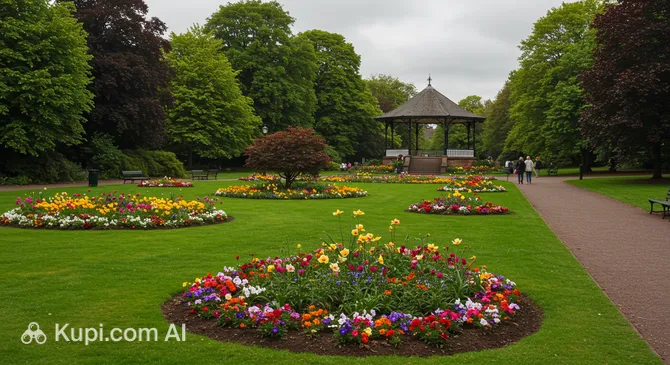
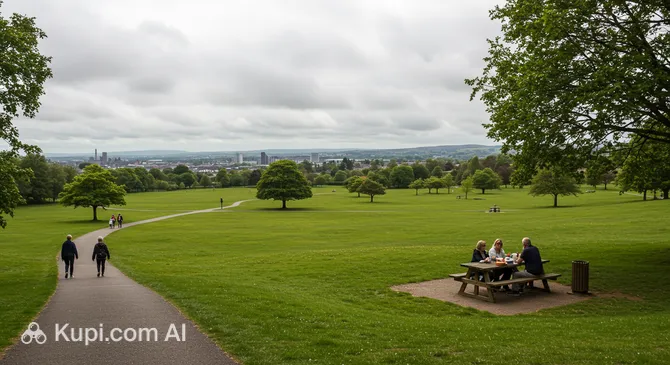
Another popular spot for outdoor relaxation is Dunfermline Public Park. It offers a variety of opportunities for active recreation and leisure. With its spacious lawns, playgrounds, and well-maintained pathways, the park attracts both locals and tourists looking to escape the city bustle and enjoy nature in the heart of Dunfermline.

Dunfermline Public Park. Illustration.
Source: Kupi.com AI

Traveler photos:

Local Cuisine

The gastronomy of Dunfermline is a fascinating immersion into the world of traditional Scottish cuisine. The city offers many opportunities to enjoy authentic dishes prepared from fresh local ingredients. Here you will find both classic recipes passed down through generations and modern interpretations of culinary traditions.

Be sure to try the famous haggis—a hearty and savory dish made from sheep's pluck, oatmeal, and spices, which is a hallmark of Scottish cuisine. Also worth tasting in Dunfermline are juicy steaks made from local beef and fresh fish caught in the nearby waters of Fife. Don't forget the desserts: traditional crumbly shortbread and fragrant Dundee cake with raisins and candied fruits are a perfect way to end a meal. Local bakeries will also delight you with a variety of pies and fresh buns.

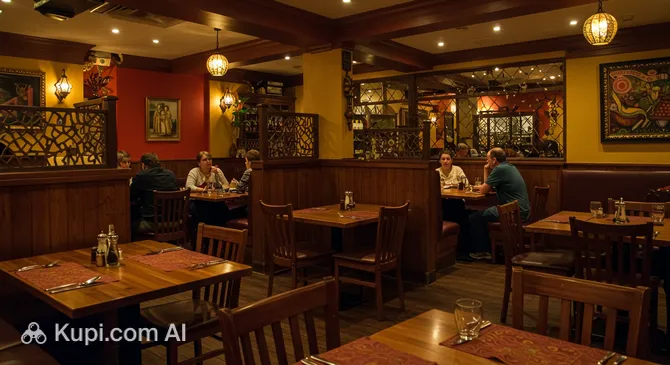
Dhoom. Illustration.
Source: Kupi.com AI

Traveler photos:

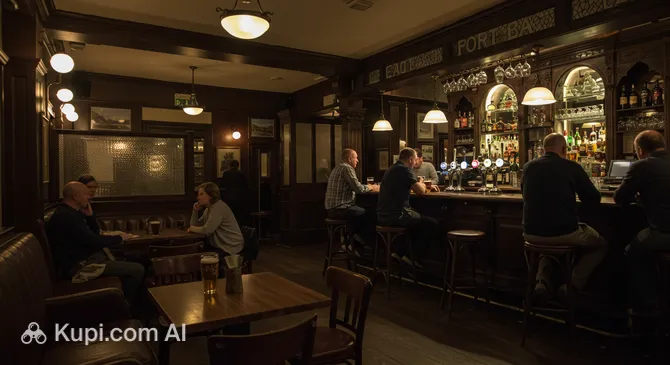
Getting to know the local cuisine would be incomplete without tasting the drinks. Dunfermline is famous for its ales, which perfectly complement any dish. And, of course, the legendary Scottish whisky cannot be ignored. Many pubs, such as the East Port Bar, offer a wide selection of this noble spirit, and sometimes you can even catch a tasting session here. For those who prefer non-alcoholic options, there is always a cup of strong tea or aromatic coffee, which pairs beautifully with local pastries.

East Port Bar. Illustration.
Source: Kupi.com AI

Traveler photos:

The food culture in Dunfermline centers around cozy pubs and restaurants where locals and tourists can enjoy quality food in a pleasant atmosphere. Traditional pubs often offer not just drinks, but a full menu of classic Scottish dishes. Restaurants like Dhoom can offer both traditional and more modern culinary delights. For fresh local produce—vegetables, berries, cheeses—it's worth heading to the farmers' markets. Occasionally, the city hosts street food festivals and culinary celebrations, which add variety to Dunfermline's gastronomic life.

Dunfermline's gastronomic scene attracts with its authenticity, emphasis on fresh local ingredients, and loyalty to tradition. It is a wonderful opportunity to taste the real Scotland, enjoy the hospitality, and discover the richness of local culinary arts.

Travel Tips

Planning a trip to Dunfermline, a city with a rich history and former capital of Scotland? To ensure your journey is as comfortable as possible and leaves only the warmest memories, use our practical tips.

  1. A Wardrobe for Scottish Weather and More:

    The climate in Dunfermline, as in all of Scotland, is quite changeable and can be rainy at any time of year. We recommend bringing layered clothing so you can easily adapt to temperature changes. Be sure to pack a waterproof jacket or raincoat and an umbrella. Comfortable walking shoes for the historic center and parks are your best friend. Don't forget an adapter for British sockets (Type G). When visiting sites like Dunfermline Abbey, modest clothing that covers shoulders and knees is preferable.

  2. Getting Around the City:

    Dunfermline is a compact city, and many of its attractions are within walking distance. The main form of public transport is buses (for example, Stagecoach). Taxis are available and can be called by phone or found at designated ranks; some popular ride-hailing apps may also work. Renting a car can be useful if you plan to explore the surrounding Fife region, but it is not always practical for getting around the city itself due to potential parking difficulties.

  3. Financial Aspects:

    The local currency is the Pound Sterling (GBP, £). You can exchange currency at banks or specialized exchange offices, though bank rates are usually more favorable. Credit and debit cards (Visa, Mastercard) are widely accepted in most shops, restaurants, and hotels. International cards should work without issues, but check with your bank before traveling just in case. ATMs are quite common. A rough daily budget (excluding accommodation) could be £50-£100. Tipping in restaurants is typically 10-15% of the bill if service is not included; in pubs, it is common to round up the amount or simply say "keep the change" if you are happy with the service.

  4. Health and Safety:

    Dunfermline is considered a fairly safe city. However, always take standard precautions: keep an eye on your belongings, especially in crowded places, and avoid poorly lit areas after dark. Pharmacies (such as Boots or LloydsPharmacy) can be found in the city center, but they may not be open 24 hours, so carry a basic first-aid kit with you. If you need medical assistance, contact local clinics or hospitals (NHS). Travelers are recommended to have valid medical insurance. The emergency number is 999.

  5. Connectivity and Communication:

    The official language is English, though you may hear a distinct Scottish accent and some local expressions. English is spoken everywhere, so communication should not be an issue. A local SIM card for mobile data and calls can be purchased at supermarkets or mobile phone stores. Free Wi-Fi is available in many cafes, restaurants, hotels, and public places like libraries. Map apps (e.g., Google Maps) and transport schedules can be very helpful.

  6. Local Etiquette and Interaction:

    Scots are known for their friendliness and hospitality but also value politeness and restraint. Standard greetings are "Hello", "Hi", "Good morning/afternoon/evening". Don't forget to use "please", "thank you", and "excuse me". In public places, it is customary to queue and avoid speaking too loudly. A respectful attitude toward local traditions and culture will always be appreciated.

  7. What to Avoid:

    Try not to confuse Scots with English people and avoid disparaging comparisons between Scotland and England—this can be taken negatively. It is also wise not to criticize local symbols like the kilt or bagpipes, or express strong opinions about local football teams if you aren't sure of your audience's reaction.

  8. Special Tip for Dunfermline:

    Be sure to visit Pittencrieff Park, affectionately known as "The Glen" by locals. This magnificent park was gifted to the city by the industrialist and philanthropist Andrew Carnegie, who was born in Dunfermline. It is an ideal spot for walking, relaxing, and connecting with nature right in the heart of the city. Also, check the opening hours of attractions before visiting, especially if traveling during the off-season.

These tips will help you navigate Dunfermline with confidence and enjoy every day of your stay as you explore its historical heritage, cultural treasures, and experience the famous Scottish hospitality. Have a wonderful trip!

Entertainment & Nightlife

Evening Dunfermline offers guests a cozy and friendly atmosphere, perfect for unwinding after a busy day. While the city is not famous for massive nightclubs, you can find plenty of traditional Scottish pubs, stylish bars, and venues where you can enjoy live music or a pleasant conversation over a glass of your favorite drink.

Most of the evening life is concentrated in the city center, especially along High Street and its adjacent lanes. Here, you will find establishments for every taste: from historic pubs with rich stories to modern bars serving creative cocktails. The atmosphere in most places is quite relaxed, and there is usually no strict dress code unless it is a special event. Many pubs offer a wide selection of local beers and whiskies.

East Port Bar. Illustration.
Source: Kupi.com AI

Traveler photos:

Among specific places worth visiting, the East Port Bar stands out for its pleasant atmosphere. If you are looking for a place to have dinner before your evening entertainment, the Dhoom restaurant offers interesting dishes. Dunfermline also has several venues that occasionally host concerts by local and visiting performers, so it’s worth checking the local listings before your trip.

Practical Tips: The best time to visit bars and pubs is Friday and Saturday evenings when the city comes alive. Prices in Dunfermline’s establishments are generally moderate. You can get around the city at night by taxi; it is recommended to book a car through trusted services or apps. The central areas of Dunfermline are considered quite safe for night walks, but it is always wise to take standard precautions, especially in unfamiliar locations.

Dunfermline Abbey and Palace. Illustration.
Source: Kupi.com AI

Traveler photos:

During the day, Dunfermline also has much to offer. History buffs will appreciate the majestic Dunfermline Abbey and Palace, the former residence of Scottish kings. For outdoor walks, the picturesque Pittencrieff Park, gifted to the city by Andrew Carnegie, is ideal. The city also features museums and galleries that will introduce you to local culture and art.

Parks & Museums

Dunfermline, the ancient capital of Scotland, offers its guests a wonderful combination of rich historical heritage and beautiful green spaces for relaxation. Here, everyone will find something for themselves, whether it's a walk through old parks or a deep dive into history within the walls of majestic structures.

One of the city's main green gems is Pittencrieff Park, which locals affectionately call "The Glen." This vast park, gifted to the city by philanthropist Andrew Carnegie, is famous for its manicured gardens, scenic paths, greenhouse, and freely roaming peacocks. It is the perfect place for leisurely strolls, picnics, and enjoying nature in the heart of the city. For those seeking more active outdoor recreation, Townhill Park, situated around Townhill Loch, is ideal. Here you can enjoy water sports, bird watching, or simply walk along the wooded shores. No less popular is Dunfermline Public Park, which offers excellent conditions for family relaxation, sports, and outdoor games.

Townhill Country Park. Illustration.
Source: Kupi.com AI

Traveler photos:

Speaking of the cultural and historical heritage of Dunfermline, one cannot fail to mention the Dunfermline Abbey and Palace. This iconic site is where the remains of many Scottish monarchs rest, including the famous Robert the Bruce. The majestic ruins of the royal palace and the ancient abbey tell the story of Scotland's centuries-old history and attract tourists from all over the world. A visit to this complex is a true journey through time.

While separate museums are not listed individually here, an important cultural hub of the city is the Dunfermline Carnegie Library & Galleries. This modern space combines a library, museum, art gallery, and exhibition halls. Here you can get to know the city's history more deeply, learn about Andrew Carnegie's heritage, and enjoy works of art.

For an authentic Dunfermline experience, step off the beaten tourist paths. Take a walk along the lesser-known trails in the upper part of Pittencrieff Glen, which offer magnificent views of the abbey, or explore the charming streets of the historic center with their independent shops and cozy cafes.

Getting Around

Public transport in Dunfermline is primarily represented by a bus network that provides convenient travel both within the city and to its surrounding areas. This is the most common and accessible way for tourists and locals to get around.

The main form of public transport in Dunfermline is the bus. The route network is quite developed and covers most areas of the city, as well as connecting it with nearby settlements. Buses run according to a schedule, which can be found at stops or on the websites of the transport companies serving the region (e.g., Stagecoach). Generally, the route number and final destination are displayed on the front of the bus.

The payment system on Dunfermline buses is quite simple. Tickets can be purchased directly from the driver when boarding. It is recommended to carry small change, as drivers may not always have change for large notes. Payment is possible both in cash and with contactless bank cards. Various ticket types exist: single, return, as well as day rider or weekly megarider passes, which can be cost-effective if you plan on traveling frequently. Prices depend on the distance and type of ticket.

Tourists planning to use public transport should keep a few points in mind. To make the bus stop at your required stop, you must signal to the driver with your hand. When getting off, you should press the special bell button in the cabin in advance to alert the driver of your intention. Buses typically run from early morning until late evening, though schedules may change and intervals between services may increase on weekends and public holidays.

In addition to buses, taxi services are available in Dunfermline. Taxi ranks are usually located at the railway station, bus station, and other busy spots in the city. You can also call for a car by phone or through mobile apps. For those who enjoy active recreation and short trips around the city center, walking is a great alternative, as many of Dunfermline's attractions are within walking distance of each other. Bicycle rental options should be checked locally, as they may vary.

Accommodation

When planning a trip to Dunfermline, you will find a variety of accommodation options to suit every budget and preference. The city offers a cozy atmosphere and a convenient location for exploring its historical treasures and the surrounding area.

Dunfermline features a wide range of housing: from traditional Scottish B&Bs (Bed and Breakfasts) and guest houses offering home comfort and a warm welcome, to more standard hotels and self-catering apartments. The choice depends on your personal preferences and the length of your stay. Many options offer excellent value for money.

For tourists, areas near the city center or major attractions are particularly convenient. For example, staying close to iconic sites like the Dunfermline Abbey and Palace or the picturesque Pittencrieff Park will allow you to easily reach points of interest on foot. While specific hotels are not listed here, the city has various hotels and guest houses that can be found through popular booking services.

Dunfermline Abbey and Palace. Illustration.
Source: Kupi.com AI

Traveler photos:

The price range for accommodation in Dunfermline varies from budget options to mid-range offers and more comfortable apartments. You can book accommodation through well-known online platforms or by contacting B&B or hotel owners directly. This approach sometimes allows you to find better deals or discuss special stay conditions.

To guarantee the best choice and prices, especially if your trip coincides with the peak tourist season or during local festivals and events, it is recommended to book your accommodation in advance. This will help avoid extra hassle and ensure a comfortable stay in this historic Scottish city.

Nearby Cities

For those wishing to explore the surrounding area, Dunfermline serves as an excellent starting point for day trips to several interesting nearby locations:

CityPopulationDistance
Rosyth13 7804 km
Cowdenbeath11 6408 km
Queensferry9 35010 km
Bo'ness14 76011 km
Broxburn15 44015 km

Among these cities, Edinburgh stands out particularly—the majestic capital of Scotland, famous for its impressive Edinburgh Castle and the historic Royal Mile. Also worth noting is Kirkcaldy, the birthplace of the famous economist Adam Smith, which attracts visitors with its picturesque promenade and rich cultural heritage.

These nearby destinations provide an insight into the diverse culture and landscapes of the region.

Shopping & Souvenirs

Dunfermline offers pleasant shopping opportunities, blending well-known brands with local independent stores. While the city isn't famous for world-exclusive items, you can find quality Scottish goods, souvenirs, and everything necessary for a comfortable stay.

The main shopping spots are concentrated in the city center, especially along High Street and its surrounding lanes. Here you will find a variety of clothing, footwear, and book shops, as well as small boutiques and souvenir stores. A stroll through the center allows you to not only shop but also soak in the atmosphere of this historic Scottish city.

If you prefer shopping in larger retail centers, check out Halbeath Retail Park. It houses stores of famous British and international chains, offering a wide range of goods—from clothing and electronics to home supplies.

Halbeath Retail Park. Illustration.
Source: Kupi.com AI

Traveler photos:

While Dunfermline might not have large, permanent markets like major metropolises, it is worth looking out for occasional farmers' markets or seasonal fairs where you can buy fresh local produce, handmade crafts, and unique souvenirs. Information about such events can usually be found at local tourist centers or online.

Popular souvenirs from Dunfermline and Scotland in general include tartan items (scarves, blankets, kilts), Scottish whisky (available in specialized shops), traditional shortbread, and items featuring the thistle—the symbol of Scotland—or those related to the city's rich history, such as Dunfermline Abbey.

Most shops in Dunfermline operate on standard British hours: Monday to Saturday from approximately 9:00-10:00 to 17:00-18:00. Some larger stores and supermarkets may stay open later, especially on Thursdays (the traditional "late night shopping" day). On Sundays, opening hours are usually reduced (e.g., from 10:00-12:00 to 16:00-17:00). Bank cards (Visa, Mastercard) are widely accepted, and cash (Pounds Sterling) is also used.

Regarding Tax Free shopping for tourists: since the UK left the European Union, the rules have changed. Currently, the standard VAT Retail Export Scheme for goods exported in personal luggage is generally no longer available in England, Scotland, and Wales. It is recommended to check the latest information directly in stores or on official government websites before making major purchases.

Reached the end of the page?

That means the route is fully explored