Support

Harlow Carr Garden

About

Harlow Carr Gardens is a charming botanical garden located in Harrogate, United Kingdom, near Leeds. It is harmoniously integrated into the picturesque landscape of a Yorkshire valley, with the Harlow Beck running through it, and is managed by the prestigious Royal Horticultural Society (RHS), which highlights its high status and quality.
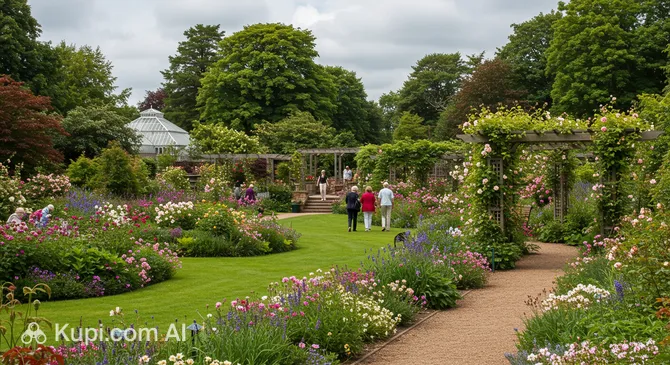
Harlow Carr Garden. Illustration.
Source: Kupi.com AI

Traveler photos:

The name "Carr" comes from an Old Norse word meaning "marshy area," reflecting the soil type in the area and explaining the abundance of water sources. The garden covers approximately 10.5 hectares, offering visitors a variety of mixed woodland, well-kept meadows, and demonstration plots.

A key feature of Harlow Carr Gardens is the skillful use of stone in its landscape design, picturesque woodlands, and numerous water elements that create a unique atmosphere of tranquility. It is not just a beautiful place for a walk, but also an important botanical and horticultural center for Northern England, where you can find inspiration, learn about plants perfectly suited for the northern climate, and simply enjoy the beauty of nature.

Contacts

For the most up-to-date information on opening times and available tours at Harlow Carr Gardens, it is recommended to visit the attraction's official website or contact tourist information centers in Leeds. Typically, gardens like this can be reached by public transport from the city center or by car by following the road signs.

How to contactContact
AddressCrag Ln, Beckwithshaw, Harrogate HG3 1QB, UK
Phone number+44 1423 565418
Websitewww.rhs.org.uk

What to Do

Harlow Carr Gardens, located in Harrogate (near Leeds), is a wonderful place for nature and gardening enthusiasts, offering an amazing variety of plants specially adapted to the climate of Northern England. Visitors can immerse themselves in the world of flora, exploring carefully designed garden compositions and admiring the landscape design. One of the main highlights is the alpine house, which features an impressive collection of high-altitude plants that are striking in their fragility and beauty.

Walking along the garden's scenic paths, guests can explore woodlands and admire serene water features and original rock gardens. This is a great opportunity to see how traditional gardening methods are skillfully applied in a northern climate. Harlow Carr Gardens offers more than just sightseeing; it is an educational experience, introducing visitors to various plant species and cultivation techniques.

The mineral springs located within the garden are of particular interest. These springs have a rich history and were once used for medicinal purposes, adding another layer of charm to the site. Thus, a visit to Harlow Carr Gardens is not only an aesthetic pleasure but also a chance to touch history and learn more about the region's natural riches.

Getting There

Harlow Carr Gardens is located in the charming spa town of Harrogate, in North Yorkshire, United Kingdom. This picturesque spot, famous for its magnificent plant collections and themed areas, is a popular destination for visitors.

To reach the garden, you first need to arrive in Harrogate. Since Harrogate is located near Leeds, one of the region's major cities, it is easily accessible by train or bus. Many tourists choose these forms of public transport for their convenience and regular service. The trip from Leeds to Harrogate usually doesn't take long.

Upon arrival in Harrogate, there are several ways to get to Harlow Carr itself. Local bus routes stop near the garden, making it accessible for those who prefer public transport. Additionally, taxis are always available, which can be a good option if you are traveling with family or have a lot of bags. If you are driving, follow the road signs leading to Harlow Carr from central Harrogate or the railway station. Visitor parking is usually available next to the garden.

Nearest city: Leeds

History & Facts

The history of Harlow Carr Gardens is rooted in the distant past when the area was covered by the dense Knaresborough Forest, which served as a royal hunting ground. A turning point for the site came in 1734 when sulfur springs were discovered here. This led to the idea of creating a health complex with spa treatments, although these plans were not realized until a century later.

In 1840, Henry Wright, the then-owner of the estate, began developing one of the mineral springs. He cleaned the well, and four years later, in 1844, he built a hotel and bathhouse on the site, laying the foundation for a future resort. This was the first step in transforming Harlow Carr into a popular destination for rest and wellness.

A new chapter in the garden's history began in the mid-20th century. In 1946, the Northern Horticultural Society was founded with the primary goal of "promoting and developing the science, art, and practice of horticulture as applied to the conditions of Northern England." Four years later, in 1950, the Society leased 10.5 hectares of land at Harlow Carr and officially opened the Harlow Carr Botanical Garden.

Since its founding, the garden has developed steadily, becoming an important horticultural center perfectly adapted to the specific climate of Northern England. Today, Harlow Carr Gardens is not just a beautiful place for a walk, but also a significant site for studying and demonstrating advanced gardening practices, attracting both experts and nature lovers from all over the United Kingdom and beyond.

Time Needed

When planning a visit to Harlow Carr Gardens, it is worth setting aside enough time to fully enjoy its beauty and diversity. For a general overview of the main areas and a leisurely stroll, most visitors will need at least 2-3 hours. This allows enough time to see key highlights such as the alpine house, the kitchen garden, the scented gardens, and the colorful borders.

However, if you are passionate about gardening or photography, or simply want to immerse yourself deeper into every corner, it is recommended to plan for half a day or even more. Harlow Carr Gardens features many themed zones, including woodland walks, water gardens, and plant collections, which can take a significant amount of time to explore. You should also factor in time for visiting the learning center, the plant shop, or relaxing in one of the garden's cafes.

Thus, the optimal time for a visit depends on your interests, but for a complete experience, it is best to aim for 3-5 hours. This will allow you to explore all the garden's sights without rushing and get the most out of your visit to this picturesque spot near Leeds.

Working Hours

To get the most up-to-date information on the opening hours of Harlow Carr Gardens, it is recommended to visit the attraction's official website or contact local tourist information centers. Hours may vary depending on the season, and special events may also affect the visiting schedule. Typically, these gardens are open to visitors year-round, but opening hours may be shorter during the winter months.

It is also worth checking in advance if pre-booking is required, especially during the peak tourist season or for specific exhibitions and events taking place in the garden. This will help you plan your visit effectively and avoid any potential inconvenience.

9:30 – 18:00

Nearby

A visit to Harlow Carr Gardens is undoubtedly a highlight, but there is much more to see. Exploring the surrounding area can greatly enrich your experience of Leeds and its picturesque outskirts. There are many other interesting sites near this famous garden that can offer new discoveries and complete your journey through the United Kingdom.

From historic estates to natural wonders and unique architectural landmarks, the area around Harlow Carr Gardens offers a variety of options for curious travelers. By taking the time to visit them, you can dive deeper into the region's atmosphere and take home even more unforgettable memories.

NameDistance
Rudding Park5.2 km
Nidd Hall7.1 km
Knaresborough Viaduct7.2 km
Knaresborough Castle and Courthouse Museum7.3 km
Harewood House9.9 km
Fountains Abbey14.2 km
Ilkley Moor Cow and Calf Rocks16.7 km

Have you reached the end of the page?

So the route has been studied inside and out